
Introduction
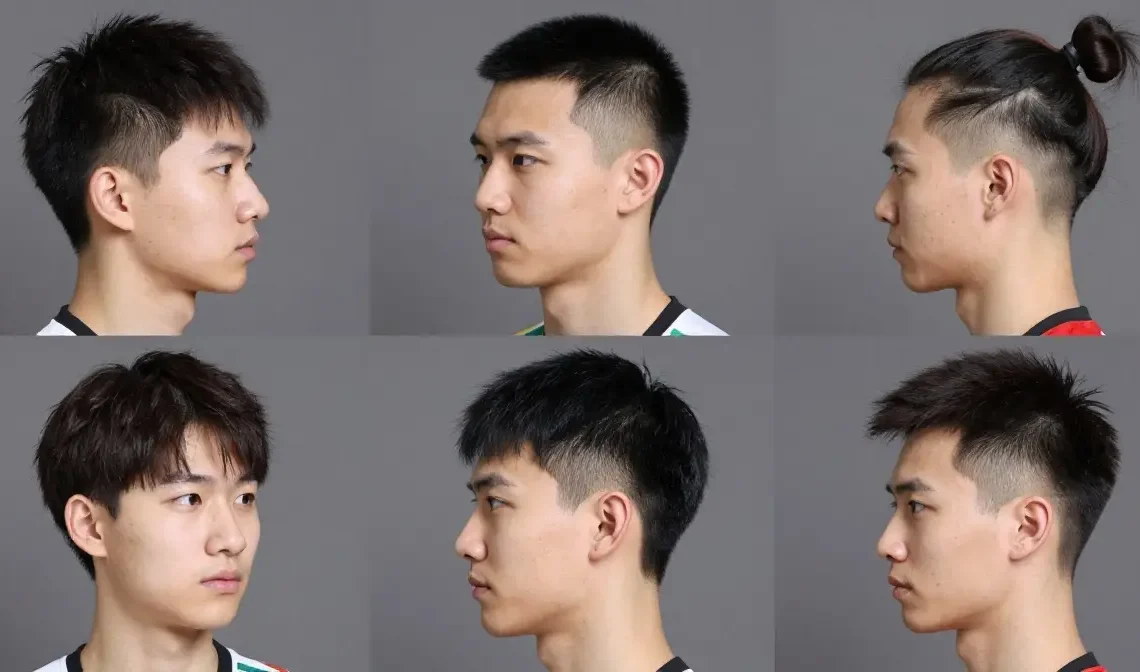
Volleyball is a sport that demands constant movement, explosive jumping, quick direction changes, and the kind of physical intensity that puts every element of your appearance through a genuine stress test. Your hairstyle is no exception. A good volleyball hairstyle for men needs to do things that most regular haircuts never have to consider, staying secure during a full match, keeping hair completely out of your eyes during a spike, handling sweat without falling apart, and ideally still looking genuinely sharp when the game ends and you walk off the court. The good news is that finding a hairstyle that meets all of these requirements without sacrificing personal style is entirely achievable, and the men’s volleyball world provides some of the most compelling and diverse hair inspiration available in any sport. This guide brings together 22 of the best volleyball hairstyles for men covering every hair type, length, and personal aesthetic so you can find the look that works both in the game and beyond it.
Buzz Cut for Volleyball Players
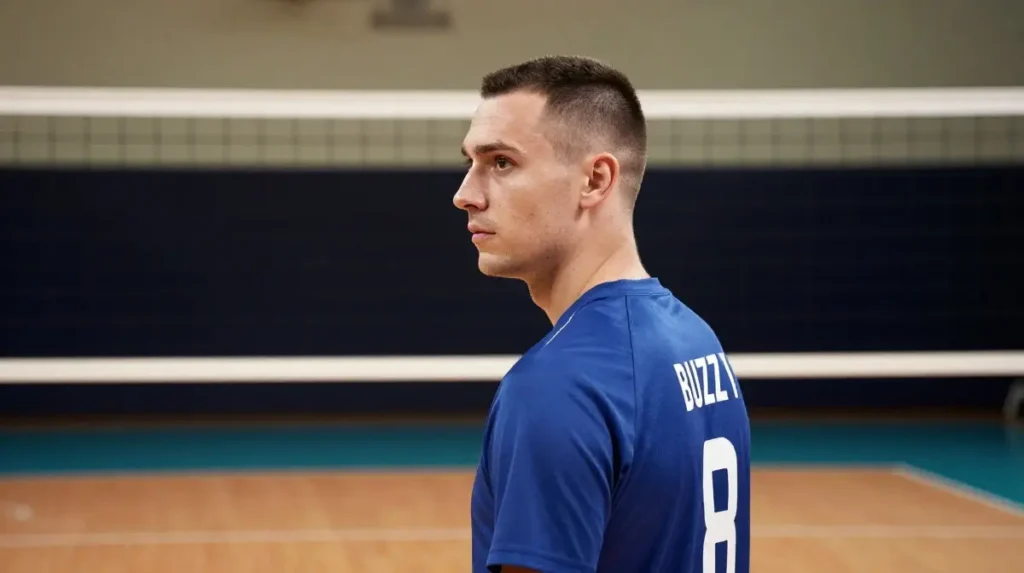
The buzz cut is the most practically effective volleyball hairstyle available to men because it eliminates every single hair-related concern in one decisive cut, leaving nothing to distract from performance, get in the eyes during a dig, or absorb sweat and cause discomfort during long matches or practice sessions. The uniform close-cropped length creates a clean and athletic appearance that works on virtually every face shape and head shape, and the zero-maintenance daily routine means there is never a bad hair day regardless of how physically demanding the training session was the night before.
Many competitive men’s volleyball players choose the buzz cut precisely because it removes all variables from the hair equation entirely, allowing complete focus on the game rather than on how the hair is sitting or whether a headband is holding. A fresh buzz cut touchup every two to three weeks keeps the length consistent and the overall appearance looking clean and intentional rather than simply overgrown. This is the hairstyle that requires the absolute minimum daily effort while delivering the maximum practical performance benefit.
Crew Cut for Volleyball Men
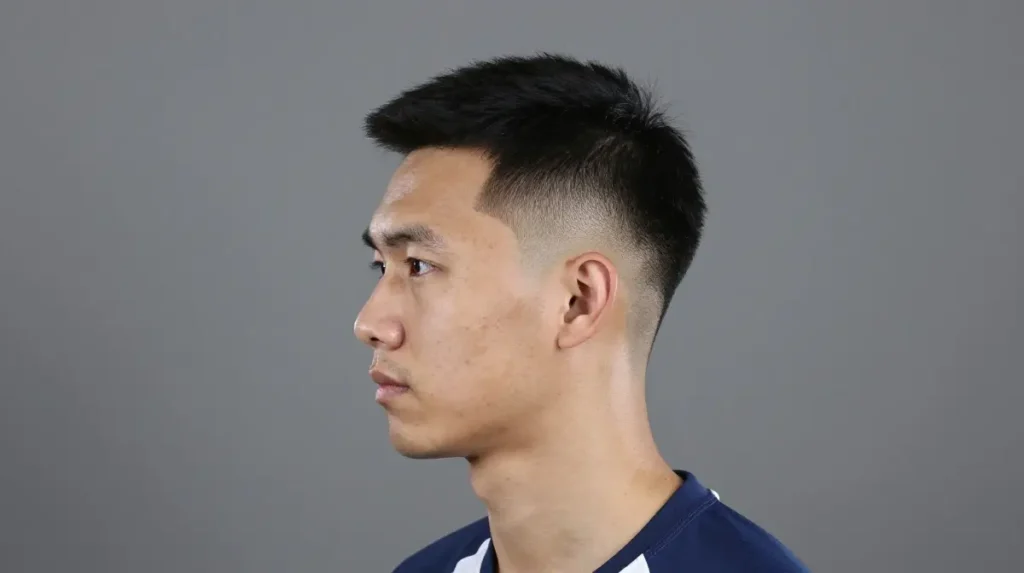
The crew cut sits one step above the buzz cut in terms of length and styling versatility, offering a slightly longer top section that creates visible style and personality while keeping everything contained, neat, and completely out of the face during the most intense game situations. The slightly longer top of the crew cut can be styled with a very small amount of lightweight product for a textured and intentional appearance that looks genuinely considered rather than simply short, which gives this style an advantage in situations where the volleyball player wants to look put together both on and off the court.
A crew cut with a low taper or a skin fade on the sides creates a clean and well-barbershoped result that suits most face shapes and elevates the overall appearance from purely functional to genuinely stylish. The crew cut is consistently one of the most popular choices among collegiate and professional men’s volleyball players because it requires only a weekly trim schedule to maintain its precise shape. A touch of matte clay on the dry top section creates the ideal textured and naturally finished result.
Taper Fade Textured Top for Volleyball
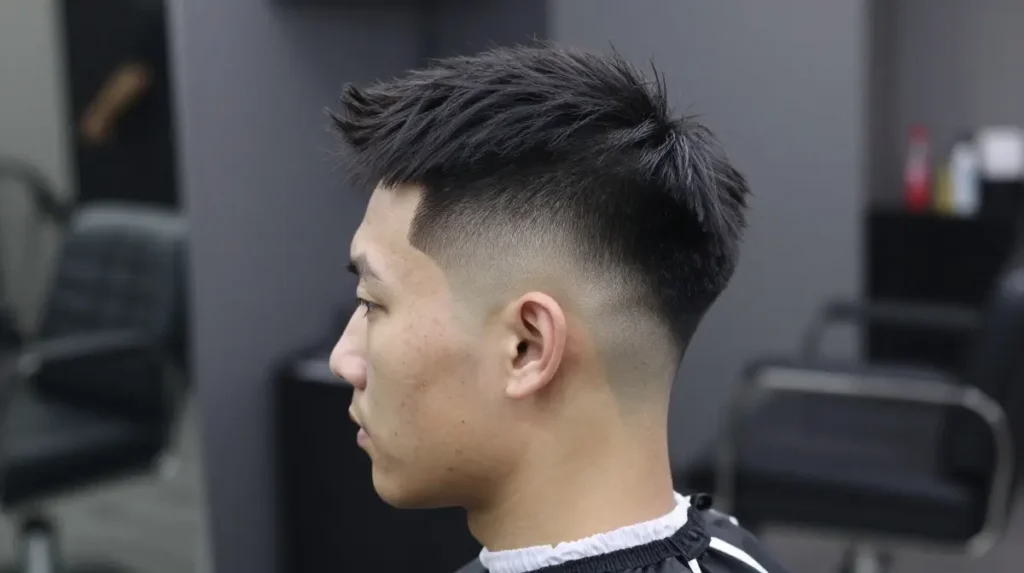
The taper fade with a textured top is one of the most consistently stylish and practically effective volleyball hairstyles for men, combining the clean graduated sides of the taper with a short and well-defined textured top that stays in place during the most physically demanding game situations without requiring excessive product weight that would flatten and slide during intense sweating. The textured top keeps hair off the face and above the eyes where it cannot interfere with vision during sets, spikes, or defensive digs, while the taper fade on the sides ensures the overall silhouette remains clean and structured even as sweat accumulates through a long match or training session.
A low or mid taper is the most conservative and professional version of this combination, while a high taper creates maximum contrast and a bolder overall aesthetic that suits men with stronger personal style preferences. A small amount of matte clay or a texture paste applied to the dry top section keeps the texture defined and separated throughout the entire duration of play. Many professional indoor volleyball players choose this combination because it genuinely works across both competitive performance and public appearance contexts.
Man Bun for Long Volleyball Hair
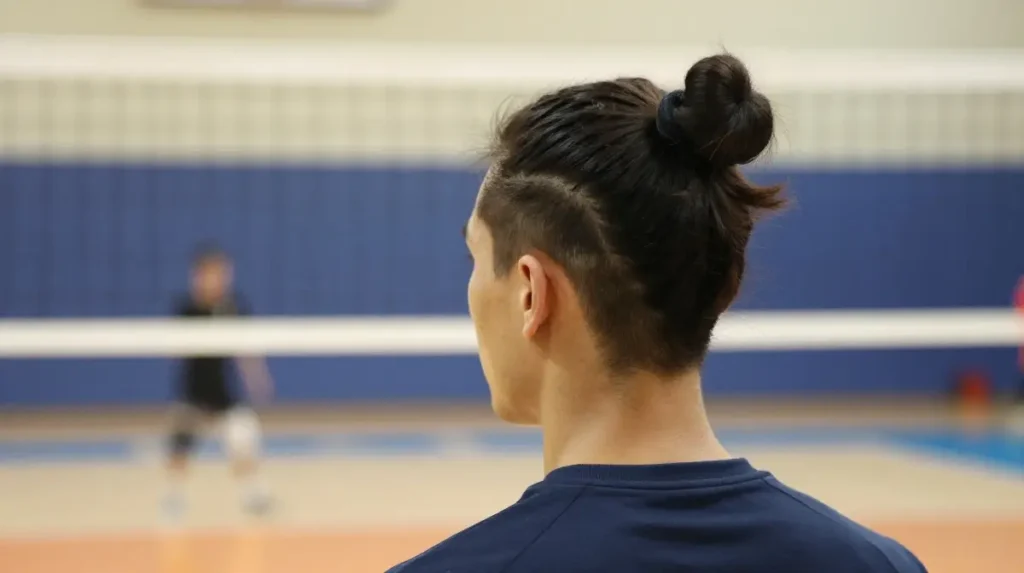
The man bun is the most practical and reliable volleyball hairstyle for men with long hair, gathering all of the length into a single secure point at the back or top of the head where it remains completely contained throughout an entire match regardless of the physical intensity of the play involved. A tight and well-secured man bun keeps long hair entirely out of the face, off the neck, and away from the shoulders, addressing every performance concern associated with longer hair during high-intensity sport without requiring the man to sacrifice the length he has invested time in growing. An elastic hair tie with genuine holding strength, rather than a decorative or lightweight one that loosens during movement, is the most important practical element of a successful volleyball man bun.
The undercut with a man bun is a particularly popular version of this combination because the faded or closely cropped sides eliminate any side hair that might escape the bun during play while the top section remains long enough to be secured effectively. Many beach volleyball players with longer hair favor the man bun specifically because the outdoor playing environment creates additional wind and movement challenges that the secured bun handles more reliably than any other long hair style.
Top Knot for Volleyball Players
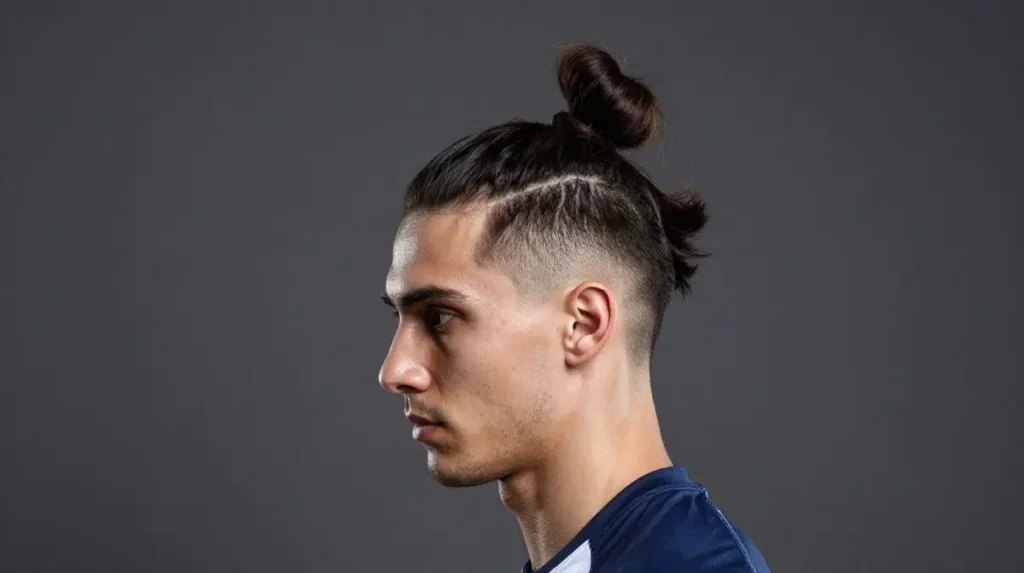
The top knot is a higher and slightly more compact version of the man bun, placing the gathered hair at the very top of the crown rather than at the back of the head, which creates a more upright and visually striking silhouette that has become genuinely popular among men’s volleyball players who want their hair secured without completely hiding the length they have grown. The elevated position of the top knot keeps the hair further away from the neck and upper back during play, which is a practical advantage in terms of comfort during sweating and physical exertion. A high fade or an undercut paired with a top knot creates one of the most dramatically stylish and clearly intentional volleyball hairstyle combinations available for men with medium to long hair.
The key to a top knot that survives the physical demands of a volleyball match is wrapping the elastic multiple times until the tension is genuinely firm rather than loosely gathered in a way that allows the knot to shift position as the head moves rapidly during play. This style has been seen regularly on professional beach volleyball athletes and draws consistent attention for its combination of functional security and genuine visual presence.
Undercut for Volleyball Men
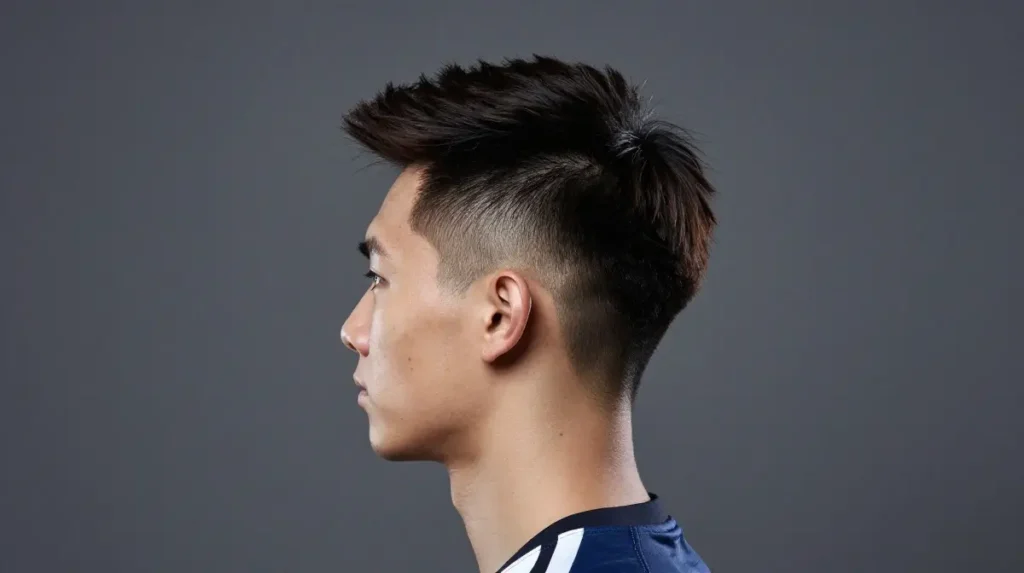
The undercut is a highly practical and visually bold volleyball hairstyle for men because the closely cropped or shaved sides eliminate all potential for side hair to fall across the face or into the eyes during play, while the longer top section can be styled in multiple directions depending on whether the man is preparing for a game or stepping off the court into a social environment. For volleyball specifically, the top section of an undercut is typically kept short enough to stay in place with minimal product or tied back into a small bun or secured with a sports headband when the length allows it.
The disconnected quality of the undercut creates a clear and dramatic contrast between the sides and the top that looks genuinely striking from any viewing angle and suits men who want their athletic appearance to communicate a sense of confident personal style. A skin or high fade undercut is the most extreme and dramatically styled version, while a lower undercut with less contrast suits men who prefer a more conservative overall appearance. The undercut is a consistently popular choice among competitive men’s volleyball players because its functional side-removal principle directly addresses one of the primary hair concerns during athletic play.
Curtain Fringe for Volleyball Men
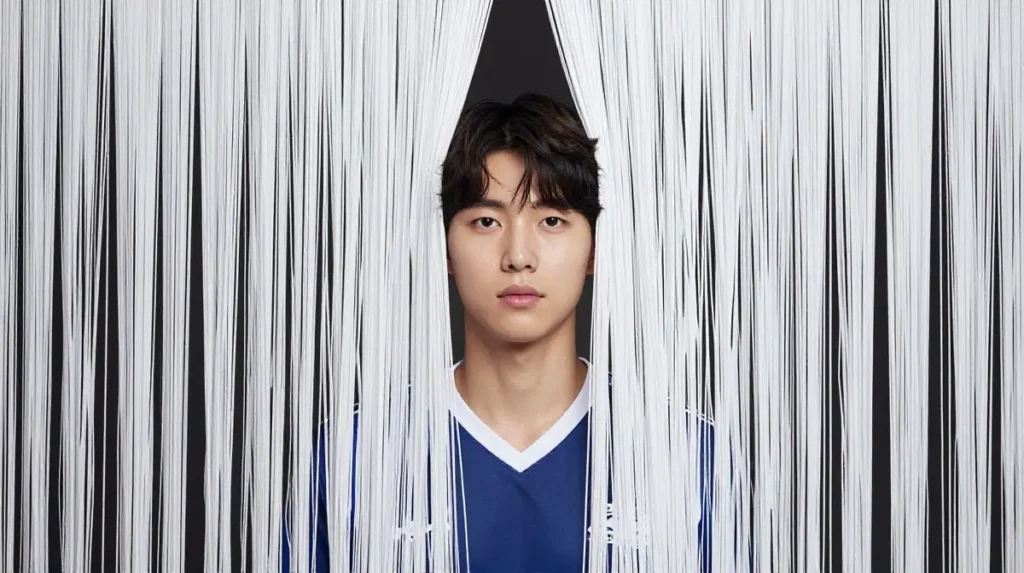
The curtain fringe has become one of the most photographed and widely admired volleyball hairstyles for men in recent years, bringing a soft and face-framing center-parted aesthetic to the athletic context in a way that suits men who want their hair to communicate genuine personal style and awareness of current grooming trends even while performing at the highest level of the sport. The center-parted curtain fringe falls naturally to both sides of the face in a way that keeps the hair out of the central vision line during play, which is a more practical quality than it might initially appear because the fringe sections fall away from the eyes toward the temples rather than dropping straight downward across the field of vision.
Many Japanese volleyball players including Ran Takahashi have popularized the curtain fringe in the volleyball world through their visible style presence at international competitions and social media appearances. A lightweight sea salt spray or a small amount of styling cream worked through slightly damp hair creates the most natural and relaxed curtain fringe result for a volleyball setting. This style works best on men with medium-length top sections where the fringe sections are long enough to fall convincingly to both sides.
Flow Hair Volleyball Hairstyle
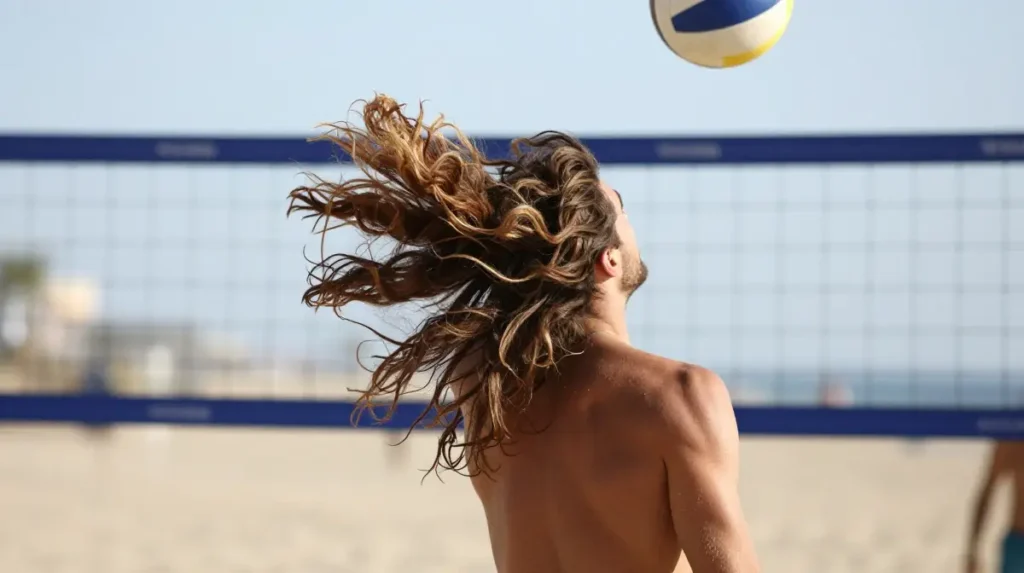
The volleyball flow is one of the most distinctive and genuinely attention-commanding hair styles in men’s sports, referring to medium to longer hair that moves freely and expressively during play rather than being tied back or closely cropped to the head. Men with a well-maintained flow in volleyball create a visual effect during jumping and spiking that has become almost iconically associated with the sport, particularly in beach volleyball where the combination of outdoor environment and physical athleticism gives longer flowing hair a particularly dramatic and cinematic quality.
The flow requires a longer grow-out period than most other volleyball hairstyles but rewards the investment with a style that is completely unique to the individual and expresses a relaxed and confident athletic personality. A lightweight hair oil or a sea salt spray worked through the lengths daily keeps the flow looking healthy, defined, and well-maintained rather than simply overgrown and unkempt. Regular trims every six to eight weeks prevent split ends and maintain the overall shape that distinguishes a genuinely styled flow from hair that has simply been left to grow without any direction or care.
Slick Back for Game Day
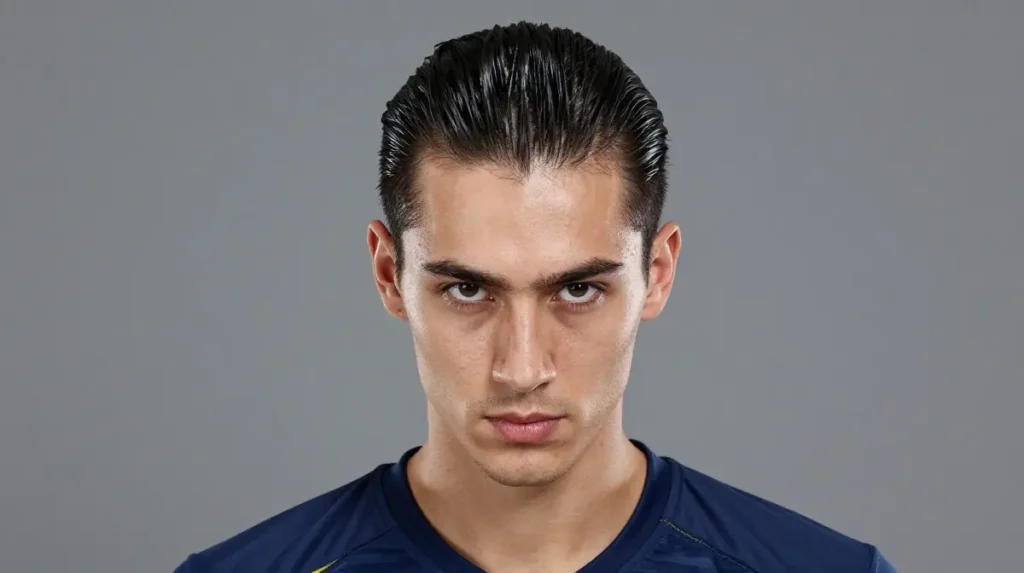
The slick back is a sharp and deliberately polished volleyball hairstyle for men who want their game-day appearance to communicate a sense of composed and confident professionalism before the first serve even takes place. The hair is swept straight back from the forehead using a medium hold product and combed into a smooth and controlled position that exposes the full face, maximizes peripheral vision, and keeps every strand directed away from the eyes throughout the match. The slick back works particularly well during warm-ups and pre-game situations where the hair is at its most freshly styled, and it holds its position through moderate physical exertion when the right product is used to secure it.
A water-based gel or a medium hold pomade with enough grip to survive sweating without becoming completely stiff or flaky creates the most reliable slick back result for an athletic context. This style suits men with naturally straight or very slightly wavy hair that stays directed backward with minimal encouragement and works beautifully from the front-facing camera angles that broadcast volleyball media consistently emphasizes.
Spiky Top with High Fade
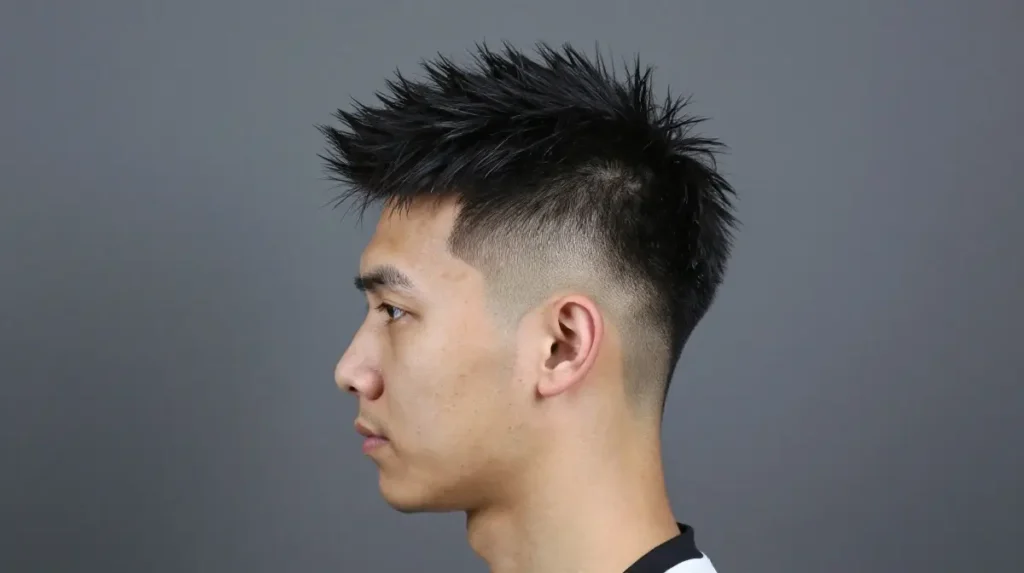
The spiky top with a high fade is one of the most energetic and visually dynamic volleyball hairstyles for men, combining a closely faded perimeter with a short spiky top section that adds height and visual impact above the face in a way that reads as genuinely bold and athletic in character. The spikes are created using a strong hold gel or a firm wax applied to the dry top section and then pushed upward and slightly forward or backward depending on the specific direction the style favors. The height of the spiky section keeps hair completely above the eye level where it cannot interfere with vision during play, which is one of the most important practical advantages this style offers alongside its obvious visual boldness.
A high fade on the sides ensures that no loose or unsecured hair exists below the top section where it might shift or fall during the rapid head movements of volleyball play. This style requires a quick two-minute styling routine before the game that maintains the spiky shape through at least the first two sets before sweat begins to soften the hold product and reduce the spike height.
Textured Quiff for Volleyball Men
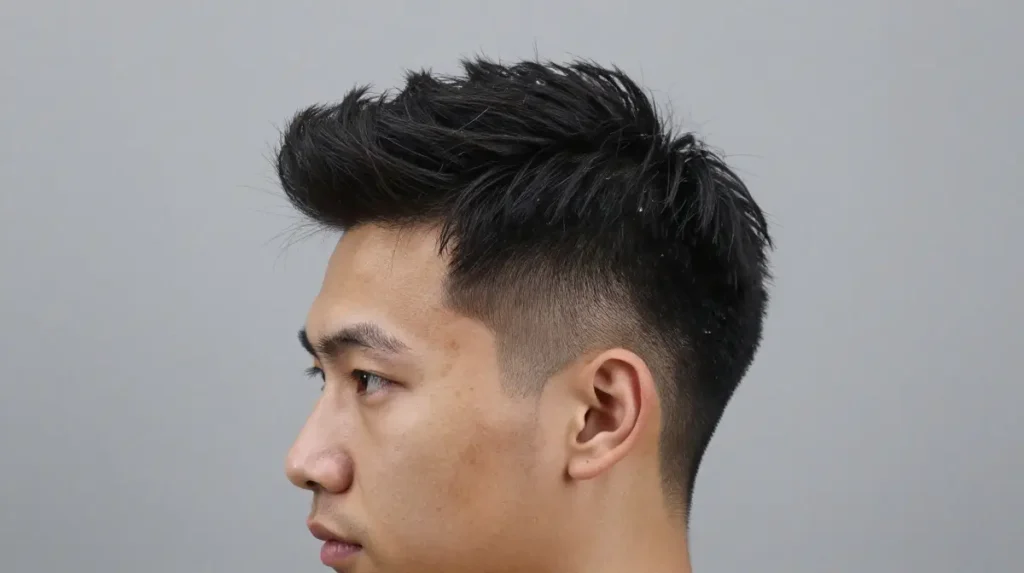
The textured quiff is a refined and deliberately stylish volleyball hairstyle for men who want their athletic appearance to reflect a genuine investment in personal grooming without creating a style that requires so much maintenance or product that it becomes impractical in a sweaty and physically intense game environment. The quiff involves a lifted front section with visible texture and movement above the face, creating a clean and structured silhouette that suits most face shapes and photograph beautifully from the elevated camera angles used in volleyball broadcast coverage. Micah Christenson, the American professional setter, has been associated with this style of clean and polished athletic hairstyle that balances volleyball functionality with genuine off-court presentation quality.
A medium hold pomade applied before the game creates enough lift and definition to maintain the quiff shape through the first portion of play before gradually softening into a more relaxed textured look as the match progresses. This style is popular among collegiate men’s volleyball players who want to look sharp in team photos and at sponsored events as well as being appropriately tidy during competitive play.
Short Pompadour for Volleyball
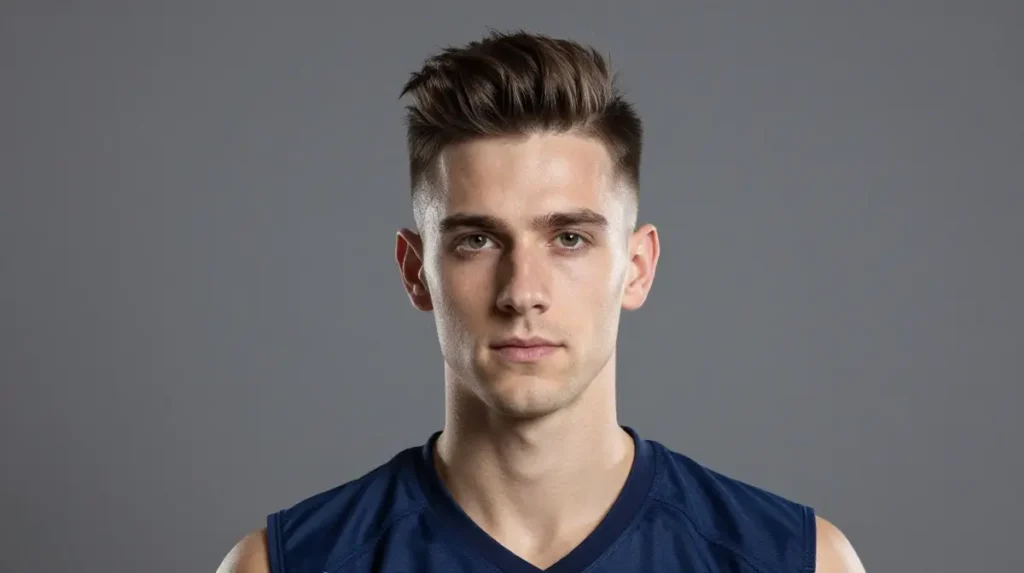
The short pompadour adapted for volleyball keeps the characteristic lifted front section of the classic pompadour but reduces the overall height and length to a more manageable and physically practical level that survives game-day conditions considerably better than a full salon-height pompadour would. The short sides, achieved through a fade or a taper, ensure that only the top section requires any styling attention, which reduces both the daily preparation time and the amount of product required to create the finished result. Brenden Sander, the professional volleyball player, has been associated with a clean short pompadour style that demonstrates how effectively this classic hairstyle translates to an athletic context when the proportions are kept appropriately scaled and practical.
A lightweight pomade applied before the match creates enough lift and structure to maintain the pompadour’s characteristic front volume through warm-ups and early game play. This style works particularly well on men with naturally thick hair that holds the pompadour’s lifted section reliably without requiring constant reapplication of product during rest periods between sets.
Man Bun with Undercut Fade
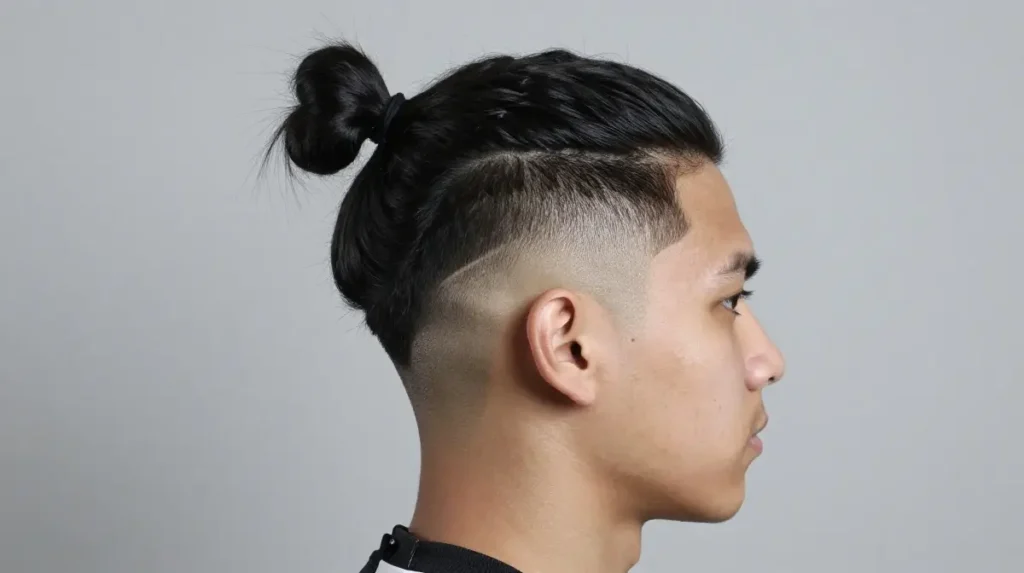
The man bun combined with an undercut fade is one of the most visually sophisticated and practically complete volleyball hairstyles available to men with medium to long hair, addressing the performance requirements of the sport through the secure bun while simultaneously creating a strong and deliberately styled aesthetic through the faded sides and back that transforms what might otherwise be simply a practical tied-up style into something with genuine barbershop quality and visual intention. The undercut fade eliminates any side hair that might escape the bun during play, creating a completely clean and maintained perimeter around the gathered top section. The contrast between the closely faded skin and the drawn-up top section creates a dramatic and striking appearance that looks equally appropriate on the volleyball court and at post-match social occasions.
A skin or high fade paired with a tight man bun sits at the most dramatic end of this combination’s spectrum, while a lower fade with a looser gathered bun creates a more relaxed and casual version that suits men who prefer understated athletic styling. This combination has been increasingly visible among men’s volleyball players across collegiate, professional, and beach volleyball contexts in 2025 and 2026.
Headband with Medium Hair Style
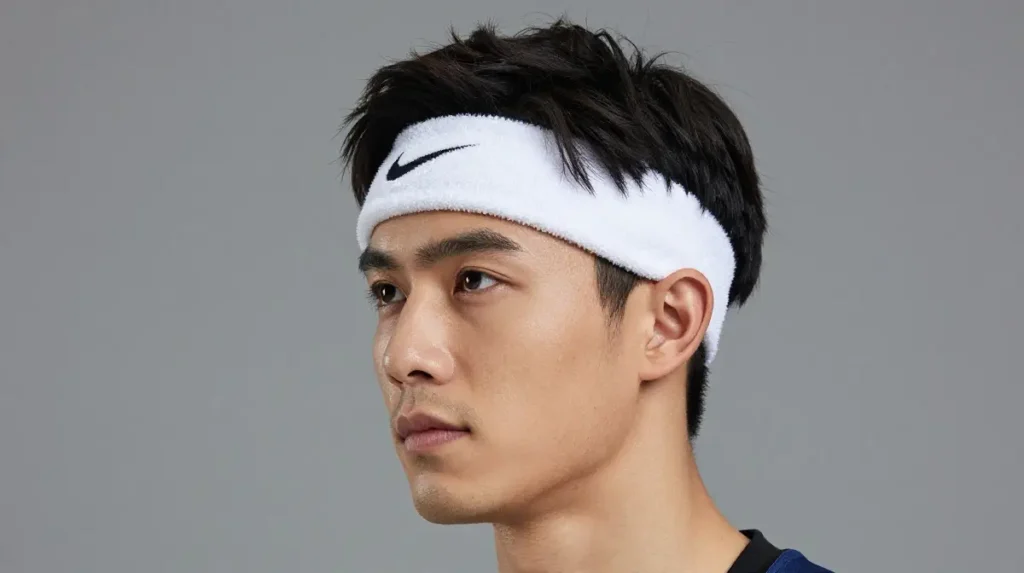
A sports headband worn with medium-length naturally textured or lightly styled hair is one of the most practical and visually authentic volleyball hairstyles for men who have not committed to either growing their hair long enough for a bun or cutting it short enough to stay in place without assistance. The headband pushes the mid-length hair back from the face and holds the front sections away from the eyes during play, creating an immediate and functional performance benefit without requiring any significant styling effort before the game. A thin silicone or fabric sports headband in a neutral or team-color tone sits comfortably across the forehead and stays in position through the most intense physical activity, making it a genuinely practical accessory rather than simply a styling choice.
The medium-length textured hair beneath and around the headband creates a relaxed and naturally appealing athletic appearance that suits men who prefer their volleyball hairstyle to feel effortless and authentic rather than formally barbershoped. This combination is particularly popular in recreational and club volleyball contexts where the emphasis on personal expression is as important as strict performance functionality.
Two Block Cut for Volleyball
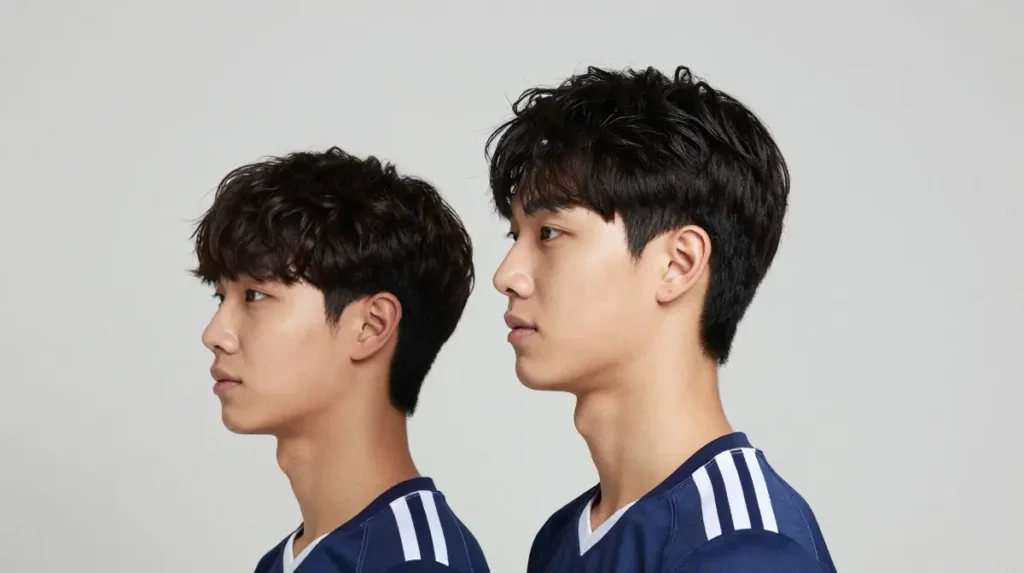
The two block cut is a Korean-influenced haircut that has made significant inroads into men’s volleyball hairstyle culture globally, featuring a clear and intentional contrast between the longer top section and the shorter back and sides that creates a clean and contemporary silhouette perfectly suited to the specific visual demands of athletic life. The two block’s longer top section can be styled as a curtain fringe, a textured crop, or a simple forward-directed style depending on the length and the personal preference of the individual player, while the shorter sides and back ensure the perimeter remains neat and maintained without any stray or loose sections that might interfere during play.
This style became particularly prominent through the influence of Japanese volleyball players including Ran Takahashi, whose social media presence has introduced Korean-influenced men’s hairstyling to volleyball audiences globally. A lightweight styling cream applied to the slightly damp top section and then blow-dried into position creates the most polished and precise two block result for an athletic setting. Regular trims every four to five weeks maintain the intentional contrast that defines the two block’s most distinctive visual quality.
Braids for Volleyball Men
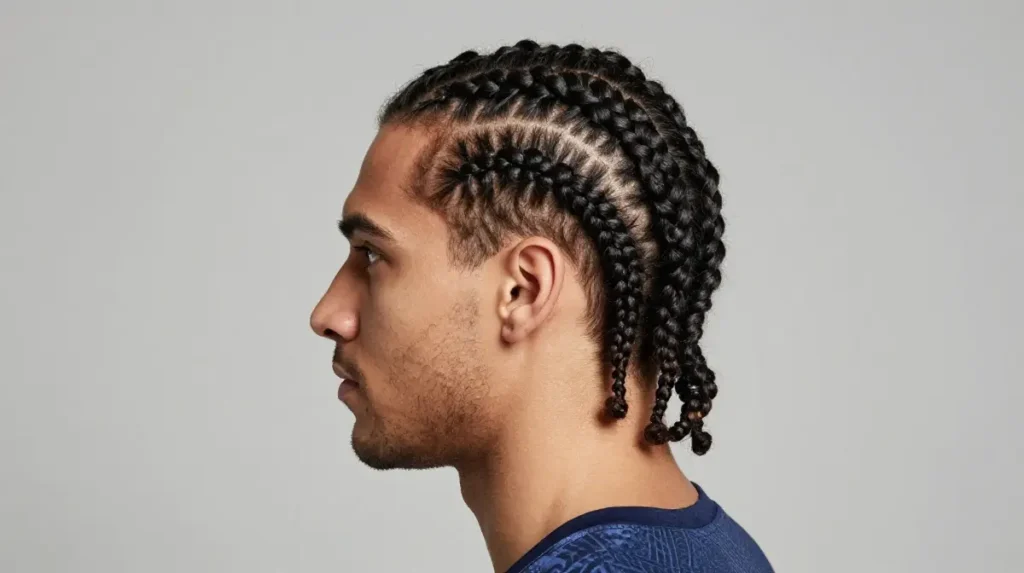
Braided hairstyles for men represent one of the most secure and practically reliable volleyball hair solutions available for players with medium to long natural, curly, or coily hair because the braid structure keeps every individual strand locked into a fixed and organized position that survives even the most physically intensive match situations without requiring any product reapplication or mid-game adjustment. Cornrows braided flat to the scalp are the most secure braid option for volleyball play because they eliminate all volume and loose hair from the entire head, creating a completely streamlined appearance that produces zero game-related hair interference. Box braids at medium length can also be secured with a hair tie into a bun or a ponytail before play to combine the aesthetic of the braided style with the practical security of a gathered and tied-back arrangement.
Men with naturally curly or coily hair consistently find that braids offer the most complete and lasting solution to the challenge of managing textured hair during high-intensity sport without resorting to chemical straightening or extremely short cutting. A light edge control product applied along the hairline before braiding keeps the style looking clean and fresh from the start of the match through to the final set.
Shaggy Flow with Headband
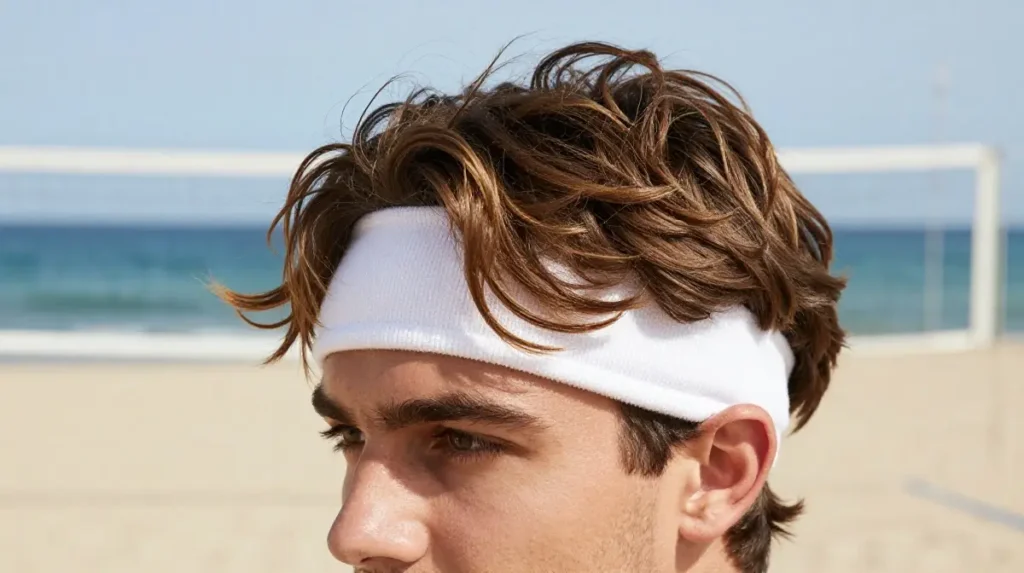
The shaggy flow with a headband combines the relaxed and expressively textured character of a longer shaggy layered style with the practical functionality of a sports headband that keeps the front sections and side layers secured and directed away from the face during play. This combination suits men who want their volleyball hairstyle to feel genuinely individualistic and creatively expressive rather than conforming to the cleaner and more conventional short hair standards that dominate many competitive team sport environments. The shaggy layers create a naturally textured and dimensional appearance that looks deliberately styled without requiring significant daily product application or extensive barbershop work to maintain its character between trims.
A sports headband wide enough to hold the side layers in place is essential for this combination to work practically during volleyball play, because a narrow headband that sits only at the forehead leaves the side sections free to fall forward during jumping and diving. This style is particularly popular in beach volleyball contexts where the combination of natural outdoor environments, physical athleticism, and a more relaxed approach to athletic personal presentation creates the ideal setting for expressive and individualistic hairstyle choices.
Ivy League Cut for Volleyball
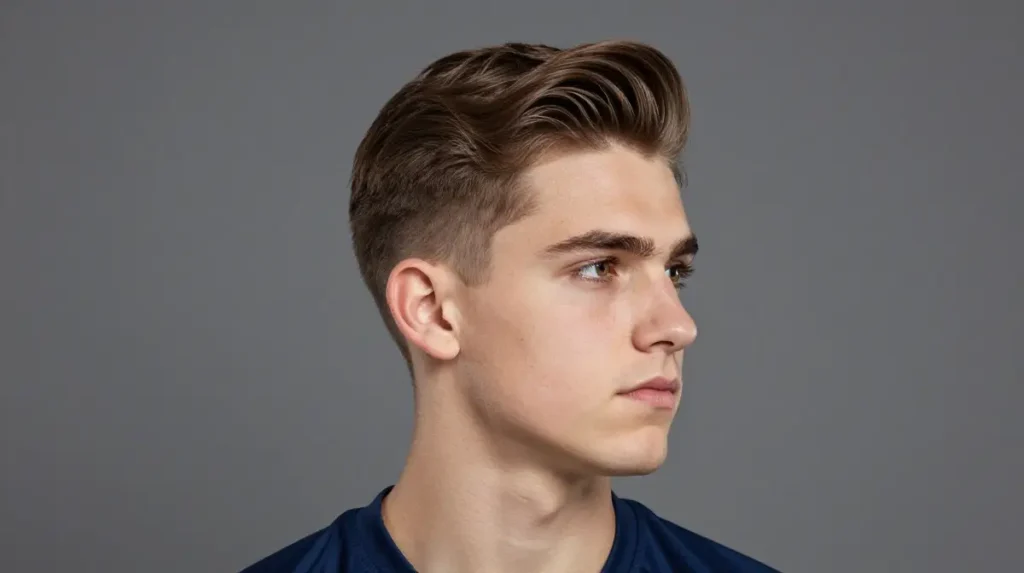
The Ivy League haircut adapted for volleyball creates one of the most classically refined and quietly elegant athletic hairstyle results available to men who want their sporting presentation to reflect a composed and well-groomed sensibility that extends naturally from the court to professional and academic environments. The medium-length top section of the Ivy League is combed neatly to one side or styled with a slight forward direction using a very small amount of light hold product, while the clean taper on the sides maintains the overall structure without creating any loose or unsecured sections that could shift during play. The Ivy League works practically for volleyball because the top section is kept at a length that stays above the eyes without requiring any securing, while the tapered sides eliminate the possibility of side hair falling across the face during rapid movement.
Matt Anderson, the American professional volleyball player, has been associated with textured side part styles that reflect a similar aesthetic sensibility of refined athletic grooming that the Ivy League embodies most completely. A small amount of natural finish pomade keeps the Ivy League looking intentional through the first portion of a match before settling into a naturally relaxed version as the game progresses.
Beach Volleyball Flow Hairstyle
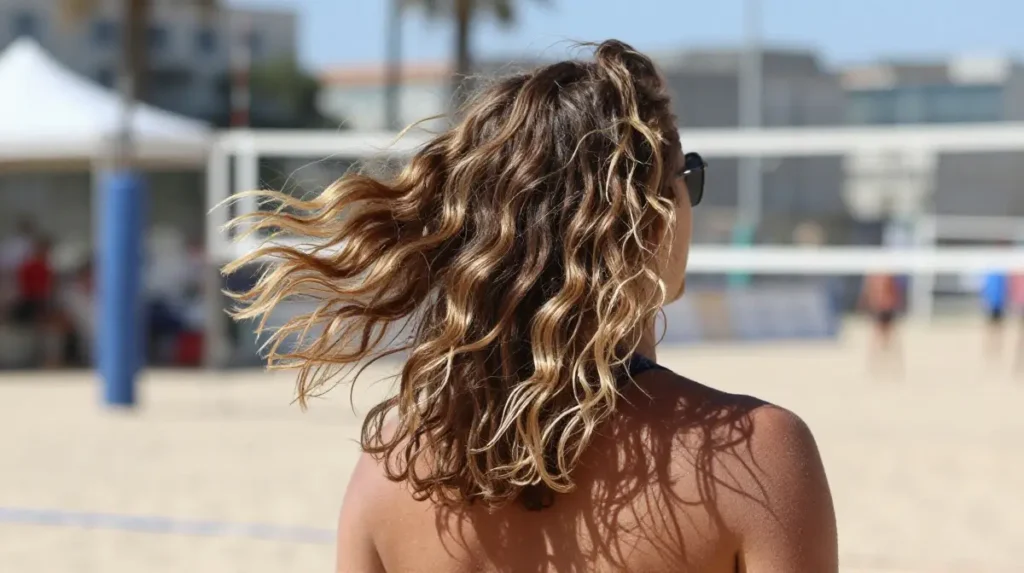
Beach volleyball creates specific hairstyle conditions that differ meaningfully from indoor volleyball, combining the physical demands of the sport with the additional environmental factors of sun, salt air, sand, and wind that all affect how hair behaves and looks during play. The beach volleyball flow, referring to medium to long hair worn loose or lightly gathered during outdoor play, is one of the most visually iconic men’s hairstyle images in the entire world of sport, associated with the relaxed confidence and physical freedom of outdoor athletic competition at the highest level. Keeping the beach volleyball flow looking its best requires a consistent conditioning routine that addresses the drying effects of salt water, sun exposure, and wind on the hair lengths, using moisturizing leave-in conditioner and a UV protection spray regularly to prevent the color fading and brittleness that beach conditions accelerate.
A sea salt spray applied to the hair before play actually enhances the natural texture and movement of the beach flow, creating a fuller and more defined wave pattern that looks visually compelling both during play and in the post-match photographs that outdoor volleyball consistently produces. Regular trims every six to eight weeks prevent the ends from becoming damaged and maintain the overall shape and health of the style.
Bandana or Durag Style for Volleyball
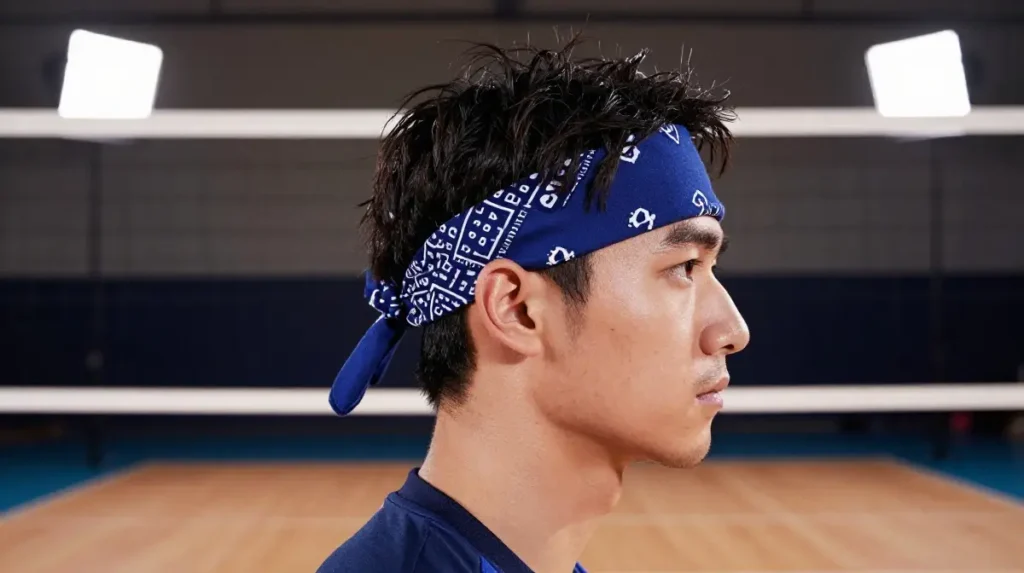
Wearing a bandana or a sports-specific head covering during volleyball play is a practically effective and visually distinctive approach to securing hair at any length, providing both coverage for the top sections and a strong compression that keeps the hair beneath it directed away from the face and eyes during the most physically demanding game moments. A classic cotton or moisture-wicking bandana folded into a strip and tied at the back of the head creates immediate and reliable hair control without any barbershop appointment or daily styling routine required, making it one of the most accessible and low-commitment volleyball hairstyle solutions available to men across every hair length and texture.
The bandana also absorbs sweat from the forehead during play, providing a comfort benefit that goes beyond simple hair management. A durag worn during play is particularly effective for men with longer natural or textured hair because its compression mechanism holds the entire hair structure in a fixed position that the movement and jumping of volleyball cannot dislodge. This style has a genuine cultural resonance and personal expression dimension that makes it a meaningful choice beyond its purely practical function for many men in the volleyball community.
Volleyball Hairstyle Maintenance and Product Tips
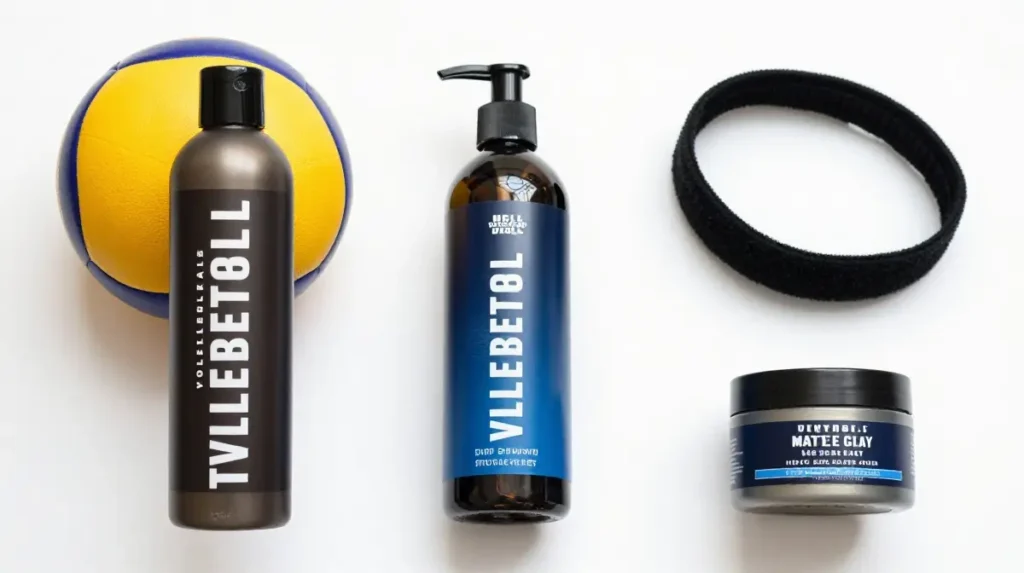
Getting a volleyball hairstyle to perform consistently well through an entire match and then look genuinely presentable afterward requires a small amount of strategic product choice and application knowledge that makes a significant practical difference to the overall result. Avoiding very heavy or oil-based styling products for game-day use is the most important single principle because oil-based products slide and separate as sweat accumulates, causing the hairstyle to lose its shape and potentially allowing hair to fall across the face in exactly the way the style was intended to prevent. Water-based gels, matte clays, and lightweight pomades with a firm but non-sticky hold formula perform considerably more reliably during athletic exertion than oil-based alternatives because they maintain their grip through sweating rather than breaking down and losing hold as moisture increases.
A dry shampoo applied to the roots before the game adds texture and grip that helps shorter styles stay in place and reduces the visible oiliness that sweat creates in longer styles during extended play. Post-game hair care using a gentle sulfate-free shampoo and a hydrating conditioner removes product buildup and sweat residue effectively without stripping the scalp or creating the dryness that frequent washing of athletic hair can produce over time.
How to Choose the Best Volleyball Hairstyle for Your Hair Type
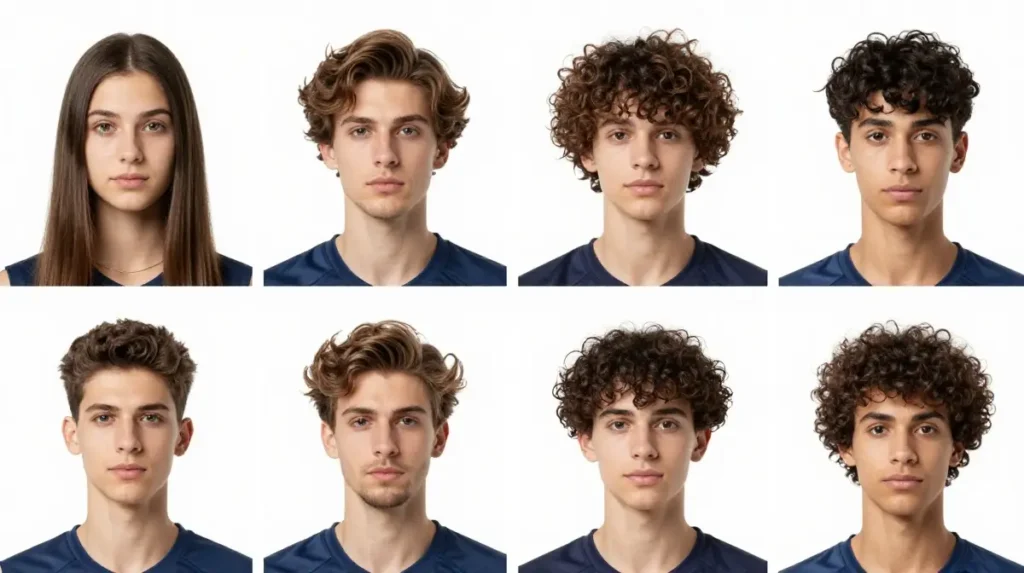
Choosing the most appropriate volleyball hairstyle based on specific hair type requires understanding how different hair textures behave under the physical conditions of game play and selecting the style that works most naturally with the hair’s inherent character rather than fighting against it throughout the entire match. Men with naturally straight hair have the widest range of practical volleyball hairstyle options because straight hair is easiest to direct, secure, and style into a fixed position that holds during play, with the crew cut, taper fade textured top, slick back, and Ivy League all performing reliably across game conditions. Men with wavy hair benefit most from styles that embrace the natural wave rather than attempting to straighten or rigidly control it, with the flow, the curtain fringe, and the textured top with taper all working naturally with wavy texture during play.
Men with curly or coily hair do best with fully secured styles including the man bun, braids, the high fade with top knot, or the buzz cut, because curly and coily hair expands significantly with humidity and sweat in ways that make unsecured styles increasingly difficult to manage as a match progresses. Thick hair benefits from styles that remove weight from the sides through a taper or fade while allowing the top section enough length to be gathered or styled with control, while fine hair performs best in shorter styles including the buzz cut and crew cut where the limited density is least visibly apparent.
Quick Reference Table: Best Volleyball Hairstyles for Men by Hair Length and Type
| Hairstyle | Hair Length | Hair Type | Performance Level | Maintenance Level |
|---|---|---|---|---|
| Buzz Cut | Short | All hair types | Maximum, zero interference | Very low, every 2 to 3 weeks |
| Crew Cut with Taper | Short | Straight to wavy | Very high, stays in place | Low, every 3 to 4 weeks |
| Man Bun with Undercut | Long | All hair types | Very high, fully secured | Moderate, every 5 to 6 weeks |
| Curtain Fringe Two Block | Medium | Straight to wavy | High, falls away from eyes | Moderate, every 4 to 5 weeks |
| Taper Fade Textured Top | Short to medium | All hair types | High, stays above eyes | Low, every 3 to 4 weeks |
| Braids with Bun | Medium to long | Curly or coily | Maximum, fully locked in | Low between rebraiding sessions |
| Flow with Headband | Medium to long | Wavy to straight | Moderate, headband assists | Low, trim every 6 to 8 weeks |
Conclusion
Volleyball hairstyles for men do not have to choose between looking genuinely stylish and performing practically during the demands of competitive play. The 22 styles in this guide cover the full range of what is possible for men’s volleyball hair across every length, texture, and personal aesthetic, from the zero-maintenance buzz cut to the expressive beach volleyball flow and every variation in between. The most important principle to carry into your next haircut or game-day styling session is that the best volleyball hairstyle is the one that you can genuinely forget about once the game starts, because your full attention belongs to the court, the team, and the next ball coming your way.
You can may also like this: 22 Middle Part Hair Men Ideas for Cool Flow Hairstyles
FAQs
What is the best hairstyle for volleyball men
The buzz cut and crew cut with taper fade are the most practically effective choices because they eliminate all game-day hair interference. For men who want longer styles, a tight man bun or braids provide the most reliable security during play.
How do volleyball players keep hair out of their face
Short styles stay naturally above the eyes. Medium and longer styles are secured with a man bun, top knot, sports headband, or bandana. Braids are the most reliable solution for textured and curly hair types during high-intensity play.
What hair products work best for volleyball
Water-based gels, matte clays, and lightweight pomades with firm hold perform best during volleyball because they maintain their grip through sweating. Avoid oil-based products that slide and break down as moisture increases during play.
Can men have long hair and play volleyball effectively
Yes. Many professional volleyball players wear long hair secured in a man bun, top knot, or braids during play. The key is securing the hair completely so it cannot fall across the face or interfere with movement during the match.
How often should volleyball players get haircuts
Short styles like the buzz cut and crew cut need touchups every two to four weeks. Medium styles with a taper or fade need visits every four to five weeks. Longer styles need trims every six to eight weeks to maintain end health and overall shape.
1 Comment