Introduction
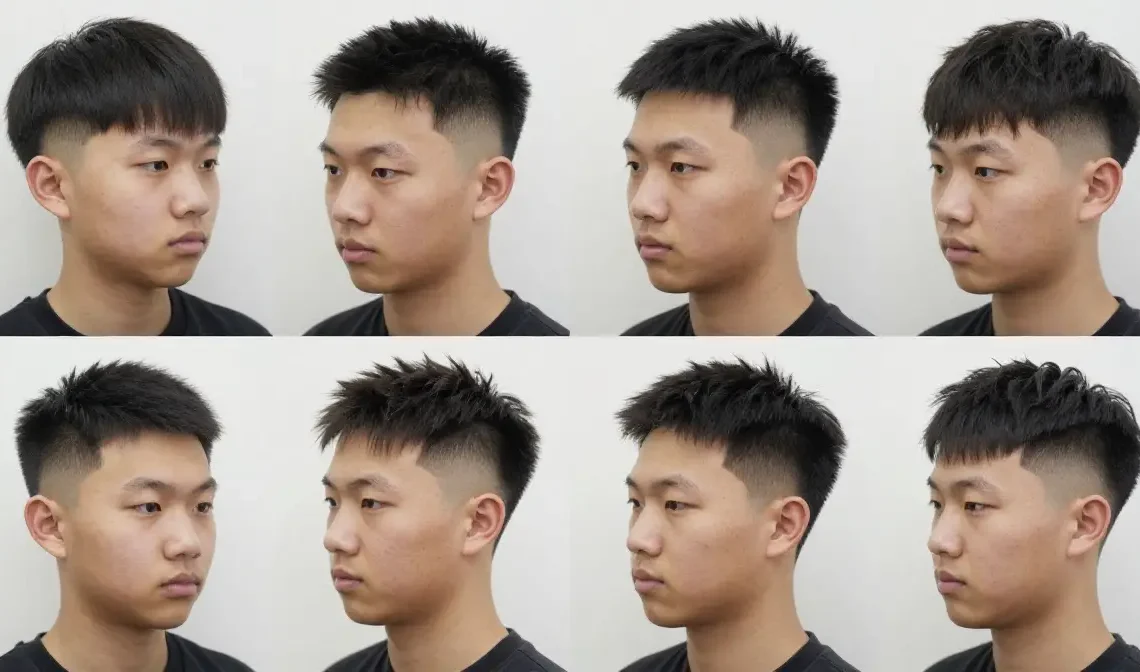
There are very few haircuts in men’s grooming that have maintained their relevance across as many decades, style eras, and cultural shifts as the taper haircut. It is the kind of cut that works equally well on a teenager heading to school, a professional walking into a boardroom, and an older man who simply wants to look well-groomed and confident without spending an hour in the bathroom every morning. The reason is straightforward. A taper haircut creates a clean, graduated reduction in length from the top of the head down through the sides and back to the neckline, producing a polished and structured result that flatters virtually every face shape, hair type, and personal aesthetic.
Unlike a fade, which can reach the skin at the lowest point, a taper leaves a small amount of hair at the shortest section, creating a more natural and versatile finish. This guide brings together 22 of the most stylish and reliable taper haircut styles for men currently trending so you can find the version that suits your lifestyle, hair type, and personal style most naturally.
Classic Low Taper Haircut
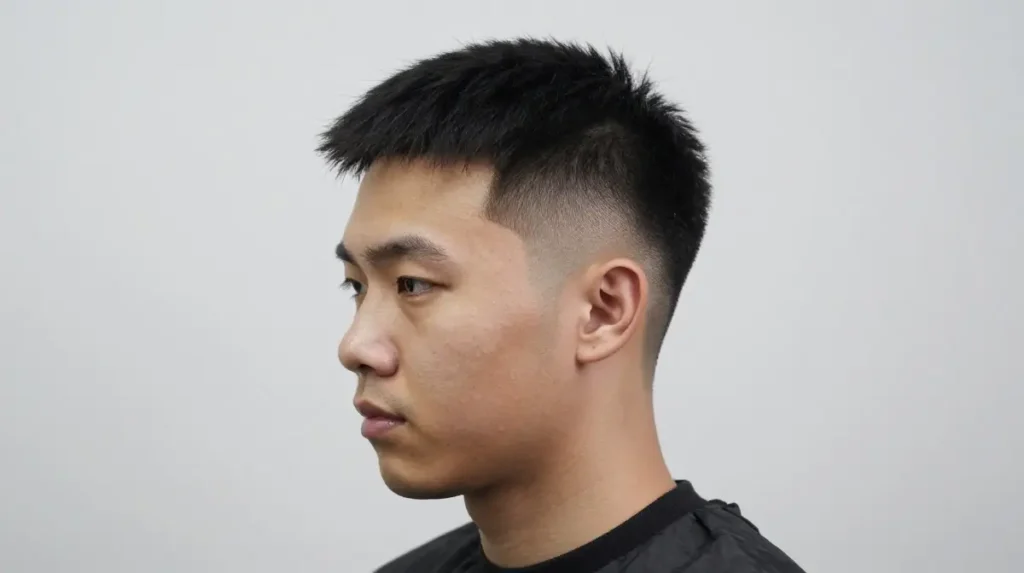
The classic low taper is the most universally flattering and consistently popular taper style available, beginning its graduation just above the ears and blending smoothly toward the neckline with a subtle and restrained contrast that suits virtually every professional and social context without drawing unwanted attention for the wrong reasons. This is the taper that barbershops have been executing successfully for decades because it works reliably across straight, wavy, curly, and coily hair types without requiring significant adjustment to the basic technique.
The low taper leaves more hair on the sides than a mid or high version, creating a conservative and polished result that is entirely appropriate for formal environments, job interviews, and any setting where a composed and well-groomed appearance genuinely matters. A matte pomade or a light styling cream applied to the top section creates the ideal natural finish that complements the clean subtlety of the low taper on the sides. Men who want to try their first taper are consistently directed toward the low version as the safest and most universally successful starting point.
Mid Taper Haircut
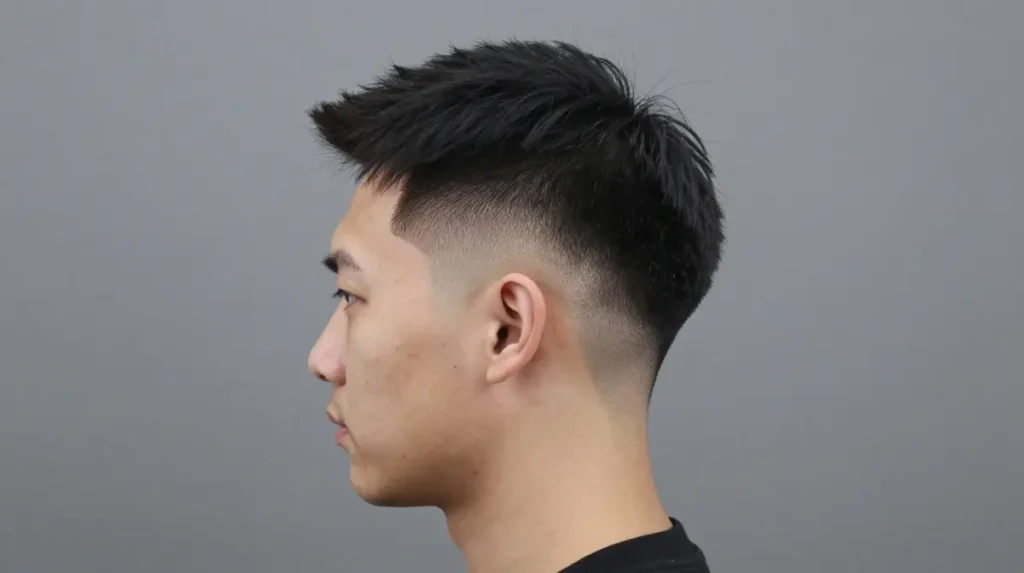
The mid taper begins its graduation at approximately the temple level, creating a moderate and visually satisfying contrast between the longer hair on top and the shorter sides that reads as deliberately stylish without crossing into the bold and dramatic territory of higher fade variations. This is probably the single most requested taper variation in barbershops worldwide because it sits precisely at the intersection of conservative professionalism and contemporary style awareness, giving men a haircut that reads as well-groomed in formal settings and genuinely fashionable in casual ones simultaneously.
The mid taper works across the widest range of top styles, from a textured crop and a quiff to a side part and a natural wave pattern, making it the most versatile structural foundation available within the taper family. A light hold matte clay or a natural finish pomade applied to the top section creates the ideal styling result for a mid taper regardless of the specific top style chosen. Men who want a clearly visible and stylish result without the maintenance demands of a very high or very close taper consistently report the most satisfaction from the mid taper variation.
High Taper Haircut
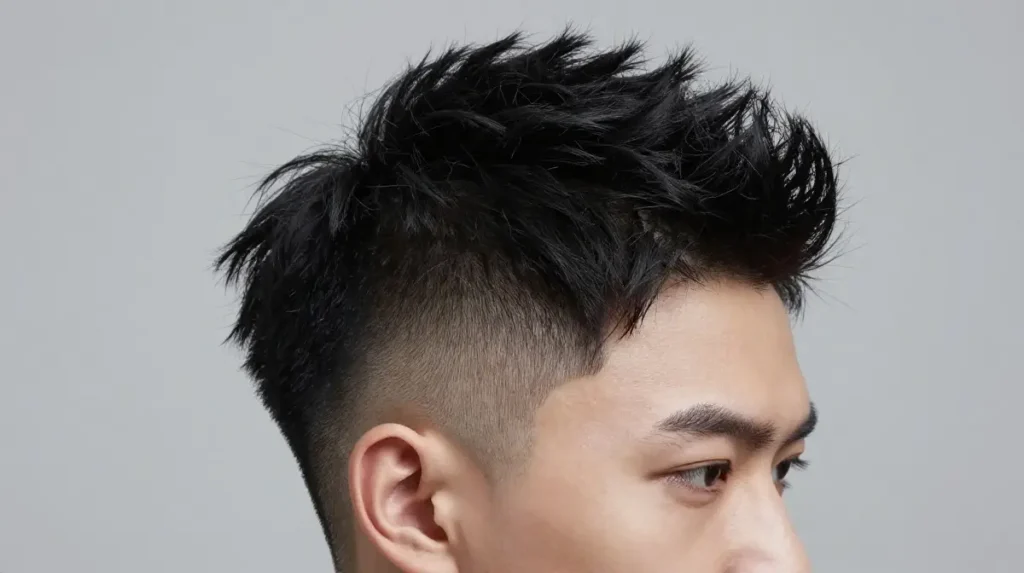
The high taper begins its graduation close to the top of the head, creating a bold and high-contrast transition from the closely cut sides to the longer hair above that produces one of the most visually dramatic and fashion-forward silhouettes available in the broader taper family. This version is specifically designed for men who want their haircut to make a clear and confident visual statement rather than simply providing a clean and polished baseline that does not draw particular attention.
The high taper works particularly well with voluminous and expressive top styles including a full pompadour, a dramatic quiff, a textured faux hawk, or a full blowout, where the dramatic contrast between the high sides and the full top creates a striking and memorable overall silhouette. Regular barbershop visits every two to three weeks are necessary to keep the high taper looking sharp because the contrast becomes visible very quickly as the hair grows out at the sides. This is the taper for men who are confident in their personal style and want their haircut to reflect that confidence visibly and unapologetically.
Skin Taper Fade
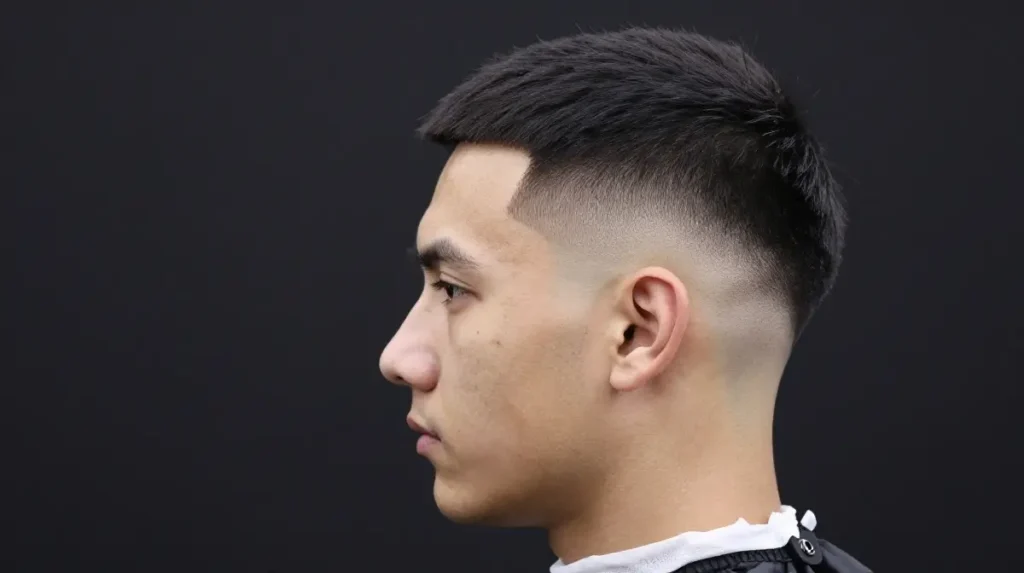
The skin taper fade takes the classic taper graduation all the way down to the bare skin at the lowest point, creating an ultra-clean and razor-sharp finish at the sides and back that gives the overall haircut an almost architectural quality in its precision. This is one of the most technically demanding taper variations to execute correctly because any unevenness in the blend from skin to the shortest clipper guard length is immediately visible and creates a result that looks unfinished rather than polished.
When executed properly by a skilled barber, the skin taper fade produces an extraordinarily clean and impressive result that makes the face appear more defined and the overall grooming standard appear genuinely elite. A beard combined with a skin taper fade creates one of the most complete and masculine grooming compositions in men’s styling, where the fade blends seamlessly into the beard line to create a unified and deliberate overall appearance. This style requires touchup visits every two weeks to maintain its precise and clean character.
Drop Taper Fade
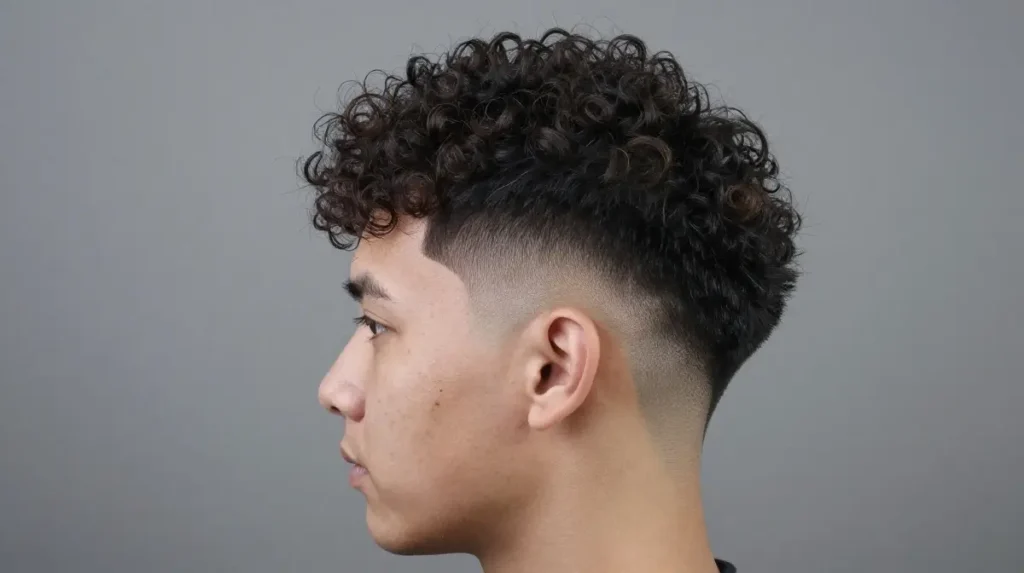
The drop taper fade is a specific variation where the fade line follows the natural curve of the head and drops down behind the ear rather than maintaining a straight horizontal line across the sides, creating a rounded and organic-looking transition that gives the overall haircut a more dynamic and three-dimensional quality than a standard taper provides. This curved fade line creates a subtle but meaningful visual difference that makes the haircut feel more considered and artistically composed than conventional straight-line tapers.
The drop taper works particularly well with textured and natural hair types including wavy, curly, and coily hair where the organic quality of the rounded fade echoes the natural movement patterns of the hair above it in a visually harmonious way. Pairing a drop taper with a curly or wavy textured top creates one of the most naturally cohesive and genuinely attractive taper combinations currently popular in contemporary men’s barbering. A curl-defining cream or a sea salt spray applied to the top section complements the natural quality that the drop taper brings to the sides.
Temple Taper Fade
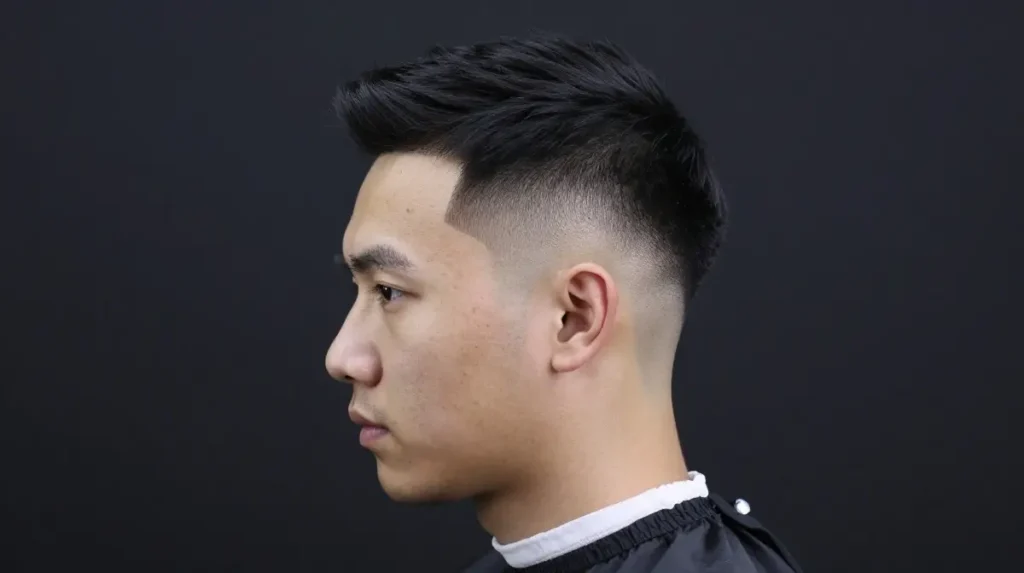
The temple taper fade focuses specifically on the area around the temples and sideburns rather than creating a full graduation across all of the sides and back, producing a clean and defined result around the edges of the haircut while leaving the rest of the sides less dramatically altered. This is one of the most subtle and low-commitment taper variations available, making it an excellent option for men who want a clean and well-groomed hairline and temple area without the full contrast of a mid or high taper across the entire side of the head.
The temple fade is particularly popular for men who want to maintain a longer side section for styling purposes while still achieving the clean and defined edge that a taper provides at the hairline. A light pomade or styling cream worked through the top section and the preserved side sections creates a result that looks polished and intentional without appearing aggressively barbered. This variation is one of the most office-appropriate and conservatively professional taper options available for men in formal employment environments.
Taper with Textured Crop
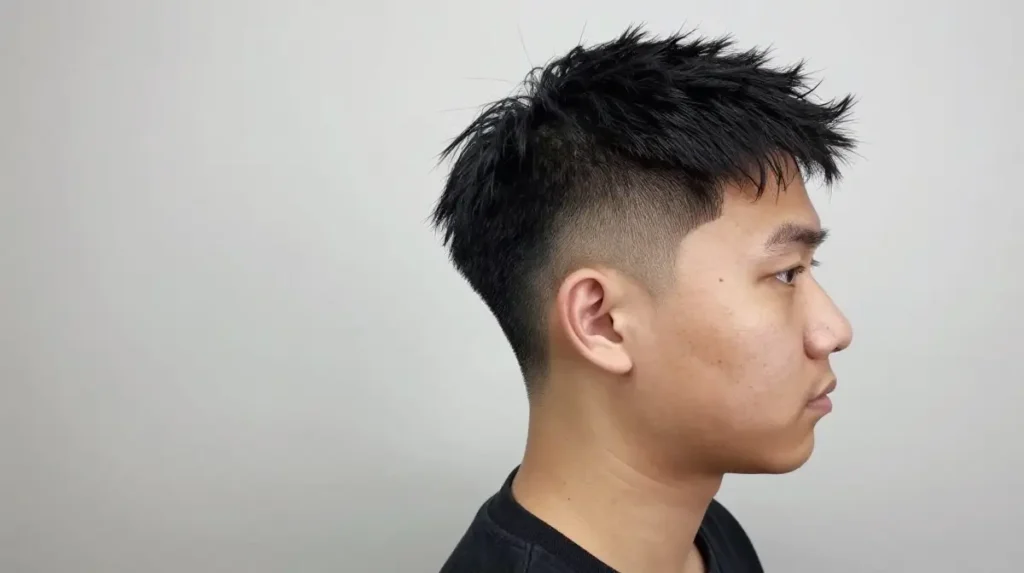
The textured crop paired with a taper is one of the most consistently requested and widely photographed haircut combinations in contemporary men’s barbering, offering a clean and modern result that suits a broad range of hair types, face shapes, and personal styles without requiring significant daily styling effort to look genuinely sharp and intentional. The textured top provides visual interest and character through its piece-y and layered finish while the taper on the sides creates the clean structural frame that makes the textured crop appear polished and deliberate rather than simply unkempt.
A matte clay or a texture paste worked through the dry top section and then shaped with the fingers creates the ideal separated and dimensional finish for this combination. This pairing works particularly well with a low to mid taper on the sides, where the moderate contrast allows the textured crop on top to be the primary visual statement. The grow-out period for this combination is forgiving and manageable, making it one of the most practical long-term taper styles available to men.
Taper with Pompadour
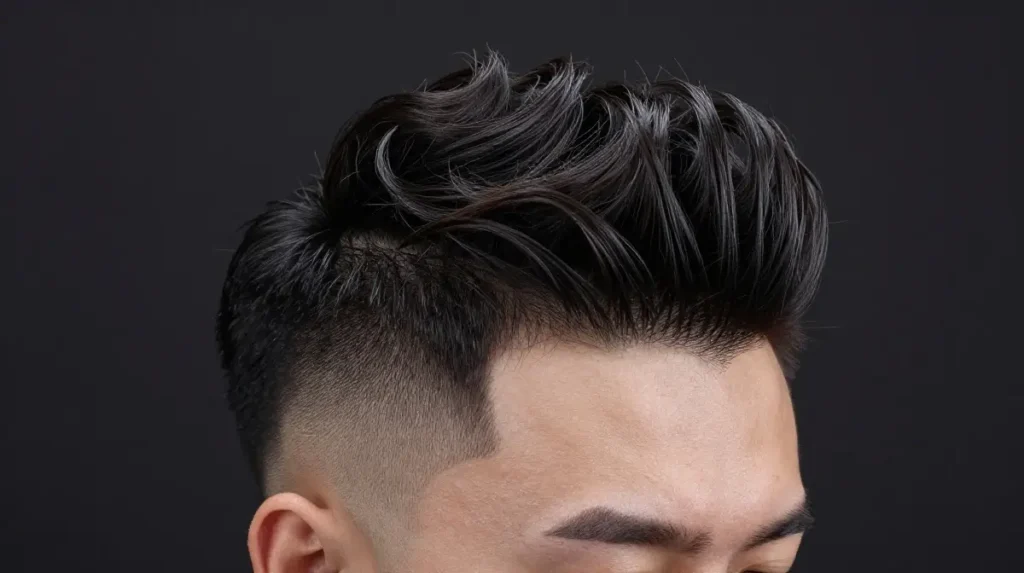
The pompadour combined with a taper is one of the most historically significant and enduringly stylish haircut combinations in men’s grooming, drawing on a tradition of elevated and voluminous front styling that has been popular in various forms since at least the mid-twentieth century and continues to look genuinely impressive when executed with modern technique and product choices. The front section is blow-dried upward and backward with significant volume using a round brush before being smoothed and shaped with a medium hold pomade, while the taper on the sides provides a clean and graduated frame that prevents the voluminous top from appearing uncontrolled or ungroomed.
A natural or low-shine pomade applied to the top section creates the most contemporary pompadour finish, avoiding the heavily lacquered appearance of older interpretations that makes the style feel dated rather than confident. The taper on the sides should be kept at a mid to high level to create enough contrast with the full pompadour top to make the combination visually impactful rather than simply a modest styling choice.
Taper with Comb Over
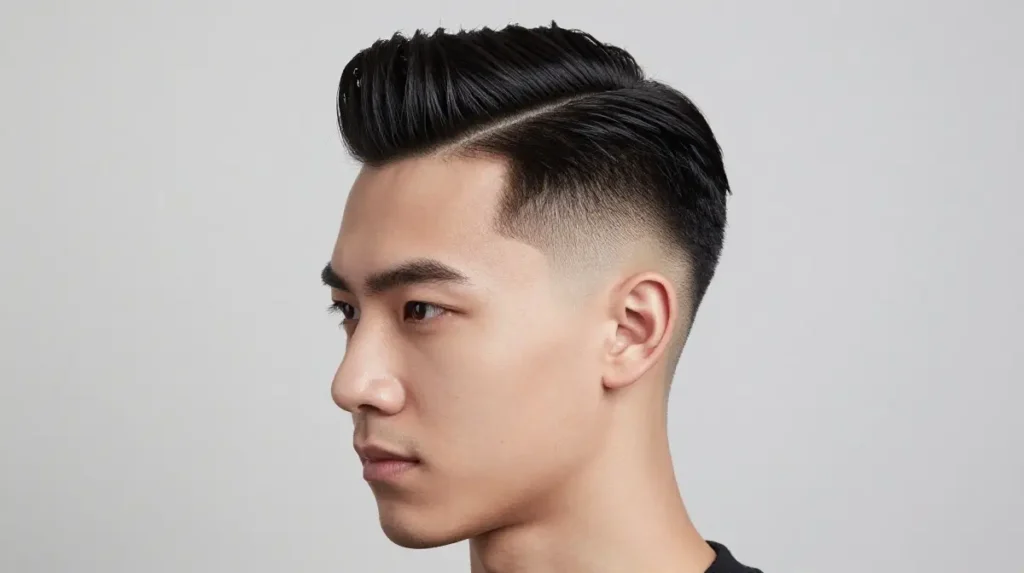
The comb over paired with a taper is one of the most elegant and professionally appropriate haircut combinations available in men’s grooming, creating a polished and deliberately considered result that suits formal occasions, corporate environments, and any context where a composed and structured personal presentation genuinely matters. The hair on top is grown slightly longer and then combed from one side to the other in a smooth and directional sweep that creates a sleek and intentional surface above the tapered sides, producing a result that reads as equally appropriate in a boardroom and at a wedding.
A light to medium hold pomade with a natural or low-shine finish is the most effective product for maintaining the comb over’s directional sweep throughout a full working day without creating a stiff or overly formal appearance. The side part that divides the comb over section from the shorter tapered side is either left as a natural part created by the comb or defined more sharply with a razor to create a hard part that adds an additional graphic and precise element to the overall look.
Taper with Slick Back
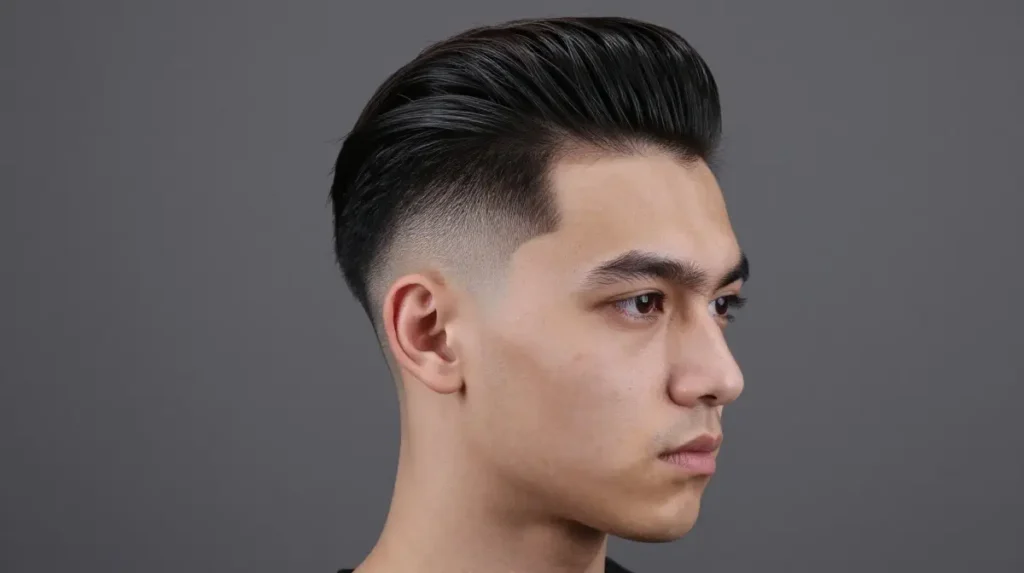
A slick back hairstyle paired with a taper creates one of the most confident and cinematic-looking combinations in men’s grooming, drawing the hair straight back from the forehead in a smooth and controlled sweep that exposes the full face and creates a streamlined and authoritative silhouette that photographs particularly well. The taper on the sides removes visual bulk and ensures that the attention is directed entirely upward and backward toward the slicked top, giving the overall look a sense of intentional structure and deliberate personal confidence.
A medium to high hold pomade or a water-based gel applied to damp hair before combing it straight back with a fine-tooth comb creates the most controlled and polished slick back result. The taper should ideally be kept at a mid level to provide enough contrast with the slicked top that the structural frame of the sides is clearly visible and contributes meaningfully to the overall silhouette. A light application of a shine serum over the finished slick back adds the glossy and well-maintained quality that gives this combination its most impressive final appearance.
Taper with French Crop
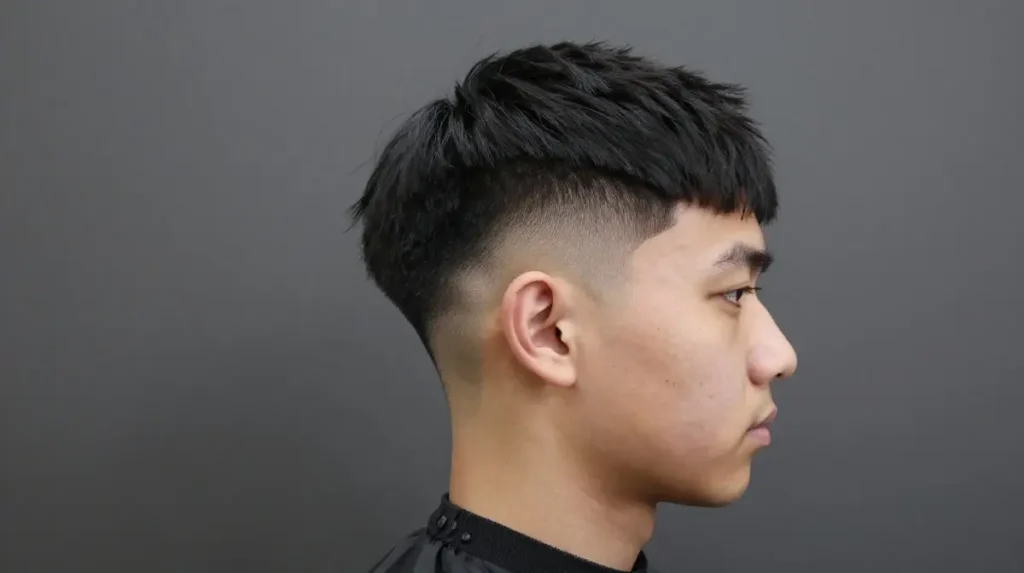
The French crop combined with a taper is one of the most consistently stylish and contemporary haircut combinations available in men’s grooming, featuring a short and forward-directed top section with a straight or slightly textured fringe paired with a clean taper on the sides that gives the overall look a precise and deliberately modern quality. The French crop fringe creates a strong horizontal line across the forehead that interacts with the graduated sides in a way that produces a very clear and graphic overall silhouette. A matte clay or a texture paste applied through the dry top section and then pushed forward creates the most natural-looking and contemporary French crop finish that suits both casual and semi-professional environments without any adjustment to the styling approach.
The French crop with a low to mid taper is particularly popular among younger men who want a genuinely current and fashion-aware haircut that requires minimal daily effort to look consistently good. This combination also suits men with naturally straight or slightly wavy hair that holds the forward direction of the crop reliably without requiring extensive product to maintain the fringe position.
Taper with Quiff
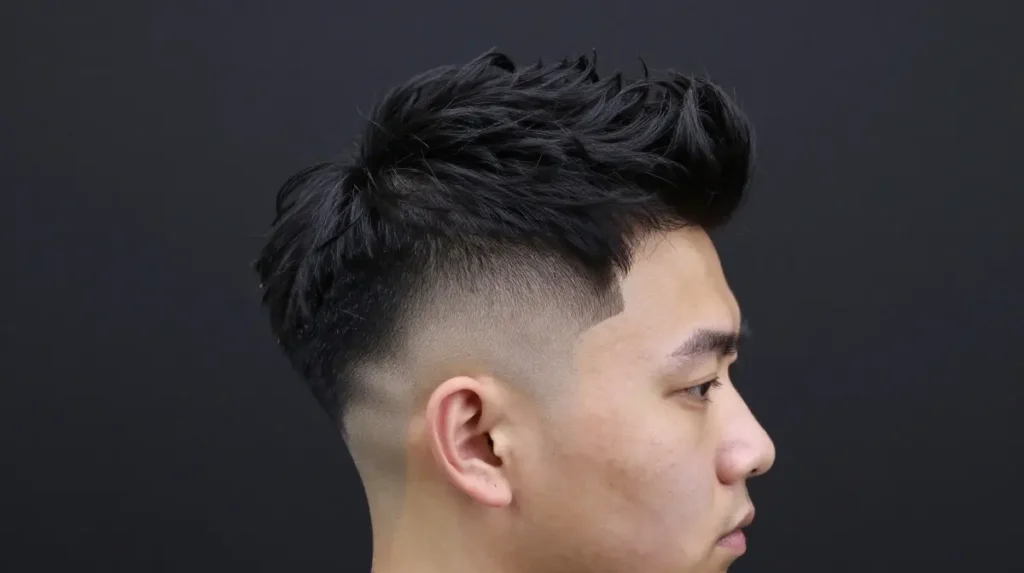
The quiff paired with a taper creates a voluminous and expressive haircut that suits men who want genuine height and visual presence from their hairstyle without the extreme boldness of a full mohawk or a very dramatically disconnected top. The quiff is created by blow-drying the front section of hair upward and backward using a round brush to build volume at the roots before applying a medium hold pomade or a volume paste to set the elevated shape, while the taper on the sides keeps the lower sections clean and well-graduated to direct all visual attention upward toward the lifted front.
The contrast between the tapered sides and the voluminous quiff top creates a silhouette that is bold and confident without tipping into excessive or costume-like territory, making this combination appropriate for a range of personal styles and social contexts. A high taper works most effectively with a full quiff because the greater contrast between the two elements amplifies the visual impact of the lifted top more dramatically than a lower taper position achieves. Men with naturally medium to thick hair that holds volume reliably get the most consistently impressive results from the quiff and taper combination.
Taper with Curly Hair
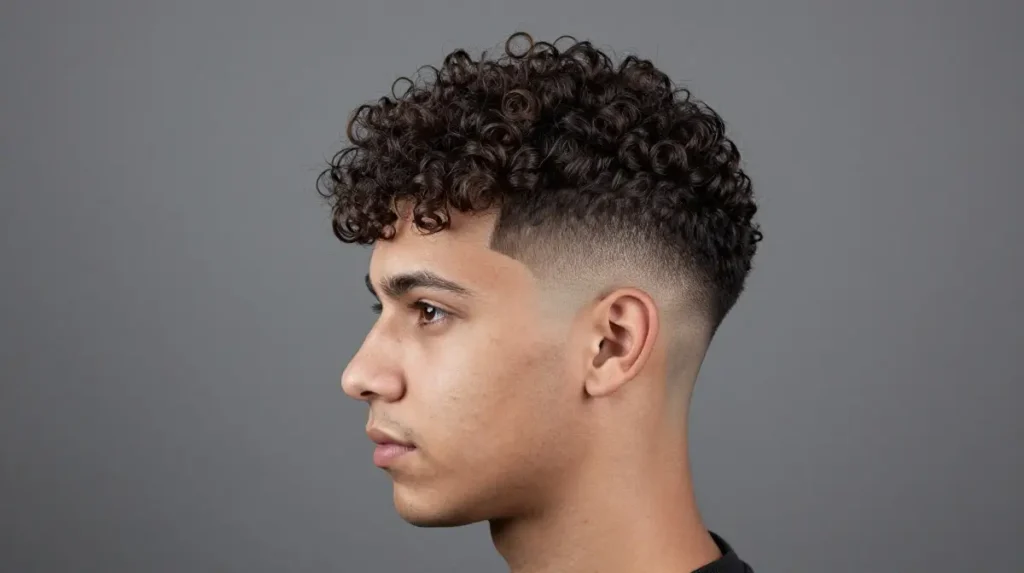
Naturally curly hair paired with a taper creates one of the most expressive and personality-driven haircut combinations available in contemporary men’s barbering, allowing the full volume, bounce, and three-dimensional quality of natural curls to take center stage above a clean and precisely graduated frame at the sides. The taper removes bulk and visual weight from the sides of the head without disturbing the curl pattern on top, ensuring that the curls can develop their natural shape freely while the overall silhouette remains structured and deliberate rather than simply overgrown.
A curl-defining cream or a lightweight gel applied to thoroughly damp hair followed by an air-dry or a diffuse session creates the most defined and frizz-free curl result that shows the full beauty of the natural curl pattern above the tapered sides. Regular deep conditioning treatments keep the curly top section moisturized and defined between wash days, which is the single most important maintenance factor for men with naturally curly hair wearing a taper combination. A line up applied to the front hairline and the temple edges adds a sharp and precise element that elevates the overall grooming quality of the curly taper significantly.
Taper with Waves
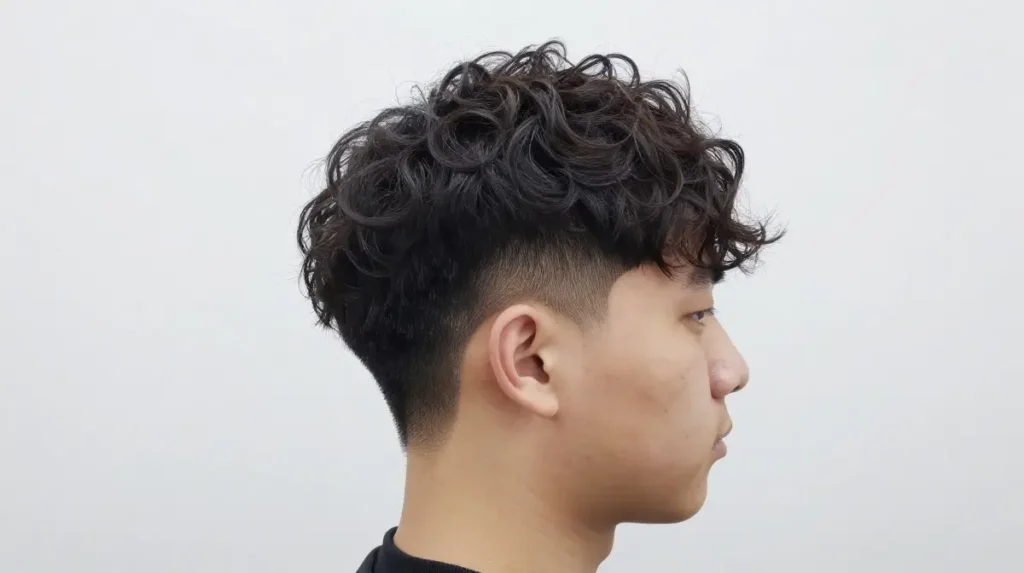
The taper combined with 360 waves is one of the most visually impressive and culturally celebrated haircut combinations in men’s grooming, pairing the precise graduated sides of the taper with a deep and flowing wave pattern on top that reflects weeks or months of consistent brushing and wave maintenance. The taper provides a clean and sharp structural frame around the wave pattern, drawing attention upward toward the crown and amplifying the visual depth and dimension of the waves themselves. Achieving and maintaining 360 waves requires a consistent daily routine of brushing with a medium to hard wave brush, regular application of a wave-enhancing pomade, and the use of a durag or wave cap worn overnight to train and compress the hair into its wave pattern.
The taper frame around a well-developed wave pattern is one of the most admired and technically demanding hair results in barbershop culture, rewarding the commitment to the wave training process with an extraordinarily striking and distinctive outcome. A low to mid taper is the most commonly paired fade level for the wave style because it creates a clean frame without removing so much of the side hair that the wave pattern cannot continue naturally from the top into the sides.
Taper with Beard
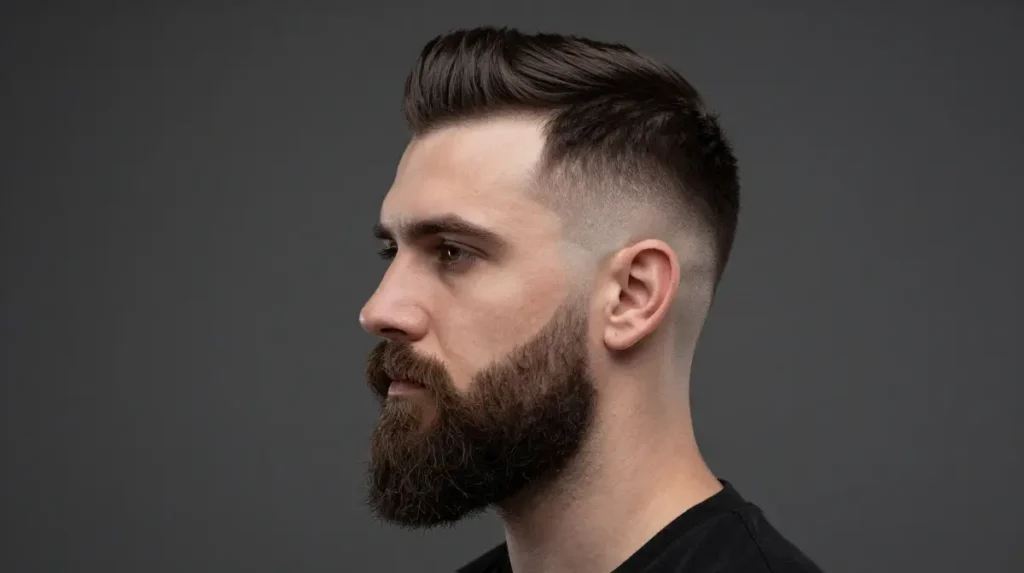
Combining a taper haircut with a well-maintained beard creates one of the most complete and masculine grooming compositions available in men’s personal presentation, where the clean precision of the tapered sides and back blends seamlessly into the beard line to create a unified and deliberately considered overall appearance. The taper should ideally transition smoothly into the beard at the sideburn level, creating a natural connection between the haircut and the facial hair that gives the entire grooming composition a cohesive and intentional quality that separately maintained hair and beard combinations often lack.
A beard that is properly shaped, moisturized with a quality beard balm or beard oil, and consistently trimmed to maintain its intended shape complements the taper most effectively when its length and density are in reasonable visual proportion to the height and contrast of the taper on the sides. A low or mid taper is generally the most flattering pairing with a full beard because a very high or skin-close fade can sometimes create a starkly dramatic contrast with a full beard that disrupts the visual flow between the two elements rather than creating the seamless transition that makes this combination so impressive when it is executed correctly.
Taper with Hard Part
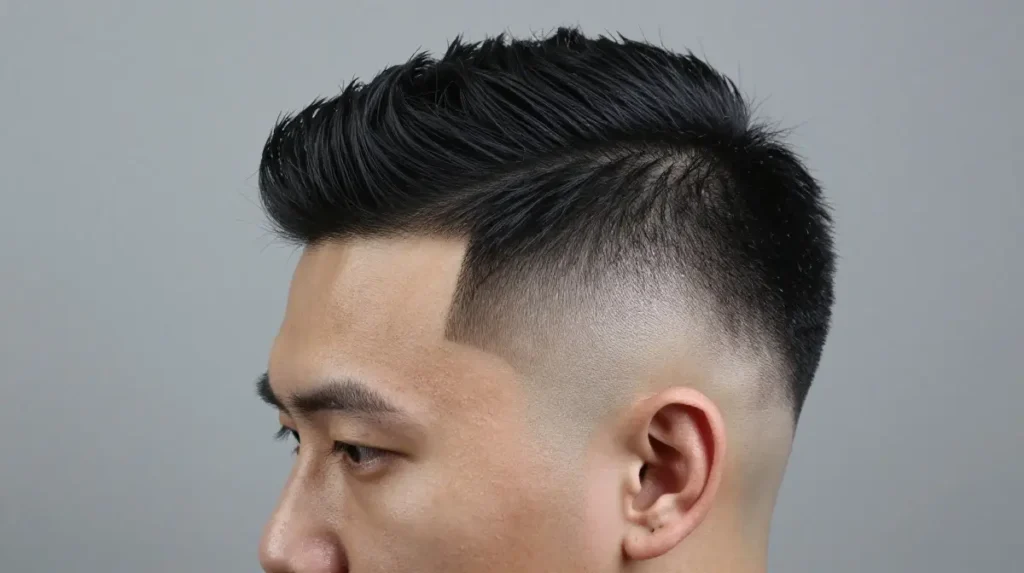
The hard part is a razor-cut line that creates a precisely defined separation between two sections of hair on top and when combined with a taper it adds a graphic and deliberately architectural element to the haircut that communicates genuine attention to grooming detail and personal style intentionality. The hard part typically runs from the front hairline back toward the crown at a specific angle determined by the natural growth direction of the hair and the face shape of the individual, creating a clean and sharp dividing line that adds visual structure and precise definition to whatever top style sits on either side of it.
A hard part works particularly effectively when combined with a comb over or a side-swept top style, where the defined razor line serves as a dramatic boundary that catches the eye and elevates the overall grooming quality of the haircut considerably. A barber with a steady hand and a clear understanding of the correct placement angle for each individual client is essential for achieving the most flattering and precisely executed hard part result. This detail makes a genuinely meaningful difference to the overall quality and visual sophistication of a taper haircut.
Taper with Mohawk or Faux Hawk
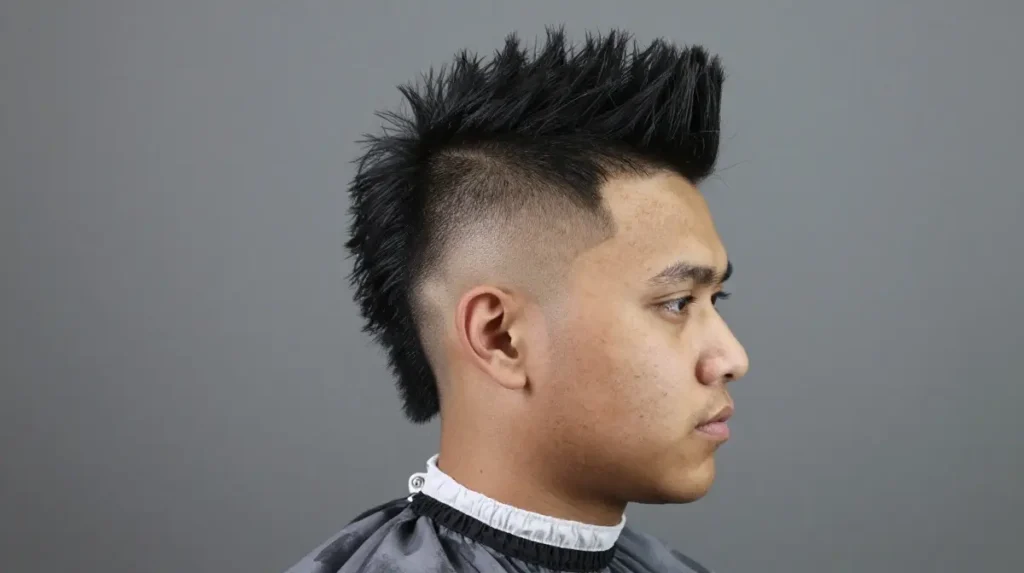
The mohawk or faux hawk paired with a taper creates one of the boldest and most visually confident haircut combinations available in men’s grooming, where the central strip of lifted hair on top is framed by the clean and precisely graduated taper on the sides to create a result that is dramatic without losing the groomed quality that distinguishes a well-executed modern mohawk from its more extreme and deliberately shocking predecessors.
The faux hawk version, where the hair is simply styled upward in a central strip without shaving the sides completely, is the more accessible and professionally adaptable interpretation because the hair can be worn flat and parted conventionally on days when a more conservative appearance is required. A firm hold matte clay or a medium hold gel applied through the top section and directed upward with the fingers creates the central height characteristic of the mohawk styling. The taper on the sides should be kept at a mid to high level to create enough visual contrast with the central strip that the faux hawk shape reads clearly and intentionally from every angle.
Taper with Design or Line
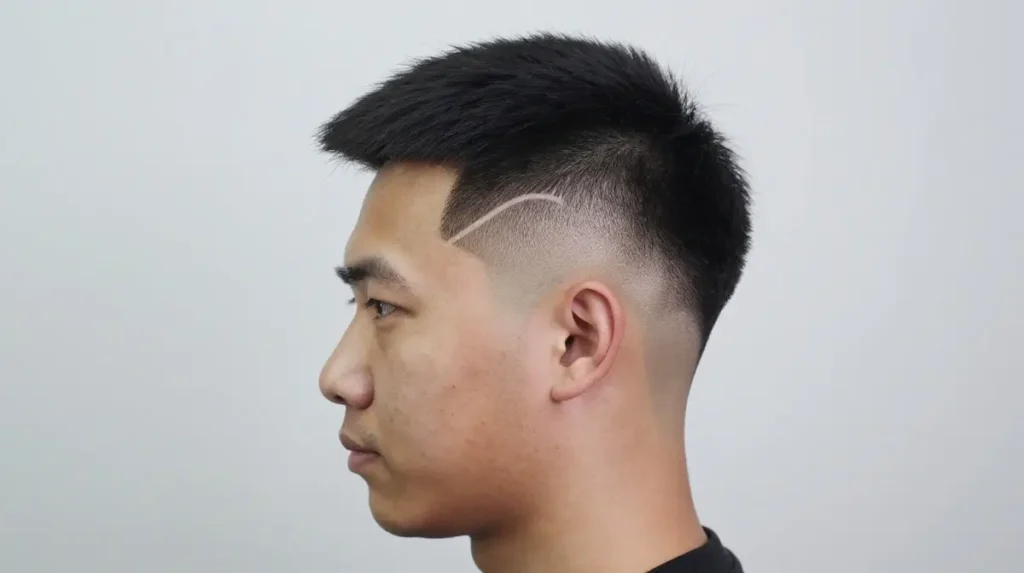
Adding a shaved design or a razor-etched line into the taper area transforms a standard haircut into a completely personalized and genuinely artistic statement that reflects the specific creative vision and personal identity of the individual wearing it. Geometric shapes, tribal patterns, lightning bolts, diagonal lines, curved designs, or completely original abstract elements shaved precisely into the faded or tapered section of the haircut create a look that is entirely unique and immediately eye-catching in any environment. This style requires a barber who specializes in freehand razor design and has the artistic confidence and technical precision to translate a visual concept into clean and sharp shaved lines without the benefit of a guide or template.
A line up applied to the front hairline and edges before the design work ensures that the overall geometric quality of the haircut is consistent between the clean edges and the shaved design elements in the tapered sections. The design grows out over approximately one to two weeks before requiring a refresh, which means this style demands relatively frequent barbershop visits to maintain the clarity and precision of the shaved pattern.
Taper for Thick Hair
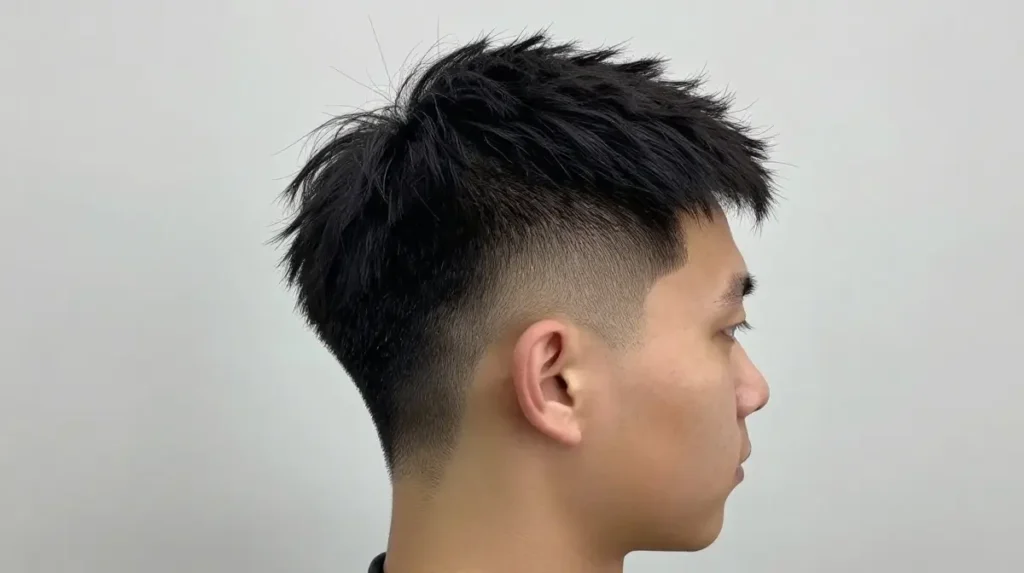
Men with naturally thick hair benefit enormously from a well-executed taper haircut because it removes the visual bulk and heaviness from the sides and back that thick hair naturally accumulates without any cutting, creating a structured and manageable silhouette that allows the density and body of thick hair to show its best qualities on top without overwhelming the overall appearance. A taper on thick hair works by gradually reducing the weight through the sides using a combination of clipper graduation and scissor-over-comb technique that blends the transitions smoothly rather than creating abrupt or uneven changes in length.
Thinning scissors used selectively through the heavier sections of thick hair during the taper process can further reduce unwanted bulk while maintaining the overall length and fullness of the top section. A matte clay or a medium hold paste is the most effective product choice for thick hair because it provides enough control to prevent puffiness and unwanted expansion through the sides without weighing the hair down or creating an artificial or overly stiff appearance. Men with thick hair who have consistently found their hair difficult to manage often discover that a properly executed taper is the single most effective solution to their grooming challenges.
Taper for Thin Hair
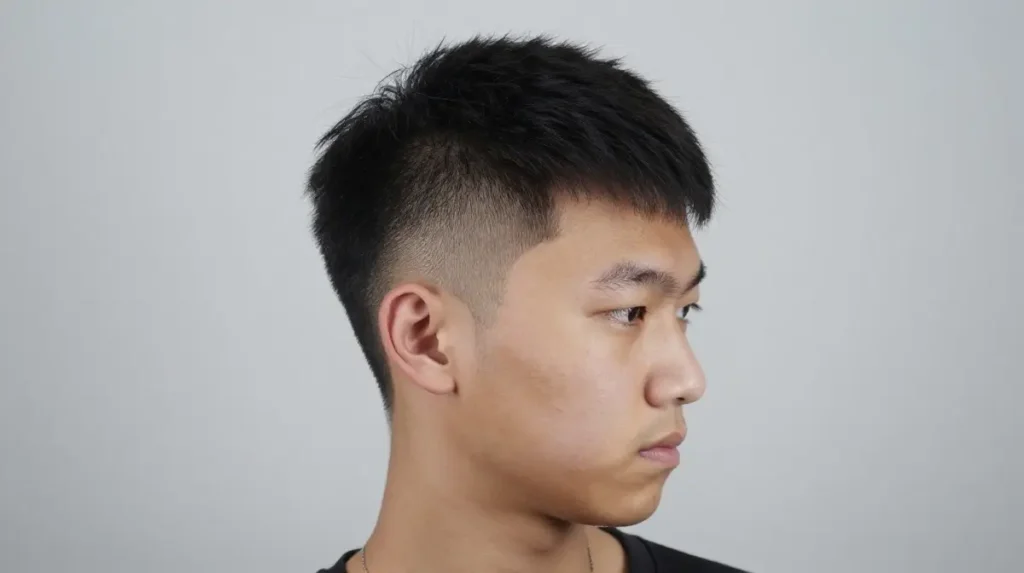
Thin or fine hair benefits from a taper haircut in a specific and visually effective way that many men with this hair type have not considered, because removing length from the sides through careful graduation creates an optical contrast that makes the top section appear fuller and more substantial by comparison. The sides of a taper haircut for fine hair should be kept relatively conservative and not taken too close to the skin, as a very aggressive fade or skin taper on thin hair can expose too much of the scalp at the sides and make the overall density of the hair more apparent rather than less.
Keeping the top section at a consistent medium length and styling it with a volumizing product applied at the roots before blow-drying creates genuine visual fullness that thin hair alone rarely achieves without structural support from the cut itself. A lightweight volumizing mousse or a root-lifting spray applied to damp roots before blow-drying significantly improves the visual thickness and body of thin hair in any taper combination. The taper essentially creates the structural framework of apparent density that thin hair cannot generate on its own without the contrast of shorter sides.
Low Maintenance Taper Haircut
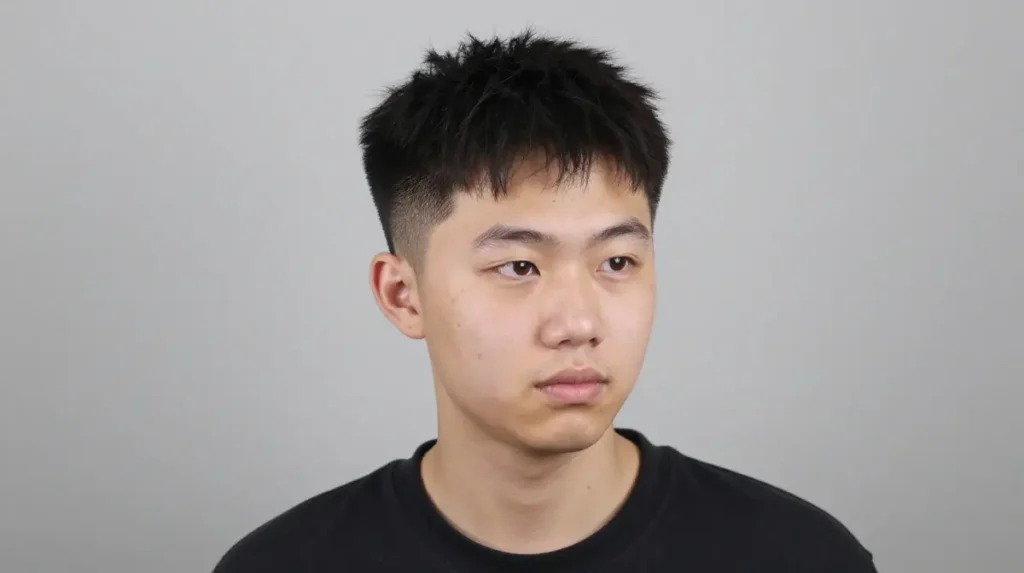
The low maintenance taper haircut is specifically designed around the requirement that the cut looks genuinely sharp and polished for as long as possible between barbershop visits without demanding an elaborate daily styling routine or significant product investment to achieve a presentable result each morning. A low taper is the most forgiving and grow-out-friendly variation because the conservative graduation does not create harsh or obvious lines that become immediately visible as the hair grows, maintaining the overall shape and intention of the haircut for considerably longer than a very high or very close taper typically manages.
The top styling for a low maintenance taper should be kept relatively simple, such as a natural part with a small amount of light hold cream or a textured crop with a tiny amount of matte clay, so that the daily effort required is genuinely minimal without the result appearing neglected. Dry shampoo applied at the roots on non-wash days maintains the freshness and texture of the top section without requiring a full wash and restyle. A barber visit every four to five weeks is generally sufficient to keep a low maintenance taper looking intentional and well-managed for most men.
Taper Haircut Styling Tips and Barber Communication
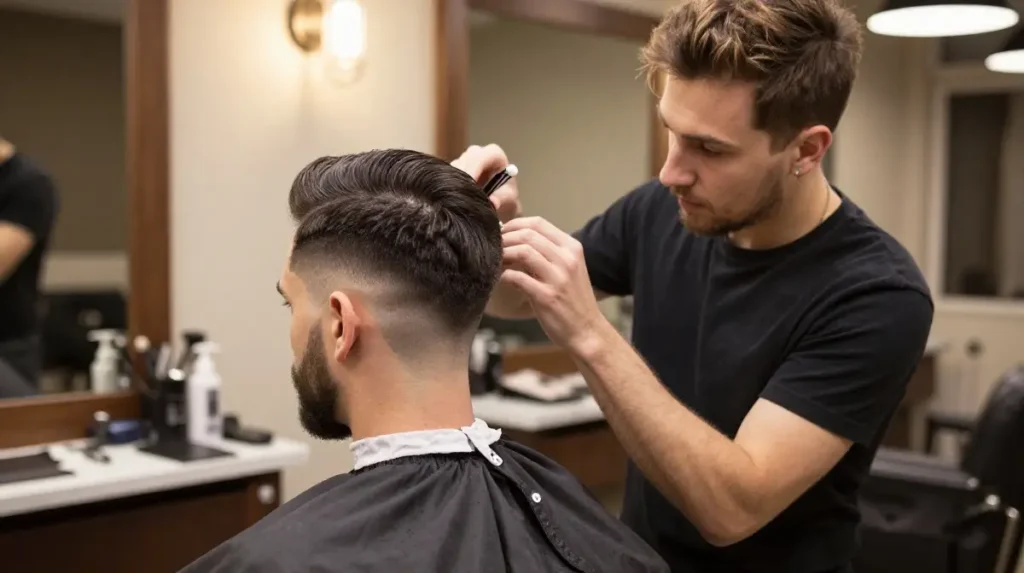
Getting the most from a taper haircut depends as much on the clarity of communication with the barber as it does on the technical execution of the cut itself, and several practical approaches make this communication significantly more straightforward and reliable. Bringing reference photographs that show both the taper position and height on the sides and the specific top style desired is the single most effective way to eliminate the ambiguity that arises from verbal descriptions alone, because haircut terminology can mean genuinely different things to different barbers.
When describing the taper verbally, specify the position as low, mid, or high, indicate whether you want the shortest point to reach the skin or leave a small amount of hair, and describe the top style you want including its length and the specific finish of matte, natural, or high shine that you prefer. Asking the barber to show you the taper line before beginning the blend gives you the opportunity to adjust the position before the graduation is created and is much easier than attempting to correct an unwanted result after the cut is complete. A light hold product applied and combed through the top section on damp hair creates the most even distribution and natural-looking result for virtually any taper top style.
Quick Reference Table: Taper Haircut Styles for Men at a Glance
| Taper Style | Best Hair Type | Top Style Pairing | Maintenance Level | Best For |
|---|---|---|---|---|
| Classic Low Taper | All hair types | Any style including comb over, natural | Low, every 4 to 5 weeks | Professional and formal settings |
| Mid Taper | All hair types | Textured crop, quiff, waves | Moderate, every 3 to 4 weeks | Everyday versatile style |
| High Taper | Medium to thick hair | Pompadour, faux hawk, blowout | High, every 2 to 3 weeks | Bold fashion-forward look |
| Skin Taper Fade | All hair types | Any short to medium top style | High, every 2 weeks | Maximum precision and contrast |
| Drop Taper Fade | Curly and wavy hair | Natural curls, textured top | Moderate, every 3 to 4 weeks | Natural and organic silhouette |
| Taper with Beard | All hair types | Any top style with beard | Moderate, every 2 to 3 weeks | Complete masculine grooming |
| Low Maintenance Taper | All hair types | Light textured crop or natural part | Low, every 4 to 5 weeks | Busy lifestyle minimal effort |
Conclusion
The taper haircut has proven across multiple decades and countless style shifts that it is not simply a trend but a genuinely foundational element of men’s grooming culture that adapts to every era, personality, and personal style without ever losing its core quality of clean and considered self-presentation. The 22 taper styles in this guide cover the full spectrum from the most conservative and professionally appropriate low taper to the most dramatically expressive high skin fade with a design, ensuring that every man can find a version of the taper that genuinely suits his hair type, face shape, lifestyle, and personal aesthetic. The most important step is finding a barber you trust, communicating your preferences clearly with reference photographs and specific terminology, and committing to the maintenance routine that keeps your chosen taper looking as sharp on day twenty as it did on day one.
You can may also like this: 22 Volleyball Hairstyles Men Ideas for Sporty Looks
FAQs
What is the difference between a taper and a fade haircut
A taper gradually reduces hair length from the top down to the neckline while leaving a small amount of hair at the shortest point. A fade takes the graduation all the way down to the bare skin. Tapers are generally more conservative while fades create a bolder and higher-contrast result.
How often should I get a taper haircut touched up
A low taper typically needs a touchup every four to five weeks. A mid taper requires a visit every three to four weeks. A high taper or skin fade needs the most frequent maintenance at every two to three weeks to remain sharp and clean.
What taper is best for a professional work environment
The classic low taper or the mid taper paired with a side part, comb over, or textured crop is the most appropriate choice for professional environments because it creates a clean and polished result without the boldness that very high or skin-close variations can produce.
Does a taper work for all hair types
Yes. The taper haircut works across straight, wavy, curly, coily, thick, and thin hair types. The specific technique used during the cut is adjusted by the barber to suit the specific texture and density of each individual’s hair to achieve the best possible result.
What products work best for styling a taper haircut
Matte clay and texture paste suit textured and casual top styles. A natural finish pomade works best for comb overs and slick back styles. Volumizing mousse suits quiffs and pompadours. A curl cream is essential for curly hair taper combinations. The right product depends entirely on the specific top style and the desired finish level.
1 Comment