Introduction
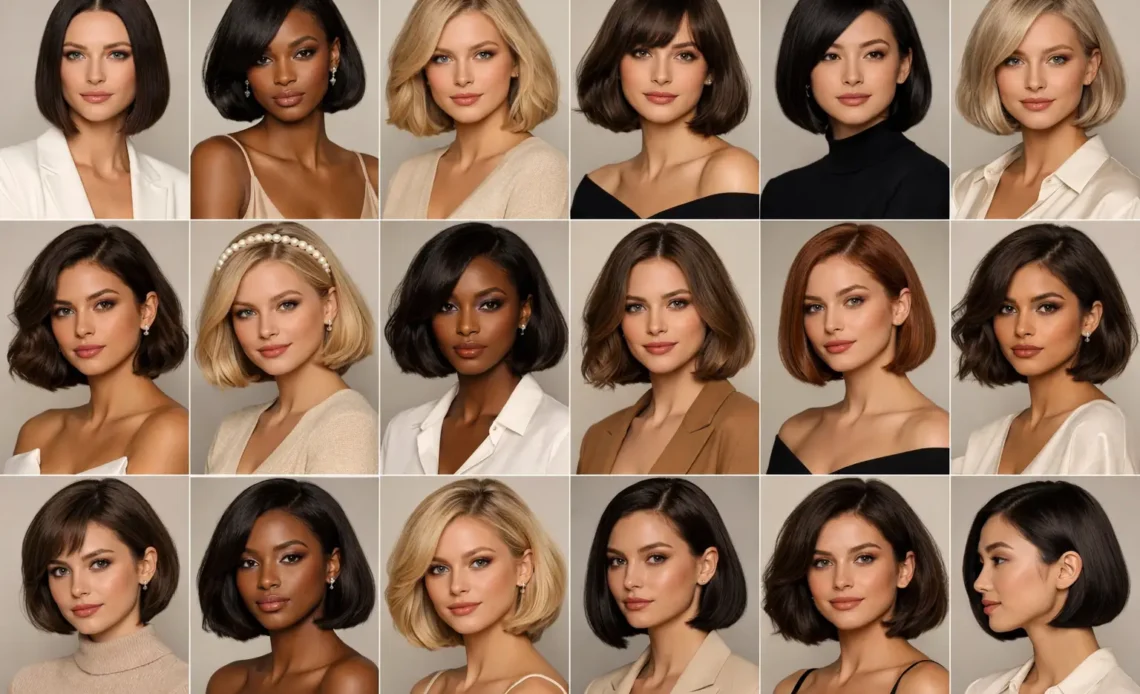
There is a particular kind of elegance that does not announce itself. It simply exists, quietly and with complete confidence, in the way a woman carries herself and in the hairstyle that frames her face. The old money bob is exactly that kind of elegance. It is not a trend born from social media algorithms or a momentary celebrity endorsement. It is a style rooted in decades of refined taste, understated luxury, and the enduring appeal of a hairstyle that looks genuinely expensive without trying to appear so. Clean lines, voluminous roots, glossy ends that curl gently inward, and a length that sits somewhere between the jawline and the collarbone define the old money bob in its essence.
The style has experienced a significant resurgence in recent years, appearing on red carpets, in salon consultation images, and across the social media feeds of women who have grown tired of heavily textured, deliberately messy hair and want something that communicates polish, intention, and a timeless sense of personal style. This article presents 18 distinct interpretations of the old money bob, each one offering a different way to wear one of the most classically beautiful haircuts available to women today.
The Classic Blunt Old Money Bob
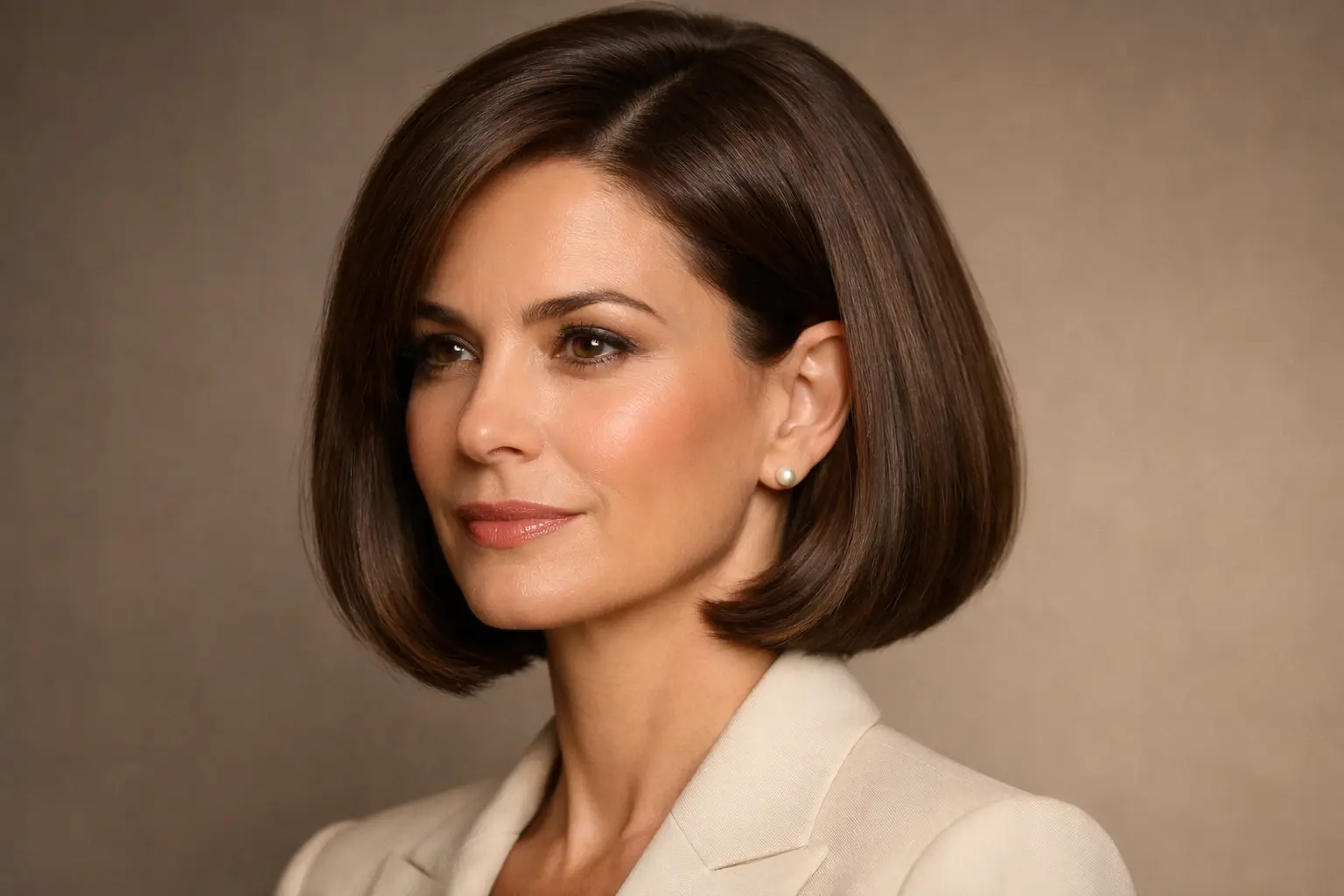
The classic blunt old money bob is the purest expression of the style and the version that most clearly captures its quiet luxury character. The hair is cut to a precise length between the jawline and the collarbone with a clean, blunt edge that creates a sharp, defined silhouette. No layers, no texture, no choppy ends. Just a clean line that communicates intention and refinement in a single look. A round brush blowout gives the roots lift and volume while the ends curl gently inward, creating the smooth, rounded shape that has become synonymous with the old money aesthetic. This version works beautifully on straight to slightly wavy hair and suits oval and heart face shapes with particular elegance.
The Chin Length Old Money Bob
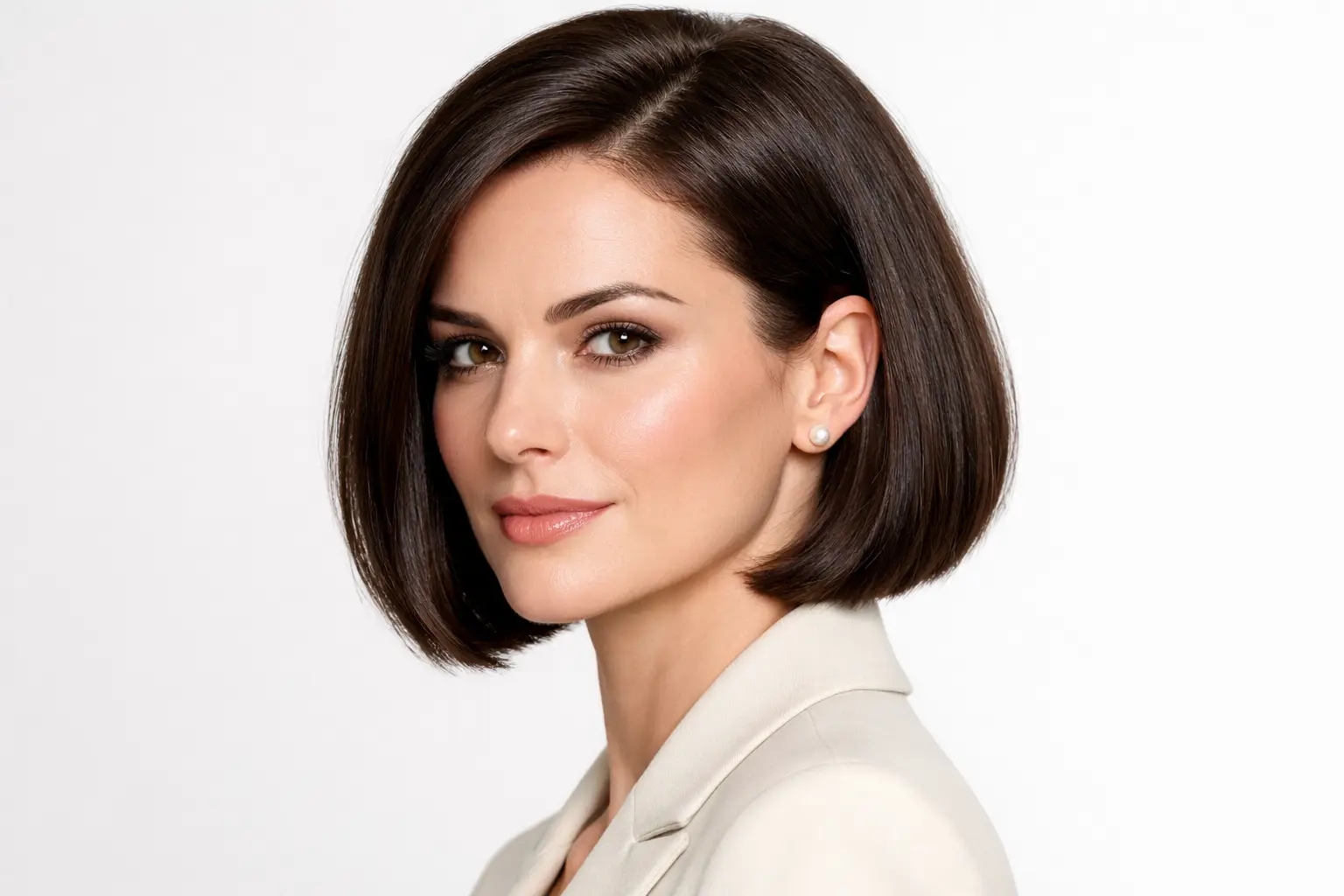
The chin-length version of the old money bob sits at the most classic point of the style, framing the face with a precision that longer variations cannot fully replicate. The ends sit at or just below the jawline, and the blunt cut at this length creates a strong, clean profile that draws the eye to the cheekbones and jaw. A boar bristle brush blowout gives this version its signature ultra-smooth finish, and a light-hold volumizing spray at the roots provides the lift that prevents the style from sitting flat against the face. This version of the old money bob is the most overtly polished and works well in professional and formal settings as naturally as it does in everyday life.
The Shoulder Length Old Money Bob
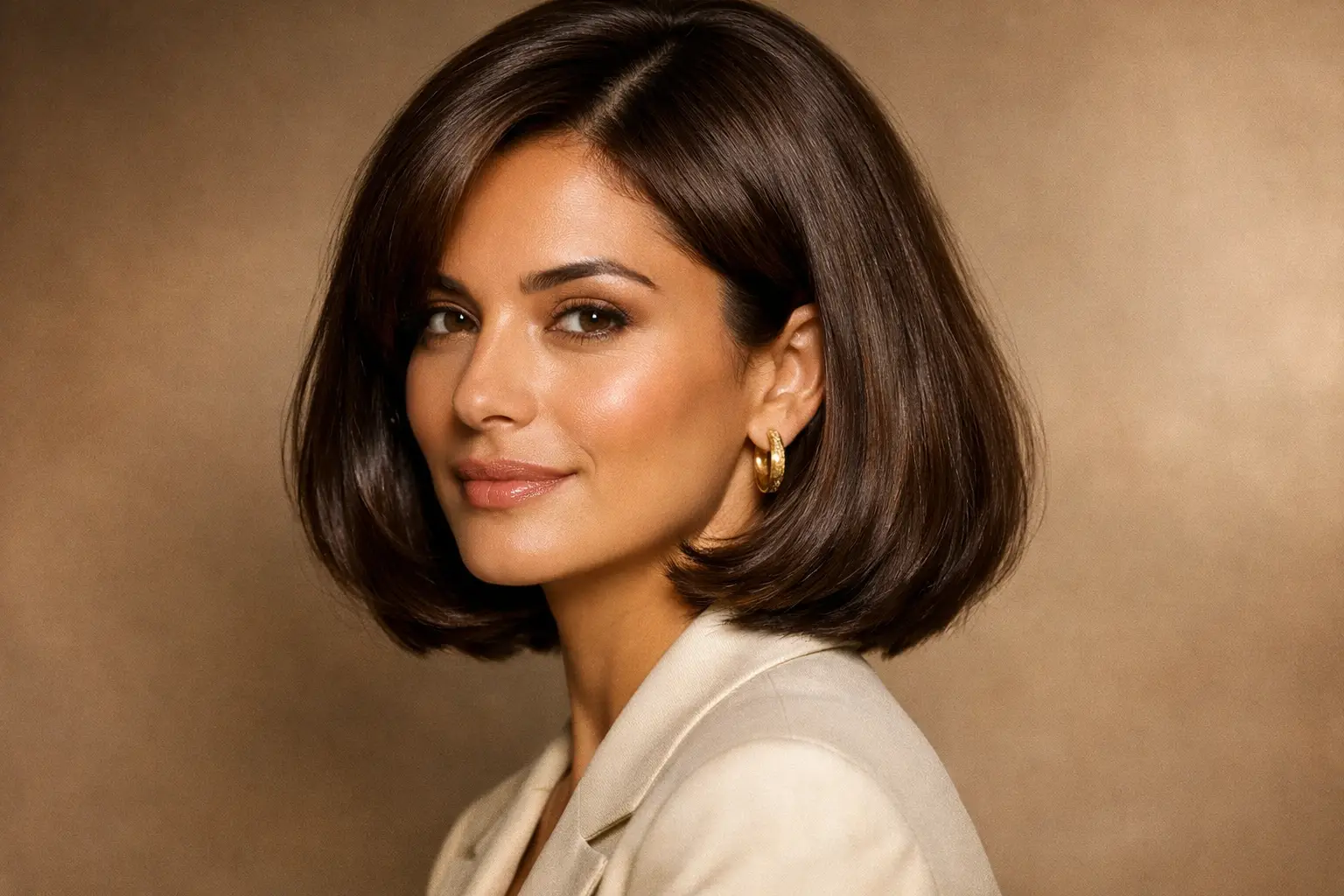
The shoulder-length old money bob occupies a slightly more relaxed position on the style spectrum than the chin-length version while retaining all of the elegance that defines the aesthetic. The hair falls to the top of the shoulders with a blunt or minimally layered finish, and the ends curl gently inward to create the rounded, full shape that the old money bob is known for. A rich brunette shade at this length gives the style a particularly luxurious feel, and the slight weight of the longer length creates a natural swing and movement that shorter versions cannot achieve. This is one of the most universally flattering interpretations of the style across all face shapes and hair types.
The Old Money Bob with a Deep Side Part
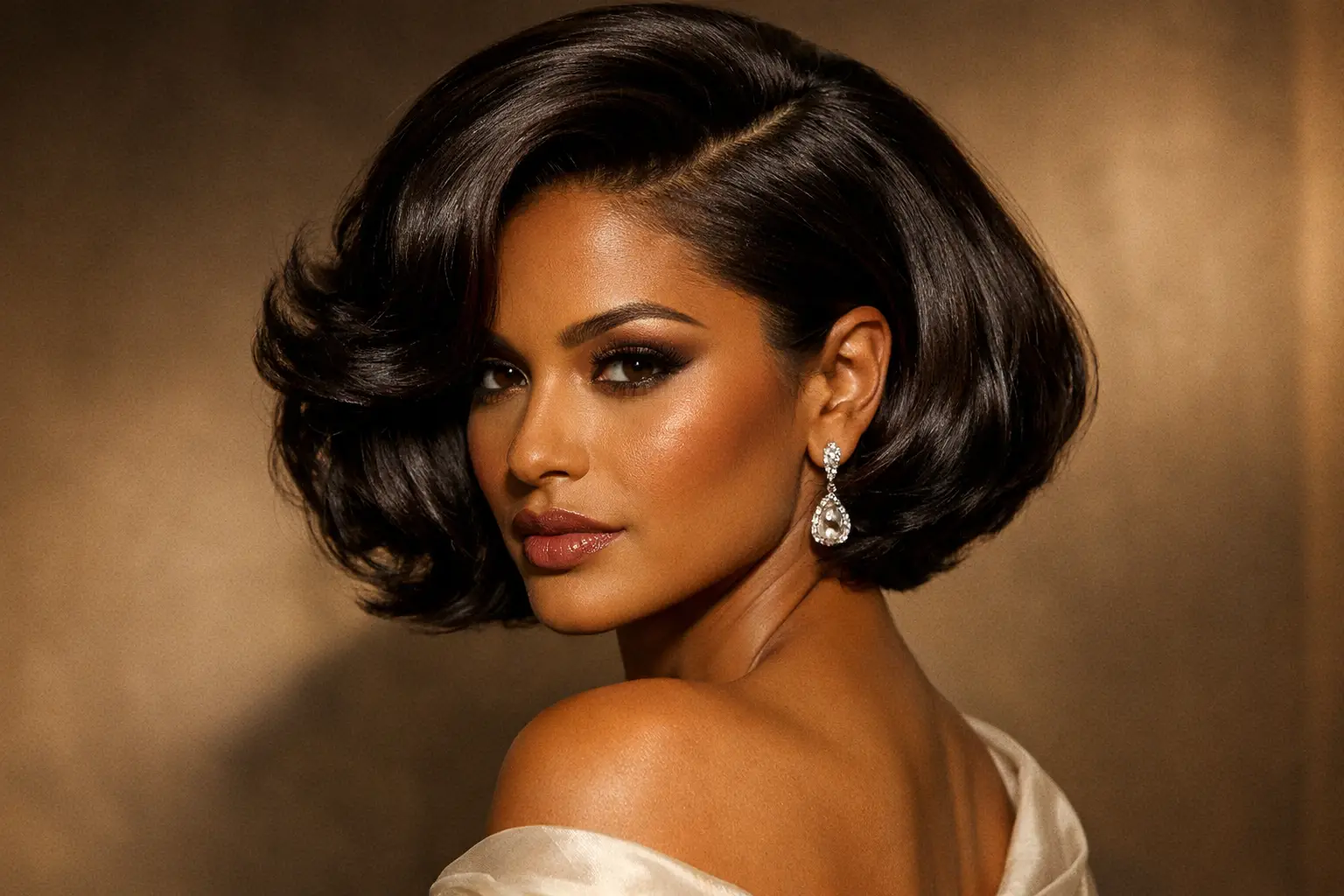
A deep side part transforms the old money bob from a balanced, centered style into something with considerably more drama and visual interest. The hair is swept heavily to one side, creating a voluminous cascade on the fuller side and a close, sleek profile on the shorter side. This asymmetry gives the style a glamorous, old Hollywood quality that connects it visually to the classic film stars of the 1940s and 1950s while feeling entirely current. The deep side part also creates additional volume at the roots on the fuller side, making this version particularly flattering for women with fine hair who want the old money bob to appear thicker and more substantial.
The Sleek Straight Old Money Bob
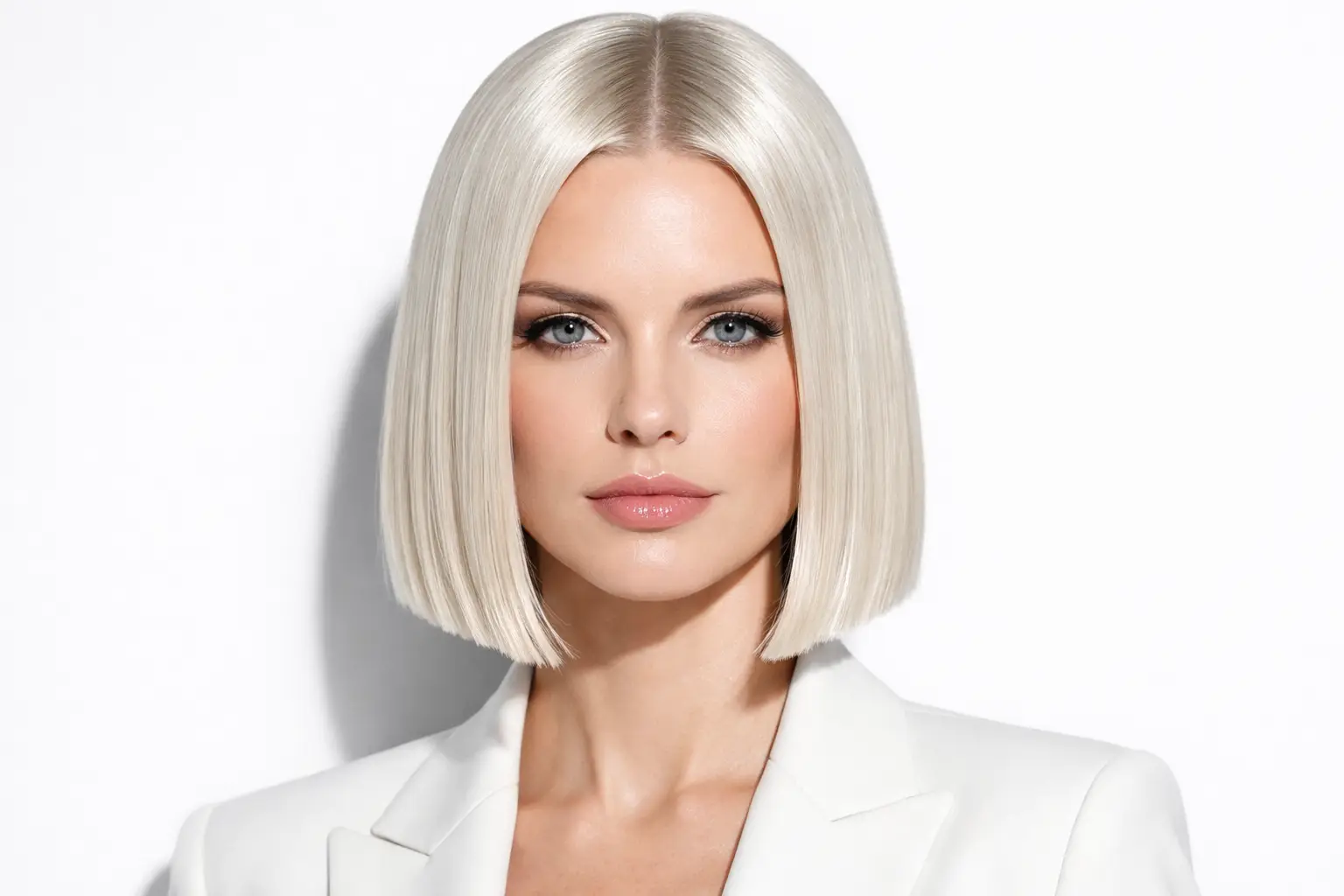
The sleek straight old money bob removes all volume and movement in favor of an almost architectural flatness that communicates a cool, minimalist sophistication. The hair is blow-dried straight with a paddle brush and finished with a flat iron for maximum smoothness, then sealed with a gloss spray or hair oil for a high-shine result that makes the blunt ends look almost razor-sharp. This version leans into the quieter end of the quiet luxury aesthetic, saying everything through precision and condition rather than through volume or movement. It works best on naturally straight or lightly textured hair and suits women who want a look that photographs beautifully and makes a strong impression without any visual noise.
The Old Money Bob with Curtain Bangs
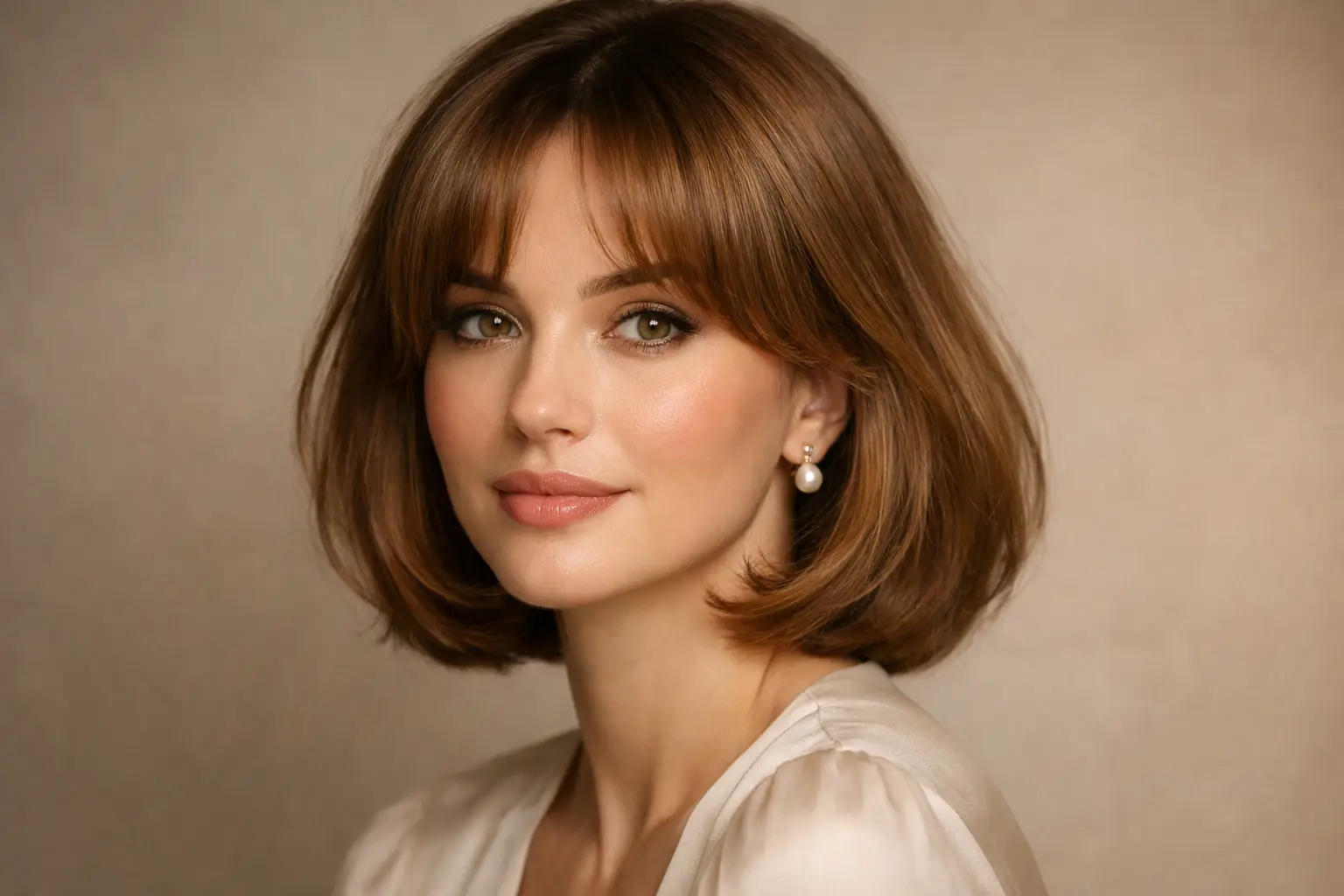
Curtain bangs parted at the center and falling softly on either side of the forehead give the old money bob a face-framing quality that the bangless versions cannot fully achieve. The bangs create a soft, vintage-inspired frame that directs the eye toward the center of the face and gives the overall style a slightly more romantic character than the clean, unadorned bob. They work particularly well with a round brush blowout that adds a gentle bend to the bangs, allowing them to sweep naturally away from the center without appearing too rigid or perfectly placed. This combination of curtain bangs and old money bob suits heart and oval face shapes exceptionally well.
The Wavy Old Money Bob
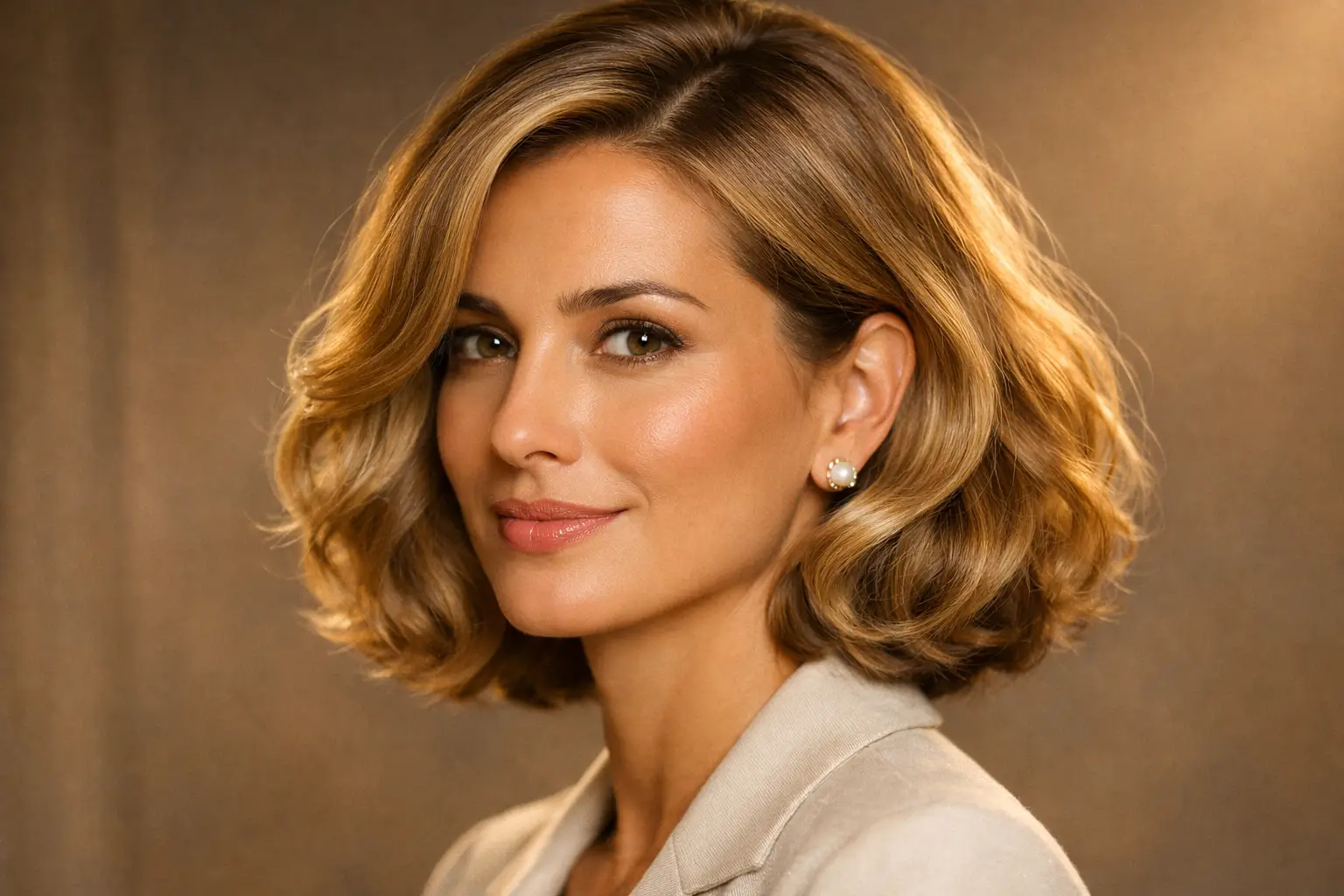
The wavy old money bob finds the balance between the polished and the relaxed that many women find most wearable in everyday life. Rather than the full precision of a straight blowout, the wavy version uses a large-barrel curling iron or hot brush to create soft, open waves throughout the length that retain the glossy, well-maintained finish of the old money aesthetic while adding organic movement. The waves should be loose and flowing rather than tight and bouncy, creating a result that looks refined without appearing overly styled. This version suits women with naturally wavy hair who want to enhance their texture in a polished direction rather than allowing it to dry freely.
The Old Money Bob with Face-Framing Layers
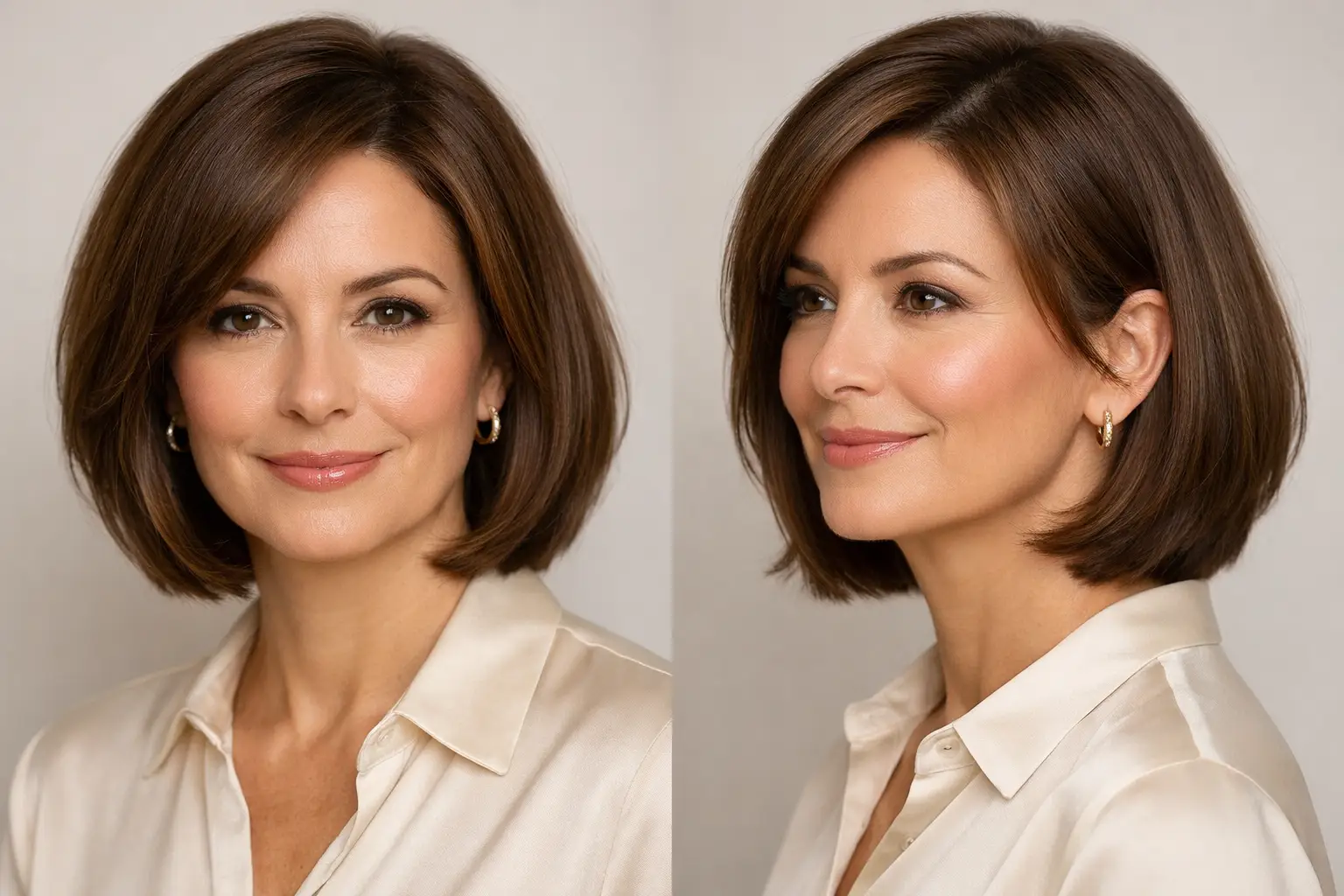
Face-framing layers added specifically around the front sections of an old money bob create a style with considerably more softness and personality than the fully blunt version. The layers fall forward from a side or center part to frame the face with longer, slightly graduated pieces that blend into the overall length naturally. The framing effect draws attention to the facial features and gives the style a warmth and approachability that the strictly blunt cut can sometimes lack. A smoothing serum applied before blow drying keeps the layers sleek and prevents the framing pieces from frizzing or losing their direction throughout the day.
The Dark Brunette Old Money Bob
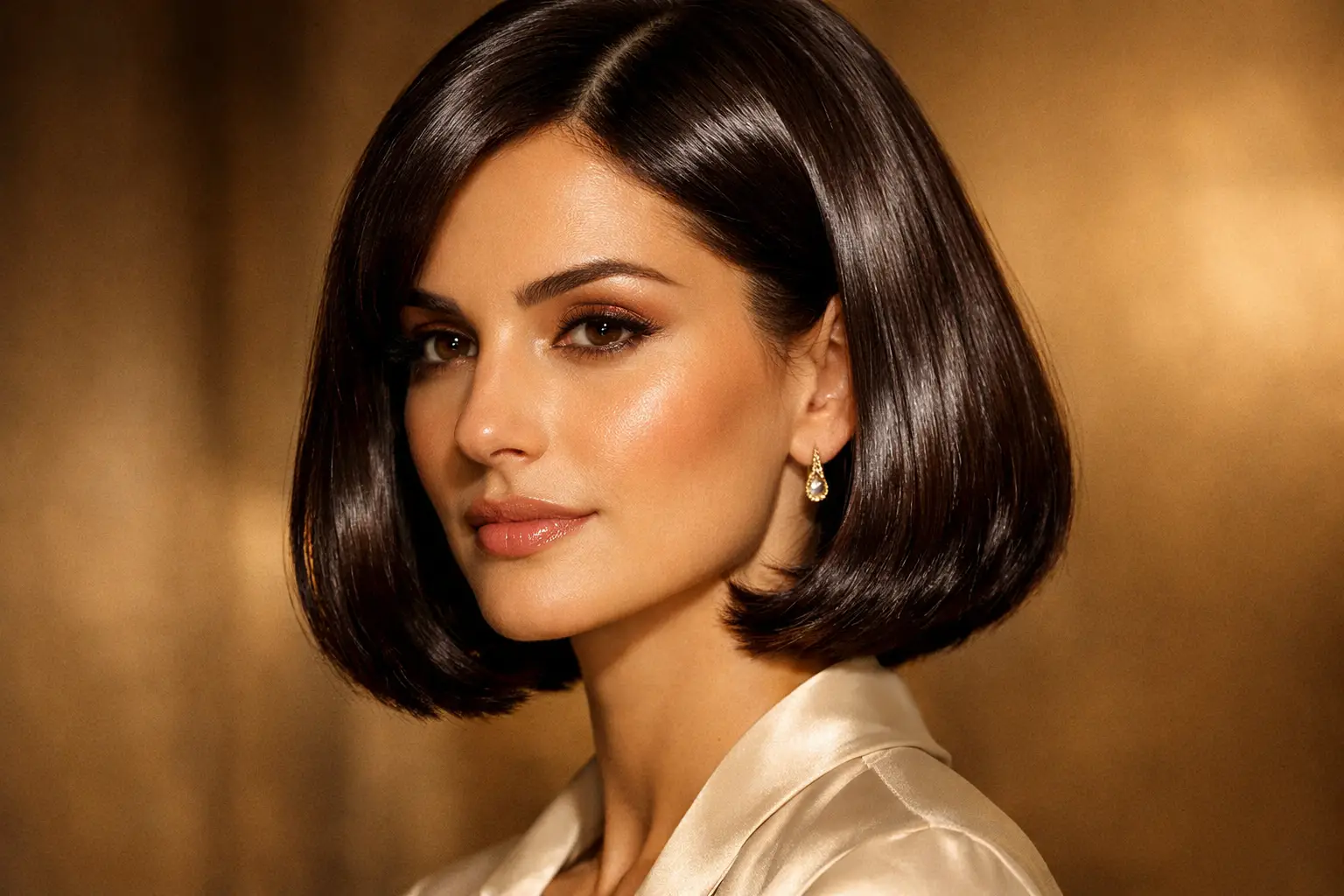
Color plays an equally important role in the old money bob as the cut itself, and a deep, rich brunette shade elevates the style with a luxurious depth and shine that lighter colors cannot replicate in the same way. Dark brunette at bob length catches light with a glossy intensity that makes the blunt ends and the inward curl of the style particularly visible and striking. A gloss treatment applied every four to six weeks between salon visits maintains the richness and shine of the brunette color and prevents the dullness that naturally dark hair can develop without regular toning. This version of the old money bob has a particularly timeless, sophisticated quality that suits warm and neutral skin tones beautifully.
The Ash Blonde Old Money Bob
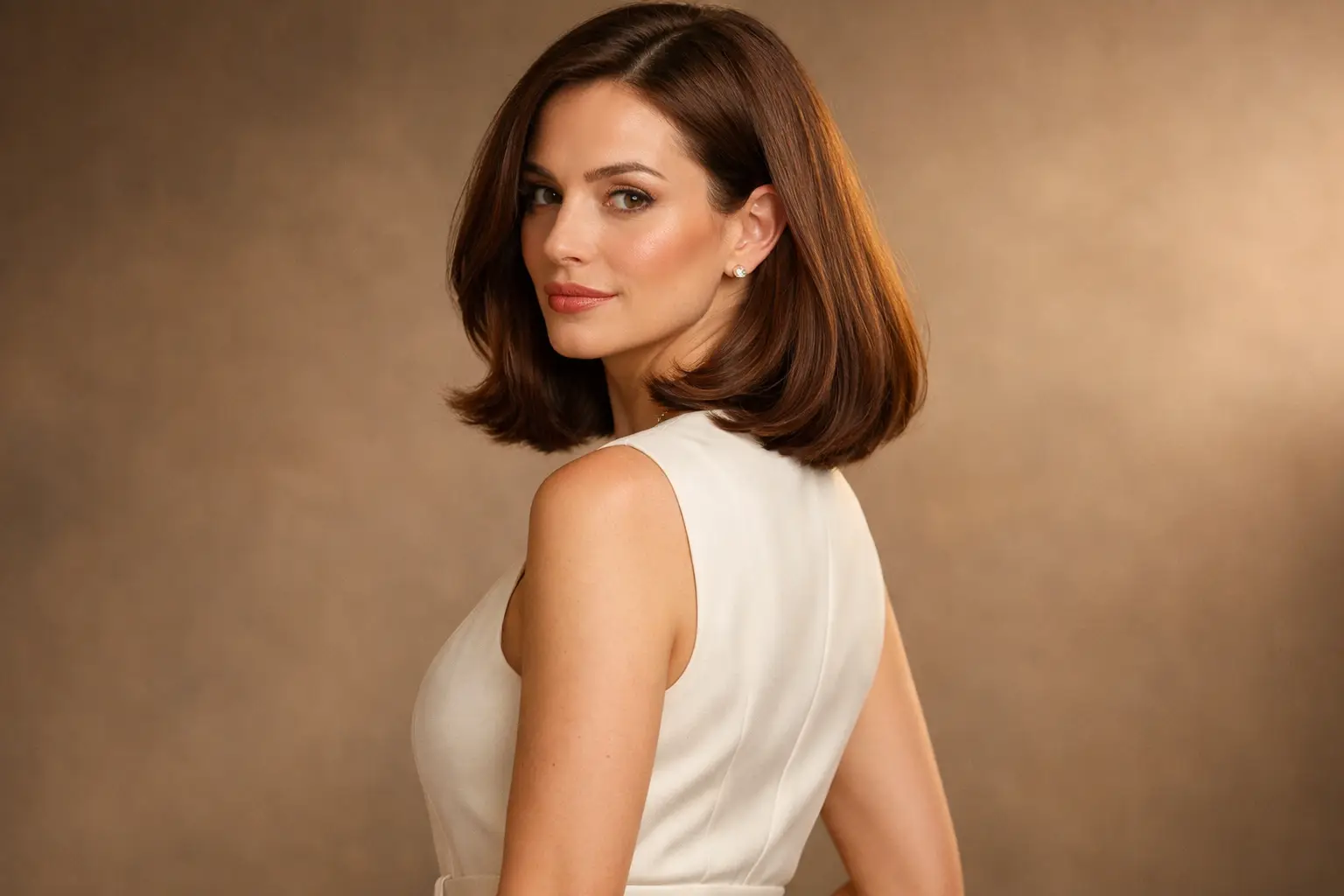
Ash blonde gives the old money bob a cool, understated quality that separates it clearly from the warmer, sun-kissed blondes associated with more casual and beachy styles. The ashy tones sit in perfect alignment with the quiet luxury aesthetic because they communicate sophistication and intentionality without the brightness that draws immediate attention. A purple or blue toning shampoo used weekly prevents brassiness and keeps the ash tones clean and precise between color appointments. This version suits women with cool and neutral skin tones and works particularly well at the chin to collarbone length where the cool blonde can fully express its refined, polished character.
The Old Money Bob with Inward Curled Ends
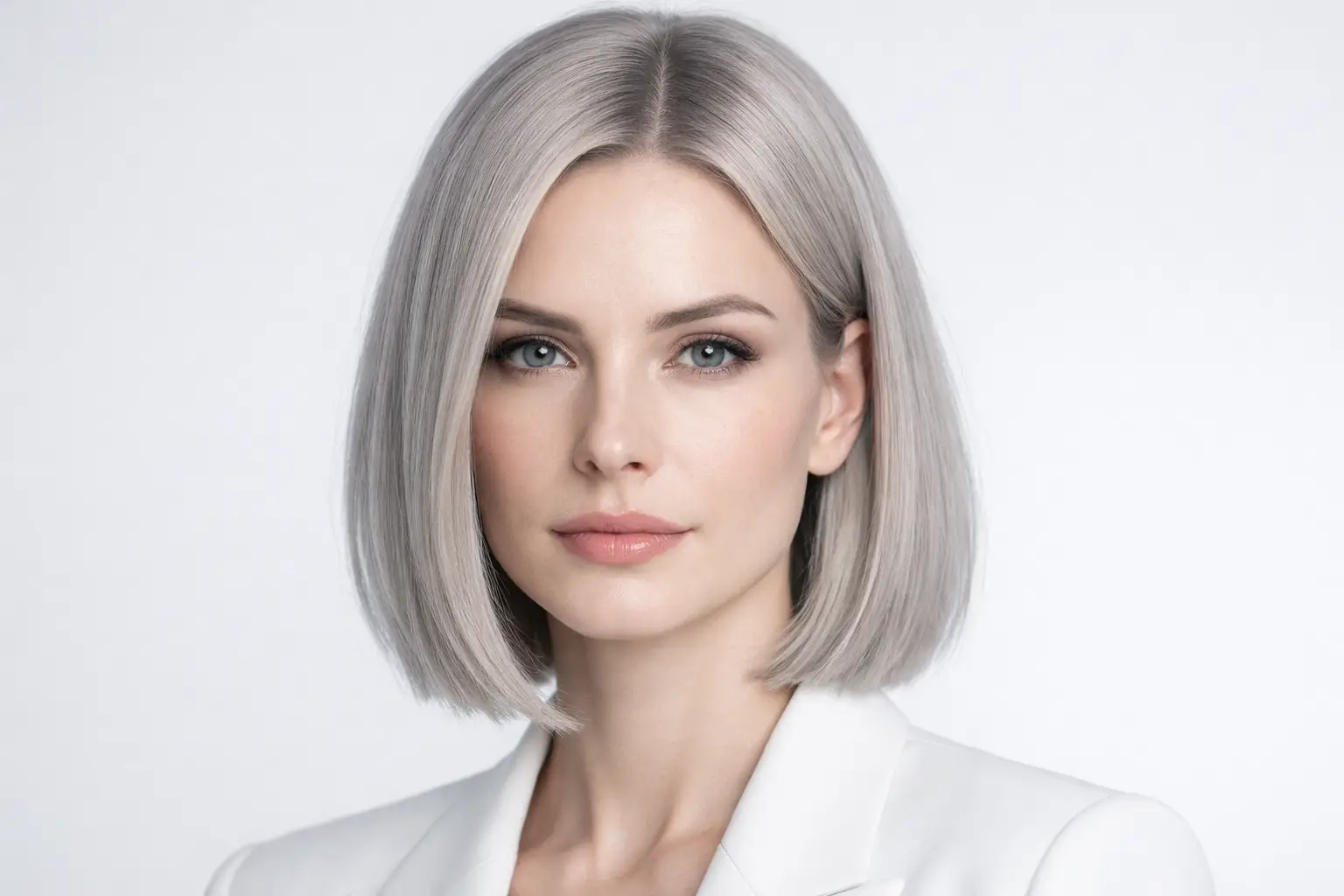
The inward curl at the ends is one of the most defining characteristics of the old money bob and when this detail is emphasized deliberately, it gives the style an almost retro perfection that connects it to the glamorous blowouts of the 1960s and 1980s. Using a medium-barrel round brush during the blowout and directing the ends inward consistently as the hair dries creates a smooth, rounded finish that gives the bob a full, structured shape. The result is a style that looks like it emerged from a high-end salon blowout every single time, and a light-hold flexible spray applied to the ends after drying sets the curl direction without stiffening the finish.
The Old Money Lob
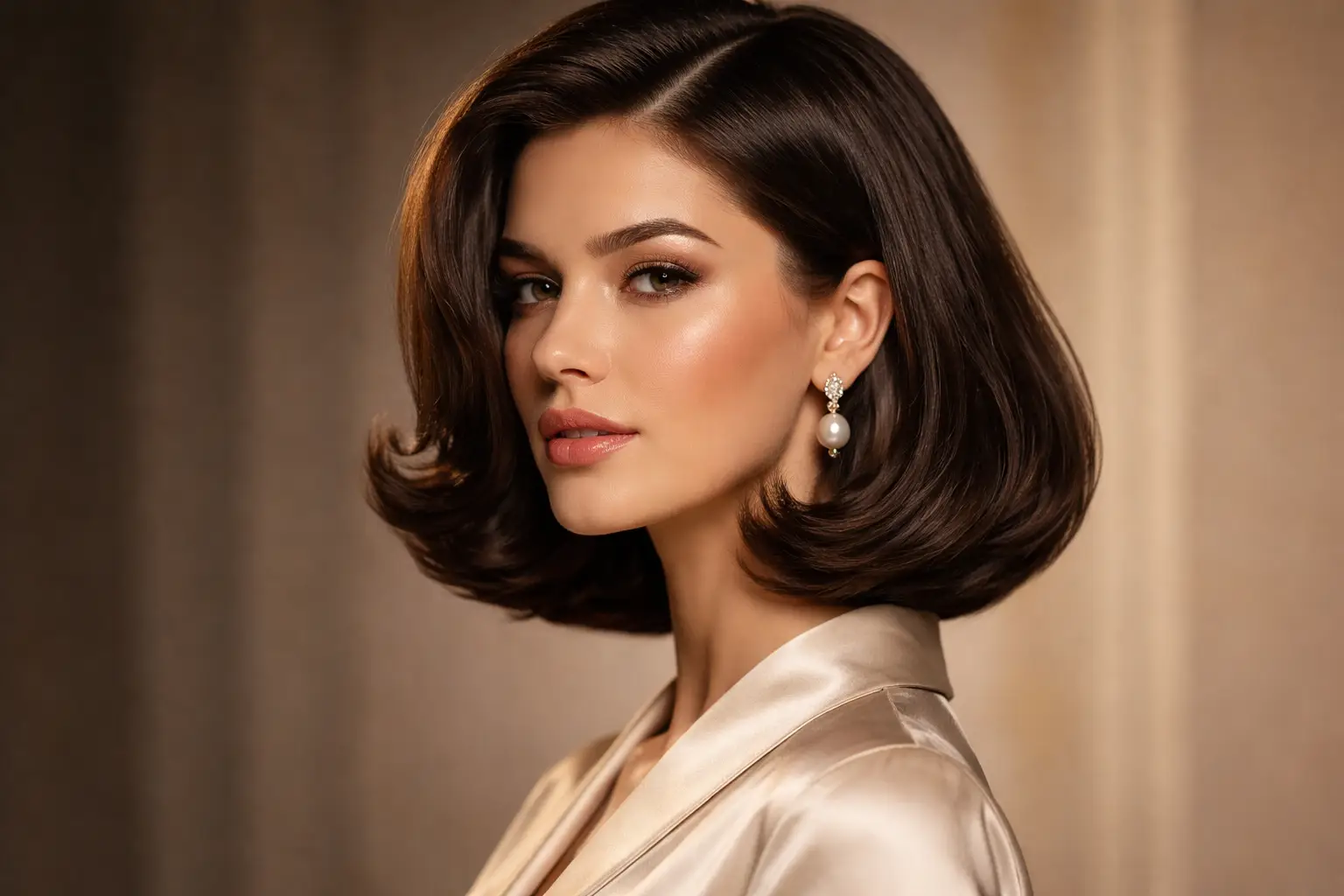
The long bob, or lob, sits at the longer end of the old money bob spectrum with the length falling at or just below the collarbone. At this length the style retains all of the polished elegance of the shorter versions while adding a softness and versatility that allows it to be worn in multiple ways. The old money lob can be blow-dried smooth and straight for a formal or professional setting, left to dry with its natural texture for a more relaxed everyday result, or styled with soft waves for an evening occasion. This is the most versatile interpretation of the style and the one most suitable for women who want the old money aesthetic without committing to a dramatically shorter length.
The Old Money Bob with a Pearl Headband
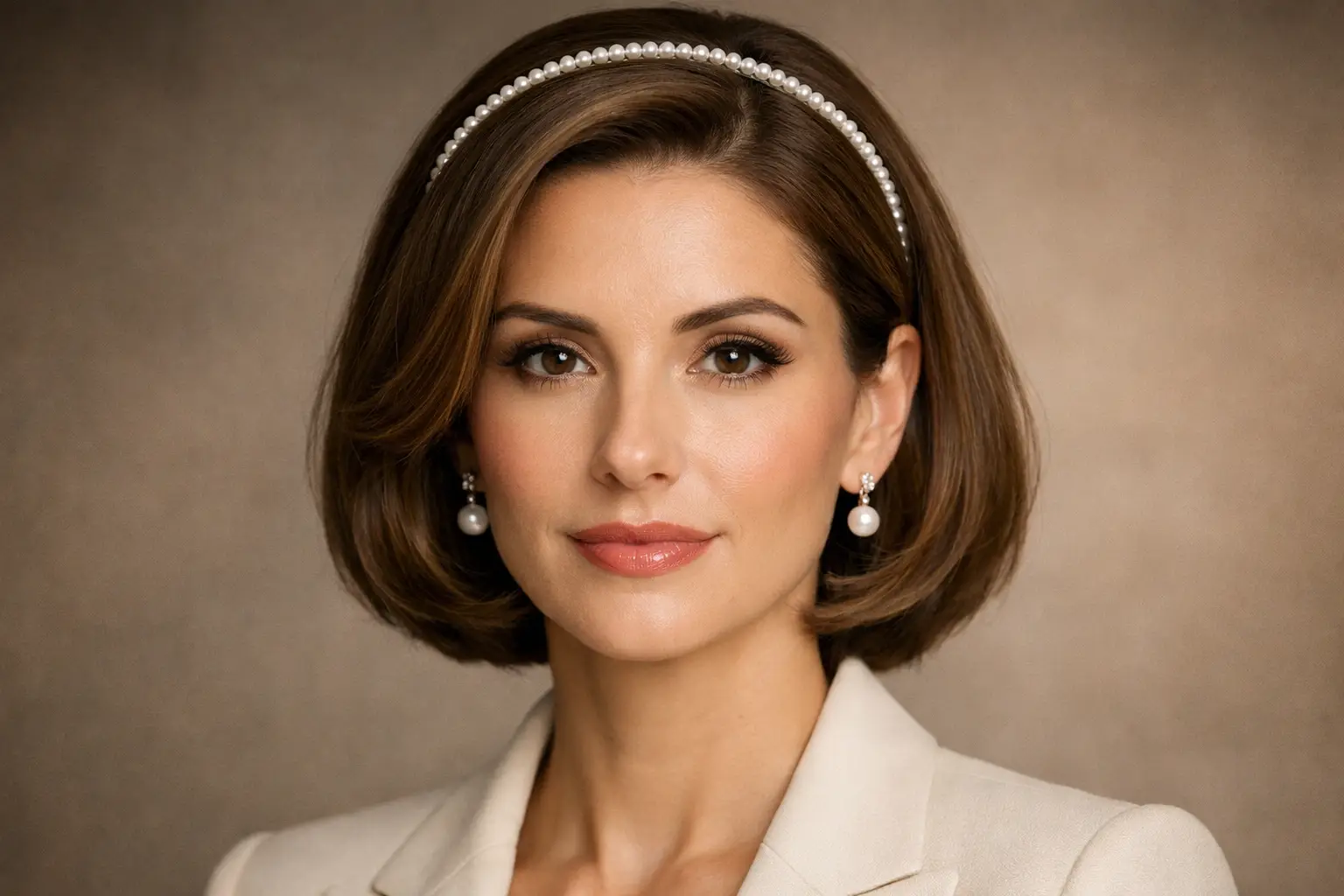
Accessories have always been a significant part of the old money aesthetic, and a thin pearl or embellished headband worn across a blowout old money bob creates a finished look that is immediately recognizable as privileged, polished, and quietly luxurious. The headband pushes the hair back slightly from the forehead and adds a touch of vintage-inspired elegance that suits the clean, structured quality of the bob cut perfectly. This accessorized version of the style is particularly effective for formal occasions, professional settings, and any environment where a woman wants to communicate refinement with minimal visible effort.
The Old Money Bob for Fine Hair
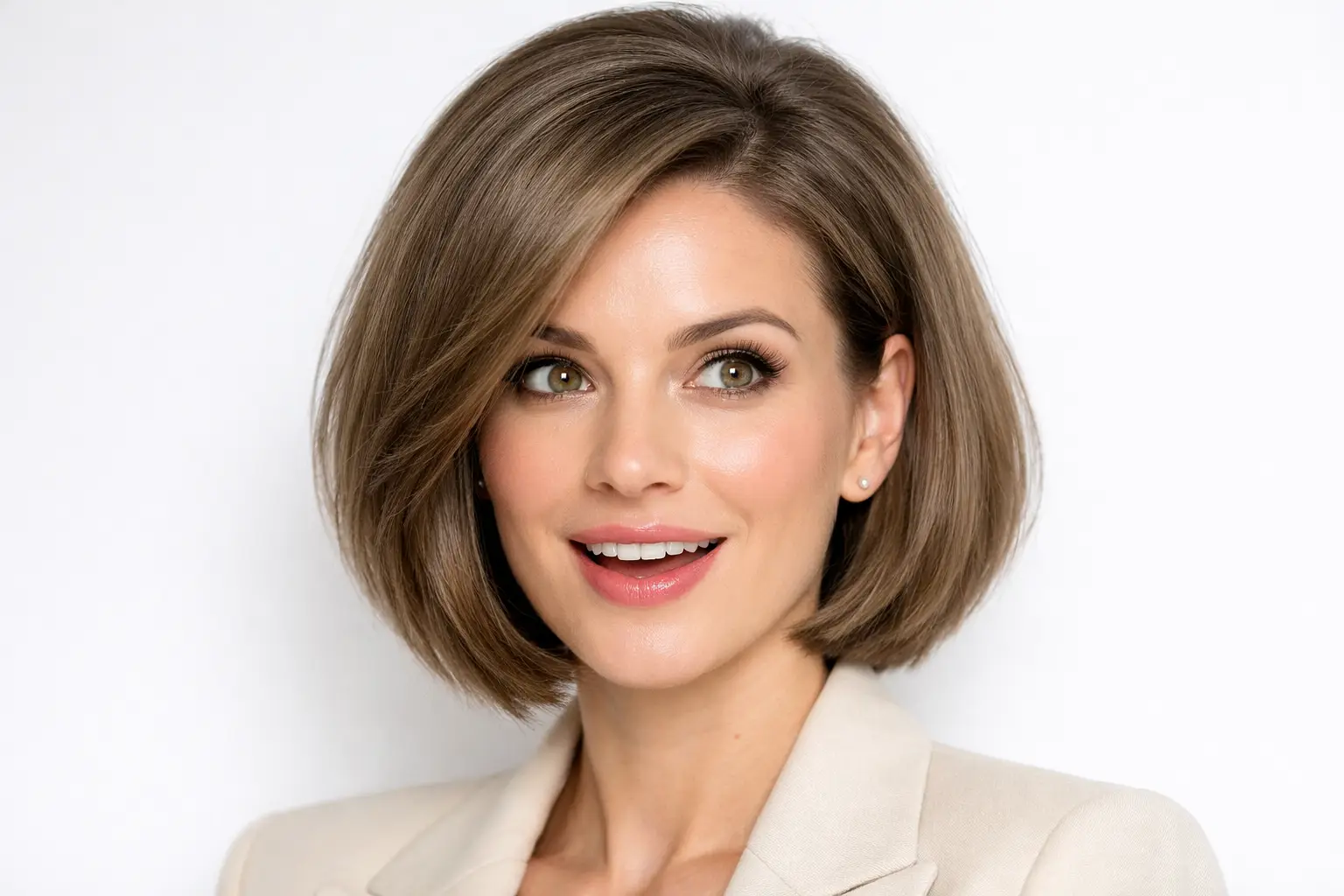
Women with fine hair sometimes approach the bob with hesitation because thinner hair can appear flat and lacking body at shorter lengths. The old money bob is actually one of the most flattering cuts for fine hair because the blunt end creates the illusion of thickness by eliminating the wispy, thin ends that fine hair naturally produces. A volumizing mousse applied to the roots before blow drying with a round brush gives the fine hair the lift and body it needs to fill the bob shape convincingly. The deep side part variation is particularly effective for fine hair because it adds additional volume on the fuller side through the weight distribution of the swept direction.
The Old Money Bob for Thick Hair
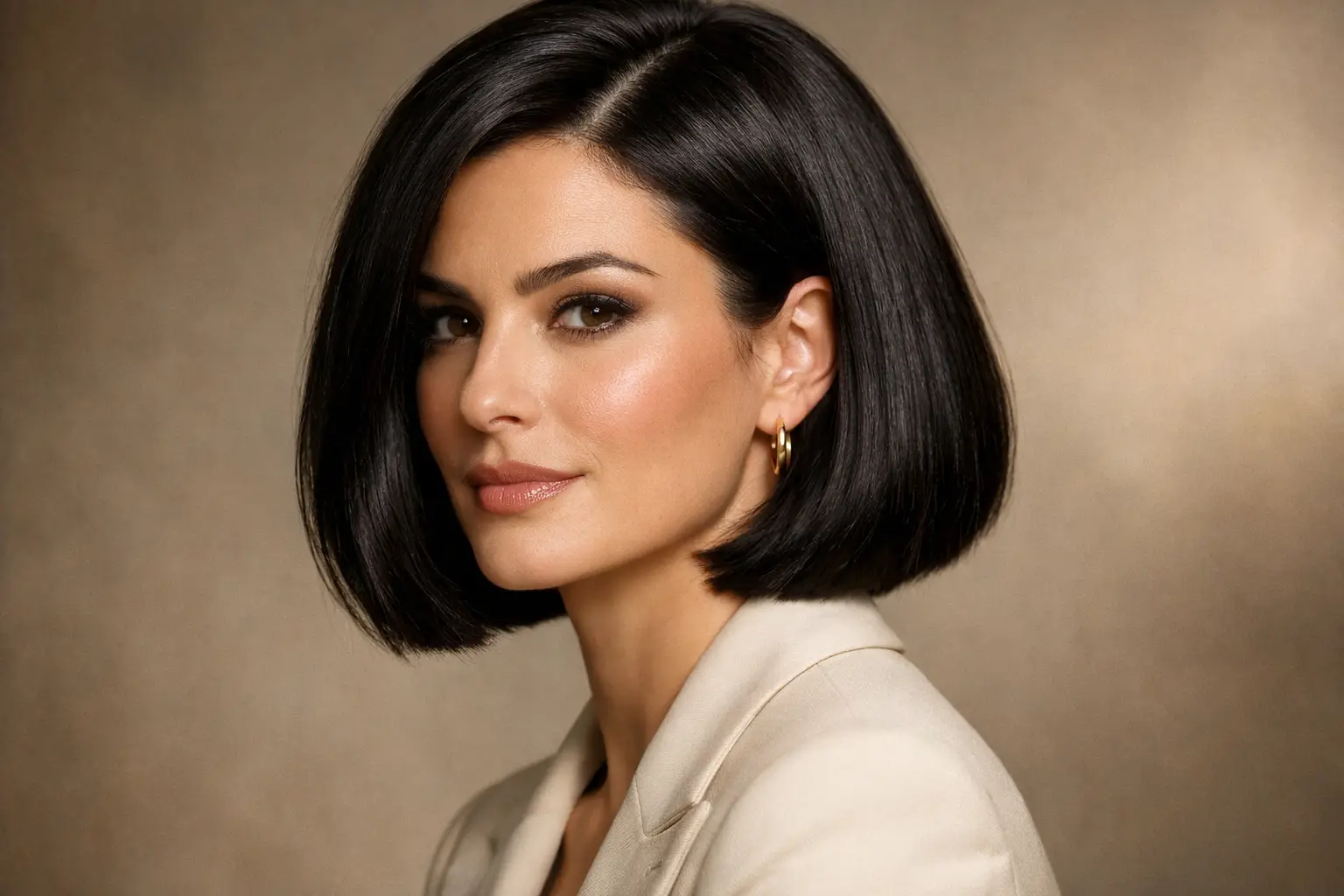
Thick hair wears the old money bob with a natural authority that finer hair must work to achieve. The weight and density of thick hair gives the blunt ends a substantial, impressive appearance that photographs beautifully and holds the inward curl at the ends throughout the day without requiring repeated styling. A smoothing cream applied before blow drying keeps the thickness controlled and prevents the volume from becoming excessive or shapeless. Point cutting throughout the interior of the bob removes bulk selectively without disrupting the clean blunt line at the bottom, giving the thick hair old money bob a refined, polished finish that is well worth the additional time in the stylist’s chair.
The Old Money Bob with Balayage
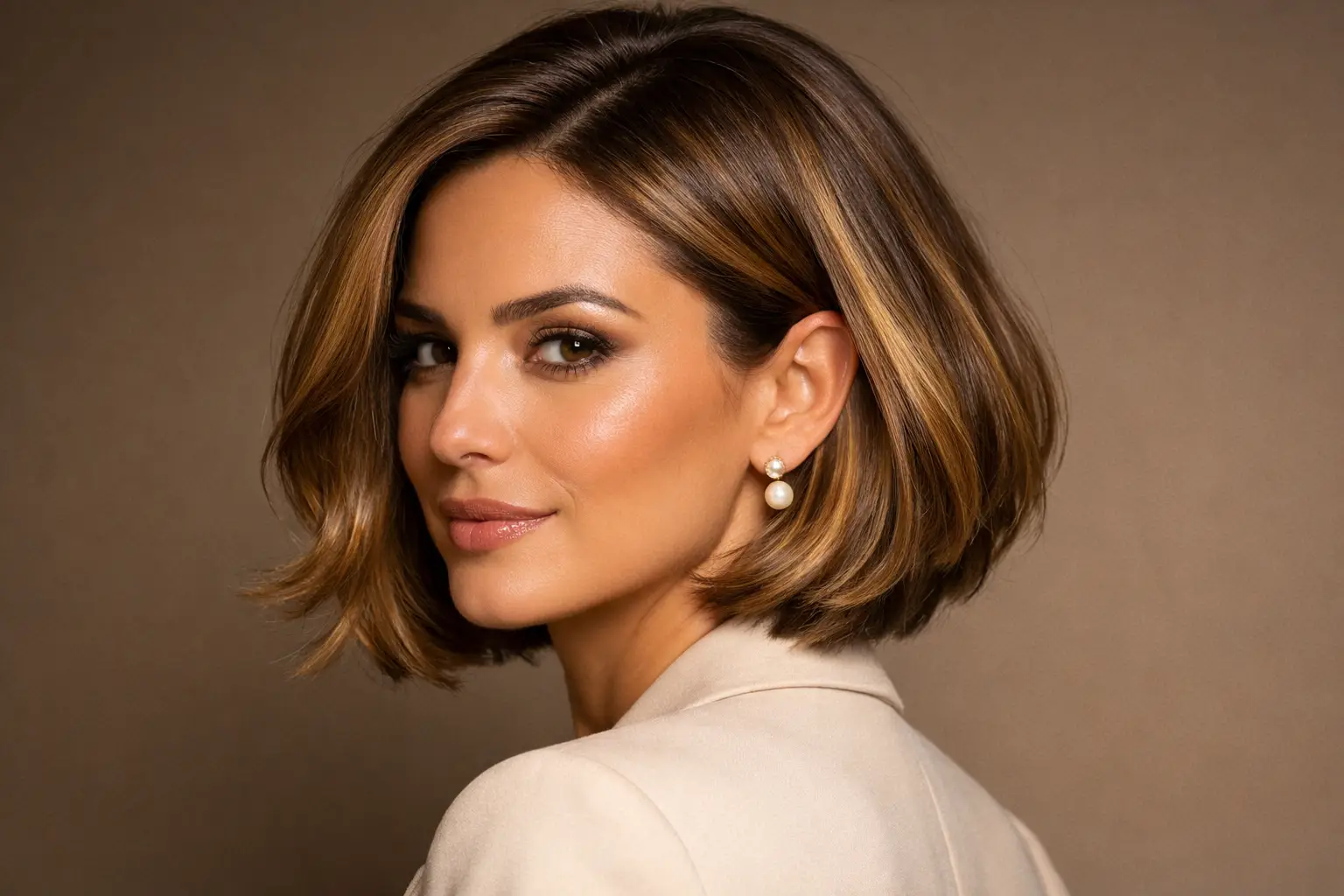
Balayage color on an old money bob creates a dimensional, sun-kissed effect that gives the style a natural, luminous quality while retaining its overall polished character. The hand-painted lighter sections trace the movement of the bob and create a color gradient that appears effortless and organic rather than heavily processed. A honey or caramel balayage on a medium brunette base is the most classic old money color combination at bob length, creating warmth and depth without the high-maintenance commitment of full highlights. This version bridges the gap between the carefully maintained aesthetic of the old money bob and the naturalness of hair that appears to look beautiful without any effort.
The Bouncy Blowout Old Money Bob
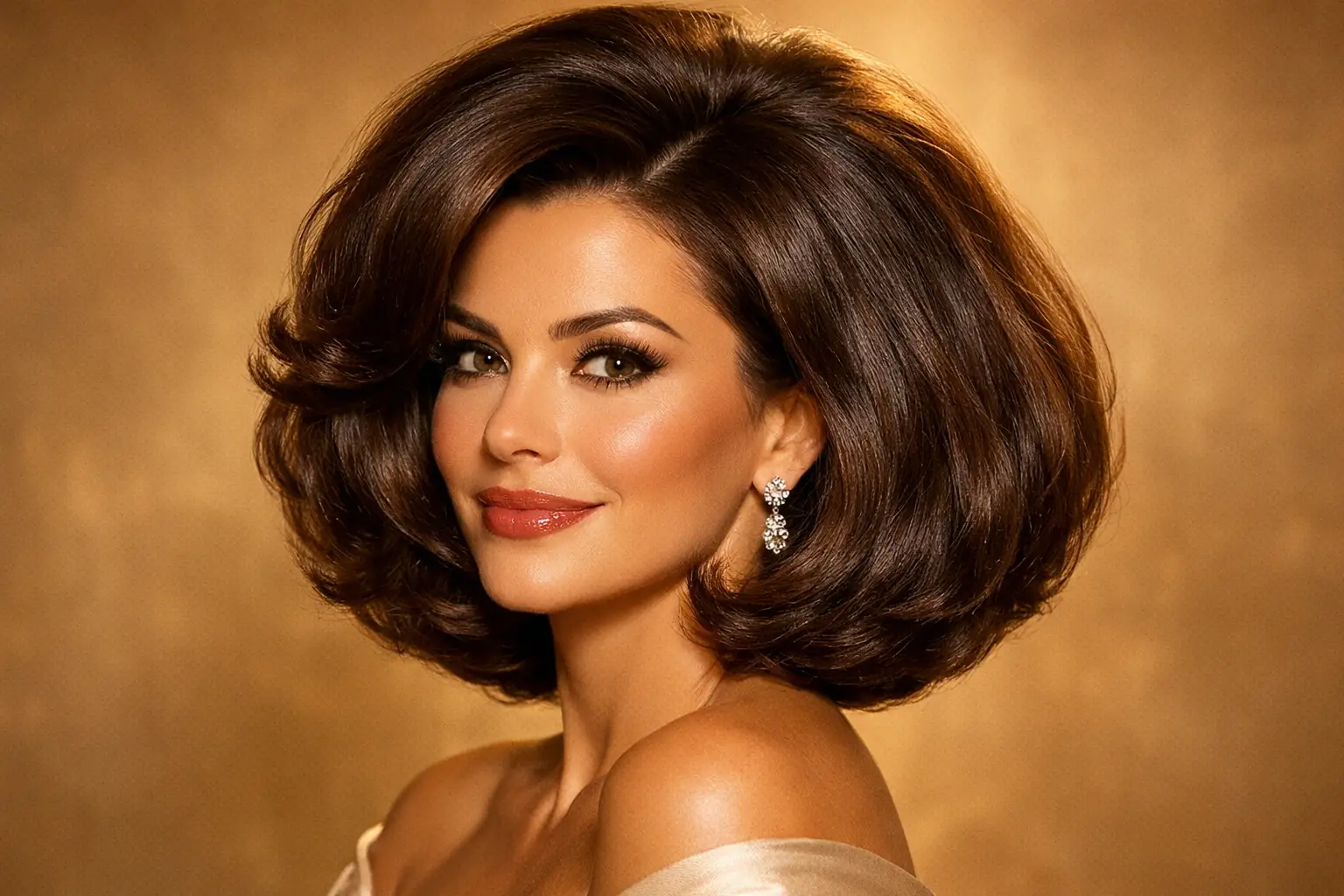
The bouncy blowout is perhaps the most celebrated styling approach for the old money bob and it produces a result that is simultaneously glamorous and entirely wearable. Rather than the smooth, directional blowout of the sleek versions, the bouncy blowout uses a large round brush to lift the roots aggressively and create a full, rounded shape with maximum volume throughout. The ends are directed inward as usual but the overall silhouette has a lush, voluminous quality that makes the hair appear significantly thicker and more lustrous than in any other styling approach. This is the version most associated with the vintage luxury aesthetic of the style and the one that comes closest to the old Hollywood glamour that inspired the old money bob in the first place.
The Quiet Luxury Minimalist Old Money Bob
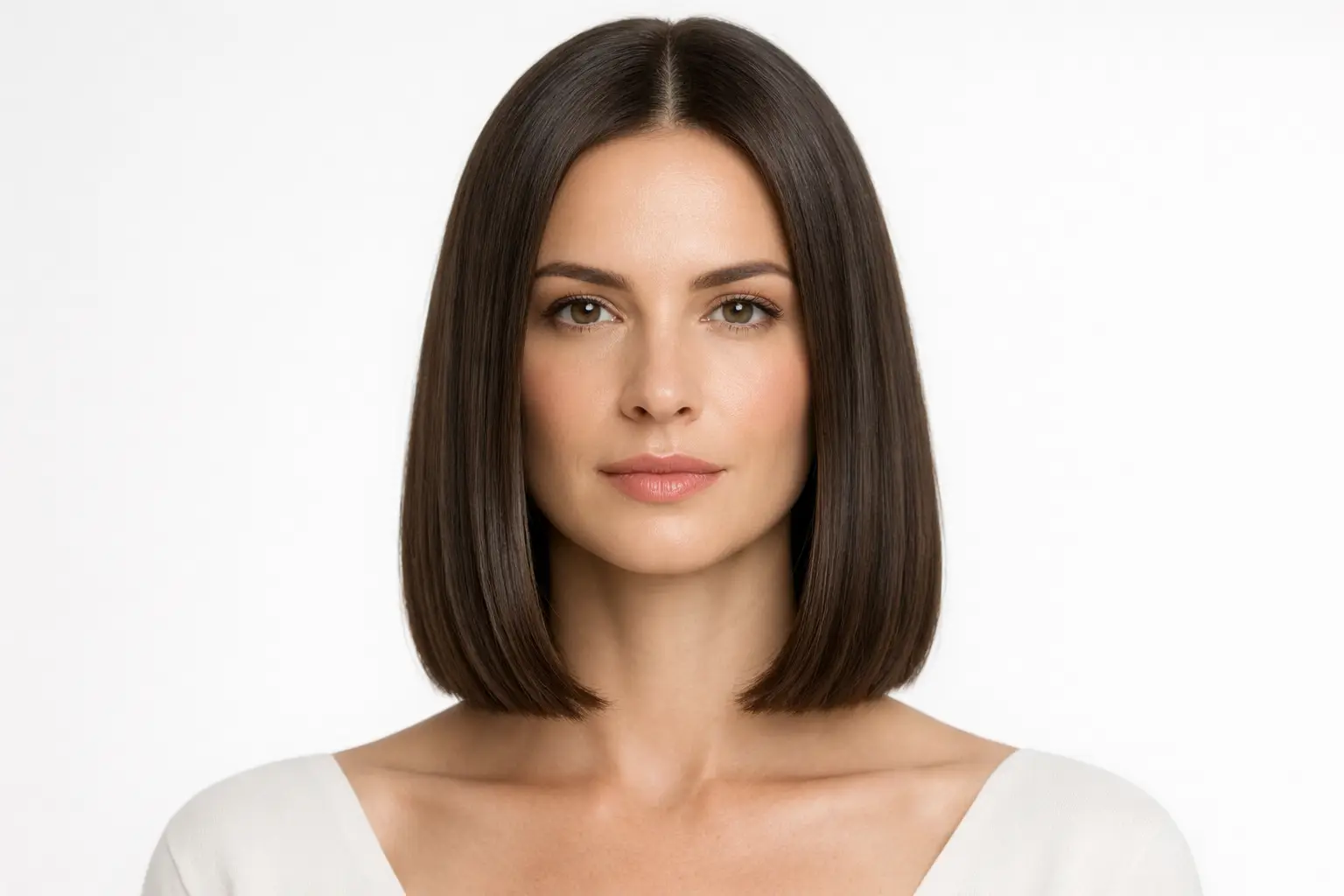
The minimalist interpretation of the old money bob reduces the style to its most essential elements: a precise length, a clean blunt line, healthy glossy hair, and nothing else. No accessories, no color, no bangs, and no deliberate styling beyond a smooth blowout that allows the cut and the condition of the hair to speak for themselves. This version demands the highest quality hair care because the simplicity of the look means that the condition, shine, and health of the hair are fully visible and fully responsible for the beauty of the result. A weekly deep conditioning treatment, a daily application of hair oil for shine, and regular trims every four to six weeks are the three commitments that keep the minimalist old money bob looking as though it cost considerably more than it did.
How to Style and Maintain Your Old Money Bob
The old money bob is built on three principles: shine, shape, and volume. Every styling routine and maintenance decision should serve all three simultaneously. A heat protectant applied before any blow drying or heat styling prevents the kind of damage that dulls the shine and weakens the blunt ends. A round brush of the appropriate barrel size for the length creates the volume and inward curl that defines the shape. A volumizing mousse or spray at the roots provides the lift that keeps the silhouette full and rounded rather than flat and shapeless.
Maintenance requires regularity above all else. Trimming every four to six weeks keeps the blunt ends precise and the overall shape consistent. A gloss treatment or toning service between color appointments maintains the color quality that the old money aesthetic depends upon. Using a silk or satin pillowcase at night prevents the friction that disturbs the blowout and creates frizz that undermines the polished finish the following morning.
Conclusion
The old money bob has endured across decades and will continue to do so because it is built on principles that never date. Elegance, precision, shine, and an understated confidence that does not need to announce itself are qualities that belong to no particular era and suit every woman who carries them with intention. The 18 variations presented in this article demonstrate the full creative range within what might at first appear to be a single, simple hairstyle. From the architectural precision of the sleek straight bob to the romantic softness of the wavy lob with curtain bangs, each interpretation brings something distinct to the same foundational aesthetic. Choose the version that reflects your personality, commit to the maintenance it deserves, and wear it with the quiet certainty of someone who has always known exactly what looks good.
You may also like this: 18 Gorgeous Short Hairstyles for Black Women to Rock Every Day
Frequently Asked Questions
What is the difference between a regular bob and an old money bob?
The old money bob is distinguished by its focus on shine, volume, and a polished blowout finish rather than texture, choppy layers, or deliberate messiness. It typically features blunt or minimally layered ends, voluminous roots, and ends that curl gently inward, creating a clean, rounded silhouette associated with quiet luxury and understated elegance.
What face shapes suit the old money bob best?
The old money bob is highly adaptable and suits most face shapes with minor length adjustments. Oval faces suit almost every version. Round faces benefit from a slightly longer length that creates elongation. Square faces are softened by the rounded silhouette and gentle inward curl. Heart-shaped faces are beautifully framed by the chin to collarbone length.
How do I maintain the shine that makes the old money bob look so polished?
A weekly deep conditioning treatment, a gloss treatment every four to six weeks at the salon, a daily application of a lightweight hair oil to the mid-lengths and ends, and consistent use of a heat protectant before styling all contribute to the glossy, well-maintained finish that is essential to the old money bob aesthetic.
Can the old money bob work on curly or wavy hair?
Yes, with the right preparation. Naturally wavy hair can be blow-dried smooth with a round brush and a smoothing serum for the sleek versions, or enhanced with a large-barrel curling iron for a polished wavy result. Curly hair requires a smoothing cream and a thorough blowout with a round brush to achieve the straight and wavy old money bob variations.
How often should I trim my old money bob?
Every four to six weeks is the standard recommendation for maintaining the precision of the blunt ends and the overall shape of the old money bob. The blunt cut that defines the style grows out relatively quickly and the clean line at the bottom becomes noticeably less precise after six weeks, making regular trimming essential to keeping the style at its best.