
Introduction
Short hair has always carried a certain confidence, but the pixie hairstyle for men takes that idea somewhere different. It is not just short. It is deliberate, textured, and full of personality. If you are tired of the same fade or buzz cut and want something that feels fresh without going to extremes, a pixie style might be exactly what you are looking for.
What makes this haircut appealing is how much room it leaves for personal expression. Some versions are soft and barely-there, while others lean into sharp lines, bold color, or shaved designs. There is no single way to wear a pixie cut, which is part of why it has become such a popular choice among men who want something outside the usual grooming routine.
This guide walks through 22 pixie hairstyle ideas for men, each with practical context on who it suits, how to style it, and what to ask your barber for. Whether you have straight, wavy, or curly hair, there is likely a version here that fits your face shape and daily routine.
Classic Pixie Crop for Men
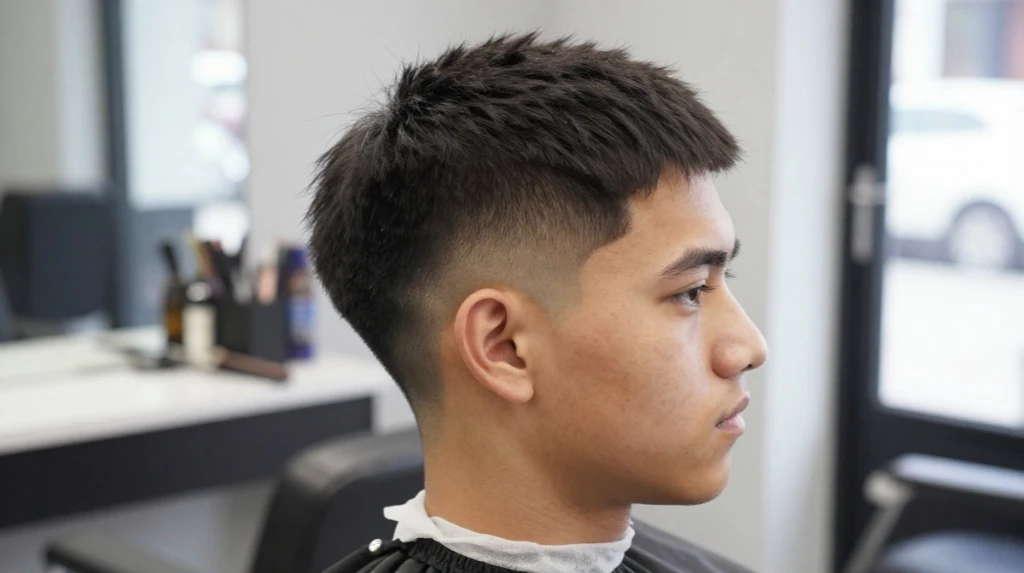
The classic pixie crop keeps things short all around with just enough length on top to add shape. It is one of the most beginner-friendly versions of this style because it does not require much daily upkeep. The hair sits close to the head but still has a bit of movement, giving it a clean yet approachable look.
This cut works well for almost any face shape, which is part of its lasting appeal. A small amount of matte paste is usually enough to define the top without making it look overly styled. If you are new to short haircuts, this is a solid starting point before trying something more dramatic.
Textured Pixie with Fade
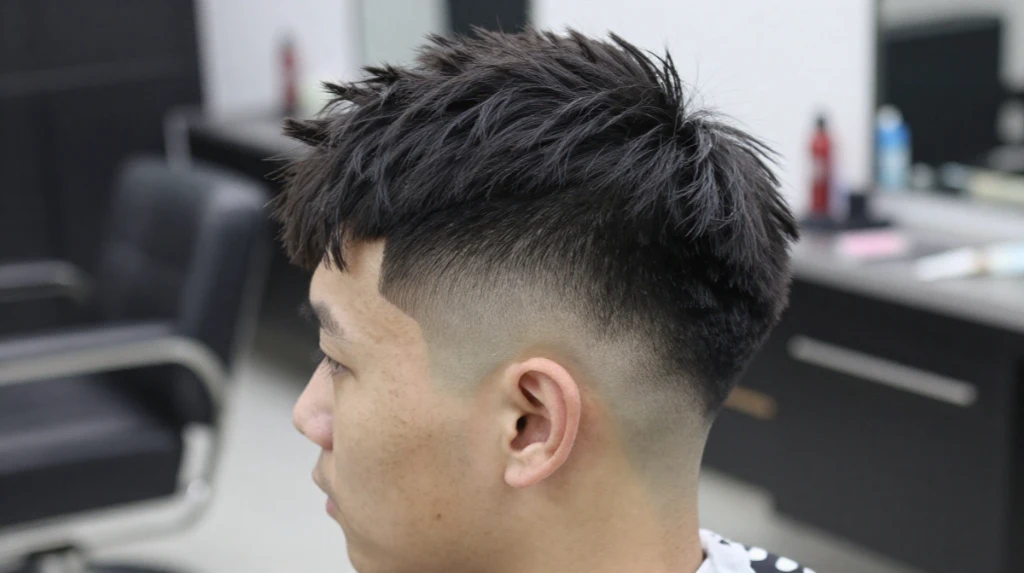
Pairing a textured pixie cut with a fade on the sides creates a sharp contrast that photographs well and looks great in person too. The top stays choppy and full of texture while the sides taper down cleanly, giving the whole look structure without feeling stiff.
Ask your barber for a mid or high fade depending on how bold you want the contrast to be. A texturizing spray or light clay helps separate the strands on top so the cut does not fall flat. This combination is easy to maintain between barber visits since the growth is gradual.
Undercut Pixie Style
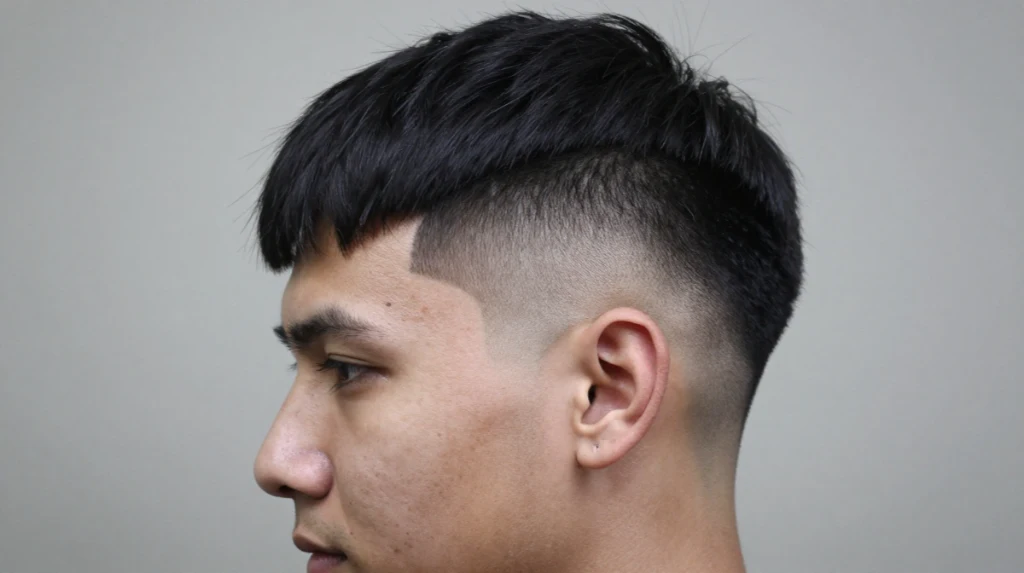
The undercut pixie takes a more dramatic approach, shaving the sides and back much shorter than the top, often with a visible line of separation rather than a gradual blend. It has an edgy quality that suits men who want their haircut to make a statement.
Because the contrast is so defined, this style needs a bit more upkeep than a soft fade. Regular trims every few weeks keep the line sharp and intentional. Styling the top with a strong-hold product gives the cut a finished, polished appearance even on days when you are short on time.
Choppy Pixie Cut
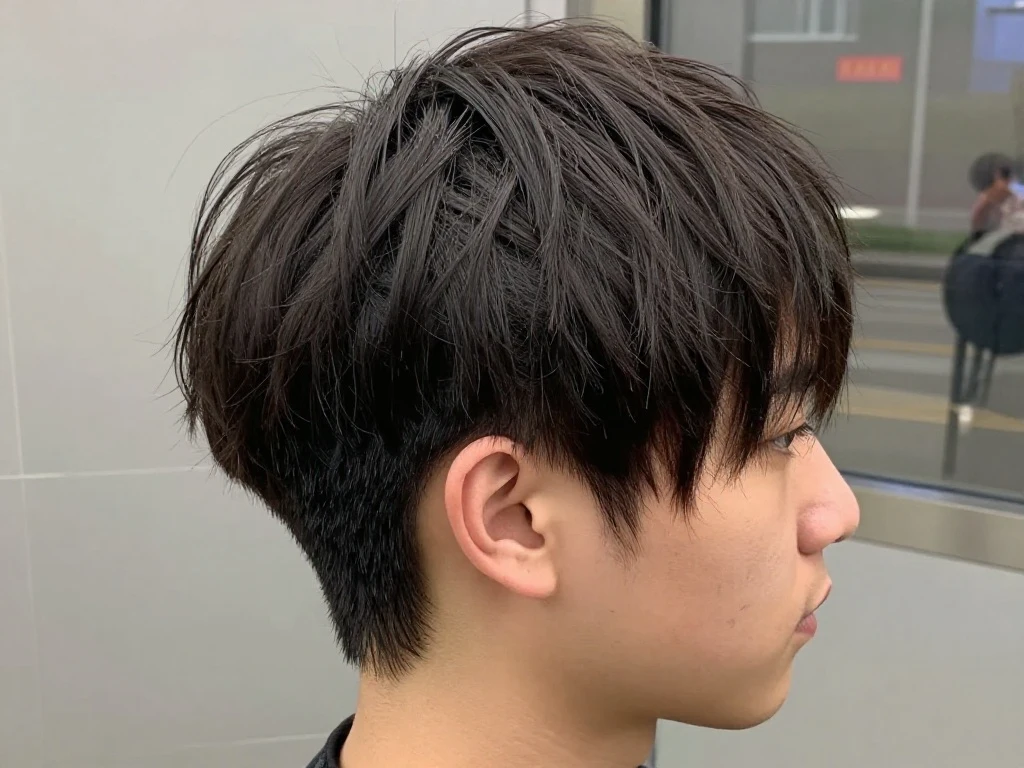
A choppy pixie cut relies on uneven, layered cutting techniques to create texture and movement throughout the top. Instead of a smooth, uniform finish, the hair looks slightly undone in a way that feels natural rather than messy.
This style pairs well with straight or slightly wavy hair since the layers catch and hold shape more easily. A light pomade worked through damp hair, then air-dried, brings out the choppy texture without weighing it down. It is a low-effort style once you get the hang of the styling routine.
Disconnected Pixie Look
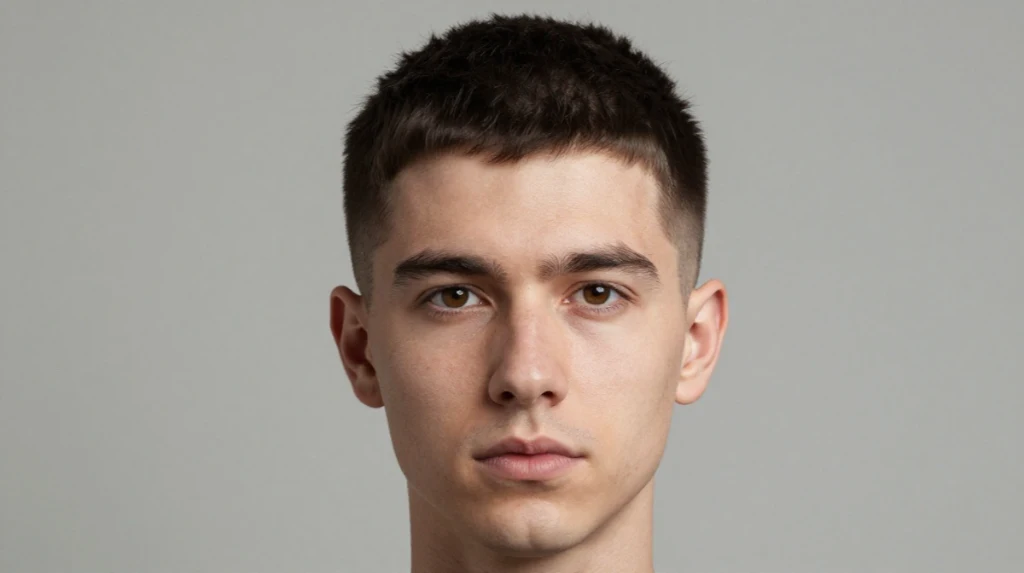
The disconnected pixie creates a clear break between the length on top and the closely cropped sides, skipping the gradual blend entirely. This gives the haircut a sharp, almost geometric feel that stands out in a crowd.
It works especially well for men who already gravitate toward bold fashion choices, since the haircut itself carries a similar energy. Maintaining the disconnection requires more frequent trims than a blended cut, roughly every three weeks, to keep the lines from softening.
Pixie with Hair Design
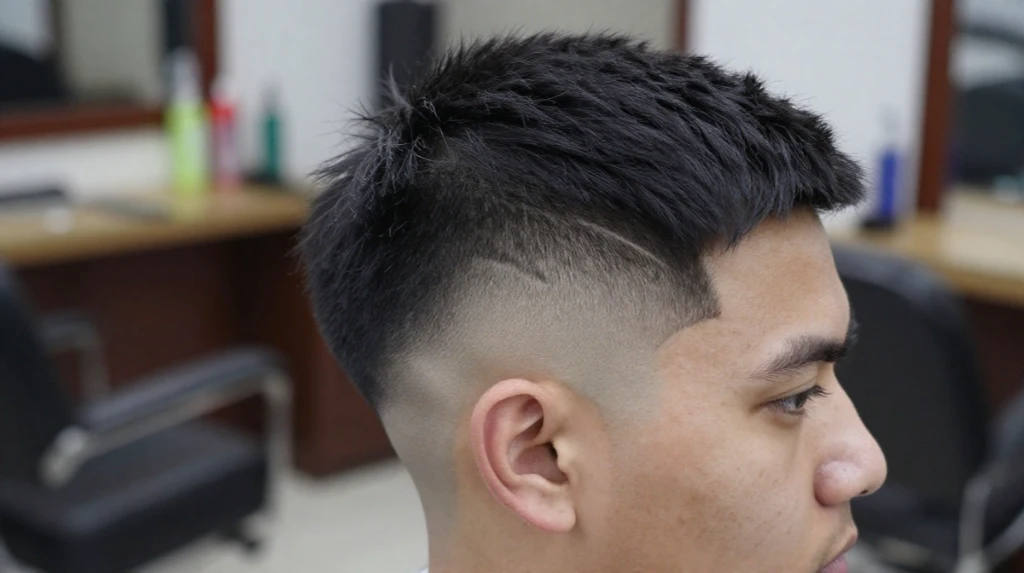
Adding a shaved design into a pixie cut, whether it is a simple line, a geometric pattern, or something more detailed, turns the haircut into a personal statement piece. Barbers with design experience can freehand patterns directly into the shorter sections of the cut.
If you are considering this option, bring a reference photo to your appointment so your barber understands the placement and style you want. Keep in mind that visible designs need touch-ups every one to two weeks to stay crisp, since new hair growth blurs the lines quickly.
Side Part Pixie Cut
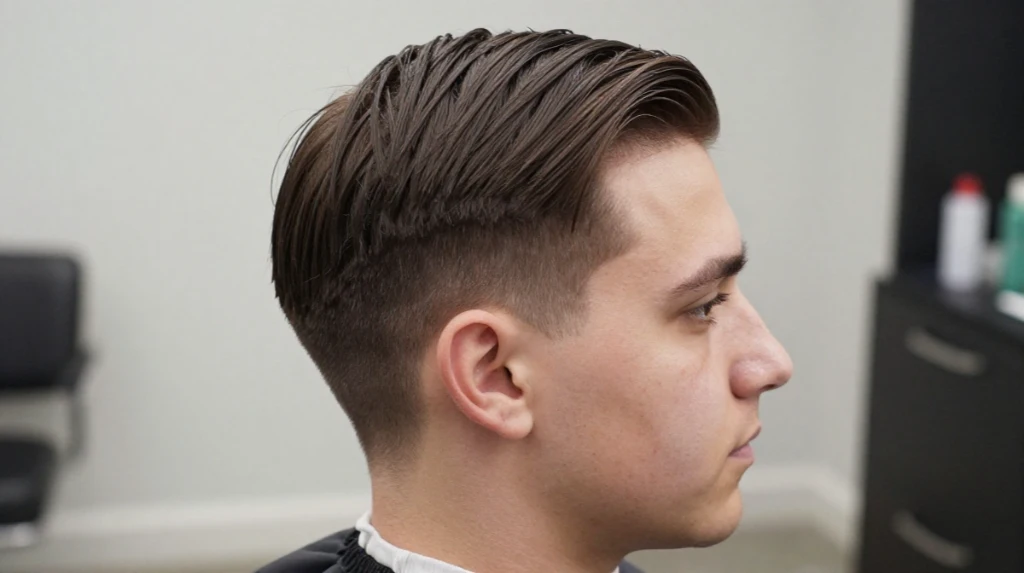
A side part adds a touch of polish to the pixie hairstyle, giving it a slightly more put-together appearance without sacrificing the short, edgy base. The part creates a clear line that guides the eye and adds structure to the overall shape.
This version works particularly well in professional settings where you want a short haircut that still feels tidy. A comb and a small amount of pomade help define the part cleanly each morning, and the style holds up well throughout the day with minimal touch-ups.
Tapered Pixie Cut
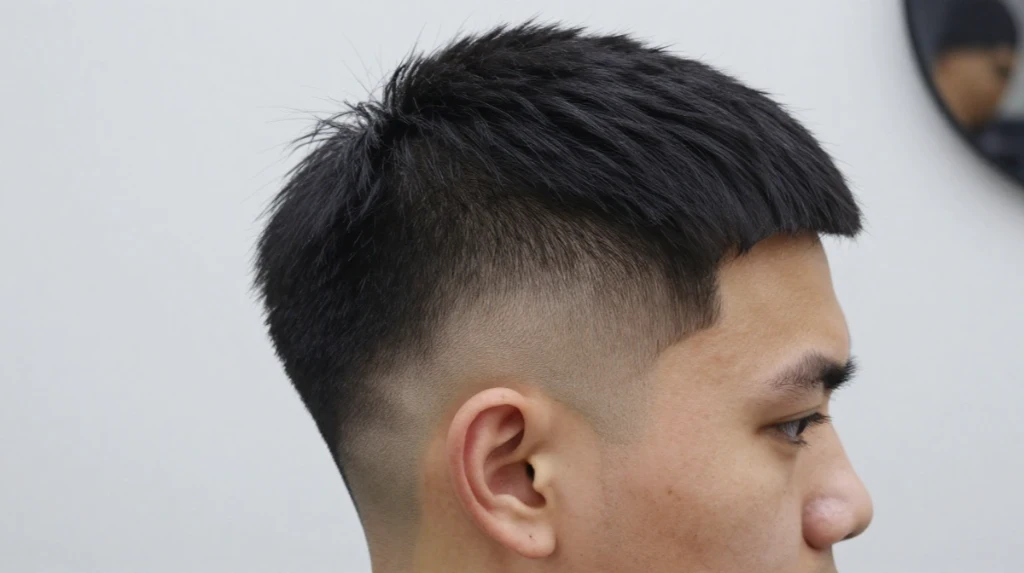
The tapered pixie gradually reduces length from the top down to the neckline, creating a smooth, rounded silhouette rather than sharp lines. It has a softer overall feel compared to disconnected or undercut versions.
Men who prefer a subtler short haircut often gravitate toward this option because it blends easily into everyday life without drawing too much attention. Regular trims every four weeks keep the taper looking fresh, and minimal styling product is needed since the cut naturally holds its shape.
Micro Pixie Cut
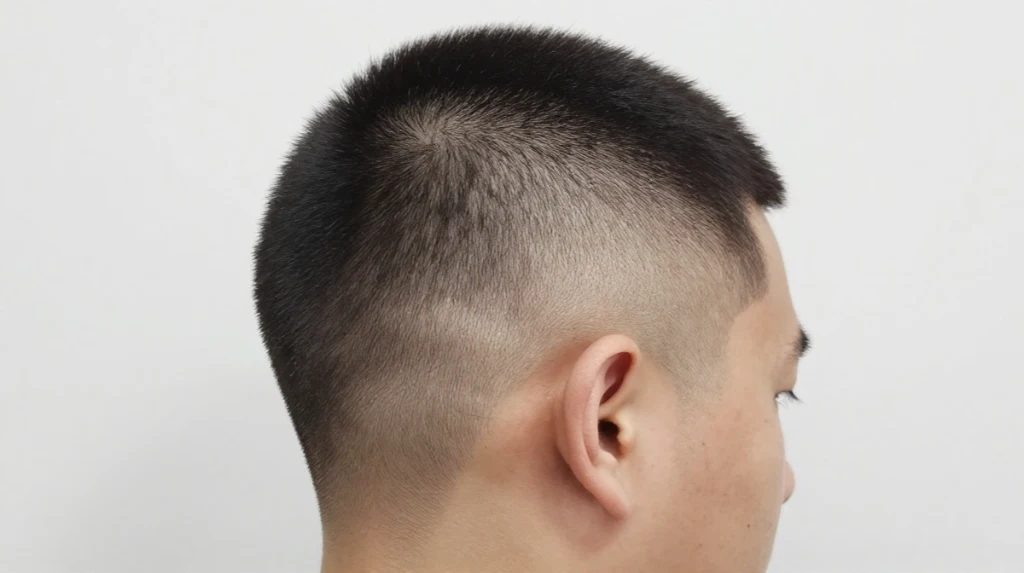
For those who want to go as short as possible while still keeping a defined shape on top, the micro pixie cut delivers. It is closely cropped throughout, with just enough length to allow for light texturing or a subtle side sweep.
This is an extremely low-maintenance option, which makes it appealing for men with busy schedules or those who simply prefer minimal styling time. A small amount of matte wax is typically all that is needed to finish the look each day.
Razor Cut Pixie
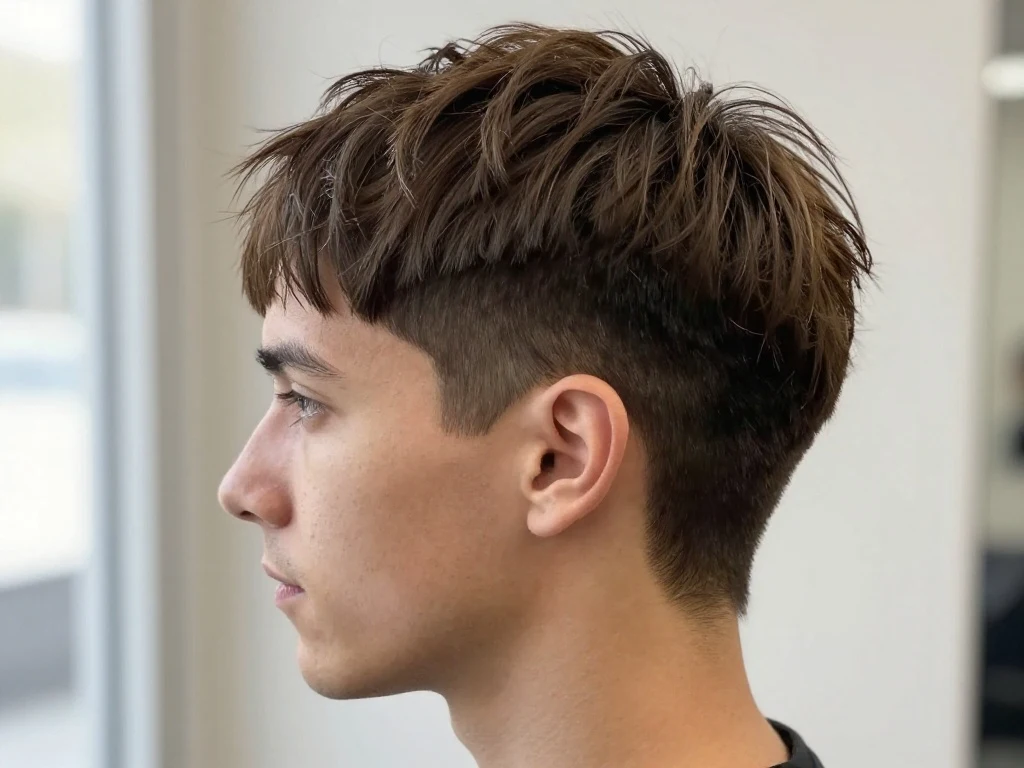
A razor cut pixie uses razor techniques instead of standard scissors to create softer, feathered ends throughout the hair. This produces a texture that looks naturally tousled rather than precisely trimmed.
This method works particularly well on thicker hair types since it removes bulk while keeping the overall shape intact. If your hair is fine or thin, ask your barber about a lighter touch, since heavy razor work can sometimes make thinner strands look sparse.
Asymmetrical Pixie for Men
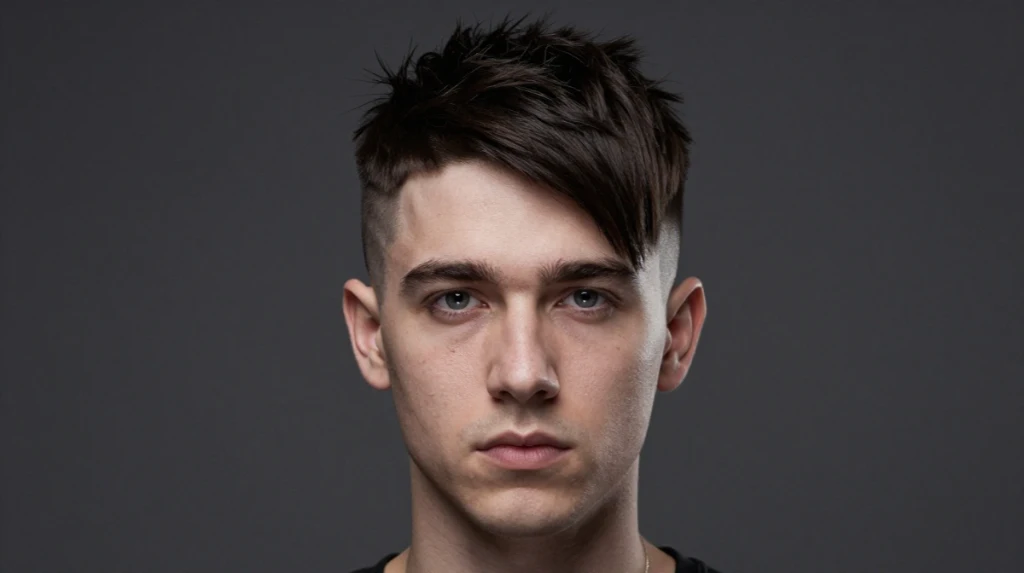
An asymmetrical pixie plays with uneven lengths across the top, creating a look that feels less predictable than a symmetrical crop. One side might carry more length or sweep in a different direction than the other, adding visual interest.
This style suits men who enjoy experimenting with their appearance and are comfortable with a haircut that requires a bit more thought during styling. A flexible-hold product allows you to reshape the asymmetry slightly from day to day depending on your mood.
Buzzed Pixie Style
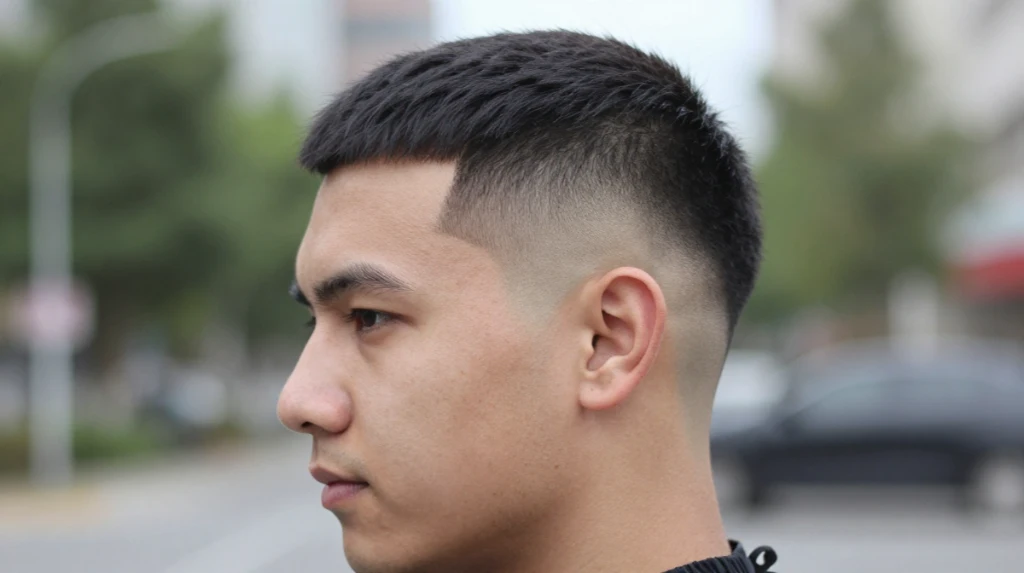
The buzzed pixie combines the simplicity of a buzz cut with just enough length on top to keep a bit of the pixie’s signature texture. It sits somewhere between an all-over buzz and a traditional pixie crop.
This is one of the easiest styles on this list to maintain since there is little to style each morning. Running a small amount of matte cream through damp hair after a shower is usually all it takes to finish the look for the day.
Punk Pixie Hairstyle
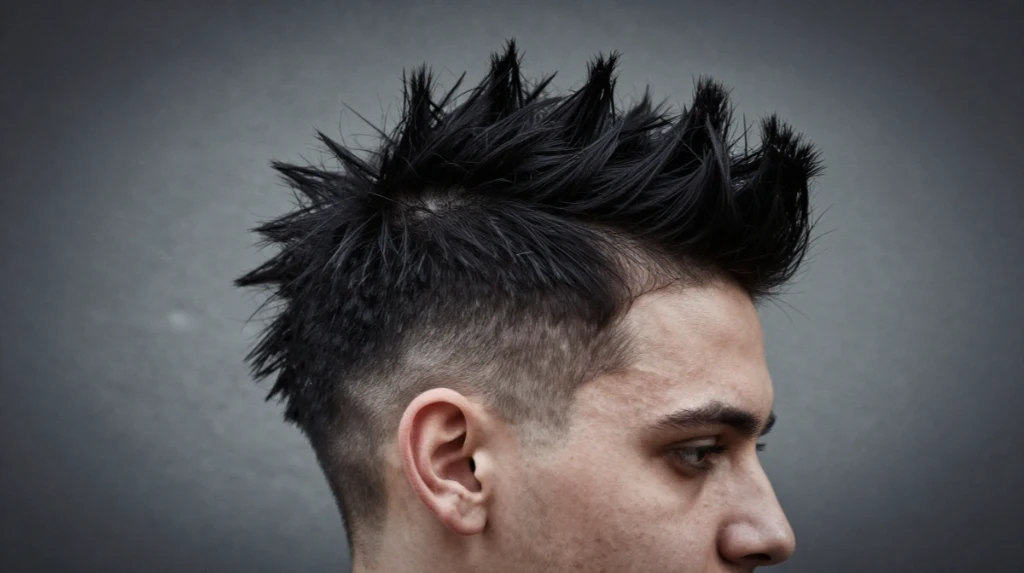
A punk-inspired pixie leans into spiked texture, sharp lines, and sometimes bold color choices for a look with real attitude. It borrows from classic punk aesthetics while staying wearable for everyday life.
This version often pairs well with a strong-hold gel or wax that can hold spiked sections upright throughout the day. If you want to soften the look slightly for work or more formal settings, simply reduce the amount of texturizing product you use.
Sculpted Pixie Cut
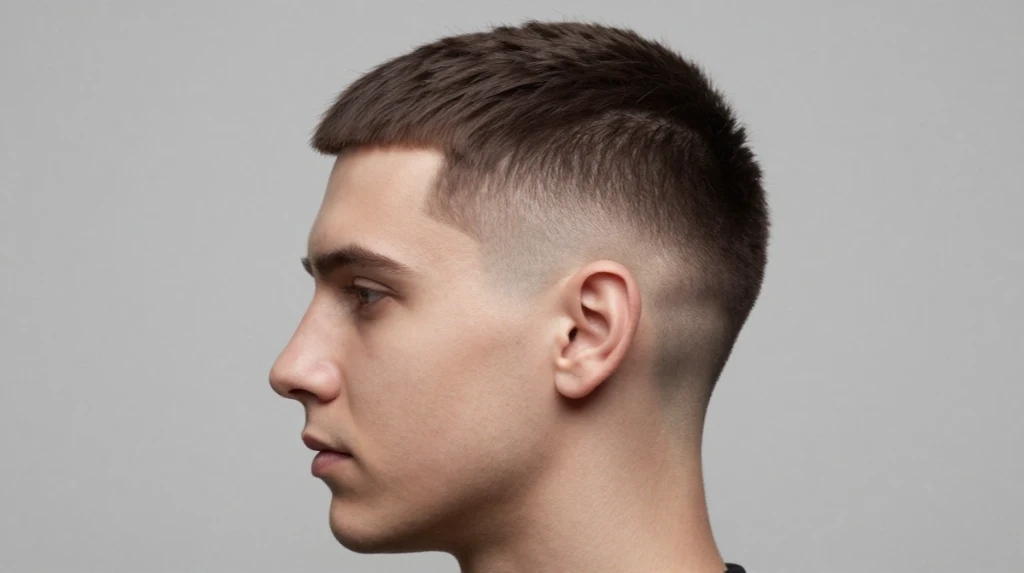
The sculpted pixie relies on precise cutting to create defined shapes and clean lines rather than loose, natural texture. Every section has a clear purpose, giving the haircut a more structured, intentional appearance.
Because precision is the main feature here, regular trims are necessary to keep the shape looking sharp. A pomade with some shine works well for this style since it highlights the clean lines rather than hiding them under a matte finish.
Soft Pixie Hair
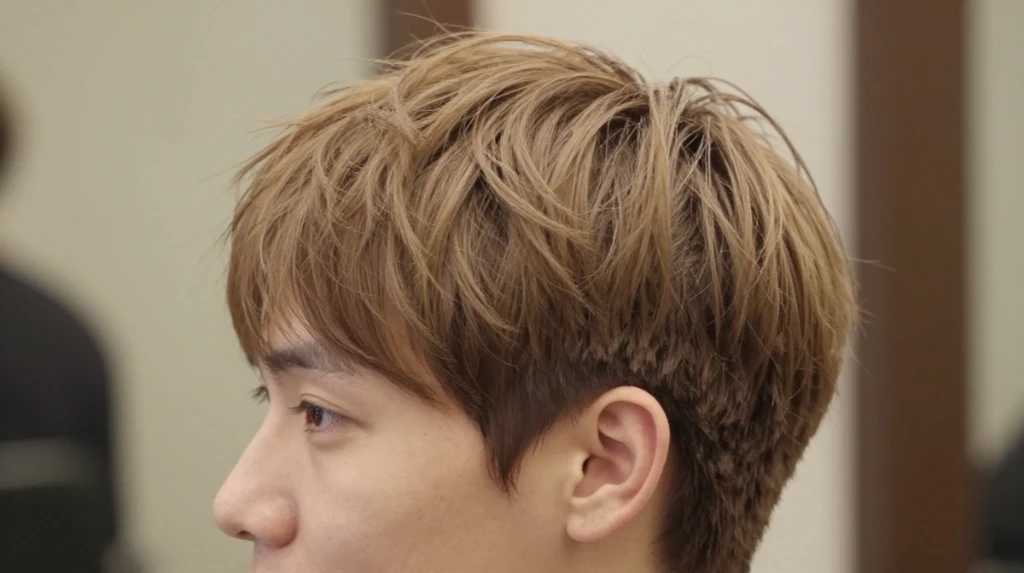
Not every pixie cut needs to be edgy or dramatic. The soft pixie keeps things gentle, with rounded edges and minimal contrast between the top and sides. It has a more approachable, understated quality.
This style suits men who want a short haircut without a heavy styling routine. A light leave-in cream keeps the hair soft and manageable, and the cut typically only needs light finger-styling rather than heavy product use.
Volume Pixie Style
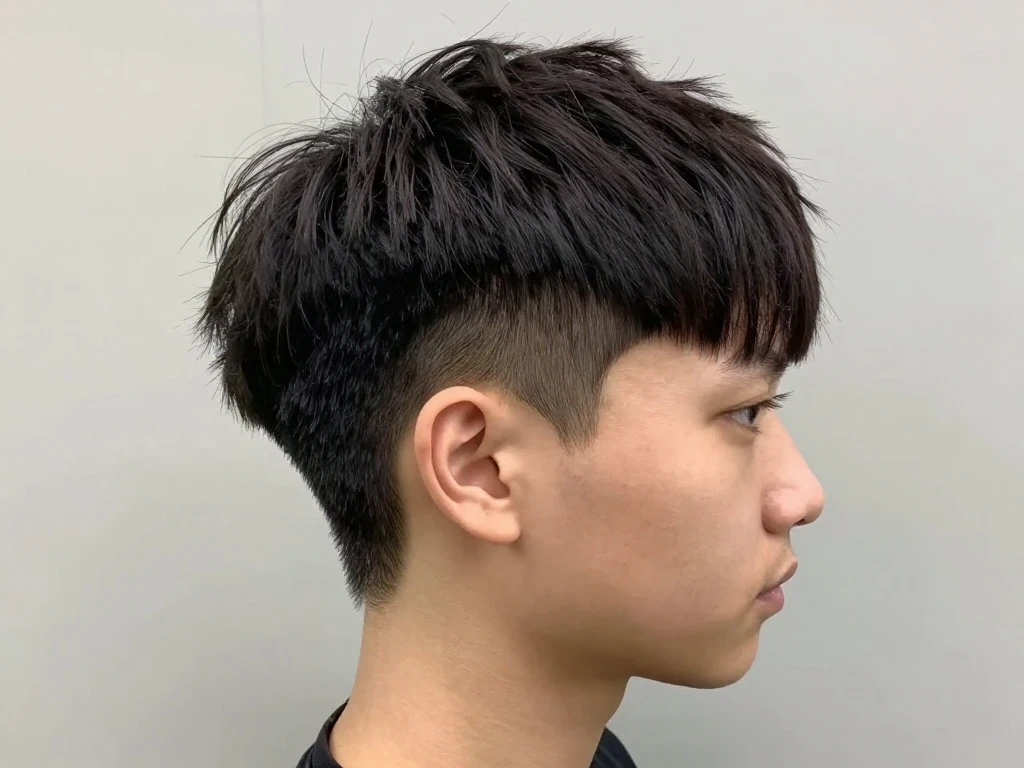
The volume pixie focuses on lifting the hair at the roots to add height and fullness on top. This works especially well for men with fine hair who want their haircut to look thicker and more substantial.
A volumizing spray applied to damp roots before blow-drying upward helps create lasting lift throughout the day. Avoid heavy oils or creams with this style, since they can weigh the hair down and cancel out the volume effect.
Pixie with Fringe
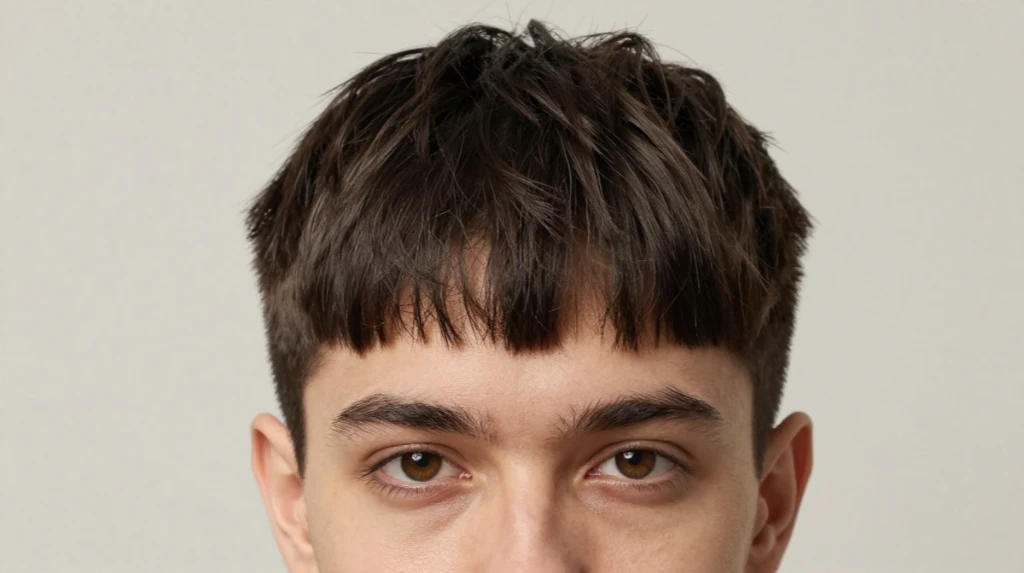
Adding a fringe to the front of a pixie cut brings a bit of softness to an otherwise short, structured style. The fringe can be worn straight across the forehead or swept slightly to one side for a more relaxed finish.
This version pairs nicely with round or oval face shapes since the fringe adds a bit of visual length. Trimming the fringe every few weeks keeps it from growing into the eyes, while the rest of the cut can go longer between visits.
Bleached Pixie for Men
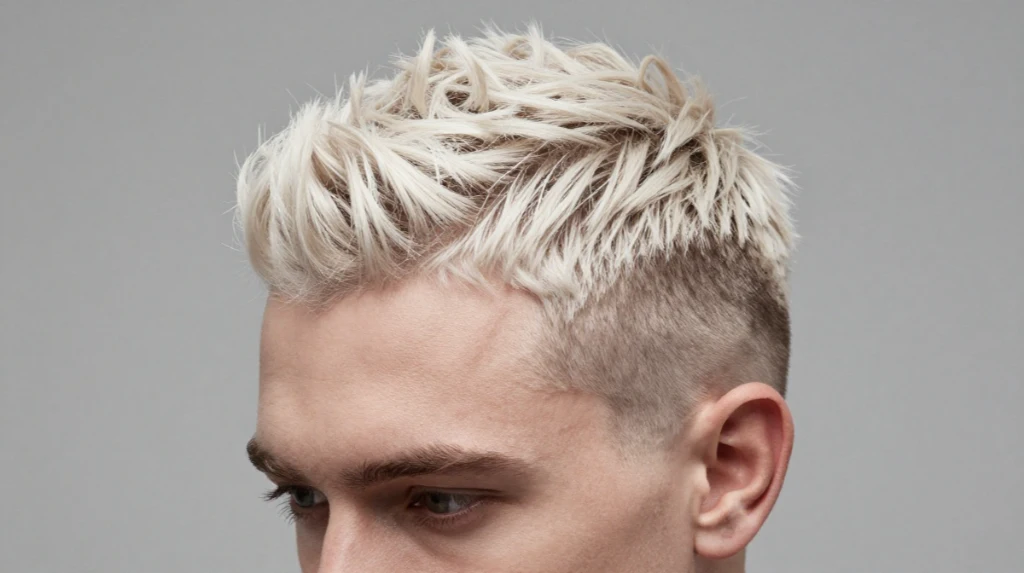
Bleaching the top section of a pixie cut creates a striking contrast against darker roots or a natural base color. It is one of the boldest ways to update a short haircut without changing the actual cut itself.
If you are new to bleaching, start with a professional consultation to protect your hair’s health, since over-processing can lead to breakage. A color-safe shampoo and regular deep conditioning treatments help keep bleached sections from becoming brittle.
Colored Pixie Cut
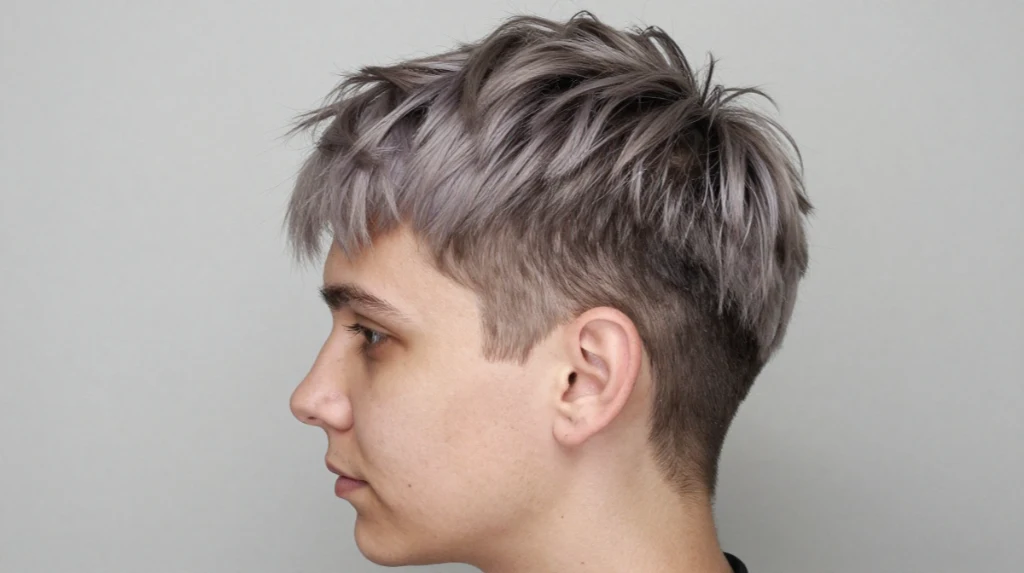
Beyond bleaching, many men are experimenting with actual color on their pixie cuts, from subtle ash tones to bolder shades. Color adds another layer of personality to an already expressive haircut.
Semi-permanent dyes are a good entry point if you want to test a color without a long-term commitment. Always patch-test new color products beforehand, and expect to touch up vibrant shades every few weeks as they naturally fade with washing.
Layered Pixie Cut
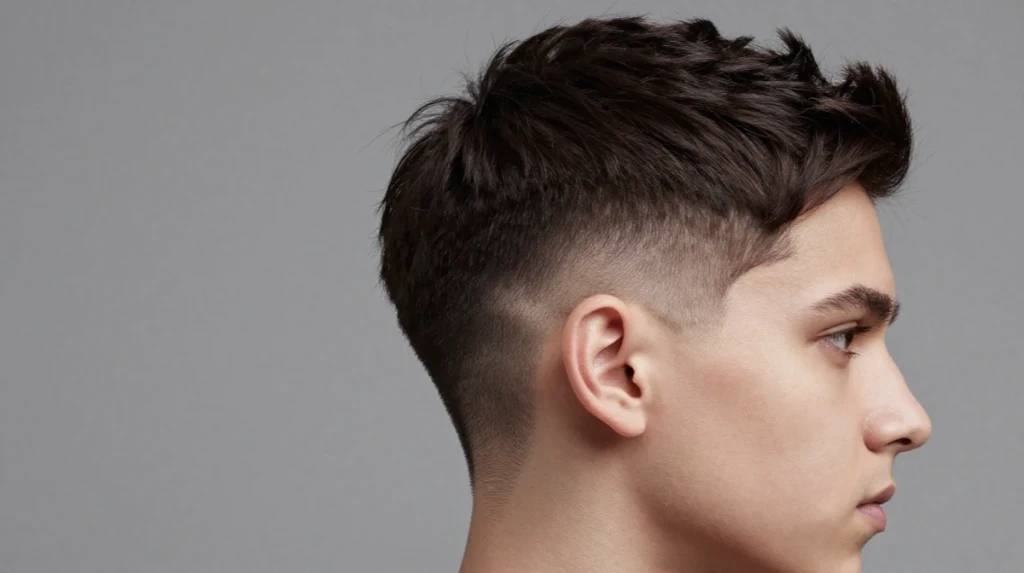
Layering throughout a pixie cut adds movement and prevents the style from looking flat or one-dimensional. Different layer lengths catch light differently, giving the haircut more depth than a single uniform length would.
This works particularly well for men with thicker hair, since layering removes some bulk while maintaining shape. A lightweight texturizing spray helps separate the layers for a more defined finish without making the hair feel stiff.
Tousled Pixie Hair
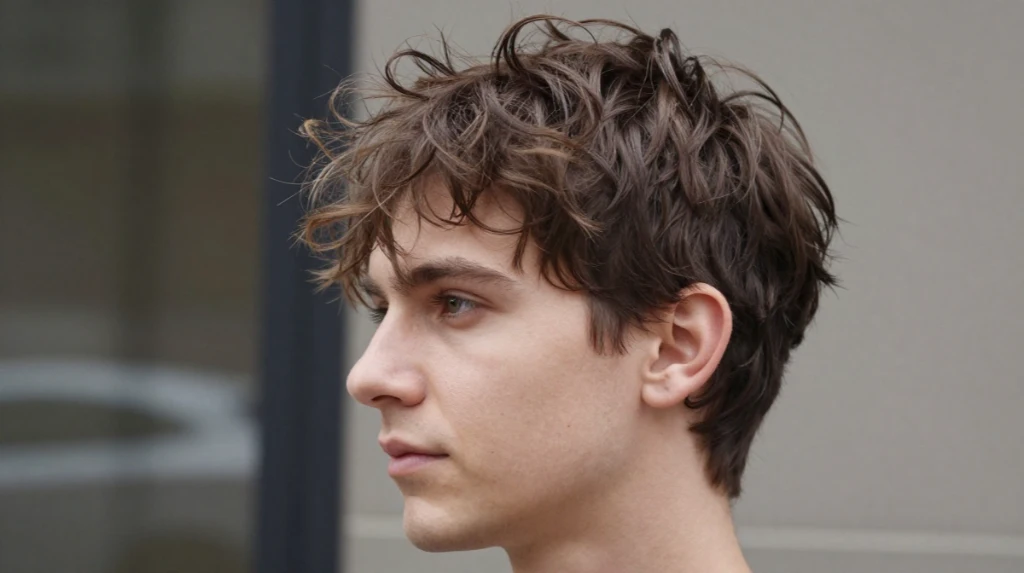
The tousled pixie embraces a slightly undone, just-got-out-of-bed look that still feels intentional. It relies on natural texture and minimal styling rather than precise lines or heavy product.
This is a great option for men who prefer a low-effort morning routine. Simply running fingers through damp hair with a bit of texturizing paste, then letting it air dry, usually creates the right amount of natural-looking texture.
Polished Pixie Cut
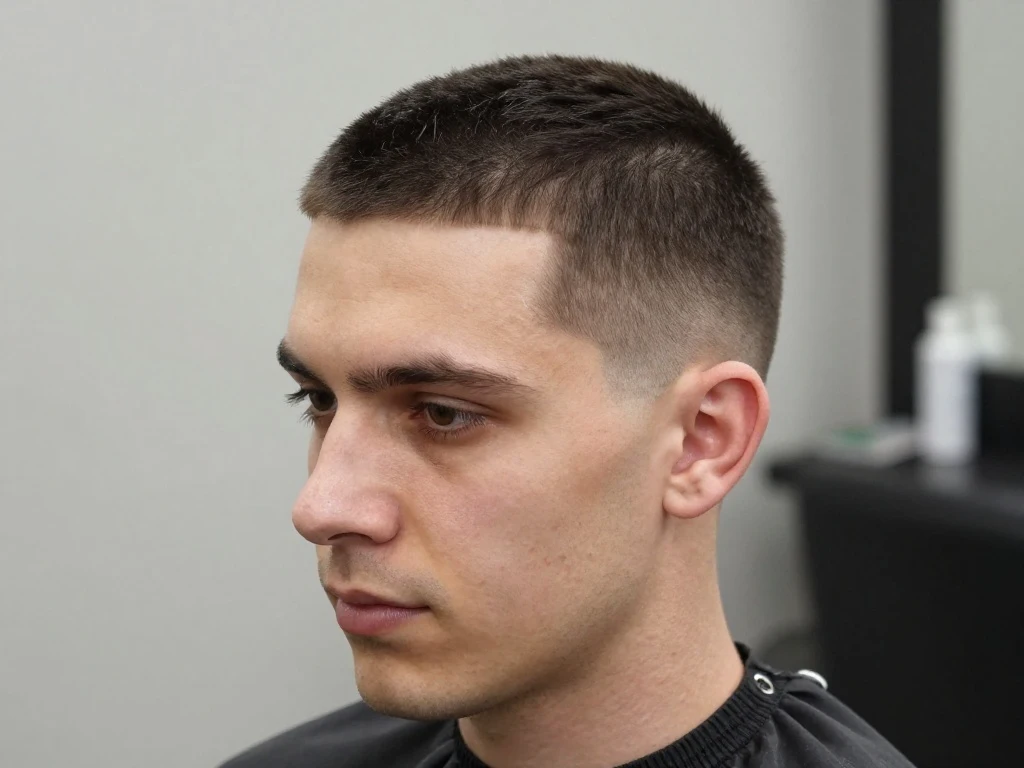
On the opposite end of the spectrum, the polished pixie keeps every strand in place with a clean, structured finish. It has a more formal quality that works well in professional or upscale settings.
A strong-hold gel or cream, combed through carefully, gives this style its smooth appearance. It does take a few extra minutes to style each morning compared to more textured versions, but the payoff is a consistently sharp look.
Quick Comparison Table
| Style | Maintenance Level | Best Hair Type | Styling Product | Best Setting |
|---|---|---|---|---|
| Classic Pixie Crop | Low | All types | Matte paste | Everyday wear |
| Undercut Pixie | High | Straight, thick | Strong-hold gel | Casual, bold |
| Micro Pixie Cut | Very Low | All types | Matte wax | Busy schedules |
| Bleached Pixie | Medium-High | Healthy, resilient hair | Color-safe products | Statement looks |
| Volume Pixie Style | Medium | Fine hair | Volumizing spray | Everyday wear |
| Polished Pixie Cut | Medium | Straight, wavy | Strong-hold cream | Professional settings |
| Tousled Pixie Hair | Low | Wavy, textured | Texturizing paste | Casual, relaxed |
Common Mistakes to Avoid
One of the biggest mistakes men make with pixie-inspired cuts is choosing a style without considering their hair texture. Fine hair often falls flat with certain pixie shapes, while thick or curly hair can look bulky if the cut isn’t tapered properly. Skipping this step usually means more frequent salon visits just to fix the shape rather than maintain it.
Another common issue is ignoring face shape when picking a style. A cut that looks sharp on someone with an angular jawline might not suit a rounder face the same way. Many men also underestimate how much upkeep short pixie styles need, assuming they can go months without a trim, which quickly leads to a shape that loses its original structure.
Practical Tips for Getting It Right
Before committing to a pixie hairstyle, it helps to bring reference photos to your barber and have an honest conversation about your hair type, growth pattern, and how much daily styling time you’re willing to spend. This avoids surprises and makes the final result closer to what you actually pictured.
It’s also worth investing in a small amount of quality styling product, since even short haircuts often need some texture or hold to look intentional rather than unfinished. Regular trims every three to four weeks keep the shape sharp, and choosing a barber experienced with shorter, textured cuts makes a noticeable difference in how well the style holds up between visits.
Conclusion
Pixie hairstyles for men prove that short hair does not have to mean plain or predictable. From soft, low-maintenance crops to bold designs and color choices, there is a version of this cut for nearly every personality, hair type, and lifestyle. The variety is exactly what makes it worth exploring if you are ready for a change.
The best way to find your version is to bring a few reference photos to your barber, be honest about how much time you actually want to spend styling each morning, and choose based on what feels right for you rather than what is simply popular. A haircut works best when it matches both your appearance goals and your real, everyday routine.
You can may also like this: 22 Pixie Haircuts for Women Over 60 That Look Chic and Timeless
Frequently Asked Questions
1. Is a pixie hairstyle only for people with very fine hair?
No, pixie cuts work well across hair types. Thicker hair often suits textured or layered versions, while fine hair benefits from volume-focused styling.
2. How often do pixie hairstyles for men need a trim?
Most versions need a trim every three to four weeks. Sharper styles like disconnected or undercut pixies may need more frequent visits to keep lines defined.
3. Can a pixie cut work for a professional workplace?
Yes, styles like the polished pixie, side part pixie, or tapered pixie offer a clean, structured look suitable for most professional settings.
4. What products are essential for styling a pixie cut?
A matte paste or clay works for texture, a strong-hold gel or cream suits polished looks, and volumizing spray helps with fine hair. Choose based on the finish you want.
5. Is it hard to grow out a pixie cut later if I change my mind?
It takes patience, but regular trims during the growing-out phase help avoid awkward stages. A skilled barber can shape the cut as it grows to keep it looking intentional.
2 Comments