
Introduction
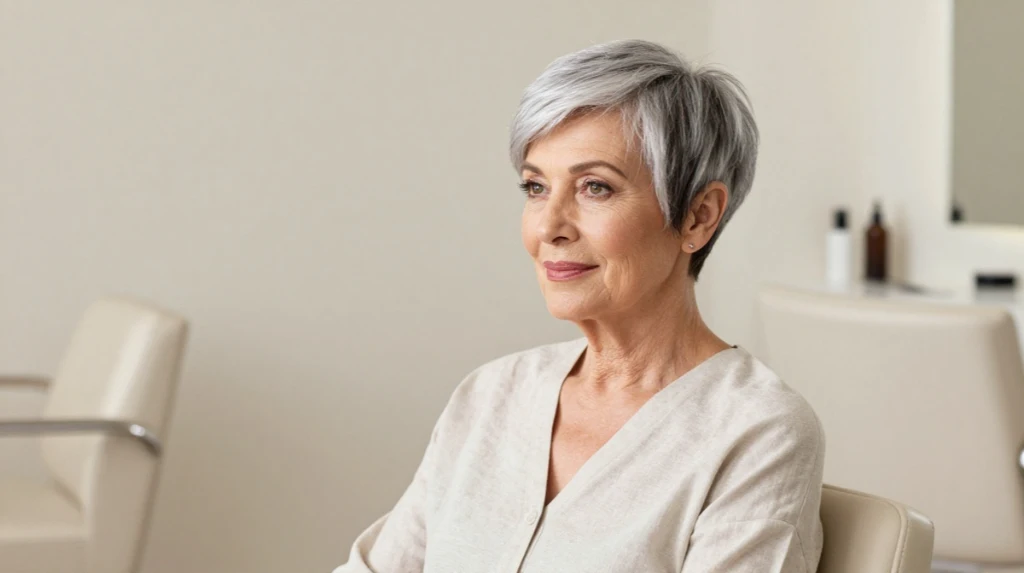
There is something freeing about cutting your hair short after sixty. It is not about giving up on style. It is about choosing a look that actually fits your life, your hair texture, and the woman you have become. A pixie cut can feel like a fresh start, and for many women, it becomes the most confident version of themselves they have seen in years.
Short hair over sixty has come a long way from the tired stereotypes of the past. Today’s pixie styles are soft, textured, and full of personality. Whether your hair is fine, thick, silver, or salt and pepper, there is a version of the pixie cut that will work with what you have rather than against it.
This guide walks through 22 pixie haircut ideas built specifically with mature women in mind. Each one comes with practical advice on styling, maintenance, and who it tends to suit best, so you can walk into your next salon appointment with a clear picture of what you want.
Classic Pixie Cut for Silver Hair
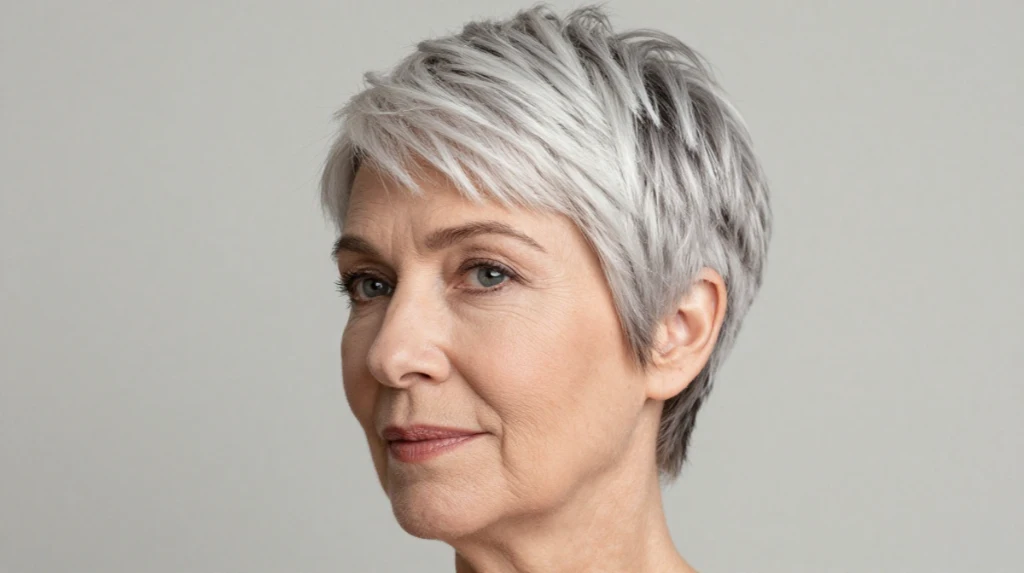
A classic pixie keeps things short all around with soft layering on top for gentle movement. On silver or gray hair, this cut looks especially elegant because the shorter length lets the natural shine of gray strands catch the light. It is a timeless shape that never feels dated.
This style works well for almost any hair texture. A light matte cream can be worked through damp hair before blow drying to keep the layers looking soft rather than stiff. Trims every four to six weeks keep the shape crisp.
Textured Pixie for Fine Hair
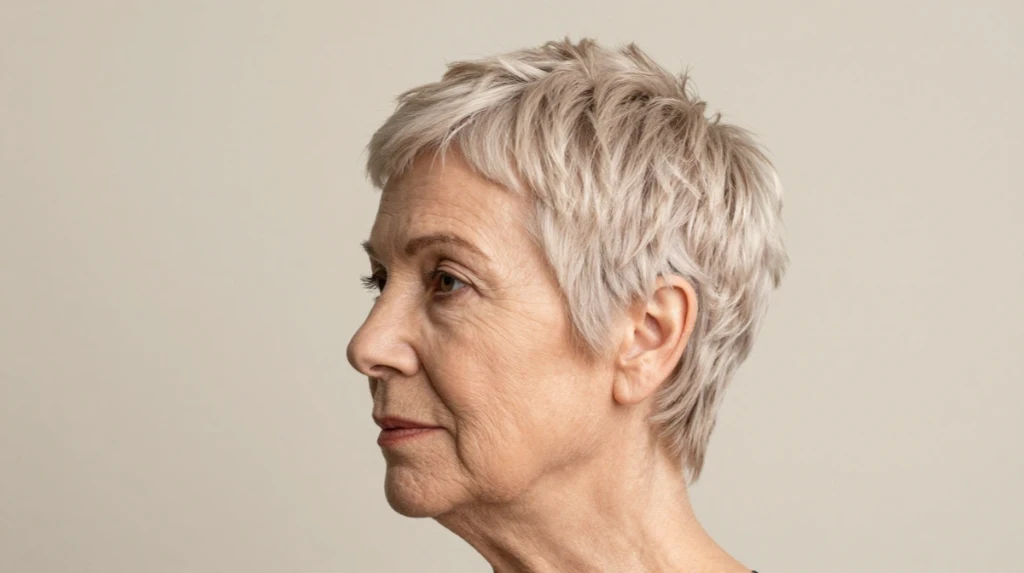
Fine hair often loses body as we age, and a textured pixie helps counter that. The stylist uses point cutting through the ends to create movement and the illusion of thickness, even when the hair strands themselves are thin.
A texturizing spray or light mousse applied at the roots before drying adds noticeable lift. Avoid heavy oils or serums on fine hair, since they can weigh the style down and flatten the texture you worked to create.
Wispy Pixie with Soft Fringe
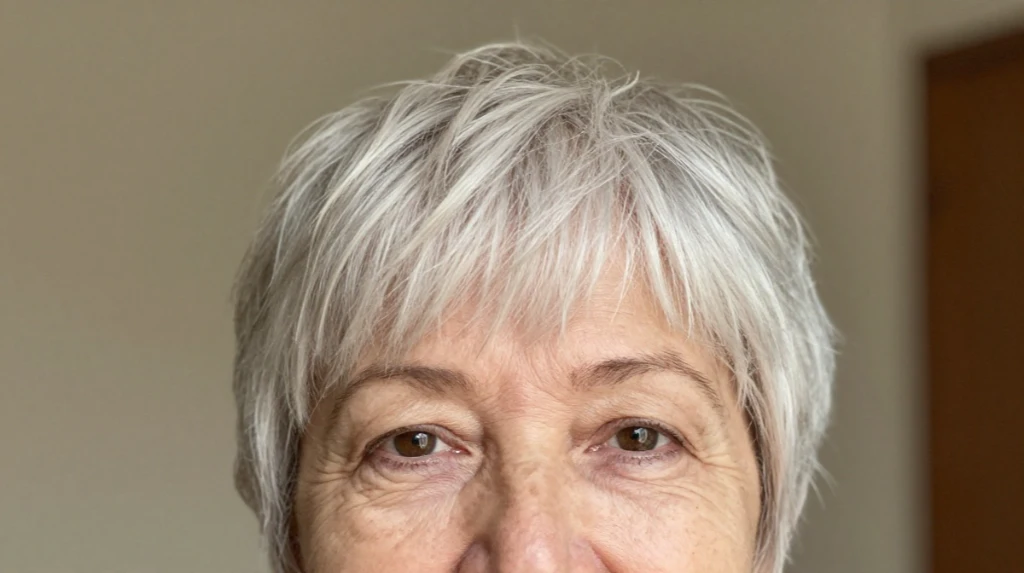
A wispy pixie uses feather-light layers around the face and a soft, broken fringe instead of a hard-edged bang. The overall effect is gentle and flattering, especially for women who want a softer look around the forehead and eyes.
This cut suits most face shapes because the wispy fringe can be adjusted in length and angle. Blow drying with a round brush, then finishing with fingers rather than a comb, keeps the wispy texture looking natural instead of overly styled.
Layered Pixie for Volume
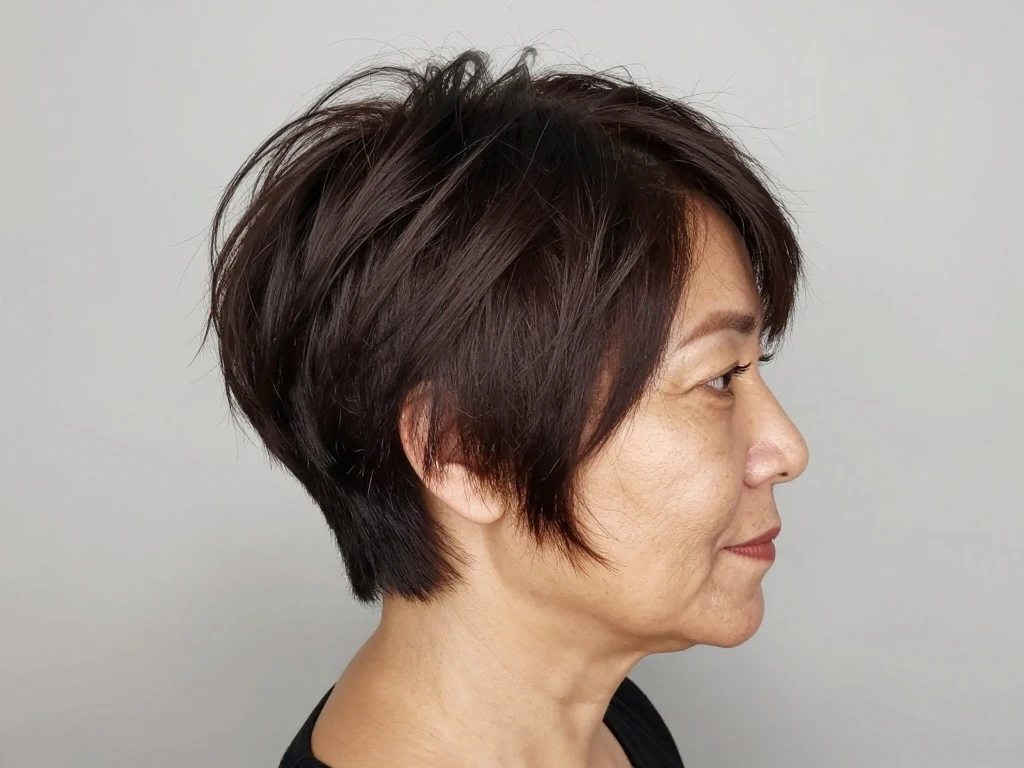
Layering is one of the easiest ways to add volume to a pixie cut. Short layers stacked through the crown create lift right where mature hair tends to fall flat, giving the whole style a fuller appearance.
Root-lifting spray applied before blow drying makes a real difference here. Bend forward slightly while drying the crown area, then flip back for extra height. This small habit can extend the life of a fresh haircut by several weeks.
Pixie Cut with Side Swept Bangs
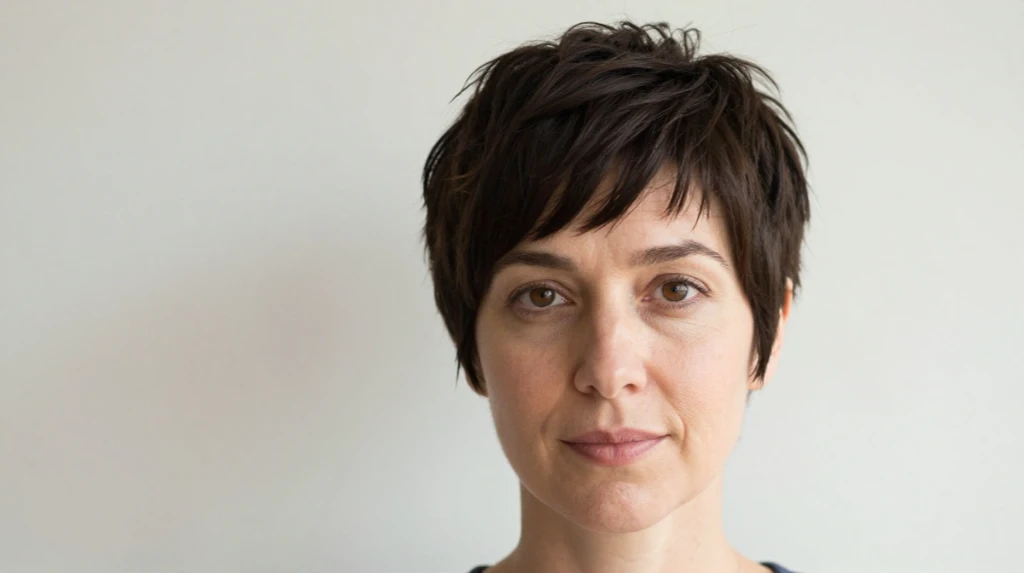
Side swept bangs soften the pixie shape and work beautifully for women who want a bit more coverage across the forehead. The longer bang piece is swept to one side, creating an asymmetrical touch to an otherwise short cut.
This style flatters square and heart shaped faces particularly well. A small amount of pomade run through the bang section helps it stay swept in place throughout the day without looking greasy.
Asymmetrical Pixie for a Bold Look
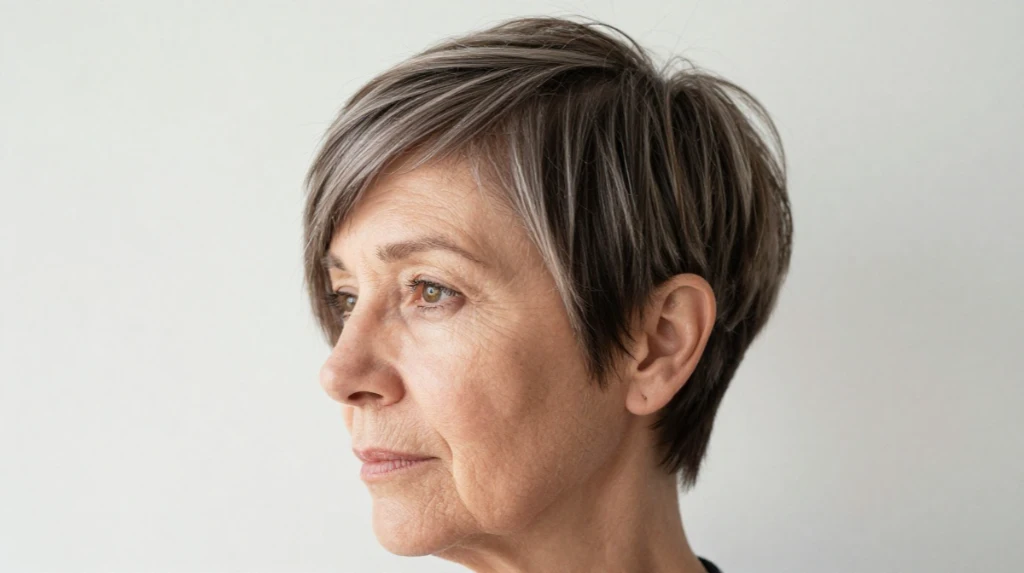
An asymmetrical pixie plays with uneven lengths, often keeping one side slightly longer than the other. It is a bold, expressive choice for women who want their haircut to feel like a genuine style statement.
Because the shape is uneven, regular trims matter more here than with symmetrical cuts. Ask your stylist to check the balance every four weeks so the asymmetry stays intentional rather than looking like it simply grew out.
Tapered Pixie for a Neat Finish
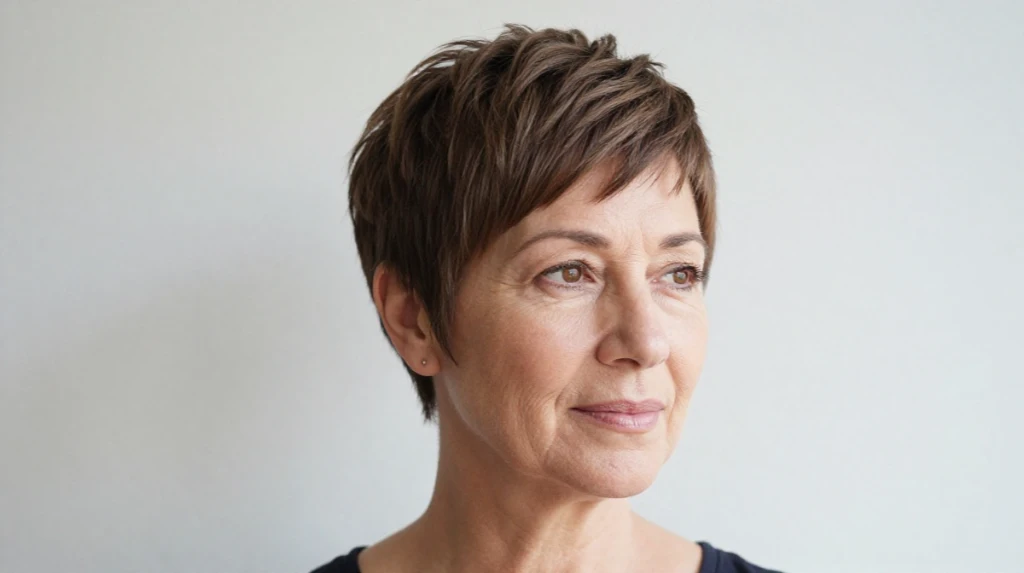
A tapered pixie keeps the back and sides very close to the head, gradually lengthening toward the crown. It gives a neat, polished finish that many women appreciate for its clean lines and low fuss factor.
This is one of the easiest pixie variations to maintain day to day. A small amount of light wax on top is usually all that is needed. Because the sides are kept short, regrowth is less noticeable between salon visits.
Pixie Cut for Round Faces
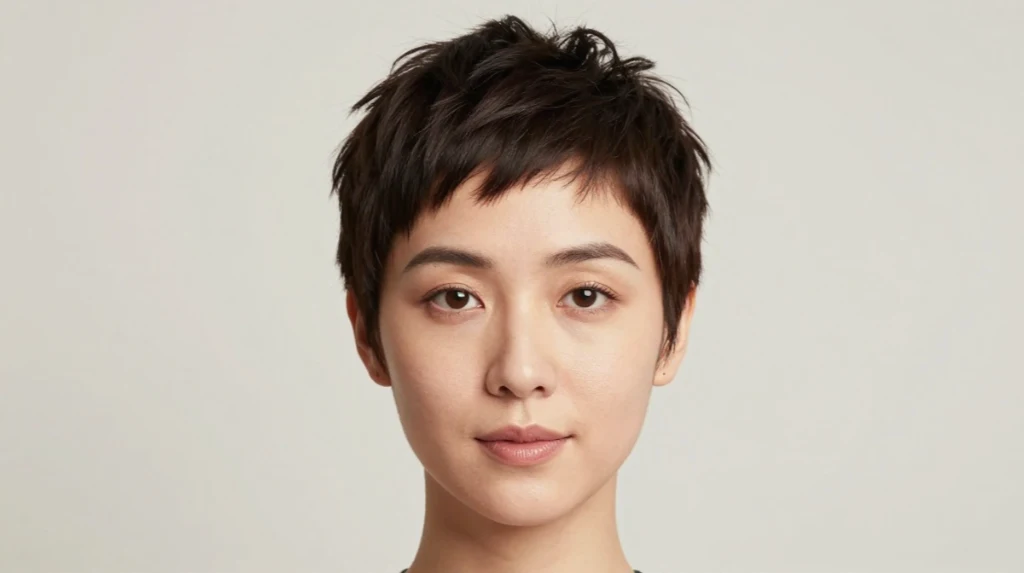
Round faces benefit from added height at the crown and shorter sides that do not add extra width. A pixie with lift on top and closer sides elongates the face and creates a more balanced silhouette.
Avoid pixie styles with heavy volume at the sides or cheek level, since these can emphasize roundness. Instead, ask for texture concentrated toward the top and front of the hairline.
Pixie Cut for Square Faces
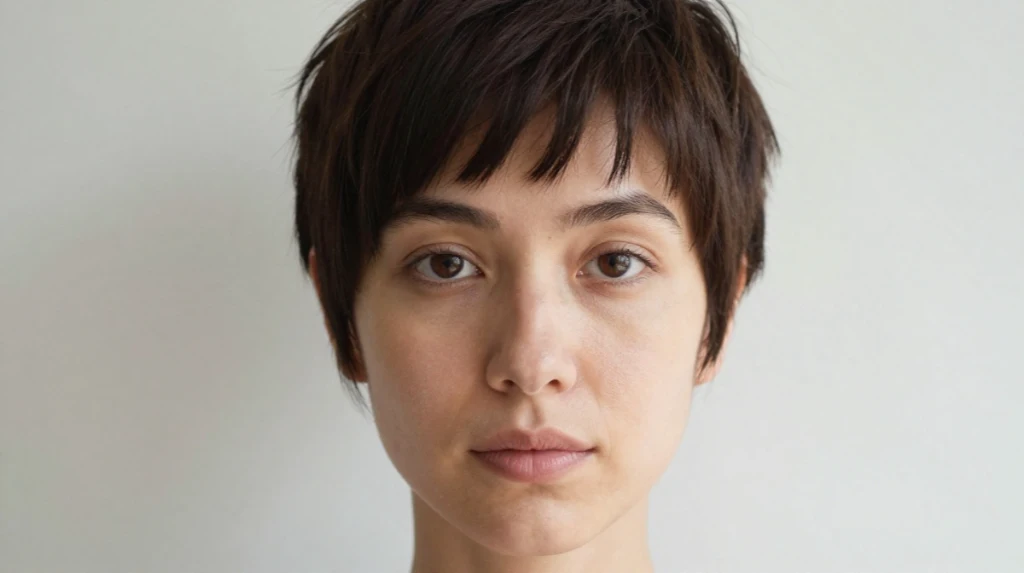
Square faces have strong jawlines, and a pixie with soft layers and a side fringe helps balance those angles. The goal is to soften the jaw area without hiding the natural structure that makes square faces distinctive.
A slightly longer, textured fringe works well here. It draws the eye upward and softens the transition from forehead to cheekbone, creating a gentler overall frame.
Pixie Cut for Oval Faces
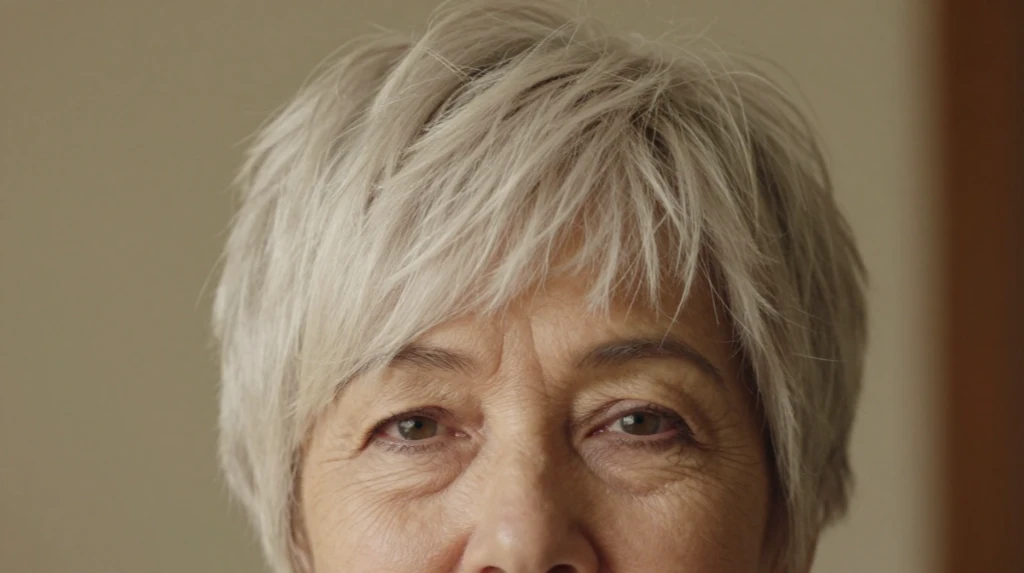
Oval faces are considered the most versatile shape, and nearly any pixie variation will suit this face type. Classic, textured, tapered, or asymmetrical cuts all tend to look balanced on an oval face shape.
Since there is more freedom here, this is a great opportunity to choose a pixie based on hair texture and personal style preference rather than worrying about face shape corrections.
Pixie Cut for Heart Shaped Faces
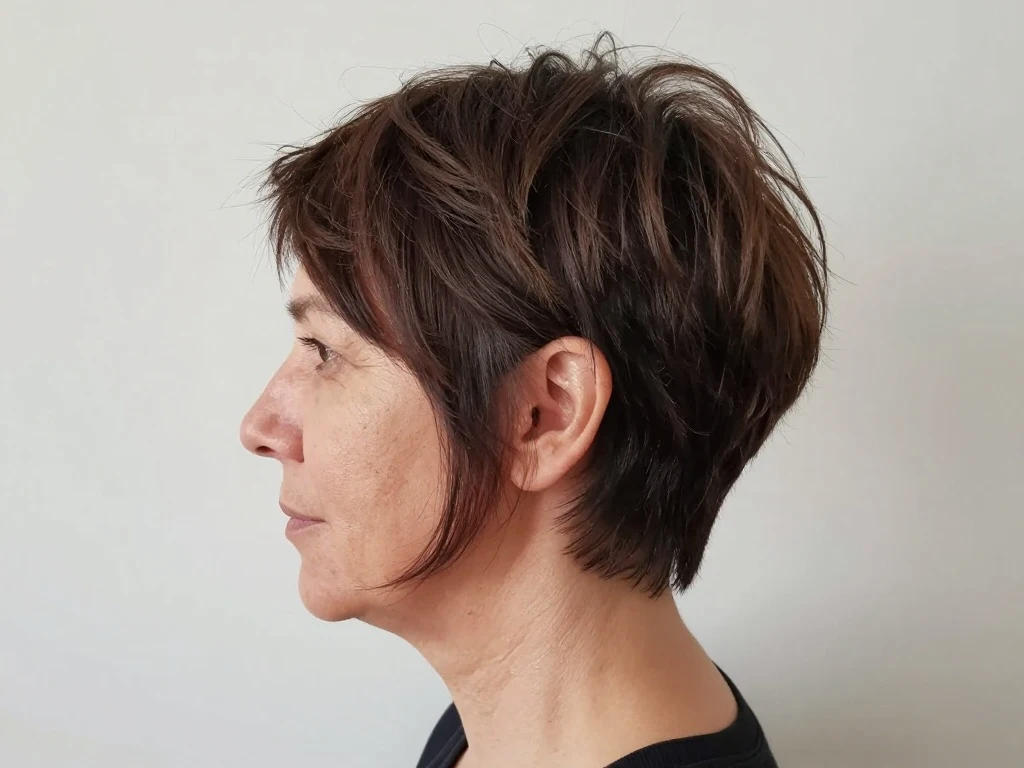
Heart shaped faces are wider at the forehead and narrower at the chin. A pixie with fuller sides and a softer fringe helps balance out the proportions, drawing attention away from a narrower jawline.
Side swept bangs work particularly well for this face shape. They soften the width across the forehead while still keeping the overall style short and easy to manage.
Pixie Cut for Long Faces
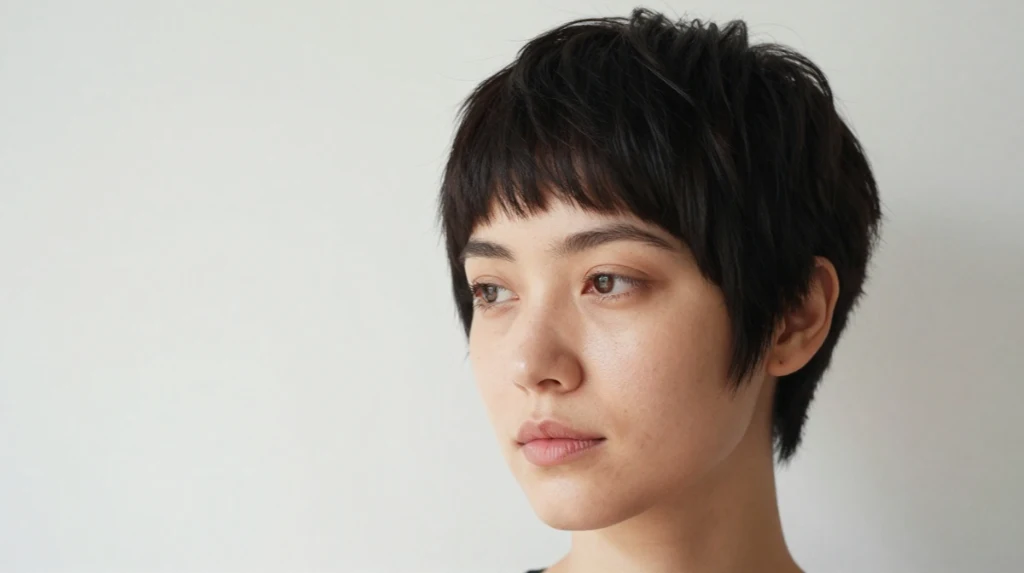
Longer face shapes benefit from pixie cuts that add width rather than height. Fuller sides, soft waves, or a fringe that sits closer to the eyebrows all help shorten the visual length of the face.
Avoid excessive height at the crown if you have a long face shape, since this can stretch the proportions further. A side fringe with some fullness usually works better than a swept-back style.
Voluminous Pixie for Thinning Hair
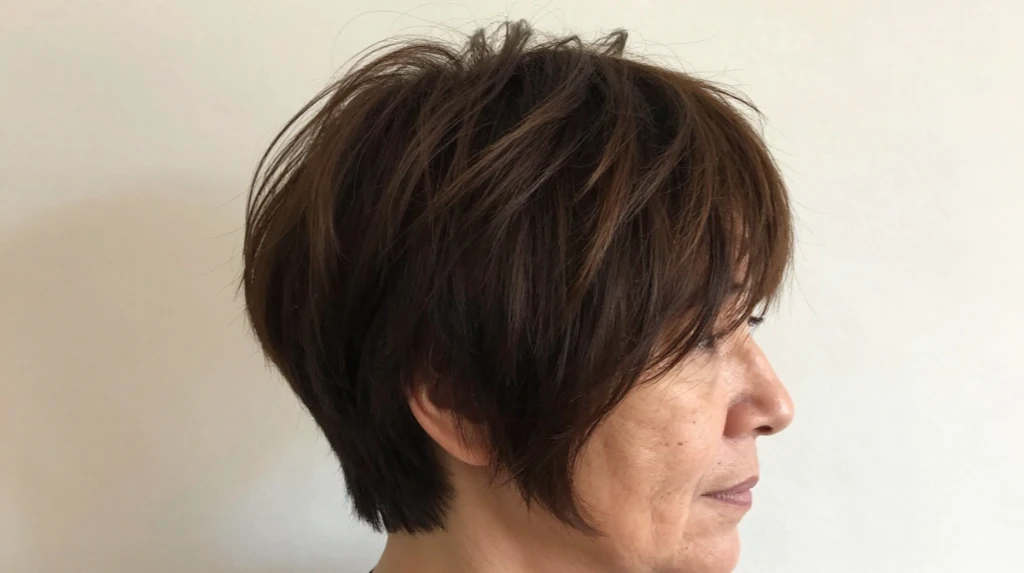
Thinning hair is common after sixty, and a voluminous pixie is one of the most effective solutions. Short layers with lift at the roots make the hair appear thicker than it actually is, which can be a genuine confidence booster.
A root-boosting mousse and a diffuser attachment on your blow dryer make a noticeable difference. Avoid brushing thinning hair too often, as this can cause additional breakage and reduce the appearance of fullness.
Soft Feathered Pixie
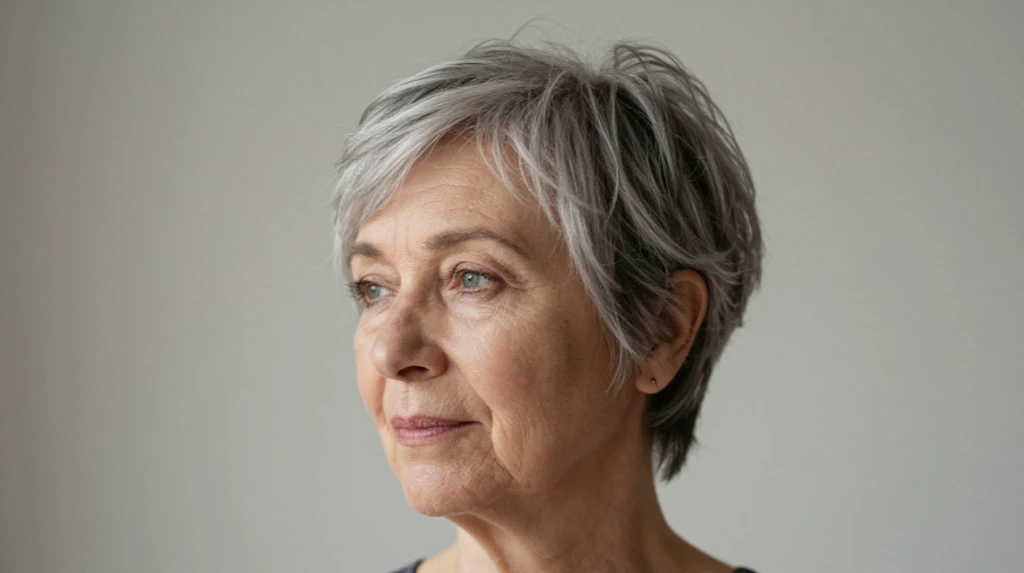
Feathered layers create soft, wispy ends throughout the pixie shape rather than blunt lines. This gives the whole cut a delicate, graceful quality that many women find flattering as their hair texture changes with age.
This style pairs beautifully with natural gray or white hair, since the soft ends catch light in a gentle way. A light shine serum, used sparingly, enhances this effect without weighing the hair down.
Disconnected Pixie for a Modern Edge
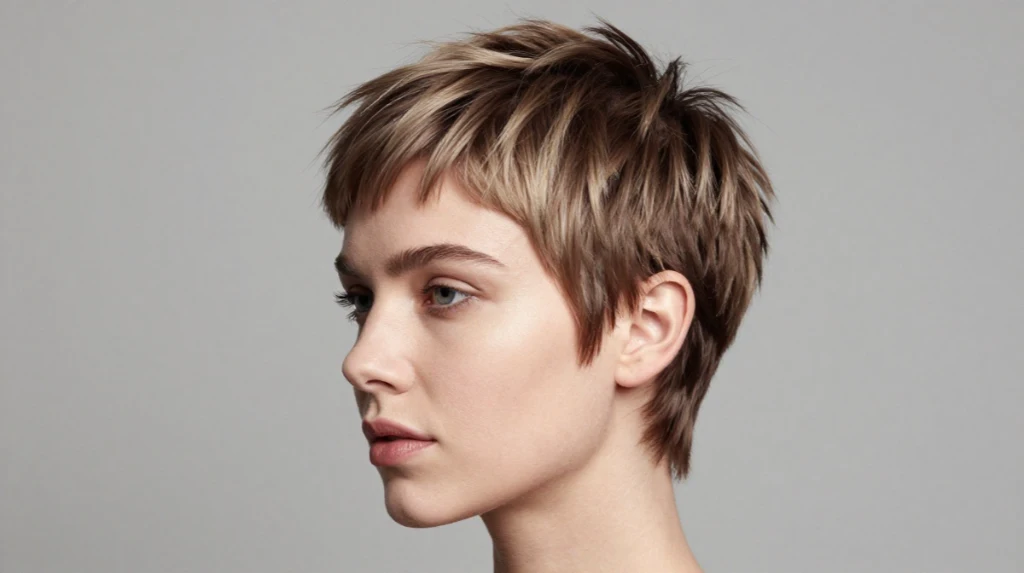
A disconnected pixie creates a visible contrast between very short sides and longer length on top, without a gradual blend between the two. It is a modern, fashion forward take on the traditional pixie shape.
This style requires more frequent trims to maintain the sharp contrast, typically every three to four weeks. It suits women who enjoy a bolder aesthetic and do not mind a bit more upkeep in exchange for a striking look.
Pixie Undercut for a Daring Change
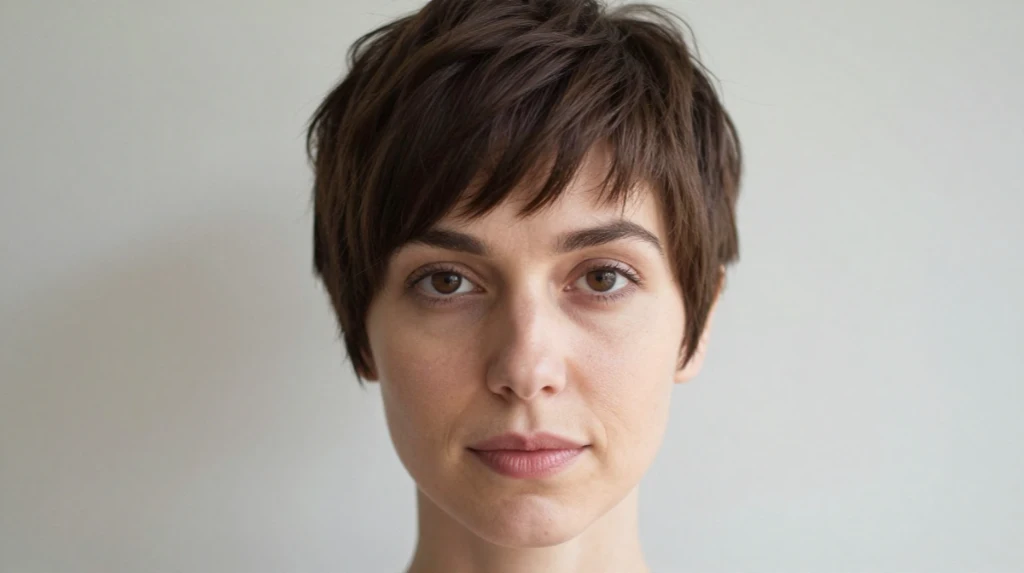
A pixie undercut takes a section of hair, usually at the nape or side, and cuts it very short beneath longer top layers. It is one of the more daring choices on this list and works well for women who want to feel edgy and self-assured.
This cut is surprisingly low maintenance day to day, since the undercut portion is meant to be simple. Styling attention goes mainly to the top section, which can be worn textured, swept, or slicked depending on the occasion.
Choppy Pixie for Texture Lovers
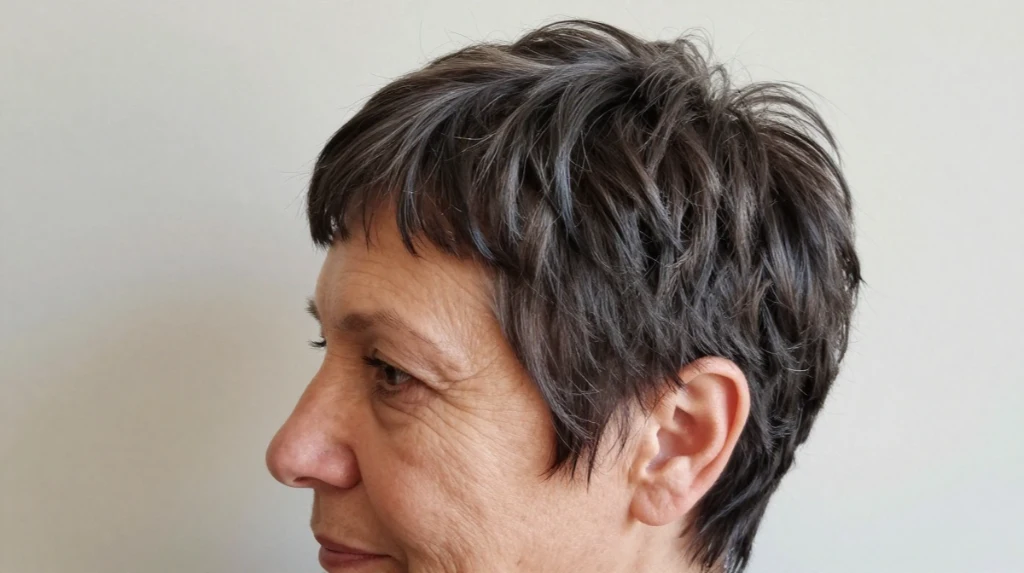
A choppy pixie uses uneven, razor-cut ends to create a deliberately textured, undone appearance. It has a youthful energy while still remaining age appropriate and easy to style for daily wear.
This cut works especially well on thick or coarse hair, since the choppy technique removes bulk. A matte paste worked through dry hair with fingertips brings out the texture without adding shine or weight.
Pixie Cut with Highlights
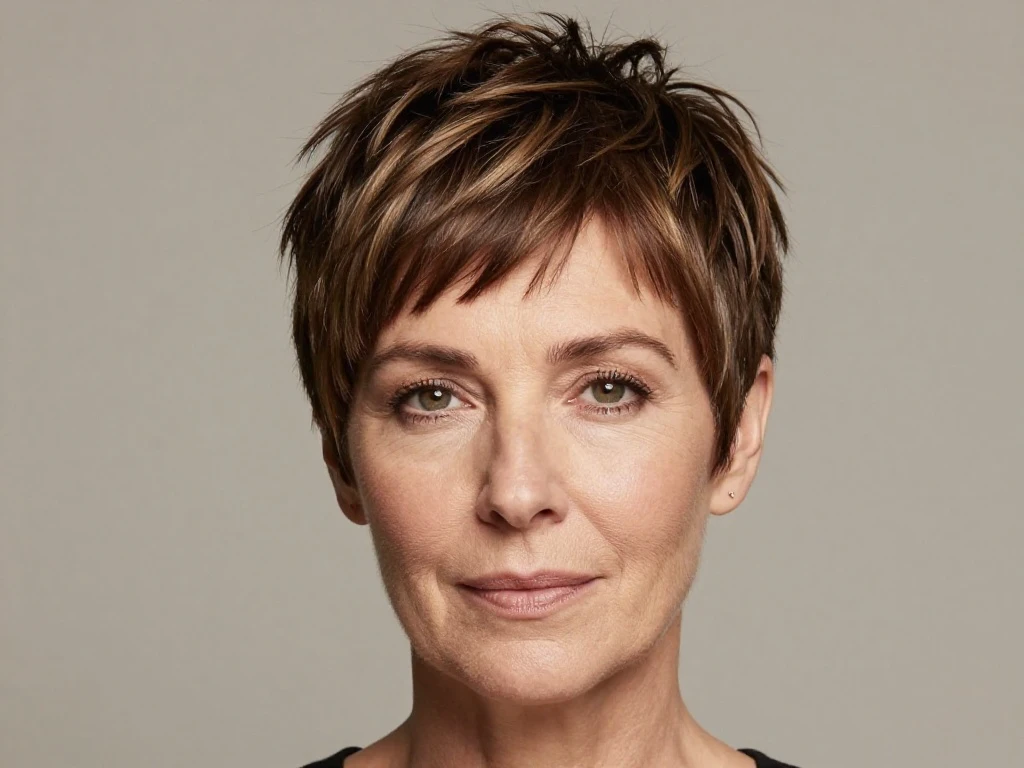
Adding highlights to a pixie cut brings dimension and can soften the transition to gray for women still in that process. Subtle face-framing highlights around the front pieces draw attention to the eyes and complexion.
Choose highlights close to your natural tone for the most flattering, low-maintenance result. A gloss treatment every six to eight weeks keeps the color looking fresh and healthy between full color appointments.
Gray and White Pixie Elegance
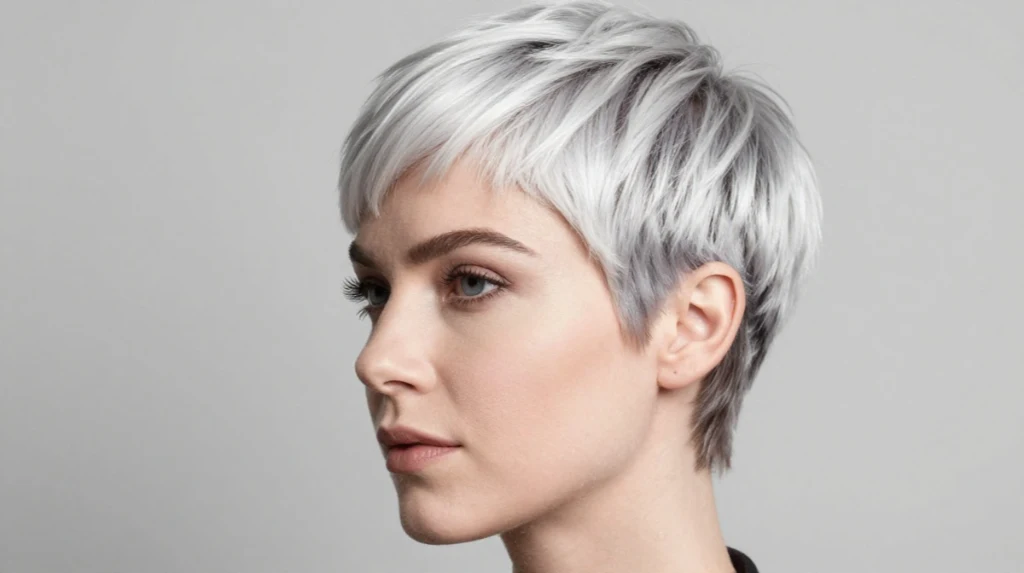
Fully embracing gray or white hair in a pixie cut is one of the most striking choices a woman can make. The short length highlights the natural silver tones beautifully, giving the whole look a polished, elegant quality.
Purple-toned shampoo used once or twice a week helps prevent gray hair from turning brassy or yellow. Regular deep conditioning also keeps gray strands soft, since this hair type can sometimes feel more coarse or dry.
Low Maintenance Wash and Go Pixie
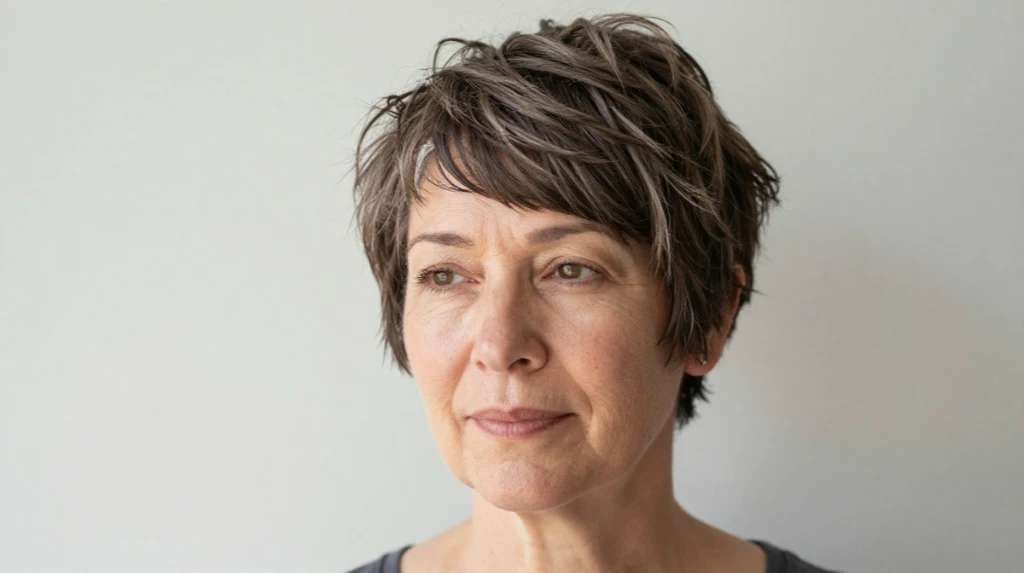
For women who want simplicity above all else, a wash and go pixie is cut specifically to fall into place with minimal styling. The layers are designed to dry naturally into a workable shape without much intervention.
A small amount of curl cream or texturizing spray applied to damp hair, followed by air drying or a quick diffuse, is usually all that is needed. This is an excellent option for travel or busy mornings.
Glamorous Pixie for Special Occasions
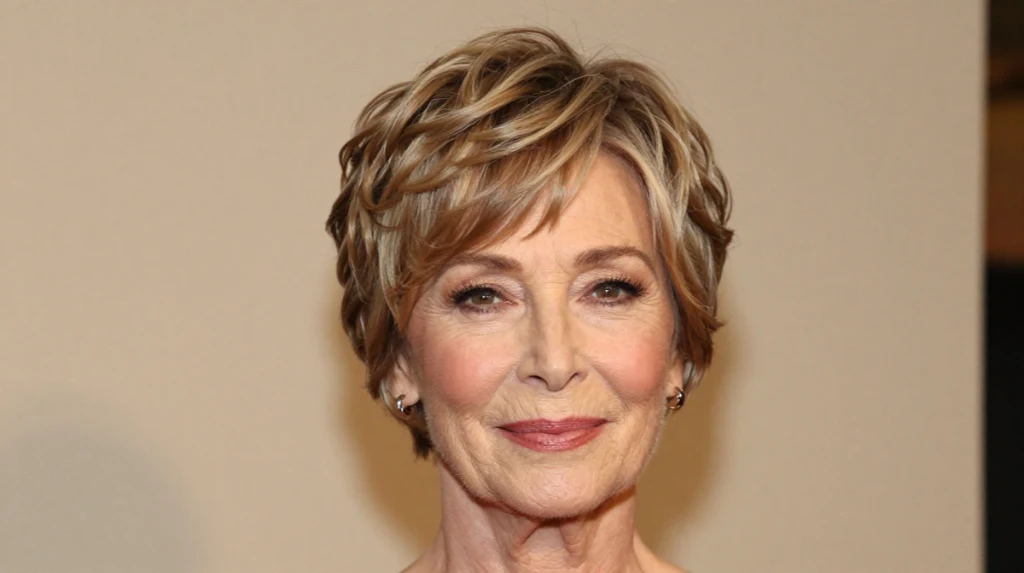
A glamorous pixie takes a shorter shape and dresses it up with extra volume, soft waves, or a sleek finish for special events. It proves that short hair can be just as elegant as long hair for weddings, parties, or formal gatherings.
Hot rollers or a small curling wand can add temporary waves for an occasion look. A shine spray at the end gives the finished style a polished, event-ready appearance.
Long Pixie for a Softer Transition
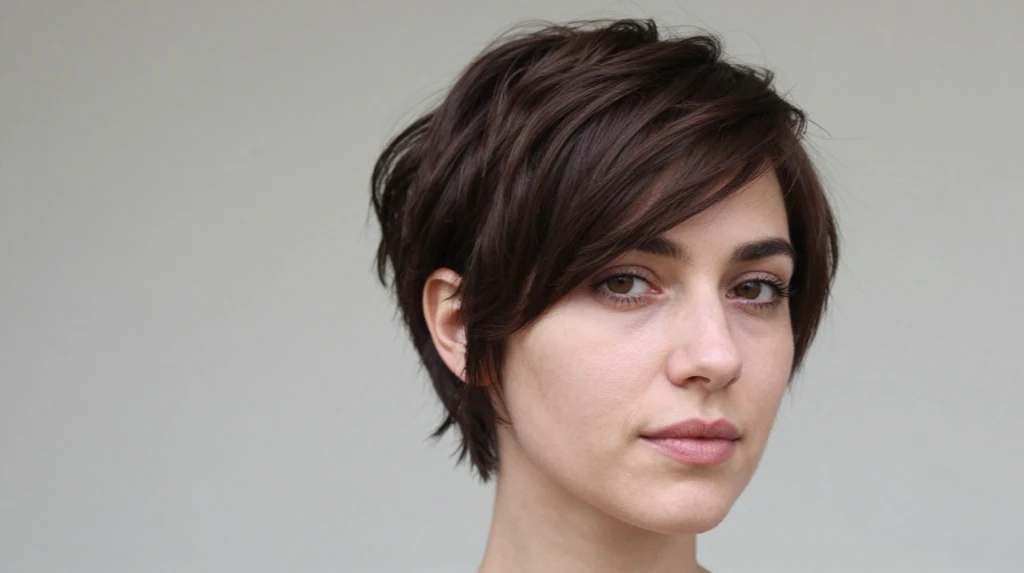
A long pixie leaves slightly more length throughout, making it a comfortable middle ground for women transitioning from longer hair. It still delivers the ease of a short cut without feeling like a drastic change all at once.
This version offers more styling versatility, since there is enough length to tuck behind the ears or add a bit of a wave. It is often recommended as a first step for women unsure about going very short right away.
Quick Pixie Style Comparison
| Style | Best Hair Type | Maintenance Level | Best Face Shape | Key Product |
|---|---|---|---|---|
| Classic Pixie | Most textures | Low | Oval, Round | Matte cream |
| Textured Pixie | Fine hair | Low | Most shapes | Texturizing spray |
| Voluminous Pixie | Thinning hair | Medium | Most shapes | Root-boosting mousse |
| Disconnected Pixie | Thick hair | High | Oval, Square | Matte paste |
| Wash and Go Pixie | Wavy or fine hair | Very low | Most shapes | Curl cream |
| Gray and White Pixie | Gray or silver hair | Medium | Most shapes | Purple shampoo |
| Glamorous Pixie | Most textures | Medium | Most shapes | Shine spray |
Common Mistakes to Avoid
One frequent mistake is choosing a pixie style without considering face shape and hair texture first. What looks flattering on a round face may not work as well for someone with a longer or more angular face shape, so it helps to discuss this with a stylist before committing to a cut. Another issue is going too short too fast, especially for those trying a pixie for the first time after years of longer hair. Easing into shorter lengths gradually can make the transition feel less overwhelming.
Many women also overlook how much a pixie cut depends on regular upkeep. Skipping trims for too long causes the shape to lose its structure and grow out unevenly, which can make the style look messy rather than polished. Another common misstep is ignoring hair texture when picking products, since fine hair and coarse hair respond very differently to styling creams, gels, or mousses, and using the wrong type can leave the cut looking flat or overly stiff.
Practical Tips for Getting It Right
Before getting a pixie cut, bring reference photos to your stylist that match your actual hair texture and face shape rather than just a style you like visually. This helps set realistic expectations and ensures the cut is customized rather than copied exactly from someone with different hair. It also helps to ask your stylist about layering techniques that add volume on top, since this tends to look especially soft and flattering for women over 60.
Regular trims every four to six weeks are important for keeping the shape sharp and preventing awkward growth stages. Using lightweight styling products designed for fine or aging hair can also make a noticeable difference, since heavier products often weigh the style down. Finally, don’t hesitate to ask your stylist for simple styling tips you can do at home, since a well-explained routine makes maintaining the look much easier day to day.
Conclusion
Choosing a pixie cut after sixty is less about following a trend and more about finding a style that fits comfortably into your life while still making you feel like yourself. From soft, wispy versions to bold, disconnected shapes, there is a pixie style here for nearly every hair texture, face shape, and personal preference.
The best way to move forward is to bring a few reference photos to your stylist, talk honestly about how much time you want to spend on styling, and choose based on how the cut makes you feel rather than only how it looks in a picture. A great pixie cut should feel like an extension of your personality, not a compromise.
You can may also like this: 22 Hair Trends for Men to Upgrade Your Look This Year
Frequently Asked Questions
1. Are pixie haircuts flattering for women over 60?
Yes. Pixie cuts can be very flattering for mature women, especially when paired with the right face shape guidance and hair texture considerations. Soft layering and fringe options make the style adaptable rather than harsh.
2. What is the best pixie cut for thinning hair after 60?
A voluminous pixie with short layers and root lift tends to work best for thinning hair. Products like root-boosting mousse and a diffuser attachment help create the appearance of fuller hair.
3. How often do pixie cuts need to be trimmed?
Most pixie styles need a trim every four to six weeks to keep their shape. More structured cuts, like disconnected or asymmetrical pixies, may need trims every three to four weeks.
4. Does a pixie cut work well with gray or silver hair?
Yes, pixie cuts pair especially well with gray and silver hair. The shorter length highlights the natural shine and tone of gray strands, giving the style a polished, elegant appearance.
5. What products should I use for a low maintenance pixie cut?
Lightweight products work best for most pixie styles. Texturizing spray, matte cream, and curl cream for wash and go styles are common choices that add texture without weighing the hair down.
1 Comment