Introduction
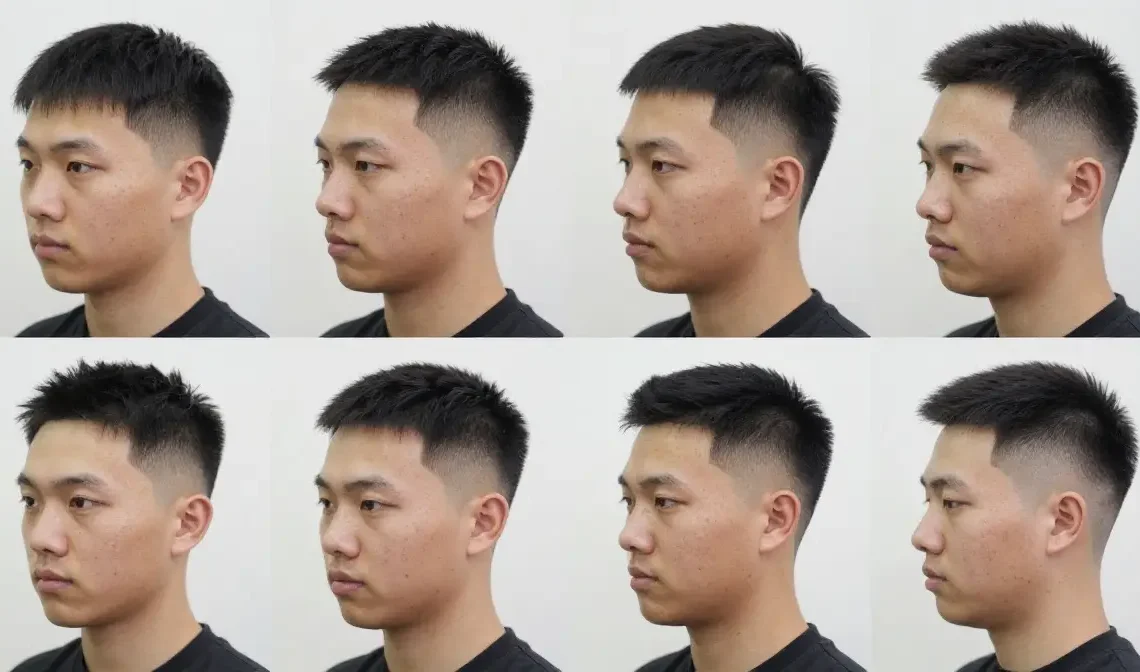
Some haircuts come and go with the seasons. The classic taper haircut is not one of them. It has been a staple of men’s grooming for decades, worn by everyone from military officers to Hollywood actors, from corporate professionals to everyday men who simply want to look put together without spending an hour in front of the mirror every morning. The reason the classic taper haircut endures is straightforward. It works. It works on straight hair, wavy hair, curly hair, and coily hair. It works on round faces, square faces, and oval faces. It works in a boardroom, at a wedding, and on a casual Saturday afternoon. This guide brings together 22 of the most reliable and stylish classic taper haircuts for men, complete with practical styling advice, product tips, and guidance on how to ask your barber for exactly the result you want.
Classic Low Taper Haircut
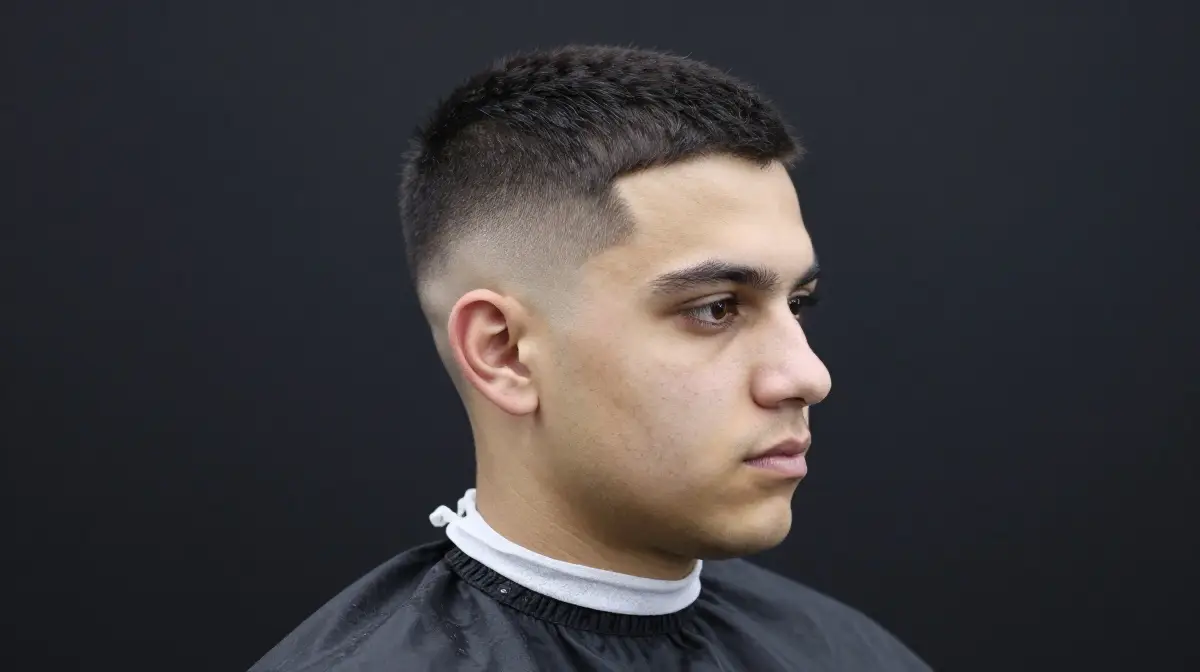
The classic low taper is the most understated and universally flattering version of the taper haircut family, where the graduation begins just above the ears and blends gradually toward the neckline with minimal contrast between the sides and the top. This style is the definition of a clean and polished haircut that suits virtually every occasion without ever drawing attention to itself for the wrong reasons. It works particularly well for men in professional environments where a conservative but well-groomed appearance is expected without any of the boldness associated with higher fades.
A matte pomade or a light styling cream applied to the top section gives the cut a natural finish that looks intentional without appearing overdone. The low taper is also one of the most forgiving haircuts in terms of grow-out, maintaining its overall shape for several weeks between barbershop visits.
Classic Mid Taper Haircut
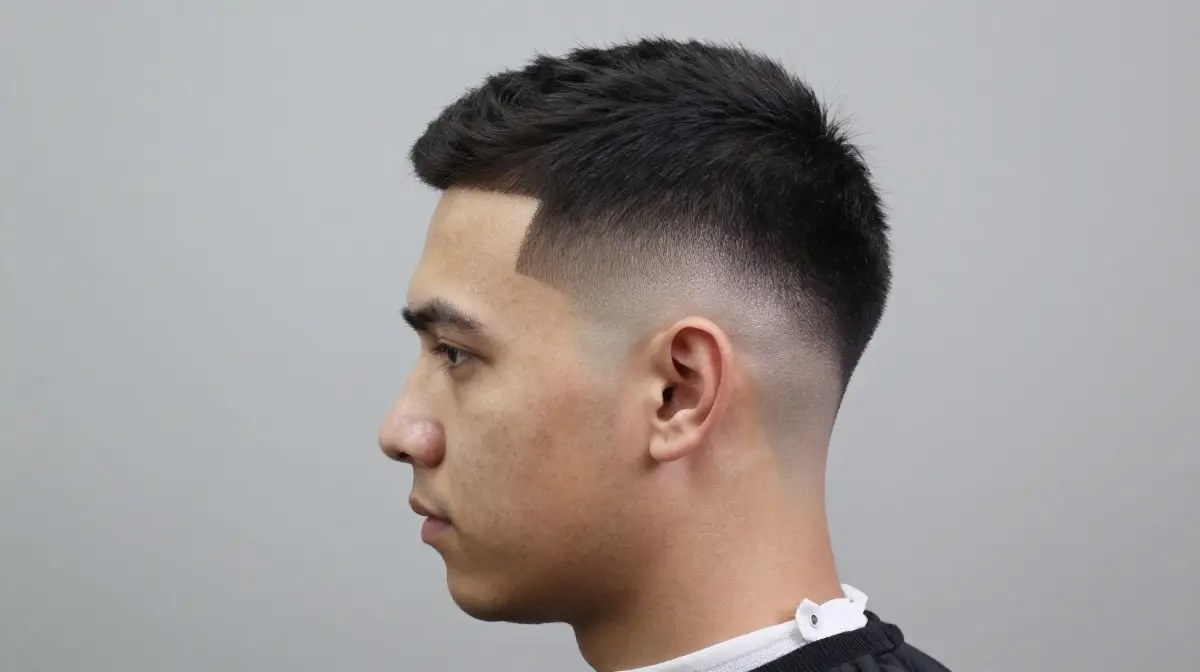
The mid taper sits at the sweet spot between the understated low taper and the more dramatic high taper, beginning its graduation at the temple level and blending smoothly down through the sides to a clean neckline. This is probably the most commonly requested taper variation at the barbershop because it creates a visible but not aggressive contrast that reads well across a range of personal styles and professional contexts.
The mid taper works equally well with short textured tops, medium-length slicked back styles, and natural hair worn with minimal product. It is one of those haircuts that looks like it required considerably more effort and skill than it actually demands to maintain between visits. For men trying a taper for the first time, the mid taper is the most reliable starting point.
Classic High Taper Haircut
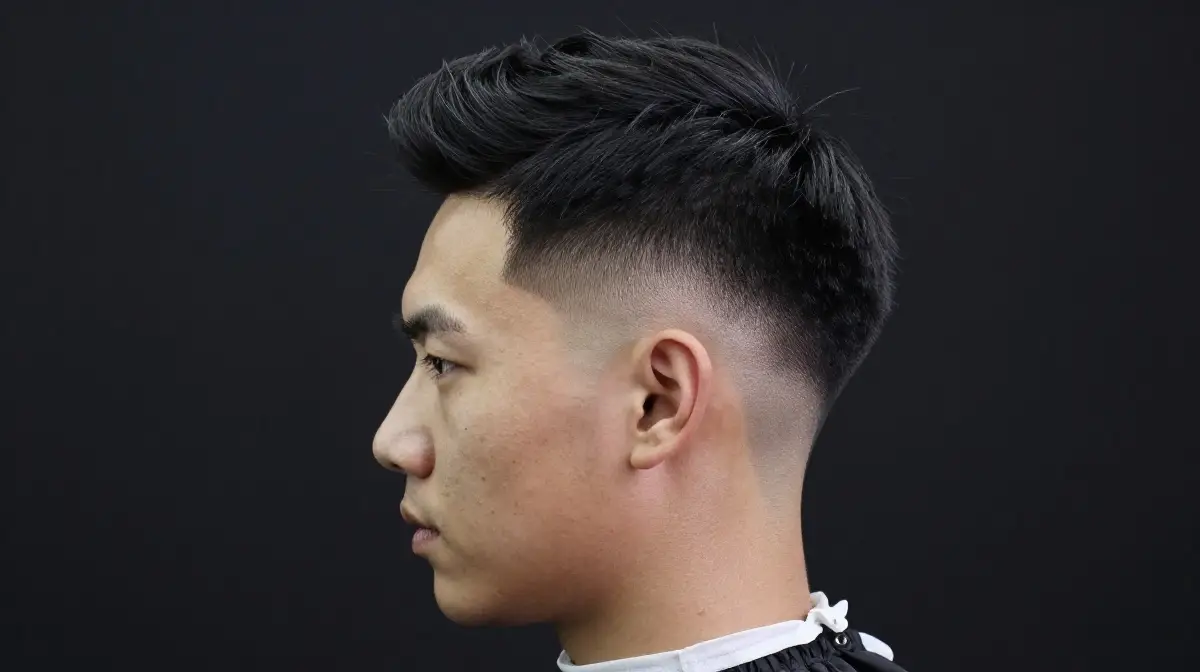
The high taper is the boldest of the three primary taper positions, beginning its graduation high on the sides of the head and creating a strong visual contrast between the closely cut sides and the longer hair on top. This version is ideal for men who want their haircut to make a clear and confident visual statement while still maintaining the clean and structured quality that distinguishes a taper from a fade. The high taper works particularly well with voluminous top styles such as a quiff, a pompadour, or a textured brush up, where the dramatic contrast between the high sides and the full top creates a striking silhouette.
Regular barbershop visits every two to three weeks are necessary to keep a high taper looking its best because the contrast is significantly more visible as the hair grows out. This is the version for men who are confident in their style and want their haircut to reflect that.
Classic Taper with Side Part
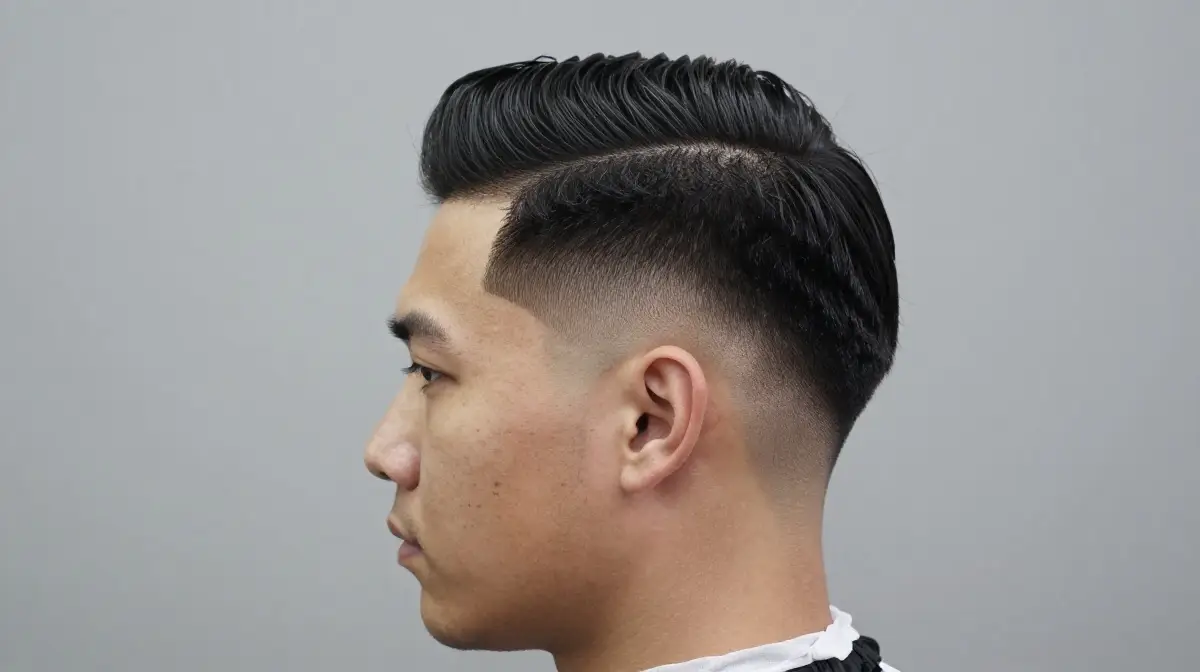
The side part paired with a classic taper is one of the most elegant and timeless combinations in men’s grooming, carrying a sense of refinement and intentionality that suits formal occasions, professional environments, and smart casual settings with equal effectiveness. The hard or soft part is created either with a comb or a razor, separating the top hair into two sections with the larger section combed over toward one side and the smaller section lying flat toward the other. A classic taper on the sides frames the side part beautifully and keeps the overall silhouette clean and structured without competing with the styling on top.
A medium-hold pomade with a natural or slight shine finish is the ideal product for maintaining the side part throughout the day without making the hair appear stiff or overly formal. This combination has been a standard of well-dressed men for generations and shows no signs of losing its relevance.
Classic Taper with Comb Over
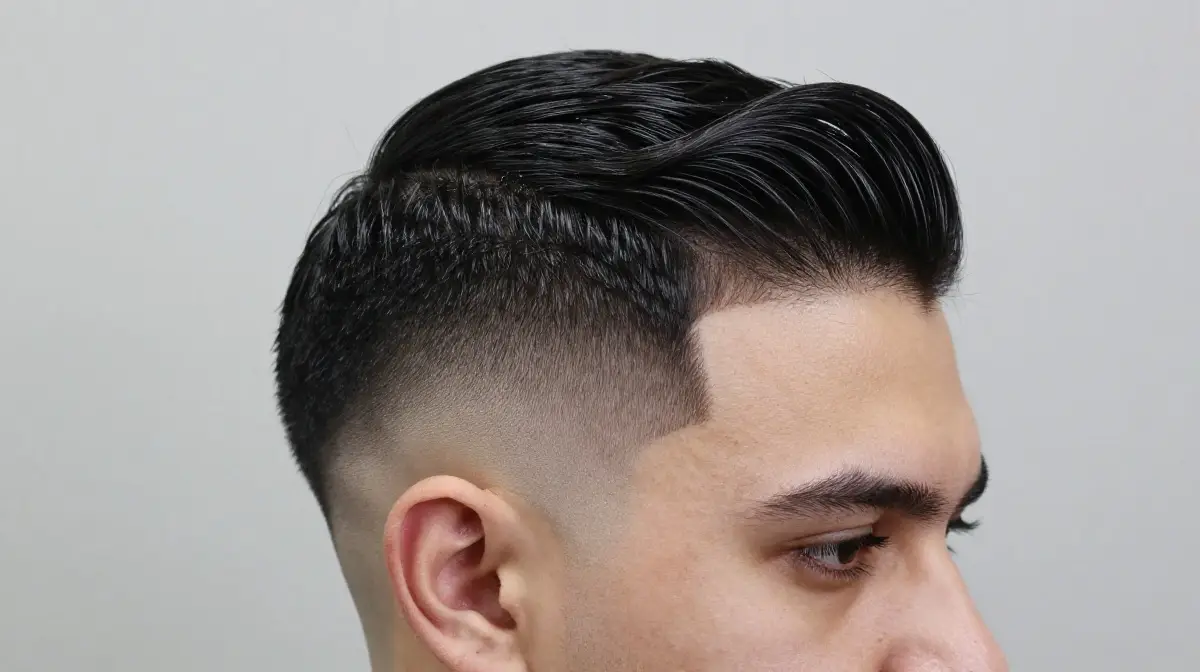
The comb over with a classic taper is a style that has been reimagined repeatedly across different decades of men’s fashion and continues to look genuinely contemporary when executed with the right proportions and product choice. The hair on top is grown slightly longer and then combed from one side to the other in a smooth, directional sweep that creates a sleek and polished surface above the tapered sides. This style works particularly well for men with naturally straight or slightly wavy hair that holds a combed direction well without excessive product.
A light to medium hold pomade or a styling cream with a low shine finish keeps the comb over sitting in place without the helmet-like stiffness that heavier gels tend to produce. The comb over with a classic taper is one of the smartest choices a man can make for a job interview, a formal event, or any context where a composed and polished appearance matters.
Classic Taper with Slicked Back Hair
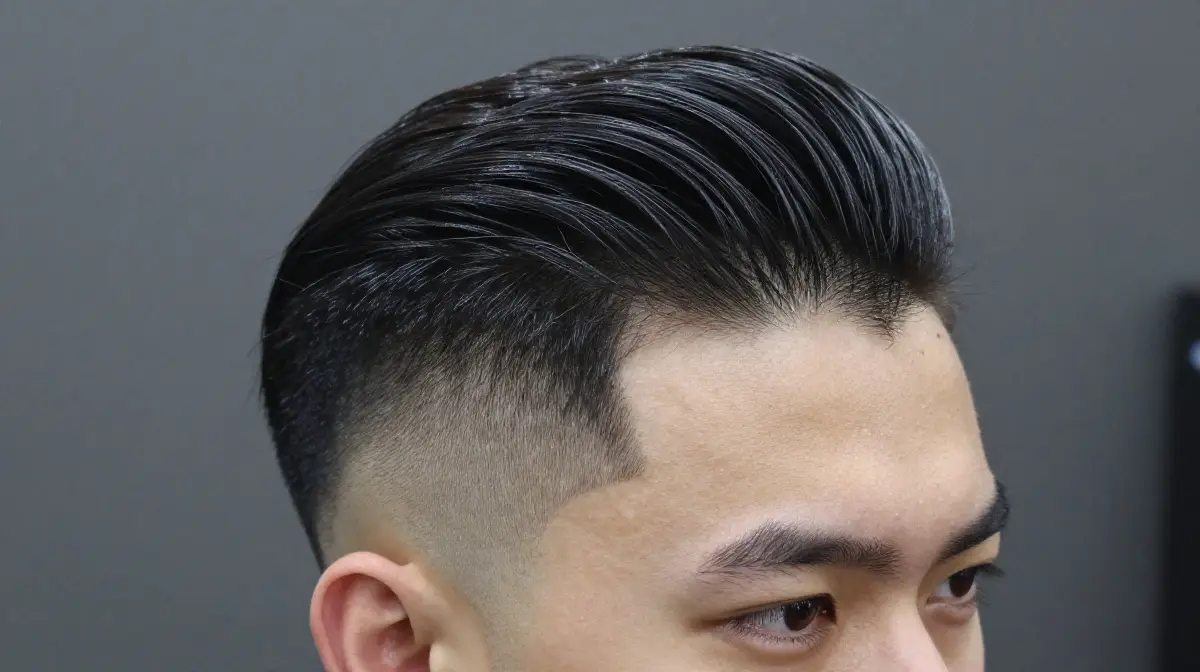
Slicked back hair paired with a classic taper creates one of the most cinematic and confident-looking haircuts in men’s grooming, drawing the hair straight back from the forehead in a smooth and controlled sweep that exposes the full face and creates a clean, streamlined silhouette. The classic taper on the sides removes bulk and bulk-related visual weight, ensuring that the slicked back top remains the dominant feature of the overall look. This style requires a product with enough hold to keep the hair swept back throughout the day, and a pomade or a water-based gel in medium to high hold with a natural or high shine finish both work effectively depending on personal preference.
Slicked back hair with a taper suits men with a naturally receding hairline particularly well because the backward direction of the styling visually reduces the appearance of the hairline’s progression. A wide-tooth comb and a blow dryer used together during the styling process help set the direction before the product is applied.
Classic Taper with Textured Crop
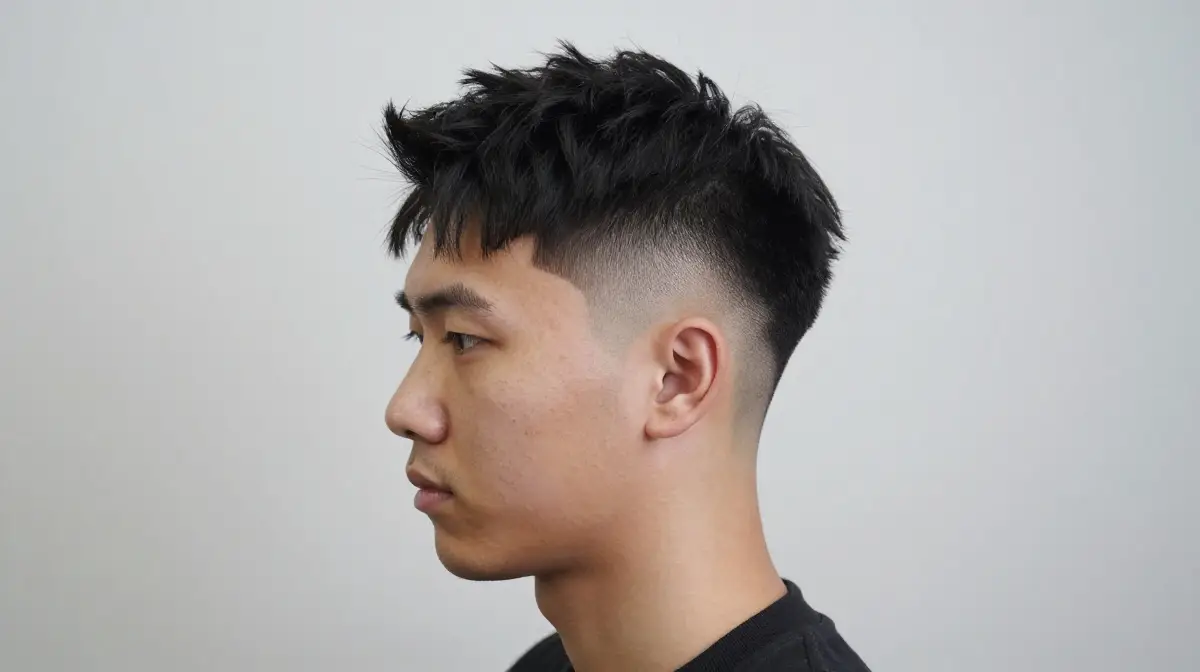
The textured crop paired with a classic taper is one of the most popular haircut combinations in contemporary men’s barbering, offering a modern and effortlessly stylish result that suits a wide range of hair types and personal aesthetics. The top section is cut short and then styled with a light matte clay or a texture paste to create definition, separation, and a deliberate piece-y appearance that contrasts effectively with the smooth tapered sides. This combination works particularly well for men with naturally thick or slightly wavy hair that holds texture well without requiring excessive product application.
The crop can be worn with a fringe pushed forward for a more casual and youthful look or pushed back or to the side for a slightly more polished appearance that suits professional settings. The textured crop with a classic taper is one of the lowest-effort, highest-reward haircut combinations currently available for men across all age groups.
Classic Taper with Quiff
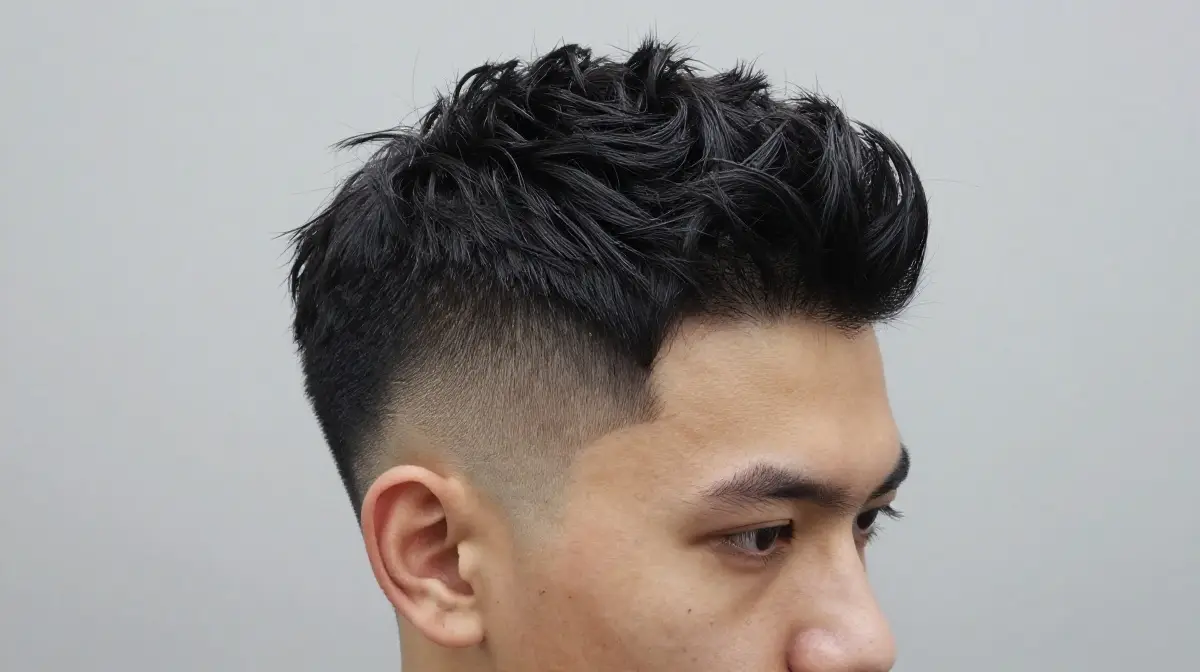
The quiff with a classic taper is a voluminous and expressive haircut that suits men who want genuine height and presence from their hairstyle without the extreme boldness of a mohawk or a very high fade. The quiff is created by blow-drying the front section of hair upward and backward using a round brush to build volume at the roots before applying a medium-hold pomade or a volume paste to set the shape. The classic taper on the sides removes the bulk from the lower sections of the haircut, ensuring that all of the visual attention is directed upward toward the lifted front section.
This style works best on men with medium to thick hair that has enough natural body to hold the quiff shape through the day without collapsing. A light hairspray applied over the finished style helps the quiff maintain its volume and shape considerably longer between styling sessions.
Classic Taper with Pompadour
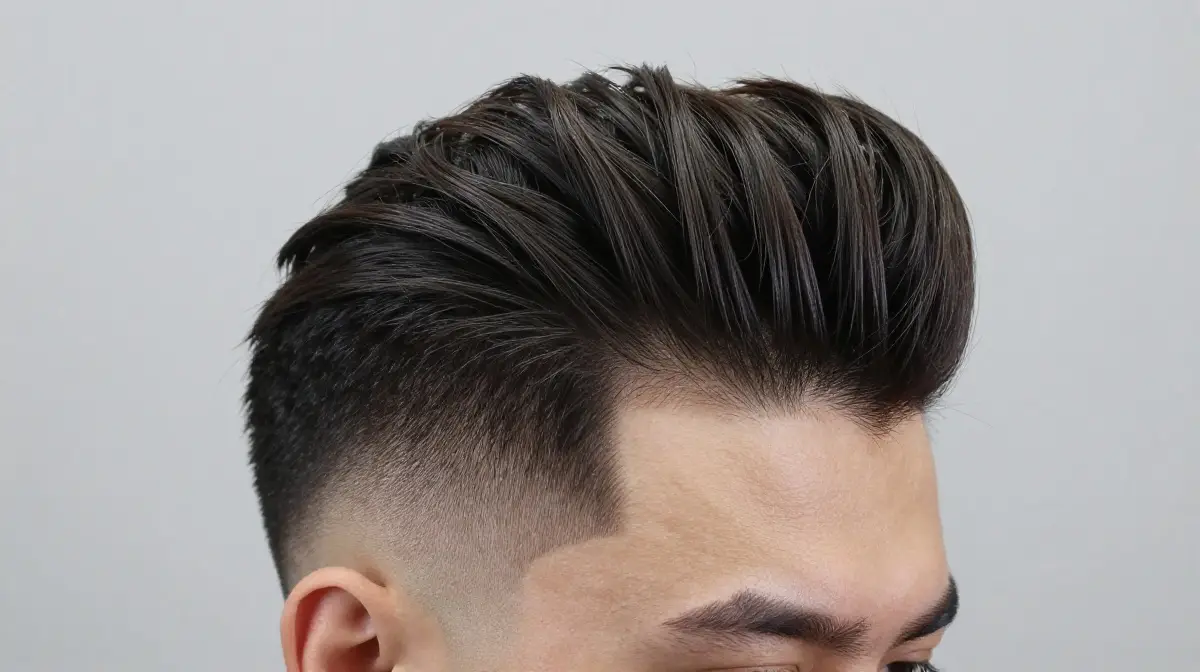
The pompadour with a classic taper is one of the most iconic and historically rich haircut combinations in men’s grooming, drawing on a tradition of elevated, voluminous front styling that has been popular in different forms since the mid-twentieth century. The modern interpretation of the pompadour with a taper is more relaxed and less rigidly structured than its vintage predecessors, using matte or natural-finish products rather than heavy brilliantines to create a look that reads as stylish rather than theatrical. The front section is blow-dried upward and backward with significant volume before being smoothed and shaped with a pomade, while the classic taper on the sides provides a clean and well-groomed frame for the elevated top.
This style suits men with medium to long top sections and works particularly well on naturally thick or slightly coarse hair that holds volume reliably. The pompadour with a taper is one of those haircuts that simply makes a man look more confident and well-dressed regardless of what he is wearing.
Classic Taper with Ivy League Cut
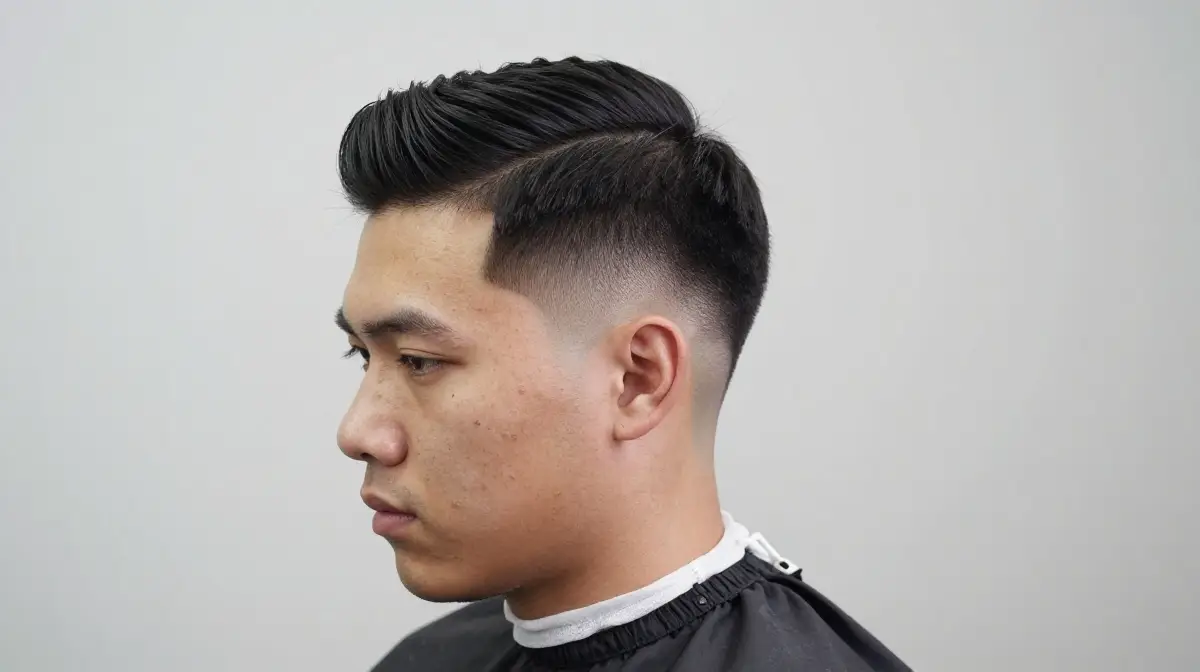
The Ivy League haircut with a classic taper is a preppy, clean-cut, and thoroughly timeless style that has been associated with academic institutions, professional environments, and a certain kind of quiet self-assurance since at least the mid-twentieth century. The top section is kept at a medium length, typically between one and two inches, and combed neatly to one side with a defined part, while the classic taper on the sides and back keeps everything contained and structured. This is one of the most genuinely professional and office-appropriate haircuts a man can choose, presenting a well-groomed appearance without any of the stylistic boldness that might draw unwanted attention in a conservative work environment.
A light hold natural-finish product or even just a small amount of styling cream is sufficient to keep the Ivy League cut looking tidy throughout the day. This haircut ages extremely well across decades and is as appropriate on a twenty-year-old student as it is on a fifty-year-old executive.
Classic Taper with Caesar Cut
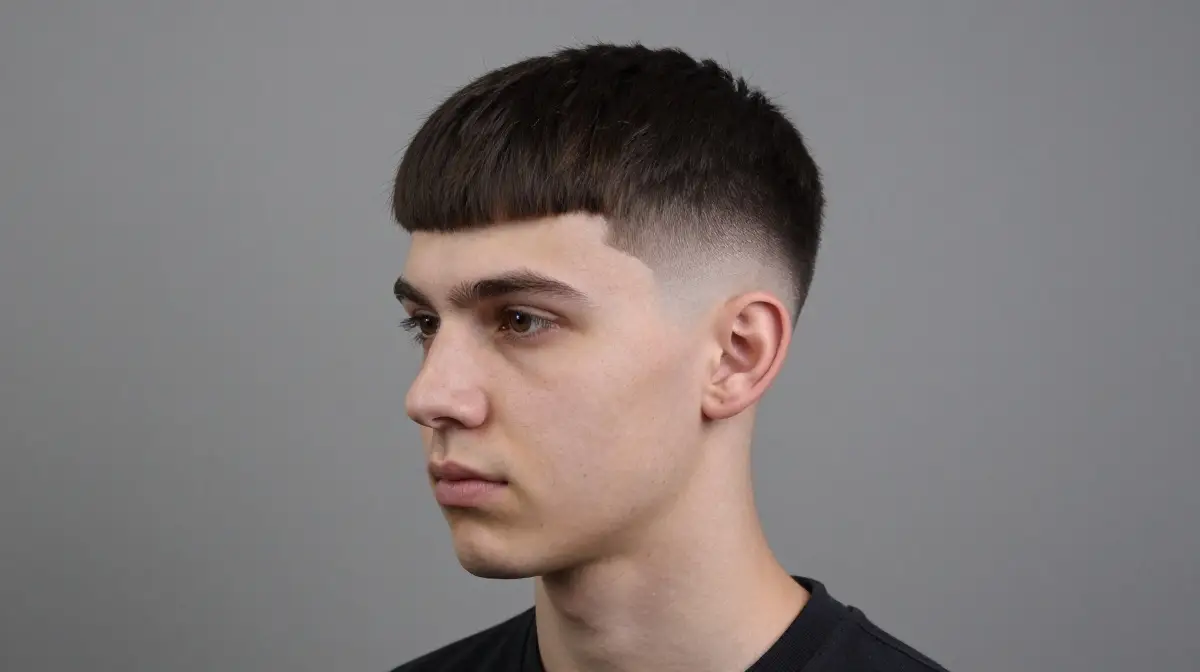
The Caesar cut paired with a classic taper is a short, forward-directed, and horizontally blunt-fringed style that has been popular across multiple generations of men and continues to suit a surprisingly wide range of face shapes and hair types today. The Caesar is characterized by a fringe that is cut straight across the forehead and then layered horizontally throughout the top section, creating a uniform length all over the top that is styled forward or slightly to one side. The classic taper on the sides keeps the overall look clean and contained, preventing the short top from appearing too blunt or unstructured.
This haircut requires minimal daily styling, making it one of the most genuinely low-maintenance options available for men who want a tidy and considered appearance without significant effort. The Caesar with a taper works exceptionally well for men with naturally straight or very slightly wavy hair and suits oval, round, and square face shapes reliably.
Classic Taper for Curly Hair
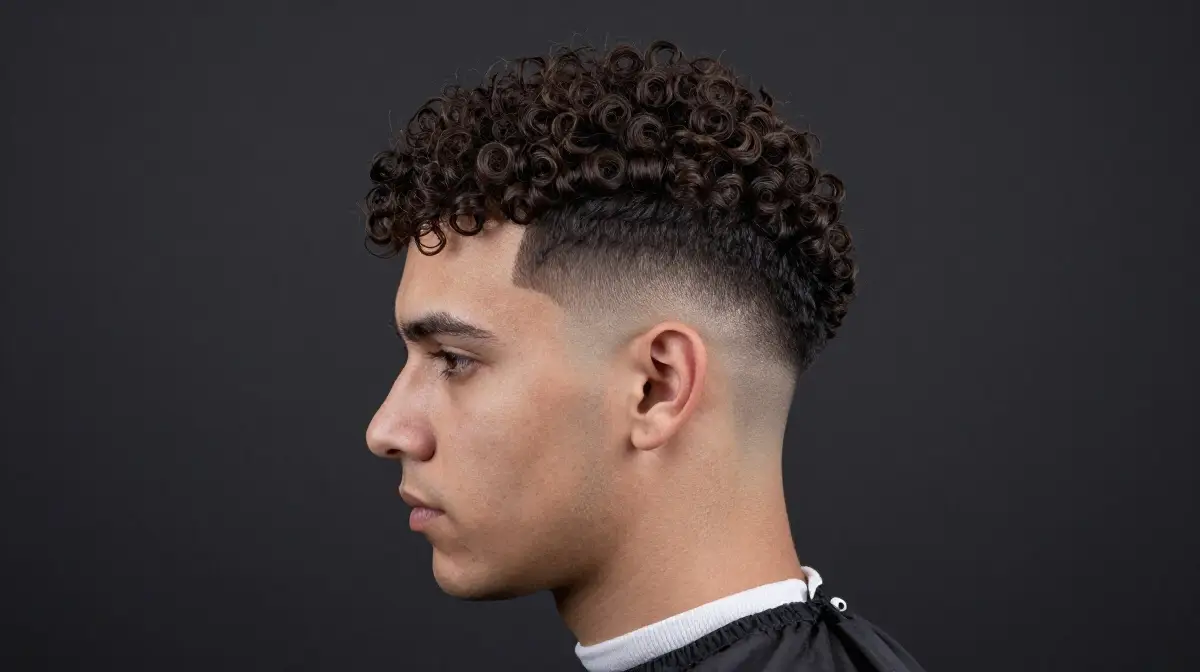
Curly hair responds particularly well to a classic taper because the graduated sides create a clean and structured frame that allows the natural curl pattern on top to express itself freely without the overall silhouette appearing uncontrolled or overgrown. The taper removes bulk from the sides and back while leaving enough length on top for the curls to form their natural pattern with good definition and visual presence. A curl-defining cream or a light gel applied to damp hair and allowed to air-dry preserves the curl pattern and prevents frizz without making the curls appear stiff or product-heavy.
The classic taper for curly hair works across the full spectrum of curl types, from loose waves to tight coils, and suits men who want to celebrate their natural texture rather than fighting it with excessive heat or straightening products. Regular moisturizing and a consistent deep conditioning routine keep curly hair looking healthy and well-defined between barbershop visits.
Classic Taper for Thick Hair
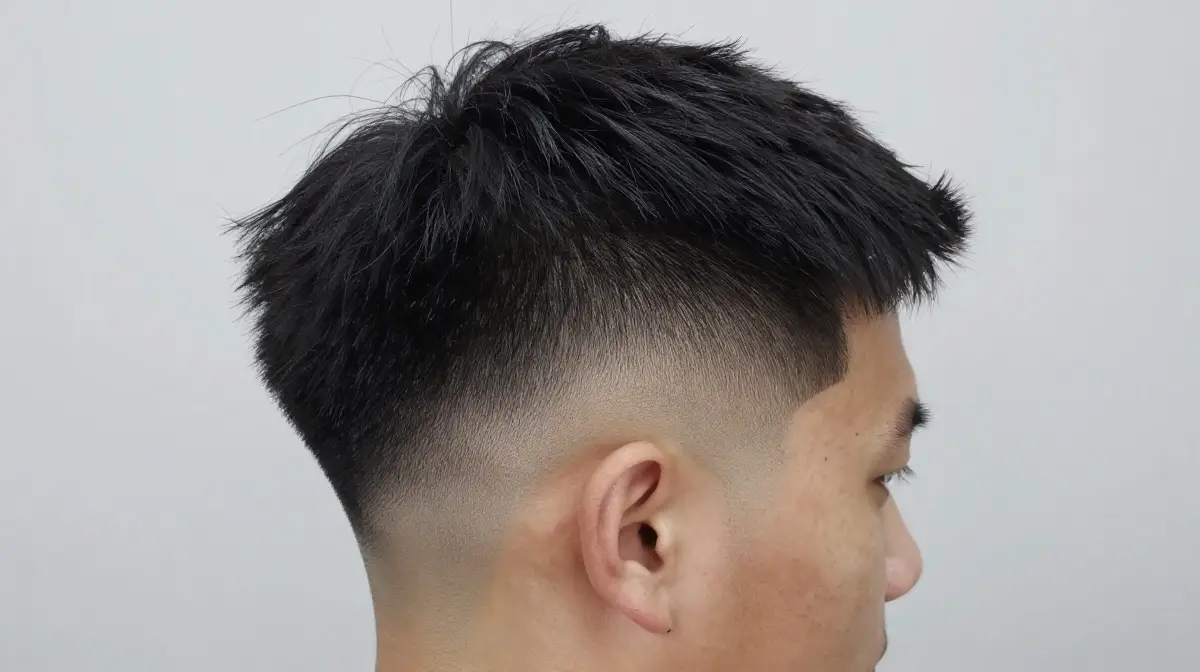
Thick hair can sometimes feel heavy, unmanageable, and resistant to styling without the structural framework that a well-executed classic taper provides. By removing significant bulk from the sides and back through the graduated taper technique, the barber creates a shape that gives thick hair direction and visual control without sacrificing the natural density that is one of thick hair’s greatest assets. The top section of a taper haircut for thick hair can be styled in almost any direction, from a slicked-back look to a textured crop or a full quiff, and the natural volume of the hair works with each of these styles rather than against them.
A matte clay or a medium-hold paste is the most effective product choice for thick hair because it provides enough control to prevent puffiness without weighing the hair down or creating an unnatural sheen. Thinning scissors used judiciously through the top section during the cut can further reduce unwanted bulk without affecting the overall length.
Classic Taper for Thin Hair
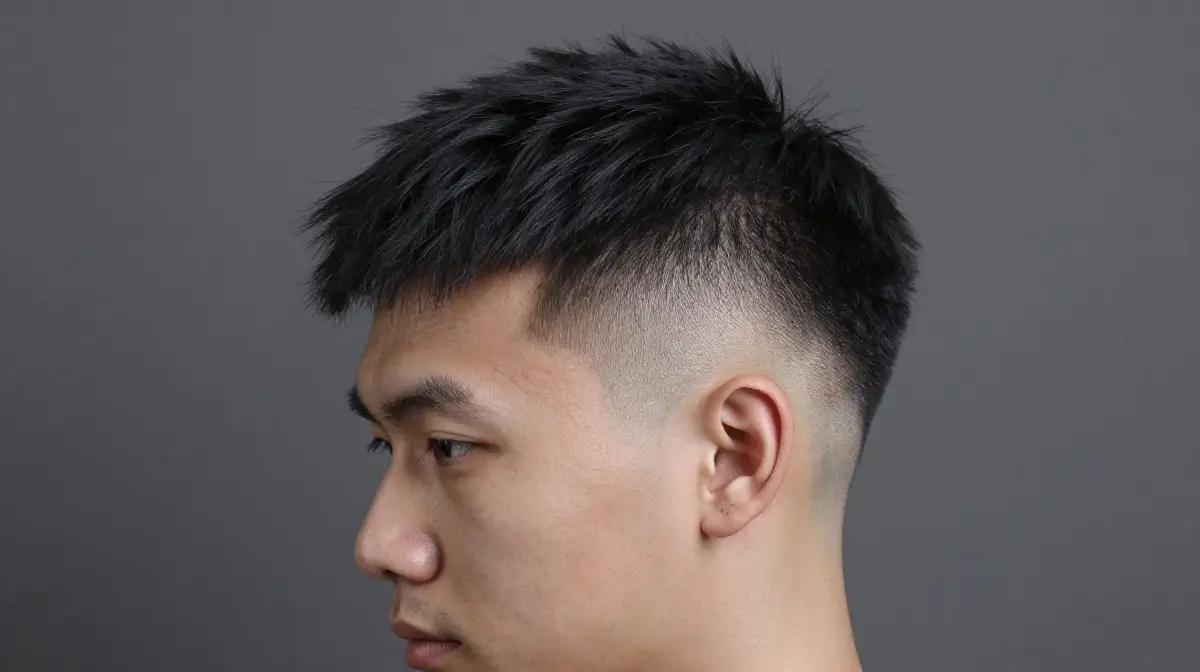
Thin or fine hair benefits significantly from a classic taper haircut because removing length from the sides through graduation creates an optical illusion of greater fullness and density in the top section where the hair retains its natural length. The sides of a taper haircut for fine hair should be kept relatively conservative, avoiding skin fades or very high tapers that expose too much scalp and make the overall density of the hair more apparent. Keeping the top section at a consistent medium length and styling it with a volumizing product applied at the roots creates genuine visual fullness that fine hair alone rarely achieves without structural support from the cut itself.
A light volumizing mousse or a spray applied to damp roots before blow-drying significantly improves the appearance of thin hair in any taper style. This is one of the most practically useful benefits of the classic taper haircut for men who have always found fine hair challenging to manage with confidence.
Classic Taper with Beard
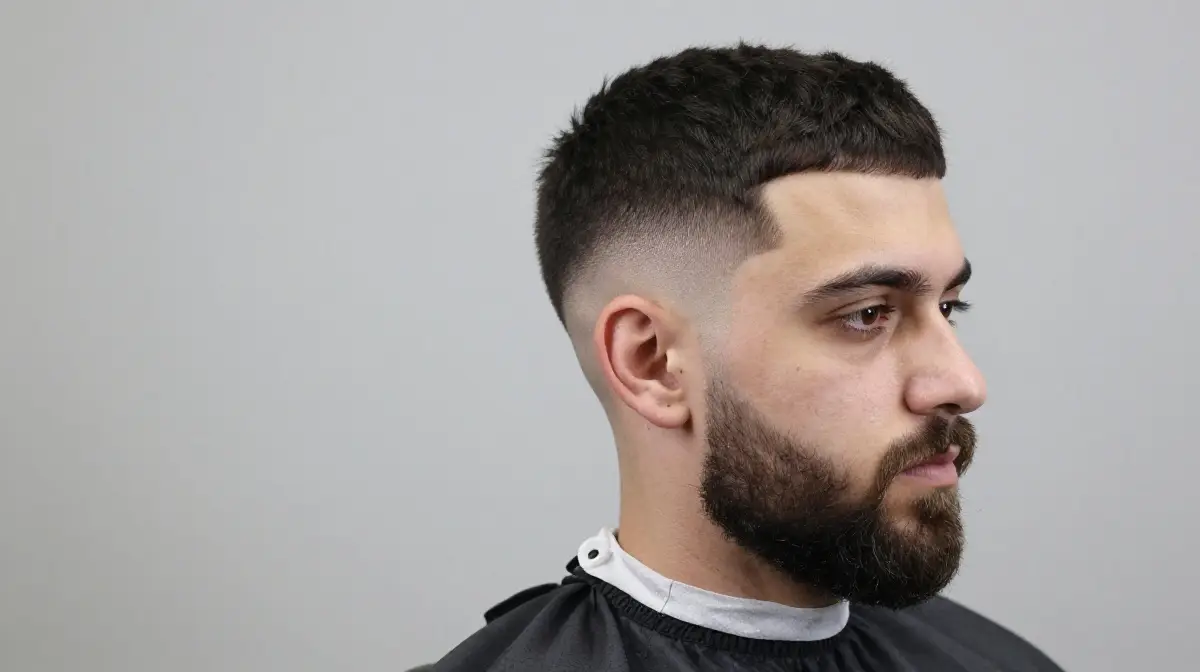
The combination of a classic taper haircut with a full or short beard is one of the most complete and masculine grooming looks available to men, creating a cohesive and well-considered appearance where the precision of the haircut and the texture of the facial hair work together rather than competing for visual attention. The taper should ideally blend smoothly into the beard line at the sideburns, creating a seamless transition from the faded scalp through the tapered sides and into the beard that gives the entire look a unified and intentionally groomed quality. A barber who understands both the taper technique and beard shaping is essential for achieving the best possible result from this combination.
The beard does not need to be long or elaborate to work with a classic taper. Even a neatly maintained short beard or a structured stubble can create the same cohesive effect when the transition between the haircut and the facial hair is properly managed.
Classic Taper with Hard Part
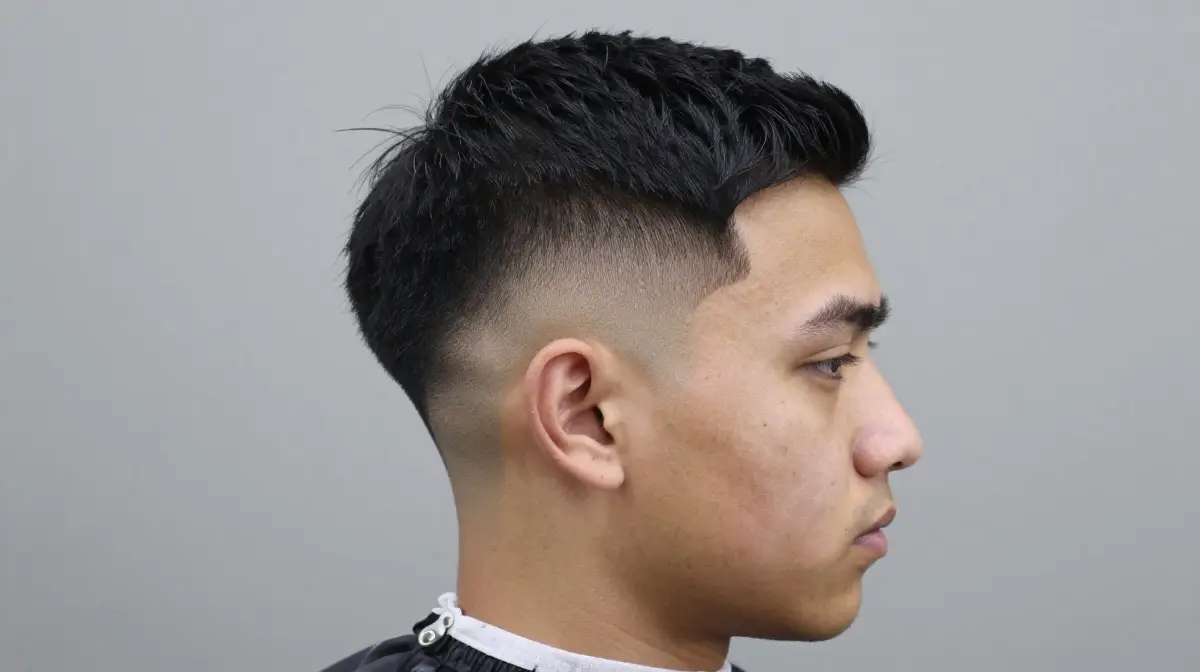
Adding a hard part to a classic taper haircut transforms a clean and polished style into something more sharply graphic and deliberately architectural in its visual character. The hard part is a razor-cut line that creates a precise and clearly defined separation between two sections of hair on top, typically running from the front hairline back toward the crown at a specific angle determined by the natural growth pattern of the hair and the face shape of the individual. A hard part works particularly effectively when combined with a comb over or a side-swept top style, where the defined line serves as a dramatic dividing boundary that catches the eye and communicates genuine attention to grooming detail.
The hard part requires a barber with a steady hand and an understanding of the correct placement angle for each individual client’s head shape. It is a detail that makes a meaningful difference to the overall quality and intentionality of the finished haircut.
Classic Taper with Waves
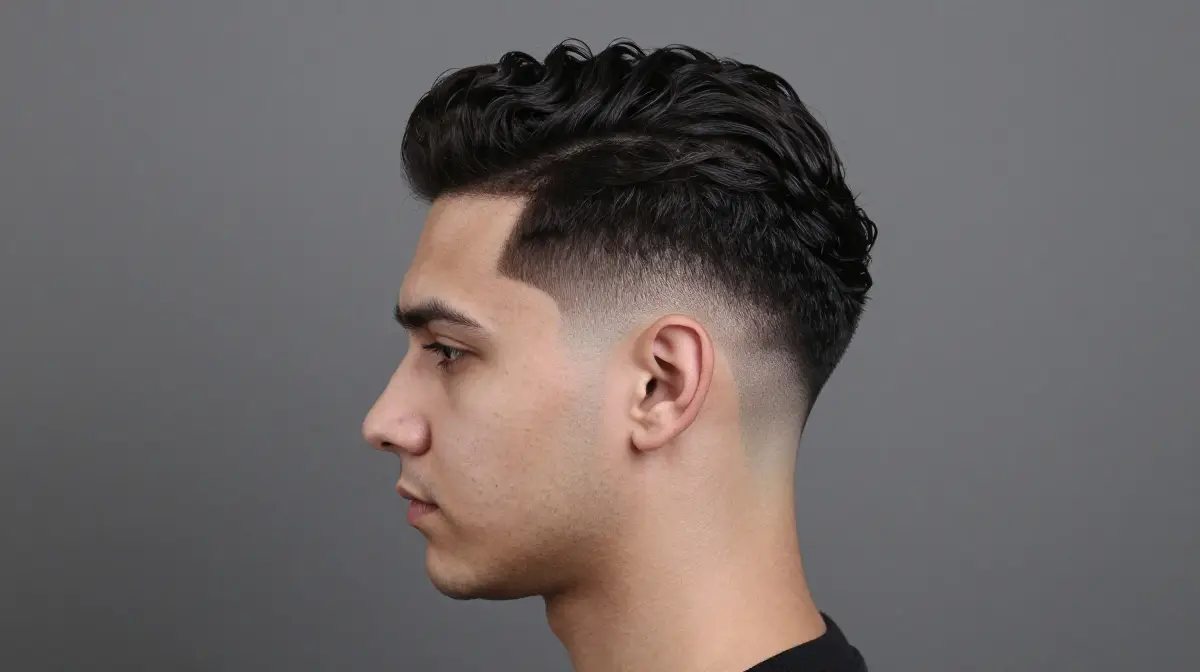
A classic taper with 360 waves is one of the most visually striking and culturally significant haircut combinations in men’s grooming, pairing the precise graduated sides of the taper with a deep wave pattern on top that reflects weeks or months of consistent brushing and wave maintenance. The taper provides a clean and sharp frame around the wave pattern, drawing attention upward toward the crown and amplifying the visual impact of the waves themselves. Achieving and maintaining 360 waves requires daily brushing with a medium to hard wave brush, regular application of wave-enhancing pomade, and consistent use of a durag or a wave cap worn overnight to train and compress the hair into the wave pattern.
The classic taper frame around a well-developed wave pattern is one of the most admired and technically demanding hair achievements in the barbershop culture. This look rewards consistency and patience with genuinely extraordinary results.
Classic Taper for Older Men
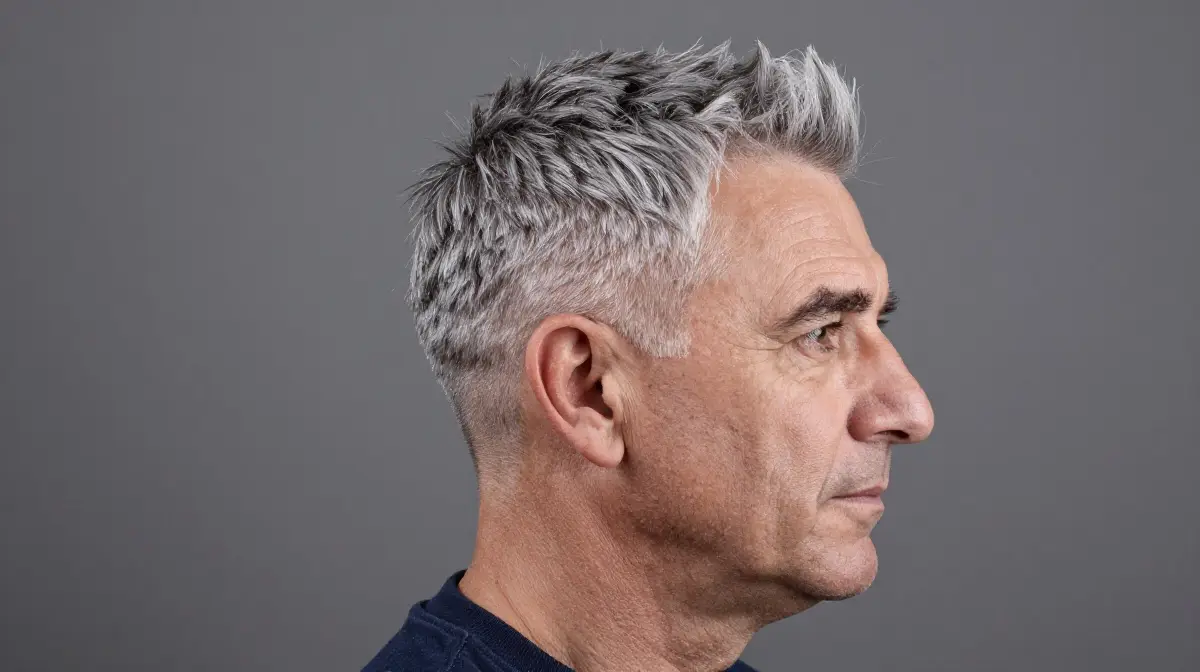
The classic taper haircut is one of the most flattering and age-appropriate choices available for older men because it maintains a clean and well-groomed appearance without attempting to replicate youth-oriented styles that can appear incongruous at certain ages. A low to mid taper on greying or salt-and-pepper hair creates a distinguished and confident look that embraces rather than conceals the natural changes that come with age. The taper reduces the visual weight of the sides without creating the stark contrast of a skin fade, which can sometimes accentuate thinning areas in ways that are not flattering.
A simple and clean styling approach using a light hold natural-finish product or even just a brush and a minimal amount of cream keeps the look refined and appropriate for men who prefer understated grooming elegance. The classic taper is arguably the most respectful and genuinely flattering haircut available for the distinguished older gentleman.
Classic Taper for the Office and Professional Settings
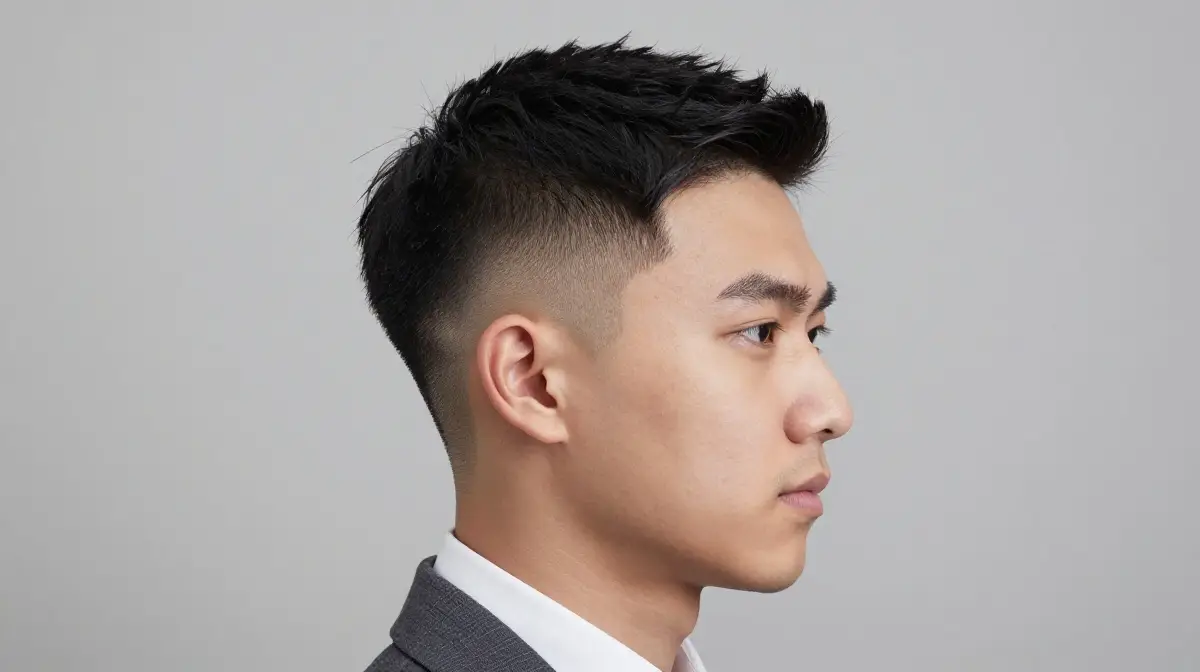
A classic taper haircut is one of the safest and most consistently appropriate choices for men who work in professional or corporate environments where personal grooming is expected to reflect a degree of formality and care. The clean graduation of the sides, the absence of extreme contrast or visible skin, and the neat neckline that the taper produces all communicate the kind of composed and responsible self-presentation that professional contexts generally expect. Paired with a side part, a comb over, or a neatly styled Ivy League cut on top, the classic taper haircut suits virtually any professional dress code from business formal to business casual without any adjustment.
The haircut requires no unusual styling products or complex morning routines, which adds to its practical appeal for men who have genuinely demanding professional schedules. A touchup at the barbershop every three to four weeks is generally sufficient to keep the professional taper looking fresh and appropriate.
Classic Taper Haircut Styling Tips
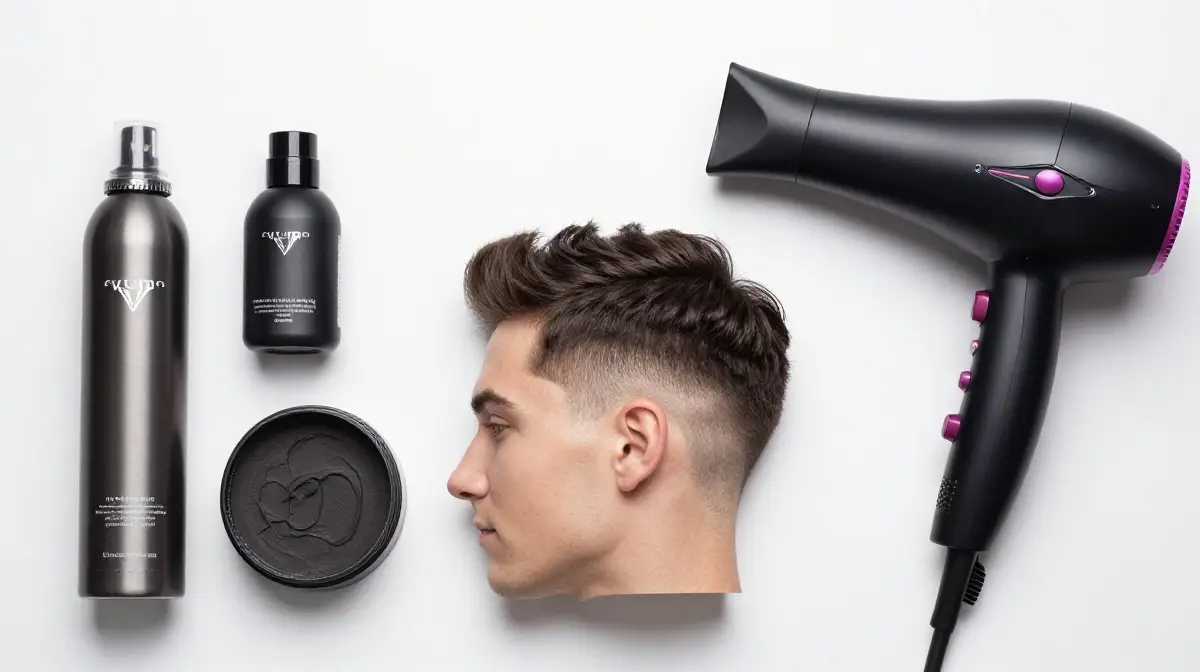
Getting the most from a classic taper haircut depends as much on the products and techniques used at home as it does on the quality of the barbershop visit. The right product depends entirely on the desired finish and the specific style being created on top of the taper. Matte clay or a texture paste creates definition and separation for textured crop and casual styles. A pomade in light to medium hold with a natural shine suits comb overs, side parts, and slicked back styles. A volumizing mousse or a styling spray applied to the roots before blow-drying works best for quiffs and pompadours where volume is the primary styling goal.
Using a blow dryer on a low heat setting rather than air-drying reduces the time required to style the top section and gives the hair more directional control. Applying product to slightly damp rather than completely dry hair generally produces more even distribution and a more natural-looking result.
Classic Taper Haircut Maintenance and Aftercare
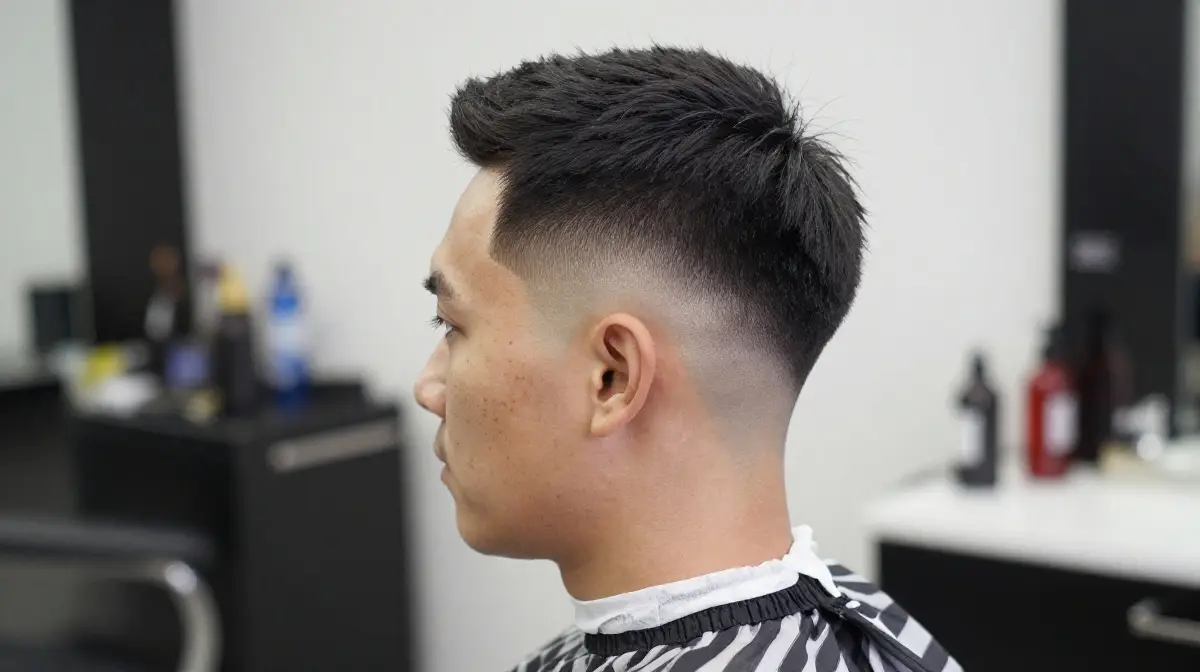
Maintaining a classic taper haircut in good condition between barbershop visits requires a consistent and relatively straightforward care routine that keeps the hair healthy, the scalp clean, and the style looking intentional rather than grown-out. A barber visit every two to three weeks keeps the taper sharp and the neckline clean for men who prefer a consistently polished appearance. Men who do not mind a slightly softer and more relaxed version of the look can typically extend the time between visits to four or even five weeks without the haircut losing its overall shape entirely.
Using a gentle sulfate-free shampoo two to three times per week keeps the scalp healthy without stripping the natural oils that protect both the scalp and the hair shaft. A lightweight conditioner applied to the mid-lengths and ends after each wash maintains softness and prevents the brittleness that can develop with frequent styling product use.
How to Ask Your Barber for a Classic Taper Haircut
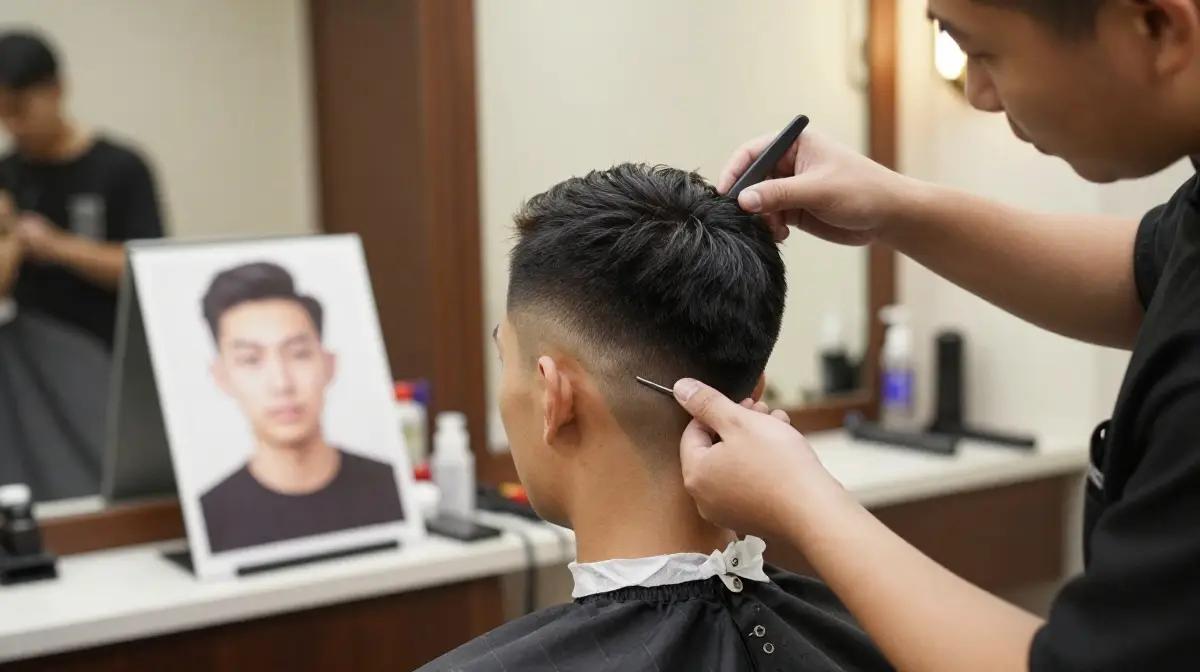
Communicating clearly with your barber is the single most important factor in consistently getting a taper haircut that matches your expectations, and there are several practical approaches that make this communication considerably more straightforward. Bringing a reference photograph from this article or from a trusted source is always the most reliable starting point because it eliminates most of the ambiguity that can arise from verbal descriptions alone. When describing the cut verbally, specify the taper position you want, whether low, mid, or high, the length you want to keep on top, and the specific style you want the top hair to be cut and shaped into. If you want a hard part, specify which side and approximately where along the hairline it should begin.
If you want the taper to blend into a beard, bring a clear photograph of the beard-to-haircut transition you are aiming for. A good barber welcomes specific and detailed communication because it makes their job easier and produces a result that both parties are genuinely satisfied with.
Quick Reference Table: Classic Taper Haircuts at a Glance
| Taper Style | Best Hair Type | Top Style | Product Choice | Maintenance Level |
|---|---|---|---|---|
| Classic Low Taper | All hair types | Any length or style | Matte pomade or light cream | Low, every 4 to 5 weeks |
| Classic Mid Taper | All hair types | Textured crop, slicked back | Clay wax or natural pomade | Moderate, every 3 to 4 weeks |
| Classic High Taper | Thick or medium hair | Quiff, pompadour, brush up | Volume paste or medium hold pomade | High, every 2 to 3 weeks |
| Taper with Side Part | Straight or wavy hair | Side swept comb over | Light shine pomade | Moderate, every 3 to 4 weeks |
| Taper with Beard | All hair types | Any top style | Matte clay or beard balm combo | Moderate, every 2 to 3 weeks |
| Taper for Thin Hair | Fine or thin hair | Medium length volumized | Volumizing mousse or spray | Low, every 4 to 5 weeks |
| Taper for Curly Hair | Curly or coily hair | Natural curl pattern | Curl defining cream or light gel | Low to moderate, every 3 to 4 weeks |
Conclusion
The classic taper haircut has earned its place as one of the most enduring and genuinely versatile styles in men’s grooming because it solves a problem that most men face every time they sit in the barber’s chair. They want to look well-groomed, appropriate for their lifestyle, and personally authentic without spending more time and effort than the haircut deserves. The classic taper delivers all of this consistently and reliably across every hair type, face shape, age group, and personal style. Whether you choose a clean low taper for the office, a high taper with a quiff for a night out, or a mid taper with a textured crop for everyday wear, the fundamental quality of the haircut remains the same. Find a barber you trust, bring your reference, and let a well-executed classic taper do the rest.
You can may also like this: 22 Burst Fade Haircuts for Men Ideas That Look Stylish
FAQs
What is a classic taper haircut
A classic taper haircut is a style where the hair gradually decreases in length from the crown down through the sides and back to the neckline. Unlike a fade, the taper blends smoothly without reaching skin level and maintains a natural, polished finish.
How is a taper different from a fade
A taper gradually reduces hair length but does not reach the skin. A fade continues the graduation all the way down to bare skin. Tapers are generally considered more conservative and professional while fades create a higher contrast result.
How often should I get a classic taper haircut touched up
Most men find that a touchup every two to four weeks keeps a classic taper looking sharp. Low tapers can be maintained at four to five week intervals while high tapers typically require more frequent visits every two to three weeks.
What products work best for styling a classic taper haircut
Matte clay and texture paste work best for casual textured styles. Pomade suits comb overs and slicked back looks. Volumizing mousse is ideal for quiffs and pompadours. The right choice depends entirely on the specific top style and desired finish.
Does a classic taper work for all face shapes
Yes. The classic taper is one of the most universally flattering haircuts available because the graduated sides can be adjusted in height and closeness to complement the specific proportions of any face shape from round to square to oval.
1 Comment