Introduction
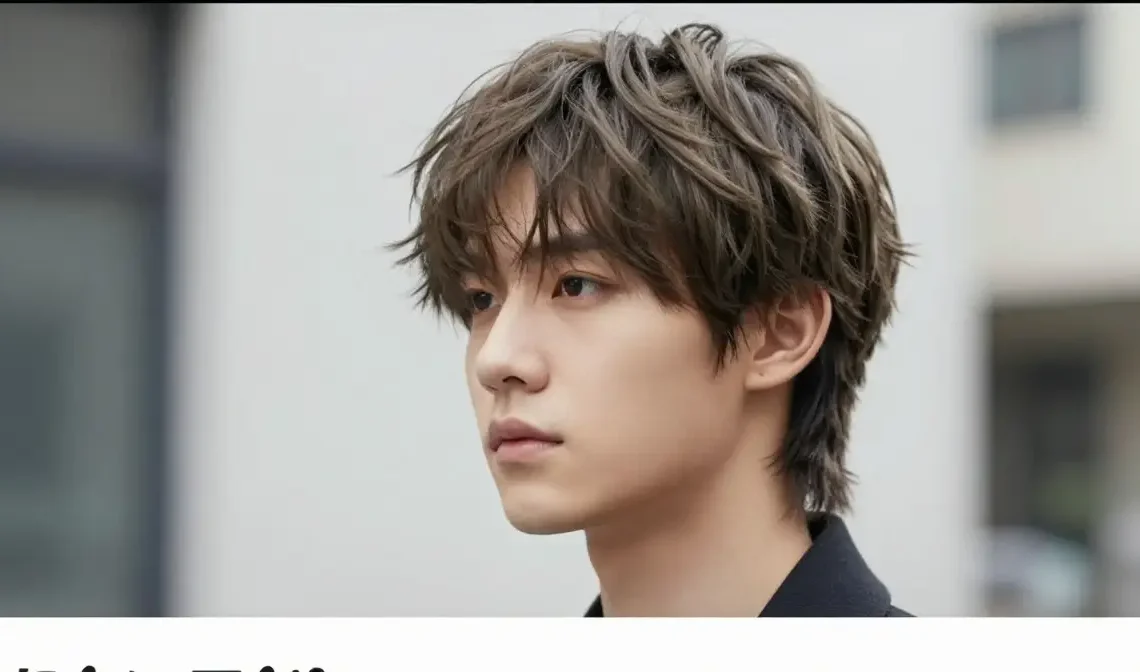
There is something about the wolf cut that just works. It sits right between effortless and intentional, between retro and modern, between polished and a little wild. If you have been scrolling through men’s hairstyle inspiration lately and keep landing on the same shaggy, layered, textured look, you are probably already thinking about making the switch.
The wolf cut hairstyle borrows from the best parts of the 70s shag and the classic mullet, then strips away everything that feels dated. What remains is a men’s layered haircut with real movement, natural volume, and a silhouette that works across hair types and face shapes. Whether your hair is straight, wavy, curly, thick, or fine, there is a wolf cut variation built around your texture.
This guide covers 22 wolf cut ideas for men, from low maintenance everyday options to bold statement styles. You will also find styling tips, product advice, and a quick comparison table to help you pick the right version for your hair.
The Classic Shaggy Wolf Cut
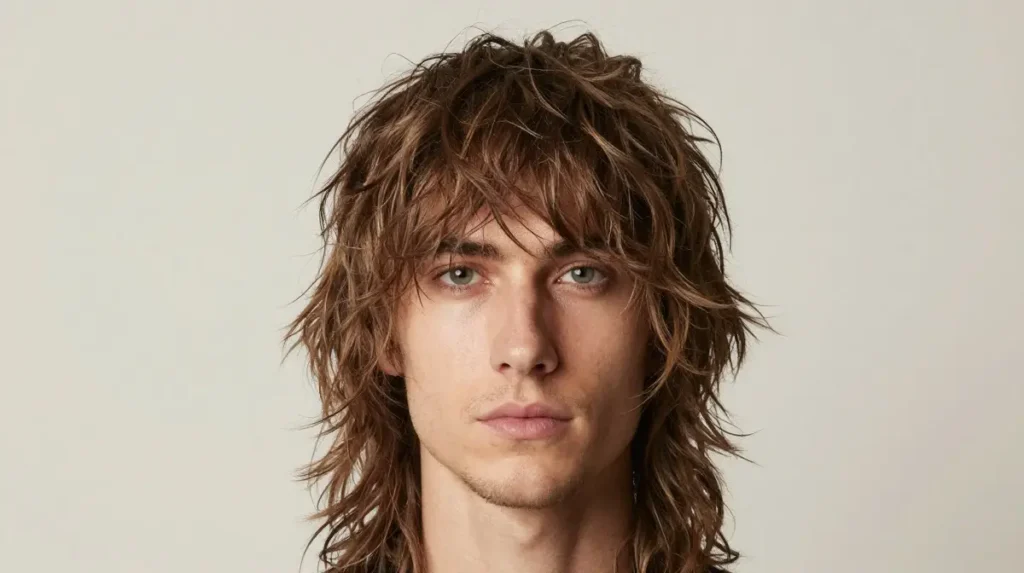
This is the original. Long layers, choppy ends, and a bit of messiness that looks intentional rather than lazy. The men’s shaggy hairstyle works best on medium to long hair and pairs well with natural texture.
If you have wavy or slightly curly hair, this version practically styles itself.
Short Wolf Cut with Textured Layers
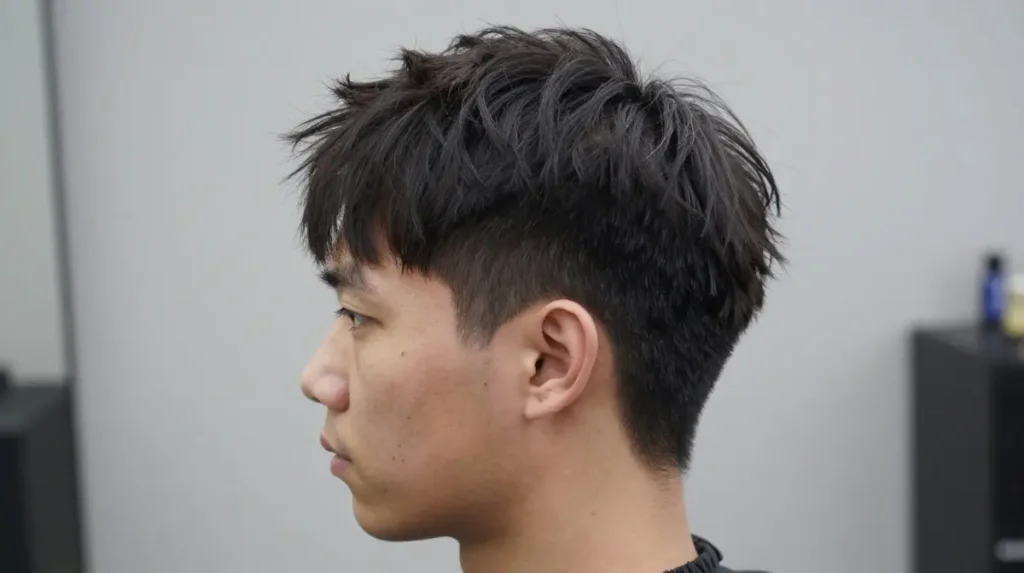
Not every wolf cut needs length to work. The short wolf cut men version keeps the sides relatively tighter while adding choppy layers on top for texture and movement.
It is a solid option if you want the feel of the style without committing to longer hair. The layered crown gives volume without bulk.
Wolf Cut with Curtain Bangs
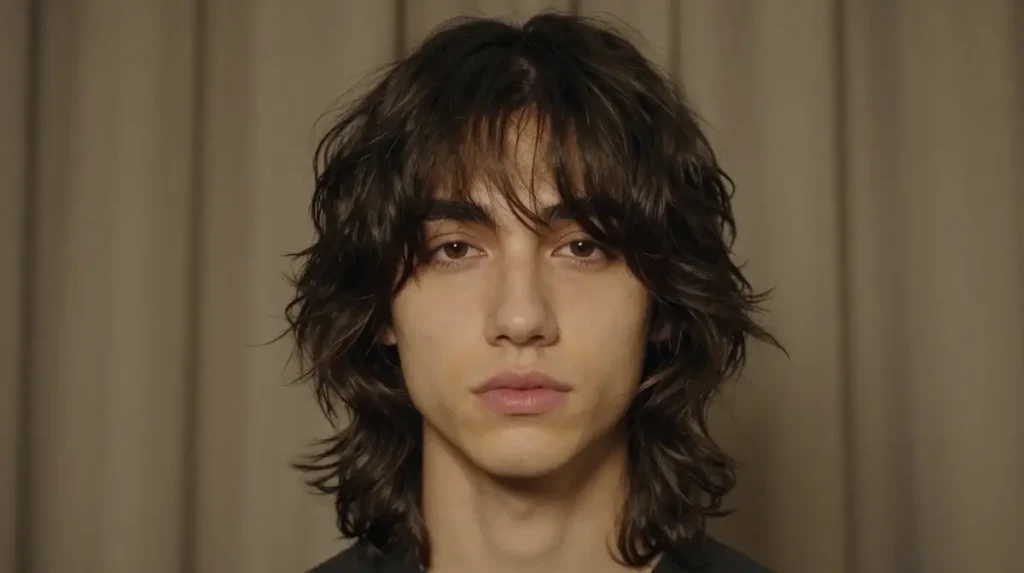
Curtain bangs are the defining detail that separates a wolf cut from a regular layered haircut. Men’s curtain bangs wolf cut combinations create soft face framing layers that fall to either side of the forehead.
This version suits oval, square, and oblong face shapes especially well and adds a slightly retro, rock-inspired quality to the overall look.
Long Wolf Cut for Men
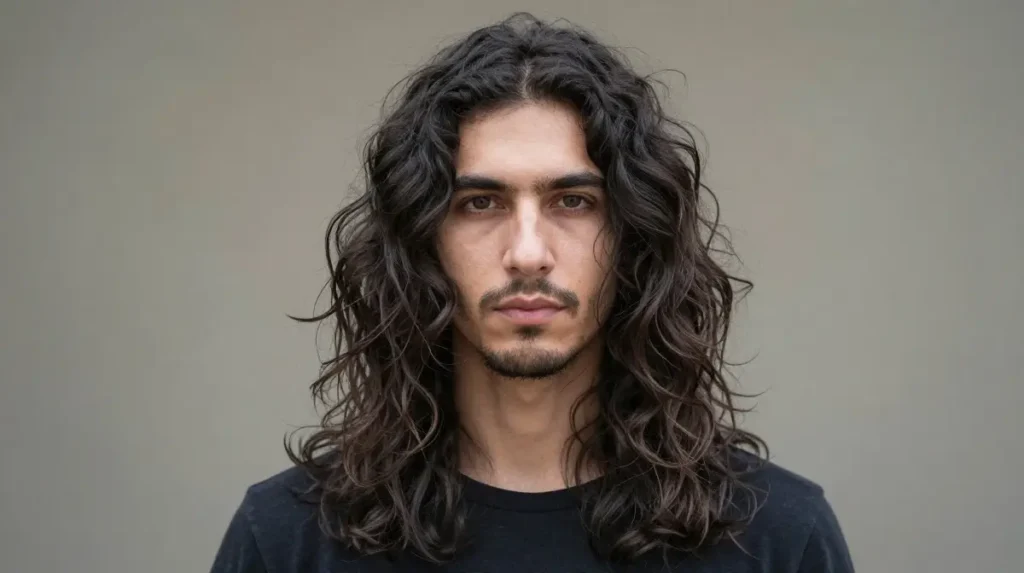
The long wolf cut men version is the boldest take on the style. Hair falls past the shoulders with visible layers throughout, and the ends stay feathered or lightly choppy.
This works particularly well for men with thick wavy hair or curly hair because the layers reduce bulk while keeping natural movement intact.
Wolf Cut Fade
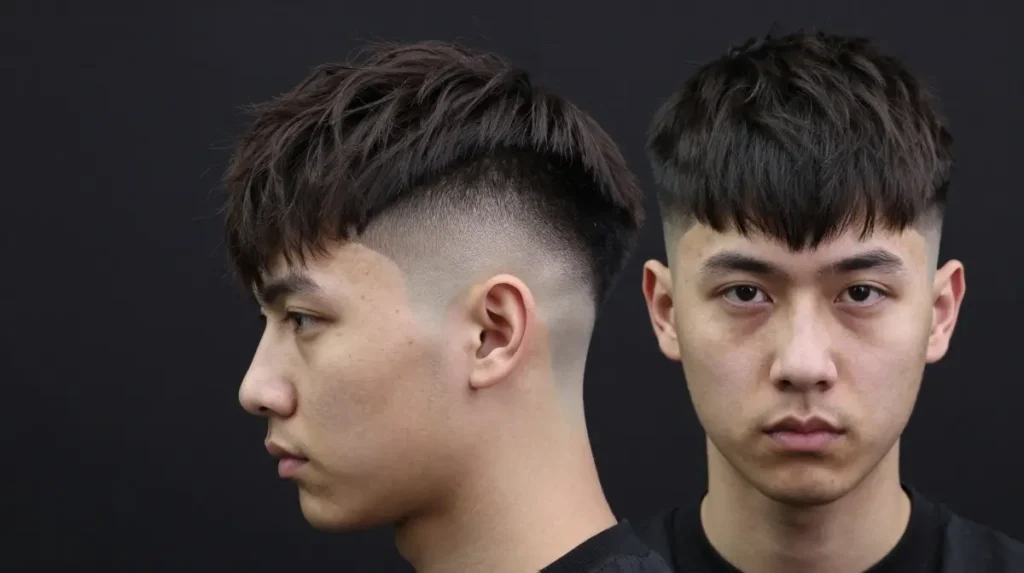
If you like the layered top but prefer tighter sides, a wolf cut fade is a practical middle ground. The fade creates a clean contrast against the textured, shaggy crown.
This version leans slightly more urban and contemporary, making it a good fit for men who want something stylish but still relatively structured.
Wolf Cut Undercut
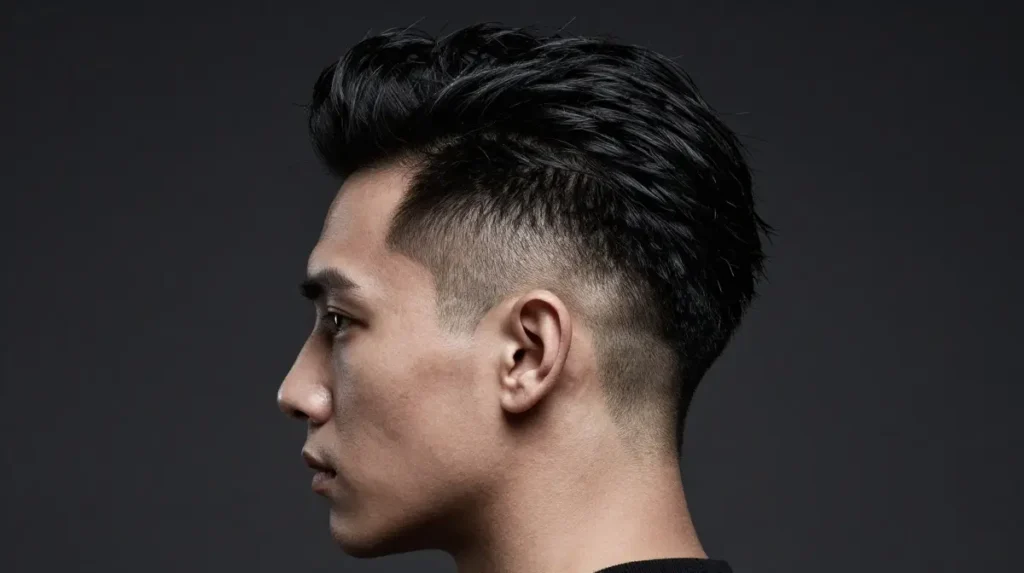
The wolf cut undercut separates the layers on top from closely cropped sides with a visible disconnect. It is a bolder look than the fade version, with more contrast and a stronger visual edge. Men with thick hair benefit most here because the undercut removes weight while the top layers stay full and textured.
Wolf Cut for Curly Hair Men
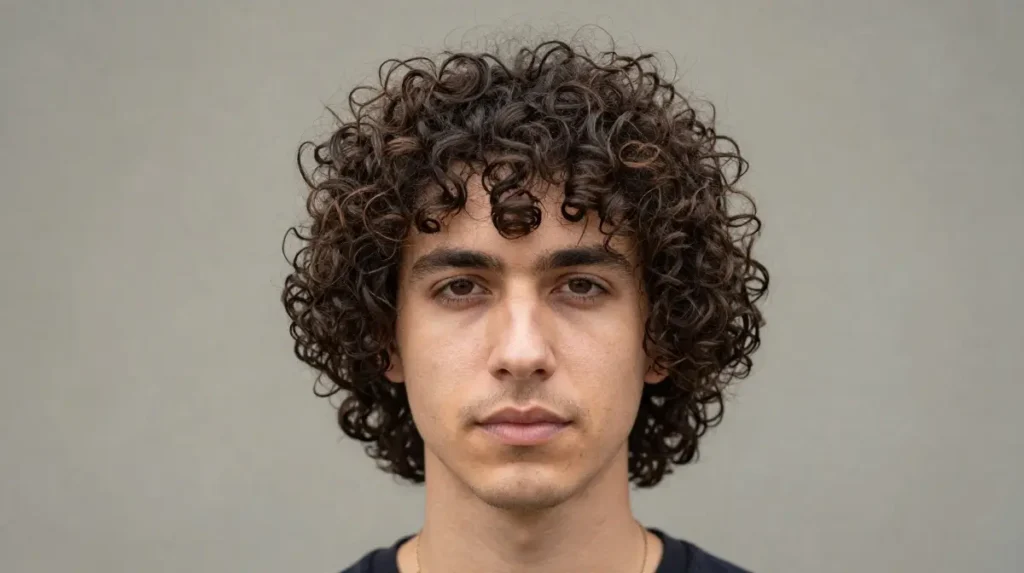
Curly hair and the wolf cut are a natural match. The men’s layered haircut with layers cut specifically into curly hair defines each curl while reducing puffiness at the sides. The result is a wolf cut curly hair men style that looks balanced and intentional without requiring a lot of daily effort. Air drying with a curl cream is usually enough.
Wolf Cut for Wavy Hair
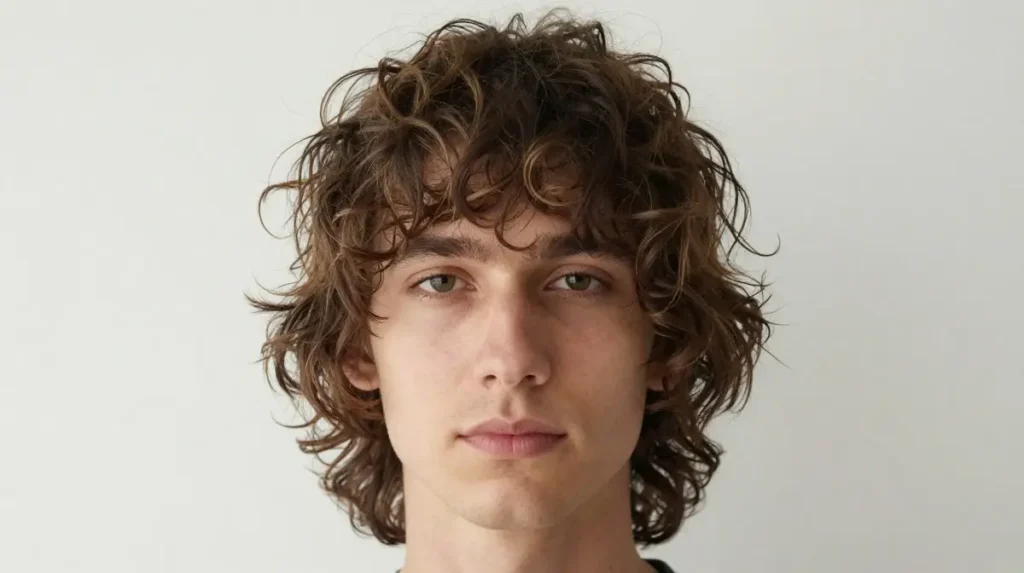
Wavy hair sits in a sweet spot for this style. It has enough texture to hold the layers naturally but is smooth enough to style in multiple ways.
Wolf cut wavy hair versions can go messy and tousled for casual days or be smoothed slightly with a light cream for a cleaner finish. Versatility is the main appeal here.
Wolf Cut for Straight Hair
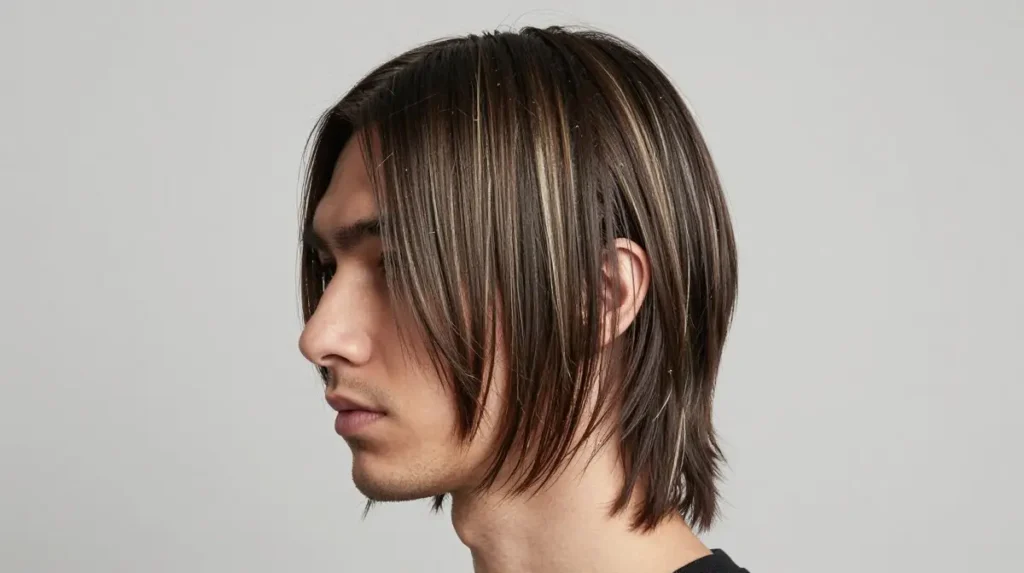
Straight hair requires a bit more deliberate layering to get the wolf cut to read correctly. Without natural texture, the layers need to be cut with more intention.
Wolf cut straight hair styles benefit from a light sea salt spray or texturizing powder to create the separation and movement that wavy or curly hair naturally provides.
Wolf Cut for Thick Hair
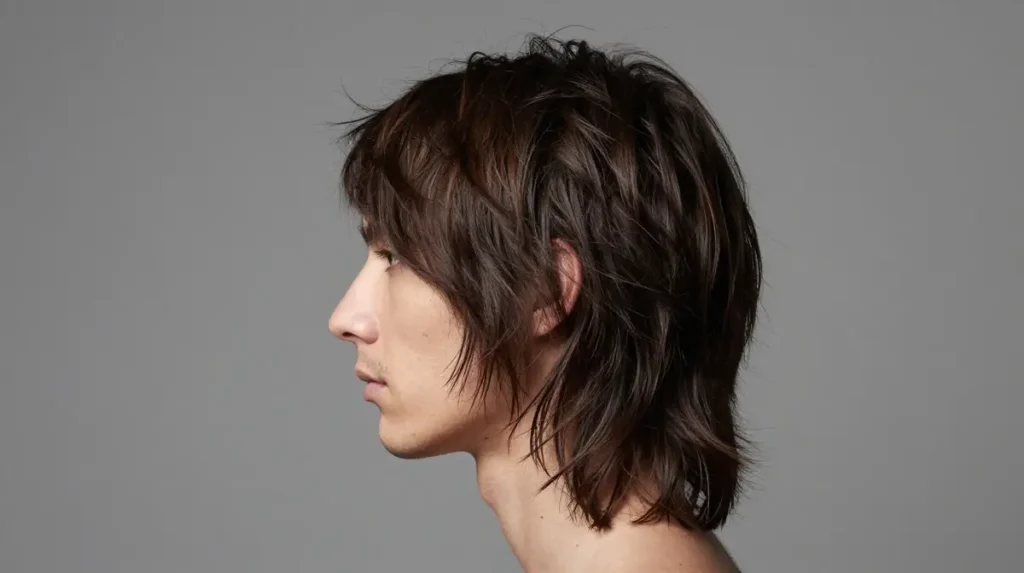
Thick hair holds layers beautifully. Wolf cut thick hair variations have strong volume, visible texture, and a fullness that makes the shaggy silhouette look intentional and rich.
Point cutting and thinning shears help manage bulk without sacrificing the style’s signature body.
Wolf Cut for Fine Hair Men
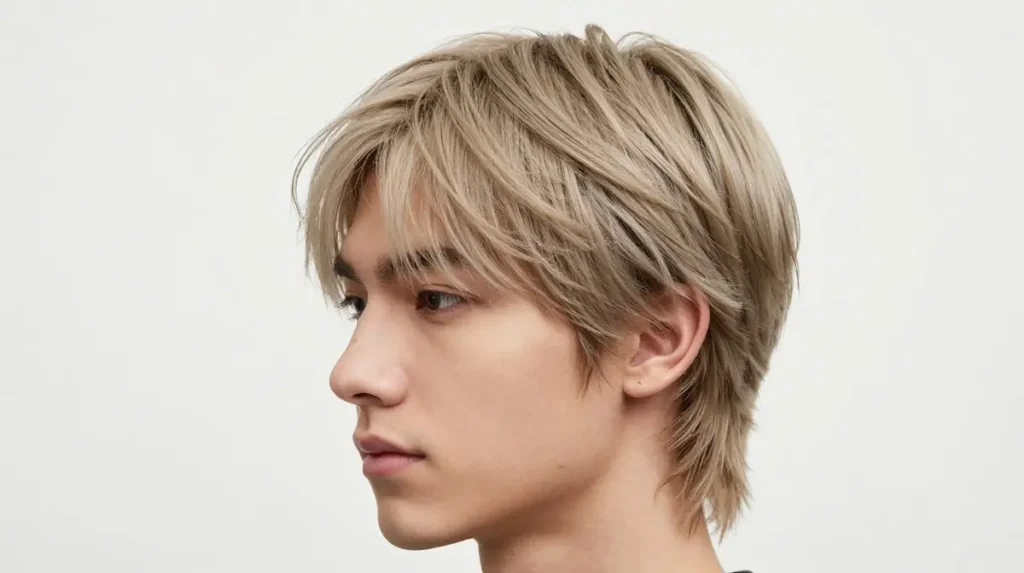
Fine hair needs some extra care with this cut. Wolf cut fine hair men styles work best when layers are not too heavily layered, which can make thin hair look even sparser.
Instead, softer layers and some light volumizing mousse can give the illusion of more body and thickness without overdoing it.
Wolf Cut Medium Length
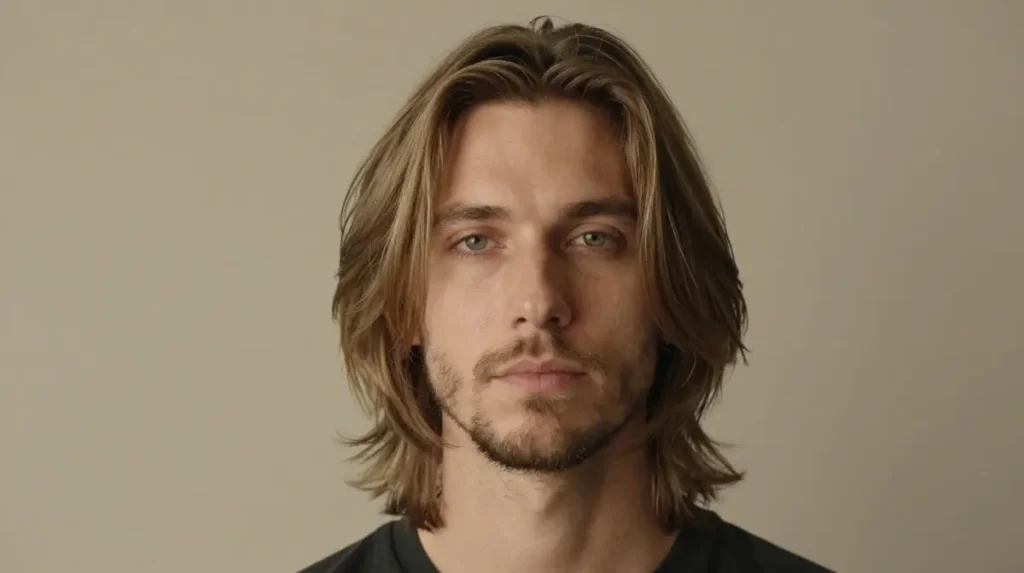
Medium length is the most accessible starting point for this style. Wolf cut medium length hair falls roughly between the chin and shoulders, giving enough room for visible layers without requiring a big length commitment.
It suits most face shapes and works across multiple hair textures. This is the version to start with if you are new to the style.
Wolf Cut for Asian Men
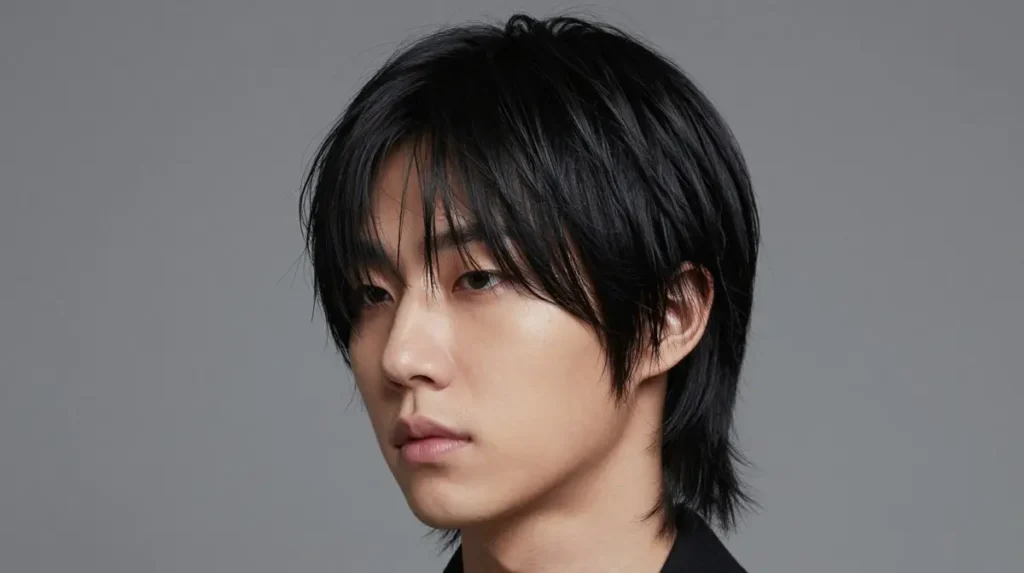
The wolf cut has become especially popular in Korean and broader Asian men’s hair culture. Wolf cut Asian men styles often feature softer layers, lighter texture, and curtain bangs that frame the face gently.
The look draws from K-pop and Korean street fashion influences, giving the classic wolf cut a cleaner, slightly more polished twist.
Korean Wolf Cut Style
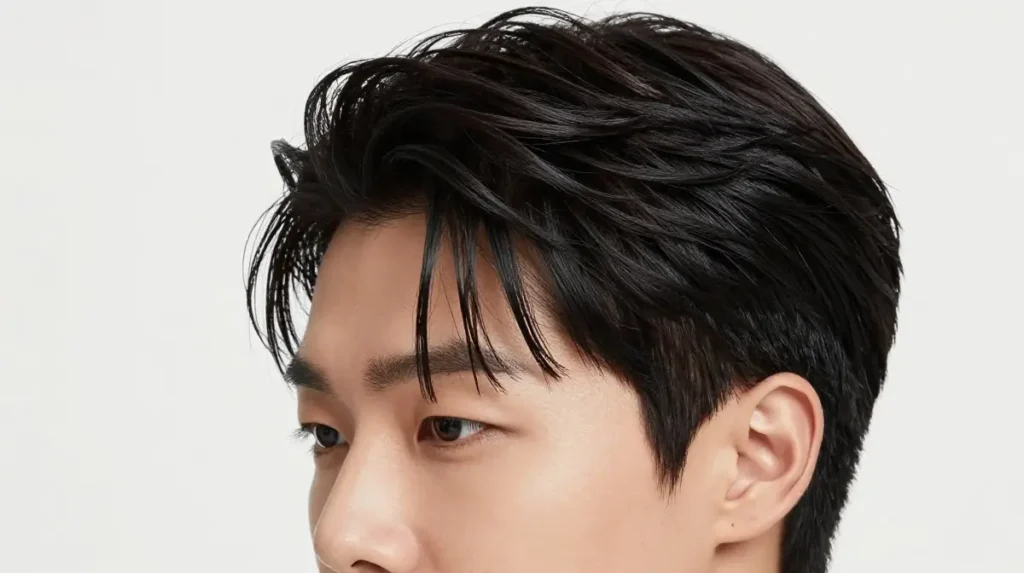
A refinement of the Asian wolf cut, the wolf cut Korean men version tends to prioritize sleekness with texture.
It often involves a blow-dry with a round brush to create volume at the crown while the ends stay slightly flipped or feathered. The curtain bangs are central to this version.
Wolf Cut Emo and Scene Style
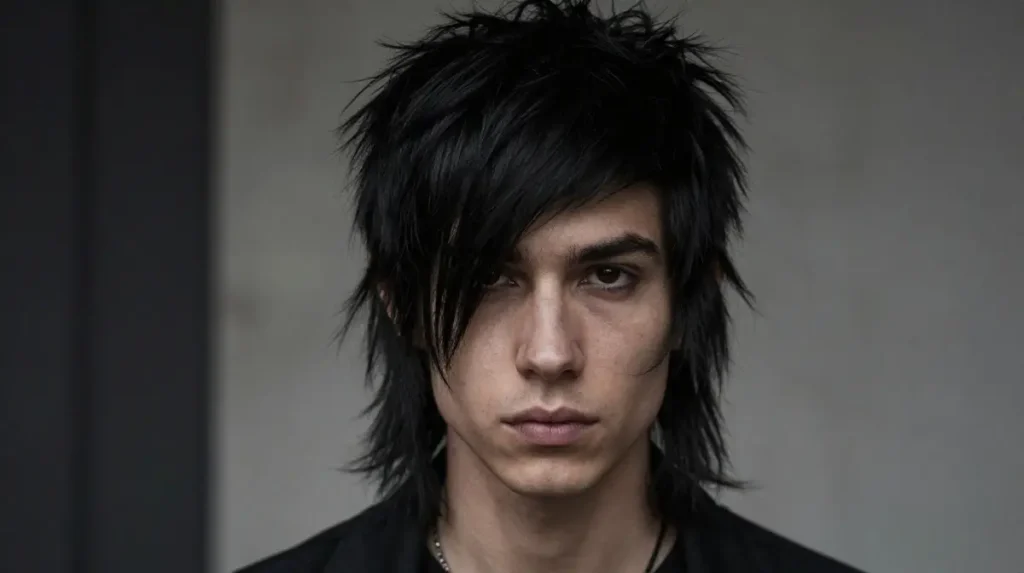
The wolf cut emo style and wolf cut scene hair men variations take the layered concept in a darker, more expressive direction. Heavy layers, longer lengths, side-swept bangs, and a slightly dramatic silhouette define these takes.
This version connects clearly to early 2000s emo and scene hair culture, now reworked for a modern context.
Wolf Cut for Round Face
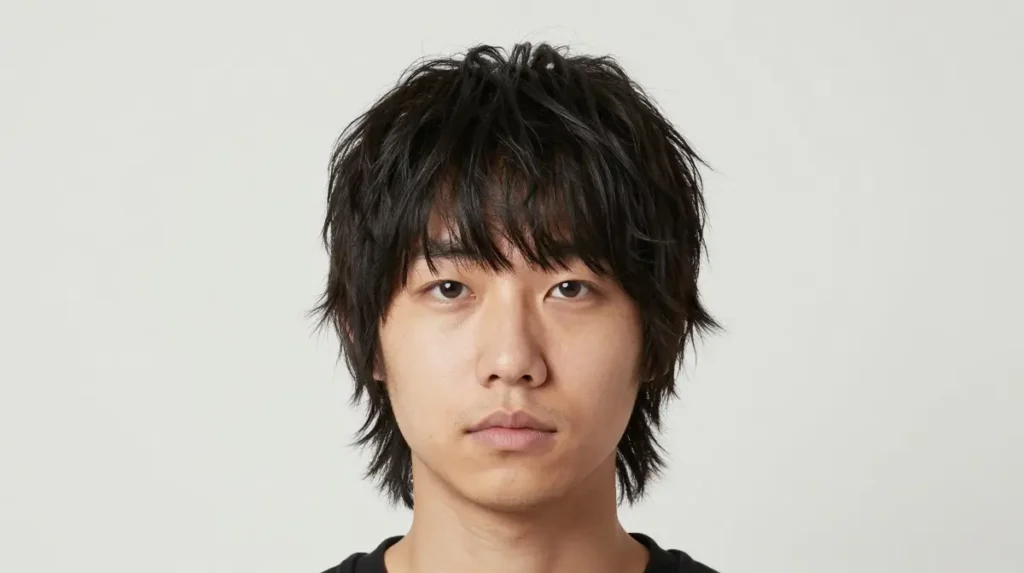
A wolf cut round face style should prioritize height and length over width. Layers that fall past the chin help visually slim the face, while volume at the crown adds height.
Curtain bangs work well here too, as they draw the eye vertically rather than horizontally.
Wolf Cut for Square Face
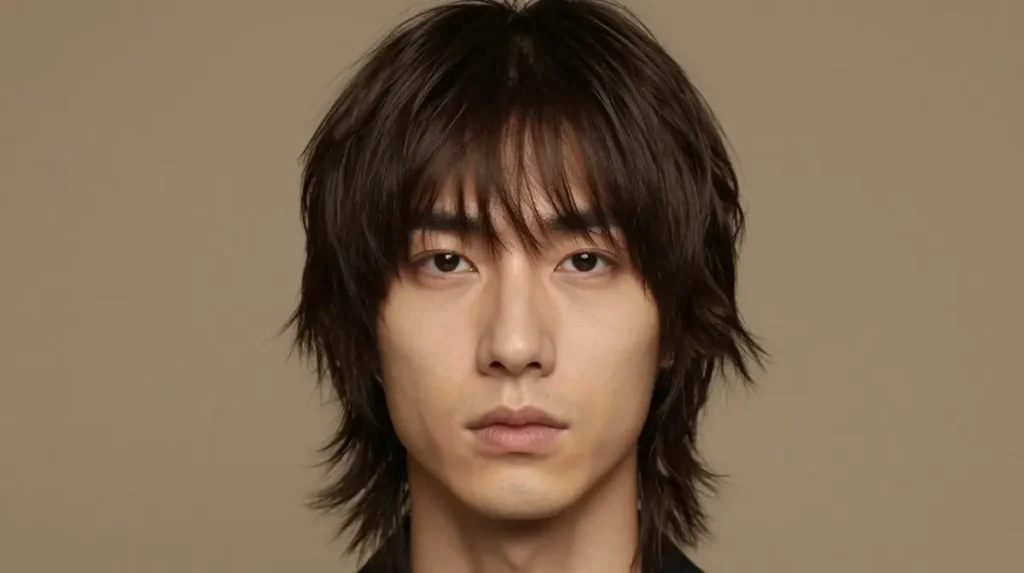
Square jaw lines pair well with softer, more feathered layers.
Wolf cut square face versions benefit from curtain bangs and layers that start mid-face, softening the angular jaw line naturally. Avoid blunt cuts across the jaw.
Wolf Cut vs Mullet
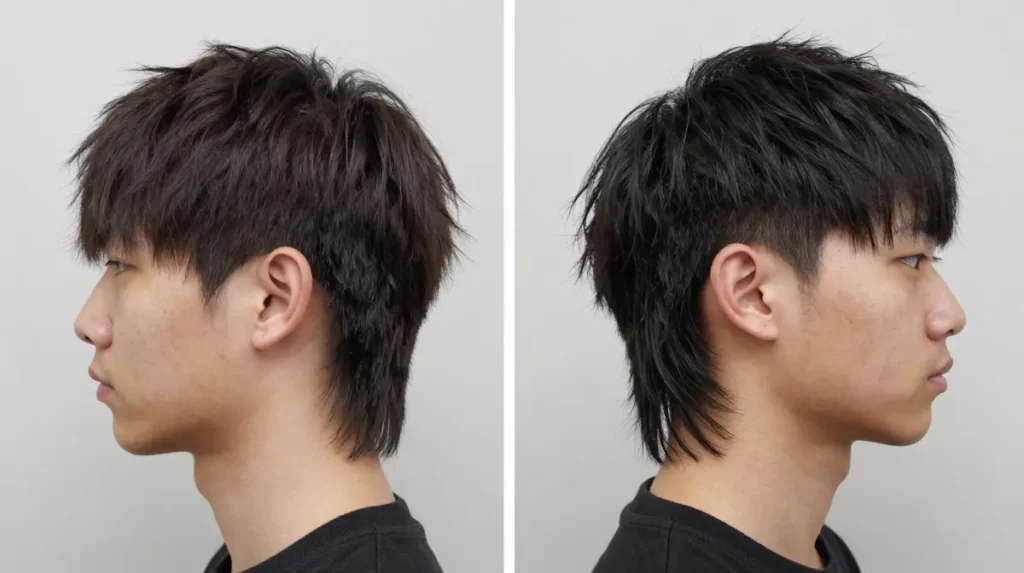
The wolf cut vs mullet comparison comes up often. The key difference is in structure. The mullet has a harder contrast between front and back, with the length concentrated at the nape.
The wolf cut distributes layers throughout, making the transition from short to long much more gradual and wearable. The wolf cut reads as modern; the mullet reads as deliberate retro.
Wolf Cut vs Shag Haircut
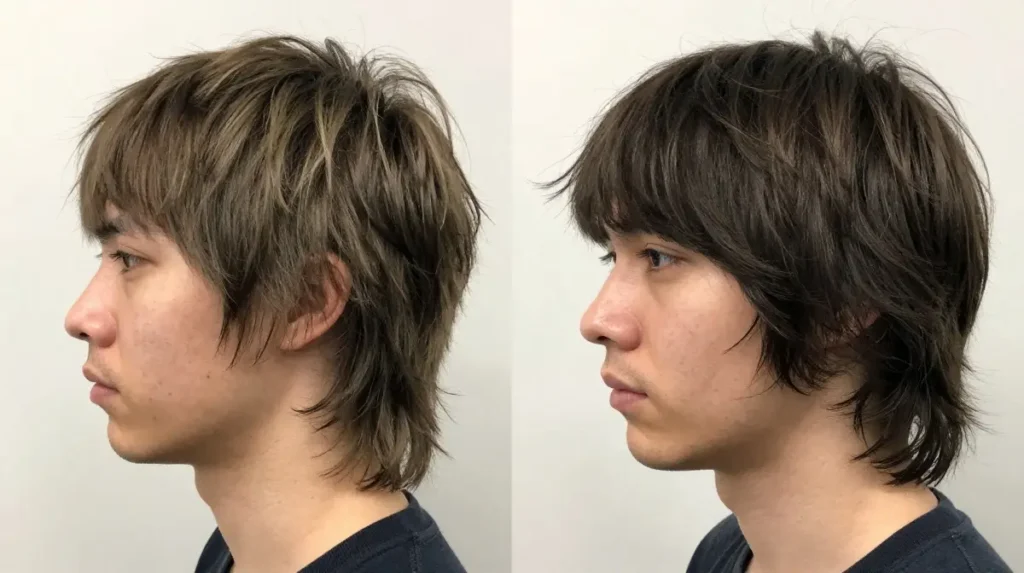
The wolf cut vs shag haircut distinction is subtle. Both feature heavy layers and a tousled texture. The shag tends to have more uniform layers and fuller bangs, drawing directly from 70s rock hairstyles.
The wolf cut is a looser, less structured interpretation that suits more casual, everyday styling.
Low Maintenance Wolf Cut
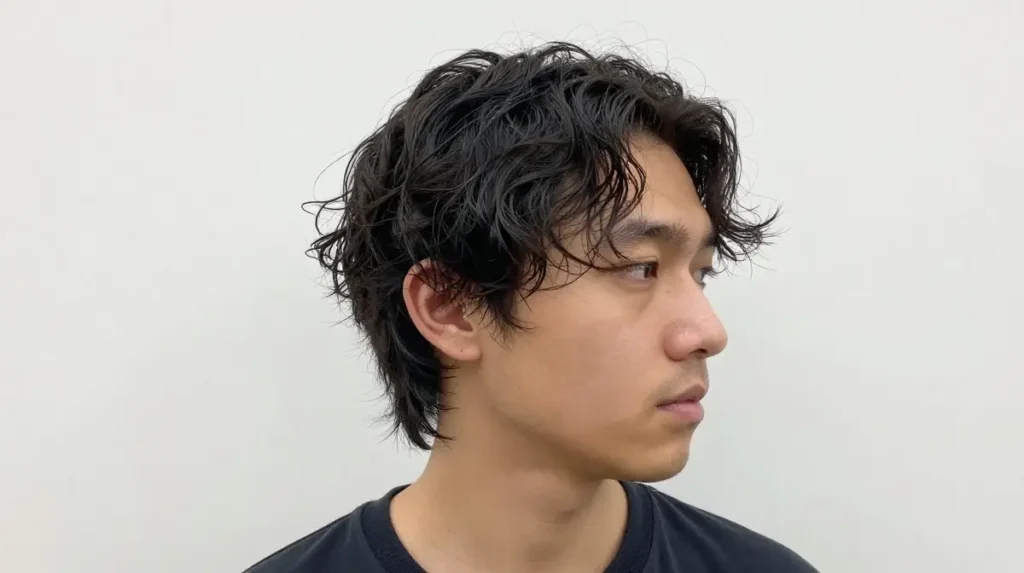
One reason this style has stayed popular is that it suits a low maintenance lifestyle. The wolf cut low maintenance approach means working with your natural texture rather than against it.
A quick scrunch with some curl cream or a rough blow-dry with your fingers is usually enough. You do not need a styling routine to pull this off.
Wolf Cut with Messy Tousled Look
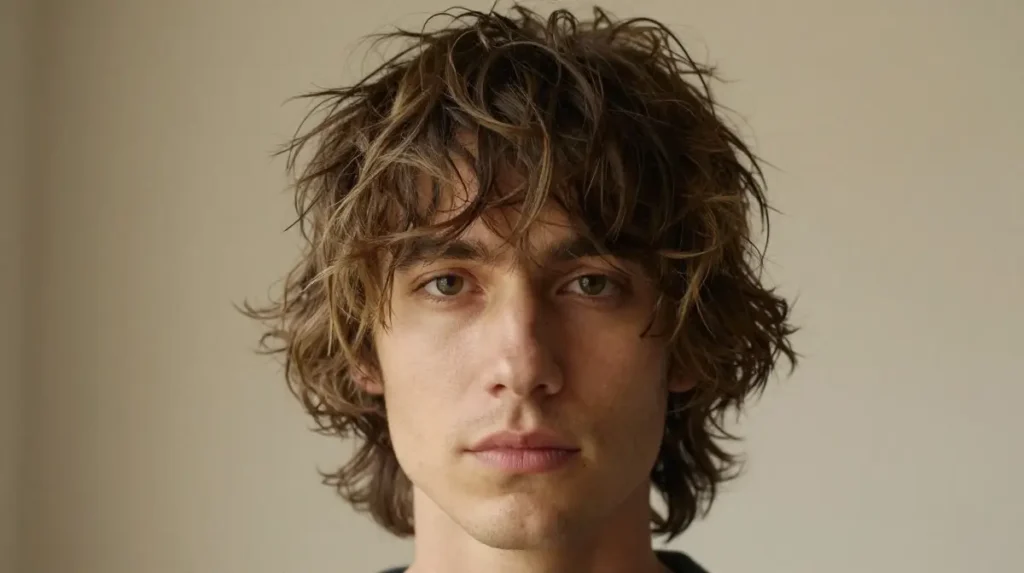
The wolf cut messy look leans fully into imperfection.
Product is minimal, the part is rough, and the layers fall wherever they want. This version suits laid-back personal styles and works especially well with wavy or lightly curly hair that has natural movement.
Celebrity-Inspired Wolf Cut
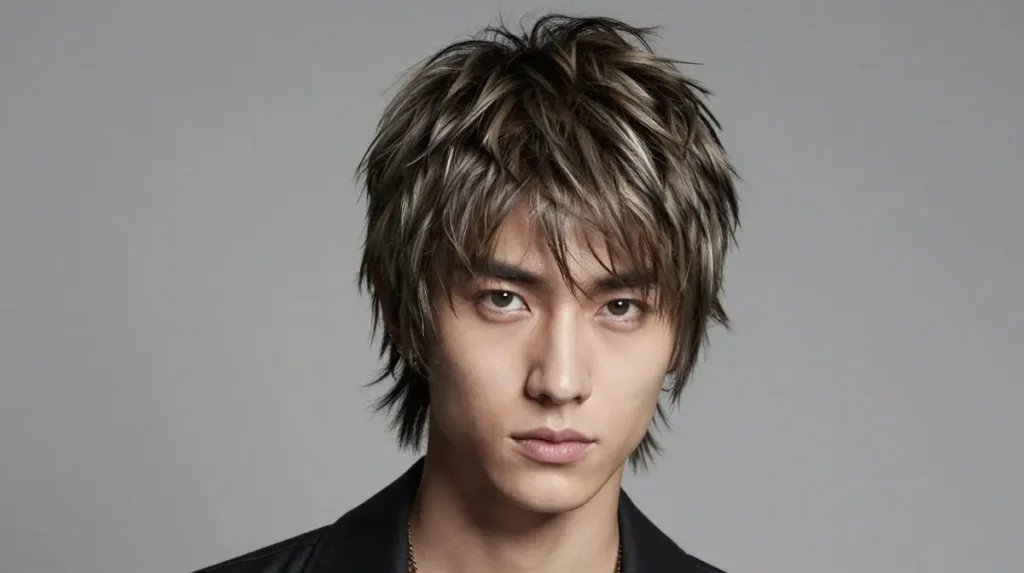
Wolf cut celebrity men inspiration ranges from musicians to actors who have helped bring this style back into mainstream visibility.
The common thread across celebrity versions is that each one is adapted to suit the individual’s face shape, hair texture, and personal aesthetic. Use celebrity references as a starting point, not a strict blueprint.
Quick Wolf Cut Comparison Table
| Style Variation | Best Hair Type | Face Shape Fit | Maintenance Level | Key Feature |
|---|---|---|---|---|
| Classic Shaggy Wolf Cut | Wavy, Curly | Most shapes | Low | Choppy, tousled layers |
| Wolf Cut Fade | All types | Square, Oval | Medium | Clean sides, textured top |
| Wolf Cut with Curtain Bangs | Straight, Wavy | Oval, Square | Low-Medium | Face framing bangs |
| Korean Wolf Cut | Straight, Fine | Oval, Round | Medium | Sleek blow-dry finish |
| Wolf Cut Undercut | Thick hair | Oval, Oblong | Medium | High contrast disconnect |
| Long Wolf Cut | Thick, Wavy, Curly | Oval, Oblong | Low | Full layered length |
| Wolf Cut for Fine Hair | Fine, Straight | All shapes | Low | Soft layers, volumizing |
Conclusion
The wolf cut is not a passing trend. It has earned its place as one of the most flexible men’s layered haircuts available because it genuinely adapts to different hair types, lengths, and personal styles. Whether you go short and textured, long and shaggy, polished with curtain bangs, or messy and effortless, the foundation stays the same: layers that move, texture that lives, and a silhouette that feels current without trying too hard.
Talk to your barber or stylist, bring a few reference photos, and be clear about how much time you want to spend styling. From there, the wolf cut almost takes care of itself.
You can may also like this: 22 Gray Crochet Braids Hairstyles Ideas for Older Women
Frequently Asked Questions
1. What is a wolf cut for men? A wolf cut for men is a layered, shaggy haircut that combines elements of the 70s shag and the classic mullet. It features choppy layers throughout the hair, with more volume at the crown and longer, textured ends. The result is a relaxed, slightly edgy look with natural movement.
2. Is the wolf cut suitable for all hair types? Yes. The wolf cut works across straight, wavy, curly, thick, and fine hair. Each hair type requires slightly different layering and styling techniques, but the core style translates well across textures. Wavy and curly hair tend to require the least effort to style.
3. How do I style a wolf cut at home? For wavy or curly hair, scrunch in a light curl cream or sea salt spray and air dry. For straight hair, rough dry with your fingers or use a diffuser for texture, then add a small amount of texturizing paste or spray. The goal is controlled messiness rather than a polished finish.
4. How often should I get my wolf cut trimmed? Every six to eight weeks is a reasonable schedule to keep the layers fresh and prevent the style from losing its shape. If you are actively growing your hair out, you can stretch trims to every ten weeks while getting the ends cleaned up lightly.
5. What is the difference between a wolf cut and a mullet? The mullet has a harder contrast between the short front and long back sections. The wolf cut distributes layers more evenly throughout the hair, making the length transition gradual. The wolf cut looks more modern and versatile, while the mullet reads as a deliberate style statement.
1 Comment