
Introduction
If you have ever grown a beard for more than a few weeks, you already know the feeling. The itch starts first, then comes the dryness, then the flaking skin underneath that turns into what groomers call beardruff, and then the coarse and unruly texture that makes even a reasonably full beard look neglected and uncomfortable. Most men push through these stages without realizing that a single daily product can address every one of these problems simultaneously and in just a few seconds each morning. Beard oil is designed to keep your facial hair looking smooth, smelling great, and growing strong.
Beard oil has major benefits for your facial hair, but also for the sensitive skin beneath your beard. Beard oil works behind the scenes, doing the kind of heavy lifting your beard cannot do on its own. It hydrates the skin underneath, softens coarse hair, and keeps everything looking full and healthy. Without it, dryness sets in, itch creeps up, and the beard starts to lose its shape and strength. This guide answers the question of what beard oil does comprehensively and practically so you know exactly what it is, what to expect from it, and how to use it correctly.
What Is Beard Oil and What Is It Made Of
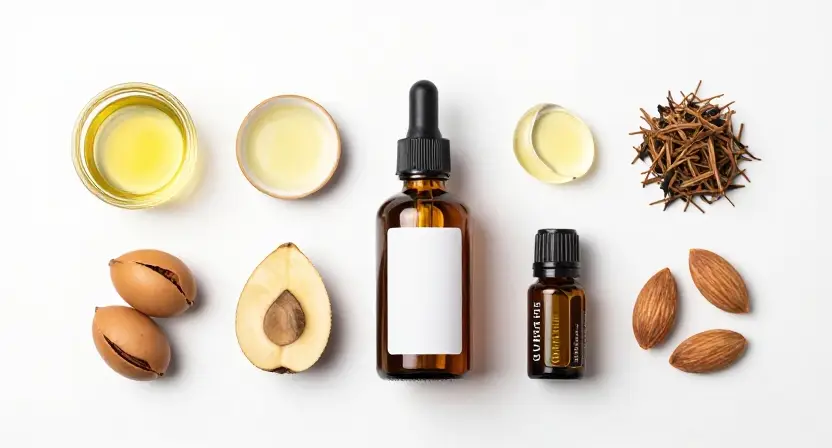
Beard oil is a fundamental part of maintaining a healthy beard, ensuring that it is soft, shiny, and dandruff-free. The best beard oils can also provide hydration, tame flyaway hairs, and even promote faster hair growth. Carrier oils are the MVPs of beard oil. They serve as the primary moisturizing agent, providing essential fatty acids that hydrate and nourish your beard hair and facial skin. For instance, argan oil, derived from the seeds of the argan tree, is renowned for its moisturizing properties. Essential oils provide the beard oil’s fragrance and bring a variety of skin and hair benefits.
They often include antioxidant-rich natural ingredients such as vitamin E and other beneficial compounds. Common carrier oils used in quality beard oil formulations include jojoba oil, argan oil, sweet almond oil, coconut oil, castor oil, grapeseed oil, and avocado oil, each bringing its own specific combination of fatty acids, vitamins, and moisturizing properties. Common essential oils added for fragrance and additional benefits include cedarwood, sandalwood, tea tree, eucalyptus, peppermint, and lavender, which also contribute antimicrobial, anti-inflammatory, and skin-soothing properties beyond their aromatic quality.
What Does Beard Oil Do for the Skin Underneath
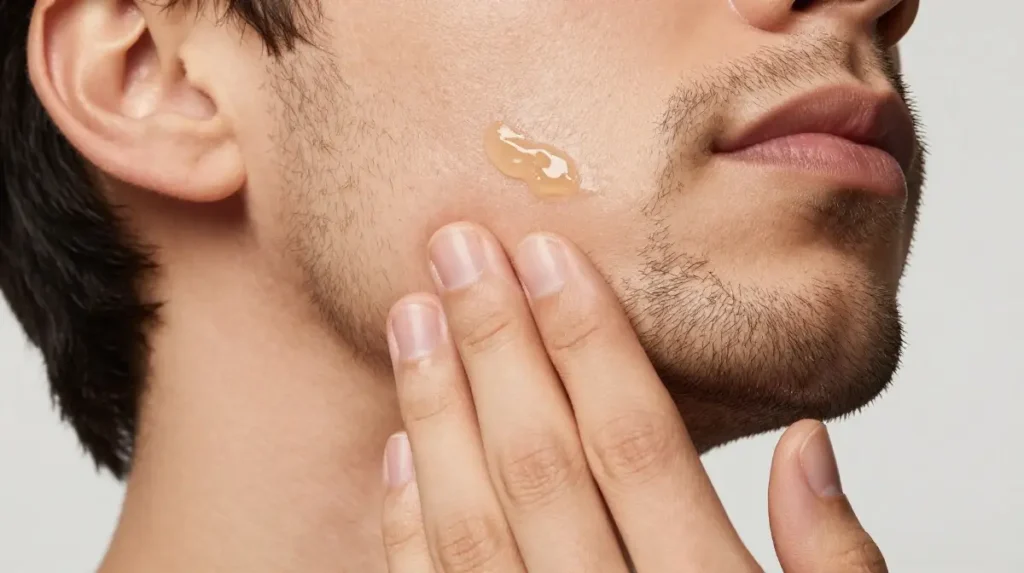
Most articles focus only on beard hair. That is a mistake. Beard oil works primarily on the skin underneath your beard, not just the hair you see. Healthy beard growth starts with healthy skin. When the skin under your beard is dry, irritated, or clogged, beard hair becomes brittle, itchy, and prone to breakage. The skin beneath a beard is one of the most consistently neglected areas of men’s skincare because it is hidden from view and therefore rarely considered in the same way that the visible facial skin receives moisturizing and protective attention.
But the health of this hidden skin is directly and immediately responsible for the health and appearance of the beard growing from it, and dry, inflamed, or unhealthy under-beard skin consistently produces brittle, itchy, and poorly growing facial hair regardless of how good the beard genetics might otherwise be. The natural oils in your skin can only go so far. Over time, washing, heat, and weather strip them away. Beard oil steps in to replace what is lost, giving your beard the nourishment it needs to grow strong and stay soft.
Does Beard Oil Stop Beard Itch
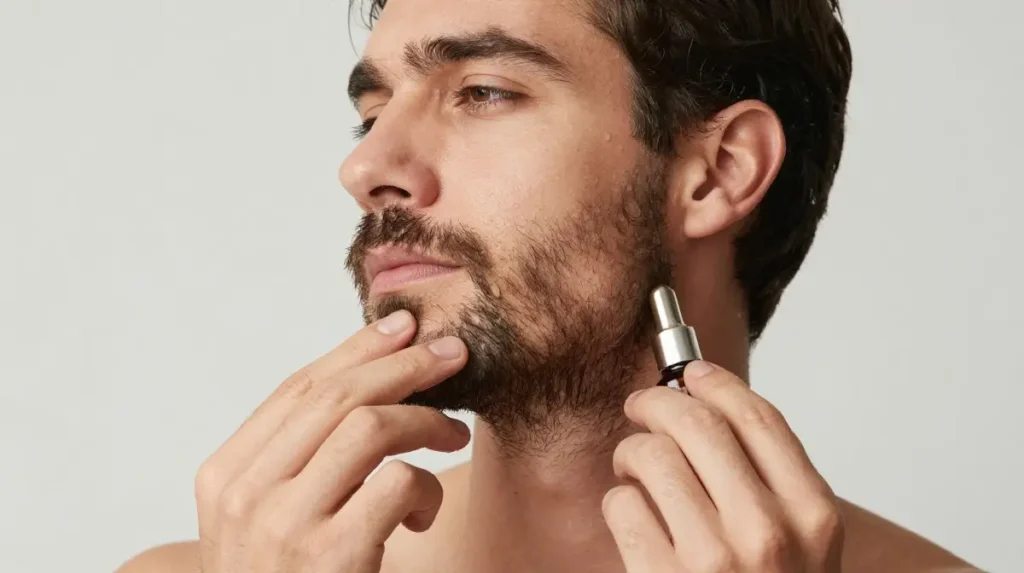
One of the most common and immediately motivating reasons that men try beard oil for the first time is the beard itch that develops in the first two to six weeks of growing facial hair, when the newly cut ends of the beard hairs curl back toward the skin and create a scratching sensation that many men find so uncomfortable it causes them to shave off the beard entirely before it has had a genuine chance to develop. When using beard oil, you should apply it directly to your facial hair and the skin beneath it. This allows it to provide hydration, reduce itchiness, and promote a healthy environment for beard growth. Beard oil does this by mimicking the natural oils known as sebum that your skin produces, helping keep your skin moisturized and your hair nourished.
The moisturizing effect of the carrier oils in beard oil softens the cut ends of the beard hairs and hydrates the skin surface simultaneously, reducing the physical irritation that creates the itch sensation and making the early beard growth stage significantly more comfortable and manageable for men willing to use the product consistently from the beginning.
Does Beard Oil Eliminate Beard Dandruff

Beard dandruff, commonly called beardruff in grooming culture, is one of the most frustrating and confidence-affecting beard problems that men experience, producing visible white or grey flakes of dead skin that fall from the beard onto clothing and surfaces in an embarrassing and persistent way that regular shampooing alone rarely resolves fully. Beard oil helps to reduce dandruff by moisturizing the skin beneath the beard, preventing it from becoming dry and flaky. You can also use a beard wash to promote the removal of beard dandruff.
Dry, dead skin leads to scratching, which can lead to dandruff. Beard oils provide the required moisturization to the skin beneath and prevent dandruff and itchiness. This is one of the beard oil benefits which helps in keeping the itching away. The consistent daily application of beard oil directly addresses the root cause of beard dandruff, which is insufficient moisture in the skin beneath the beard, rather than simply managing the visible symptoms of the problem as medicated dandruff shampoos typically do.
Does Beard Oil Soften Coarse Beard Hair
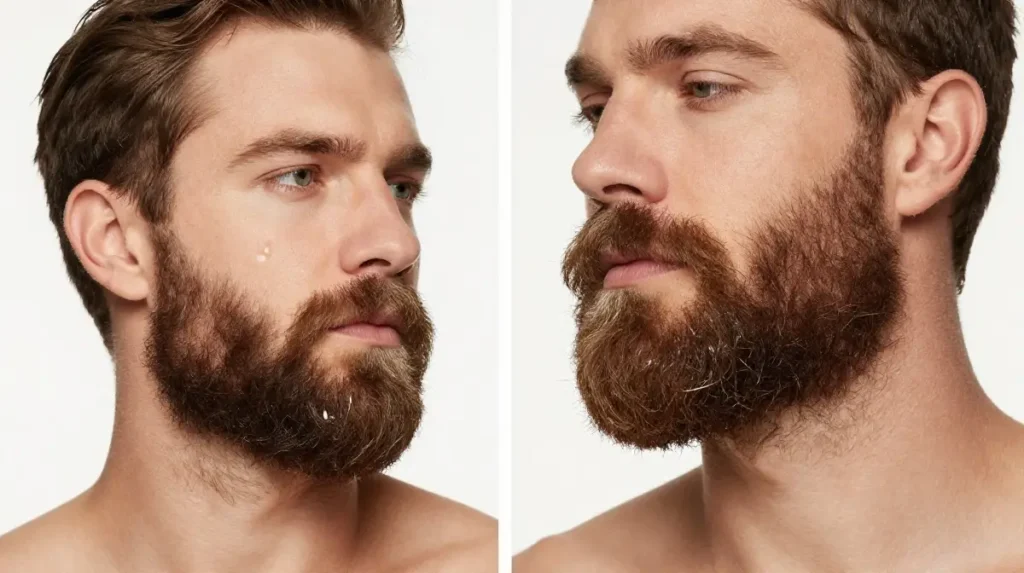
Beard hair is structurally different from scalp hair in several important ways, being generally coarser, curlier at the individual strand level, and more prone to developing a rough and scratchy texture that makes the beard uncomfortable both for the wearer and for anyone the beard comes into contact with during physical interaction. It hydrates both your facial hair and the skin underneath, helps to soften coarse beard hair and reduces beard itch. Incorporate it into your daily grooming routine for the best results.
The carrier oils in beard oil penetrate the outer layer of each individual beard hair shaft and deposit moisturizing fatty acids and vitamins directly into the hair structure, improving the hair’s internal moisture content and reducing the surface roughness that makes coarse beard hair feel scratchy and look dull. A few drops every day help prevent breakage, reduce irritation, and bring back that clean, well-kept look. Men who use beard oil consistently for two to four weeks almost universally report a noticeable improvement in the softness and texture of their facial hair that makes the beard considerably more comfortable and more pleasant to touch.
Does Beard Oil Help with Beard Growth
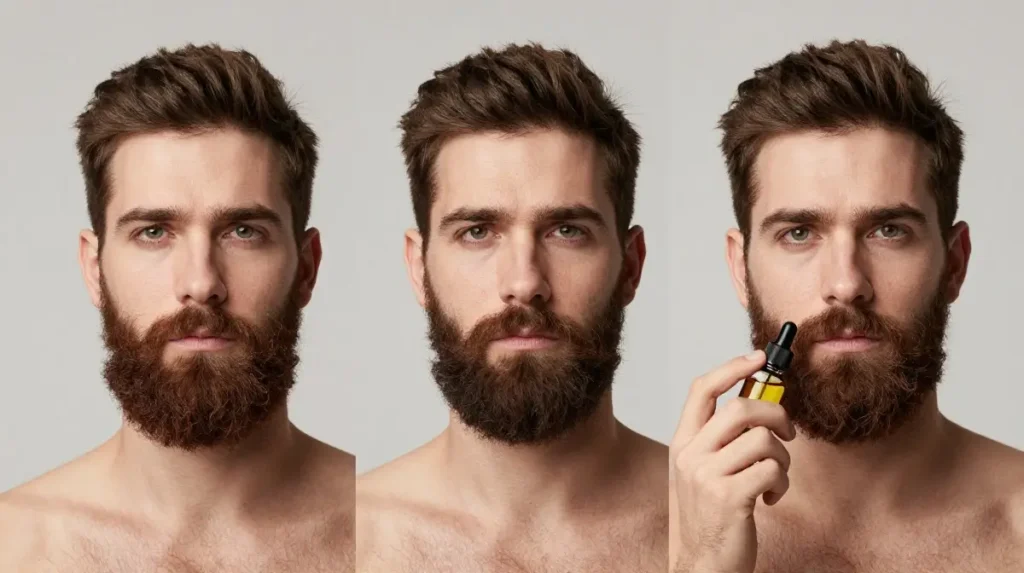
Beard oil nourishes both the skin and follicles, which supports a stronger growth pattern over time. Even short or patchy beards benefit because the oil keeps the hair conditioned, reduces irritation, and gives it a more even appearance. The relationship between beard oil and beard growth is more nuanced than the marketing language of many beard oil brands suggests, and understanding it honestly prevents the disappointment that comes from expecting beard oil alone to dramatically increase the rate or density of facial hair growth in areas where the genetics simply do not support it.
Beard oil does not directly stimulate hair follicles in the same physiological way that dedicated hair growth treatments like minoxidil do, but it creates the optimal skin and follicle environment for the fullest possible expression of the individual’s genetic beard growth potential. Beard oil supports healthy conditions. It does not work overnight. Men who start using beard oil at the beginning of their beard growth journey consistently report that their beard appears fuller, healthier, and more evenly developed than their previous attempts without beard oil support.
Does Beard Oil Make the Beard Shinier
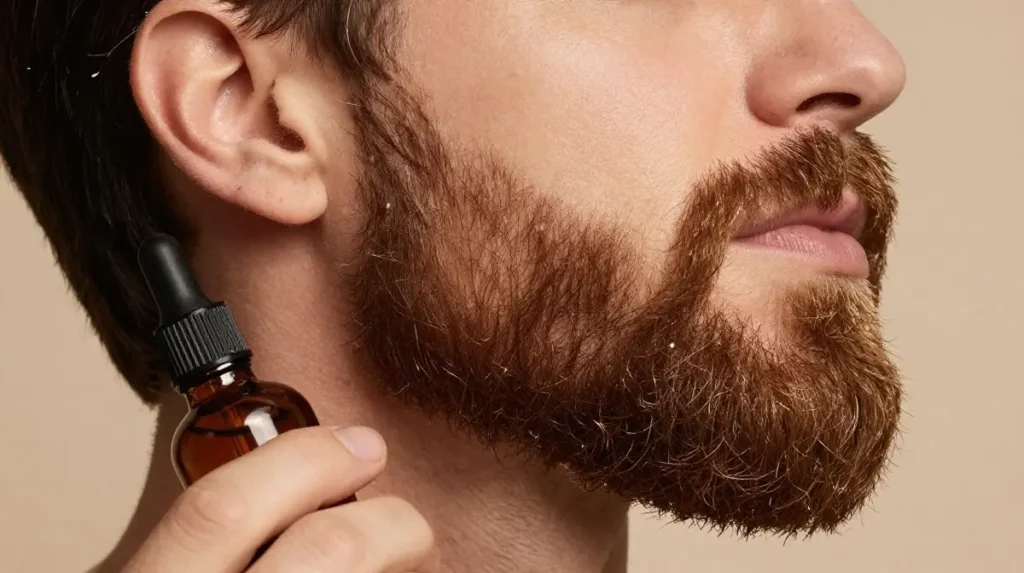
One of the most immediately visible effects of regular beard oil use is the improvement in the overall appearance and shine of the beard, which transitions from the dull and slightly rough-looking surface of an untreated beard to the healthy, slightly lustrous, and well-conditioned appearance of a beard that is receiving consistent moisture and nourishment at the individual strand level. Beard oil is a fundamental part of maintaining a healthy beard ensuring that it is soft, shiny, and dandruff-free. The shine produced by beard oil is not a heavy or greasy artificial gloss but rather the natural light reflection of well-moisturized and conditioned hair, which is the same quality of shine associated with genuinely healthy scalp hair on people who maintain it properly.
A small amount of a quality beard oil applied correctly to a clean beard produces this healthy shine immediately and maintains it throughout the day without requiring reapplication. Men whose beards appear dull, wiry, or rough in color and texture almost always see a notable improvement in appearance within the first few days of introducing beard oil to their daily grooming routine.
Does Beard Oil Help Tame Flyaways and Unruly Hair
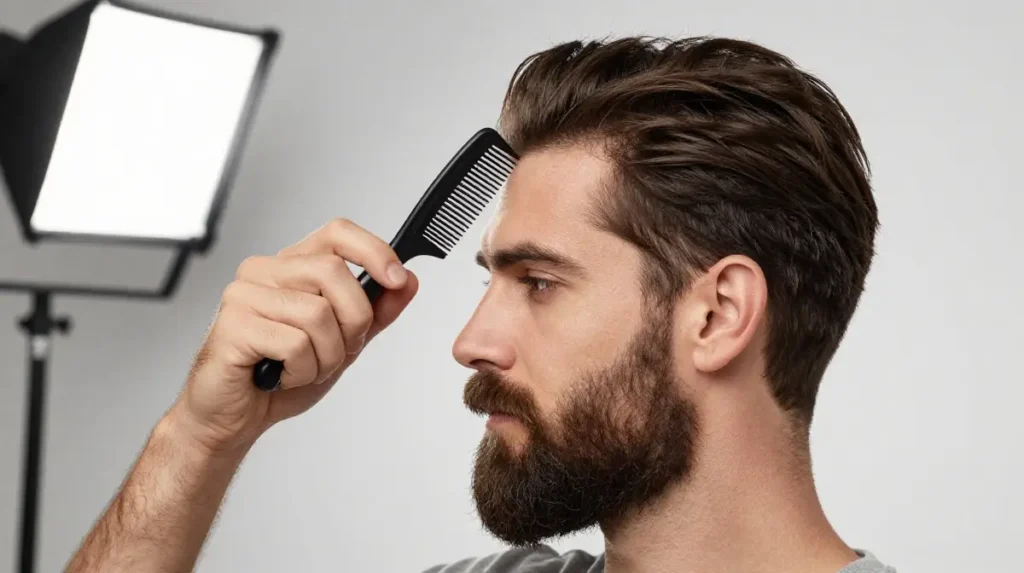
Beard oil will help you in taming your facial hair carefully, making it more manageable. Unruly beard hairs that grow in different directions, stick out at odd angles, or refuse to lie in the intended direction of the overall beard style are one of the most common grooming frustrations for men with longer or coarser beards, and the taming and conditioning effect of beard oil is one of the most practically useful solutions to this specific problem.
The moisturizing and slightly coating effect of the carrier oils in beard oil reduces the static and dryness that makes individual beard hairs behave independently and instead encourages them to lie more cooperatively in the intended direction of the beard style. Wait about a minute or two for the oil to absorb fully. Once it is set, you can comb or shape your beard without resistance. The oil adds smoothness and control, making styling faster and cleaner without any greasy residue. A beard brush or a wide-tooth comb used immediately after beard oil application maximizes the taming and directional styling effect of the product.
What Are the Main Ingredients in a Quality Beard Oil
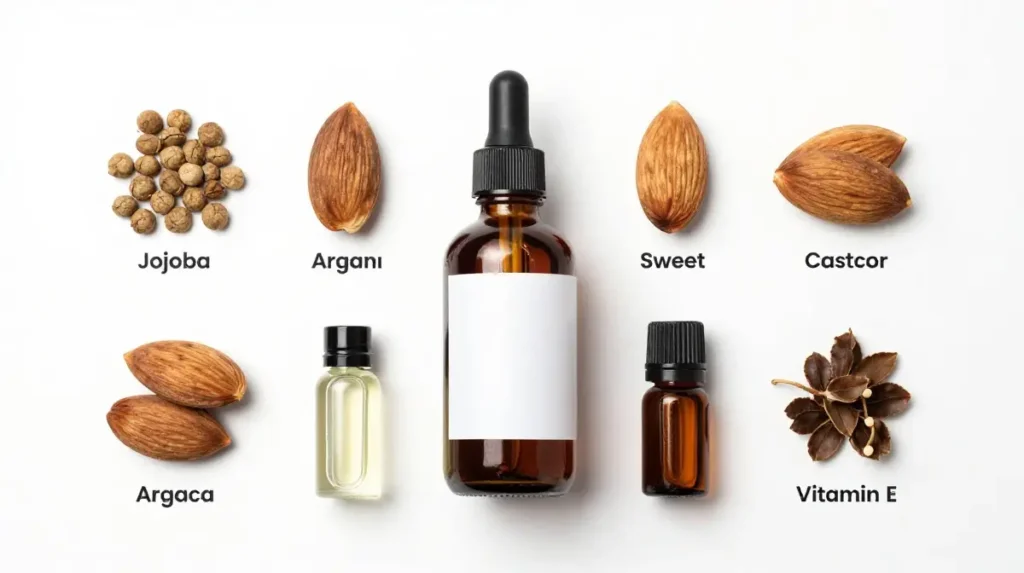
The quality of a beard oil is determined almost entirely by the quality and appropriateness of its ingredient list, and understanding which carrier oils and essential oils produce the best results for different beard types and skin conditions helps men choose the most effective product for their specific needs. Jojoba oil is considered by many grooming experts to be the finest carrier oil available for beard use because its molecular structure is remarkably similar to the natural sebum produced by human skin, which means it absorbs exceptionally well without leaving a greasy residue and is compatible with virtually every skin type including sensitive and acne-prone skin.
Argan oil provides exceptional moisturizing and shine-enhancing properties through its high content of oleic acid, linoleic acid, and vitamin E. Sweet almond oil is one of the most effective softening agents for coarse beard hair. Castor oil, when used in small proportions within a blend, adds a degree of thickness and staying power that helps the overall formulation maintain its moisturizing effect for longer between applications. If your beard oil contains sesame seed oil, hemp seed oil, canola oil, or others which have polyunsaturated fats, the beard oil may be poorly formulated and may cause issues like dry skin and dandruff in the long run.
How to Apply Beard Oil Correctly
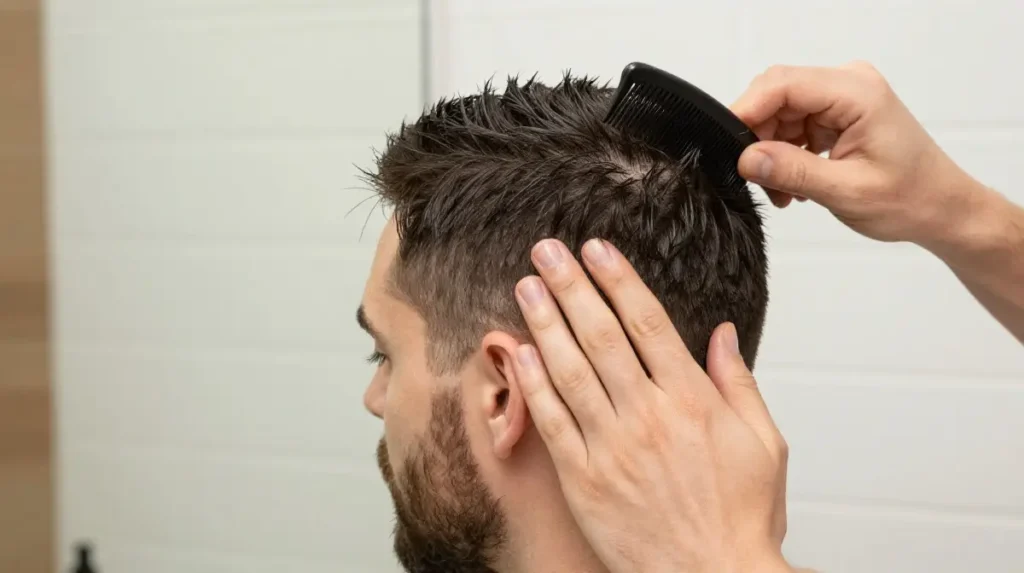
Rub your hands together and massage the oil evenly through your beard, starting from the roots and working your way to the tips. Use a beard brush or comb to distribute the oil evenly and style your beard as desired. By following these steps, you can ensure that the beard oil penetrates the hair follicles and the skin underneath, providing maximum benefits. The correct application of beard oil begins with a clean, slightly damp beard because the moisture already present in the hair after washing or a shower helps the carrier oils spread more evenly and penetrate more effectively than application to completely dry hair.
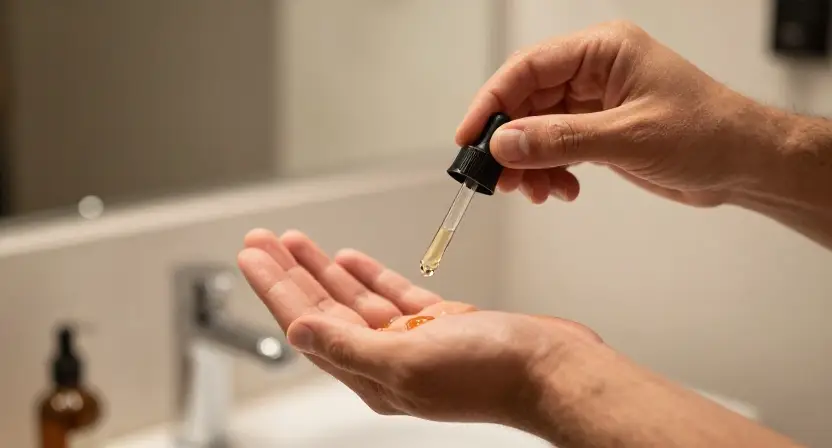
Dispense the appropriate number of drops into the palm of one hand and rub both hands together to warm the oil before applying it, because warm oil spreads and absorbs more efficiently than cold oil applied directly from the bottle. Massage the oil into the skin beneath the beard first using the fingertips, ensuring the hidden skin receives its full share of the moisturizing benefit before working the remaining oil through the beard hairs from root to tip with the hands and fingers. Massage the oil directly into the skin under your beard first. Work the remaining oil through your beard and moustache evenly.
How Much Beard Oil Should You Use
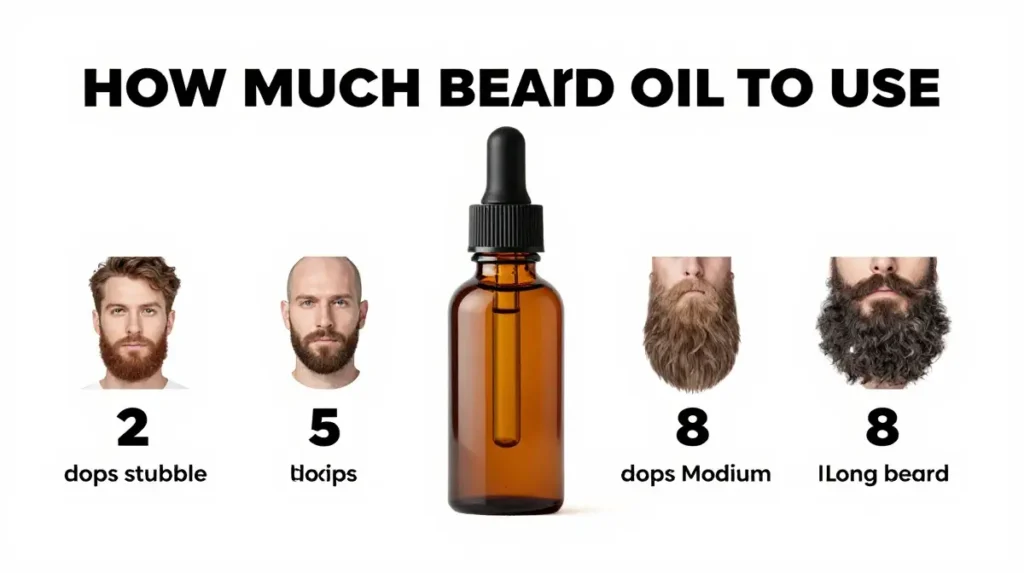
The appropriate amount of beard oil to use in a single application depends primarily on the length and density of the beard rather than on any fixed rule, and using too much or too little of the product are both common mistakes that reduce its effectiveness and can create either an unwanted greasy appearance or an insufficient moisturizing effect. A beard at the stubble or very short beard stage typically requires just two to three drops of beard oil per application, which is enough to moisturize the small area of skin and the limited hair surface involved without creating excess product residue.
A medium-length beard of two to four inches typically benefits from four to six drops per application, while a longer and denser full beard may require eight to ten drops to achieve adequate coverage and moisturizing effect throughout the entire length and volume of the hair. The simplest practical guide is to start with fewer drops than you think you need, work the oil through the beard thoroughly, and add one more drop at a time if the beard still feels dry or the skin beneath still feels tight after the initial application has been absorbed.
When Is the Best Time to Apply Beard Oil
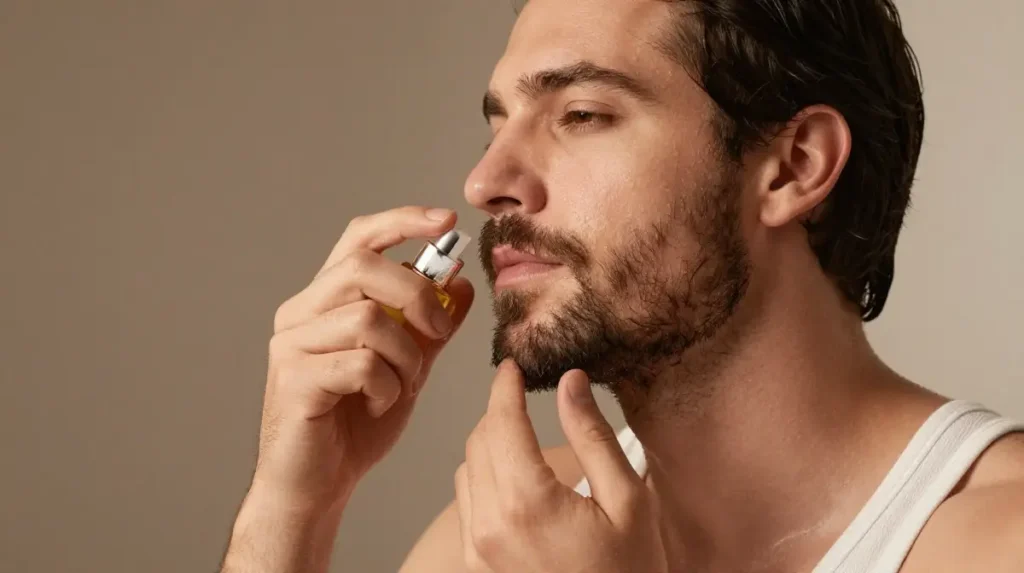
Apply beard oil daily or every other day as directed. Dispense a small amount into your palm. Massage the oil directly into the skin under your beard first. The optimal timing for beard oil application is immediately after showering or washing the face when the beard is still slightly damp, because this timing combines two specific advantages that make the product more effective than application to completely dry hair. The slight moisture remaining in the beard after washing opens the hair cuticle slightly, creating a more receptive surface for the carrier oils to penetrate and deliver their moisturizing and conditioning ingredients to the inner structure of each hair shaft rather than simply coating the surface.
The warmth of the skin after showering also increases circulation to the skin surface and allows the oils to spread and absorb more quickly and evenly. Applying beard oil as part of the morning routine immediately after showering creates the most consistent habit formation and ensures the beard receives its daily moisturizing dose at the point when the hair and skin are most receptive to the product.
How Often Should You Use Beard Oil
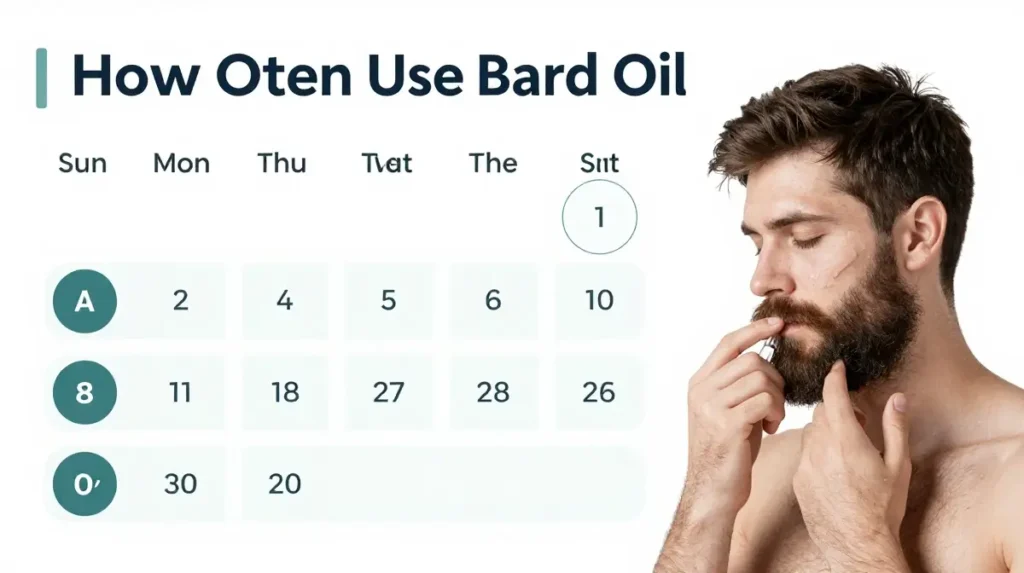
Use your oil daily, stay consistent, and let your beard tell your story: strong, steady, and built to last. Daily use of beard oil is the recommendation that the majority of grooming experts and experienced beard growers consistently make, and the reasoning behind this recommendation is that the moisturizing effect of a single application of beard oil does not last indefinitely and needs to be replenished regularly to maintain the continuous hydration and conditioning that healthy beard skin and hair require.
Men with particularly dry skin or very long beards may find that twice-daily application, once in the morning and once before bed, provides better overall moisturizing coverage and more consistent skin comfort than a single daily dose. Men with naturally oily skin or very short beards may find every other day application is sufficient to maintain adequate moisture without the beard feeling over-conditioned or heavy. The most reliable approach is to start with daily application and adjust the frequency based on how the beard and skin actually feel rather than following a fixed schedule that may not match the specific needs of the individual.
Beard Oil vs. Beard Balm: What Is the Difference
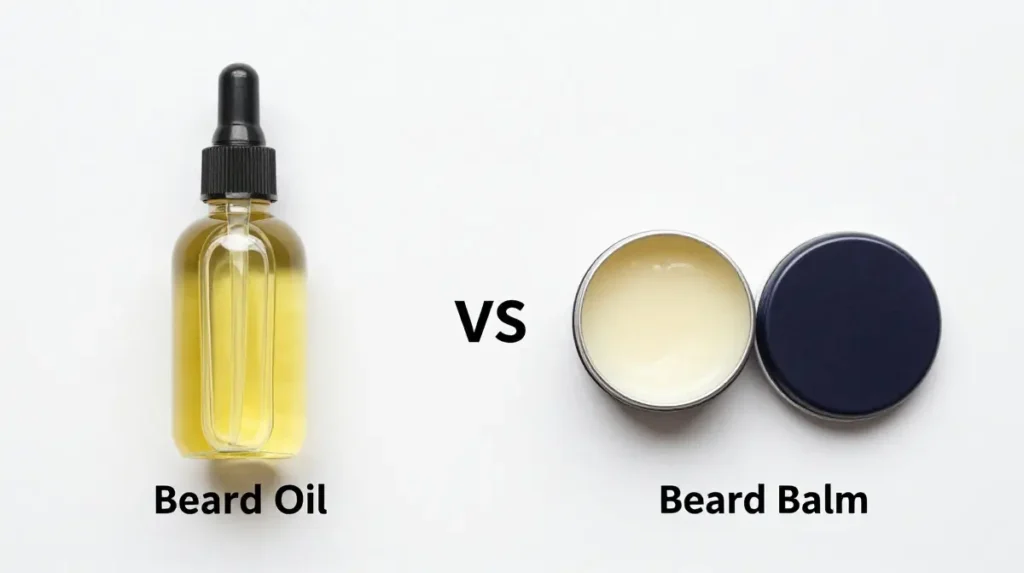
For longer beards, the use of Beard Balm is also recommended. Beard Balm uses many of the same carrier oils as beard oil but also adds natural butters for a more intense conditioning experience. Beard oil vs. Beard Balm: both products serve important but slightly different purposes. Many men start with beard oil and add beard balm as their beard grows longer. Some use both together for maximum benefit. The fundamental difference between beard oil and beard balm is one of consistency and hold, with beard oil being a pure liquid that absorbs quickly and provides deep moisturizing without any styling hold, while beard balm includes waxes and butter components that provide a light styling hold alongside the moisturizing function of the oils in the formulation.
Beard oil is generally considered the superior choice for the skin beneath the beard and for the moisturizing and conditioning of the beard hair because its liquid consistency allows for deeper penetration into both the skin and the hair shaft. Beard balm is more useful for longer beards that benefit from the light shaping and hold that the wax component provides. Many experienced beard growers use both products together, applying beard oil first for deep moisture and then beard balm on top for light styling control.
Beard Oil vs. Beard Serum: Understanding the Difference
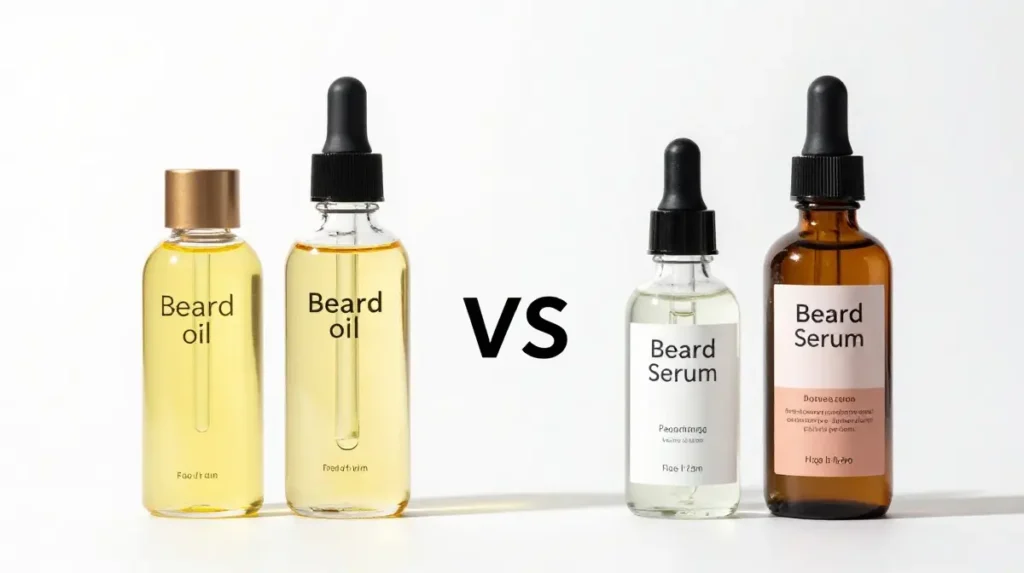
The growing beard care market has introduced a range of specialized beard serums that are positioned as performance-focused alternatives to traditional beard oils, and understanding the practical difference between the two helps men choose the product that most specifically addresses their particular beard care concern. A traditional beard oil is primarily a moisturizing and conditioning product built around carrier and essential oils that nourishes the skin and hair while also providing fragrance and a degree of sheen.
A beard serum is typically a more targeted formulation that includes additional active ingredients such as caffeine, biotin, peptides, or specific hair growth compounds that are intended to provide a more direct stimulating effect on beard growth and follicle health beyond what a pure oil formulation can achieve. Men whose primary concern is moisturizing, softening, and maintaining a healthy beard will find that a quality beard oil addresses their needs completely. Men who want to actively pursue improved beard growth and density alongside the moisturizing benefits may find that a beard serum or a beard oil with specific growth-promoting ingredients provides a more targeted and satisfying result.
Is Beard Oil Safe for Sensitive Skin
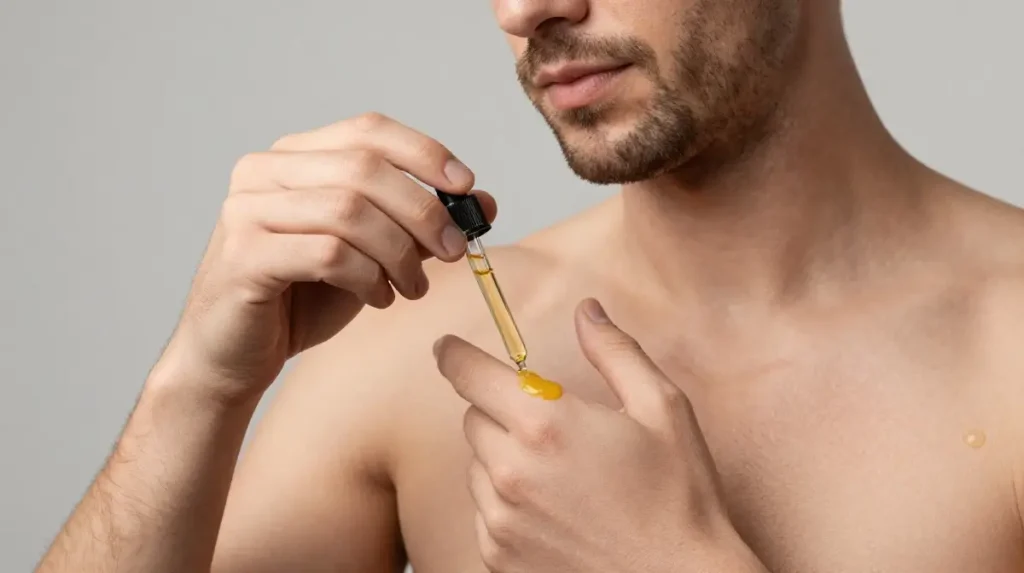
Oils come in a wide variety of scents and formulas, often incorporating soothing ingredients like jojoba oil or coconut oil to prevent skin irritation. Men with sensitive skin need to pay particular attention to the essential oil content of any beard oil they consider using because it is the essential oils, rather than the carrier oils, that are most commonly responsible for skin reactions, irritation, and allergic responses in sensitive individuals. An unscented beard oil that contains only carrier oils without any essential oil additions is the safest starting choice for men with sensitive or reactive skin, as it provides all of the moisturizing and conditioning benefits of the product without introducing the potential irritants that essential oils can represent for some skin types.
Performing a patch test on a small area of the inner wrist or the neck before applying any new beard oil to the full beard area is a prudent practice for men with any history of skin sensitivity or cosmetic product reactions. Men with acne-prone skin should look specifically for non-comedogenic carrier oils such as jojoba and grapeseed oil that do not block pores, rather than coconut oil or other more occlusive oils that can contribute to breakouts in susceptible skin types.
Can Beard Oil Cause Side Effects
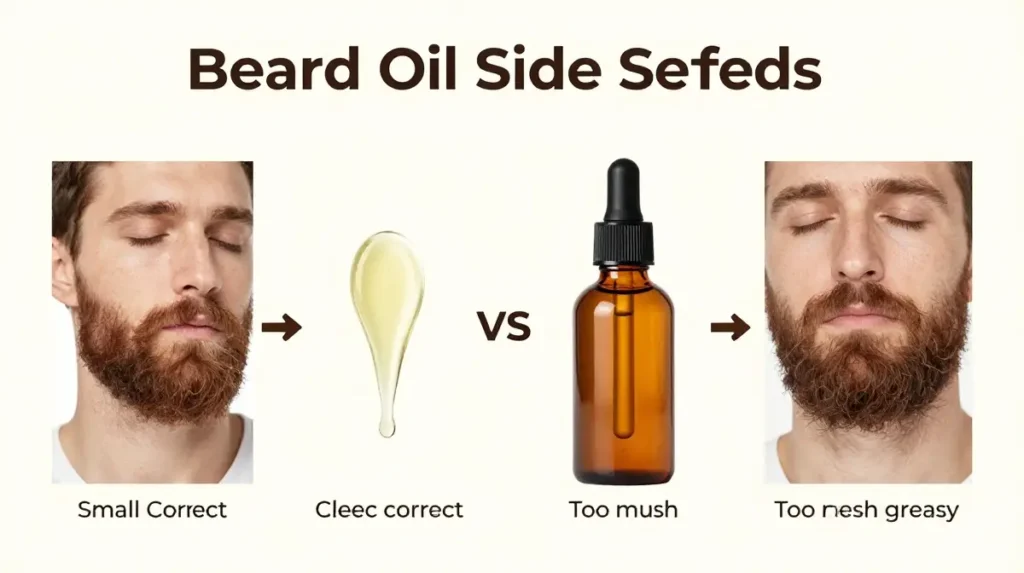
Most over-the-counter products are associated with some side effects, mild or otherwise, and beard oil is no different. Few essential oils increase your skin’s photosensitivity. The most common side effects associated with beard oil use are relatively mild and typically result from one of three causes: an allergic or sensitivity reaction to a specific ingredient in the formulation, using too much product and creating an uncomfortably greasy result, or using a poorly formulated product with inappropriate base ingredients that do not suit the individual’s skin type.
Skin redness, itching, or a rash that develops after beginning beard oil use should prompt the discontinuation of that specific product and a review of its ingredient list to identify the likely irritant. Starting with a very small amount of product and gradually increasing to the recommended application quantity helps prevent the overwhelmed and greasy feeling that sometimes discourages new beard oil users from continuing with the product long enough to experience its genuine benefits. Applying beard oil only to the beard hair and skin rather than to the surrounding facial skin reduces the risk of any interaction with the non-bearded face where the skin may have different characteristics and needs.
Does Beard Oil Work for Short Beards and Stubble
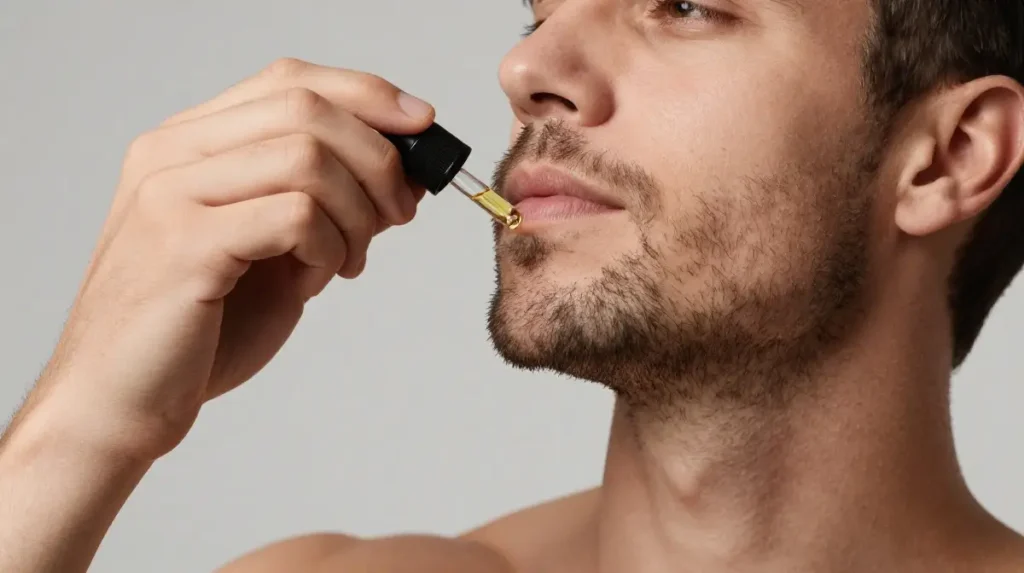
Yes. Beard oil works for all beard types, from light stubble to long, full beards. It conditions the hair, hydrates the skin underneath, and prevents dryness or irritation. Even if your beard is just starting to grow, using it early keeps the foundation healthy and ready for fuller growth later on. Men with short beards and stubble sometimes assume that beard oil is only relevant for longer and more developed beards, but the skin beneath even the shortest beard or the most recently started growing stubble benefits immediately and significantly from the moisturizing and anti-itch effects of beard oil.
The early stage of beard growth when the hair is short and the cut ends are closest to the skin surface is actually the period when the itch-reducing and skin-moisturizing functions of beard oil are most immediately valuable, because these are the most acutely uncomfortable aspects of early beard growth that cause many men to shave off the beard before it has developed past the initial difficult stage. Starting beard oil use from the very first day of growing a beard, even at the two to three drop level appropriate for very short hair, creates the healthiest possible foundation for the beard’s development.
Beard Oil Results Timeline: What to Expect
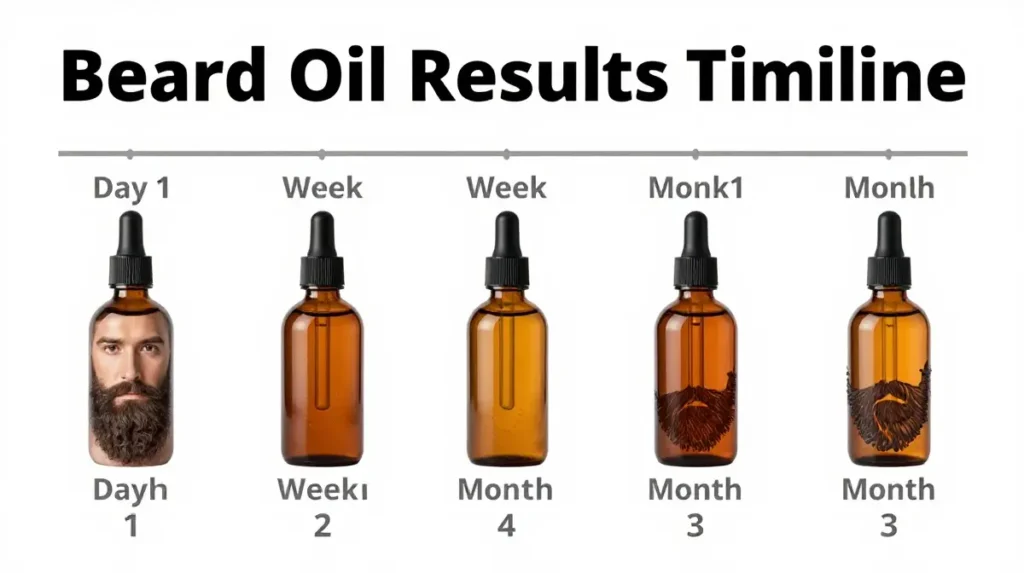
After one to two uses, skin feels hydrated, beard feels softer, and itch is reduced. After two to four weeks, beard dandruff and skin irritation decrease noticeably. Understanding the realistic timeline of beard oil results helps set appropriate expectations and prevents the most common reason men abandon the product before seeing its full range of benefits, which is simply expecting faster or more dramatic changes than a daily moisturizing and conditioning product can produce. The most immediately noticeable effects of beard oil, including reduced itch, improved softness, and a healthier and more lustrous appearance, are typically apparent within the first few days of consistent use.
The more gradual improvements in beard dandruff reduction, overall beard health, and the general manageability and appearance of the beard typically become clearly established over two to four weeks of daily application. The longest-term benefits, including improved beard conditioning and the creation of the optimal skin environment for the beard’s best possible growth and development, accumulate over months of consistent daily use and are most clearly visible in comparison photographs taken at regular intervals rather than in the day-to-day mirror experience.
Beard Oil vs. No Beard Oil: What Actually Changes
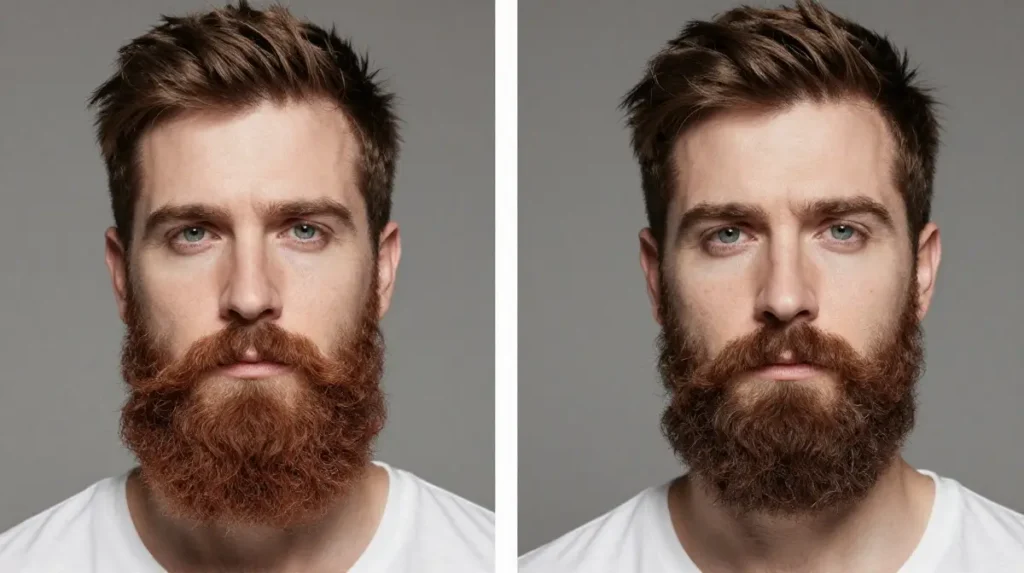
The most convincing evidence for what beard oil actually does comes from men who have grown beards both with and without beard oil and can directly compare the two experiences from their own lived grooming reality. Men who have grown a beard without beard oil and then subsequently added beard oil to their routine for a second or later attempt consistently report that the beard oil experience is significantly more comfortable in the early stages, produces a noticeably better-looking and better-feeling beard at every stage of development, and creates a considerably more pleasant and manageable grooming experience overall.
The specific differences that men most commonly describe when comparing beard oil versus no beard oil are the reduction in itch that makes the early growth period sustainable rather than miserable, the improvement in beard softness that makes the beard comfortable rather than scratchy and abrasive, the elimination or dramatic reduction of beard dandruff that makes the beard socially presentable rather than embarrassing, and the improvement in overall beard appearance and grooming ease that makes maintaining the beard feel worthwhile rather than burdensome.
How to Choose the Right Beard Oil for Your Beard Type
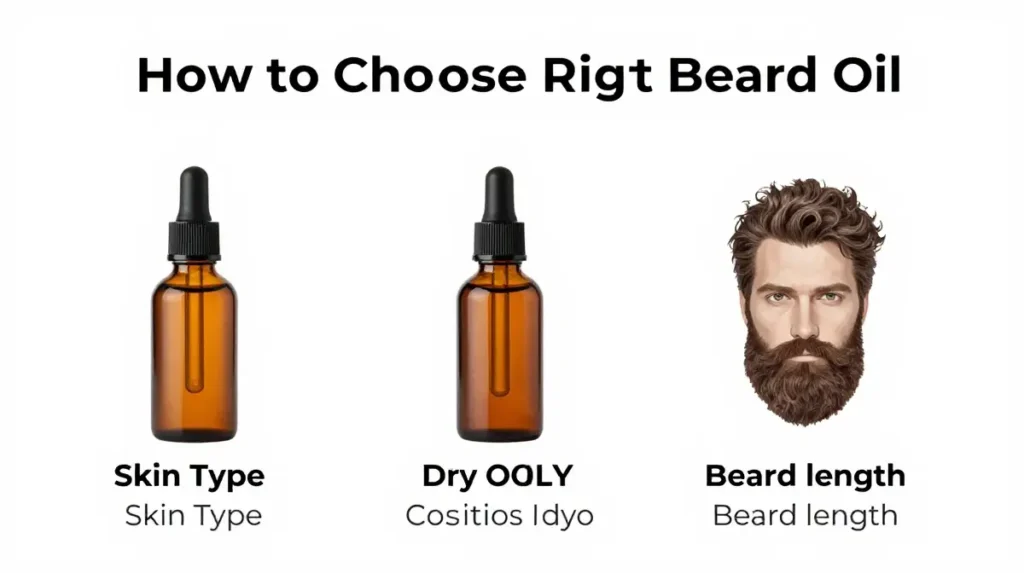
The most effective beard oil for any individual man is the one whose carrier oil base best matches his specific skin type and beard characteristics, whose essential oil blend provides a fragrance he genuinely enjoys wearing throughout the day, and whose consistency and absorption rate suit the specific length and density of his beard. Men with dry skin should look for beard oils rich in argan oil, sweet almond oil, and vitamin E which provide intensive and long-lasting moisture. Men with oily or acne-prone skin do better with jojoba oil or grapeseed oil-based formulations that are non-comedogenic and absorb quickly without contributing additional oiliness to the skin surface.
Men with sensitive skin should prioritize unscented or very lightly scented beard oils that use minimal essential oil quantities, choosing tea tree or lavender-based scents if any essential oil is desired because these are generally the least irritating options for reactive skin. Men with particularly long or dense beards may find that a slightly thicker carrier oil blend including a small proportion of castor oil provides better lasting coverage and conditioning power throughout the full length and volume of the beard than lighter and more quickly-absorbed formulations.
Building a Complete Beard Care Routine with Beard Oil
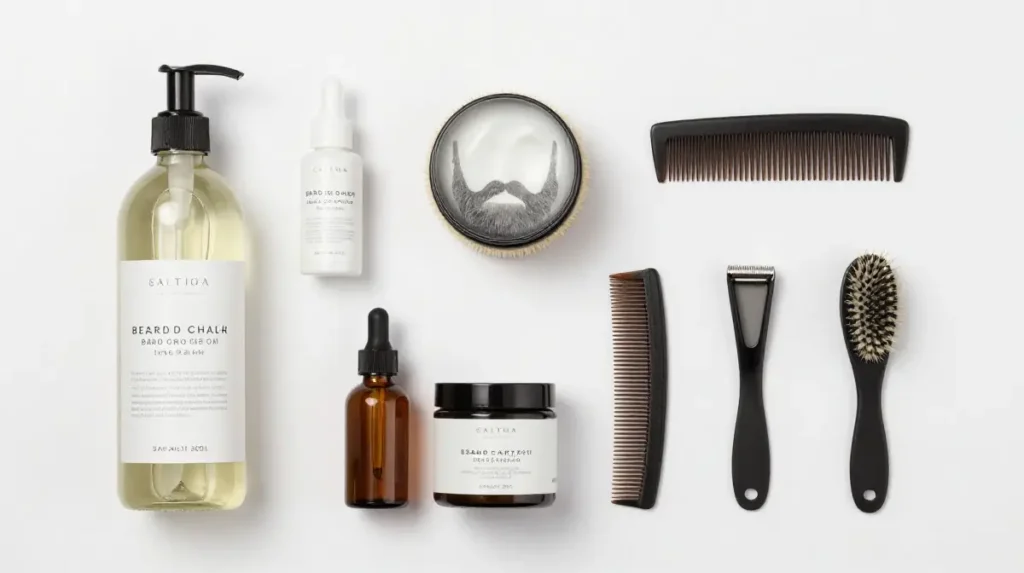
Use Beard Oil. It hydrates both your facial hair and the skin beneath, helps to soften coarse beard hair and reduces beard itch. Incorporate it into your daily grooming routine for the best results. Beard Hygiene: Just like the hair on your head, your beard needs regular washing. Special beard shampoos are available that clean without stripping away the natural oils your facial hair needs. Diet Matters: A healthy diet can boost the health of your facial hair. Consuming foods rich in vitamins A, B, C, and E, as well as protein and Omega-3 fatty acids, can strengthen your hair and foster growth.
A complete and effective beard care routine built around beard oil as its foundational daily product typically includes washing the beard two to three times weekly with a dedicated beard shampoo or wash that cleanses without stripping natural oils, applying beard oil immediately after each wash while the beard is still slightly damp, following the oil application with a beard brush or comb to distribute the product evenly and train the hair in the intended growth direction, applying a beard balm on top of the oil for light styling hold and additional conditioning when needed, and trimming or visiting a barber regularly to maintain the intended shape and remove any damaged or split ends that reduce the overall quality of the beard’s appearance. An experienced barber can help you identify the right oil based on your beard length, skin type, and any sensitivities or special concerns you might have.
Quick Reference Table: Beard Oil Benefits at a Glance
| Benefit | How It Works | Timeline | Best Ingredient |
|---|---|---|---|
| Reduces beard itch | Moisturizes skin and softens cut hair ends | Immediate to 3 days | Jojoba oil, sweet almond oil |
| Eliminates beardruff | Hydrates under-beard skin preventing flaking | 2 to 4 weeks | Argan oil, vitamin E |
| Softens coarse hair | Penetrates hair shaft with moisturizing fatty acids | 3 to 7 days | Sweet almond oil, argan oil |
| Adds healthy shine | Conditions hair cuticle for light reflection | Immediate | Argan oil, jojoba oil |
| Tames flyaways | Reduces static and coats hair for directional cooperation | Immediate | Castor oil, coconut oil |
| Supports beard growth | Creates optimal skin and follicle environment | 4 to 12 weeks | Vitamin E, jojoba oil |
| Provides fragrance | Essential oil blend delivers personal scent | Immediate | Cedarwood, sandalwood, eucalyptus |
Conclusion
Beard oil is one of the most essential products for bearded customers. This moisturizing product is designed specifically for facial hair, and while it lends itself especially well to longer, thicker beards, beard oil is a great option for anyone looking to keep their facial hair in tip-top shape. The honest answer to what beard oil does is that it does several genuinely important things simultaneously and consistently when used correctly as a daily grooming product. It moisturizes the skin beneath the beard to prevent itch, flaking, and discomfort.
It conditions the beard hair to improve softness, shine, and manageability. It creates the optimal skin environment for the best possible beard growth. And it provides a personal fragrance that becomes part of a man’s daily grooming identity. None of these benefits are dramatic or overnight, but all of them are real, cumulative, and immediately felt from the first application. If you have a beard and you are not using beard oil, you are making every aspect of having that beard harder than it needs to be. Start with two to three drops today and give it four weeks of consistent daily use before drawing any conclusions.
You can may also like this: 22 Beard Roller Tips Ideas for Better Beard Growth Results
FAQs
Does beard oil actually make your beard grow faster
Beard oil nourishes both the skin and follicles, which supports a stronger growth pattern over time. Even short or patchy beards benefit because the oil keeps the hair conditioned, reduces irritation, and gives it a more even appearance. It creates the best possible conditions for beard growth but does not directly stimulate follicles in the way dedicated growth treatments do.
Can I use beard oil every day
Use your oil daily, stay consistent, and let your beard tell your story: strong, steady, and built to last. Daily use is recommended by most grooming experts. Men with oily skin may prefer every other day application while those with very dry skin or long beards may benefit from twice-daily use.
When should I apply beard oil in my daily routine
The best time to apply beard oil is immediately after showering or washing the face when the beard is still slightly damp. The moisture and warmth of the skin after washing allow the oil to spread and absorb most effectively into both the skin and the hair.
How many drops of beard oil should I use
Two to three drops for stubble and short beards, four to six drops for medium-length beards, and eight to ten drops for long or dense full beards. Start with fewer drops than you think you need and add more if the beard still feels dry after the initial application absorbs.
What is the difference between beard oil and beard balm
Beard oil vs. Beard Balm: both products serve important but slightly different purposes. Many men start with beard oil and add beard balm as their beard grows longer. Some use both together for maximum benefit. Beard oil is a pure liquid for deep moisturizing with no hold, while beard balm includes waxes for light styling control alongside its conditioning ingredients.
1 Comment