
Introduction
Short hair does not have to mean flat or boring. If your hair naturally waves and you are tired of it looking limp by midday, a wavy shag haircut might be exactly what you need. This cut is built around movement, so instead of fighting your texture, you work with it.
The shag has been reinvented so many times over the decades that there is now a version for almost every hair type and lifestyle. Whether your hair is fine, thick, curly, or somewhere in between, there is a shag variation that will add body without extra effort. It is also one of the more forgiving cuts when it comes to growing it out or adjusting the length.
This guide walks through 22 wavy short shag haircuts, along with practical styling advice, maintenance tips, and guidance on which version fits your hair texture and daily routine best.
What Makes a Wavy Short Shag Haircut Work
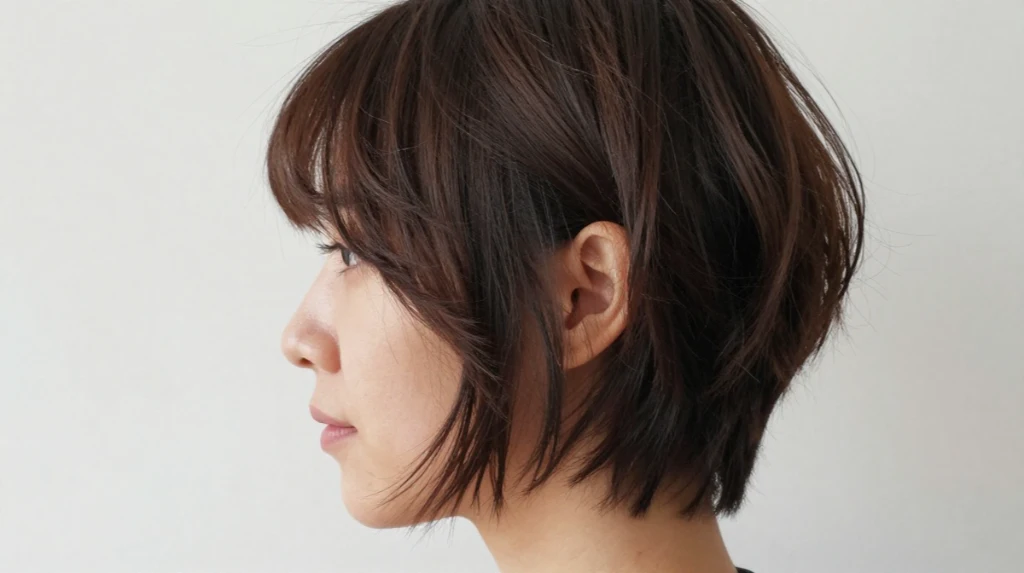
A shag haircut relies on layers cut at different lengths throughout the head, which creates natural lift and separation. When paired with wavy hair, those layers catch the movement of the wave instead of weighing it down. This is why the cut looks full even on hair that would otherwise feel thin.
The best part is that a wavy shag does not need to be perfect to look good. Slightly undone waves actually enhance the layered effect. A light texturizing spray and some finger styling are usually all it takes to bring the cut to life each morning.
Textured Shag Cut for Natural Waves
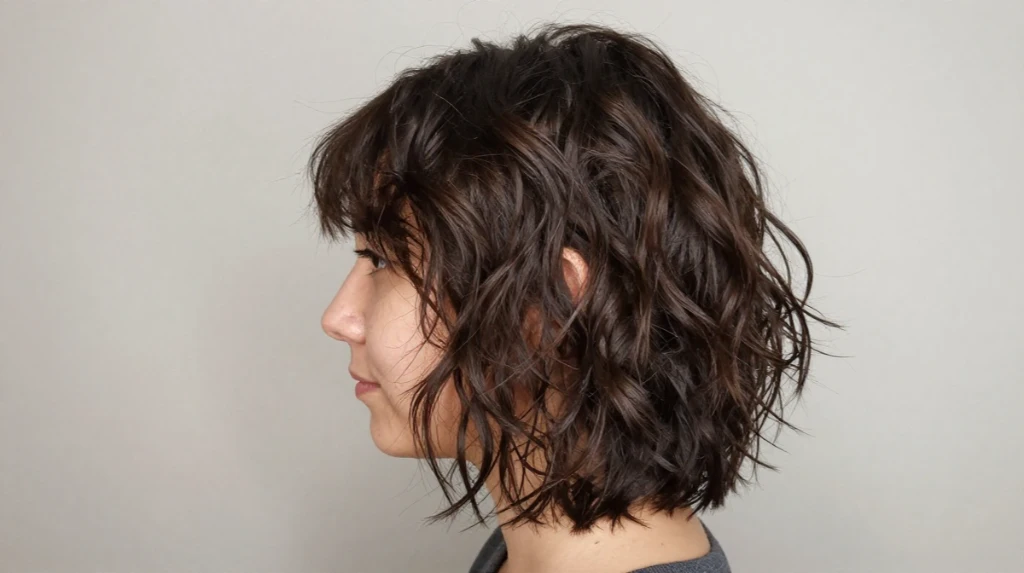
A textured shag is designed specifically to highlight the natural bend in your hair rather than smooth it out. The layers are cut with a razor or point-cutting technique, which softens the ends and encourages more visible texture. This works especially well for hair with a loose, S-shaped wave pattern.
To maintain the texture, avoid brushing your hair when it is dry, since this can flatten the waves and create frizz. Instead, scrunch a light cream through damp hair and let it air dry or diffuse it on a low heat setting.
Voluminous Shag for Fine Hair
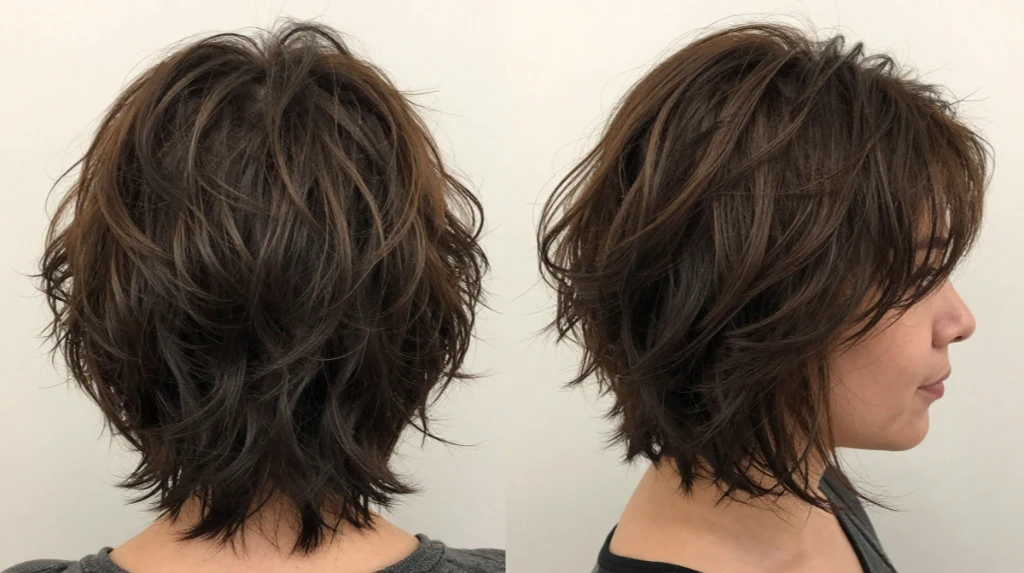
Fine hair often struggles to hold volume, but a shorter shag with heavy layering can genuinely change that. Removing weight from the ends allows the remaining hair to sit up and away from the scalp instead of falling flat. This creates the illusion of thicker hair without any extra length.
If your hair is fine, ask your stylist to keep the layers closer to the crown rather than starting them too low. A volumizing mousse applied at the roots before blow-drying upside down gives an extra lift that lasts through the day.
Shag with Curtain Bangs
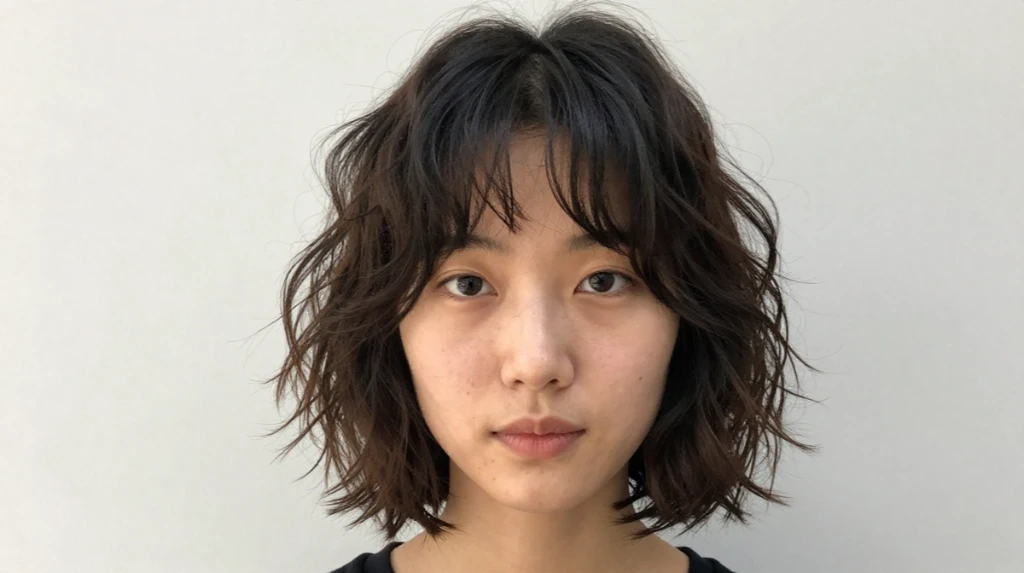
Pairing a shag with curtain bangs is one of the most requested combinations right now. The bangs part naturally down the middle and frame the face softly, while the shag layers keep the rest of the cut full and textured. Together they create a relaxed, retro-inspired look.
This combination flatters oval, square, and heart-shaped faces particularly well. A small amount of lightweight wax worked through the bang pieces keeps them separated without looking greasy.
Choppy Layers for Extra Movement
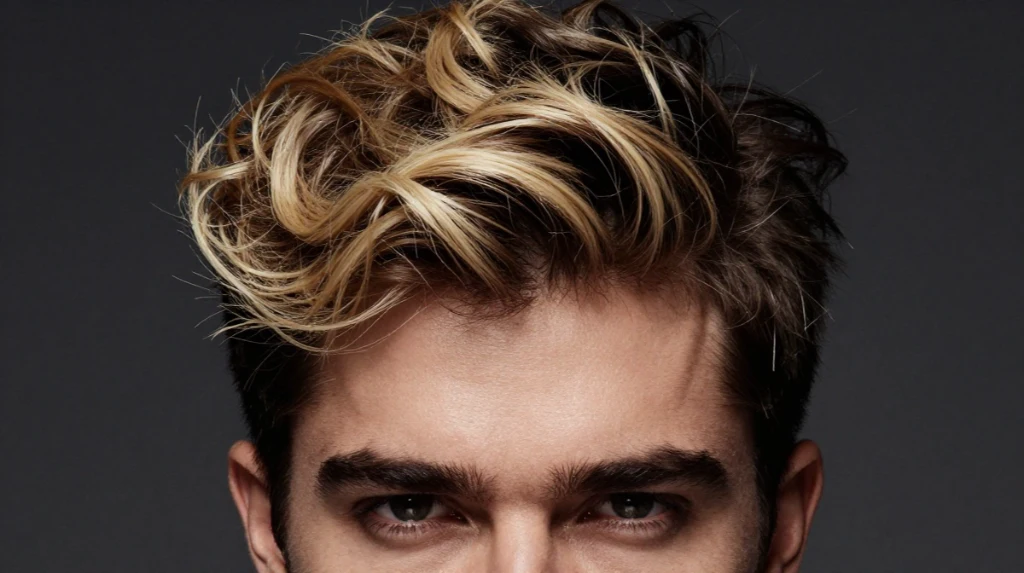
Choppy layers are cut at more dramatic, uneven angles compared to traditional layering. This creates visible separation and a slightly edgier finish. On wavy hair, choppy layers add a lot of texture without requiring heavy styling.
This version works especially well for thicker hair types that need weight removed to prevent bulkiness. A texturizing paste applied to the ends helps define individual pieces for a more intentional finish.
Shaggy Bob for Everyday Wear
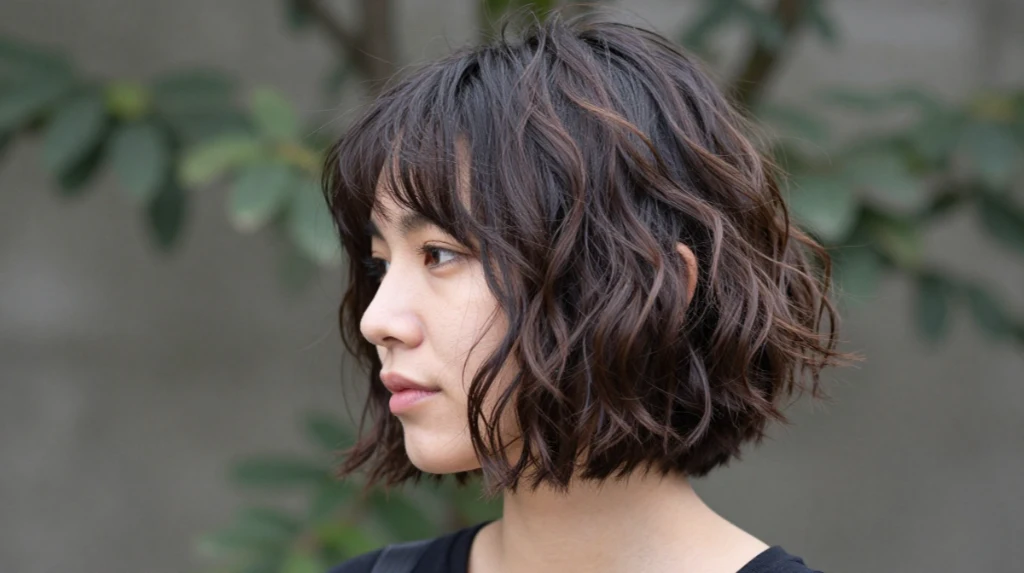
The shaggy bob blends the classic bob silhouette with the layered movement of a shag. It typically falls somewhere between chin and shoulder length, making it a practical option for women who want shorter hair without going too extreme. The layers keep it from looking blunt or heavy.
This is a great low-fuss option for busy mornings. A quick pass with a curling wand on alternating sections enhances the wave pattern if your natural texture needs a little help.
Feathered Shag Hair
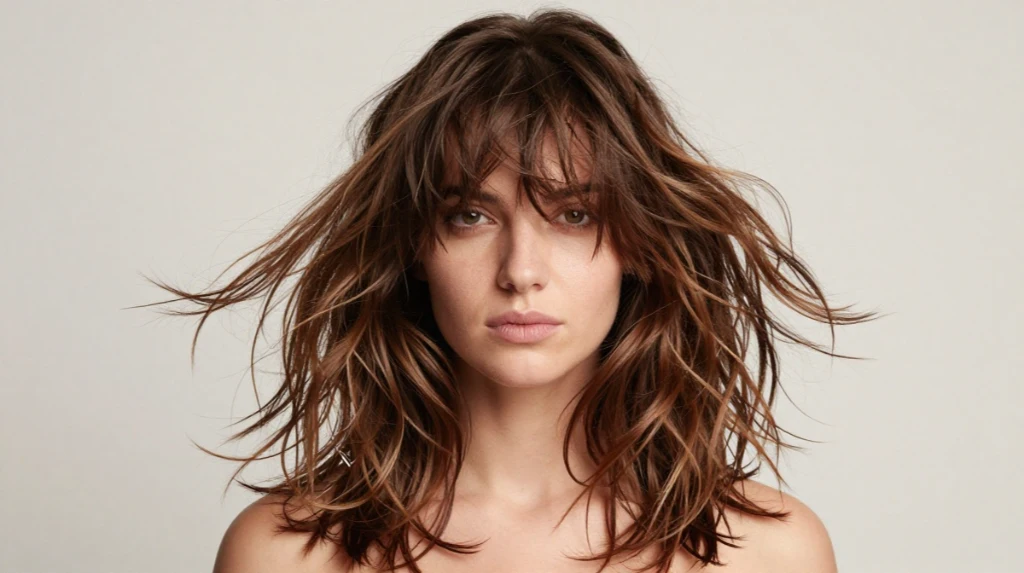
Feathered layers are cut to flick outward slightly at the ends, giving the hair a soft, wing-like movement. This technique pairs beautifully with wavy hair because the natural bend amplifies the feathered effect. It is a subtler take on the shag that still feels distinctly retro.
To style feathered layers, a round brush and blow dryer help train the ends to flip outward. On days when you want a more relaxed finish, simply let the waves air dry and tousle with your fingers.
Retro Shag Hairstyle Inspired by the 70s

The original shag from the 1970s remains a strong reference point for this style today. It featured heavy layering, a shaggy fringe, and lots of volume at the crown. Modern versions soften the silhouette slightly while keeping the free-spirited energy of the original.
If you want a true retro feel, ask for longer face-framing pieces alongside shorter crown layers. A flexible-hold hairspray keeps the shape without making it feel stiff or dated.
Modern Shag Cut
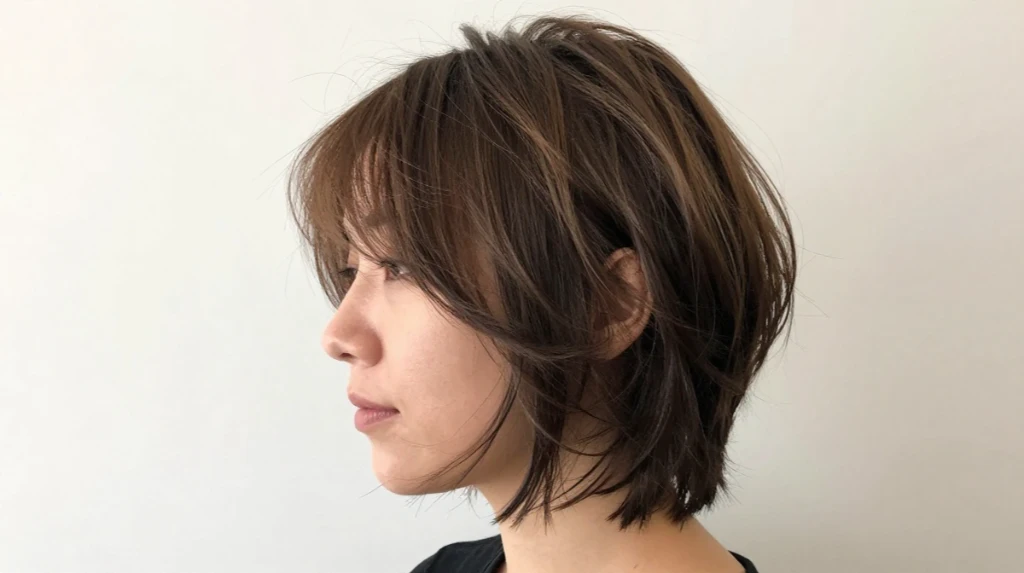
The modern shag trades some of the heavier, more structured layering of past decades for a softer, more natural finish. Layers are still present but blended more seamlessly, creating a look that feels current rather than costume-like. It suits both casual and polished settings equally well.
This version works well with minimal styling. A sea salt spray scrunched through damp hair creates effortless texture that looks intentional without much effort.
Beach Wave Shag Style
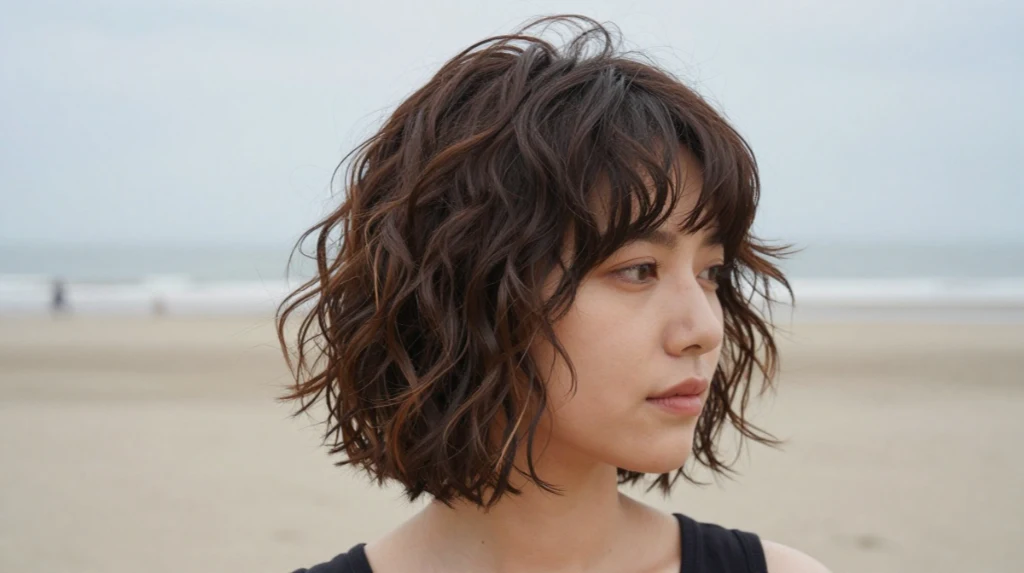
The beach wave shag leans into loose, relaxed waves rather than tight curls or sleek texture. It has an easygoing, vacation-inspired quality that works particularly well in warmer months. The layered cut keeps the waves from looking heavy or shapeless.
A texturizing spray misted through the mid-lengths and ends helps define the wave pattern. Avoid overloading the hair with product, since beach waves are meant to look light and airy rather than crunchy.
Tousled Shag Hair for a Lived-In Look
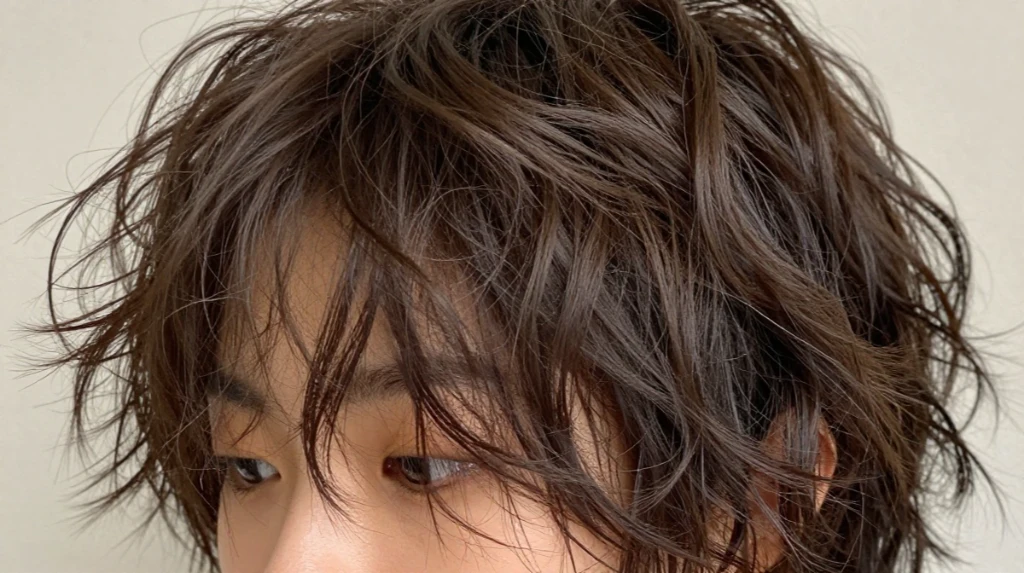
Tousled styling embraces a slightly messy, just-got-out-of-bed appearance. It works particularly well with a shag because the layers already create natural separation. This is one of the lowest-effort styles on the list, making it ideal for busy schedules.
To achieve this look, apply a texturizing cream to damp hair and let it air dry, occasionally scrunching sections with your hands. Avoid brushing once it is dry, since this smooths out the tousled effect.
Shag Cut for Thick Wavy Hair
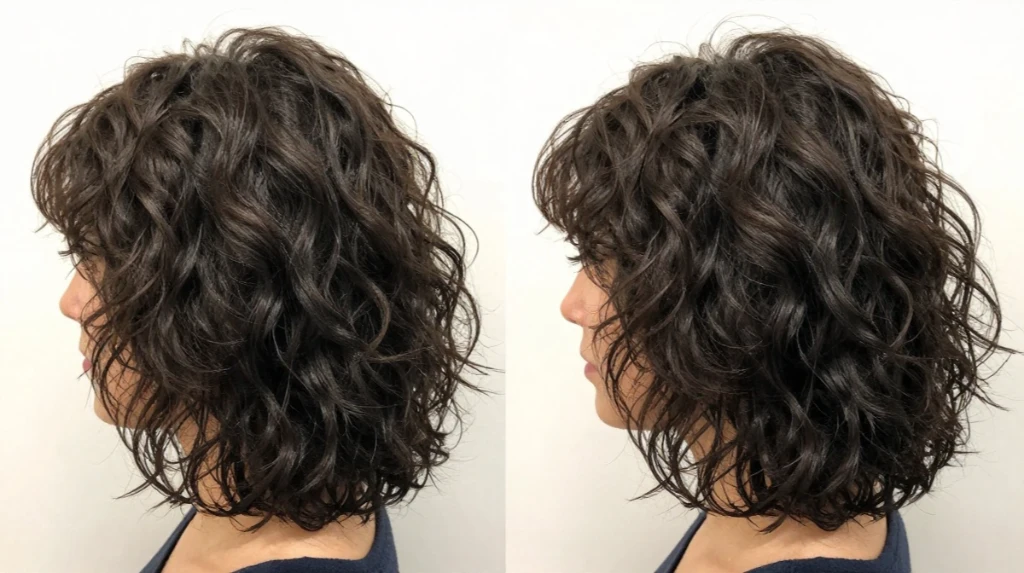
Thick hair benefits enormously from a shag because the heavy layering removes bulk while keeping shape and body. Without layers, thick wavy hair can feel heavy and difficult to manage. A well-cut shag solves both problems at once.
Regular trims every six to eight weeks help maintain the shape, since thick hair tends to lose its layered definition faster than finer textures. A lightweight cream rather than a heavy oil keeps the waves defined without weighing them down.
Piece-y Layers for Definition
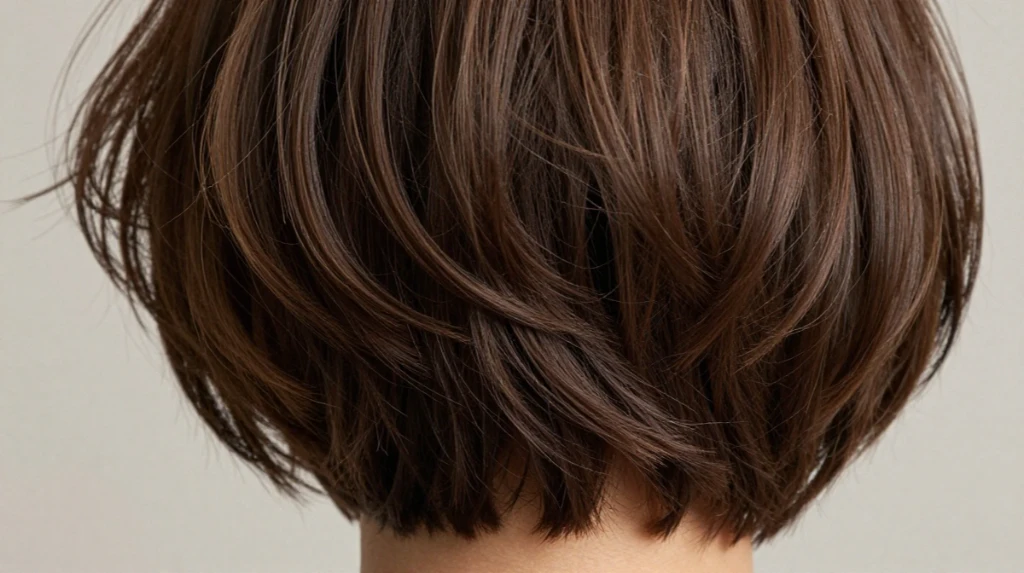
Piece-y layers refer to individually defined sections of hair, often achieved through point cutting and finished with a matte paste or wax. This creates a graphic, textured finish that looks deliberate rather than soft or blended. It pairs well with wavy hair for added contrast.
This style photographs particularly well, which makes it a popular choice for those focused on Pinterest-style inspiration. A small amount of product worked between the fingers before applying to hair prevents any single section from looking overly greasy.
Face-Framing Layers Shag
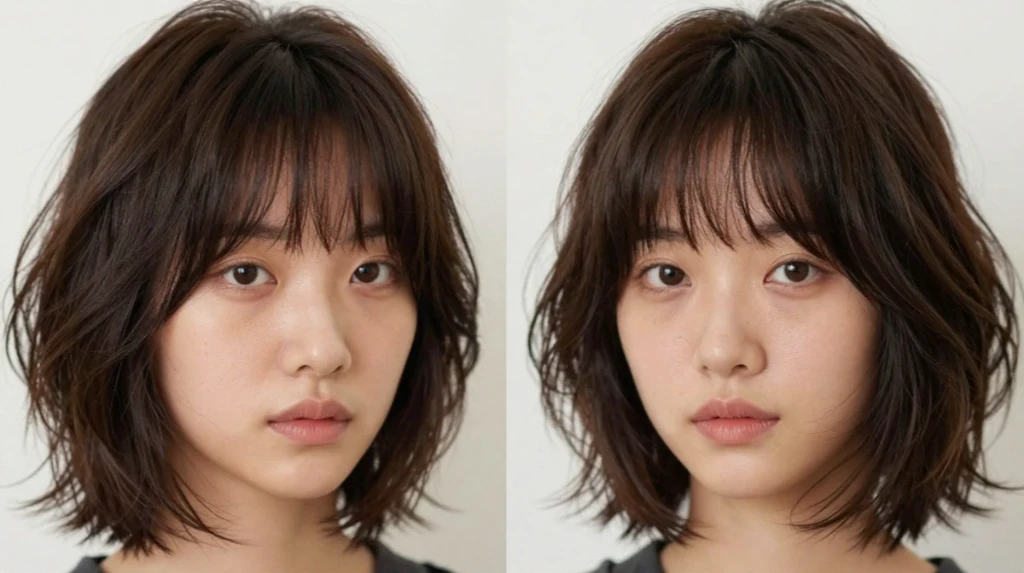
Face-framing layers are shorter pieces cut around the front of the face, drawing attention upward and softening the overall silhouette. When combined with a shag, these layers blend naturally into the rest of the cut rather than standing apart. This works well for highlighting cheekbones and jawlines.
This variation suits most face shapes, though it is especially flattering for square or rectangular faces. A light curling iron pass on just the face-framing pieces enhances their shape without needing to style the entire head.
Wispy Shag Haircut
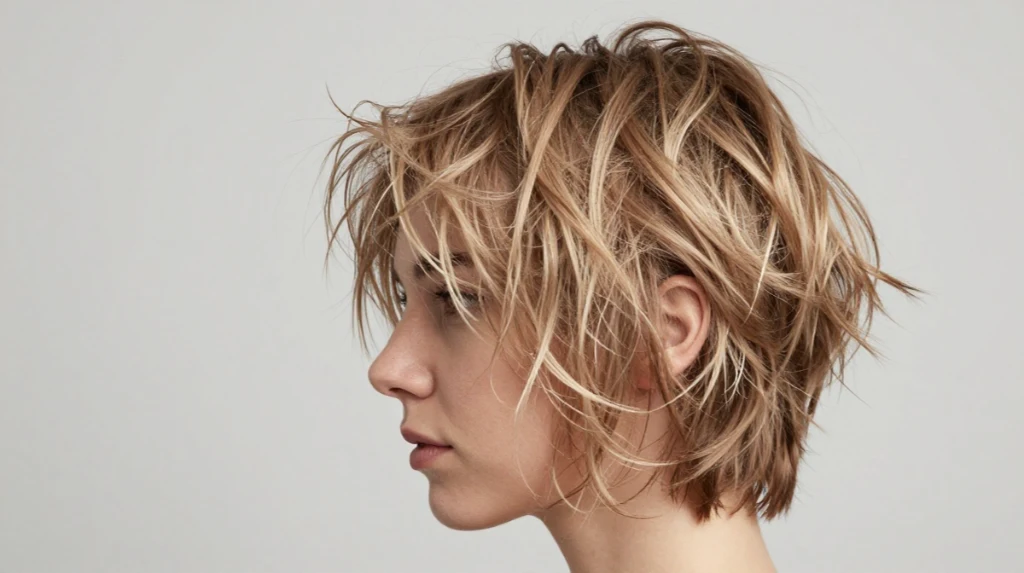
Wispy layers are thin, feather-light sections that create a delicate, airy finish. This version of the shag feels softer and less structured than choppier variations. It works particularly well on finer wavy hair that does not need heavy layering.
Because wispy layers are delicate, they benefit from gentle handling. Avoid heavy products that can weigh the thin sections down, and opt instead for a lightweight mist or dry texture spray.
Bohemian Shag Hair
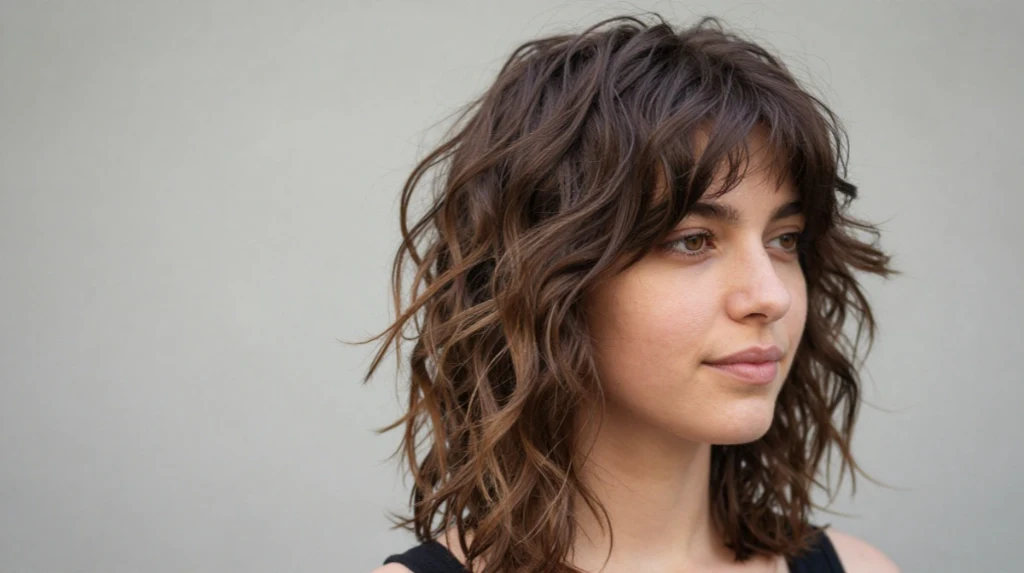
The bohemian shag leans into a relaxed, free-flowing aesthetic with soft layers and loose waves. It often incorporates slightly longer pieces mixed with shorter crown layers for a natural, undone appearance. This style pairs well with minimal makeup and casual outfits.
This is an easy style to maintain because it does not rely on precise styling. A braid worn overnight on damp hair can enhance natural waves for a soft, boho finish the next day.
Messy Shag Hairstyle
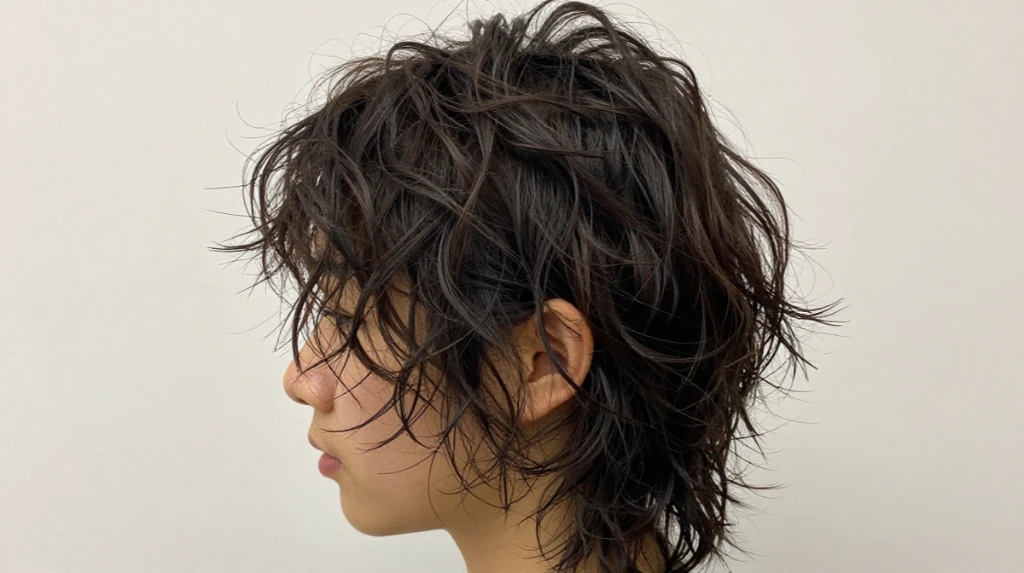
A deliberately messy shag takes the layered structure of the cut and styles it with an intentionally undone finish. This is achieved by scrunching product through the hair rather than smoothing it, allowing pieces to fall where they naturally want to sit.
This style is forgiving on days when you do not have time for a full styling routine. A dry shampoo applied at the roots can also help create texture while refreshing second or third day hair.
Shag for Curly Hair
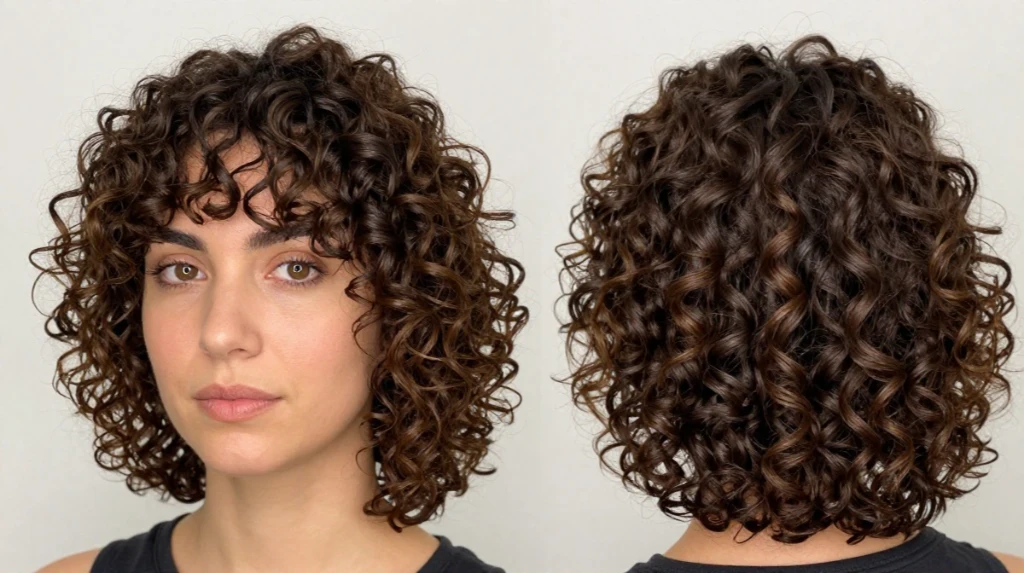
Curly hair can absolutely wear a shag, though the layering approach differs slightly from straight or wavy hair. Layers are typically cut while the hair is dry so the stylist can see exactly how each curl falls. This prevents unexpected shrinkage from throwing off the shape.
Curl-defining cream applied to soaking wet hair, followed by air drying or diffusing, helps maintain shape and reduce frizz. Avoid touching curls too much while they dry, since this can disrupt the curl pattern.
Low Maintenance Shag Style
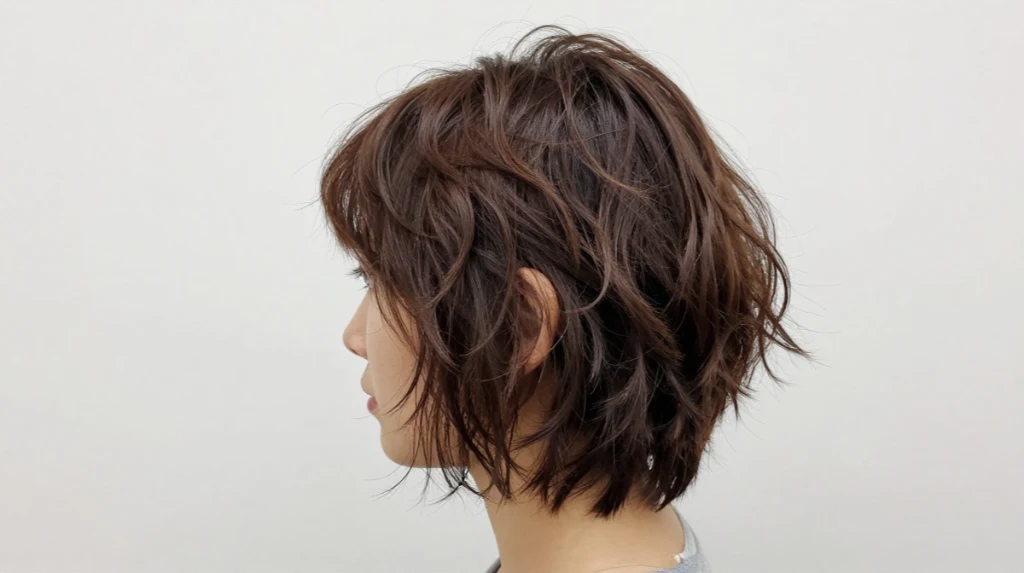
For readers who want texture without a lengthy styling routine, a low maintenance shag focuses on natural movement rather than precise, structured layers. The cut is designed to look good whether it is air dried or lightly styled.
This version works best paired with a texturizing spray rather than heat styling. Regular trims every eight to ten weeks keep the shape intact without requiring frequent salon visits.
Rock and Roll Shag
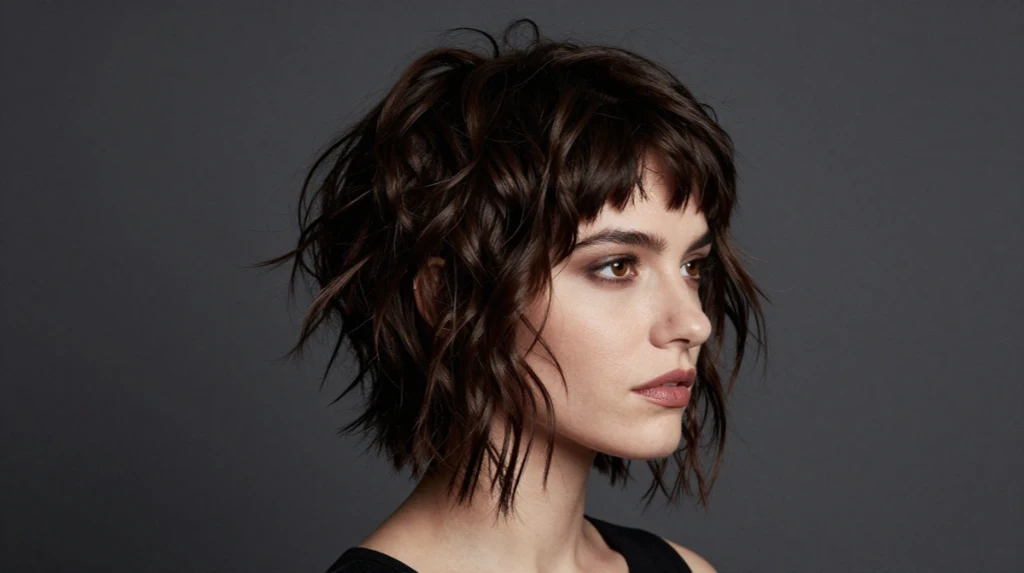
The rock and roll shag brings a slightly edgier energy with choppier layers, sometimes paired with darker hair color or subtle highlights. It has a confident, effortless quality that works well for those wanting a bolder short haircut.
A matte finishing product rather than a shiny one keeps this style looking gritty rather than polished. This version pairs particularly well with a side part for added attitude.
Air Dry Shag Hairstyle
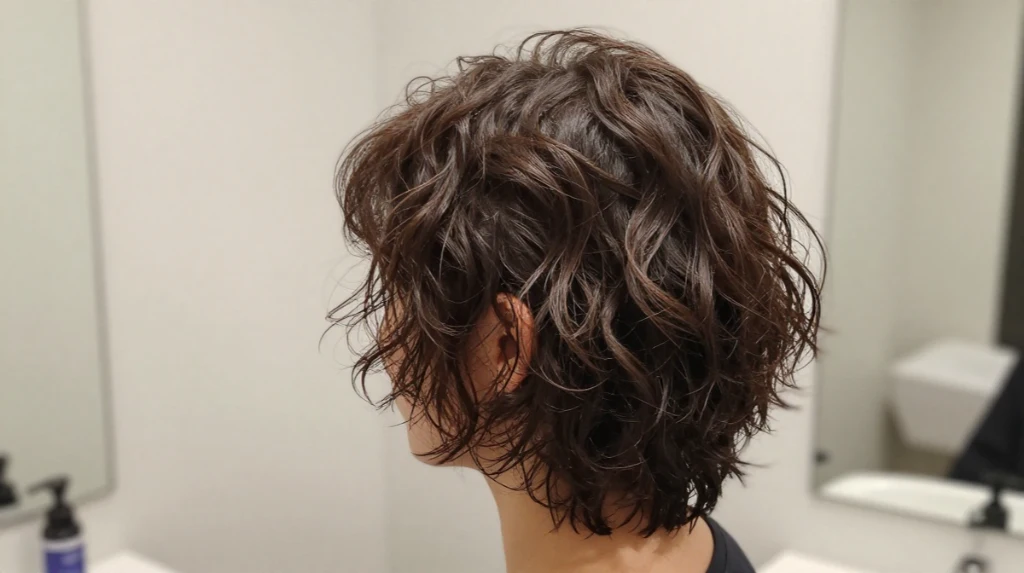
One of the biggest advantages of a wavy shag is how well it works with air drying. The layered structure naturally falls into place without needing much heat styling, which is also gentler on hair health over time.
Applying a lightweight leave-in product before air drying helps control frizz while the natural wave takes shape. This is one of the most practical options for anyone wanting a low-effort daily routine.
Shag with Balayage Highlights
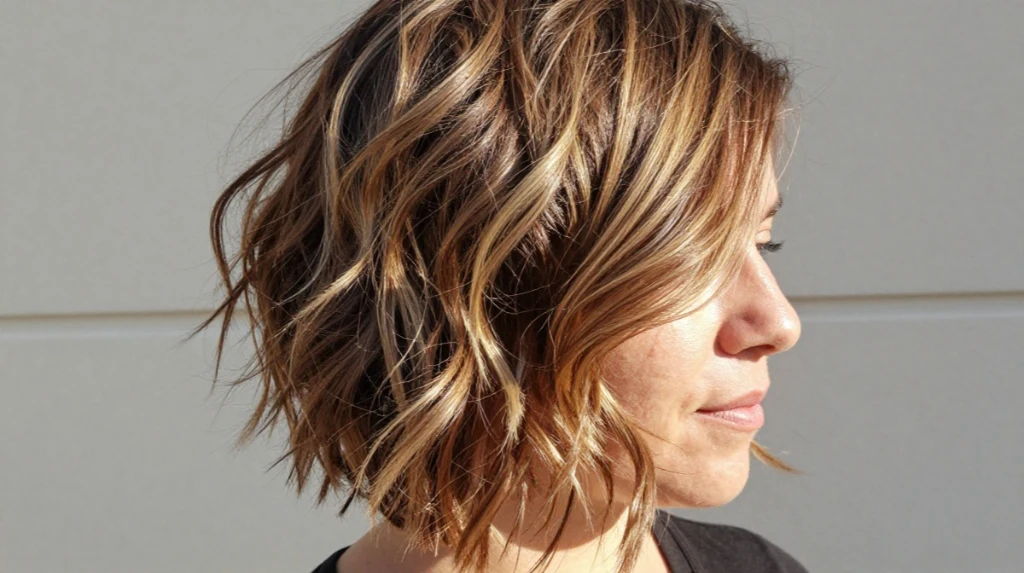
Adding balayage highlights to a wavy short shag brings extra dimension to the layers, since the hand-painted color naturally follows the movement of the waves. Lighter pieces catch the light differently at each layer, making the texture look even more three-dimensional. This combination works particularly well for hair that already has a lot of natural wave, since the color enhances rather than competes with the shape.
This style does require a bit more upkeep than a single-process color, though balayage grows out more softly than traditional highlights, so touch-ups are usually needed every three to four months rather than every few weeks. A color-safe shampoo and a weekly hydrating mask help keep both the highlights and the waves looking fresh without fading or drying out the ends.
Quick Comparison Table
| Shag Style | Best For | Maintenance Level | Key Product | Styling Time |
|---|---|---|---|---|
| Textured Shag | Loose waves | Low | Texturizing cream | 5 minutes |
| Voluminous Shag | Fine hair | Medium | Volumizing mousse | 10 minutes |
| Shaggy Bob | Everyday wear | Low | Curling wand (optional) | 5-10 minutes |
| Curtain Bangs Shag | Oval/heart face | Medium | Lightweight wax | 5 minutes |
| Beach Wave Shag | Loose relaxed waves | Low | Texturizing spray | 5 minutes |
| Curly Shag | Curly hair | Medium | Curl-defining cream | 15 minutes |
| Low Maintenance Shag | Busy routines | Low | Texturizing spray | 3-5 minutes |
Conclusion
A wavy short shag haircut is one of the most flexible ways to work with natural texture instead of against it. From soft, face-framing layers to bold, choppy pieces, there is a version of this cut suited to nearly every hair type, face shape, and daily routine. The layered structure does the heavy lifting, so styling rarely needs to be complicated.
The best approach is to bring reference photos to your stylist, be honest about how much time you realistically want to spend styling, and choose a shag variation that matches your natural wave pattern rather than working against it. A well-cut shag should feel like an extension of your hair’s natural behavior, not a fight against it every morning.
You can may also like this: 22 Chic Winter Short Hairstyles for Men to Stay Stylish
Frequently Asked Questions
1. What face shapes suit a wavy short shag haircut best?
Oval, square, and heart-shaped faces tend to suit shag haircuts particularly well, though face-framing layers can be adjusted to flatter almost any shape.
2. How often do I need to trim a shag haircut?
Most shag styles need a trim every six to ten weeks to maintain their layered shape, though thicker hair may need slightly more frequent visits.
3. Can fine hair handle a shag haircut without looking thinner?
Yes, when layers are placed strategically near the crown, a shag can actually create the appearance of more volume rather than reducing it.
4. What products work best for styling a wavy shag?
Lightweight texturizing sprays, curl creams, and mousses tend to work best, since heavier products can weigh down the natural movement of the layers.
5. Is a wavy shag suitable for curly hair as well?
Yes, curly hair can wear a shag beautifully as long as the layers are cut dry so the stylist can account for natural curl shrinkage.
2 Comments