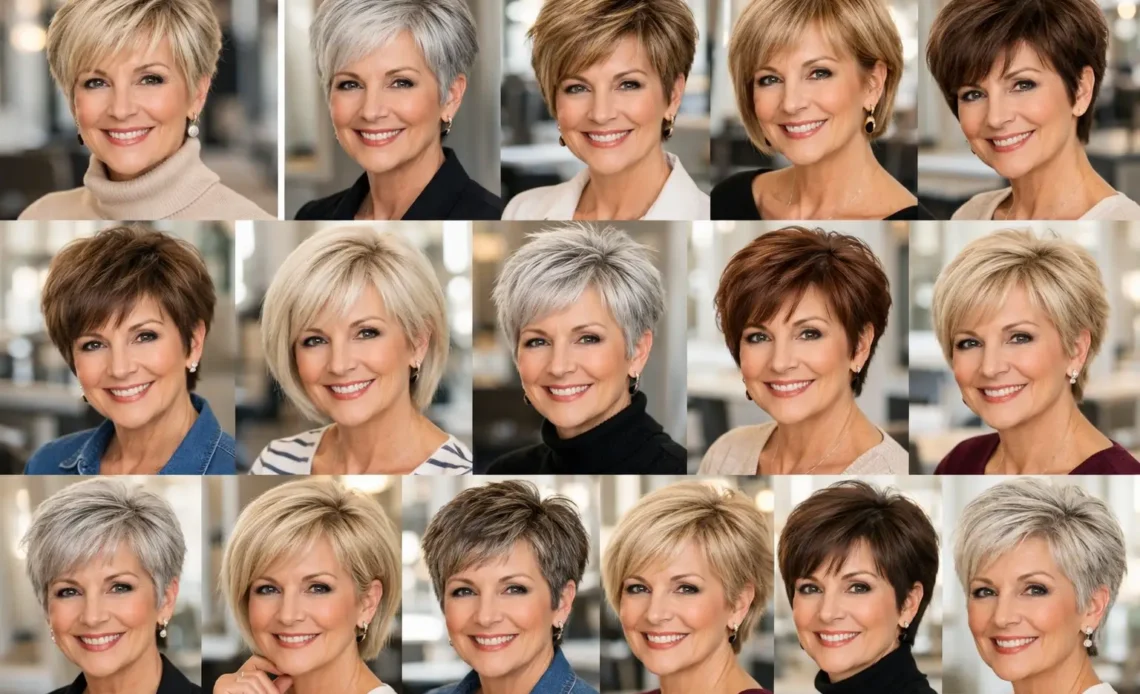
Thin hair presents unique challenges for women over 50, but the right short hairstyle can transform fine strands into a fuller, more voluminous appearance that radiates confidence and style. As hair naturally changes with age, becoming finer and less dense, strategic cutting techniques and thoughtful styling become essential tools for creating the illusion of thickness and body. Short hairstyles offer particular advantages for thin hair, as shorter lengths prevent the weight that causes fine hair to fall flat while creating opportunities for volume-boosting cuts and textures. The best short hairstyles for mature thin hair incorporate layers, texture, and dimension that work with rather than against natural hair patterns. These fourteen design ideas prove that thin hair over 50 can look absolutely stunning through smart cuts, proper styling, and techniques specifically designed to maximize fullness and movement.
Layered Pixie Cut
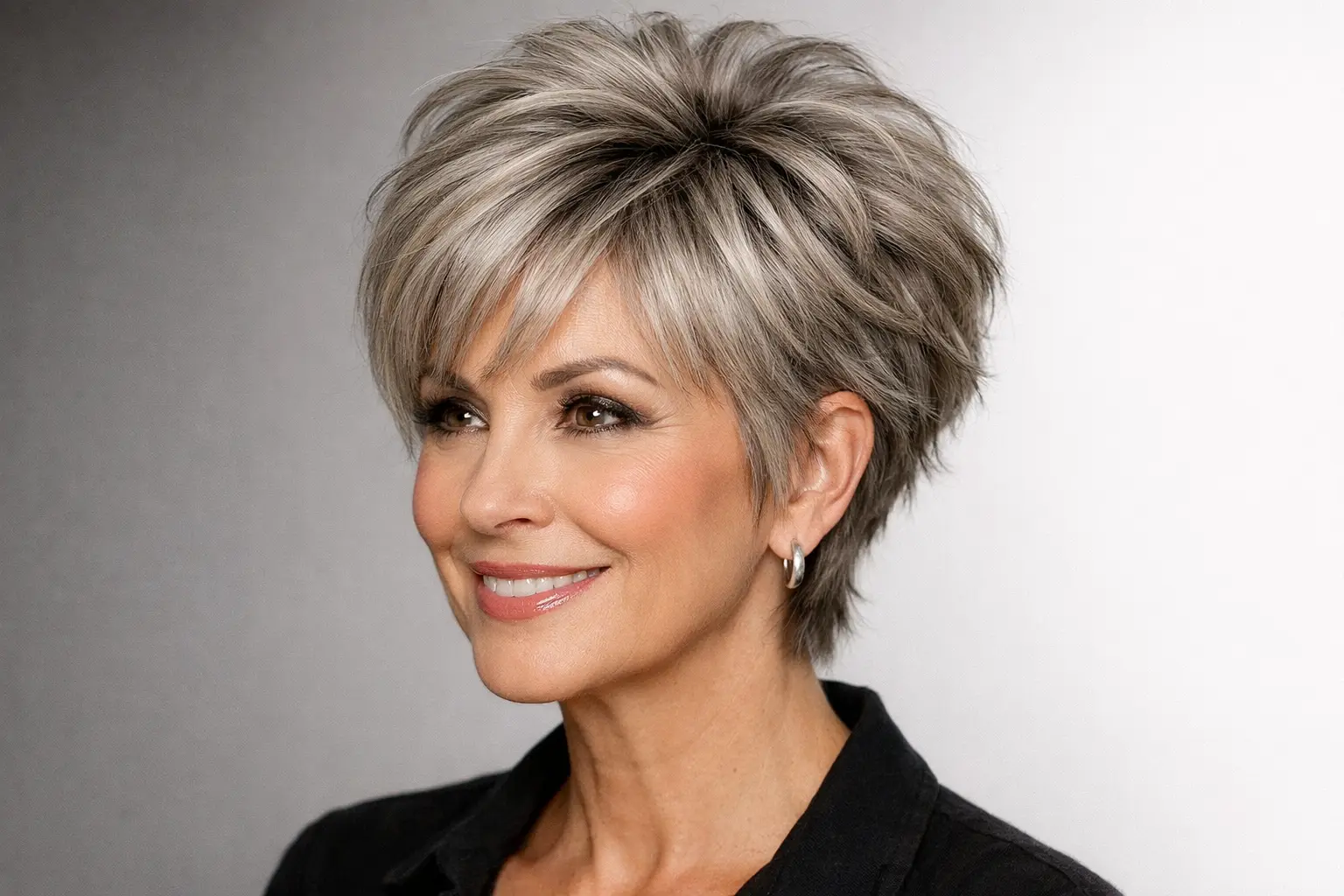
The layered pixie cut creates remarkable volume through strategic layering concentrated at the crown and top. Multiple short layers lift away from the scalp rather than lying flat, instantly adding height and fullness. The pixie works exceptionally well for thin hair because the short length prevents heaviness while layers create the textural variation that makes hair appear thicker. Face-framing pieces soften the overall look and draw attention to features. This low-maintenance cut requires minimal daily styling, often looking best when simply tousled with fingers and light product. The layered pixie proves that going shorter can actually make thin hair appear substantially fuller.
Textured Bob with Wispy Ends
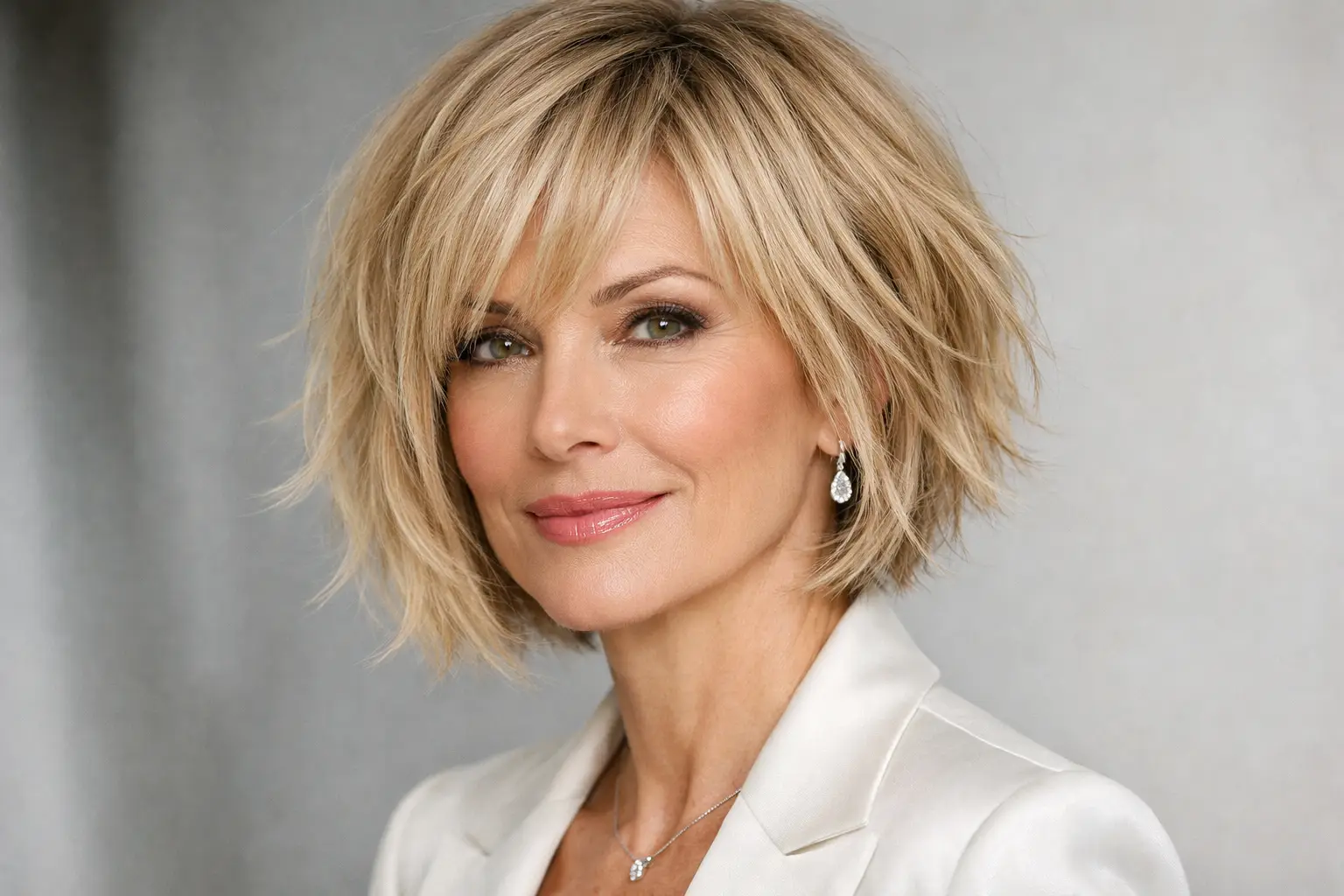
The textured bob incorporates choppy layers and wispy, feathered ends that create movement and the appearance of density. The wispy quality comes from point-cutting or razoring techniques that produce separated, piece-y ends rather than blunt lines. This approach adds visual interest and prevents thin hair from appearing stringy or lifeless. The bob length, typically falling between chin and shoulders, provides enough substance to create shape while remaining short enough to maintain volume. Texturizing products enhance the piece-y finish and add grip to fine strands. This style delivers sophisticated elegance perfect for professional and social settings.
Stacked Bob for Crown Volume
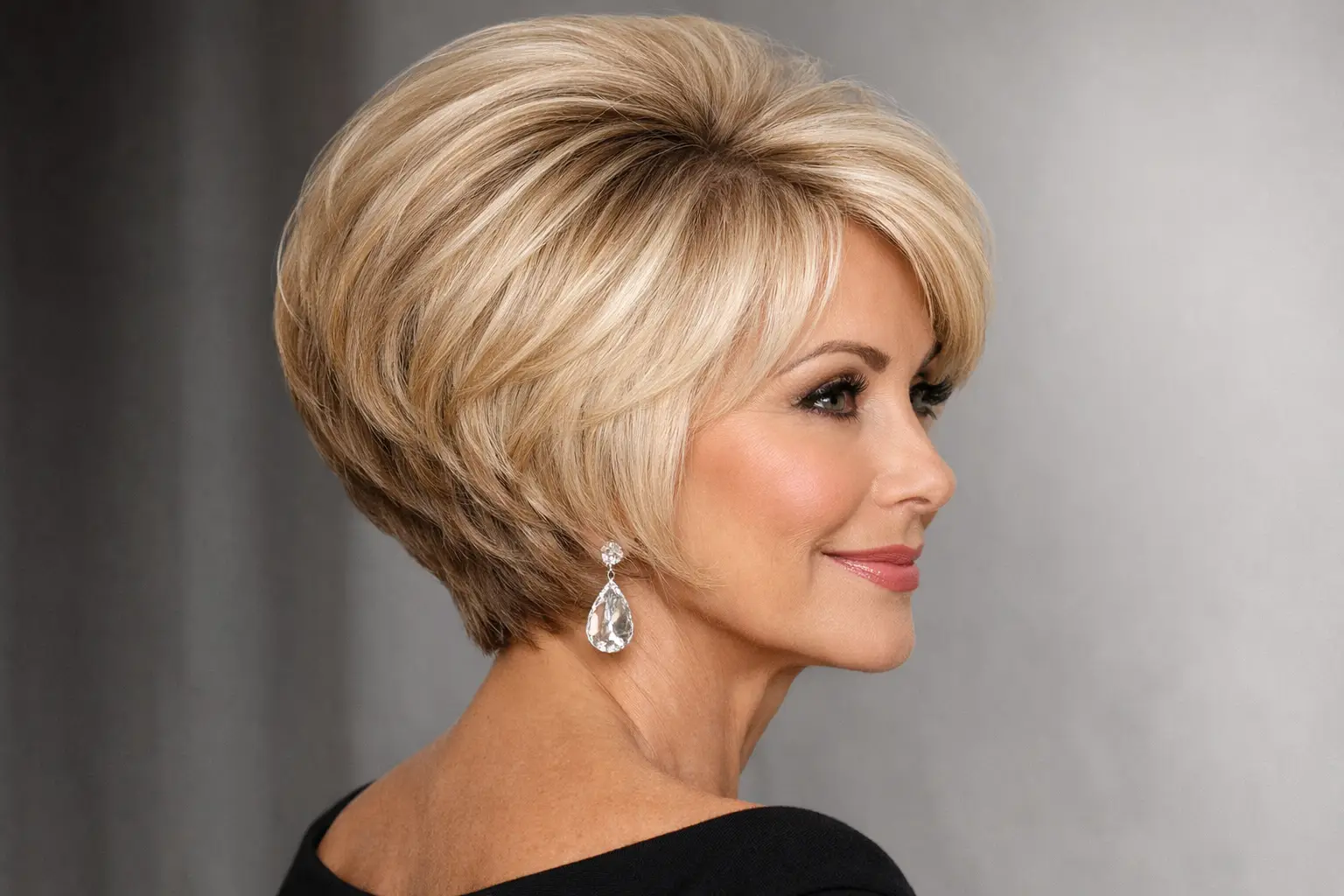
The stacked bob features graduated layers in the back that create significant volume at the crown. Shorter layers stack progressively, building height and fullness exactly where thin hair tends to fall flat. The stacking technique provides built-in lift that requires minimal styling effort while delivering maximum impact. The front pieces remain longer for face-framing appeal while the back creates that signature rounded, voluminous silhouette. This classic cut flatters most face shapes and offers practical, everyday wearability. The stacked bob proves particularly effective for fine, straight hair that struggles with natural volume.
Feathered Layers Throughout
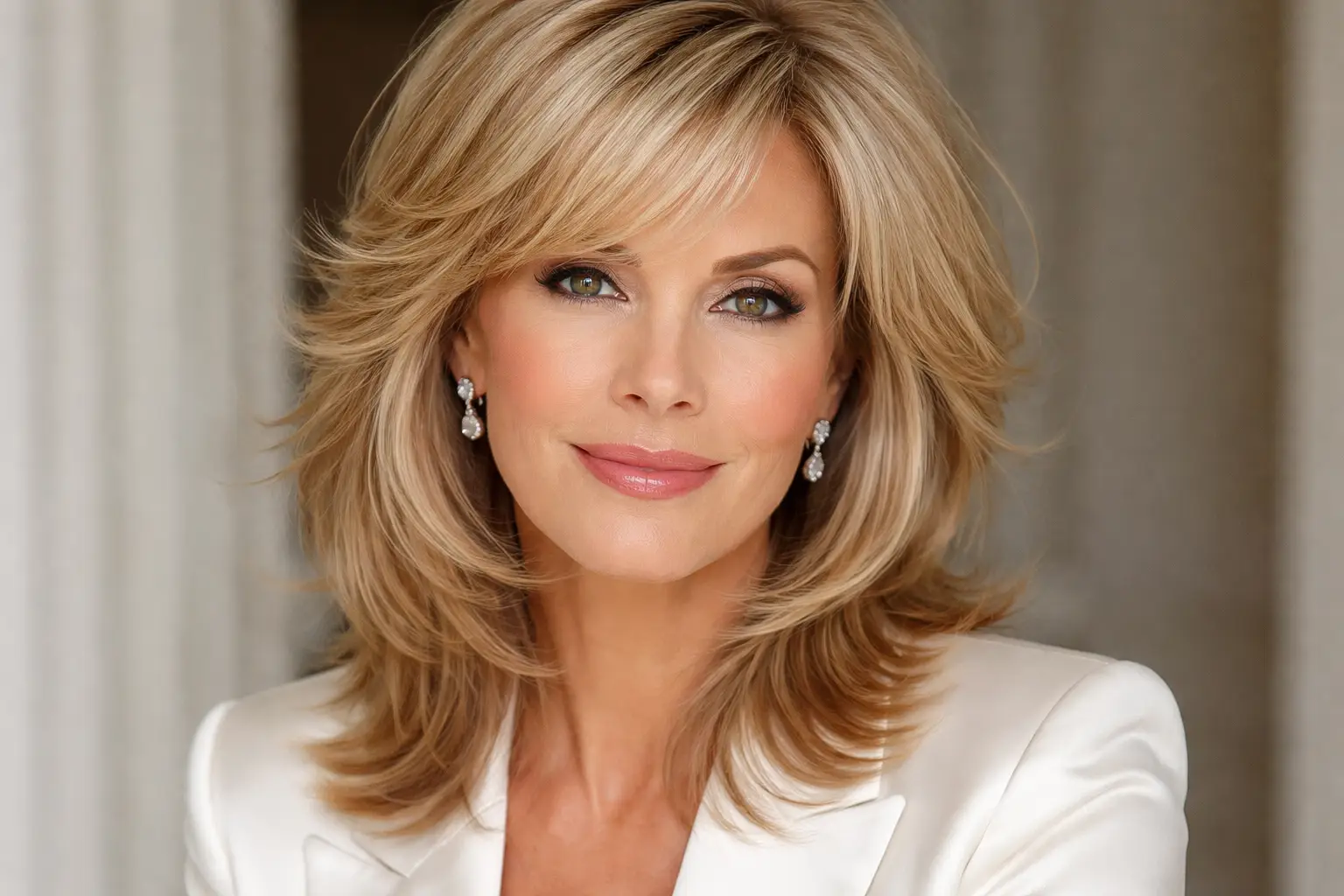
Feathered layers create soft, wispy texture that adds dimension and the illusion of thickness. The feathering technique involves cutting hair at angles that create tapered ends, resulting in layers that blend seamlessly while adding movement. This approach removes weight without creating obvious choppy sections, maintaining a polished appearance appropriate for mature women. Feathered cuts work beautifully across various short lengths from pixie to chin-length bob. The delicate texture catches light beautifully, making hair appear shinier and healthier. Minimal styling enhances rather than flattens the feathered texture.
Choppy Layered Crop
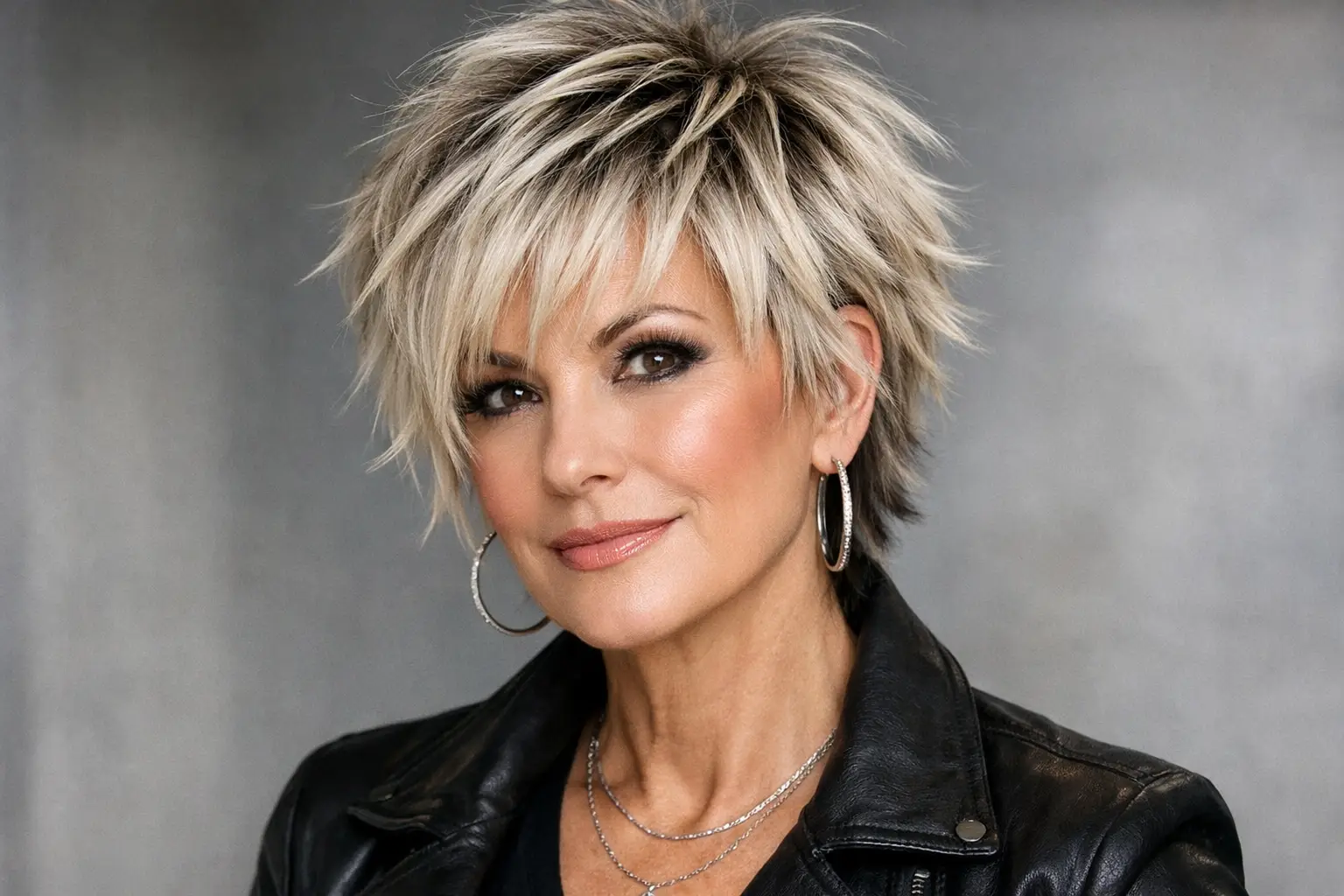
The choppy layered crop embraces bold, separated layers that create deliberate texture and volume. This edgier approach uses point-cutting or razoring to produce distinct sections that move independently. The choppy quality adds personality while preventing thin hair from appearing limp or one-dimensional. Heavy layering removes weight and allows hair to lift at the roots rather than lying flat against the scalp. This modern style suits confident personalities comfortable with fashion-forward looks. Texturizing products applied to damp hair and scrunched while drying enhance the choppy separation.
Side-Swept Pixie with Volume
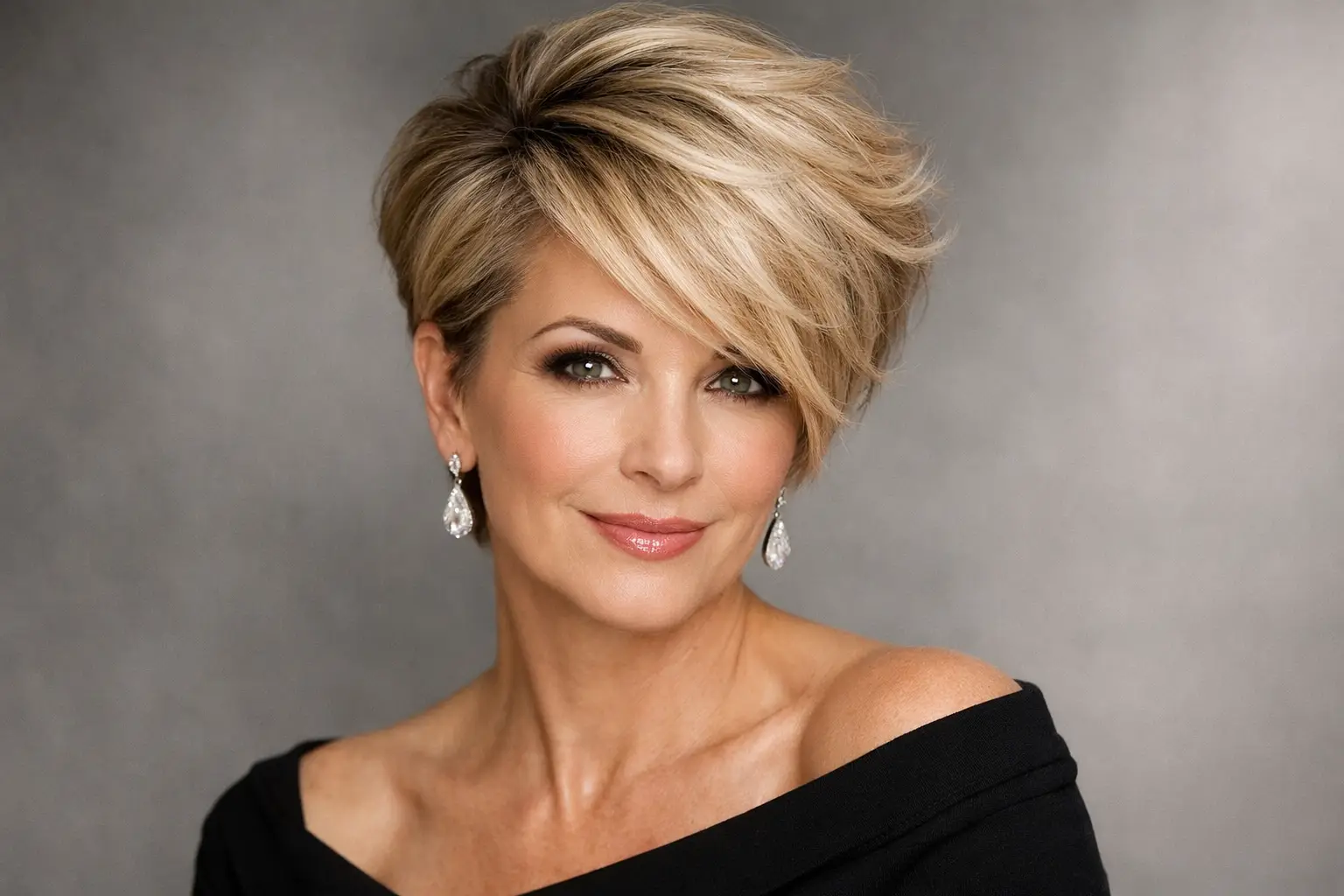
The side-swept pixie creates asymmetrical interest through a deep side part and sweeping fringe. The dramatic part naturally creates volume on the fuller side while the swept section adds dimension and movement. Longer pieces on top allow for various styling options while shorter sides and back maintain the pixie’s practical nature. This style flatters round or square face shapes by creating diagonal lines that add angles. The side-swept element provides youthful softness while the overall short length keeps styling simple. Root-lifting products at the part line enhance the natural volume.
Soft Graduated Bob
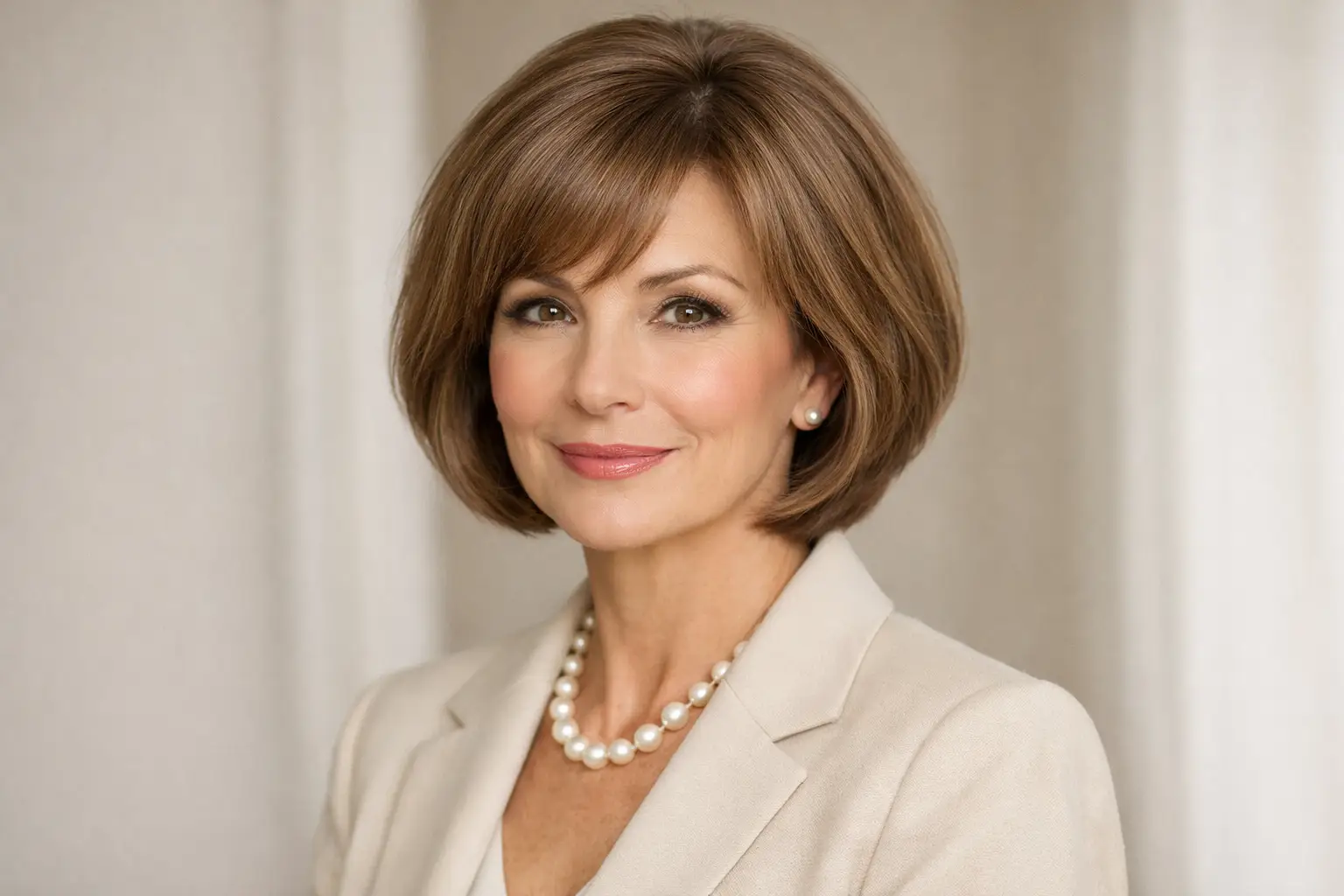
The soft graduated bob features gentle layering that creates a rounded silhouette with maximum fullness. Unlike dramatic stacking, the soft graduation appears more subtle and blended while still providing volume at the crown. This refined approach suits those preferring classic elegance over trendy edge. The graduation removes weight progressively from back to front, creating natural lift and movement. This timeless cut works across various face shapes and hair textures, adapting through customized layer placement. The soft quality maintains professional polish appropriate for all settings.
Tousled Textured Pixie
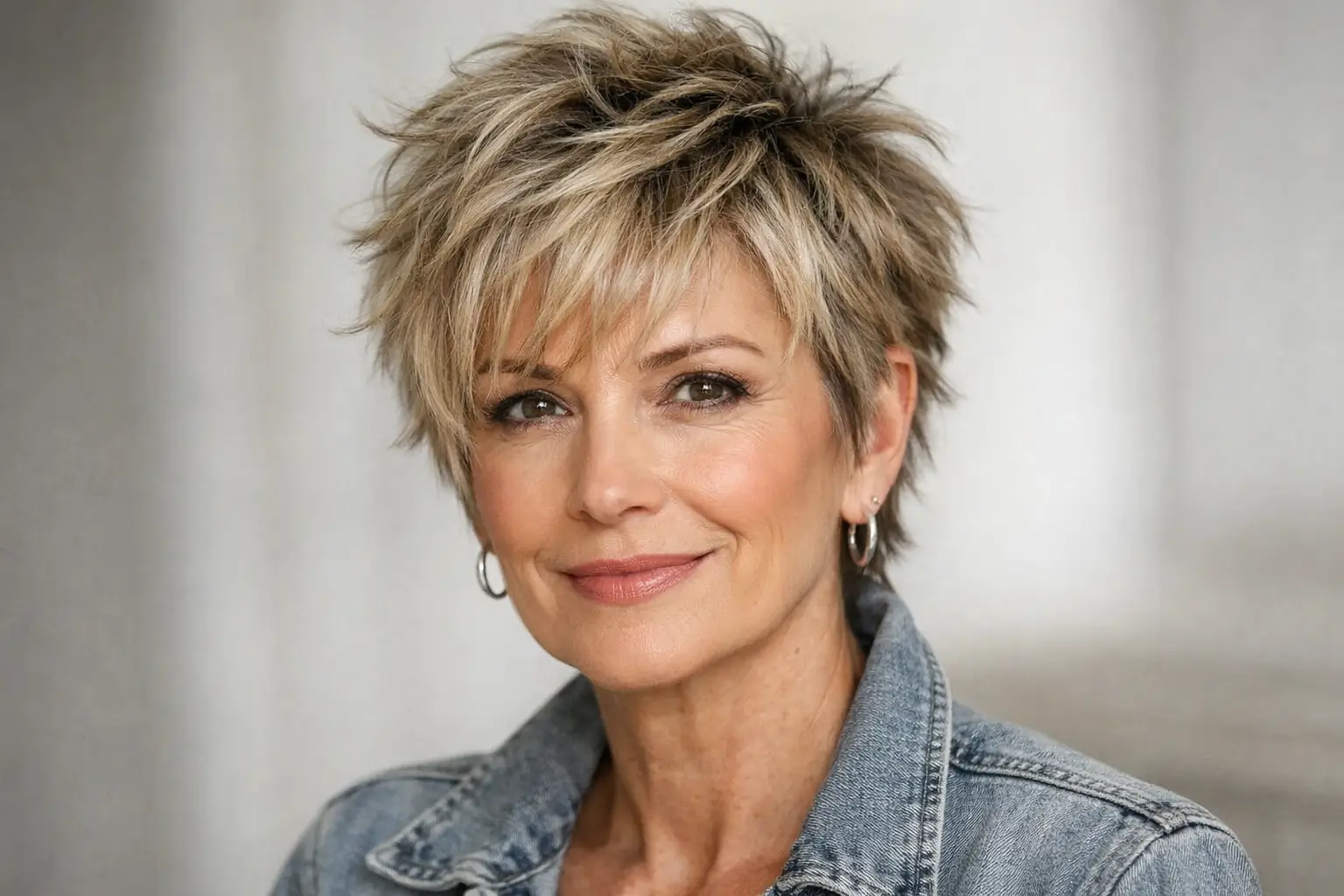
The tousled textured pixie celebrates intentional messiness through layers that create piece-y, separated texture. This deliberately undone style works particularly well for thin hair because the tousled quality makes individual strands more visible and prominent. Heavy layering throughout creates multiple levels that add dimensional interest. The beauty of this cut lies in its low-maintenance nature, actually looking best when slightly messy rather than perfectly styled. Apply lightweight mousse or texturizing spray to damp hair and scrunch while air-drying for effortless volume and texture.
Wedge Cut with Height
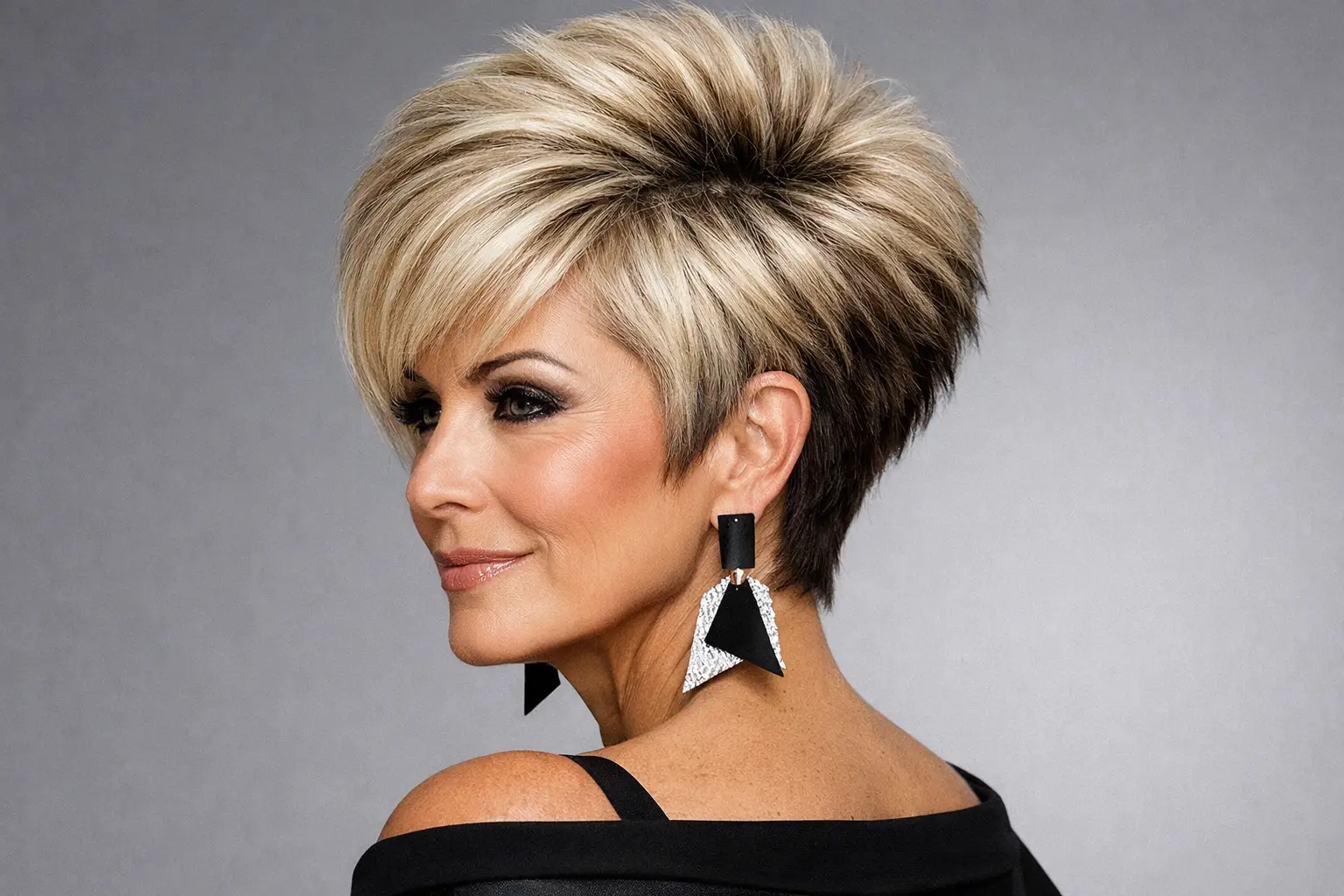
The wedge cut creates dramatic volume through its distinctive stacked shape that builds significant height at the crown. Short, angled layers in the back graduate into slightly longer front pieces, creating a wedge-like profile when viewed from the side. This bold cut maximizes volume for thin hair through its architectural stacking. The wedge suits those comfortable with regular maintenance to preserve the precise shape. Despite requiring trims every four to six weeks, the wedge delivers unmatched volume and makes a definite style statement. This classic seventies-inspired cut has been refined for modern wearability.
Layered Lob with Face-Framing
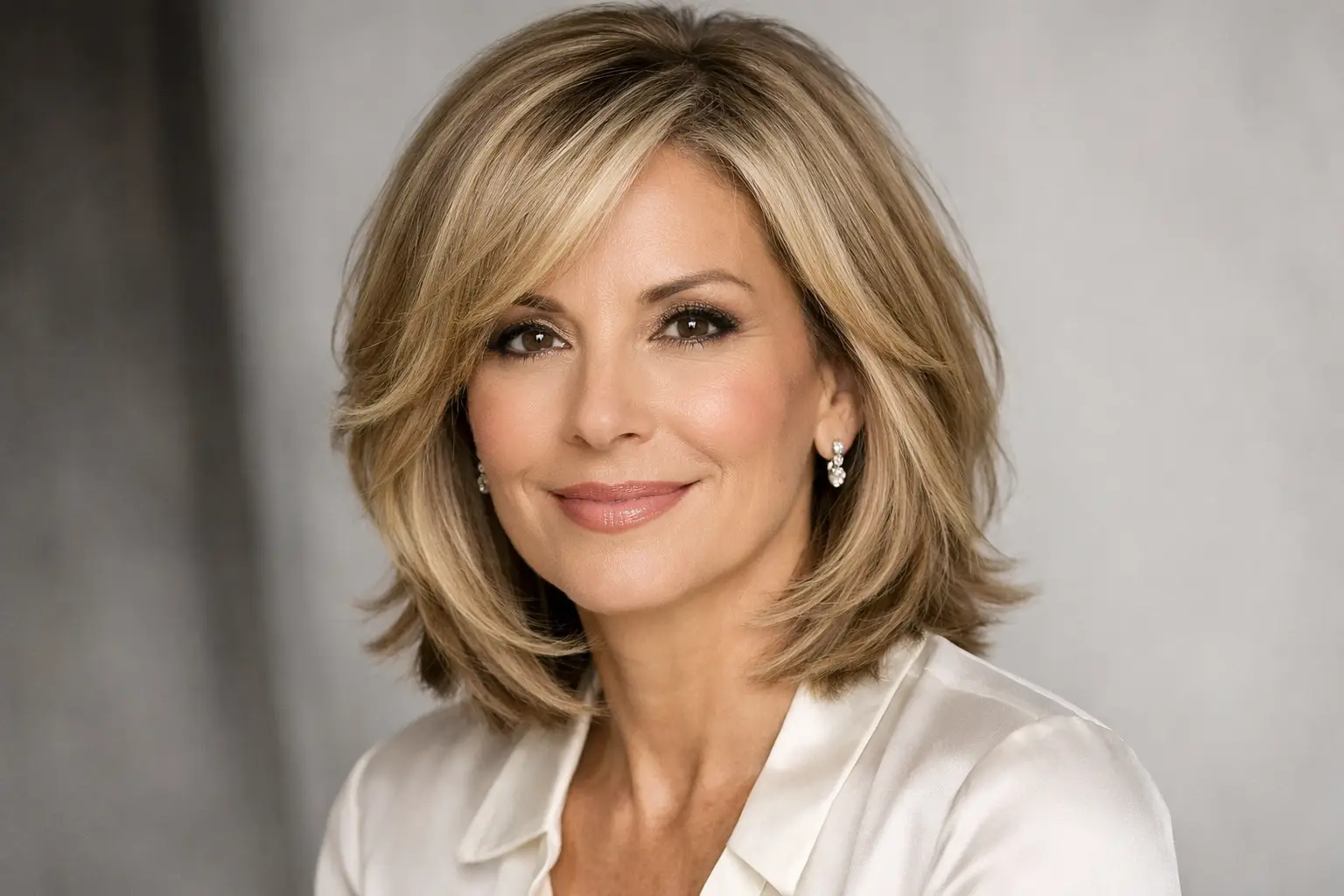
The layered lob, or long bob, sits between chin and shoulders with layers that create movement and fullness. Face-framing layers draw attention to features while interior layering prevents heaviness. This versatile length offers styling flexibility while remaining short enough to maintain volume in thin hair. The lob allows for easy ponytails and updos when needed while providing enough substance to appear full and healthy. Layers should begin at the crown to create lift at the roots. This sophisticated length suits various lifestyles and face shapes.
Asymmetrical Bob with Texture
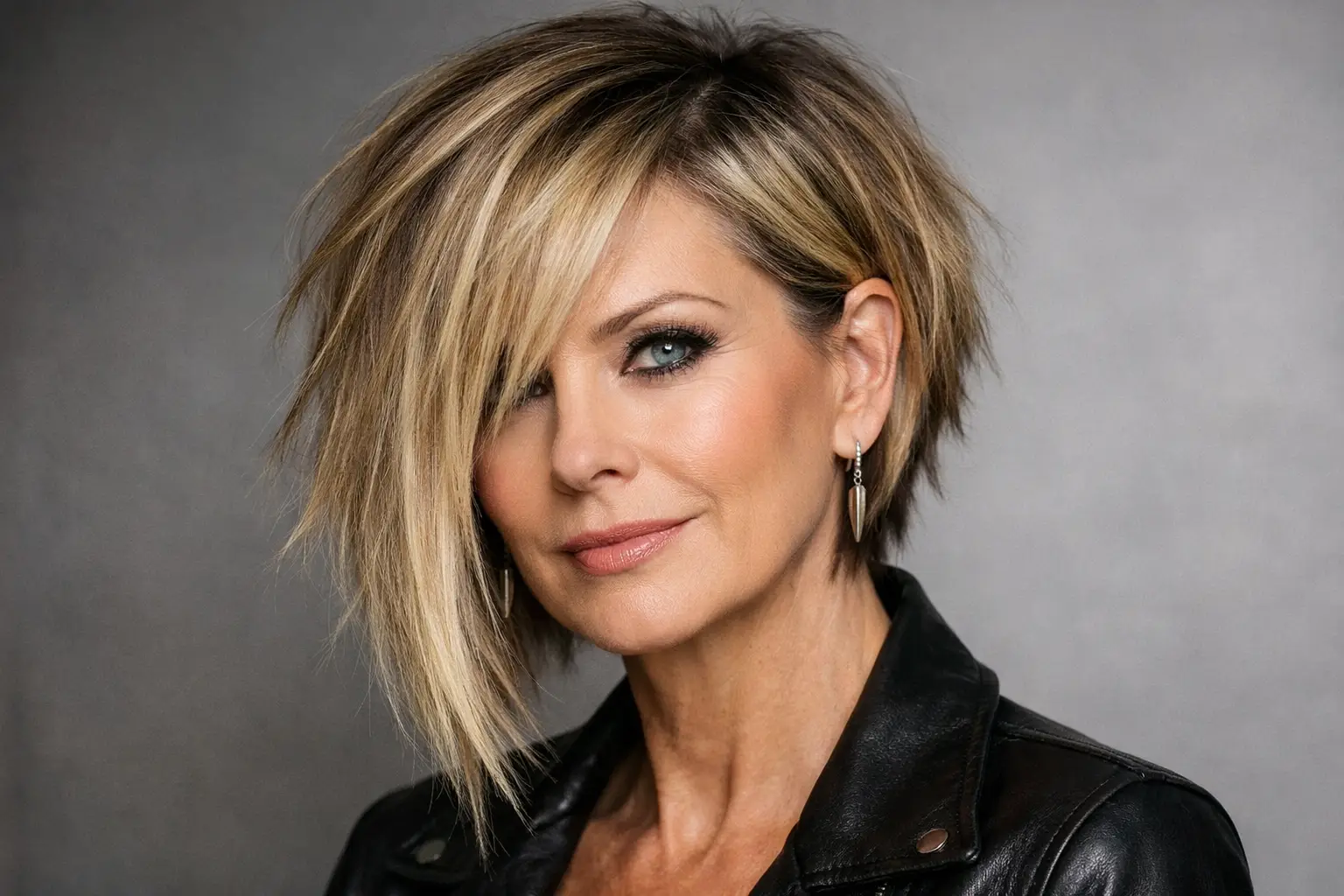
The asymmetrical bob creates visual interest through uneven lengths combined with textured layering. One side sits noticeably longer, creating diagonal lines that add dimension and draw attention away from hair density. Choppy or feathered layers throughout both sides add texture that makes thin hair appear fuller. This fashion-forward cut suits those seeking something different from standard styles. The asymmetry works particularly well for square or round face shapes, adding angles and interest. Styling products that enhance texture maximize the fullness this cut provides.
Short Shag with Wispy Layers
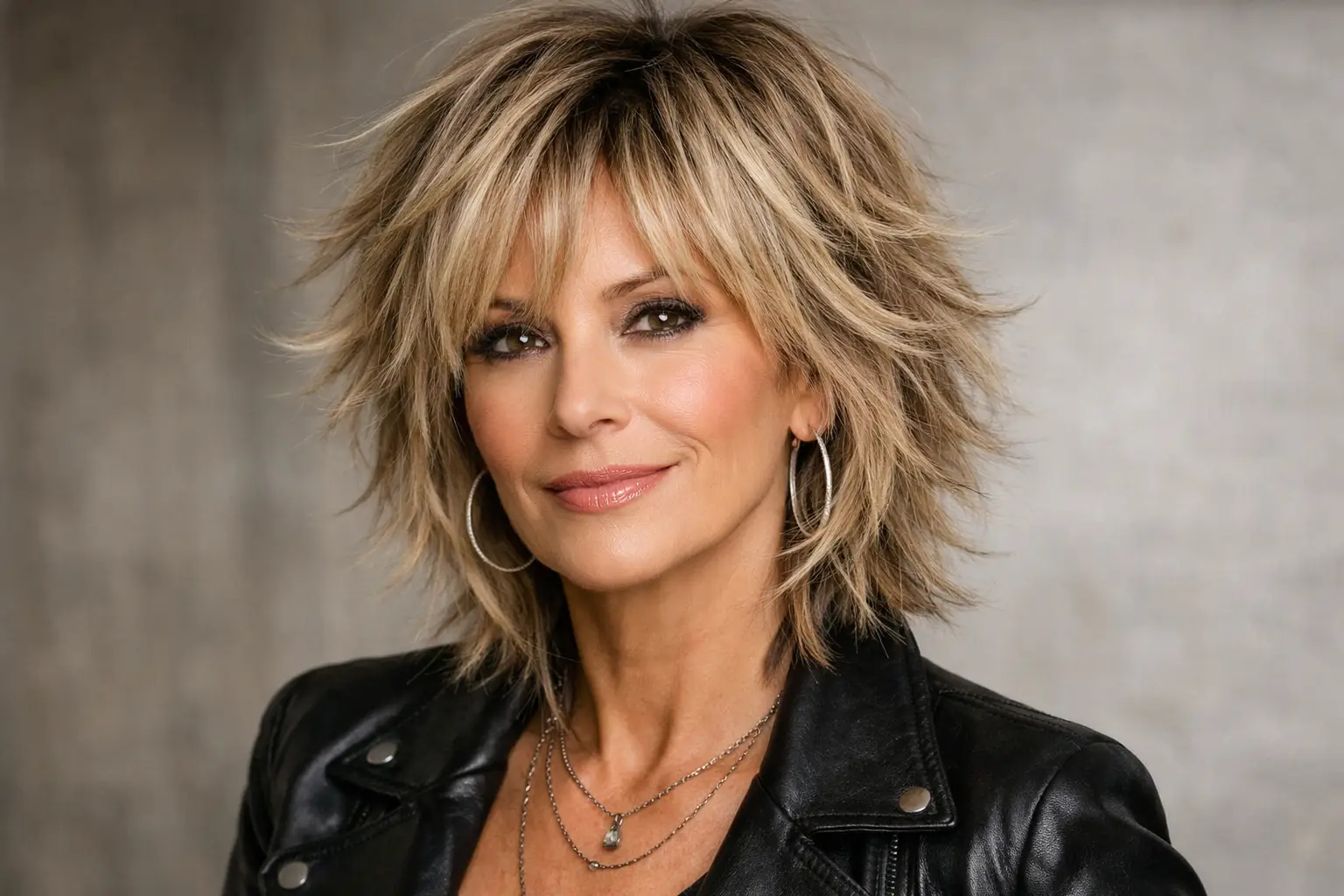
The short shag brings seventies inspiration through heavily layered cutting that creates maximum movement and texture. Multiple layer lengths throughout produce separated, piece-y sections that add dimensional interest. Wispy, feathered ends prevent bluntness and create softness. The shag works beautifully for thin hair because the extensive layering creates the illusion of density through textural variation. This style embraces natural texture rather than fighting it, looking best with minimal styling. The short shag suits casual lifestyles and relaxed aesthetics while providing significant volume.
Pixie with Longer Crown Layers
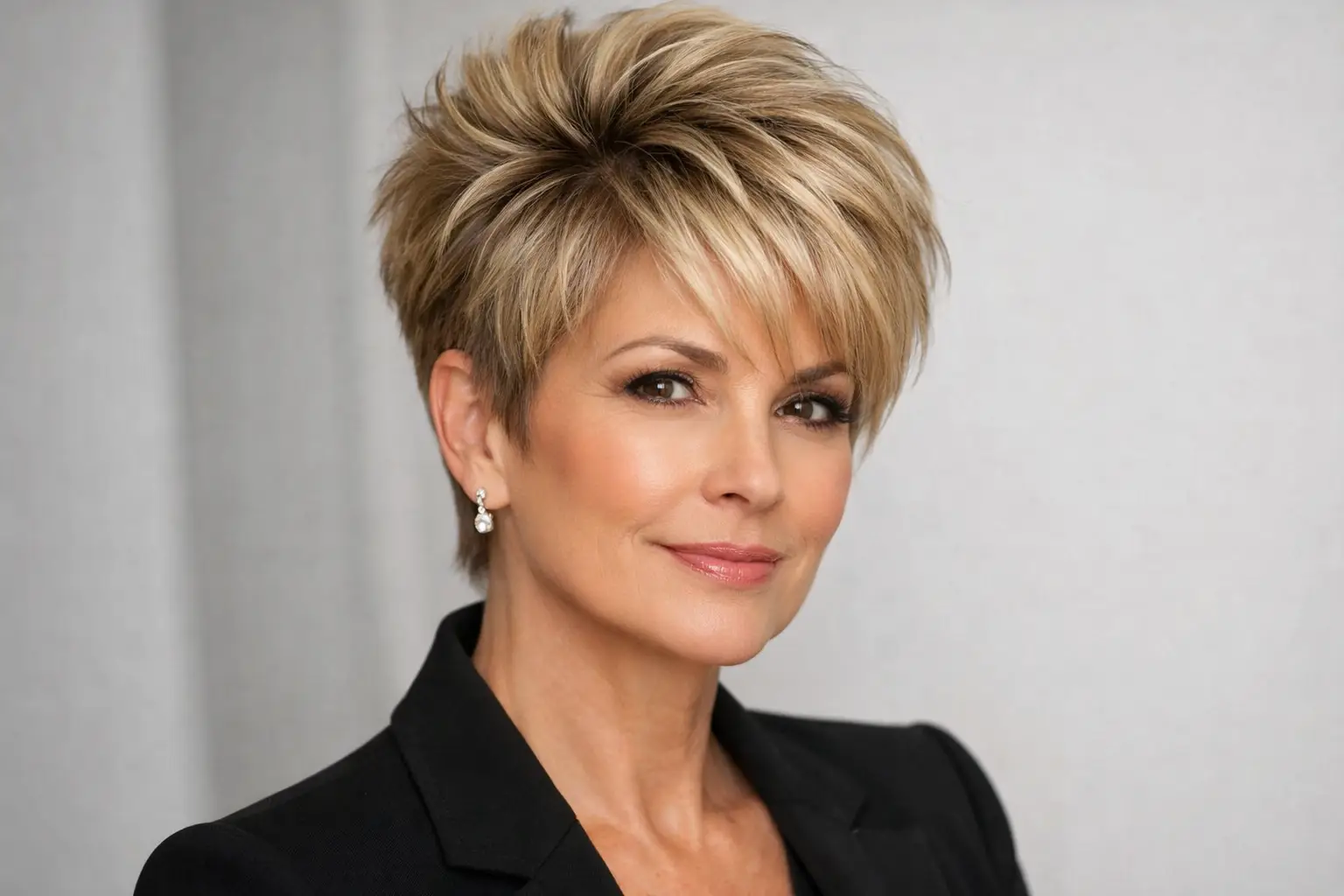
The pixie with longer crown layers keeps sides and back short while leaving substantial length on top for styling versatility. The longer crown layers can be swept forward, pushed back, or styled in various directions, all while maintaining lift and volume. This approach provides pixie practicality with increased styling options. The length variation creates natural volume at the crown while shorter sides prevent weight accumulation. This adaptable cut transitions well from casual to professional settings through simple styling adjustments. The contrast between short and long sections adds dimensional interest.
Collar-Length Bob with Soft Layers
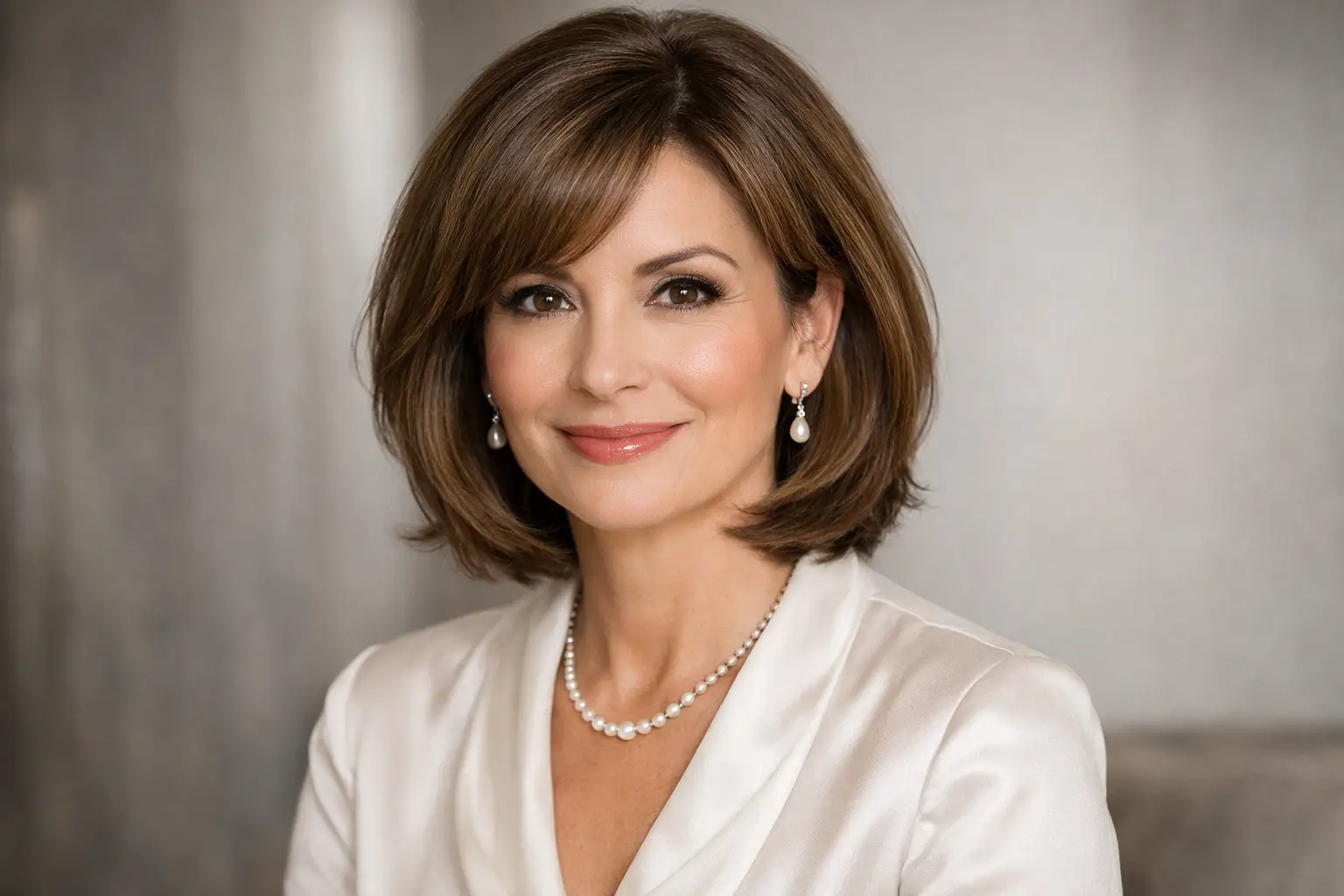
The collar-length bob with soft layers provides the most length while maintaining volume for thin hair. Hitting at or just above the collarbone, this style incorporates gentle layering that creates movement without removing too much density. Internal layers remove weight while maintaining the appearance of fullness at the perimeter. This elegant length flatters most face shapes and ages, providing sophisticated polish. The soft layers prevent the blunt heaviness that can occur with one-length bobs while still maintaining enough substance to appear full. This versatile cut works for various lifestyles and styling preferences.
Short hairstyles for women over 50 with thin hair offer remarkable solutions for creating fuller, more voluminous appearances. These fourteen design ideas demonstrate that thin hair need not limit style options or confidence. The key lies in choosing cuts that incorporate layers, texture, and dimension specifically designed to maximize fullness. Strategic layering removes weight that causes flatness while creating movement that makes hair appear thicker. Shorter lengths prevent the heaviness that drags fine hair down, allowing for natural lift and body. Techniques like stacking, feathering, and choppy cutting add textural variation that creates the illusion of density. The right cut, combined with proper styling products and techniques, transforms thin hair into a beautiful, voluminous style. Consult with an experienced stylist who understands mature hair and can customize these concepts to your individual features, hair texture, and lifestyle. Embrace the possibilities that short styles offer and discover how the right cut gives thin hair the appearance of fullness, health, and vitality that reflects your confidence and style.
You may also like this: 15 Short Shaggy Haircuts That Are Fun, Edgy, and Full of Texture
Frequently Asked Questions
How often should I trim short hairstyles for thin hair?
Short hairstyles for thin hair require trims every four to six weeks to maintain their shape and prevent the wispy ends from appearing scraggly. Regular maintenance keeps layers at their intended lengths and ensures the cut continues to provide maximum volume. Pixie cuts need the most frequent attention, while slightly longer bobs can sometimes extend to six weeks between trims. Consistent maintenance preserves the fullness the cut provides.
What styling products work best for thin hair over 50?
Essential products include volumizing mousse applied to roots before blow-drying, root-lifting spray for maximum lift, texturizing spray for added body and grip, and lightweight styling cream for definition without weight. Avoid heavy oils or thick creams that flatten thin hair. Use products sparingly, adding more as needed rather than starting with too much. Dry shampoo between washes adds volume while absorbing oils.
Will layers make my thin hair look thinner?
When executed properly by a skilled stylist, layers actually create the illusion of fuller hair through dimension and movement. The key is strategic placement that adds volume without removing too much density. Internal layers remove weight while maintaining perimeter fullness. Feathered and textured layers work particularly well for thin hair, creating thickness through textural variation rather than blunt weight.
Can I color thin hair to make it look fuller?
Yes, strategic coloring adds dimension that makes thin hair appear thicker. Highlights and lowlights create depth and the illusion of density. Avoid single-process all-over color that can appear flat. Dimensional coloring with multiple tones catches light and creates visual texture. Avoid going too light, as extreme lightening can damage already fragile thin hair. Consult a colorist experienced with mature, fine hair.
How do I style short thin hair for maximum volume?
Start with volumizing products on damp hair. Blow-dry with a round brush, lifting at the roots and directing hair away from the scalp. Focus heat and lift at the crown where volume matters most. Use the cool shot to set the style. Avoid flat irons that compress hair and remove volume. Sleep on a silk pillowcase to prevent flattening. Refresh with dry shampoo and gentle teasing at roots between washes.
1 Comment