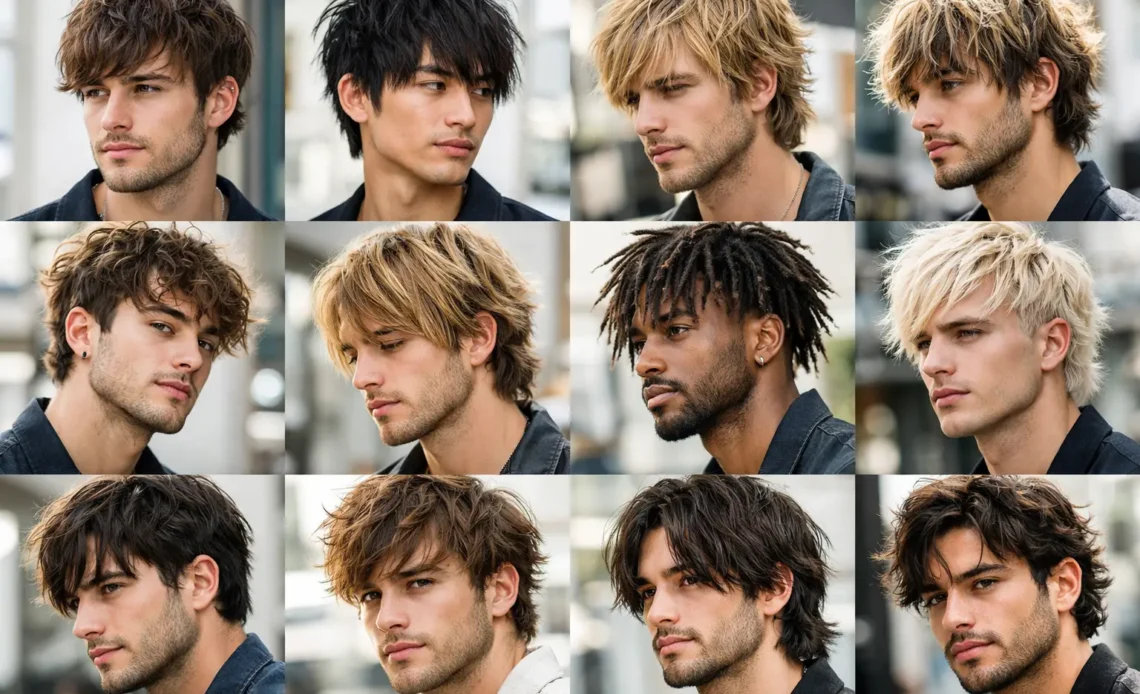
Shaggy haircuts for men continue dominating the style landscape in 2026 and 2027, proving that textured, lived-in looks outlast fleeting trends through their perfect balance of effortless cool and practical wearability. These deliberately messy cuts embrace natural hair movement, celebrating texture over precision while delivering the confident, laid-back aesthetic modern men crave. The enduring appeal stems from remarkable versatility adapting across face shapes, hair types, and personal styles while requiring minimal daily maintenance compared to heavily structured cuts demanding constant attention.
Understanding shaggy haircuts requires recognizing them as intentional artistry rather than simple neglect. Strategic layering creates controlled chaos through choppy, uneven lengths generating dimension and movement. The best shaggy styles work with natural hair texture instead of fighting it, whether straight, wavy, or curly.
This approach resonates deeply in 2026 as men increasingly reject overly polished, artificial looks favoring authentic personal expression through hair that appears naturally windswept yet deliberately crafted. These twelve shaggy haircuts represent the most requested and influential styles defining contemporary men’s grooming.
The Classic Textured Shag
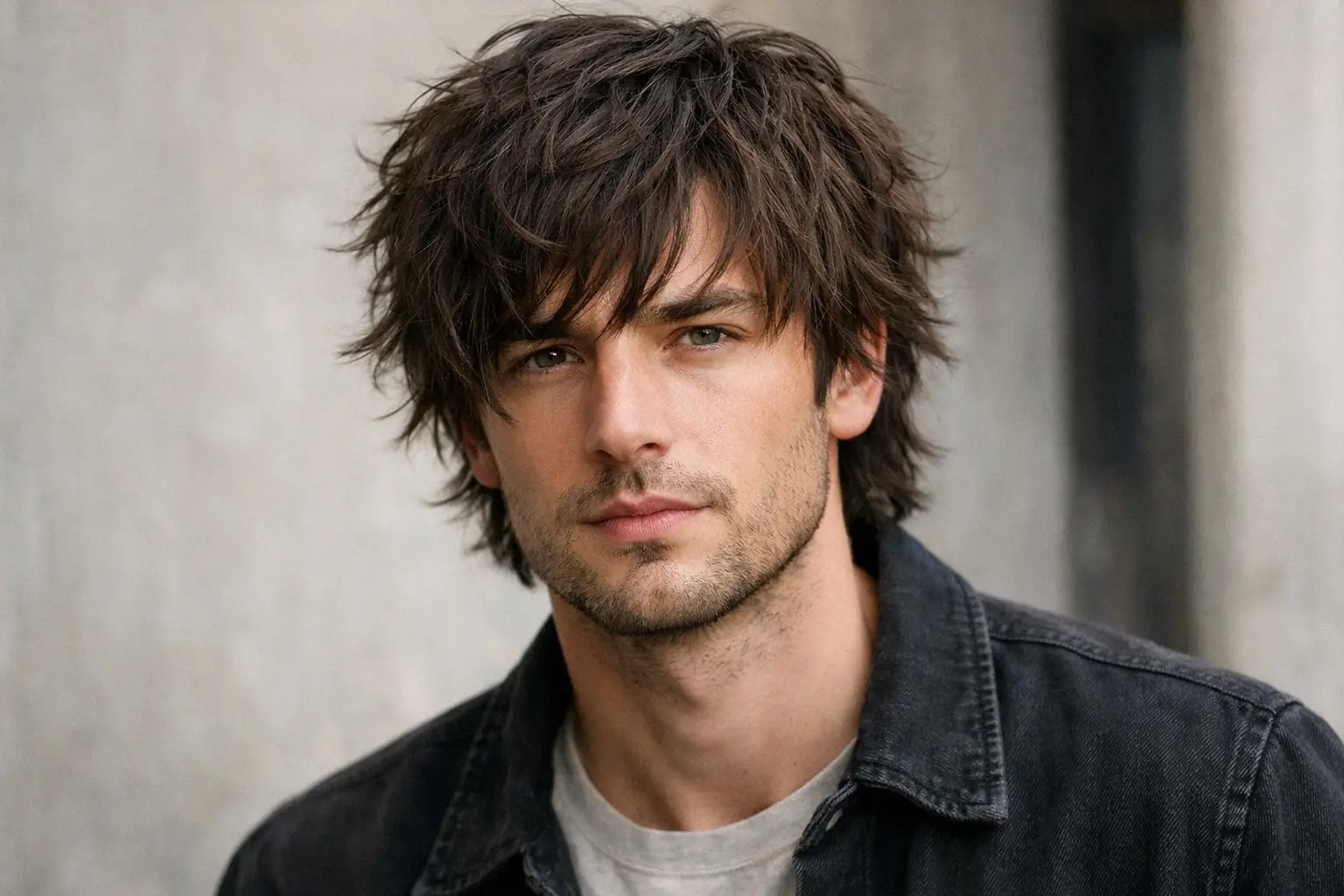
The foundational textured shag features choppy layers throughout creating natural flow and just enough controlled mess to appear effortlessly cool. This timeless variation works beautifully with straight or wavy hair, particularly flattering oval and heart-shaped faces. The layered structure prevents flatness while maintaining enough length for styling versatility. Request your barber focus on uneven layers with particular attention to face-framing pieces adding dimension around the forehead and temples. Style with light texturizing cream or sea salt spray enhancing movement without stiffness. The classic shag requires trimming every six to eight weeks maintaining defined layers preventing the style from appearing genuinely unkempt rather than intentionally disheveled.
The Wolf Cut Revolution
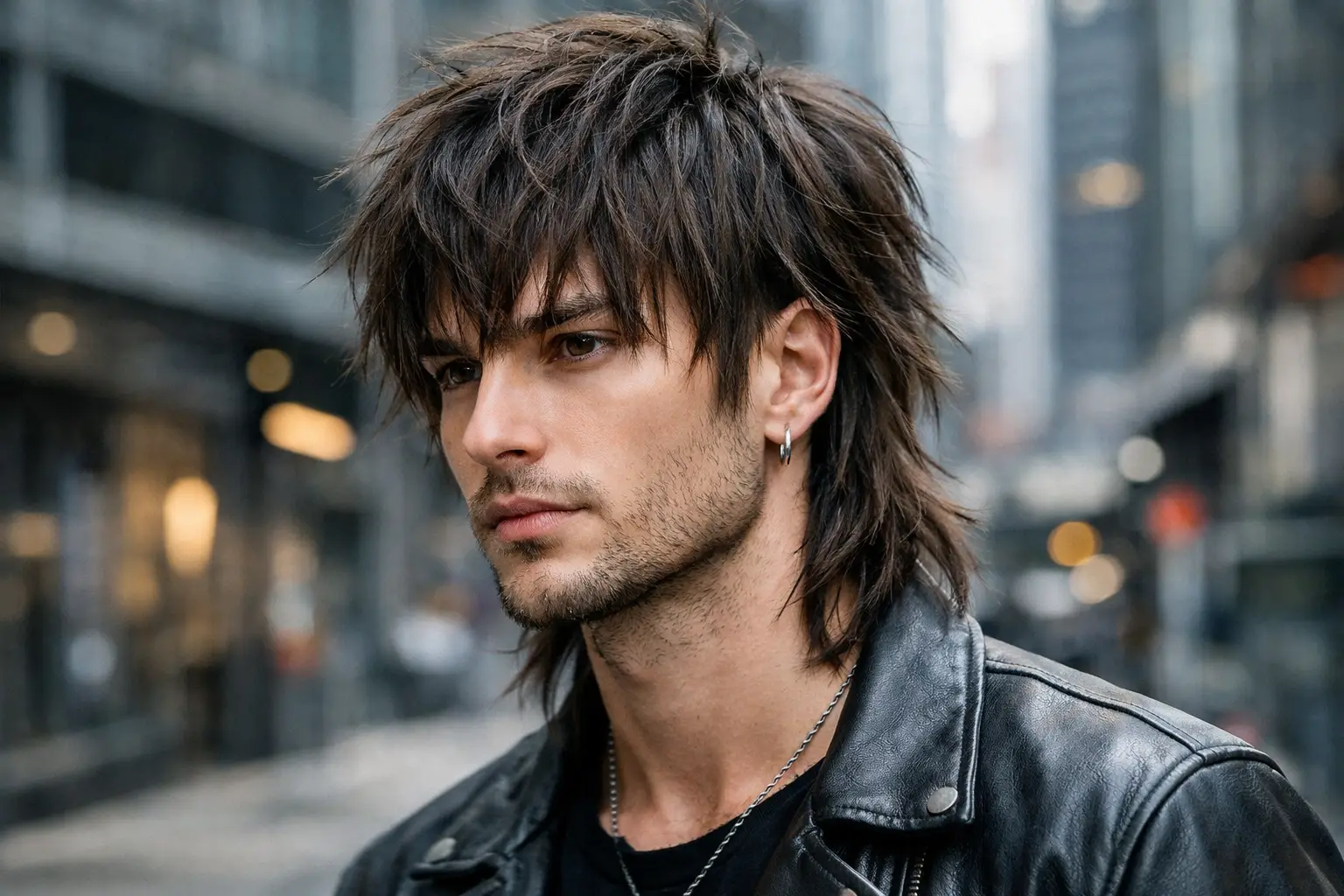
The wolf cut emerges as 2026’s breakout shaggy star, featuring dramatic choppy layers concentrated around the face while keeping the back slightly longer. This bold style creates signature lived-in movement through heavily textured cutting techniques. The wolf cut suits guys wanting standout hair making confident statements about individuality. Request your stylist add choppy, uneven layers throughout while framing layers around your face to emphasize the wolf cut’s distinctive shaggy character. Work small amounts of matte paste into damp hair, scrunching to enhance natural texture and give layers definition. The wolf cut proves particularly flattering for those with natural texture wanting cuts celebrating rather than suppressing their hair’s inherent personality.
Modern Shaggy Mullet
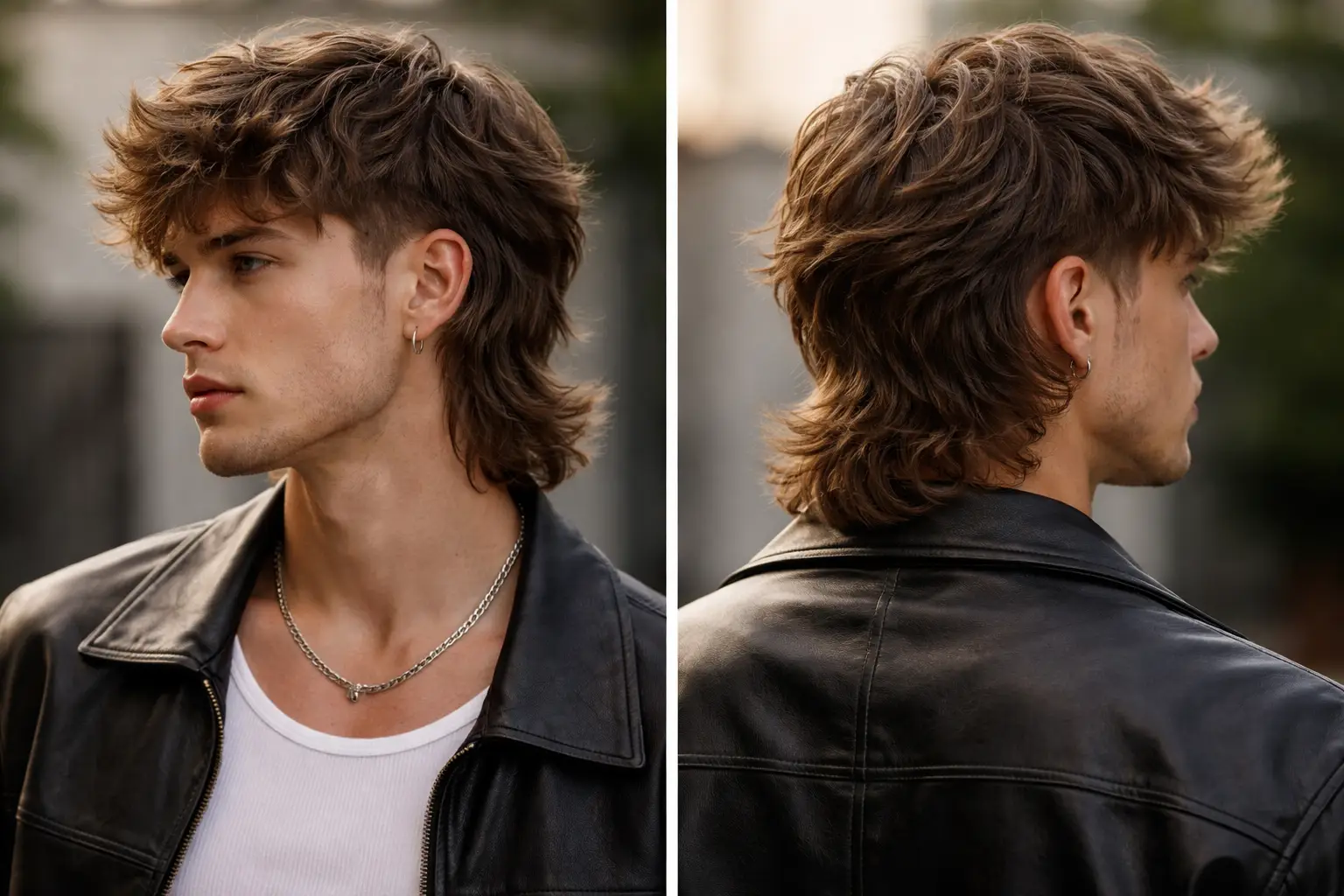
The shaggy mullet combines retro edge with contemporary sophistication through textured layers on top, slightly grown sides, and characteristic longer back sections. This variation updates classic mullets for modern sensibilities through softer transitions and deliberate texture throughout. The shaggy mullet works exceptionally well with wavy hair and oval or oblong faces. Request texturized choppy layers on top with gradual lengthening toward the back, avoiding harsh demarcations between sections. Use texturizing paste for extra definition and air-dry for that sought-after intentional mess aesthetic. Trim every five to six weeks maintaining shape without losing the style’s essential looseness.
Medium Length Flow Cut
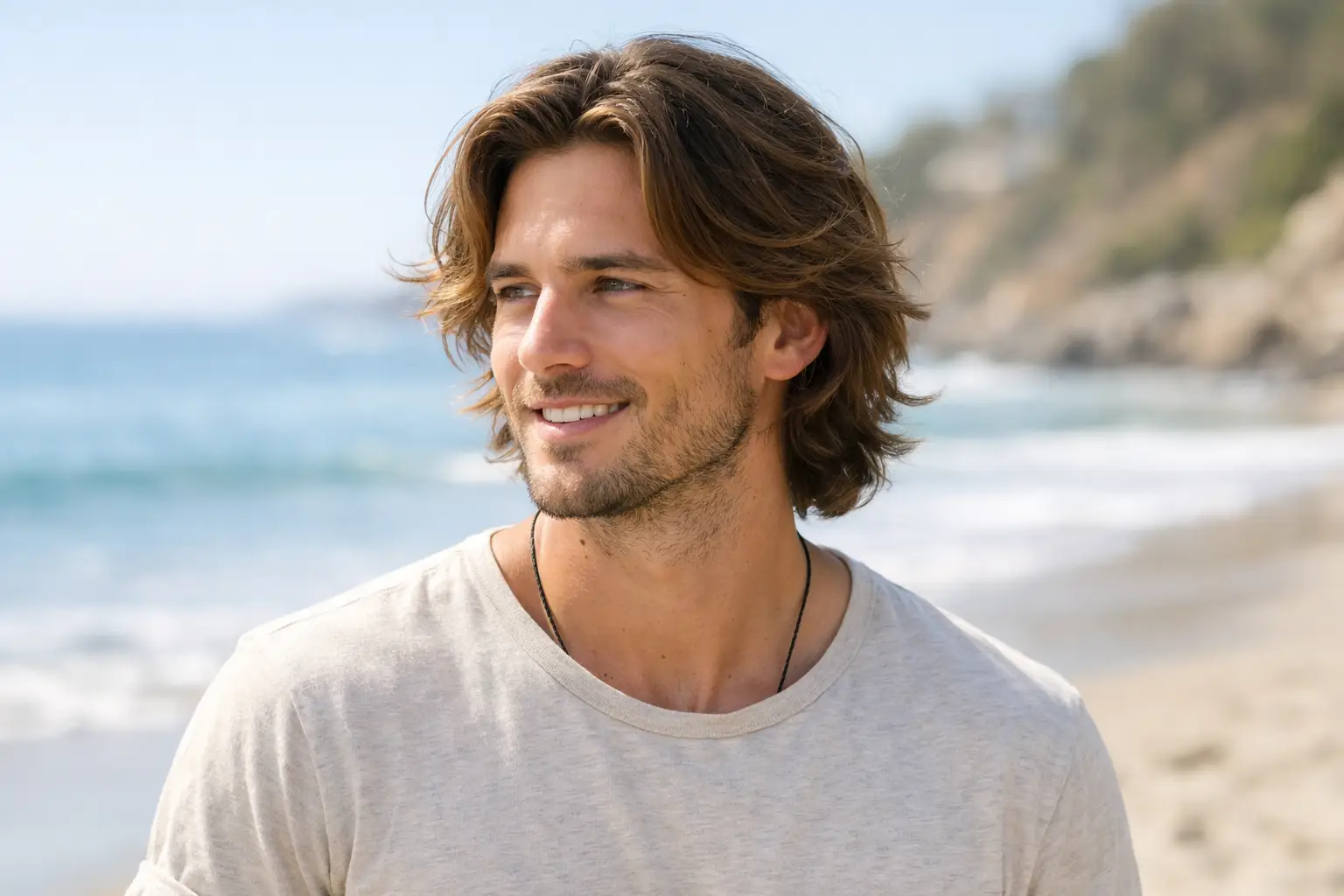
The flow cut celebrates natural movement through medium-length hair featuring soft layers allowing hair to flow freely. This style evokes relaxed, beach-inspired vibes managing to look simultaneously stylish while appearing completely effortless. The flow works particularly well on longer faces and for those with naturally wavy or slightly textured hair. Request layers starting below the ears cascading through the ends while keeping significant length throughout. Apply leave-in conditioner and air-dry or use a diffuser creating those characteristic loose, surfer-inspired waves. The flow requires minimal daily styling making it ideal for low-maintenance routines while maintaining sophisticated Short Choppy Shag
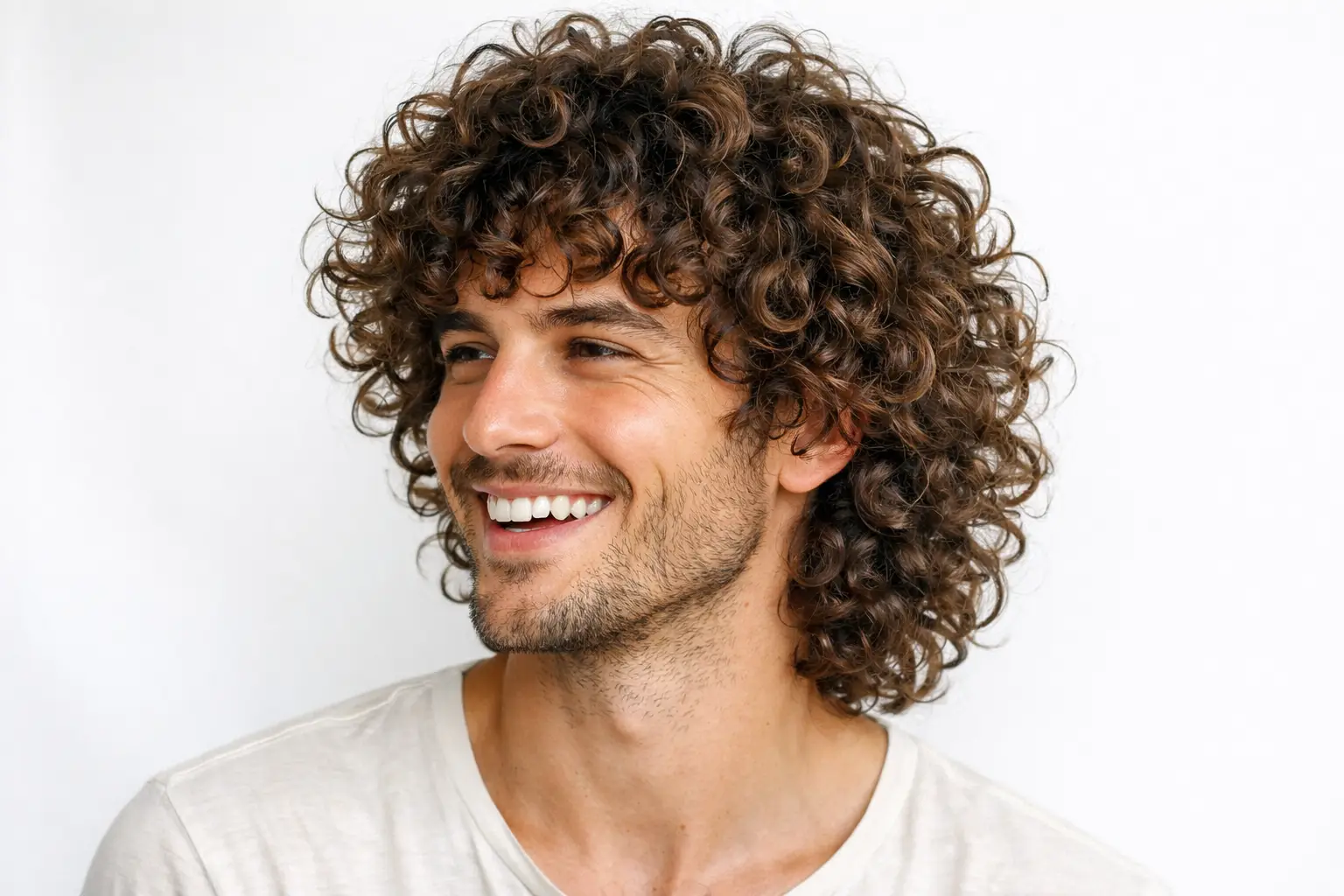
The short shaggy variation delivers the style’s signature texture and movement while maintaining shorter overall length proving more practical for professional environments or active lifestyles. This cut features heavy layering throughout creating substantial dimension despite limited length. Short choppy shags flatter most face shapes and work across various hair textures. Request choppy textured layers with particular volume at the crown and movement around the hairline. Style with small amounts of matte clay or texture paste scrunching with fingers for separated, gritty finish. The shorter length requires more frequent trims every four to six weeks maintaining the cut’s essential structure and preventing excessive volume accumulation.
Seventies Inspired Retro Shag
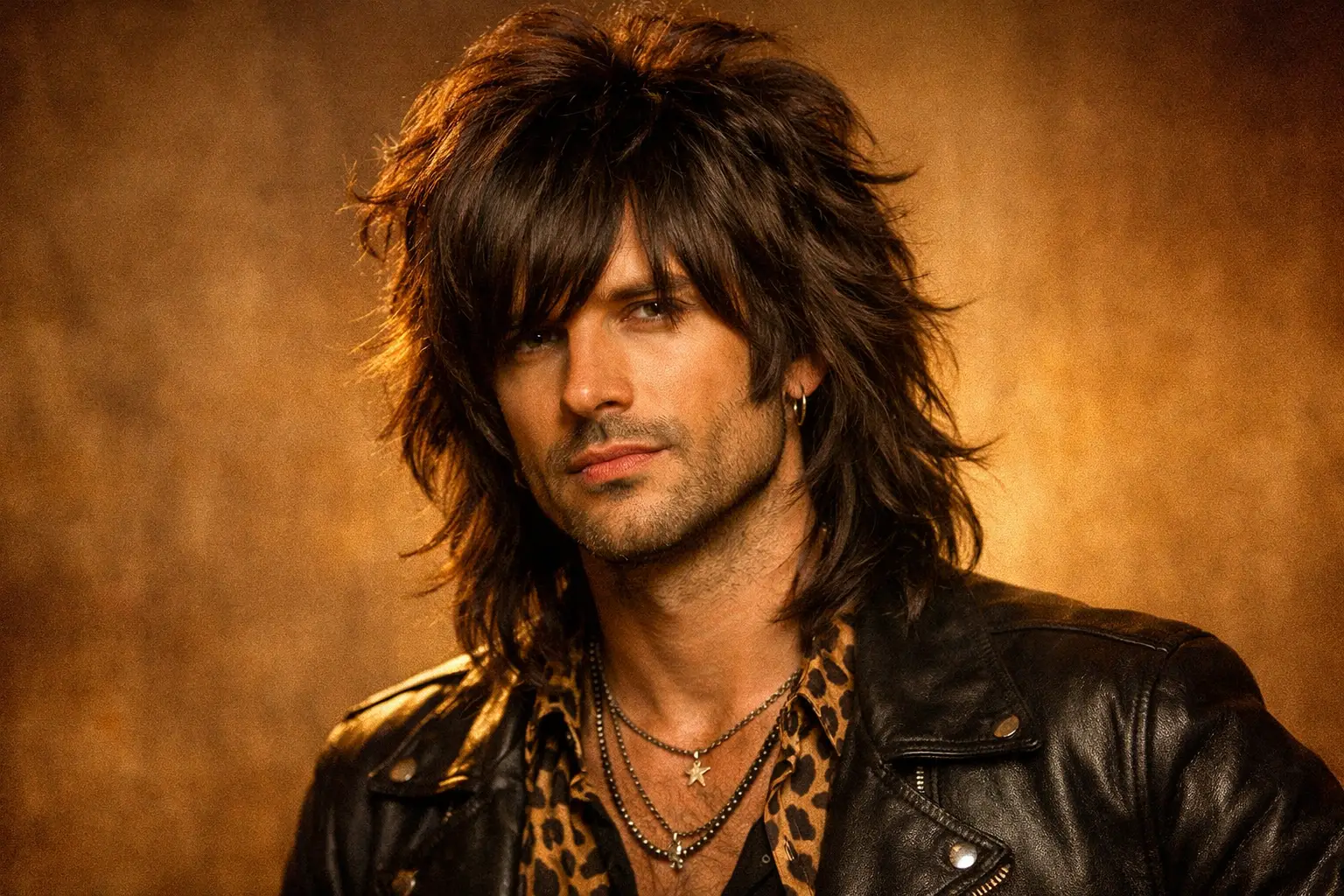
The retro shag channels iconic 1970s rock star aesthetics through longer layers, abundant texture, and effortlessly falling fringe. This nostalgic yet contemporary style features feathered elements and crown volume creating that groovy, timeless appeal. The ’70s shag particularly suits those comfortable with bolder, statement-making hair celebrating vintage cool with modern execution. Request feathered fringe with added volume at the crown and flowing layers throughout. Finish with moderate amounts of styling product maintaining soft texture without stiffness. This dramatic variation requires commitment to longer styling sessions and regular maintenance preserving the carefully crafted vintage aesthetic.
Curly Shag Celebration
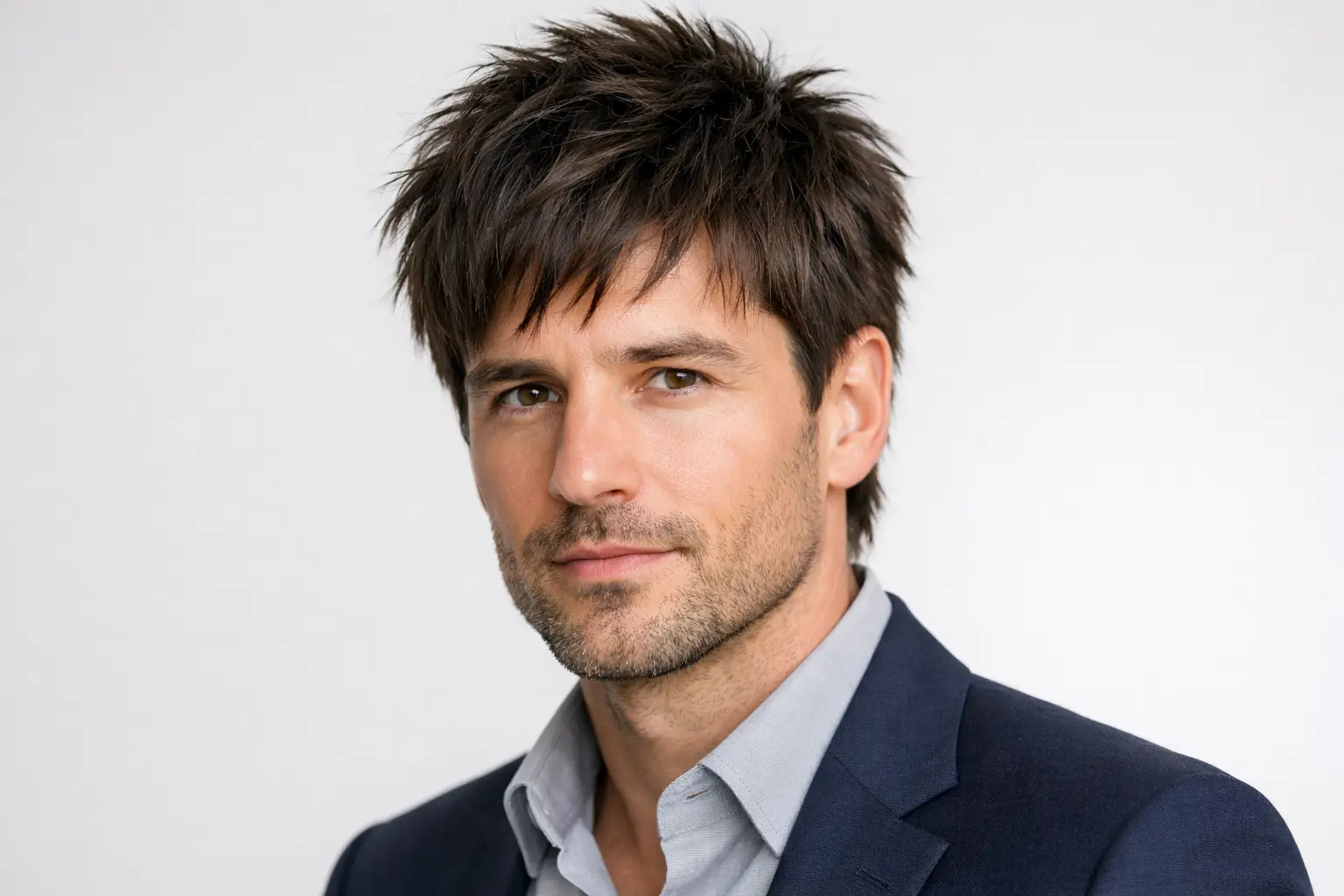
The curly shag transforms naturally textured hair into intentional style statements through strategic layering enhancing rather than taming natural curl patterns. This cut features shorter layers around the crown with longer lengths through ends allowing curls to express their natural bounce and personality. The curly shag suits various face shapes adapting through customized layer placement. Request dry cutting allowing your stylist to see natural curl patterns and layer accordingly. Apply curl-defining cream and gently twist sections while diffusing enhancing curl formation. The curly shag liberates those with texture from constant straightening while celebrating natural hair’s inherent beauty.
Shaggy Curtain Fringe
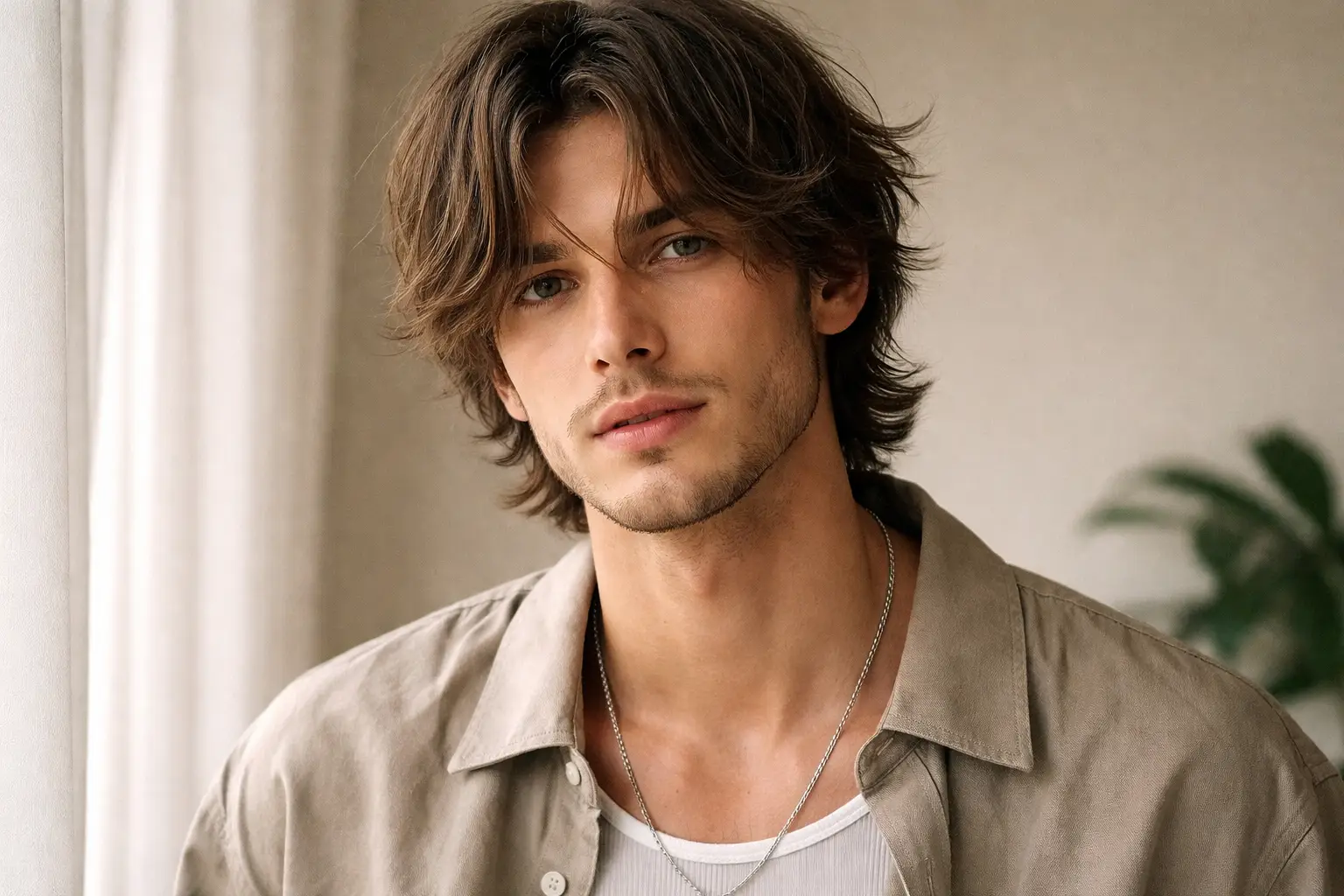
Combining shaggy layers with curtain bangs creates relaxed, bohemian vibes through center-parted fringe framing the face beautifully. This style blends 1990s nostalgia with contemporary texture creating universally flattering results. The curtain fringe shag works across most face shapes and hair types though particularly suits those with natural movement. Request medium-length layers with center-parted fringe falling to cheekbone level or slightly longer. Rub lightweight texturizing paste into damp hair and air-dry for natural volume. The curtain element softens facial features while the shaggy layers prevent any appearance of excessive styling effort.
Messy Bedhead Shag
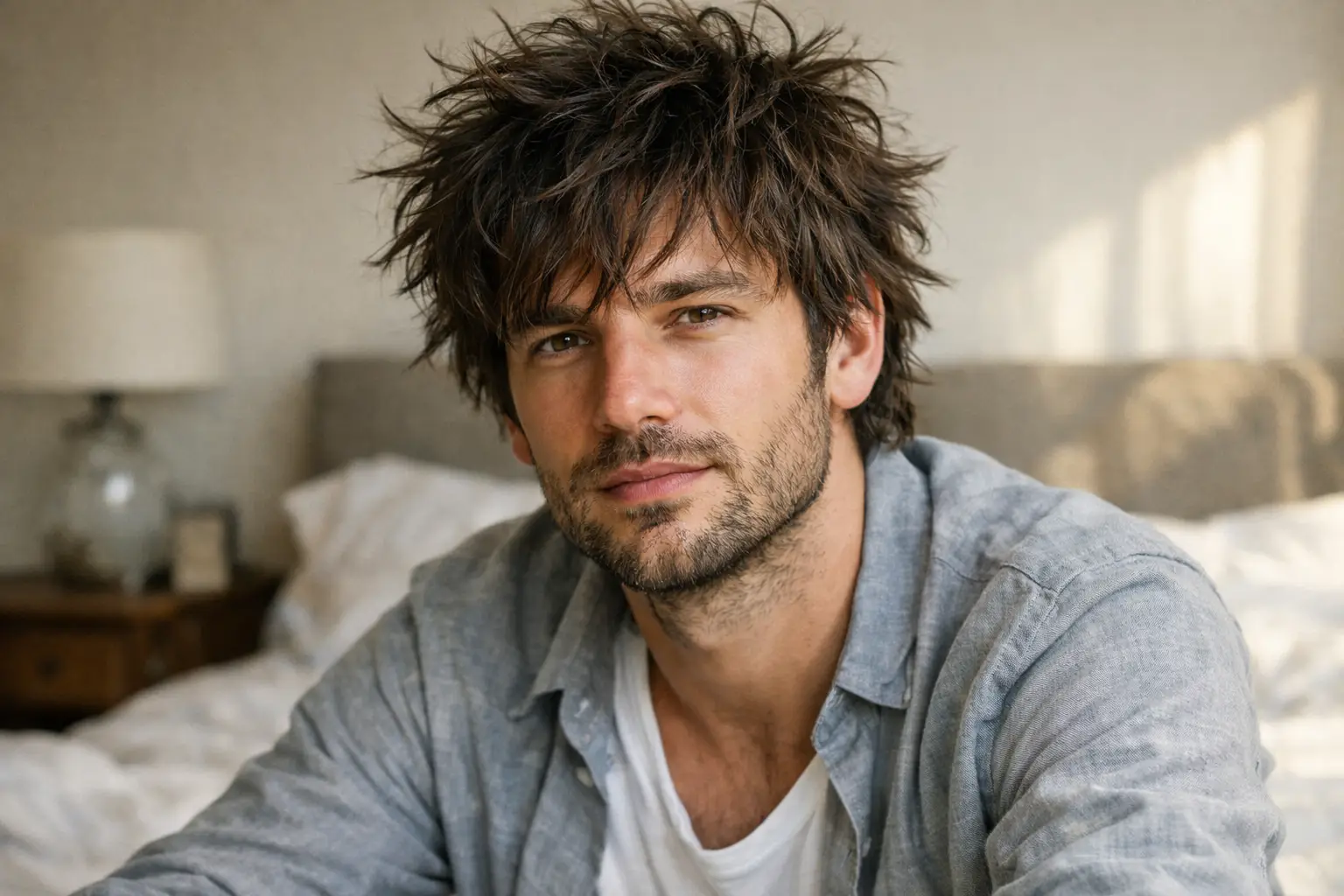
The deliberately messy bedhead shag perfects that rolled-out-of-bed aesthetic requiring surprising skill to appear genuinely effortless. This variation embraces maximum dishevelment through heavily textured layers and piece-y separation. Best suited for wavy or straight hair and round or oval faces. Request substantial layering throughout focusing on creating separated, disconnected pieces. Use texturizing spray or dry shampoo adding volume and grit then deliberately mess with hands creating controlled chaos. Despite appearing casual, this style requires regular six to eight week trims preventing genuine messiness overwhelming intentional styling.
Surfer Shag Style

The surfer shag captures carefree beach culture through windswept layers, sun-bleached aesthetics, and natural movement celebrating outdoor lifestyles. This style features choppy layers longer around the top with characteristic loose, relaxed structure. The surfer shag flatters most face shapes particularly when paired with natural highlights suggesting sun exposure. Request choppy layering throughout keeping length around the top of the head with windswept directional cutting. Work small amounts of sea salt spray through damp hair and allow to air-dry embracing natural texture. The authentically relaxed aesthetic requires minimal daily effort while maintaining polished appearance.
Razor Cut Shag
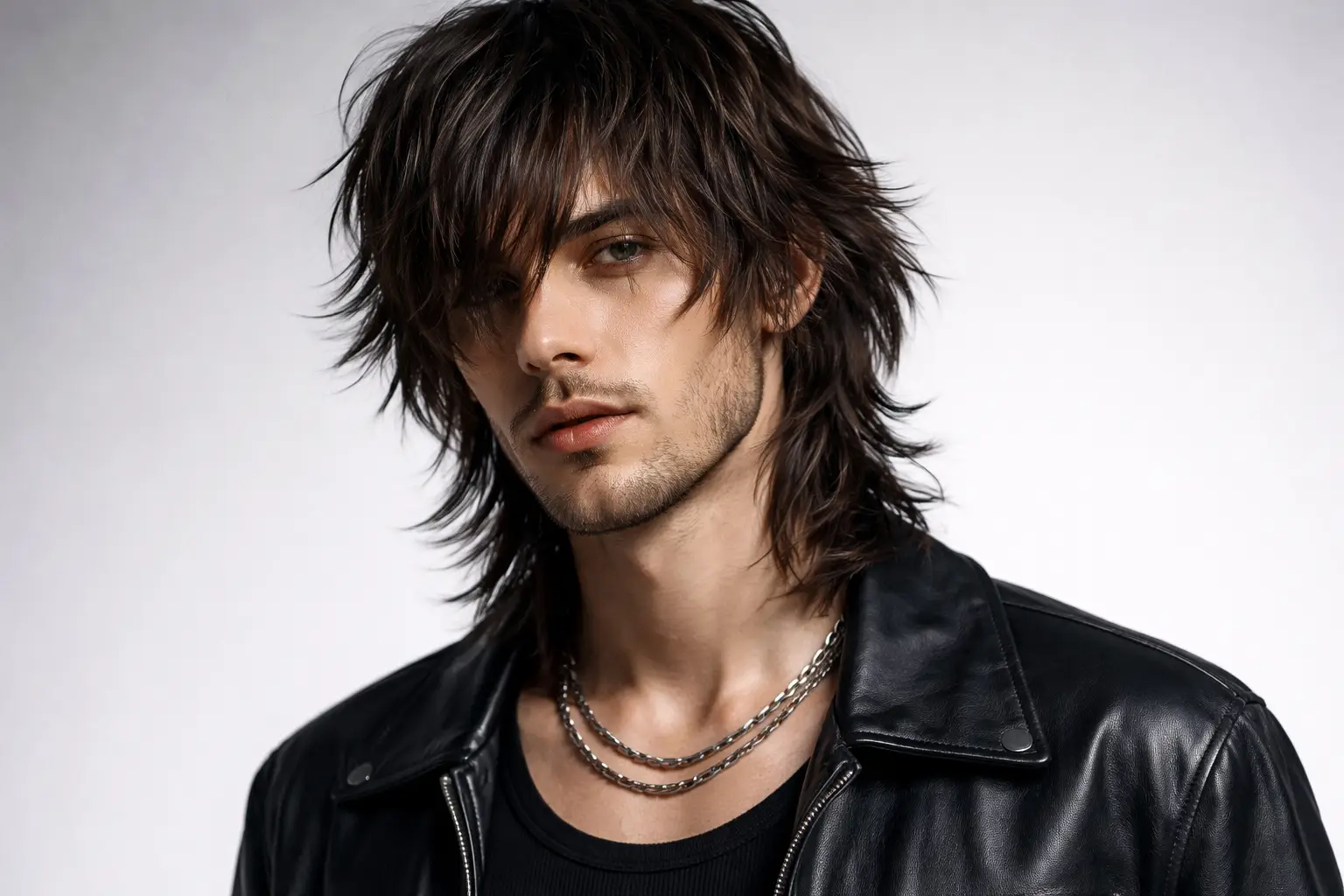
The razor cut shag utilizes specific cutting techniques creating ultra-soft edges and feathered texture generating breezy, lived-in vibes. Razor cutting produces graduated edges catching light beautifully while adding dimension through varied length transitions. This technique particularly suits those wanting edgy yet relaxed looks with natural flow. Request razor cutting throughout emphasizing soft, flowing layers rather than blunt edges. The razor cut requires experienced stylists skilled in this specialized technique but rewards with distinctive texture impossible achieving through standard scissor cutting alone.
Geometric Layered Shag
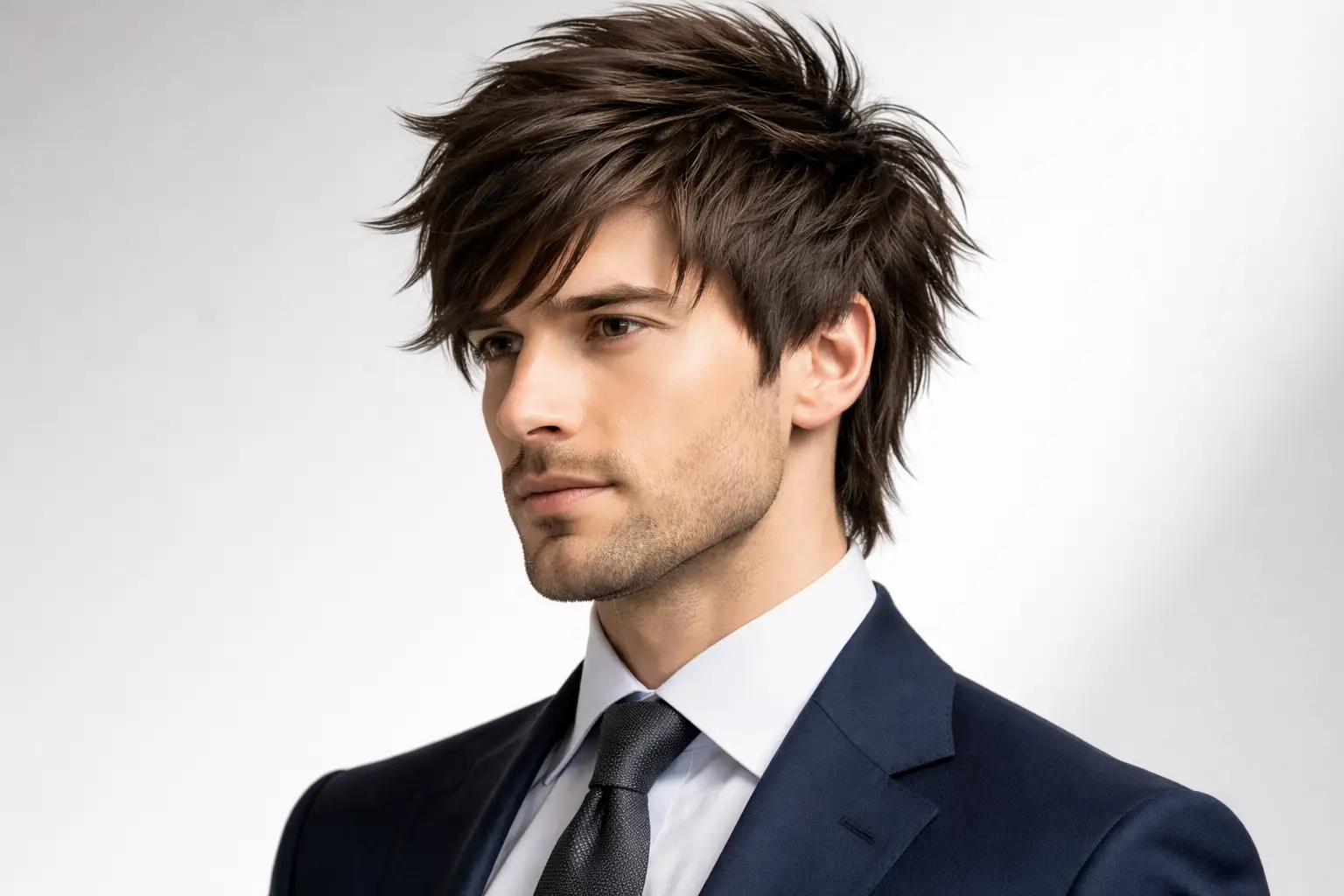
The geometric shag blends shaggy texture with structured precision through intentional layer placement creating modern sophisticated aesthetics. This contemporary variation adds intellectual edge to traditional shaggy styles through deliberate angular elements balanced with natural movement. Request defined layers at specific lengths creating subtle geometric patterns while maintaining overall textured appearance. Style with versatile products ranging from light creams to matte clays depending on desired finish. The geometric shag suits professional environments where traditional shaggy cuts might appear too casual while maintaining the style’s essential character.
Conclusion
Shaggy haircuts for men prove their staying power in 2026 and 2027 through remarkable adaptability celebrating natural texture, personal style, and practical wearability. The twelve variations presented demonstrate that shaggy doesn’t mean singular, offering options from short choppy cuts to flowing surfer lengths, retro-inspired volume to contemporary geometric precision. Each style shares fundamental principles of layered texture, intentional dishevelment, and movement over rigidity while adapting to individual needs regarding face shape, hair type, lifestyle demands, and personal aesthetic preferences. Successful shaggy haircuts require skilled cutting creating deliberate structure beneath apparent casualness and regular maintenance preserving intentional design. Consultation with experienced barbers or stylists ensures your chosen shaggy variation flatters individual features while authentically expressing personal style through hair that appears effortlessly cool because it genuinely suits you.
Frequently Asked Questions
How often should I trim my shaggy haircut?
Most shaggy haircuts require trimming every six to eight weeks to maintain proper layer definition and prevent the style from appearing genuinely unkempt rather than intentionally textured. Shorter shaggy variations may need more frequent trims every four to six weeks while longer flow-style cuts can extend to eight to ten weeks between appointments. Regular maintenance proves essential as shaggy cuts rely on specific layer placement for their characteristic movement and texture.
What hair type works best with shaggy cuts?
Shaggy haircuts adapt remarkably well across all hair types when cut appropriately. Wavy or slightly textured hair naturally enhances the shaggy aesthetic, while straight hair benefits from the dimension layers provide. Curly hair thrives in shaggy cuts celebrating natural texture through strategic layering. Even fine hair gains volume and interest through choppy textured cutting. The key lies in customizing the specific shaggy variation and cutting technique to complement your natural hair characteristics.
What products work best for styling shaggy hair?
The most effective products for shaggy styles include texturizing paste, matte clay, sea salt spray, and lightweight styling creams. Texturizing products enhance natural movement and create piece-y separation characteristic of shaggy cuts. Matte finishes typically work better than high-shine products maintaining the casual, lived-in aesthetic. Start with small amounts as over-application can weigh hair down defeating the light, airy quality that makes shaggy cuts appealing. Many shaggy styles look best when air-dried rather than blow-dried.
Do shaggy haircuts work for professional environments?
Many shaggy variations suit professional settings when properly maintained and styled. Shorter choppy shags and geometric layered shags offer textured interest while maintaining polished appearance appropriate for business environments. The key lies in regular trims maintaining intentional structure and using quality styling products preventing genuine messiness. More dramatic shaggy mullets or extremely textured styles may prove challenging in conservative corporate settings but work perfectly in creative industries or casual workplaces.
Can shaggy cuts work with receding hairlines or thinning hair?
Yes, shaggy haircuts often work well for men experiencing hair thinning or recession. The layered, textured nature creates volume and dimension making hair appear fuller than blunt, heavy cuts. Strategic layer placement can draw attention away from receding areas while the deliberately messy aesthetic proves forgiving of thinner density. Consult with experienced stylists who can customize shaggy techniques specifically addressing your hair concerns while maintaining the style’s essential character and movement.