
Introduction
Thick hair has a way of making even simple mornings feel complicated. Between the extra time it takes to dry, the weight that pulls styles flat by noon, and the constant battle with bulk, it is easy to feel like your hair is working against you instead of for you.
The truth is, thick hair is not the problem. The wrong cut is. Once you find a style that works with your natural density instead of fighting it, everything gets easier. Less product, less time, and a lot less frustration in front of the mirror.
This list walks through 22 low maintenance haircuts for thick hair that genuinely hold up between salon visits. Each one is picked for how well it manages weight and volume while still looking put together on a busy day.
Long Layered Cut
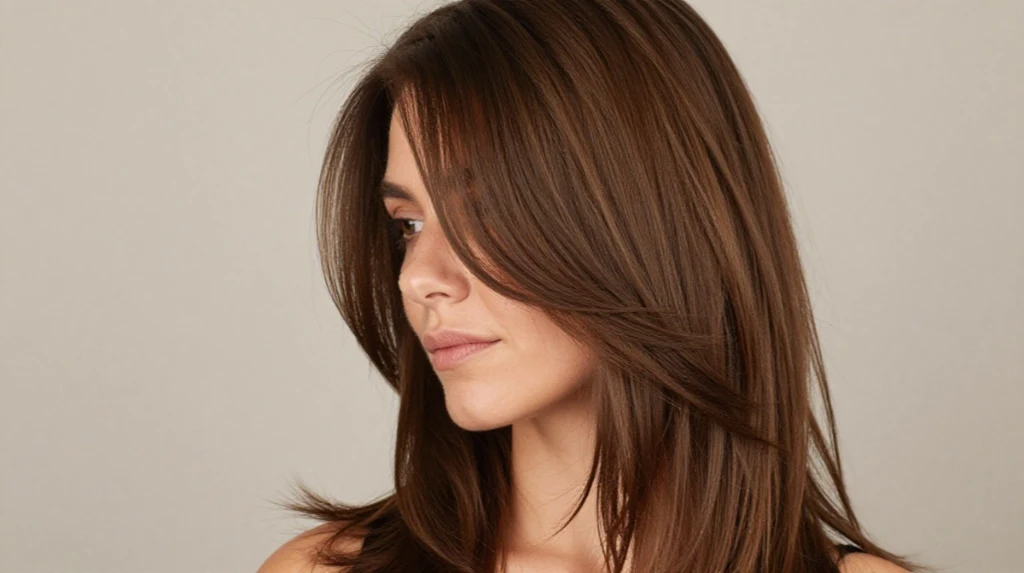
Long layers remove weight from thick hair without sacrificing length. Instead of one heavy mass, the hair moves in sections, which makes it feel lighter and easier to handle. This is one of the most requested cuts for women who want to keep length but hate the bulk that comes with it.
Ask your stylist to focus the layers around your face and through the ends rather than all over. This keeps the shape soft and prevents the dreaded triangle effect that can happen when layers are cut too evenly on thick hair.
The Textured Lob
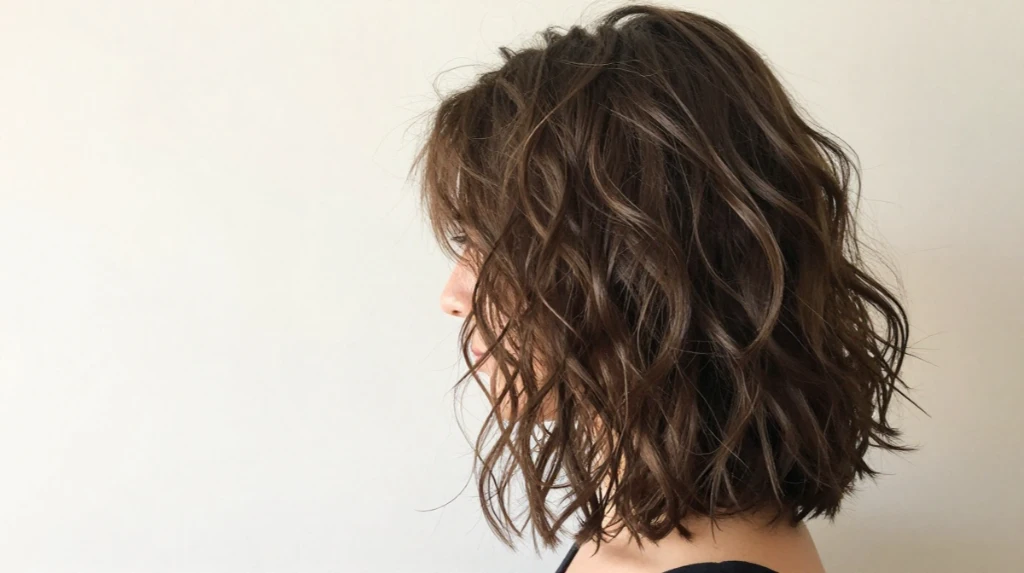
The textured lob sits around collarbone length and uses choppy ends to break up thickness. It has become a favorite for women who want something shorter than long hair but still versatile enough to wear straight, wavy, or air dried.
A texturizing spray or light sea salt spray brings out the natural movement in this cut. It works well on second or third day hair, which makes it a genuinely low effort option during the week.
Blunt Bob for Thick Hair
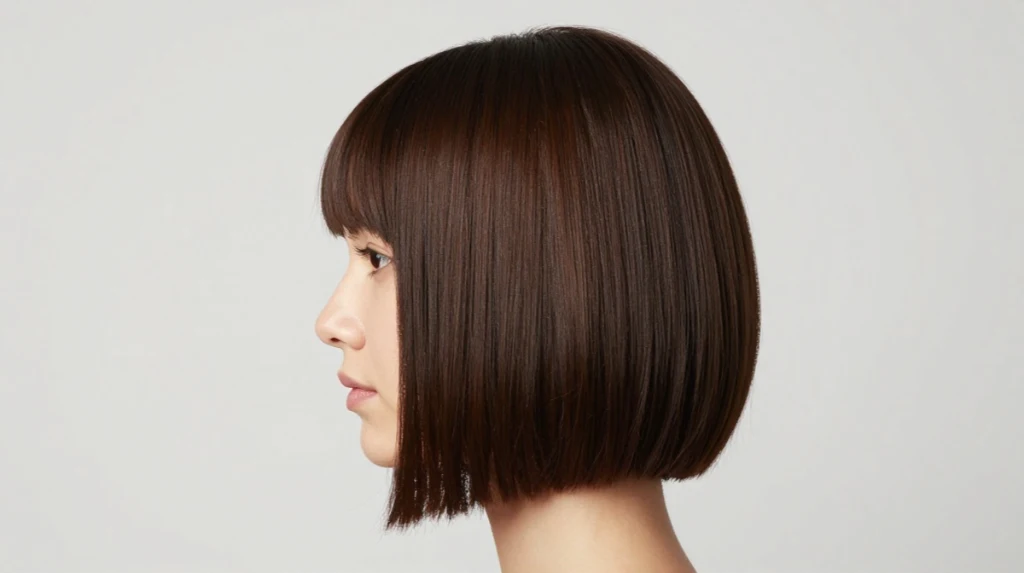
A blunt bob might sound risky for thick hair, but when cut correctly, it actually uses the density to its advantage. The straight, clean line looks intentional and full rather than heavy, especially at chin or jaw length.
This cut needs very little styling. A quick round brush blow-dry or even just air drying with a smoothing cream gives a polished look. Regular trims every six to eight weeks keep the shape sharp.
Shoulder Length Shag
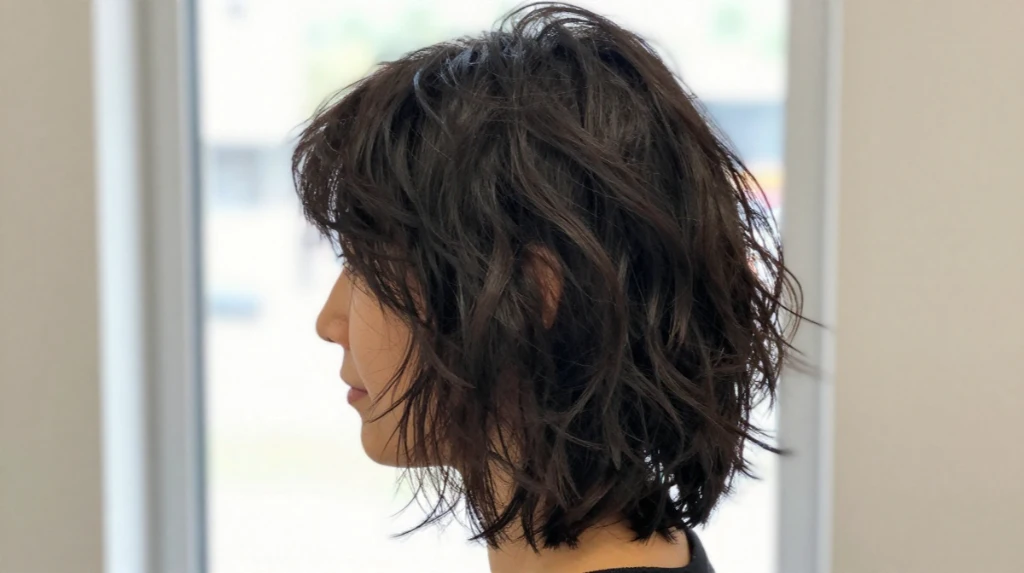
The shag cut has come back strong, and thick hair is actually the ideal texture for it. Layered throughout with face-framing pieces, the shag creates natural volume and movement without needing heat styling every day.
This cut looks best a little undone, so there is no pressure to make it perfect. A light mousse scrunched through damp hair is often all it takes to get that lived-in texture.
The Curtain Bangs Layered Cut
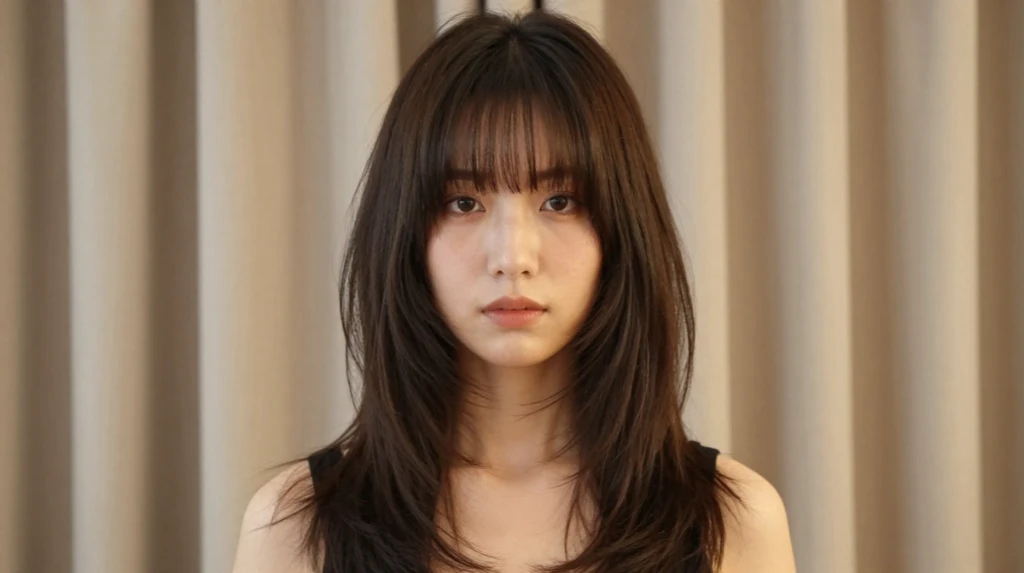
Curtain bangs paired with long layers soften the face and give thick hair somewhere to fall instead of sitting heavy across the forehead. The middle part and side-swept pieces frame the face naturally.
This style needs occasional bang trims every four to five weeks, but the rest of the cut stretches easily between visits. It works well air dried or with a quick blow-dry using a round brush.
Long Layers with Face Framing

This cut keeps the overall length but adds shorter pieces around the face to lighten the front section. It is especially helpful for thick hair that tends to look boxy or heavy near the jawline.
Face-framing layers also grow out gracefully, which means fewer trips to the salon without the cut looking outdated. A light oil on the ends helps control frizz without weighing the layers down.
The Classic Bob
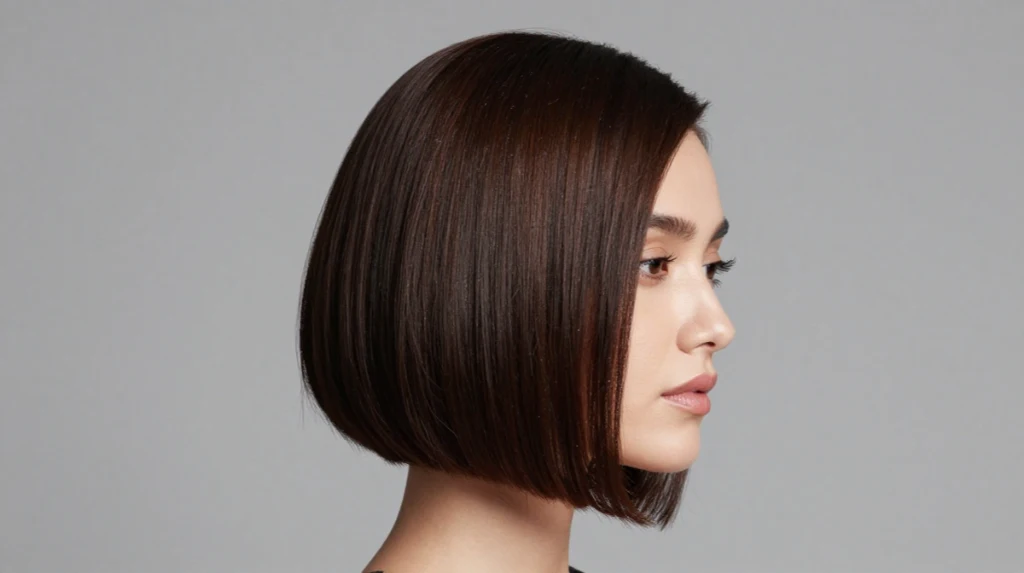
A classic bob at chin length remains one of the most reliable cuts for thick hair. It is simple, structured, and holds its shape well even without daily styling.
The key with this cut is regular maintenance trims, since thick hair can grow out unevenly if the ends are not kept in check. Aside from that, a bob genuinely requires minimal daily effort.
Wolf Cut for Thick Hair
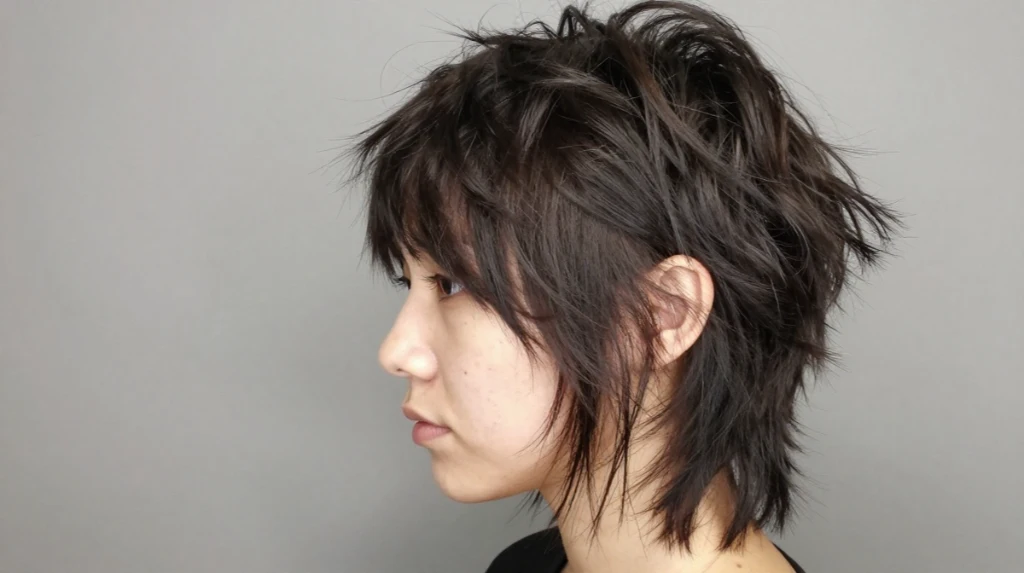
The wolf cut combines short layers on top with longer pieces below, creating a shaggy, textured shape. Thick hair holds this style especially well because the natural density fills out the layers instead of falling flat.
This is a great option for women who want a bold change without committing to heavy daily styling. Scrunching in a texturizing cream while the hair air dries brings out the best version of this cut.
The Pixie Cut
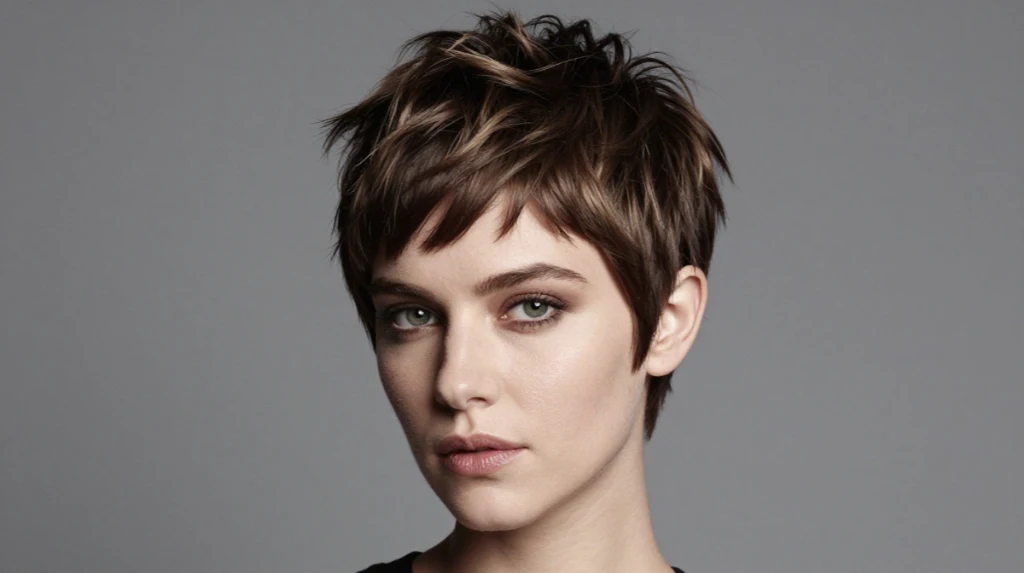
A pixie might seem like an unlikely match for thick hair, but with the right cutting technique, it becomes one of the lowest maintenance options on this list. Thinning shears remove bulk while keeping enough length for texture and movement.
This cut needs trims every three to four weeks to stay sharp, but daily styling takes only a few minutes. A small amount of matte paste is usually enough to finish the look.
Short Layered Bob
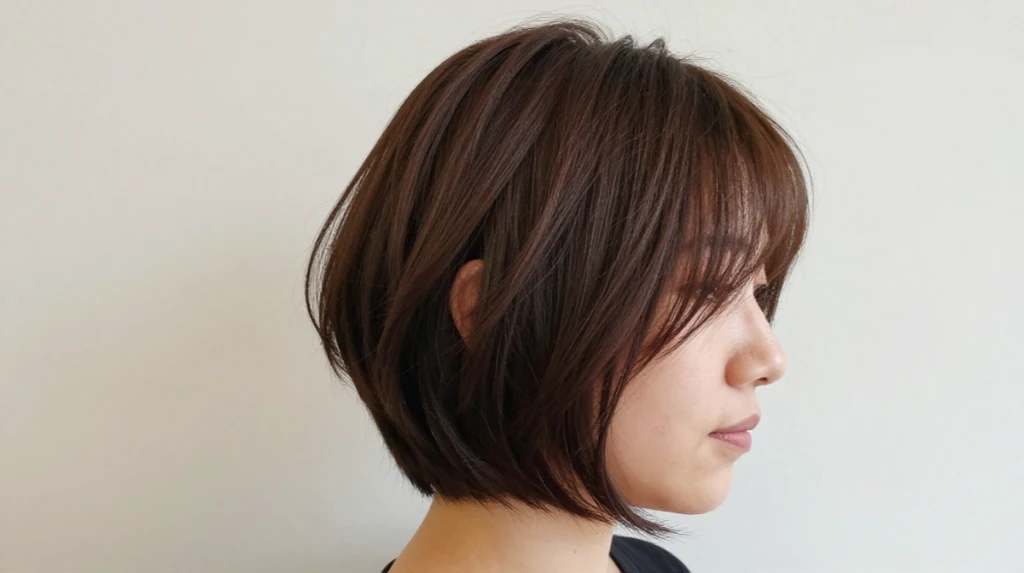
A short layered bob sits just above the shoulders and uses internal layering to release weight from thick hair. It keeps the classic bob silhouette while making the hair easier to move and style.
This cut works well for women transitioning from longer hair who are not ready for something too short. It air dries nicely and holds curl or wave well if you want extra texture.
The Butterfly Layers
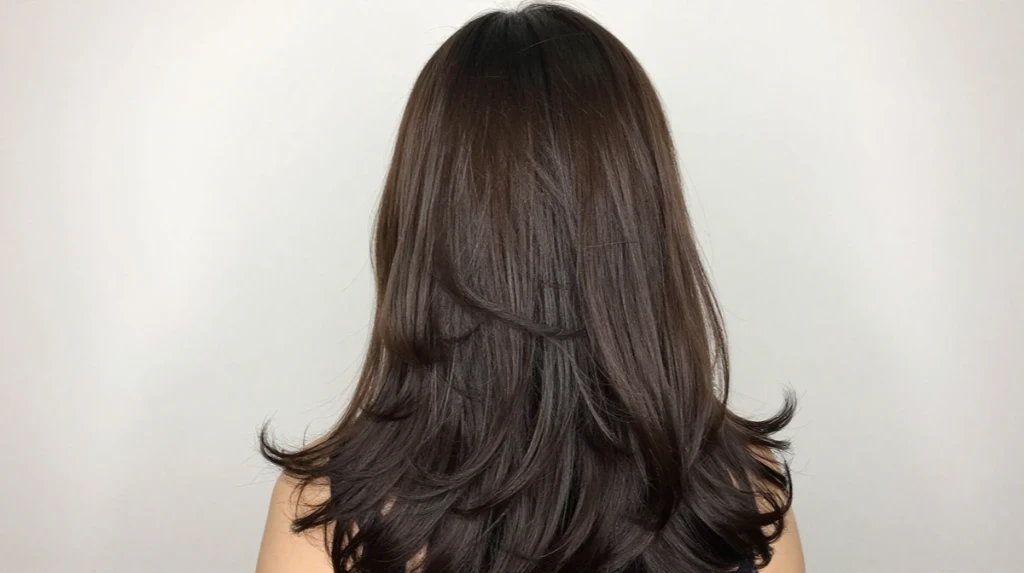
Butterfly layers are a newer take on long layering, with shorter pieces around the crown that blend into longer layers below. The result looks full and voluminous rather than thin, which suits thick hair particularly well.
This cut adds movement without sacrificing length, making it a good middle ground for women who want change but are not ready to cut much off.
Medium Length Layers
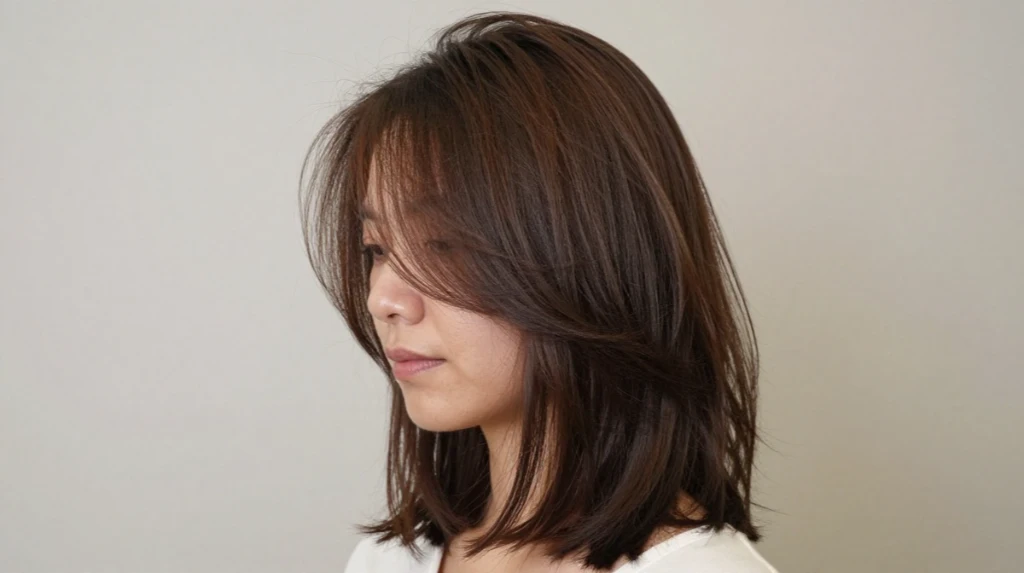
Shoulder to collarbone length layered cuts are a dependable choice for thick hair because they balance manageability with versatility. The layers reduce bulk while the medium length keeps styling options open.
This length works for both straight and wavy styling, and it holds up well between wash days with just a light refresh of dry shampoo at the roots.
The A-Line Bob
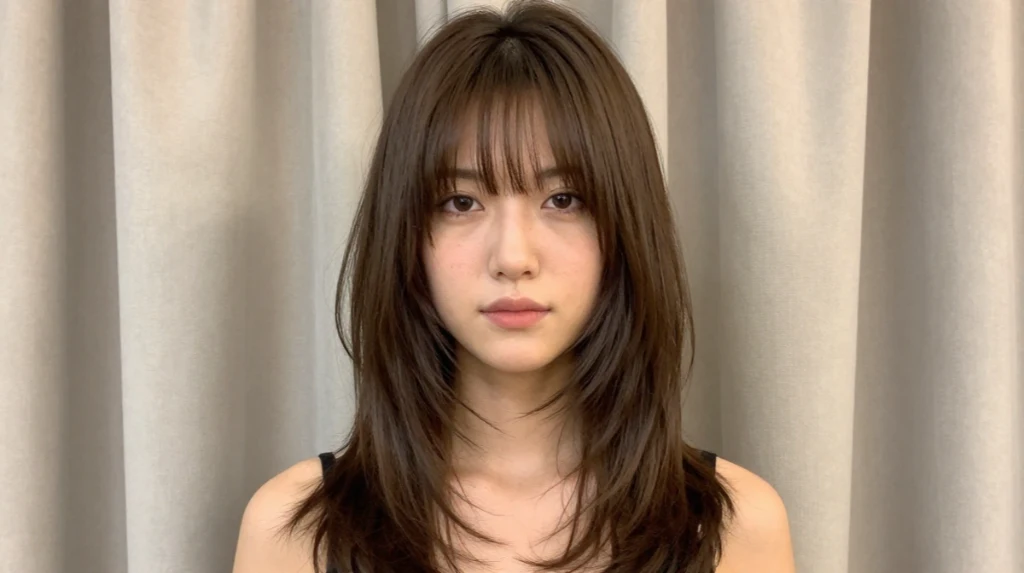
The A-line bob is shorter in the back and gradually longer toward the front. This shape naturally slims the silhouette of thick hair and adds a sense of movement that a blunt cut sometimes lacks.
It is a structured style, so occasional trims are needed to maintain the angle. Daily styling is simple, often requiring just a flat iron pass or natural air drying.
Blunt Lob with Waves
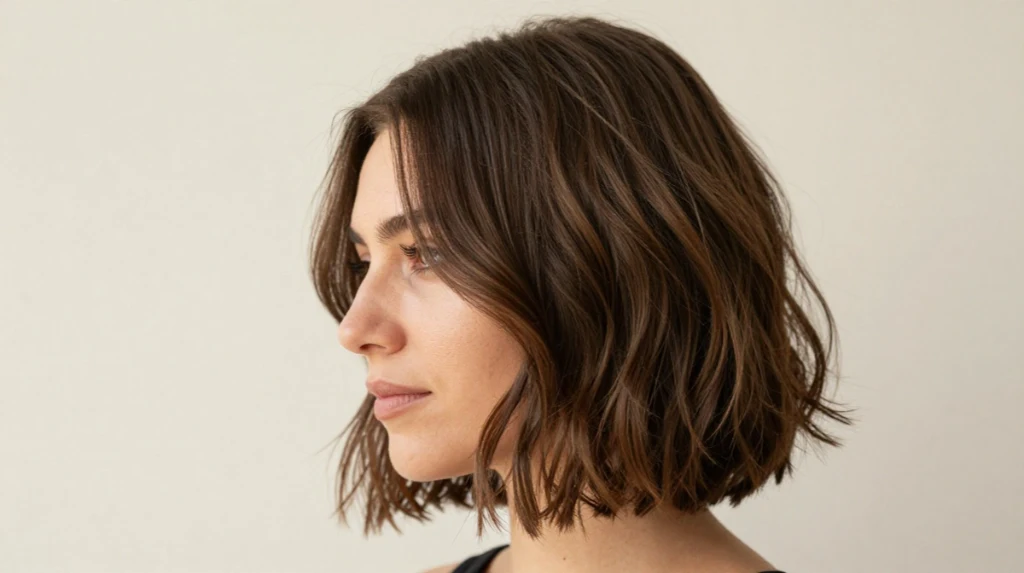
A blunt lob paired with loose waves softens the heaviness that can come with thick hair while keeping a clean overall line. The waves add texture without needing daily heat styling if you set them the night before.
Braiding damp hair before bed is an easy, low effort way to wake up with soft waves already in place, cutting down morning routine time significantly.
The French Bob
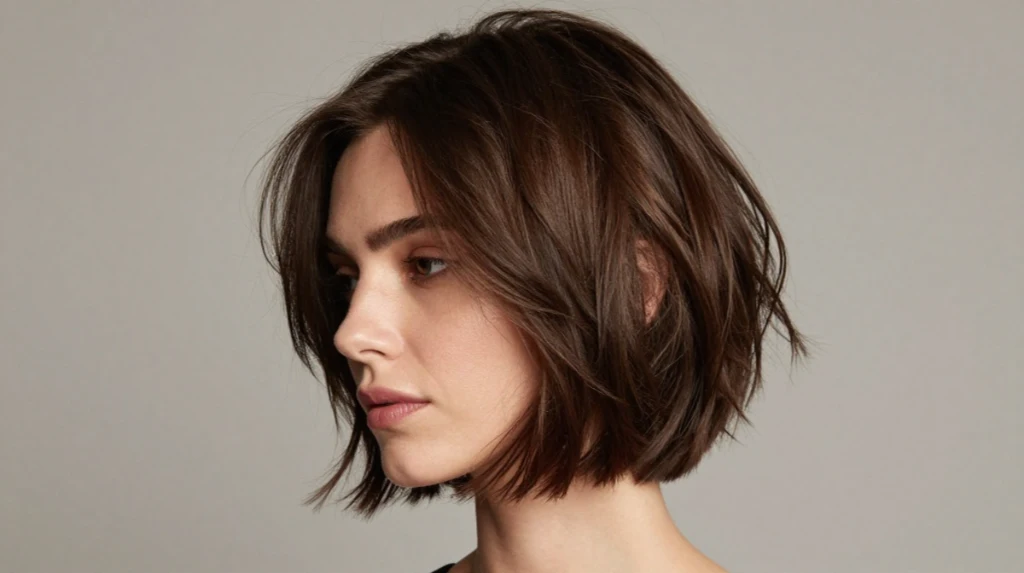
The French bob is short, textured, and cut with soft, wispy ends rather than a heavy blunt line. It works beautifully on thick hair because the piece-y ends prevent the cut from looking too bulky or triangular.
This style needs minimal product, usually just a small amount of texturizing paste worked through dry ends for definition.
Long Hair with U-Layers
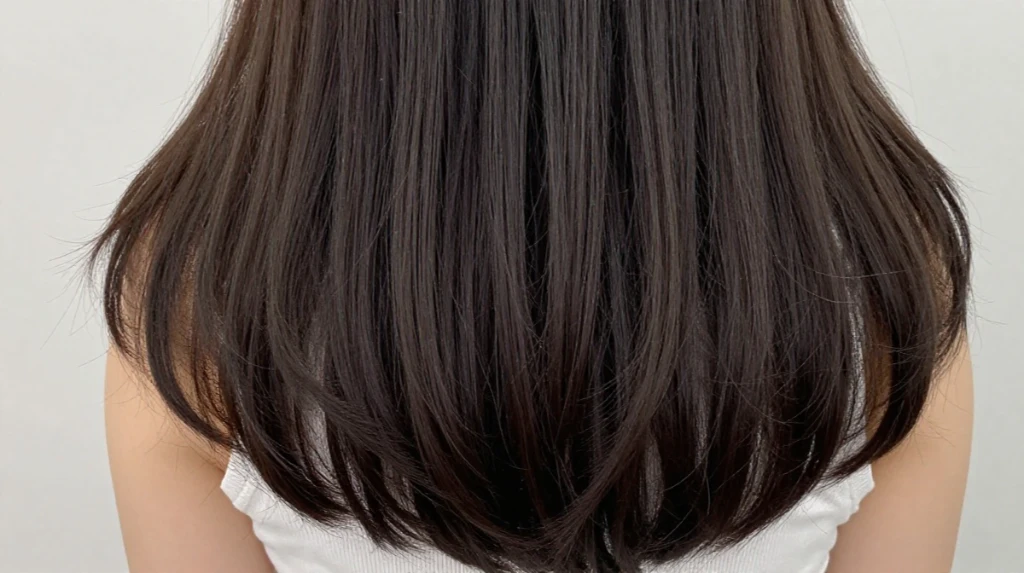
U-shaped layers create a rounded, gradual layering pattern that removes weight evenly throughout long thick hair. It is a subtler alternative to heavier layering techniques.
This cut is especially forgiving for growing out other styles, since the soft layering blends naturally over time without requiring frequent reshaping.
The Textured Crop for Women
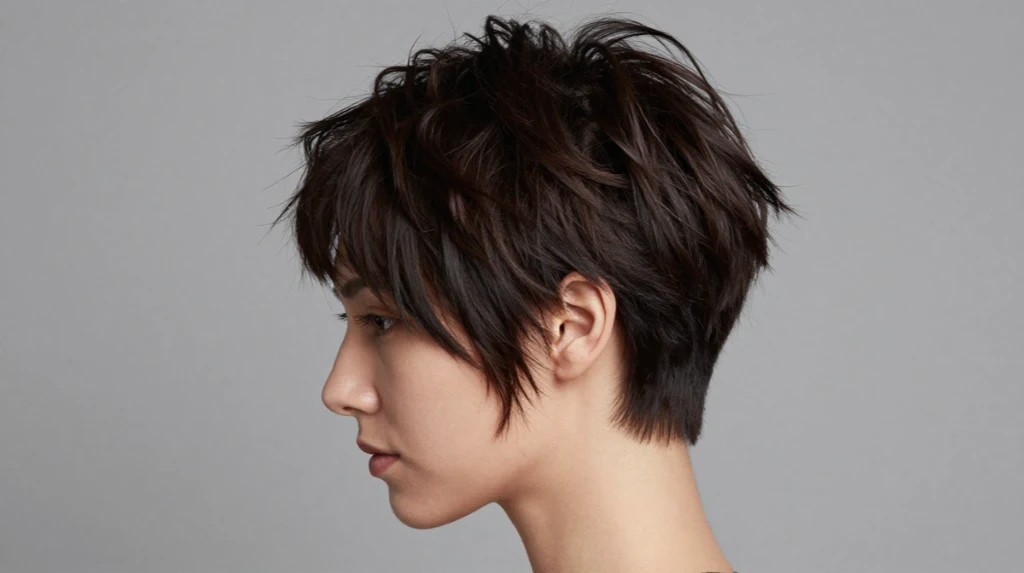
A textured crop is a short, choppy cut that sits close to the head with plenty of movement on top. Thick hair gives this style the fullness it needs to look intentional rather than sparse.
This cut is genuinely quick to style, often needing nothing more than fingers and a small amount of paste to define the pieces.
Curly Shag Cut
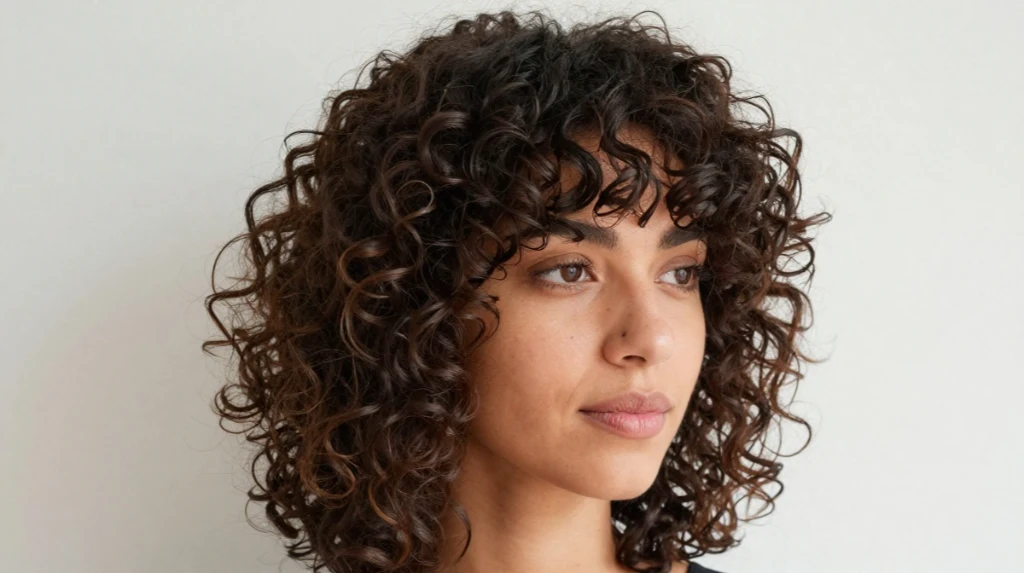
For women with thick, curly hair, the curly shag is a natural match. Layers throughout the length allow curls to spring up and define themselves without the weight pulling them straight.
A curl cream applied to soaking wet hair helps enhance definition. This cut genuinely thrives on air drying, which makes mornings much simpler.
The One-Length Cut
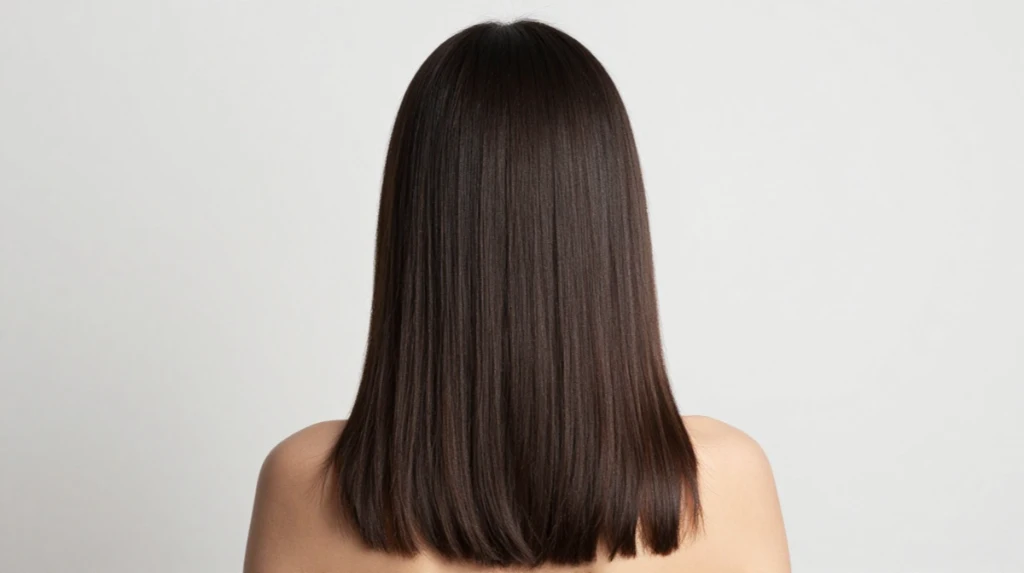
Sometimes the simplest option is the best one. A one-length cut with minimal layering keeps thick hair looking sleek and full, particularly at longer lengths where the weight naturally smooths the ends.
This style needs the least amount of shaping maintenance on this list, though regular trims are still important to prevent split ends from working their way up the length.
Feathered Layers
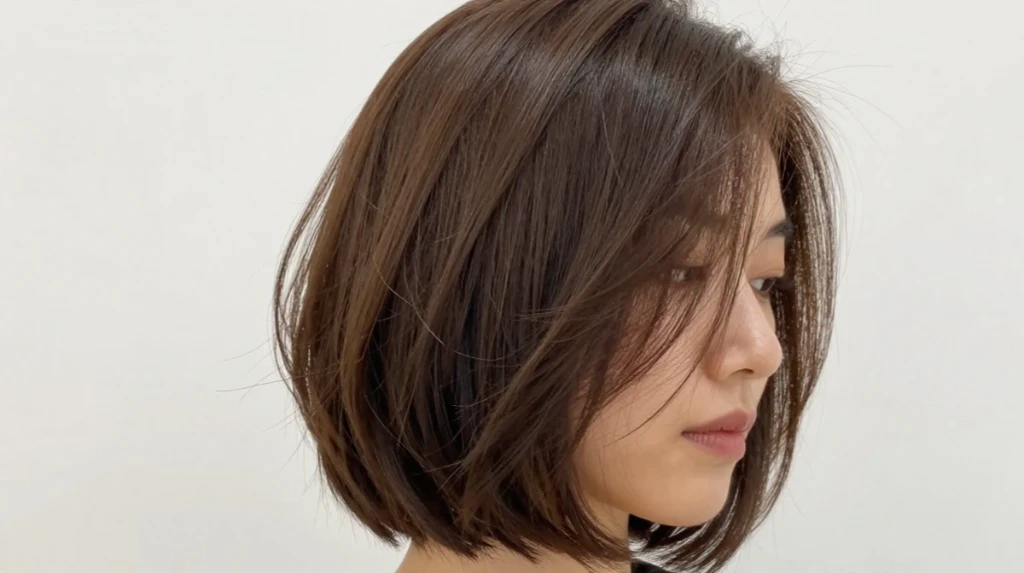
Feathered layers are cut at an angle to create soft, wispy ends throughout the hair. This technique softens the density of thick hair while keeping a rounded, classic shape.
This cut styles easily with a round brush or can be left to air dry for a slightly more textured finish. It works well at both medium and long lengths.
The Undercut Bob
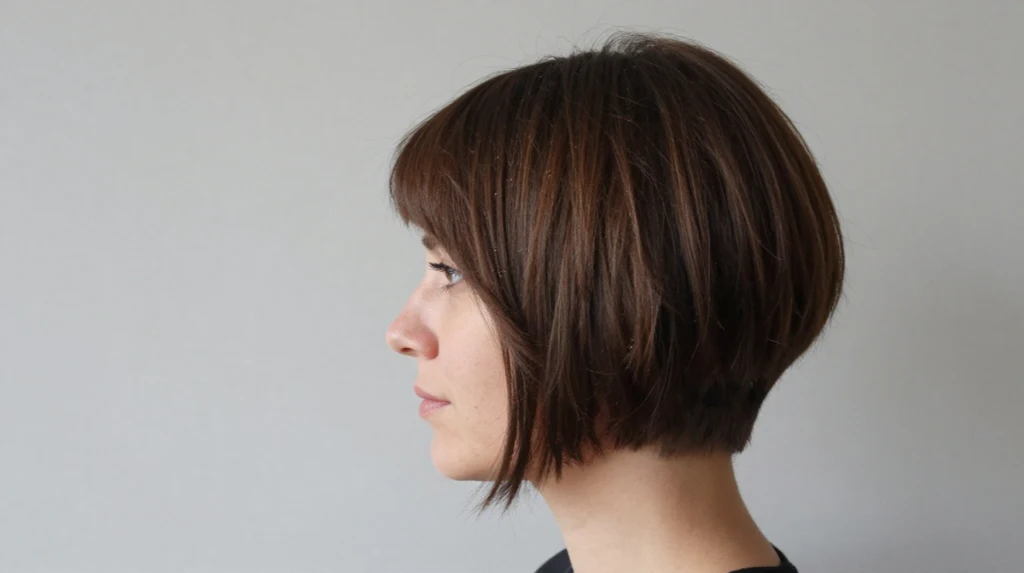
An undercut bob hides a shaved or closely cropped section underneath the top layer of hair. This is one of the most effective ways to reduce bulk in extremely thick hair while keeping the visible length looking normal.
This option is great for women who deal with heat or discomfort from having too much hair on the neck, since the undercut noticeably lightens the overall load.
Color Techniques for Thick Hair
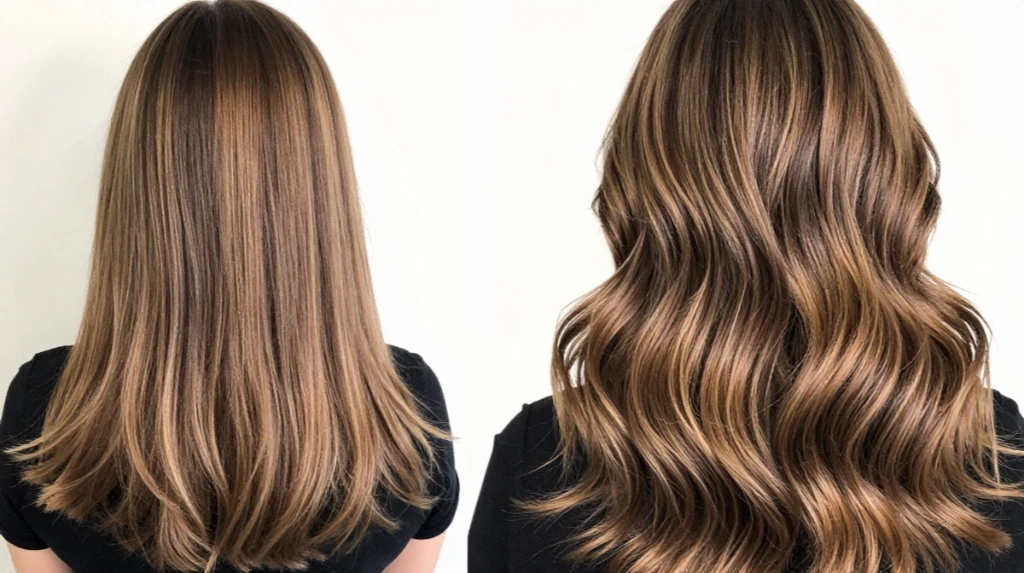
While not a cut on its own, the right color technique can make thick hair appear less bulky and more dimensional. Balayage and soft highlights add visual movement that breaks up solid blocks of color and density.
Pairing lighter pieces around the face with a layered cut enhances the overall low maintenance effect, since the color itself adds the illusion of texture between salon visits.
Quick Comparison Table
| Style | Length | Maintenance Level | Best For |
|---|---|---|---|
| Blunt Bob | Short | Low | Straight thick hair |
| Textured Lob | Medium | Low | Wavy or air-dried styles |
| Wolf Cut | Medium | Medium | Bold, textured looks |
| Long Layers | Long | Low | Reducing bulk while keeping length |
| Pixie Cut | Very Short | Medium | Minimal daily styling time |
| Curly Shag | Medium | Low | Naturally curly thick hair |
| Undercut Bob | Short-Medium | Medium | Extremely dense hair |
Conclusion
Thick hair does not have to mean long mornings and constant styling battles. With the right cut, whether that is a layered lob, a soft shag, or a clean bob, your hair can work with your schedule instead of against it. The key is choosing a style that removes unnecessary bulk while still respecting your natural texture.
Bring reference photos to your next salon visit and be honest with your stylist about how much time you actually want to spend styling each day. A cut chosen with your real routine in mind will always serve you better than one picked for looks alone.
You can may also like this: 22 Bold Hair Color Ideas for Men Who Want to Stand Out
Frequently Asked Questions
1. What is the best low maintenance haircut for thick hair?
Layered cuts like the textured lob, long layers, or a shag tend to work best because they remove bulk while keeping styling simple.
2. Does cutting thick hair shorter make it easier to manage?
Not always. Shorter cuts can sometimes look wider on the sides for very thick hair. Length combined with proper layering is often more manageable than length alone.
3. How often should thick hair be trimmed to keep a low maintenance cut looking good?
Most low maintenance cuts for thick hair hold their shape well with a trim every six to eight weeks, though shorter styles like pixies need more frequent visits.
4. Can thick curly hair also be low maintenance?
Yes. A curly shag or layered curly cut allows curls to define naturally, which actually reduces daily styling time compared to straightening thick curls.
5. What products help maintain a low maintenance haircut for thick hair?
Lightweight products work best. Texturizing spray, dry shampoo, and a small amount of light oil or cream keep thick hair looking styled without adding unnecessary weight.
1 Comment