Introduction
Your haircut is one of the most powerful tools you have for shaping how old or young you appear to the world. A great cut can sharpen your features, project confidence, and take years off your face without any effort beyond the barber’s chair. A poor cut can do the exact opposite, adding the appearance of a decade or more to your face regardless of how well you dress, how fit you are, or how well you take care of your skin.
The problem is that many men are unknowingly walking around with haircuts that age them significantly. These are not always obviously outdated styles. Some of them are cuts that were fashionable at some point, cuts that feel familiar and comfortable, or cuts that a man has worn so long he has stopped questioning whether they are still working for him. If you have been wondering why you look tired in photos, why you appear older than you feel, or why your overall appearance feels a bit flat and heavy, your haircut may well be the primary cause.
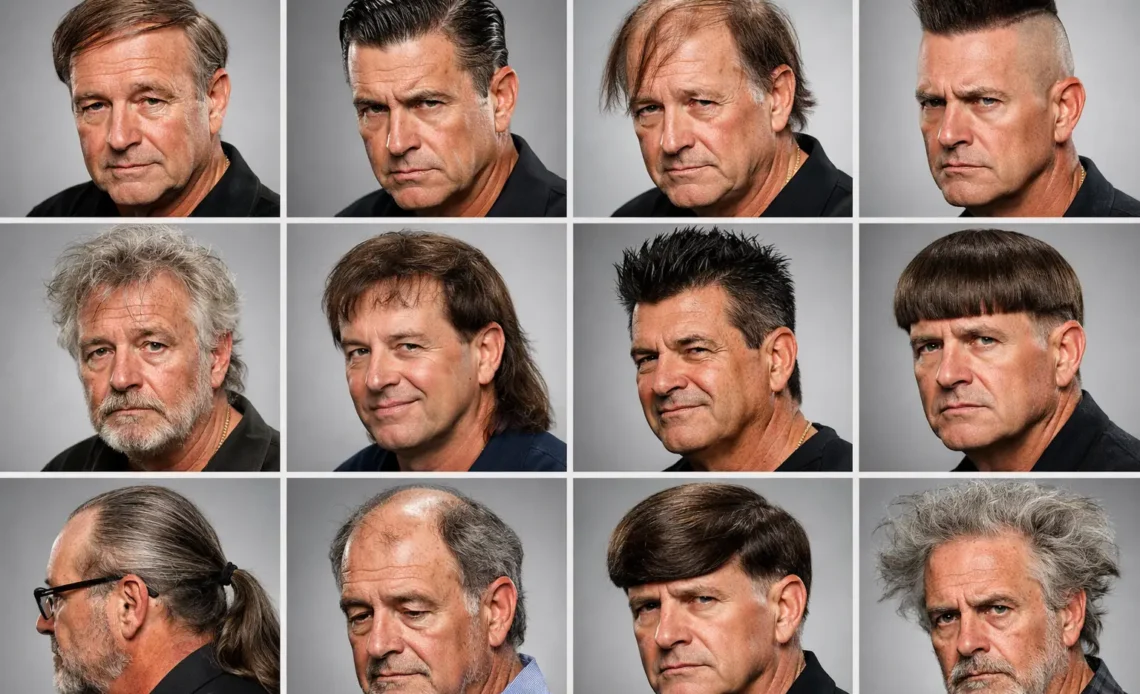
This guide covers 12 specific haircut design ideas that consistently age men and explains precisely why each one adds years to the face. More importantly, it offers a clear direction for what to do instead so that your next trip to the barber moves you in the right direction.
Why the Wrong Haircut Ages Men Faster Than Gray Hair
Before examining the specific styles that age men, it is worth understanding the mechanisms behind the effect. A haircut ages a man when it does one or more of the following things. It adds weight and heaviness to the sides of the face, which drags the overall appearance downward. It draws attention to thinning areas, receding hairlines, or scalp exposure in ways that make hair loss look more pronounced rather than less. It lacks texture and movement, creating a flat, lifeless quality that reads as dull and dated. It is styled in a way that requires visible effort, such as heavy products or obvious combing strategies that call attention to themselves rather than to the man wearing them.
The good news is that understanding these four mechanisms makes it straightforward to evaluate any haircut. If your current style does any of these things, it is aging you. The 12 examples below illustrate these principles in action.
The Traditional Comb-Over
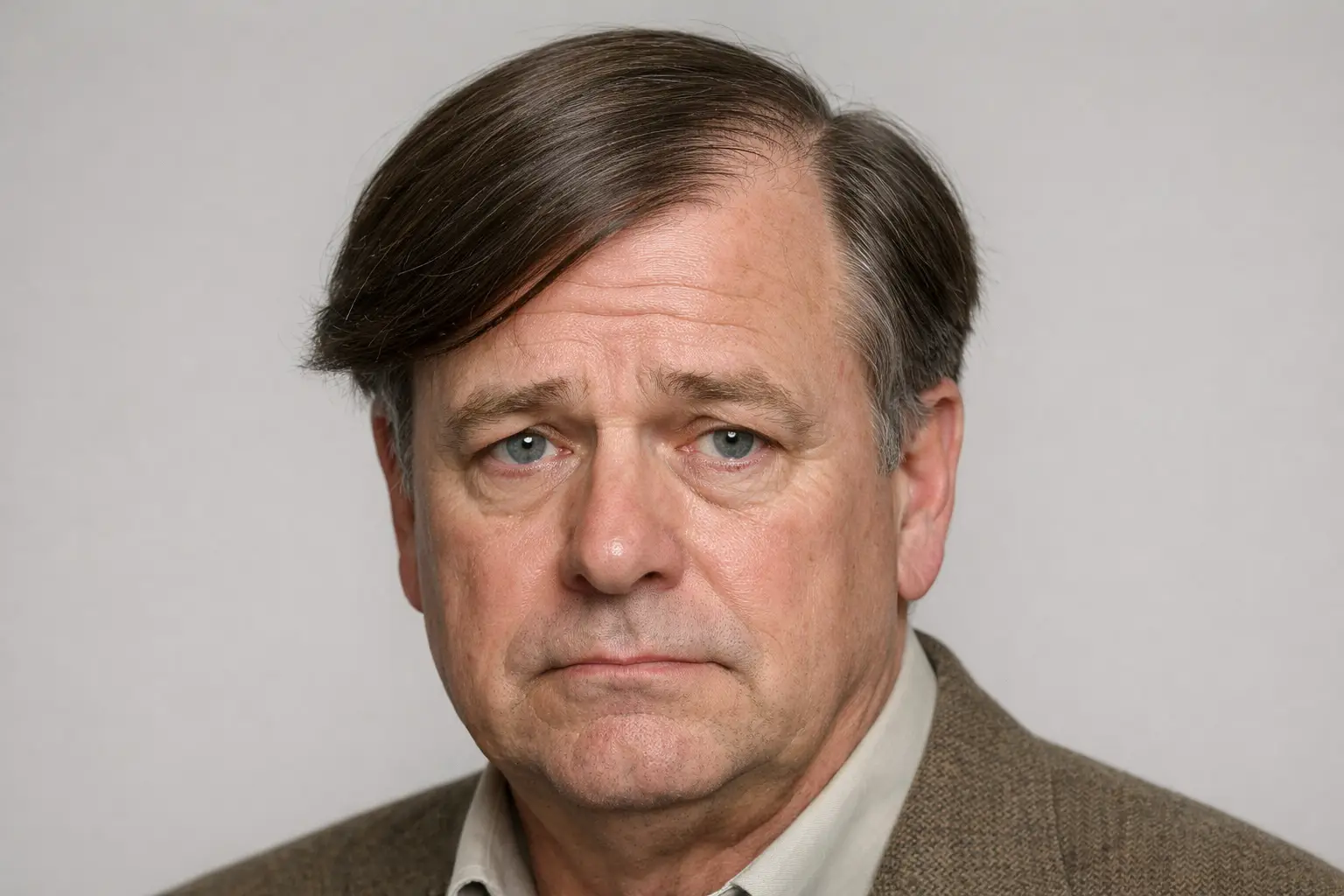
The traditional comb-over is one of the single most aging haircuts a man can wear, and yet it remains surprisingly common. In this style, the hair is grown long on one side and combed across the top of the head in an attempt to cover thinning or bald areas. The fundamental problem is that it draws immediate and unmistakable attention to the very thing it is trying to conceal. Rather than minimizing the appearance of hair loss, a traditional comb-over announces it loudly and frames it with an obviously constructed styling strategy that reads as dated and self-conscious. A modern textured crop or a clean buzz cut handles the same thinning gracefully by embracing structure and confidence rather than concealment.
The Long, Flat, Unstyled Hair
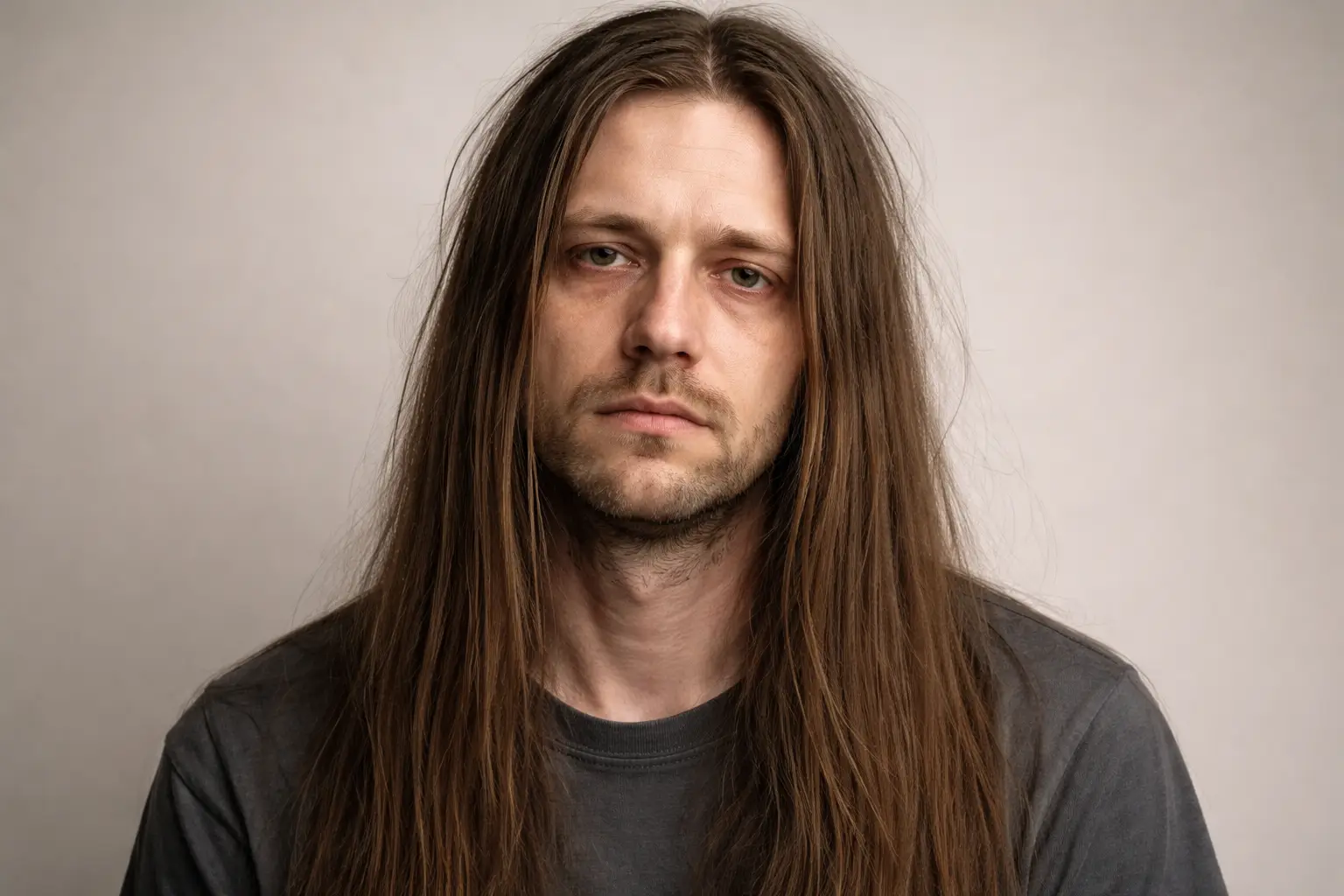
Long hair on men can look exceptional, but only when it is cut with intention and maintained properly. Long hair that is simply grown out without layering, without texture, and without any styling becomes heavy, flat, and lifeless. This type of hair drags the face downward and creates a tired, unkempt appearance that adds years immediately. The weight of unstyled long hair also tends to pull the face toward a drooping, elongated appearance that emphasizes rather than softens the signs of aging. Men who want longer hair should commit to regular layering trims, consistent conditioning, and at minimum a small amount of texturizing product to prevent the flat, heavy quality that ages this style so dramatically.
The Heavy Side Part with Hard Gel
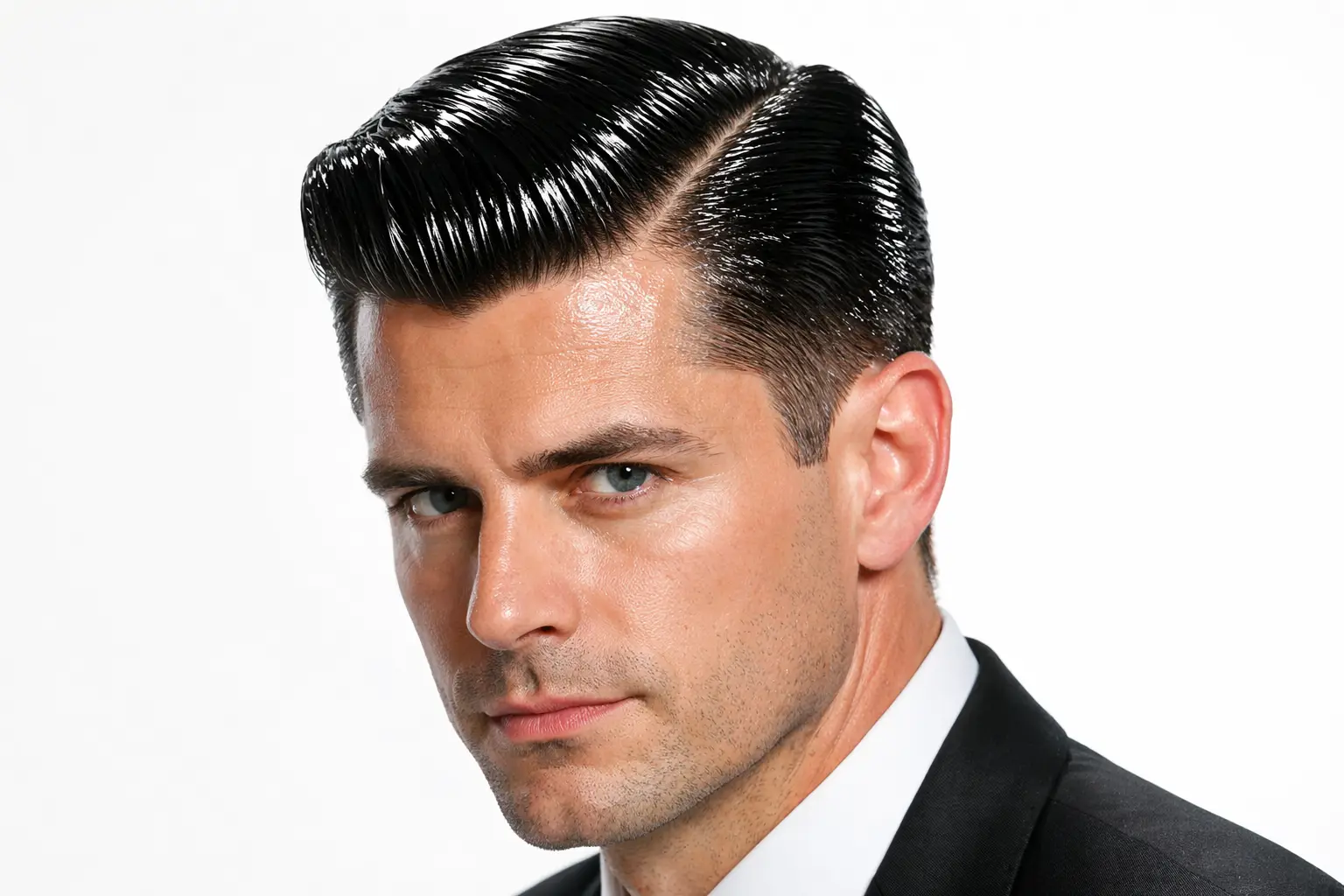
The side part is a classic and can be executed in a way that looks sophisticated and modern. However, the heavy side part styled with hard gel is a different matter entirely. When gel is applied in large quantities to create a stiff, immovable side part, the result is a look that immediately reads as decades out of date. The rigidity of the gelled finish creates a shellacked quality that looks unnatural and aged. The hard part line drawn through heavily gelled hair also tends to create a visual emphasis on any thinning near the part itself. The solution is to keep the side part but switch to a light-hold cream or matte pomade that creates movement and softness rather than stiffness and shine.
The Overgrown Bowl Cut
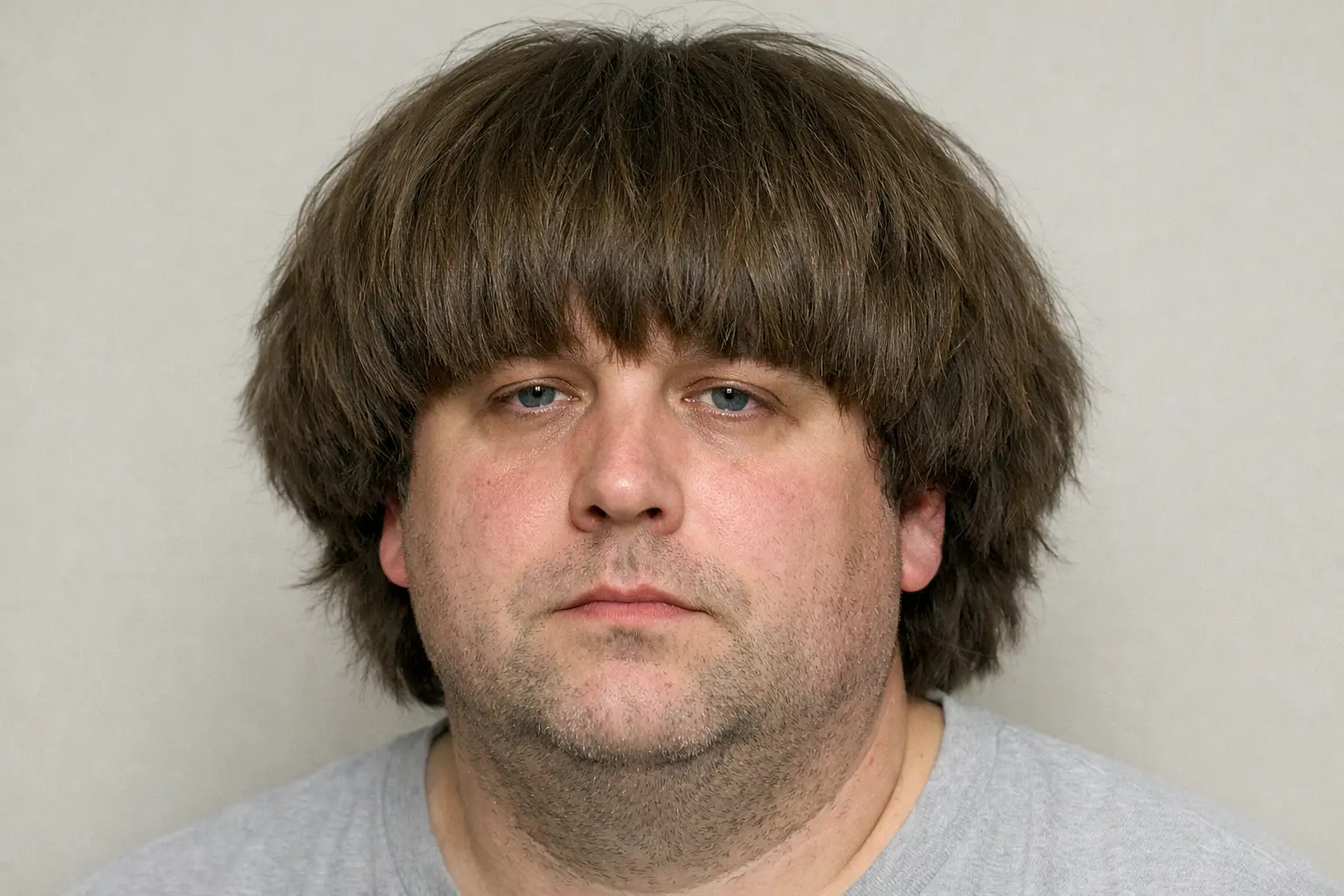
The bowl cut, in its overgrown and unkempt form, is one of the most reliably aging hairstyles in existence. When the hair grows past the point of precision and the rounded shape begins to lose definition, the result is a style that adds significant visual weight around the sides of the head and face. This circular heaviness widens the appearance of the face and creates a dated, institutional quality that makes men look significantly older than they are. Any man currently wearing an overgrown version of this style should ask their barber for a textured crop with a low fade that replaces the bulk with clean structure.
The Excessively Slicked-Back Style
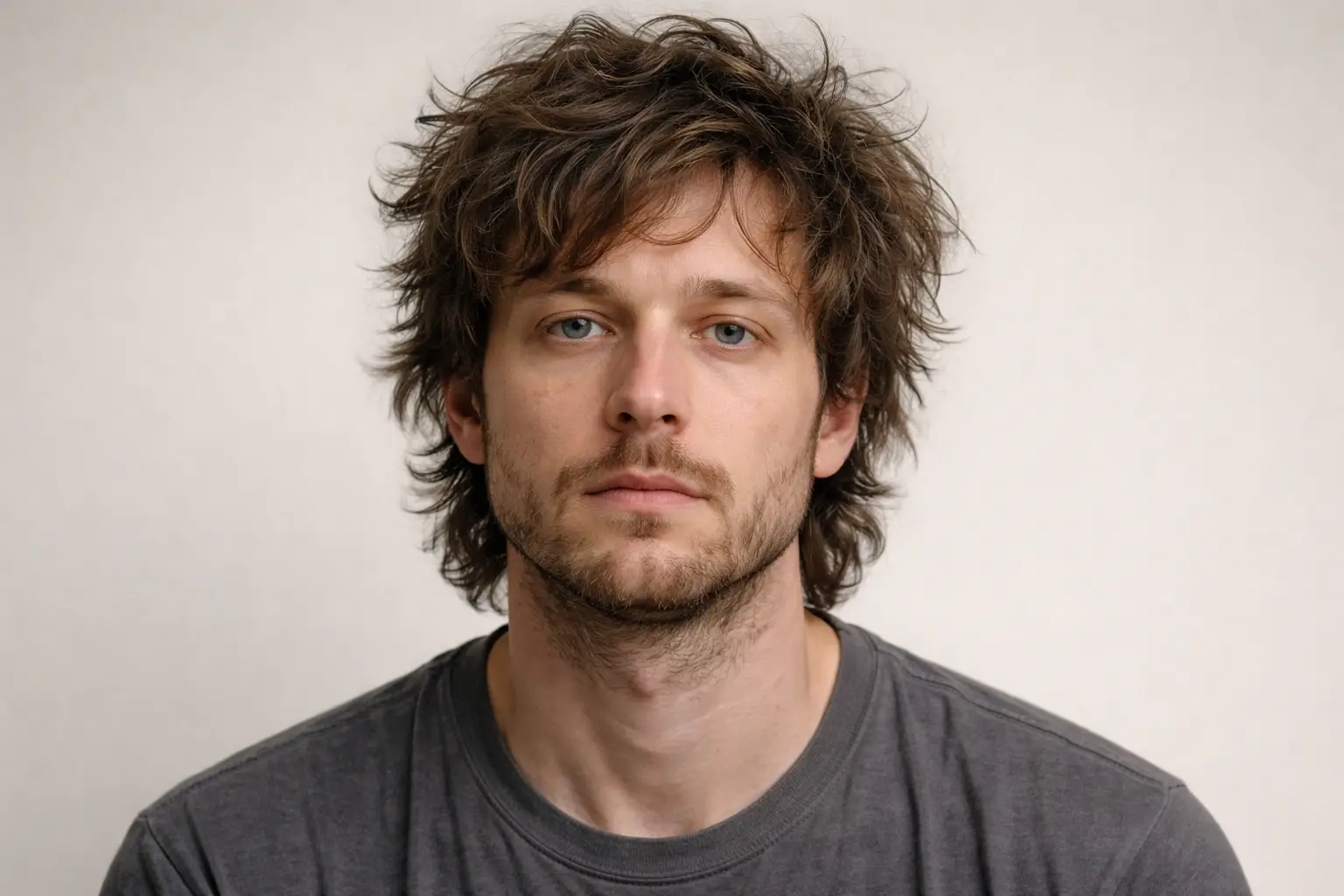
Slicking the hair straight back with heavy product creates a formal, severe appearance that ages most men considerably. The style pulls all the hair away from the face in a way that emphasizes forehead lines, temples, and any hairline recession with total clarity. Because nothing interrupts the view of the forehead and temples, every sign of aging in those areas is placed directly on display. The look also requires a significant amount of product, which can create a greasy, wet appearance in photographs that reads as older and less vital. A softer, looser swept-back style using a matte product achieves a similar direction without the severity or the aging effect.
The Fluffy, Unshaped Perm or Processed Wave
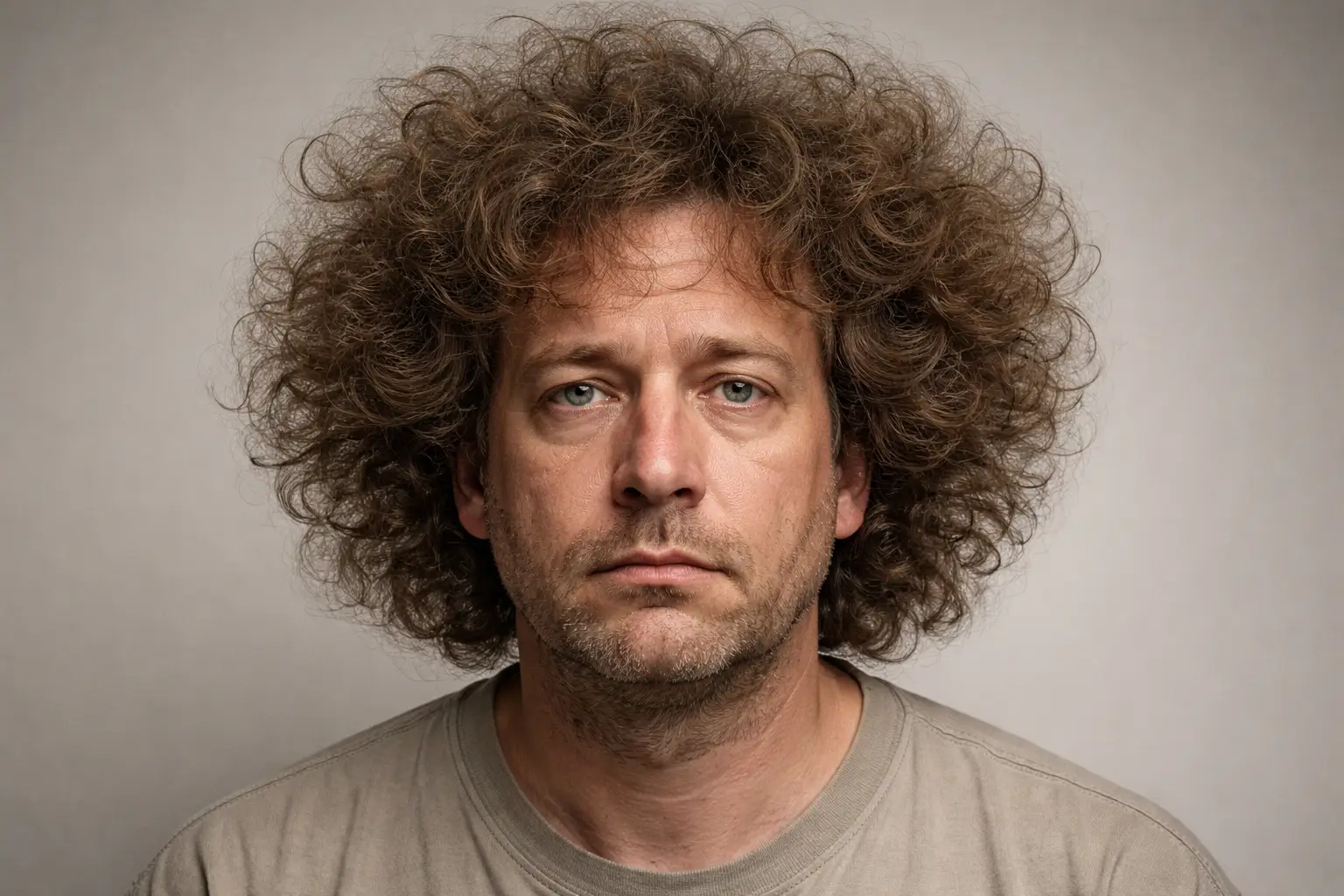
Perms and chemical wave treatments that are not regularly maintained and shaped become progressively more aging as they grow out. When a perm or processed wave loses its definition, the hair takes on an unstructured, fluffy quality that adds volume in all the wrong places and creates a halo effect around the head that widens the face and ages the overall appearance dramatically. Men with naturally wavy or curly hair who do not invest in regular shaping trims face the same problem. Curly and wavy hair requires more frequent trimming than straight hair to maintain its structure, and without that structure the style quickly becomes unflattering.
The Thin, Long Combover Fringe
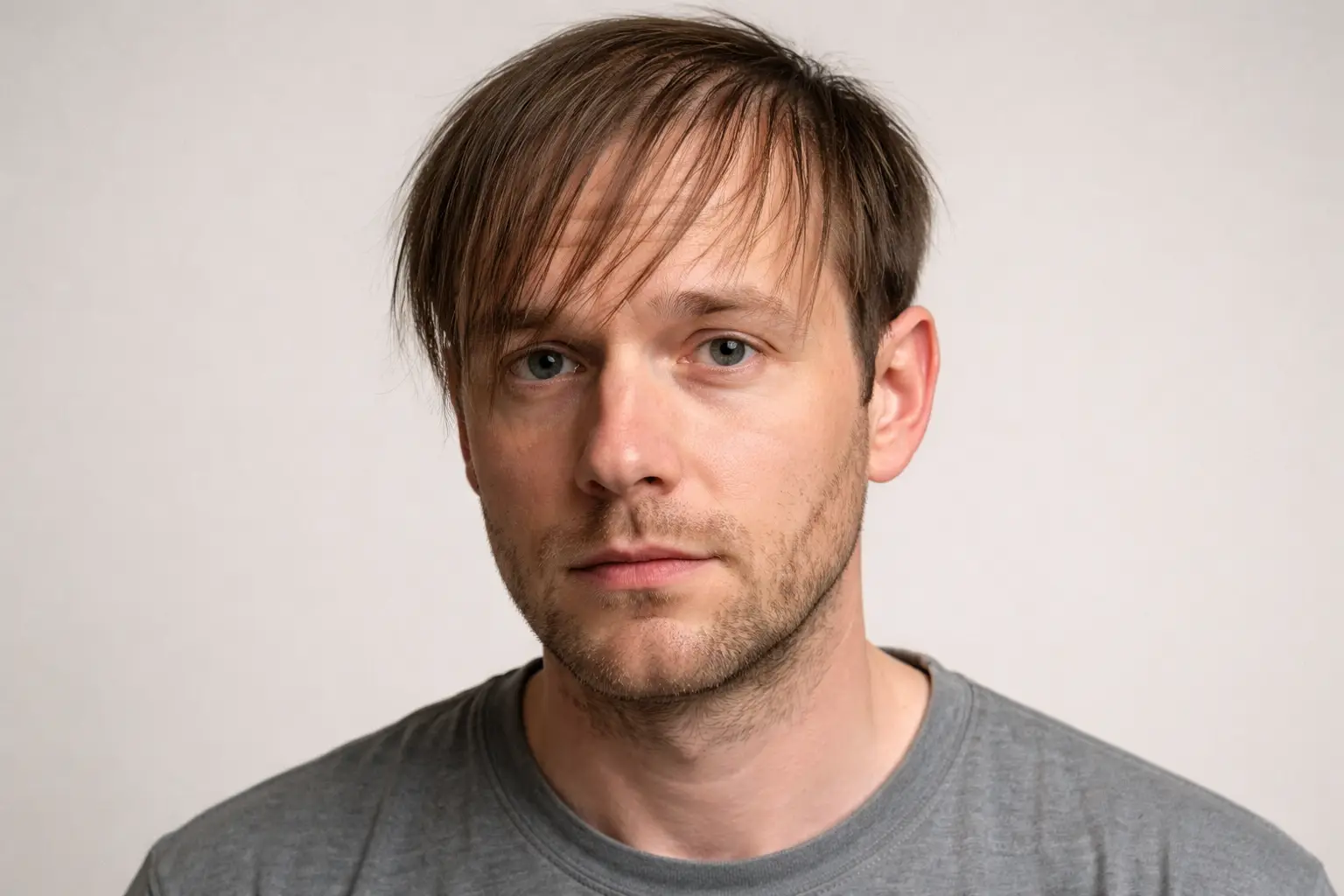
A variation of the traditional comb-over that targets the front hairline rather than the top, the thin combover fringe involves growing the front sections of the hair long and combing them forward to create a fringe that sits over a receding or thinning hairline. Like the traditional comb-over, this approach draws immediate attention to the area it is meant to conceal. The thin, straggled appearance of the forward-combed fringe looks fragile and emphasizes the very recession it is attempting to cover. A Caesar cut or a clean textured crop with the hair cut to a uniform short length handles a receding front hairline with far greater dignity and style.
The Classic Mullet
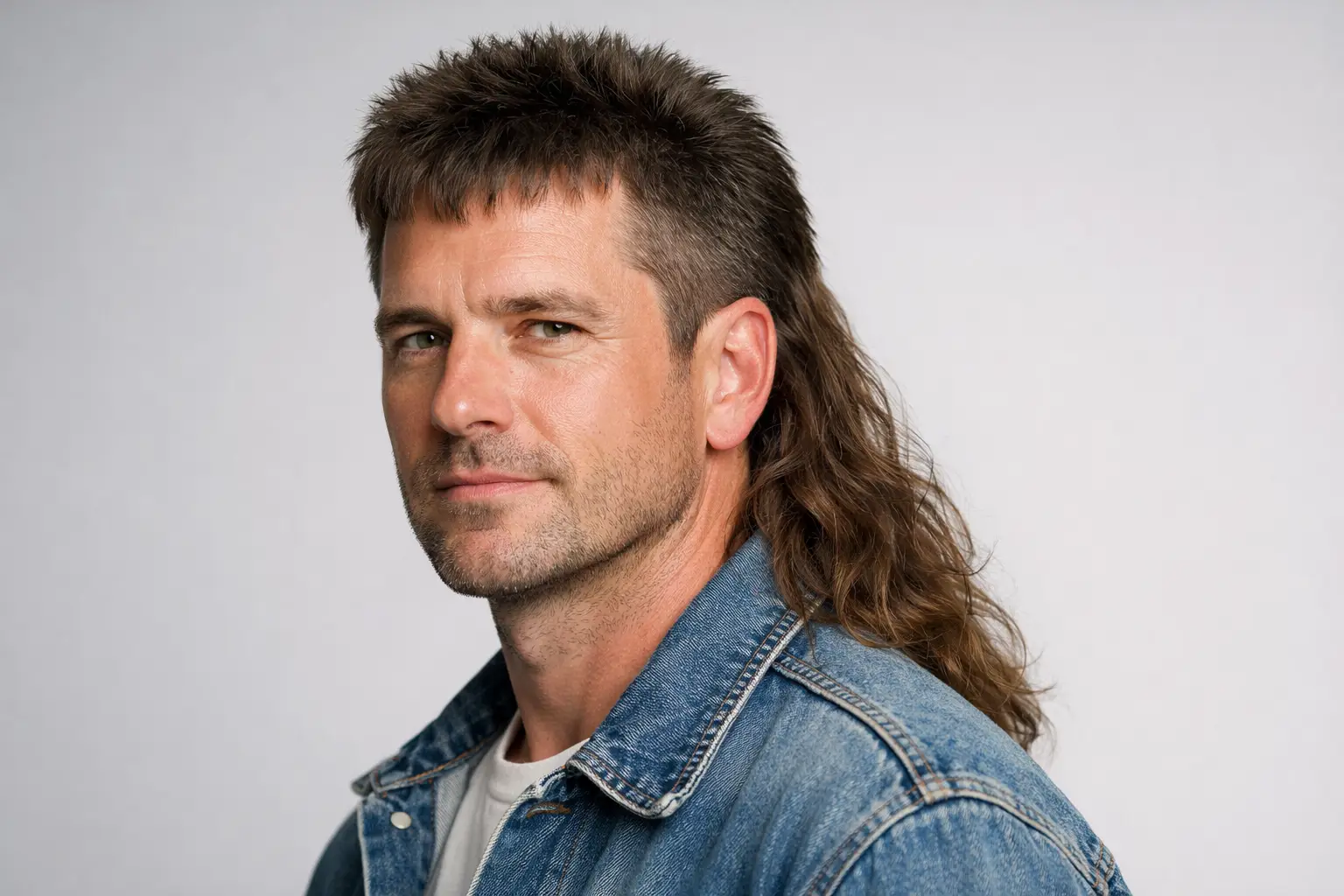
The mullet, in its traditional business-at-the-front-and-party-at-the-back form, is one of the most reliably aging haircuts available. The disconnected length at the back combined with the shorter front creates a proportional imbalance that makes the head appear unusually long and the face appear small within it. The dated associations of the classic mullet also contribute significantly to its aging effect, as wearing a style so firmly associated with a specific era of the past creates an impression of being frozen in time. Men who enjoy the longer length at the back should investigate the modern reimagined mullet, which uses a taper fade and textured layers to create a contemporary result that bears very little resemblance to its aging predecessor.
The Overly Blowdried Bouffant
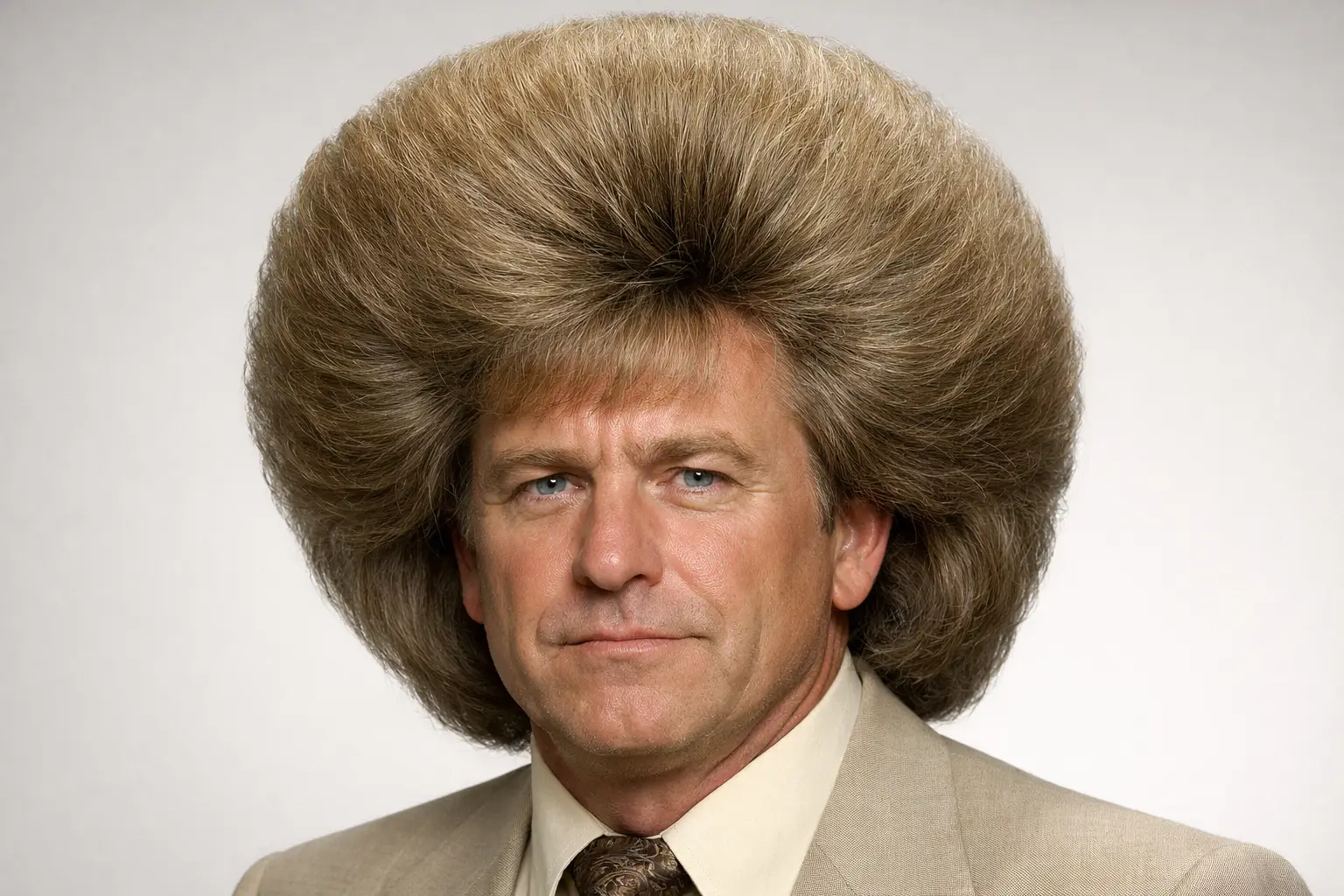
Blowdrying the hair to maximum volume and height in a rounded, bouffant-style shape creates an appearance that reads as stiff, formal, and dated. The excessive volume distributed evenly around the entire head creates a roundness that adds visual weight to the face, and the rigid quality of an over-blowdried style looks unnatural and requires obvious effort to achieve and maintain. This type of styling is particularly aging when combined with a matte, puffy texture that lacks the natural movement and dimension of a properly textured haircut. Men who want volume should focus it on the crown and front only, using a light volumizing product rather than excessive heat styling, and keep the sides tight to create vertical rather than horizontal emphasis.
The No-Maintenance Neglected Cut
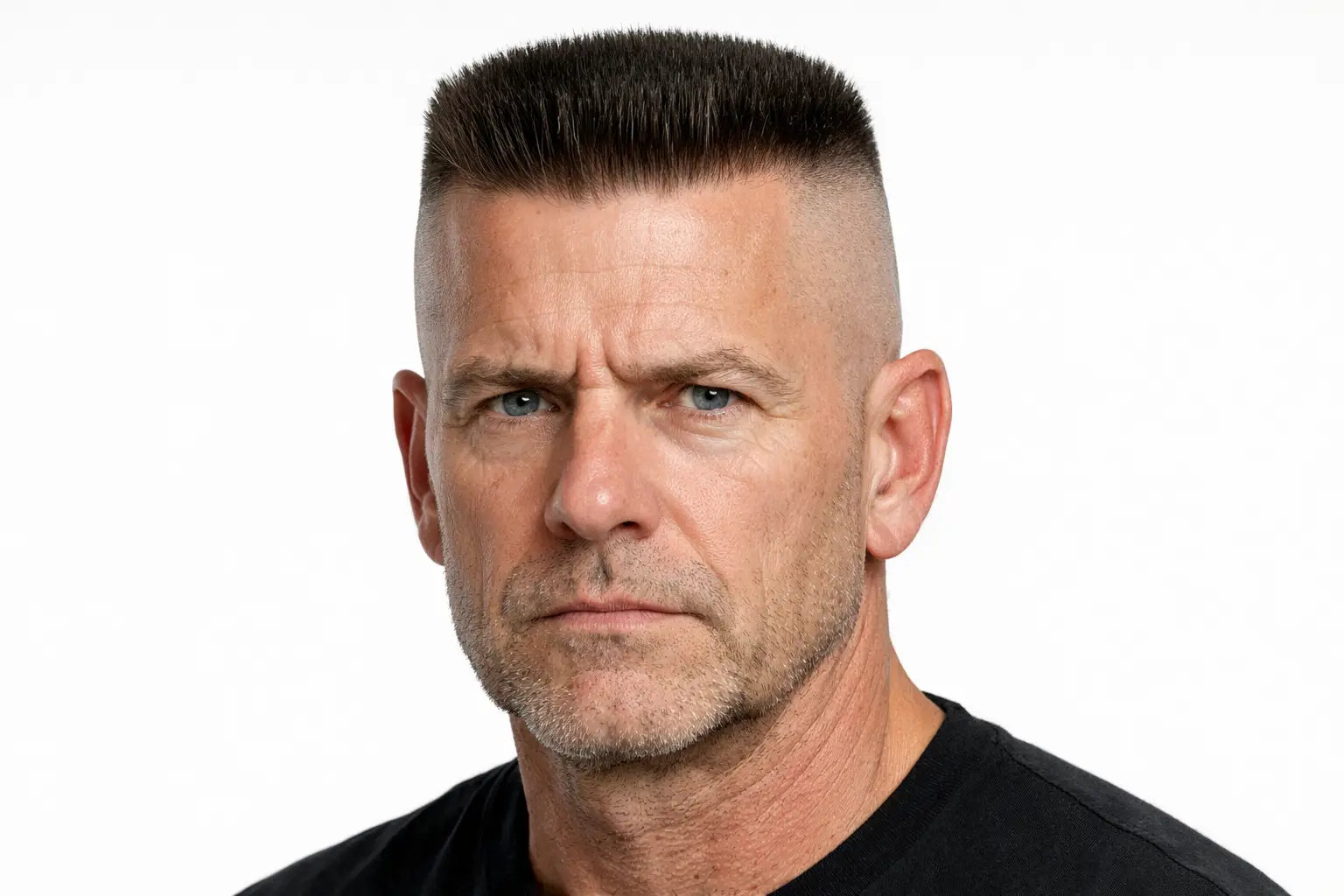
Perhaps the most commonly overlooked of all aging haircut issues, the simply neglected cut is one that was once a reasonable style but has been allowed to grow out past the point of intention. When any short or medium haircut grows beyond its designed shape without a trim, the edges become soft and undefined, the neckline becomes overgrown, and the overall silhouette loses the clean structure that made it attractive. An overgrown haircut does not simply look like a longer version of itself. It looks like a man who has stopped paying attention, and that impression ages the overall appearance considerably. Regular trims every three to five weeks are the single most effective tool for keeping any haircut looking young and intentional.
The Extreme High and Tight Without Fade
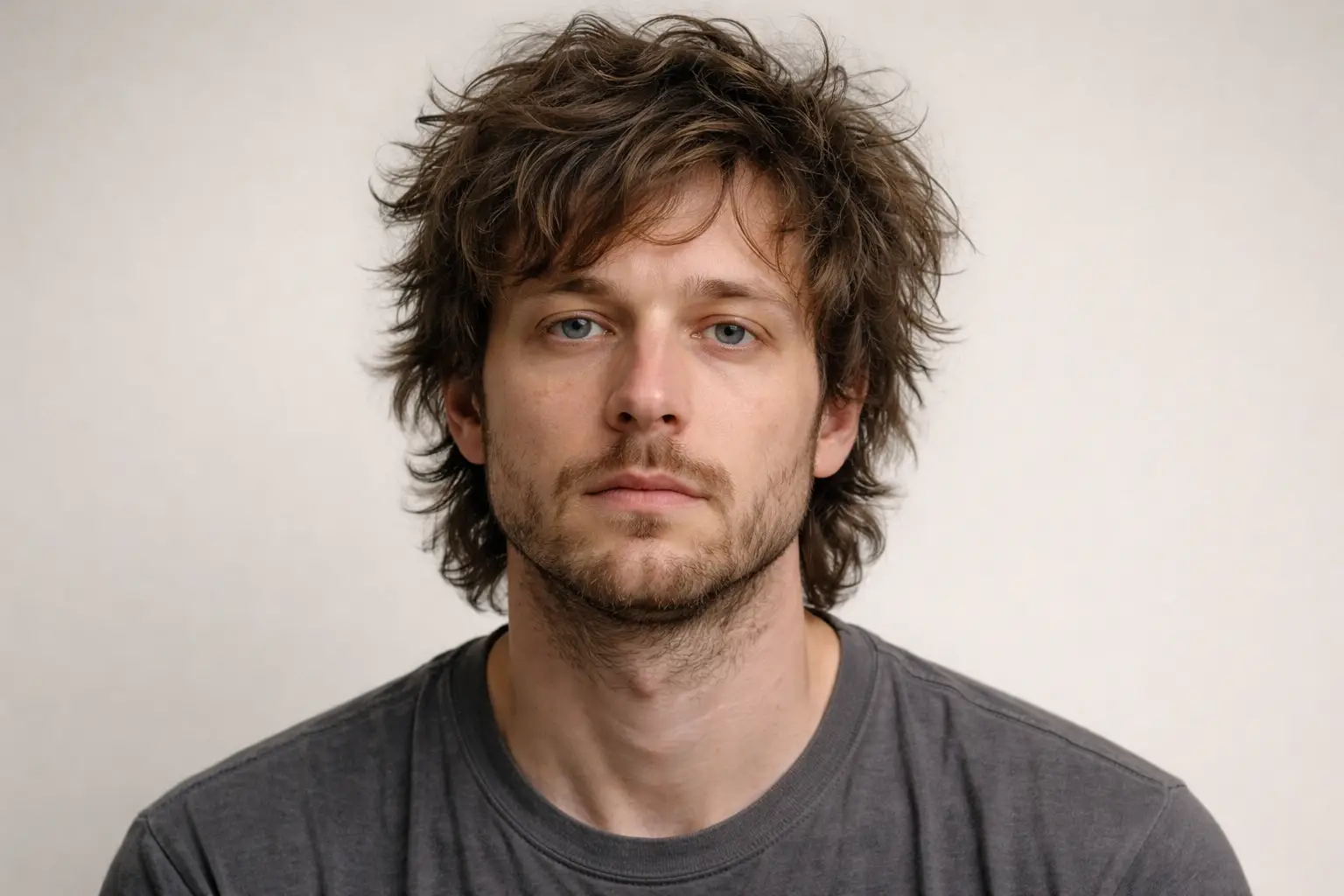
The classic military high-and-tight, where the sides are clipped very short or shaved and the top is left at a contrasting length without any gradual fade or taper to blend them, creates an overly severe and dated appearance that ages most men. The hard, abrupt line between the clipped sides and the longer top creates a visual harshness that emphasizes the structural changes that come with aging, particularly any softening of the jawline or thickening of the neck. A modern version of this style that uses a graduated fade to soften the transition between the sides and the top achieves a similar effect with a contemporary, flattering result that works for men of all ages.
The Visible Scalp Comb Strategy
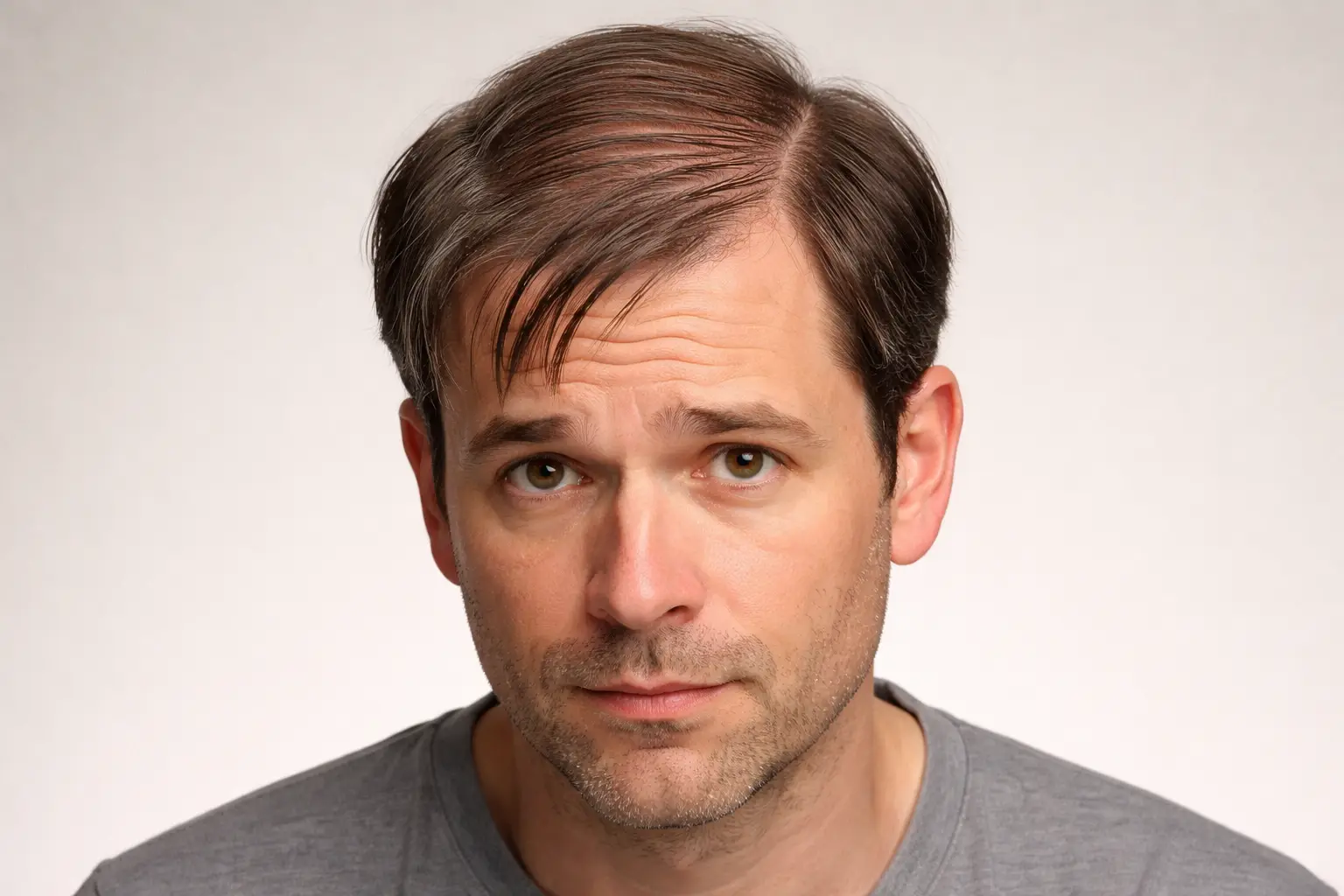
Any haircut or styling strategy that results in visible scalp exposure through thinned or sparse areas is an aging choice, not because hair loss is inherently aging, but because the styling strategy of combing hair over or across visible scalp calls attention to itself in a way that undermines confidence and creates a self-conscious quality in the overall appearance. Men with thinning hair on the crown or top of the head have excellent modern options available, from the textured crop and the French crop to the Caesar cut and the buzz cut, all of which work with the reality of thinning hair rather than staging an obvious battle against it. Embracing the hair you have with a well-chosen, confidently worn cut is always more youthful than a visible attempt to disguise what is not there.
What to Wear Instead: Principles of a Youthful Men’s Haircut
Understanding what ages a haircut makes the alternative clear. A youthful man’s haircut shares four consistent qualities regardless of its specific style. It is clean and structurally intentional, with defined lines and a clear shape. It incorporates texture and movement rather than stiffness or flatness. It focuses volume vertically, adding height at the crown rather than width at the sides. And it is maintained regularly so that its intended shape is always visible and precise.
The textured crop, the crew cut with a low taper fade, the French crop, the side part with matte product, and the modern undercut all meet these criteria. They are the contemporary replacements for the 12 aging styles described in this guide, and each of them is capable of delivering a result that looks significantly younger, sharper, and more current than any of the haircuts they replace.
The Role of Styling Products in Aging or Rejuvenating a Haircut
The products a man uses on his hair can either amplify the youthfulness of a good haircut or undo it entirely. Heavy gels, high-shine pomades, and excessive hairspray create stiff, overdone finishes that read as dated and effortful. Matte products, including matte clays, matte pastes, and lightweight texturizing creams, produce the natural, movement-filled results that define modern and youthful men’s hair styling.
The principle is straightforward. Less product, more texture, and a matte finish will almost always produce a younger-looking result than heavy product and high shine. Applying any styling product to slightly damp hair rather than dry hair also produces a more natural, evenly distributed result that works with the hair rather than sitting on top of it.
Conclusion
The connection between haircuts and perceived age is direct, consistent, and entirely within your control. The 12 haircut design ideas covered in this guide are among the most common culprits behind an older-than-necessary appearance, and the good news is that every single one of them has a modern, youthful alternative that a skilled barber can deliver in a single appointment.
The most important step is being willing to let go of a familiar style that may have served you at some point but is no longer doing you any favors. Bring reference images to your next barber appointment, communicate what you want clearly, and be open to the possibility that a fresh perspective on your hair might be one of the most effective changes you make to your overall appearance this year. The right haircut does not just take years off your face. It changes the way you carry yourself, and that effect is more powerful than any product, any skincare routine, or any item of clothing you will ever wear.
You may also like this: 14 Easy-to-Style Short Haircut Design Ideas for Men in 2026 and 2027
Frequently Asked Questions
What is the number one haircut that makes men look older?
The traditional comb-over is consistently identified as the most aging haircut for men. Rather than concealing hair loss, it emphasizes it in a way that reads as self-conscious and dated. A clean buzz cut, textured crop, or Caesar cut handles thinning hair with far more confidence and produces a significantly younger overall appearance.
Can long hair make men look older?
Long hair that is unshaped, unLayered, and unstyled can absolutely make men look older by adding heaviness and a tired, unkempt quality to the face. Long hair that is regularly trimmed, layered for texture, and lightly styled can look youthful and intentional. The key difference is maintenance and movement within the style.
Does heavy gel make men look older?
Yes. Heavy gel creates a stiff, shellacked finish that reads as dated and unnatural. Modern styling favors matte products that produce natural movement and texture. Switching from heavy gel to a matte clay or paste is one of the simplest and most effective ways to make a haircut look more current and youthful.
How often should men get a haircut to avoid looking older?
Most short haircuts benefit from a trim every three to four weeks to maintain their shape and clean edges. Allowing a haircut to grow past its intended shape creates an overgrown, neglected appearance that adds years. Regular maintenance is one of the most important factors in keeping any haircut looking young and intentional.
What haircuts work best for men with thinning hair who want to look younger?
The textured crop, the Caesar cut, the French crop, and the modern buzz cut are all excellent options for men with thinning hair who want to look younger. These styles embrace the reality of thinning hair with clean structure and confidence rather than attempting to hide it, which consistently produces a more youthful and self-assured result.
1 Comment