
Introduction
Most people who describe their hair as thick have never actually tested whether it is thick hair or simply a lot of it. The distinction matters more than most people realize, because thick individual strands and a high density of strands are two completely different biological characteristics that require different products, different cutting techniques, and different daily care routines.
While hair density is the number of hair strands on your scalp, hair thickness refers to the width or diameter of each hair strand. It’s possible to have thin fine hair strands but high hair density or thick coarse hair strands but low hair density. If you have ever bought a product marketed for thick hair and watched it flatten your volume completely, or asked for a layered cut to manage your thickness and ended up with a triangle-shaped result, you have almost certainly experienced the practical consequences of confusing these two very different hair characteristics. The 20 ideas and insights in this guide walk you through every method, every concept, and every practical implication of understanding whether your hair is truly thick, genuinely dense, or a specific and uniquely challenging combination of both.
Understanding the Difference Between Thickness and Density
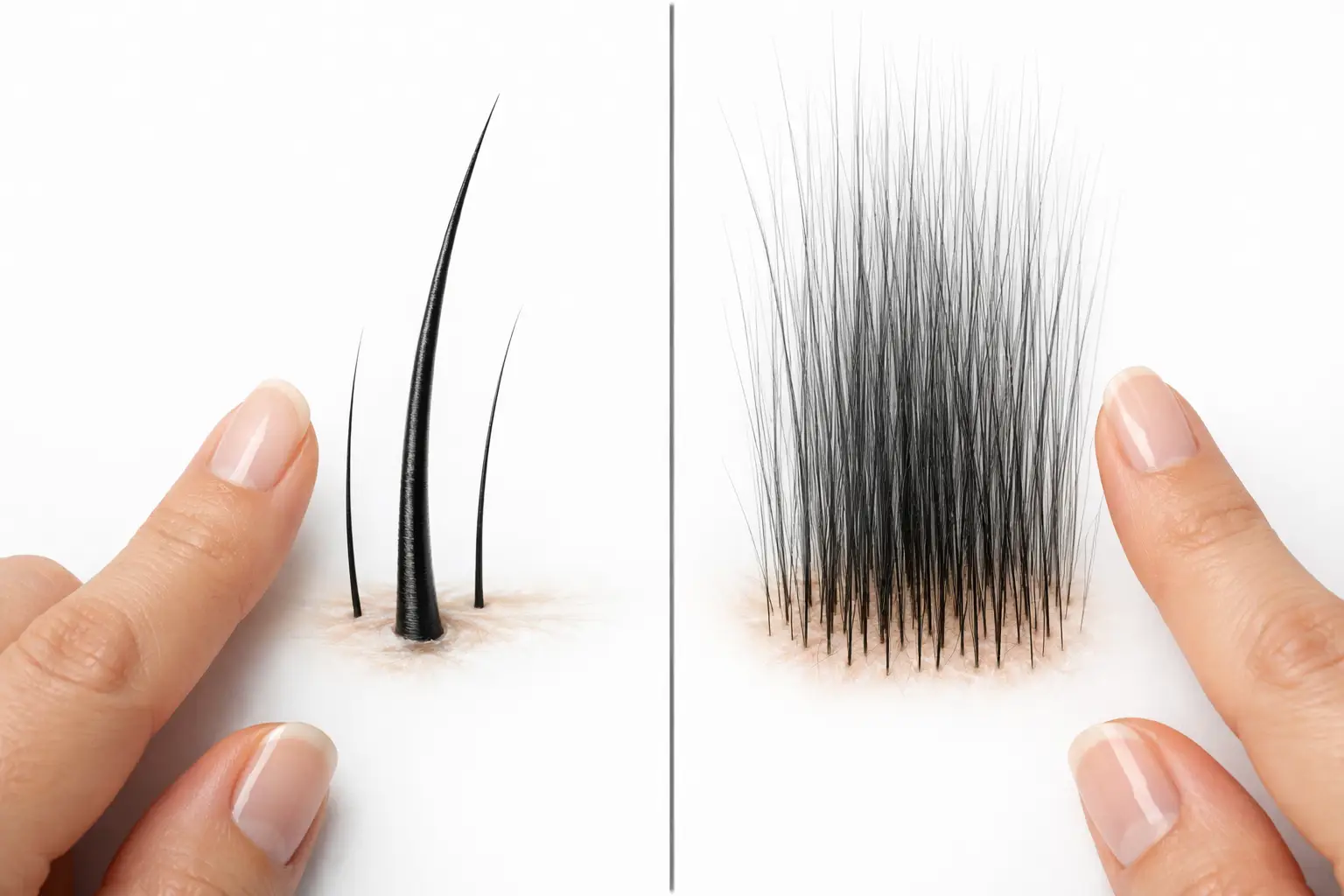
Density and thickness can be easily confused. Thickness refers to the width of a single strand of hair, while density looks at how thin or thick strands are collectively, in a group. This means that someone can have fine hair that’s also very dense as well. Alternatively, a person can also have thick hair that is not dense. This is the single most important concept in this entire guide and the one that most hair product companies and most well-meaning stylists consistently fail to explain clearly. Many people confuse hair texture with hair density, which leads to choosing the wrong products and not getting the right results. Thickness is about the individual strand. Density is about the number of strands. Your hair can score high on one of these measurements and low on the other, and the specific combination you have determines everything about how your hair should be cut, styled, and cared for.
The Sewing Thread Strand Thickness Test
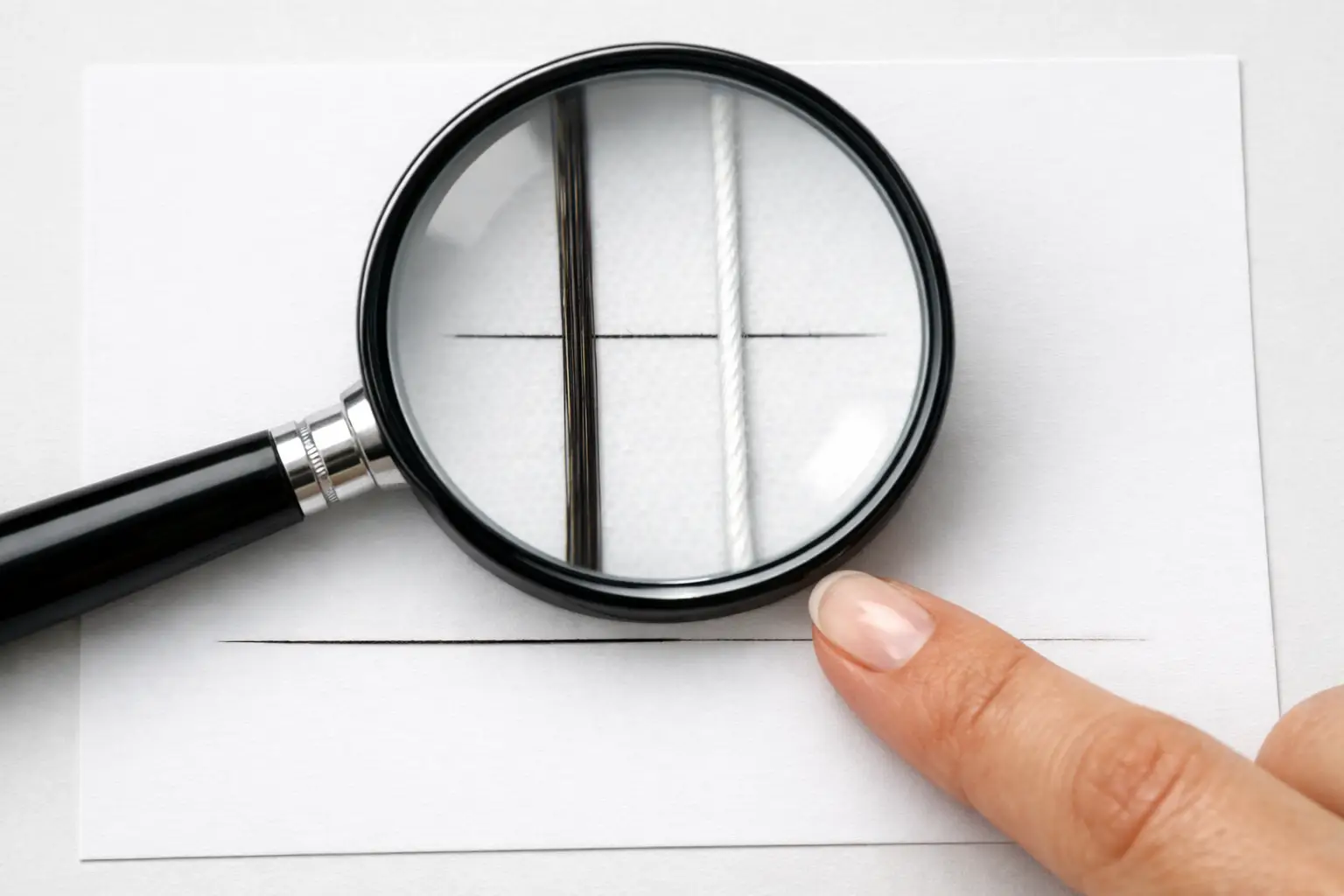
One way to find out if your hair’s thickness is to compare a strand with a sewing thread. When lying next to each other, if your hair appears to have the same diameter as the sewing thread, you have thick hair. If it’s noticeably thinner, you probably have medium to fine hair. This is the most practically definitive at-home test available for measuring individual strand thickness because it uses a physical reference object rather than a subjective impression. To measure for hair thickness, pluck a strand of hair from your head, ideally from a spot that is pretty full, so avoid any face-framing pieces, and compare the strand to a sewing thread. If your hair is as wide, or just slightly under width, as a sewing thread, then you have thick hair. If your hair is much slimmer than the thread, your hair is on the thin side. Pluck a single strand from the crown or back of the head, lay it flat on a white piece of paper beside a piece of ordinary thread, and compare the diameters directly.
The Finger Feel Test for Individual Strand Thickness
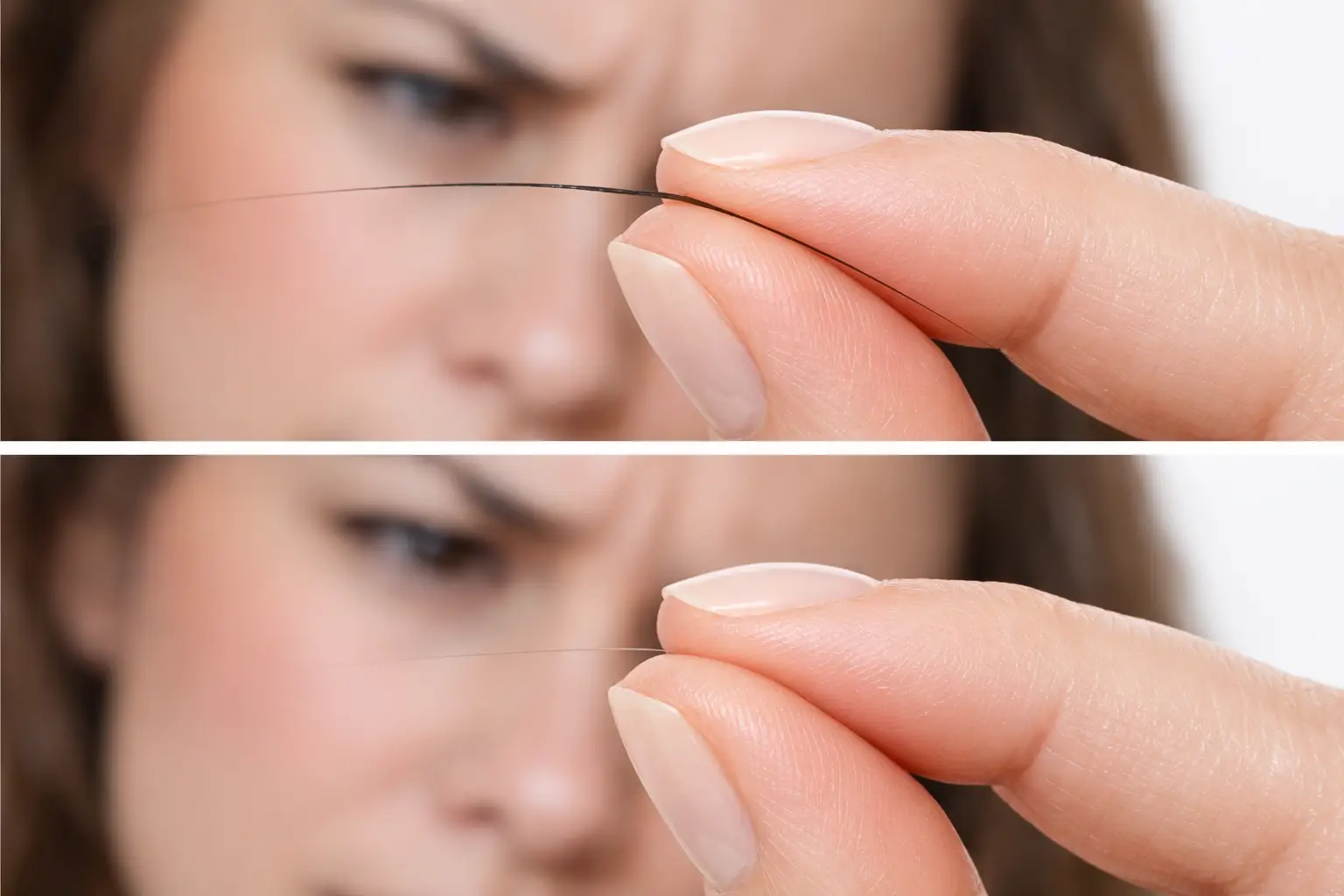
You can test diameter by holding a single strand of hair between your thumb and index finger. Coarse hair can be distinctly felt. Medium hair can be slightly felt between the fingers. Fine hair will barely be felt, if at all.The finger feel test is the quickest and most immediately available strand thickness test because it requires no tools, no equipment, and no preparation beyond plucking a single strand from the crown of the head. Another way to test hair thickness, without pulling out any of your strands, is to take a single hair in between your fingers. If you can feel the hair, you have thicker hair and if you feel nothing, you have thin hair. The specific sensitivity this test requires comes with practice, so test multiple strands from different areas of the head to build an accurate impression rather than relying on a single strand result.
The Visual Strand Test on White Paper
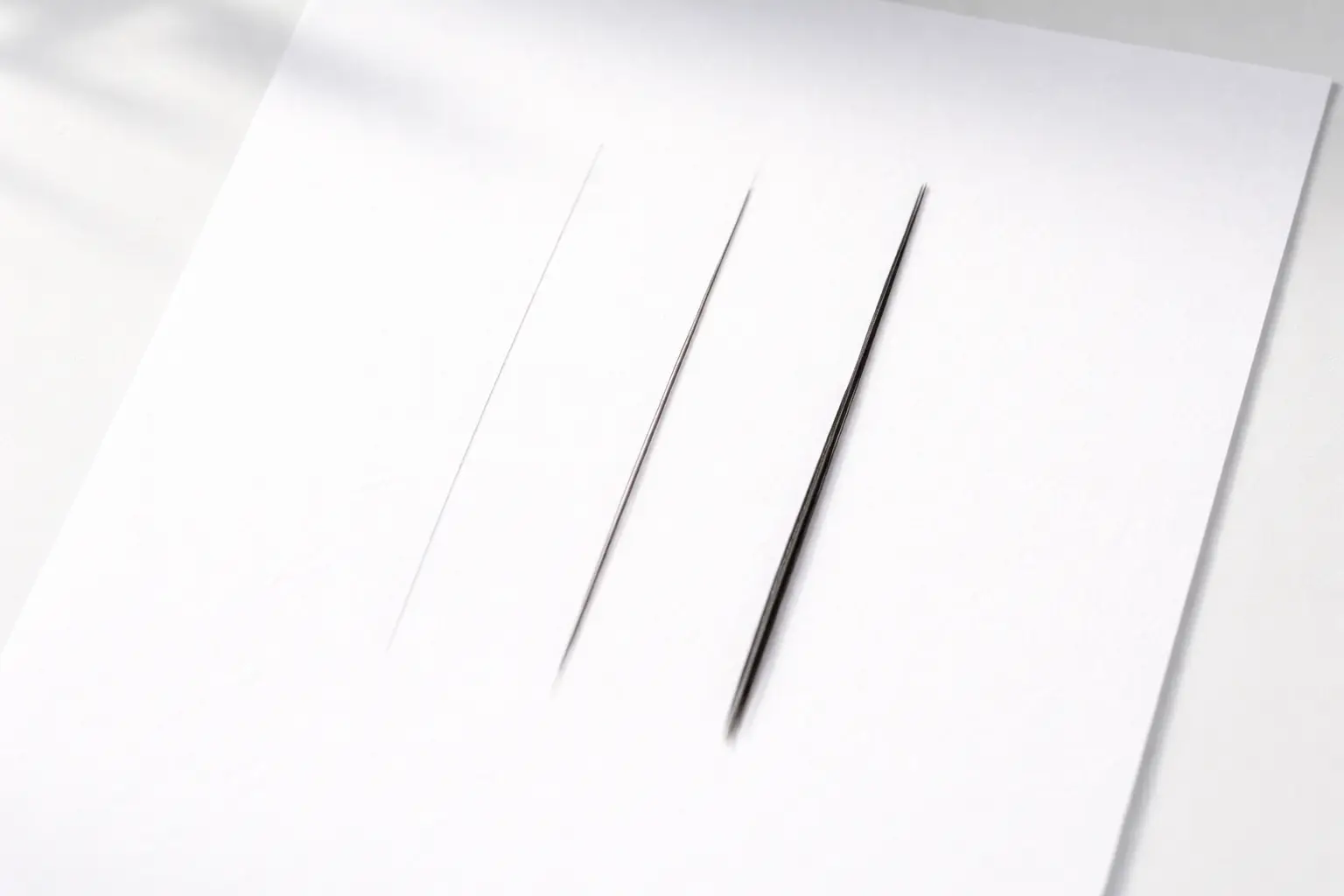
You can also grab a stray strand that has fallen and lay it on a flat, white piece of paper. If it’s not easy to see and doesn’t hold styles well, it’s likely fine. If the strand is visible, not hard to feel, and holds styles fairly well, you probably have medium-textured hair. If the individual strand is highly visible, easily felt between fingertips, and holds styles well, your hair texture is likely considered coarse. The white paper visual test is the most immediately accessible of all at-home strand thickness tests because it uses a strand that has already fallen naturally rather than requiring the deliberate plucking of a strand from the scalp. A fine strand will almost disappear against the white background. A medium strand will be clearly visible but not prominent. A thick or coarse strand will be very clearly visible and easy to see from a standing position.
The Scalp Visibility Mirror Density Test
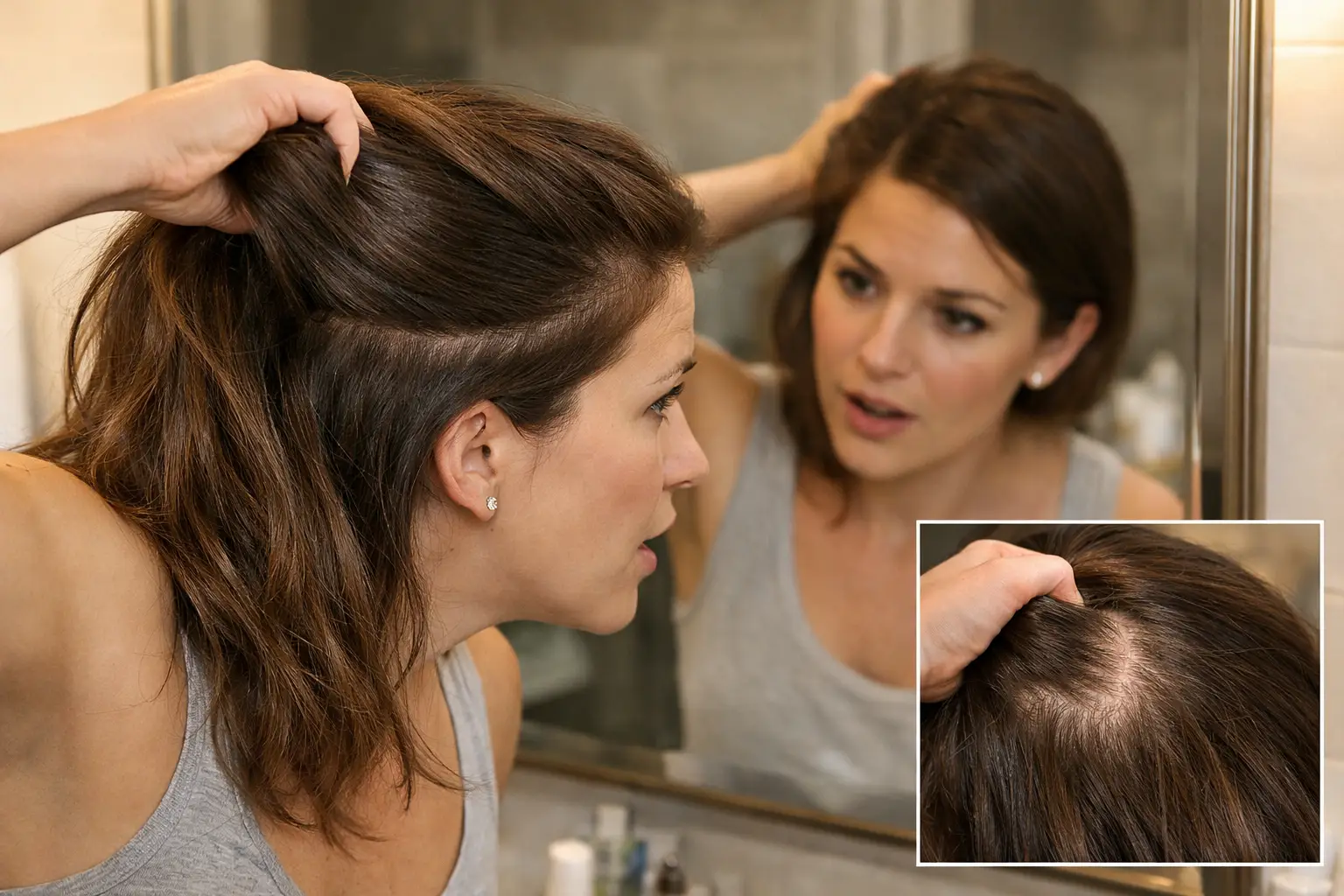
It’s easy to tell how dense your hair is with a simple mirror test. Grab a large handful of hair and pull it to the side. You have thin hair density if you can easily see your scalp, medium density if you can partially see your scalp under your hair, and thick density if you can hardly see it. To find your own hair density, simply gather the front area of your hair and pull it over to the side, revealing the scalp. If your scalp is clearly visible through the strands, you likely have low-density hair, whereas limited scalp visibility likely means you have high-density hair. The scalp visibility mirror test is the most practical and most reliable at-home density test available because it directly measures the characteristic that density describes: how many strands per square inch are covering the scalp surface.
The Part Line Density Test
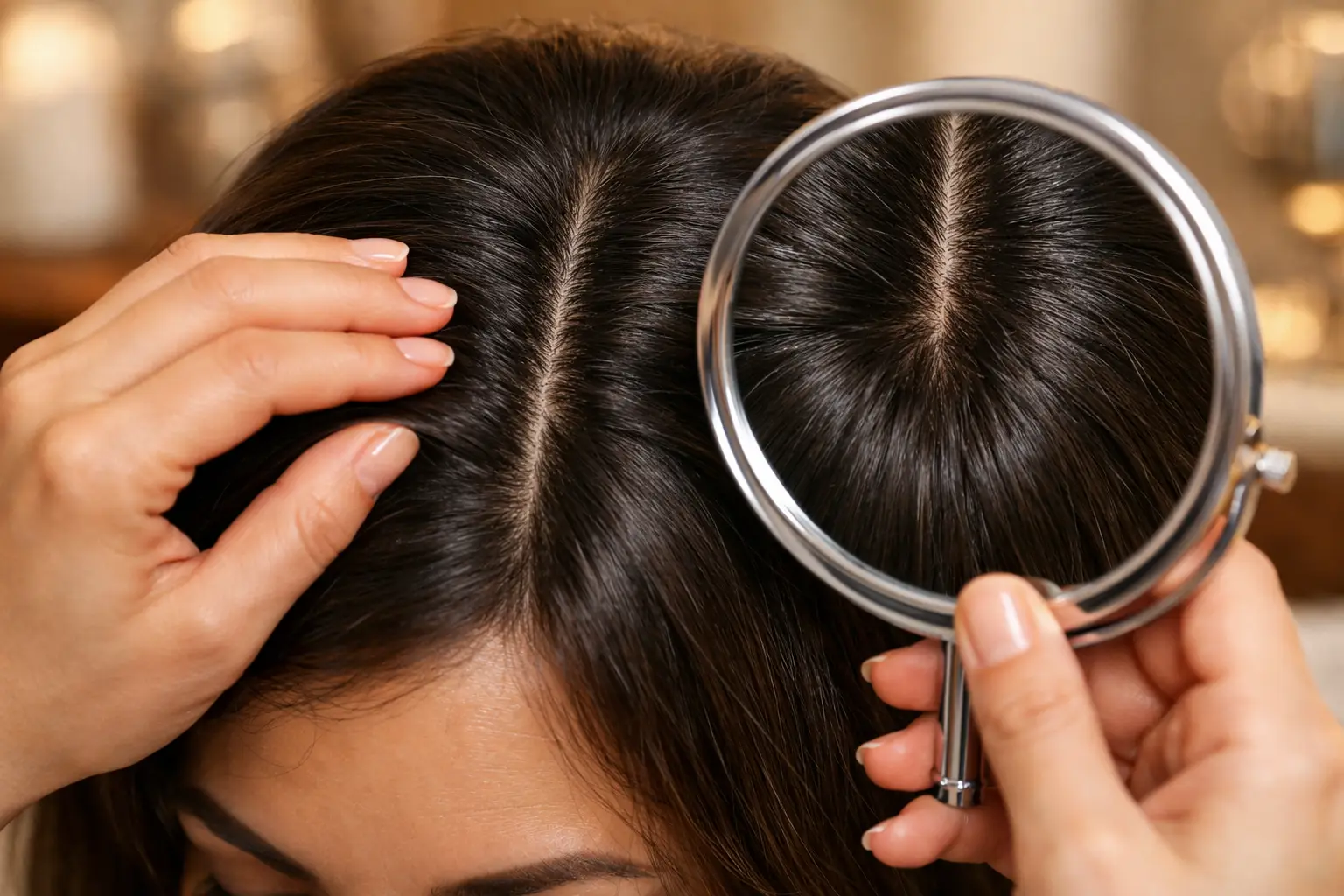
A more practical way to get a general idea of your hair density at home is by a visual inspection. If you can see your scalp without moving your hair, your hair density is likely on the lower end. If you need to move your hair slightly to see your scalp, your density is probably somewhere in the middle. If it’s difficult to see your scalp, your hair density is likely high. The part line density test is a more targeted version of the scalp visibility test because it examines a specific section of the scalp rather than a general overall impression. Create a clean center part or side part and examine the scalp visible within the part line. You can gauge your hair density by parting your hair and closely examining your scalp. If your scalp is easily visible, you likely have low-density hair. If it’s somewhat visible, you likely have medium-density hair. If your scalp is hardly visible, you may have high-density hair.
The Ponytail Circumference Density Test
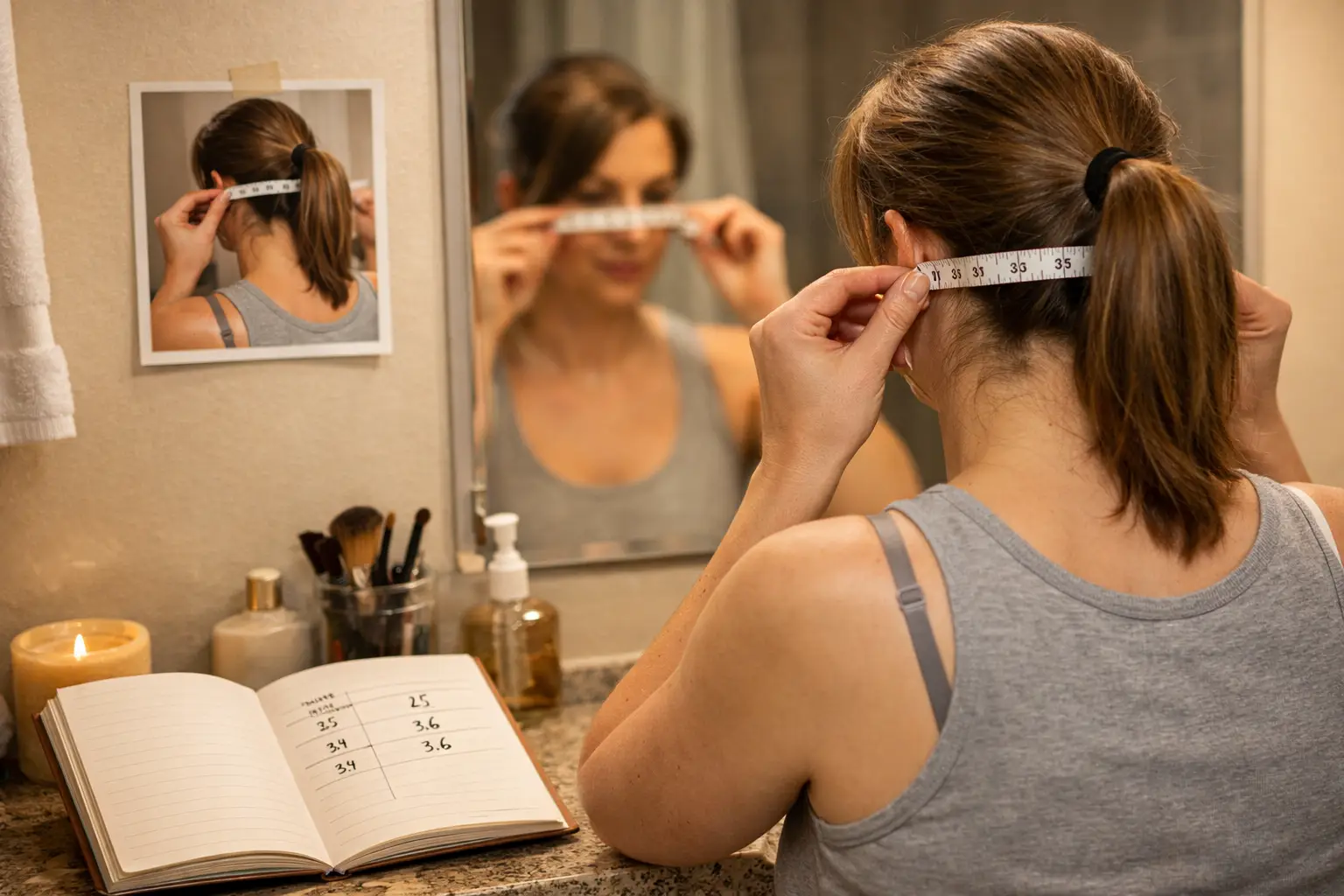
You can also measure density with the ponytail test. Simply pull your dry hair into a ponytail and loop it with a ribbon to measure the circumference of your ponytail. Place the ribbon next to a ruler. If it’s less than two inches, your hair is likely low-density. If it measures at four inches or more, your hair is on the denser side. The ponytail circumference test is the most measurably precise of all at-home density tests because it produces a numerical result rather than a visual judgment. Start by gathering your clean, dry hair into a ponytail at the back of your head. For the best results, you want to make sure the ponytail is secure, but not overly tight. Then, wrap a flexible measuring tape around the base of your pony to measure its circumference.Always perform this test on clean and completely dry hair without any volumizing or flattening products applied.
Why High Density Does Not Always Mean Thick Strands
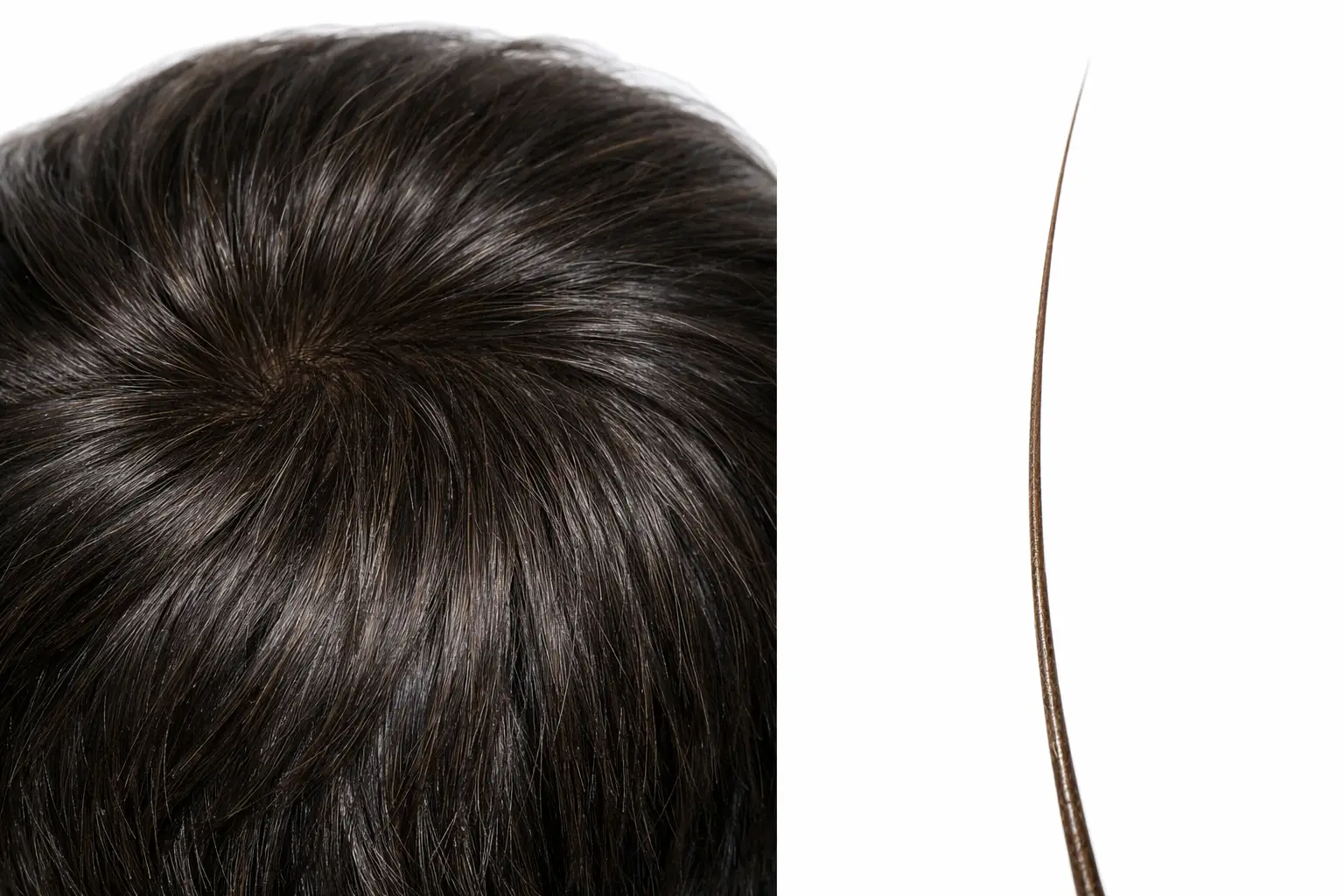
You can have fine thick hair or coarse low-density hair. Understanding both density and strand thickness gives a fuller picture. A common misconception is that thick hair equals high-density hair, which isn’t always true. Hair thickness relates to the width of individual strands, not the number of strands on the scalp. You could have high hair density, meaning many hair strands per square inch of your scalp, but each of those strands could have a thin or fine texture. This would result in hair that appears full due to the number of strands but feels lightweight or delicate due to the thinness of individual strands. This is one of the most consistently misunderstood aspects of hair biology and the one that leads to the most consistent product purchase mistakes among people with voluminous-looking but actually fine-stranded hair.
Why Low Density Does Not Always Mean Fine Strands
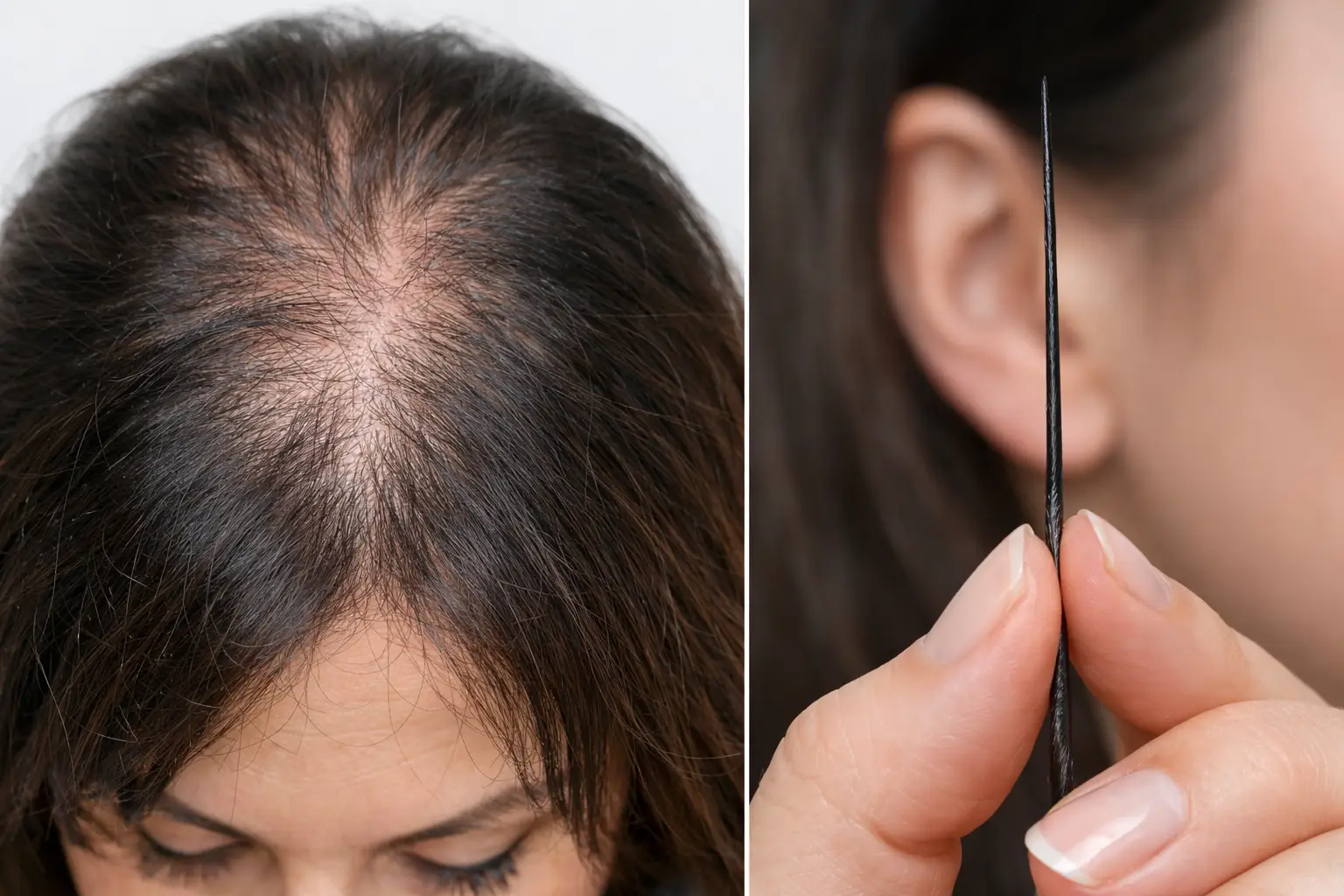
If you have low hair density, meaning fewer hair strands, each strand could still be thick or coarse. Even though there are fewer strands overall, the hair could feel heavy or robust if the individual strands are thick. The thick-stranded low-density combination is the most commonly misdiagnosed hair type in the salon environment because the visual impression of the hair from a distance suggests fineness or thinness while the actual strand behavior under a stylist’s hands reveals the coarseness that requires a completely different technical approach. Coarseness refers to the texture of the individual strands, whereas thickness refers to the high density and concentration of those strands. Coarse and thick hair aren’t mutually exclusive. Some people have thick fine hair, and some have coarse, thin hair.
How Genetics Determines Your True Hair Thickness and Density

Hair density is genetically determined. You’re born with a set number of hair follicles. Can you change density? Not really. But you can improve the appearance of your density with the right routine. Genetics determine whether you have fine, medium, or coarse hair. People with fine hair tend to have more wispy-feeling strands, while those with coarse hair often have strands that feel more dry or rough. Similarly to density, your hair thickness can be influenced negatively by an interaction between your genetics and hormones, leading to miniaturisation of hair follicles and a decline in your strands’ size and length. Understanding that both your strand thickness and your density are primarily genetic realities rather than products of your hair care routine removes the counterproductive guilt that many people feel about their hair not responding to products and treatments the way they expect.
What Coarse Truly Thick Strands Feel and Look Like Daily
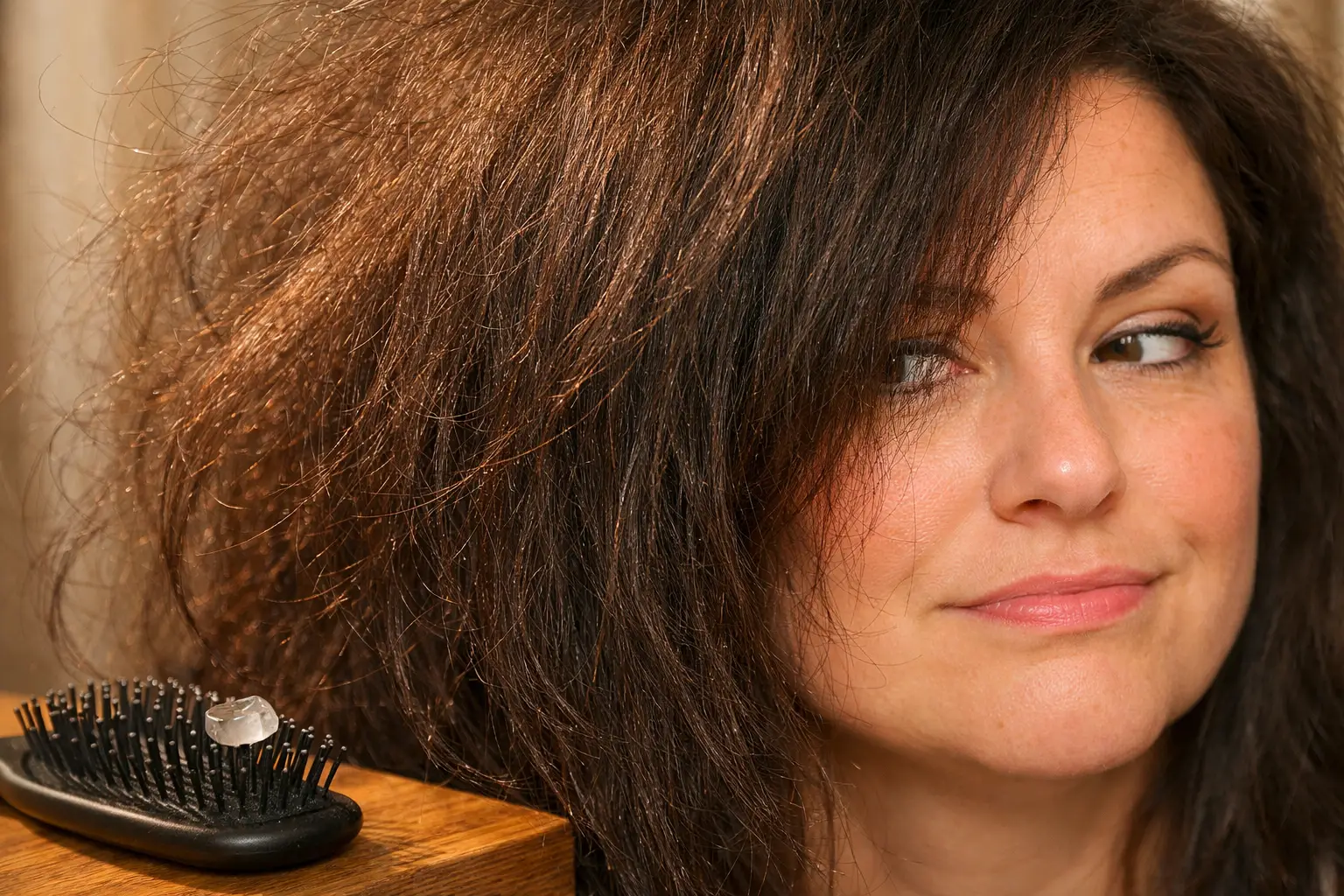
Typically, a hair strand is between 0.03mm and 0.06mm in diameter but some hair types tend to be thicker on average and can be as high as 0.08-0.2mm in diameter. Therefore, the lower end of that scale is thinner and finer, while the higher end is considered thick. Truly thick individual strands have specific daily behavioral characteristics that are immediately recognizable once you know what to look for. Thick strands hold styles extremely well because the diameter provides structural integrity that fine strands lack. They resist humidity-induced frizz less effectively than fine strands because each strand has more surface area to absorb atmospheric moisture. If the individual strand is highly visible, easily felt between fingertips, and holds styles well, your hair texture is likely considered coarse.
The Average Hair Strand Count and What Truly Thick Density Looks Like
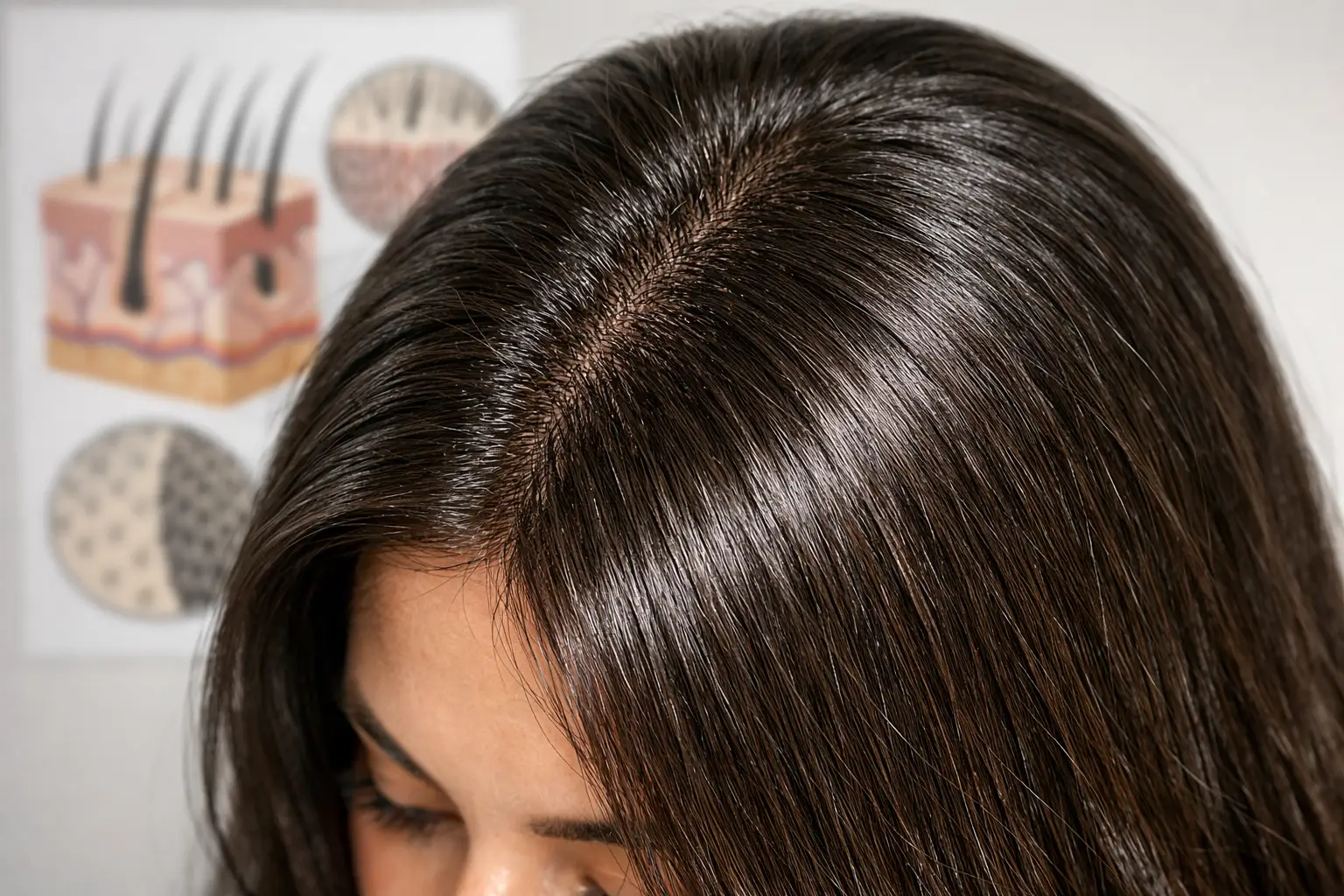
Fun fact: the average person has approximately 2,200 strands of hair per square inch on their head. The ordinary individual, on the other hand, has around 100,000 hairs on their head at any given moment. According to the National Institutes of Health, most healthy adults have between 80,000 and 120,000 hairs on their scalp alone. The number of strands an individual will have varies depending on genetics, hormones, and overall health. It can range from as little as 30,000 to 200,000. Truly high-density hair sits at the upper end of this range and produces a specific set of observable daily characteristics including a scalp that is almost impossible to see even when the hair is soaking wet and a ponytail circumference that measures four inches or more on dry hair.
The Professional Trichoscopy Test for Definitive Results
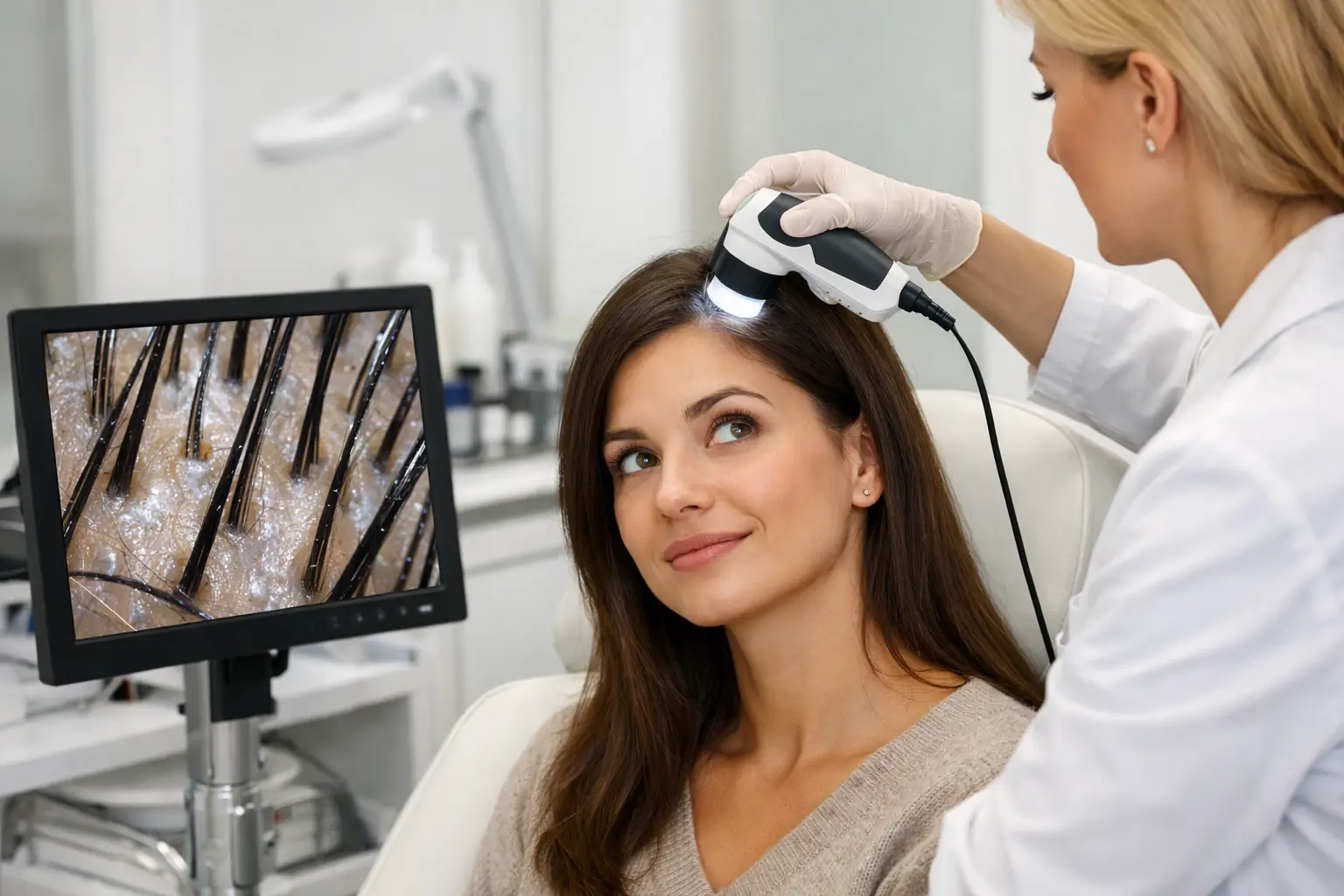
Professionals, like a trichologist, usually use non-invasive techniques to measure your hair density. Phototrichogram is the gold standard technique used in clinical trials to gauge hair density and growth. Trichoscopy is an imaging technique that provides high magnification of the scalp and hair shafts to quantify density easily. If the at-home tests in this guide produce ambiguous or contradictory results, a consultation with a professional trichologist or an experienced hair stylist produces a definitive answer. Consulting an expert hairstylist is far and away the best way to determine how dense your hair is. Professional hairstylists spend all day looking at and caring for hair. They will be able to give you a clearer sense of how dense your strands are in comparison to the norm.
How Porosity Adds a Third Variable to the Thick Hair Question
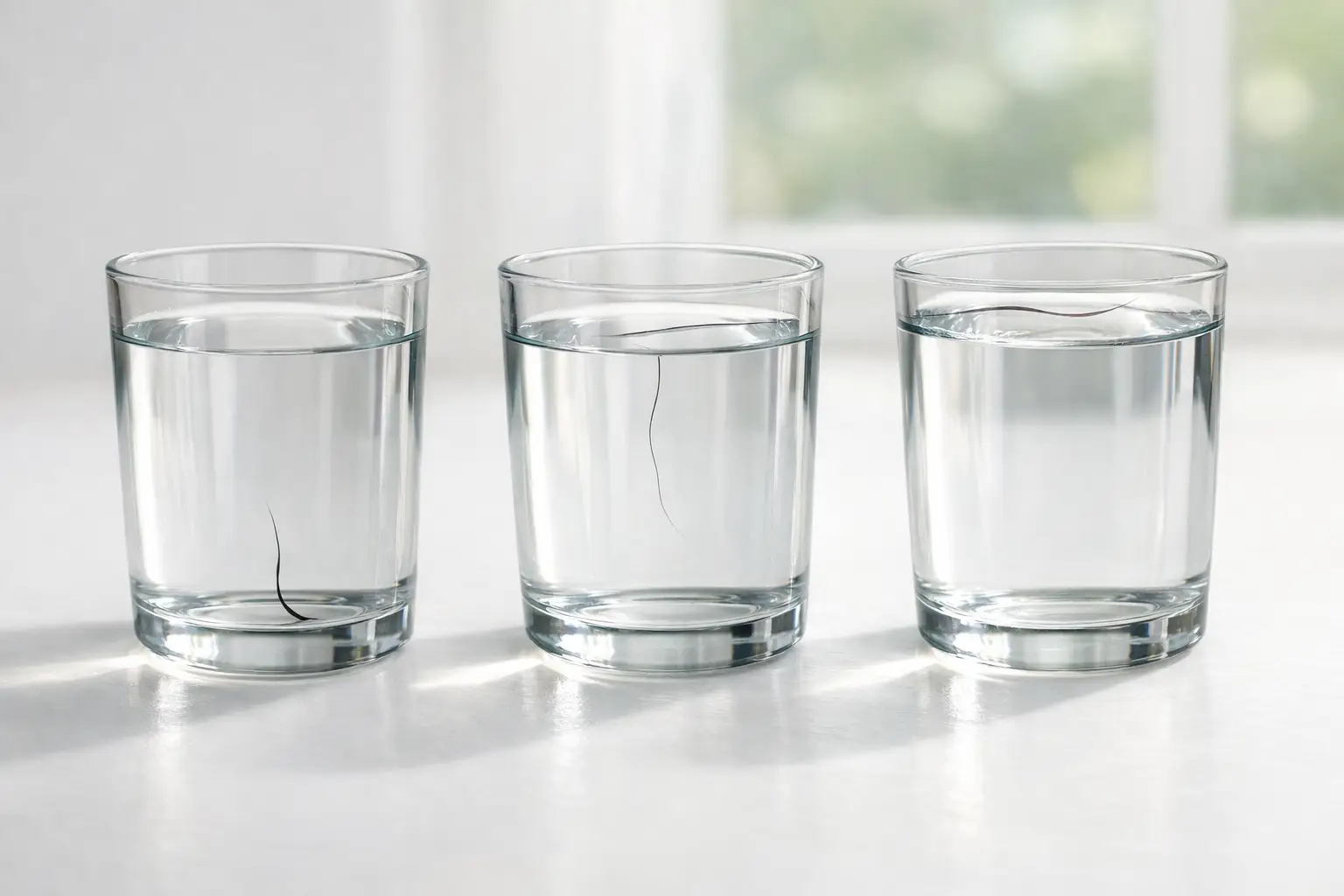
Porosity refers to the hair’s ability to absorb and retain moisture. Because the correct level of moisture is important, knowing your hair’s porosity can help you choose and use products better. A simple test can help you determine your hair’s porosity. Pluck a single strand of hair and submerge it in a cup of water. If it sinks, your hair has high porosity. If it floats in the middle, it has normal porosity. If it floats on top of the water, it has low porosity. Porosity interacts with both strand thickness and density to create the complete picture of how your hair behaves. A truly thick strand with low porosity will resist moisture absorption, dry quickly, and maintain styles well. A truly thick strand with high porosity will absorb moisture rapidly, take longer to fully dry, and may feel rough or frizzy in humid conditions. Understanding all three variables simultaneously is the most complete framework available for understanding your hair’s behavior.
Products for Truly Thick Coarse Strands versus High Density Fine Strands
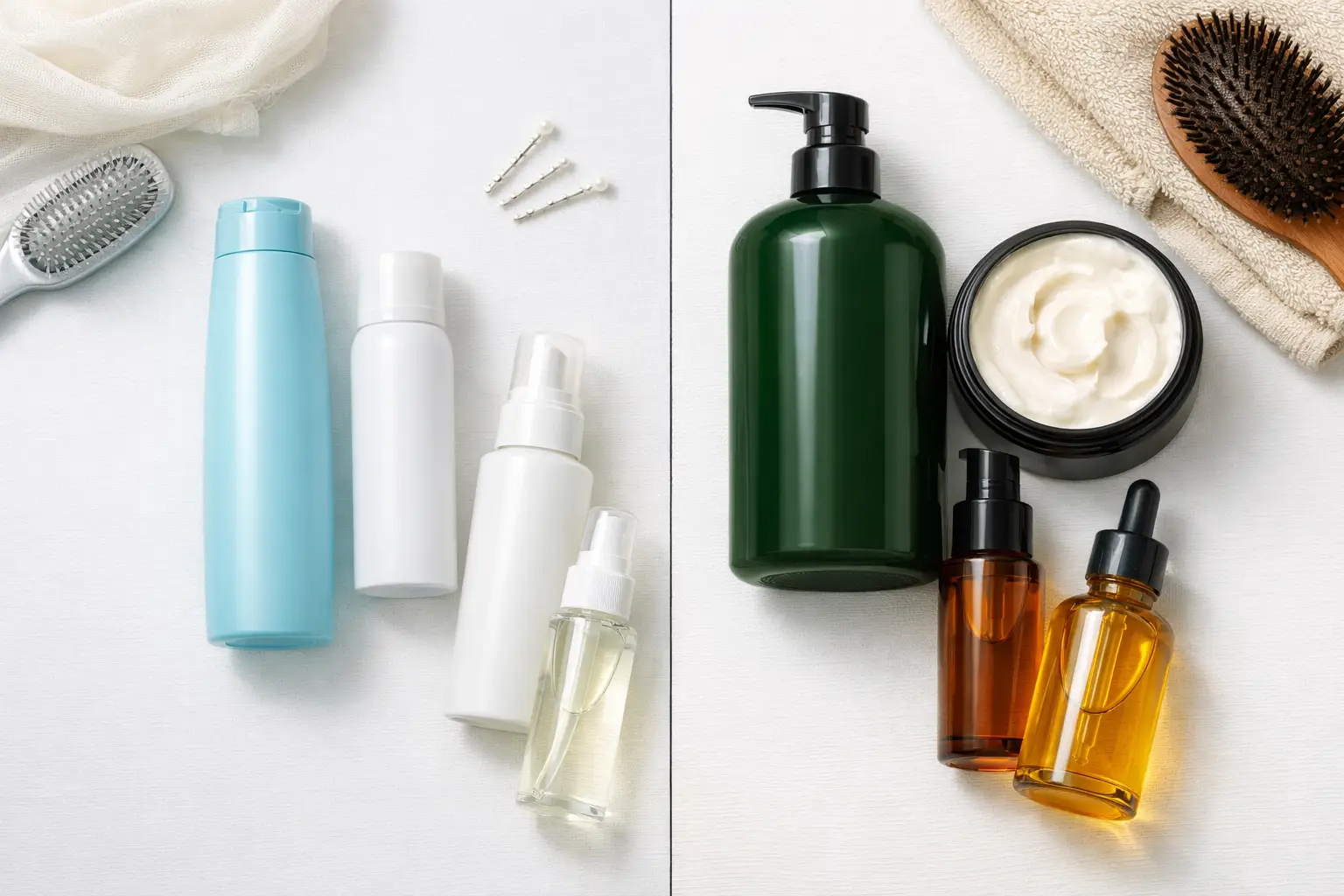
Different hair densities often require different types of products. Low-density hair might benefit from lightweight volumizing products, while high-density hair might need heavier creams or oils to keep the volume in check. If you have low hair density, you may want to avoid heavy products that weigh your hair down like heavy oils and conditioners. Look for products that can add volume to your hair like volumizing shampoos, dry shampoo, and mousse. Oftentimes people with higher-density hair will need to cleanse their scalp in sections to ensure a thorough wash. It may also be necessary to use a little more conditioner to ensure all strands are properly saturated. The crucial practical distinction is between high-density fine-stranded hair which requires volumizing but lightweight products and high-density coarse-stranded hair which requires rich and moisturizing products that tame rather than volumize.
Haircut Strategies for Truly Thick Hair versus Simply Dense Hair
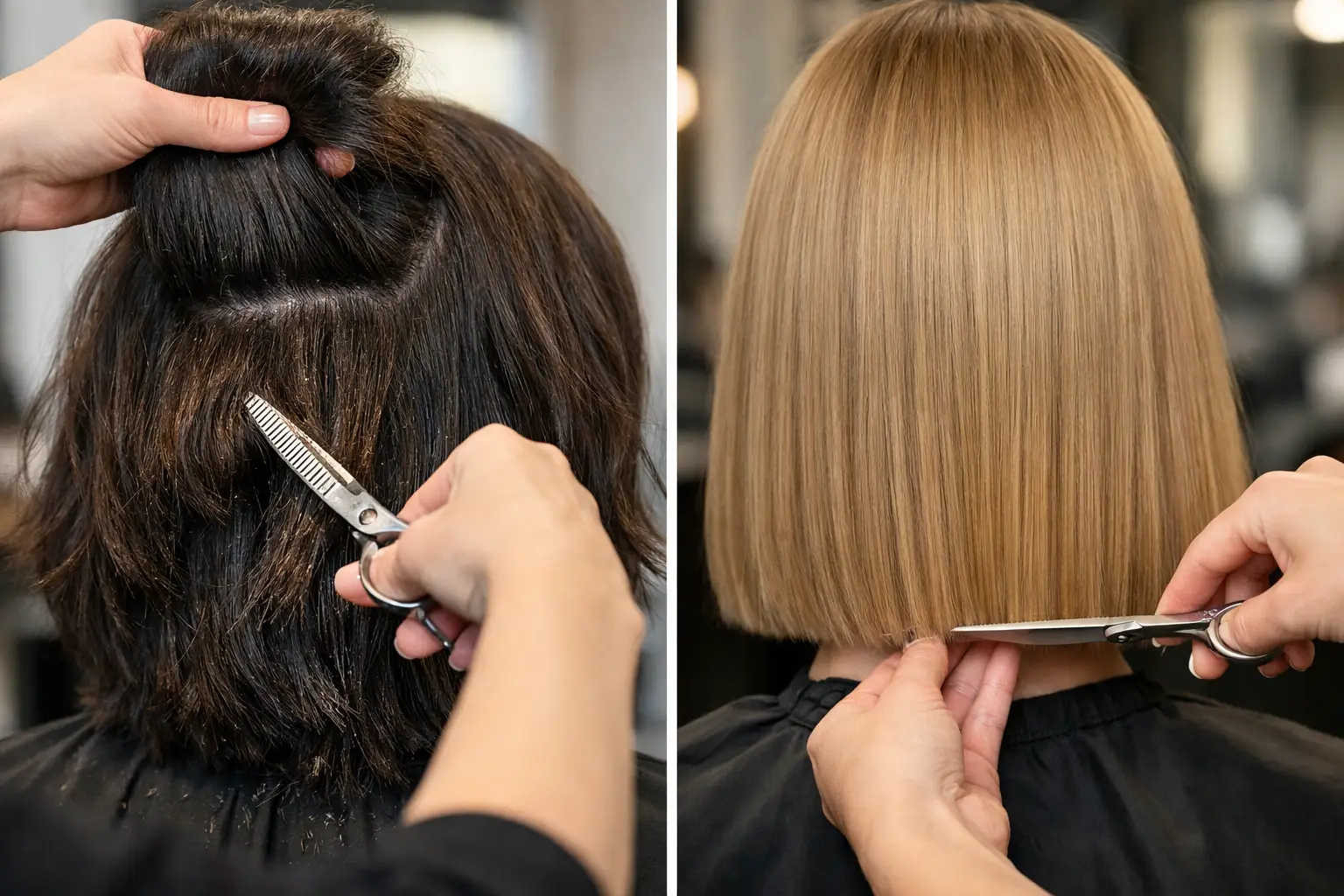
When it comes to styling, dense hair types usually desire hairstyles that give off an illusion of lankiness. Request your hairstylist to debulk your hair with layers and thinned ends. Or you could always rely on your trusty flat iron to straighten out the waves and curls. Last but not least, try quick, simple fixes to tame down the volume, like parting your hair to one side and tucking it behind your ears. Truly thick coarse strands require the razor cut and thinning shear techniques that remove weight from the interior of the cut without creating blunt ends that add visual bulk. Bring body to thin hair by going for a blunt chop, as this kind of cut can give the appearance of thicker hair. Fine hair can also benefit from a boost via an angled bob or lob, but be sure to request blunt ends, that is where the fullness will come from.
How Age Changes Hair Thickness and Density Over Time
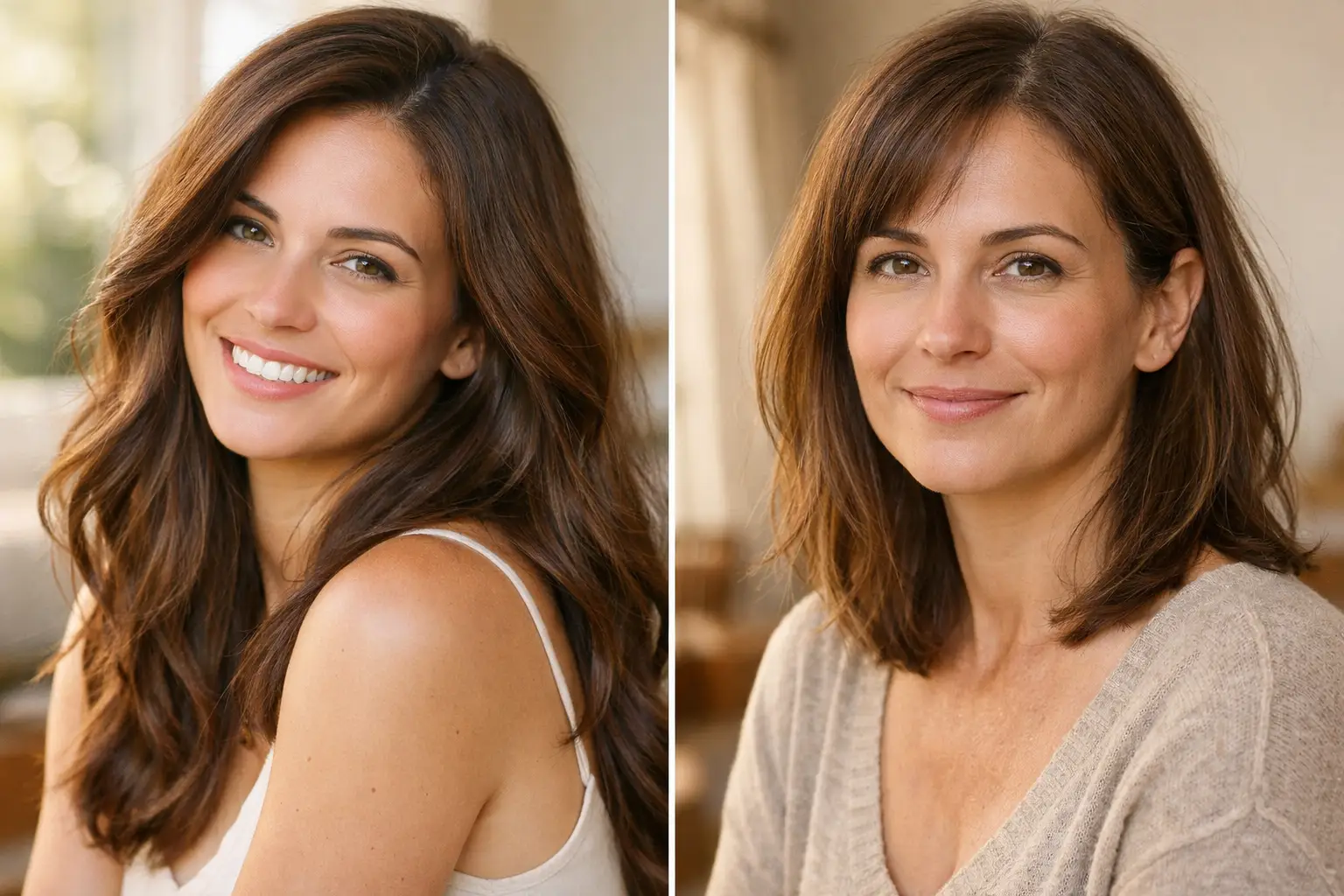
Where hair texture is something you’re born with, hair density varies and changes throughout your lifetime. Your hair’s density can vary significantly throughout your life, changing over the course of years and through adulthood. Hair density is genetically determined, though it may appear to change with age or damage. What about hair loss? Hair loss can reduce the visible density but is a separate concern. If you’re noticing shedding or changes, consult a specialist. Most people notice a gradual reduction in both strand diameter and overall density beginning in their mid-thirties that accelerates after hormonal shifts. This explains why hair that was definitively thick in youth may produce different results on the at-home tests described in this guide ten or twenty years later.
The Ponytail Comparison Method Over Time
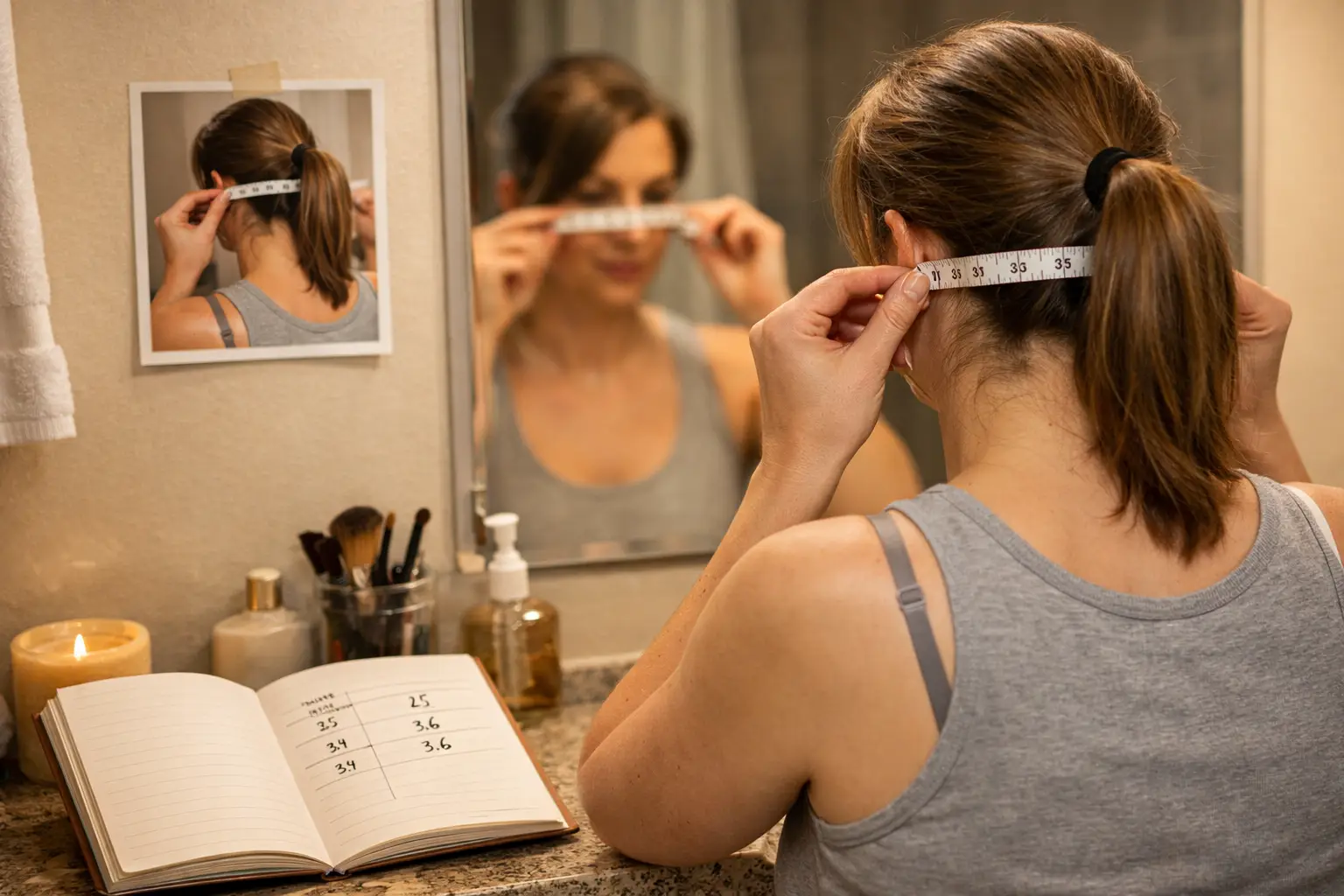
One of the most underused but most reliably informative methods for tracking whether your hair is truly thick and maintaining its thickness is the periodic ponytail circumference measurement recorded over time. By measuring and recording your ponytail circumference every three to six months on the same day in the same conditions with the same hair preparation, you create a personal baseline that reveals genuine density changes rather than leaving you to rely on subjective daily impressions. A general test to determine if your hair is thin, medium, or thick is done by pulling it back into a ponytail and determining the circumference of the ponytail. You can measure the circumference of the ponytail with a flexible measuring tape or by using a string and then measuring the string.
What Truly Thick Hair Needs That Dense Fine Hair Does Not
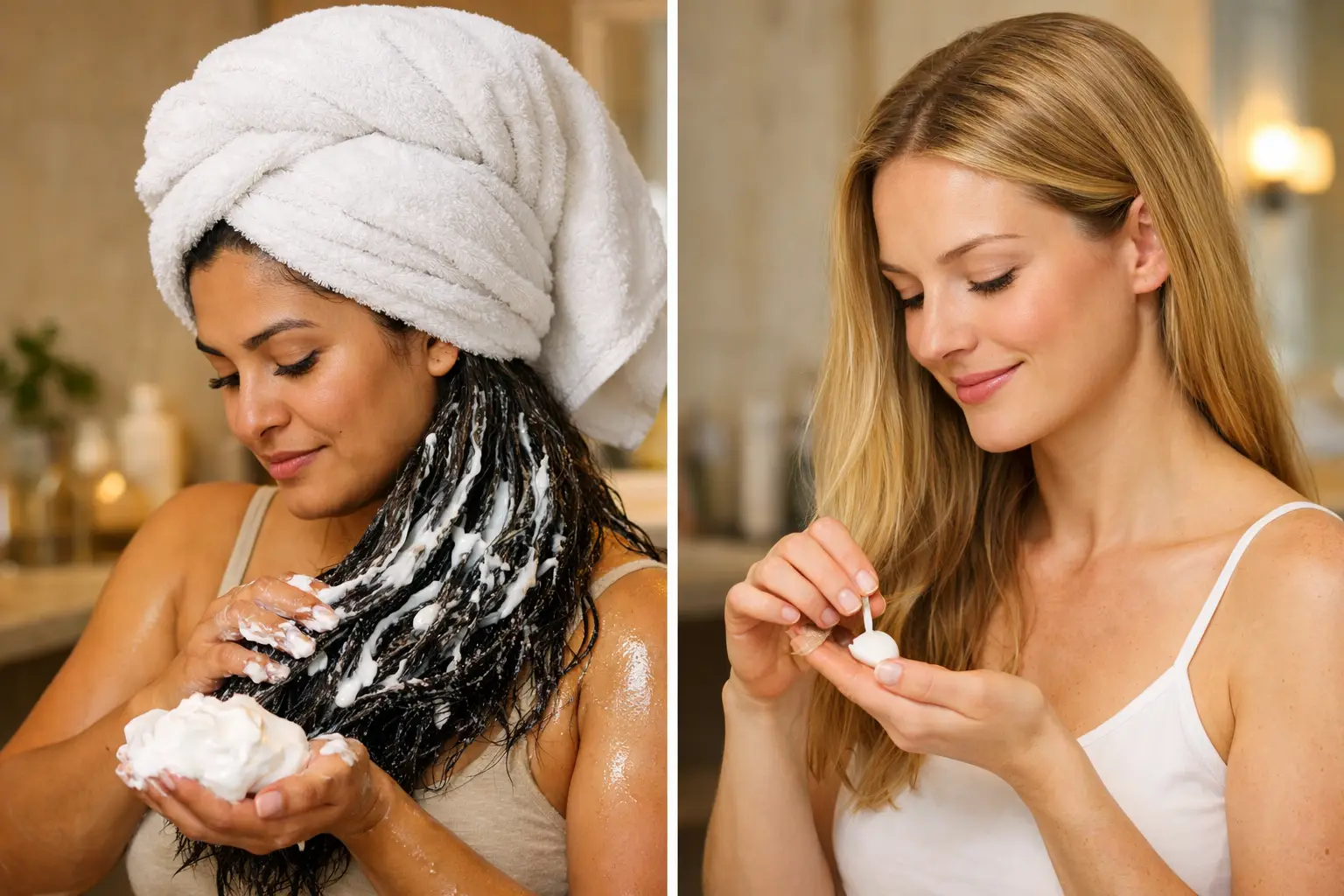
High-density hair doesn’t lack volume, but it does frizz and poof easily, as humid weather would let you know. That’s where rich, moisturizing products come in to save your strands. For high-density thick hair types, customizing with a moisturizing mask is a perfect match for thicker hair. Truly thick coarse strands have a specific and consistent set of needs that distinguish them from fine high-density hair despite the two types often appearing visually similar from a distance. Coarse thick strands need more moisture because their larger diameter contains a proportionally larger cortex that requires more hydration to remain flexible and frizz-free. They also require more heat to achieve smoothness during thermal styling because each thick strand requires more energy to change its shape than a fine strand requires.
How to Combine All Tests for a Complete and Accurate Hair Profile

The most accurate understanding of whether your hair is truly thick comes from combining all of the at-home tests in this guide rather than relying on any single one. Perform the finger feel test and the sewing thread comparison for strand thickness. Perform the scalp visibility mirror test and the ponytail circumference measurement for density. Perform the float test for porosity. Record your results for all three categories and combine them into a complete hair profile. Understanding your hair density helps you make informed decisions about haircare routines, product choices, and suitable hairstyles. It can help you select the most flattering hairstyles, choose products that won’t weigh your hair down or undernourish it, and understand potential changes in hair health. Once you have a complete profile, every product choice and every cutting technique conversation with your stylist becomes significantly more productive.
Putting Your Thick Hair Knowledge Into Practice
Your hair care needs change based on the texture and density of your hair, so it’s essential to identify both to ensure you’re meeting the needs of your unique hair biology. The most immediate practical application of knowing your true hair thickness and density is product selection. Stop buying products based on how your hair looks from a distance and start buying based on what your at-home tests have revealed about the actual biological characteristics of your individual strands and their collective density. One of the most important parts of your routine when managing texture is conditioner. All hair types benefit from conditioning, but it’s important to find the right balance of moisture and weight for your hair texture. Fine hair, thick or thin, is better suited to products formulated for fine hair.
Conclusion
The question of how to know if your hair is thick has a more nuanced and more genuinely useful answer than most hair guides provide. Your hair can be thick in terms of individual strand diameter, thick in terms of density, thick in both ways simultaneously, or thick in neither way despite appearing voluminous from across the room. Hair texture and hair density work together to influence how full your hair looks to the naked human eye. Where texture refers to the thickness of the individual strands, hair density refers to the amount and concentration of strands that grow from your scalp. The 20 ideas, tests, and insights in this guide collectively give you everything you need to answer the thick hair question definitively, accurately, and practically so that every product you buy and every haircut you request actually works with your specific hair biology rather than against it.
Frequently Asked Questions
How do I know if my hair is thick or just dense?
Thickness refers to the width of a single strand of hair, while density looks at how thin or thick strands are collectively, in a group. This means that someone can have fine hair that’s also very dense as well. Alternatively, a person can also have thick hair that is not dense. Perform the sewing thread strand test to determine individual strand thickness and the scalp visibility mirror test or ponytail circumference measurement to determine density. You can score high or low on either test independently of how you score on the other, which means you need both results to understand your complete hair profile rather than relying on either alone.
What is the easiest at-home test to know if your hair is thick?
You can test diameter by holding a single strand of hair between your thumb and index finger. Coarse hair can be distinctly felt. Medium hair can be slightly felt between the fingers. Fine hair will barely be felt, if at all. The finger feel test is the easiest and most immediately available at-home strand thickness test because it requires no tools and produces an instant result. For density, the scalp visibility mirror test is equally simple and requires only a mirror and good lighting. Combining both tests takes under two minutes and produces a complete picture of both hair characteristics.
Can you have thick hair strands but fine-looking hair overall?
If you have low hair density, meaning fewer hair strands, each strand could still be thick or coarse. Even though there are fewer strands overall, the hair could feel heavy or robust if the individual strands are thick. Yes. Low-density hair with thick individual strands produces hair that appears sparse or fine-looking from a distance because there are relatively few strands covering the scalp, but each individual strand feels distinctly coarse and substantial between the fingers. This combination requires a specific approach to both products and cutting that differs from both high-density fine hair and high-density thick hair.
Does thick hair change over time?
Where hair texture is something you’re born with, hair density varies and changes throughout your lifetime. Your hair’s density can vary significantly throughout your life, changing over the course of years and through adulthood. Individual strand thickness is primarily genetic and remains relatively stable through most of adult life, though it can gradually reduce with age and hormonal changes. Density is more variable and can be affected by nutrition, hormonal shifts, stress, and aging. Most people experience a gradual reduction in density from their mid-thirties onward that is completely normal and separate from hair loss conditions.
What products work best for truly thick coarse hair strands?
High-density hair doesn’t lack volume, but it does frizz and poof easily. Rich, moisturizing products come in to save your strands. A moisturizing hair mask is a perfect match for thicker hair. People with higher-density hair will need to cleanse their scalp in sections to ensure a thorough wash. It may also be necessary to use a little more conditioner to ensure all strands are properly saturated. Truly thick coarse strands benefit most from rich moisturizing conditioners and deep conditioning masks that hydrate the large cortex of each thick strand, frizz-smoothing serums applied before thermal styling, and lightweight finishing oils that seal the cuticle without adding heaviness.