Introduction
Picking a new haircut can feel oddly stressful. You scroll through fifty photos, save a dozen, and still walk into the barbershop without a clear idea of what to actually ask for.
If that sounds familiar, the French crop haircut might be the answer you’ve been circling without realizing it. It’s sharp without trying too hard, low maintenance without looking lazy, and flexible enough to suit a Monday morning at the office or a Saturday night out.
This guide walks through the most wearable French crop variations for 2026, who they suit, and how to keep them looking sharp between visits.
What Is a French Crop Haircut
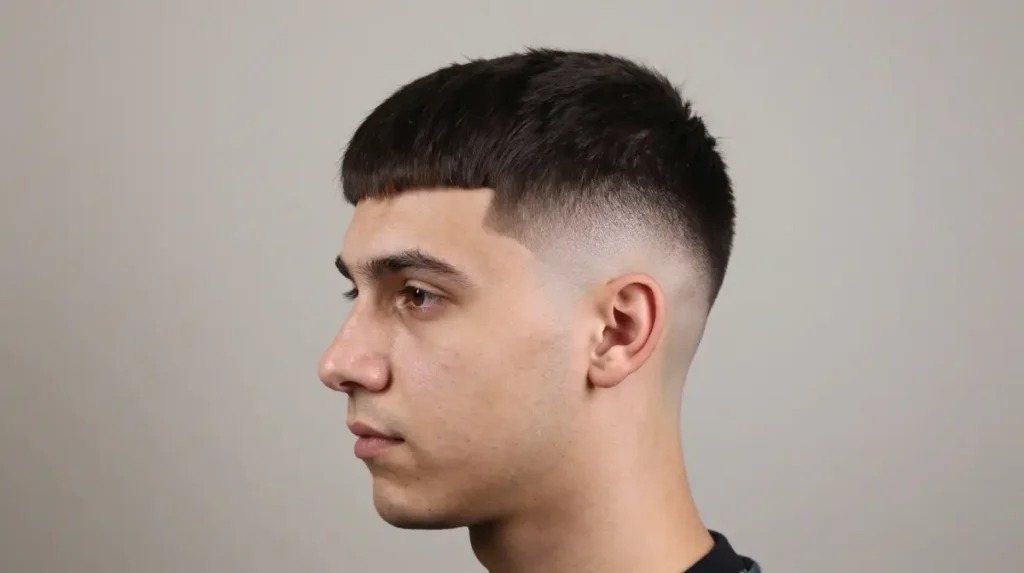
A French crop haircut is built on three parts: a forward-pushed fringe, a cropped top with texture, and short or faded sides. A French crop is essentially short on the back and sides with a blunt fringe at the front, where the top can be left flat, textured, or slightly messy, but the fringe always stays the defining detail.
It originally comes from military grooming and gained mainstream popularity through shows like Peaky Blinders. Unlike a buzz cut, there’s enough length on top to style. Unlike a pompadour, there’s no need for serious daily effort.
Classic French Crop
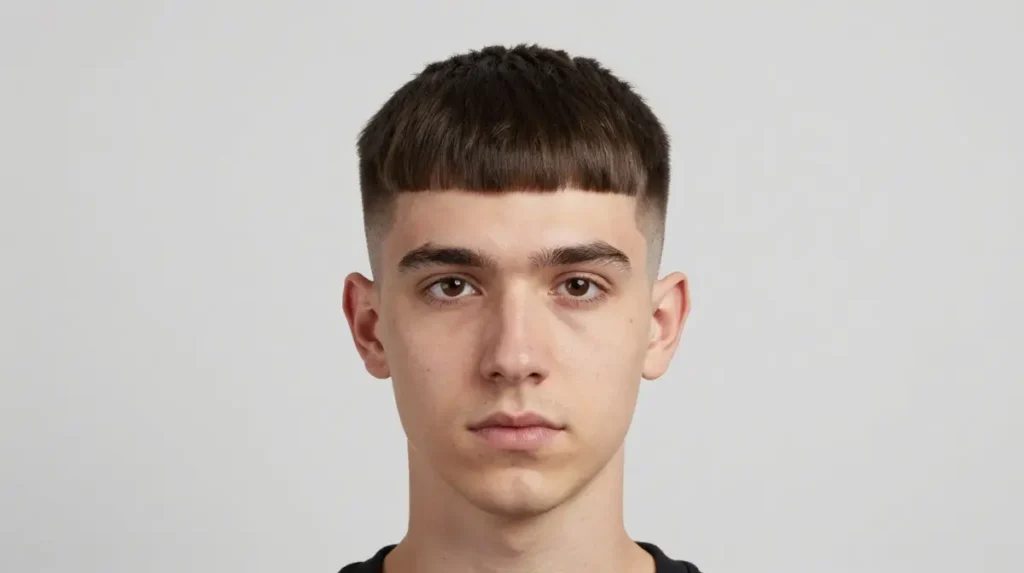
This is the cut that started it all, and it still holds up. It keeps things short, sharp, and fuss-free, with a blunt fringe, neatly clipped back and sides, and a cropped top that stays close to the head.
It’s the safest version to bring to a barber if you’re trying a French crop for the first time, since there’s little room for the cut to go wrong.
French Crop Fade
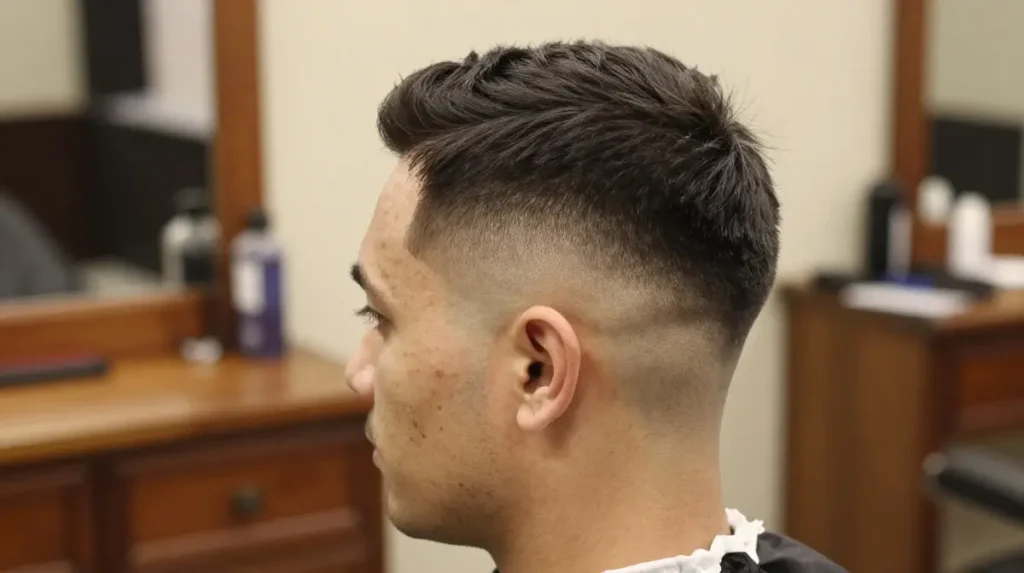
Adding a fade to the sides turns the classic shape into something with more contrast.
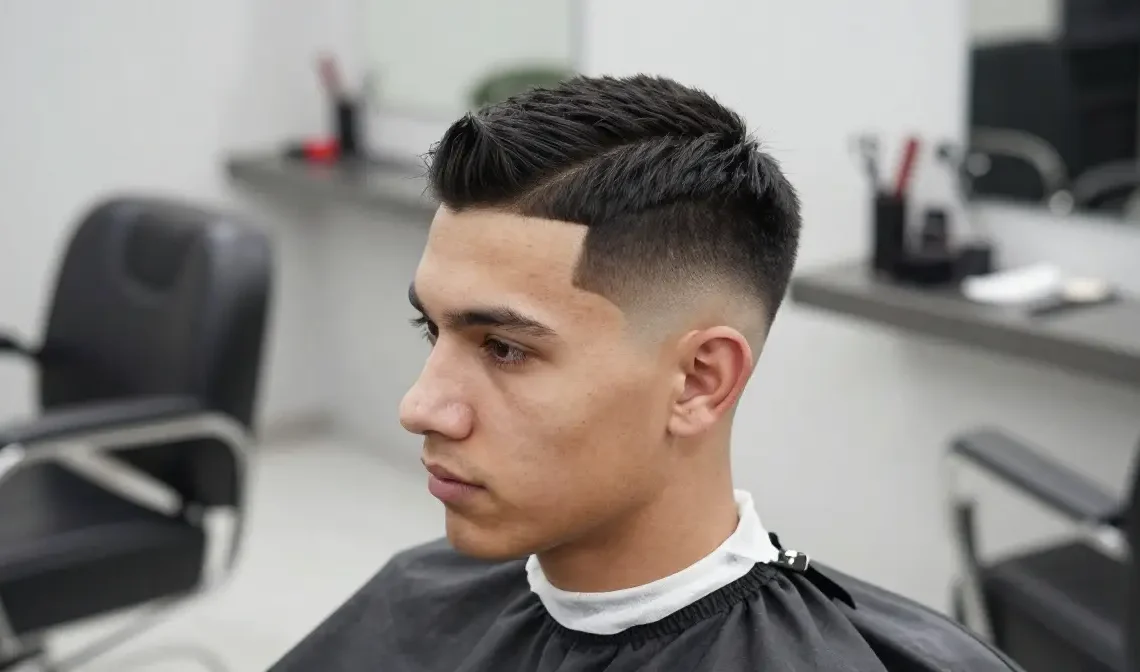
This version blends sharp edges with laid-back texture, featuring a short straight fringe up front, faded sides, and messy layers on top. A fade gives the cut a cleaner outline without making it feel overly formal.
Low Fade French Crop
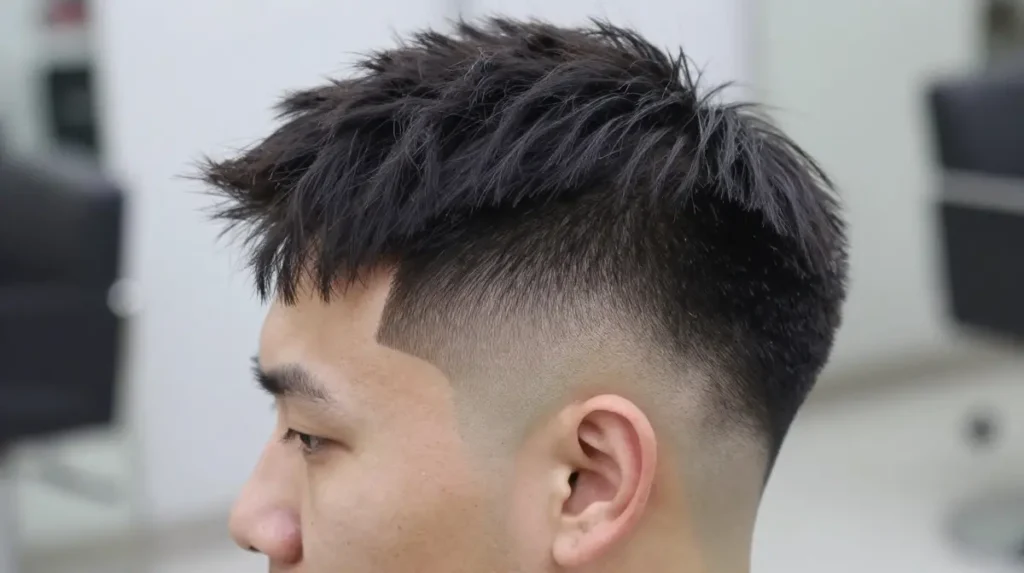
A low fade keeps the fading close to the ear, which suits men who want subtlety. It’s the most office-friendly fade option, since the contrast between the top and sides is gentle rather than sharp.
It also grows out more gracefully than a high fade, meaning fewer panicked trips back to the barber.
Mid Fade French Crop
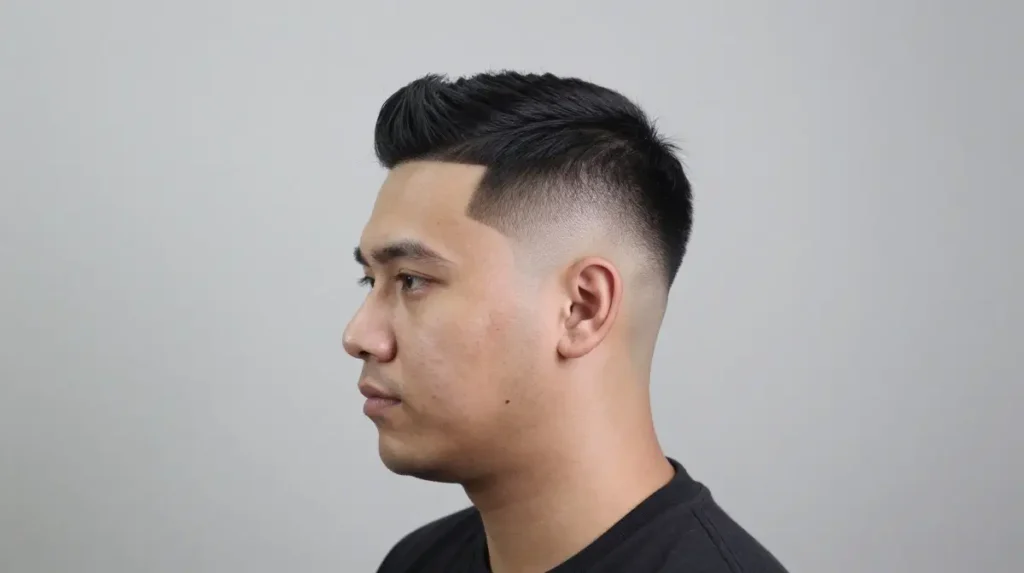
Sitting between low and high, a mid fade gives a balanced look that works almost anywhere.
You can choose a mid or high fade depending on how bold you want the haircut, and a mid fade tends to be the more classic and versatile option that grows out neatly. This is often the safest fade choice if you’re unsure which height suits you.
High Fade French Crop
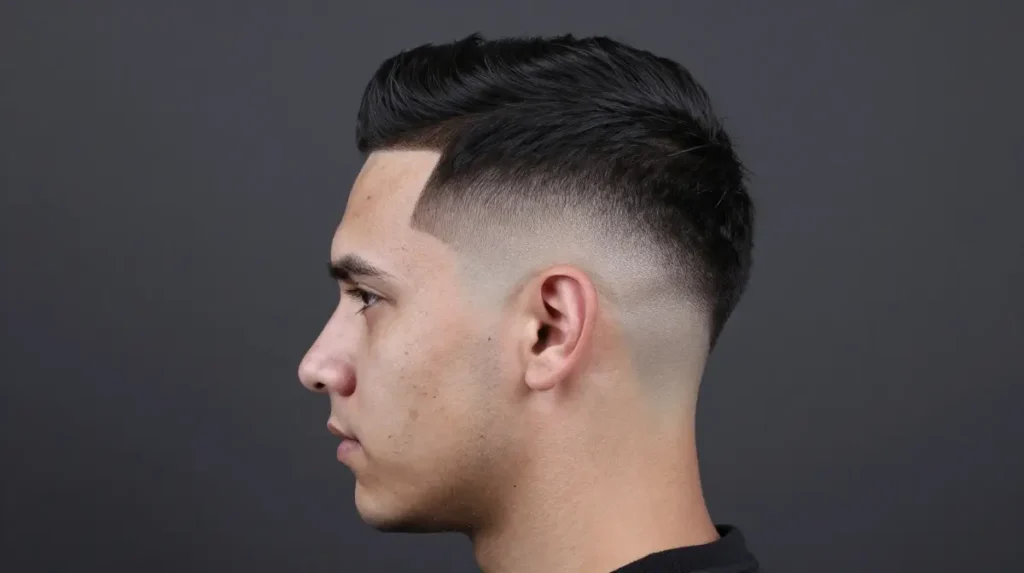
For men who want maximum contrast and a bolder statement, the high fade is the way to go.
A high fade can stay sharp for longer between trims, which suits a busy lifestyle or anyone who doesn’t want frequent barber visits. Just know that the higher the fade, the more noticeable regrowth becomes after a few weeks.
Skin Fade French Crop
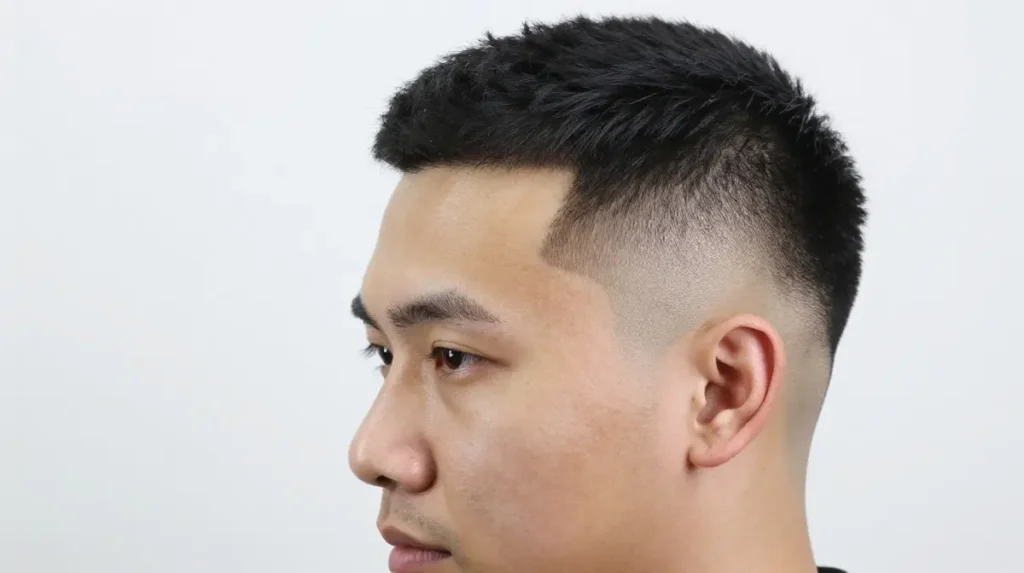
The most extreme version of the fade family. The French crop skin fade strips away the hair on the sides entirely to reveal the scalp, making it the most precise iteration of the style.
It’s striking, but it also needs the most upkeep, since any growth on the sides is immediately visible.
French Crop Taper Fade
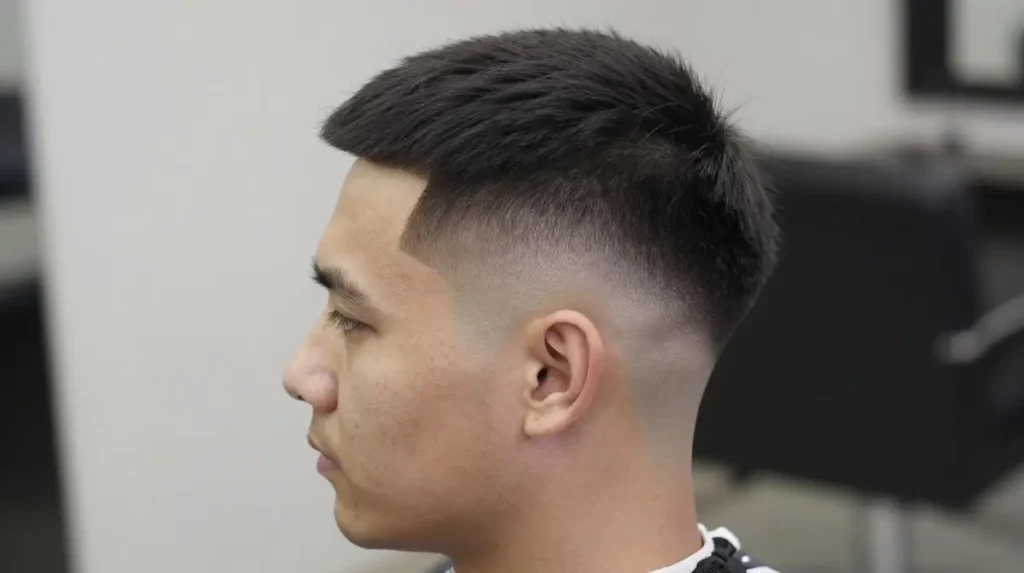
A taper fade is softer than a skin fade and blends more gradually into the neckline and around the ears. It typically blends a short, choppy fringe with smooth tapering, with the top holding soft texture and natural volume.
It’s a good middle ground between a barely-there low fade and a dramatic skin fade.
Burst Fade French Crop
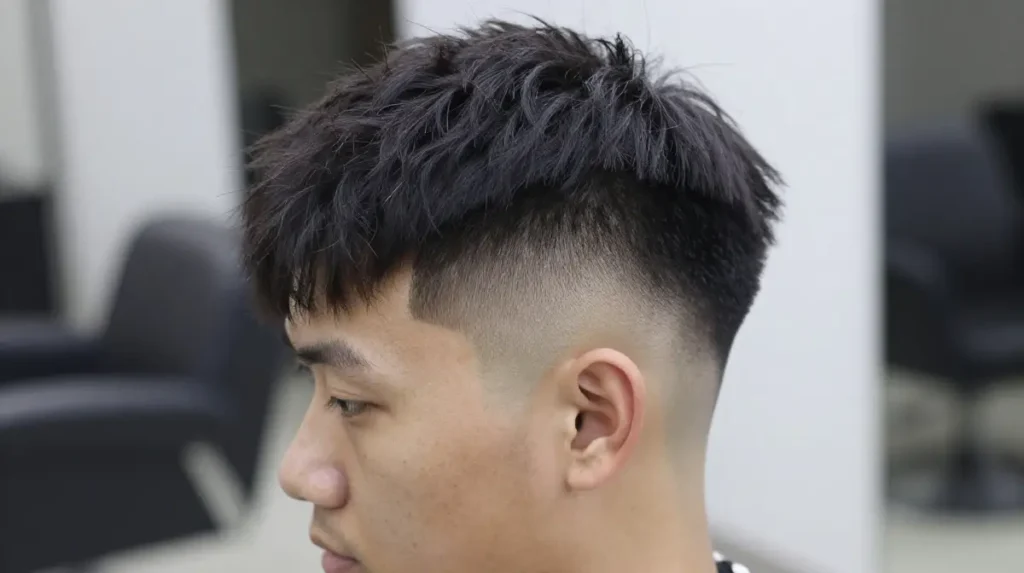
This variation fades the hair in a curved shape around the ear rather than in a straight line. The sides fade cleanly behind the ear in a burst shape, giving extra detail and contrast to the cut.
It’s a small detail that makes a noticeable difference if you want something slightly different from the standard fade line.
Textured French Crop
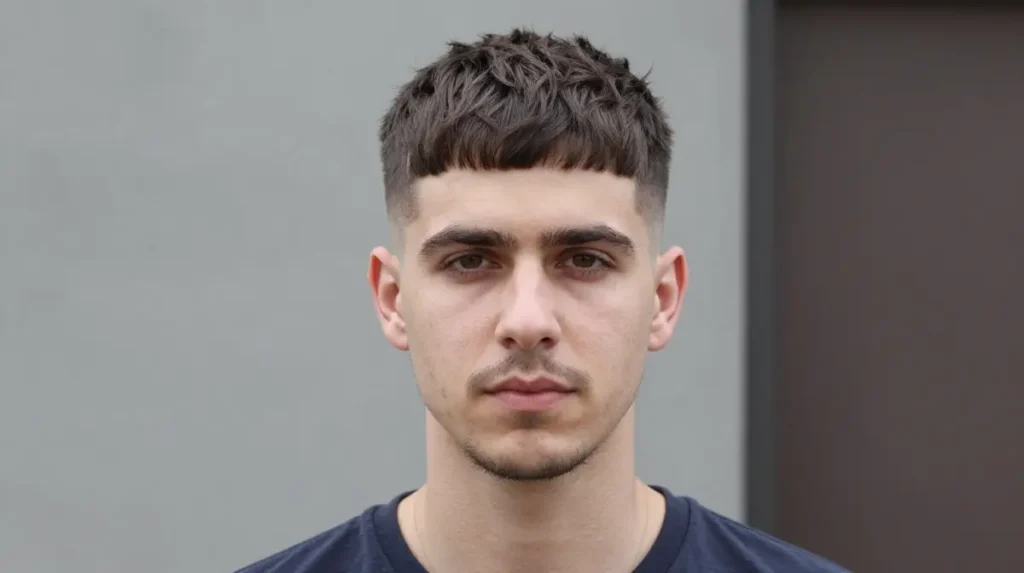
Texture is what separates a flat, dated crop from one that looks current. Layering and point cutting on top create movement instead of a single block of hair.
As a rule of thumb, the more layers worked into the haircut, the more it shifts into a different category of style altogether. It works particularly well if your hair has any natural wave.
Messy French Crop
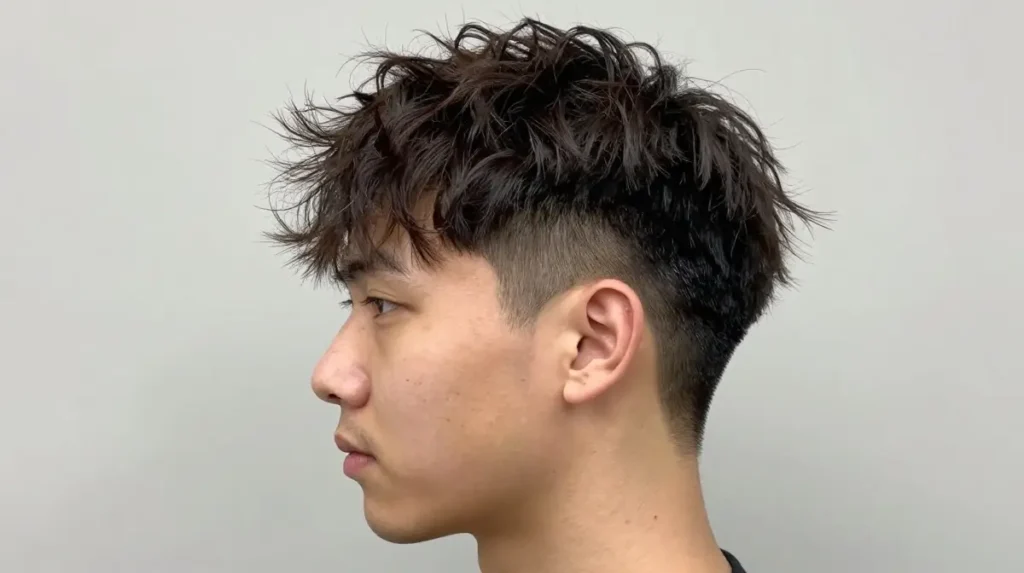
Not every French crop needs to look polished. The messy version has short faded or tapered sides paired with a messy, textured top that adds natural volume and movement, giving a clean yet relaxed appearance rather than a sharp, structured one.
A small styling note here: avoid making every strand look perfect, since a too-perfect finish removes the relaxed effect that makes this version work.
French Crop Mullet
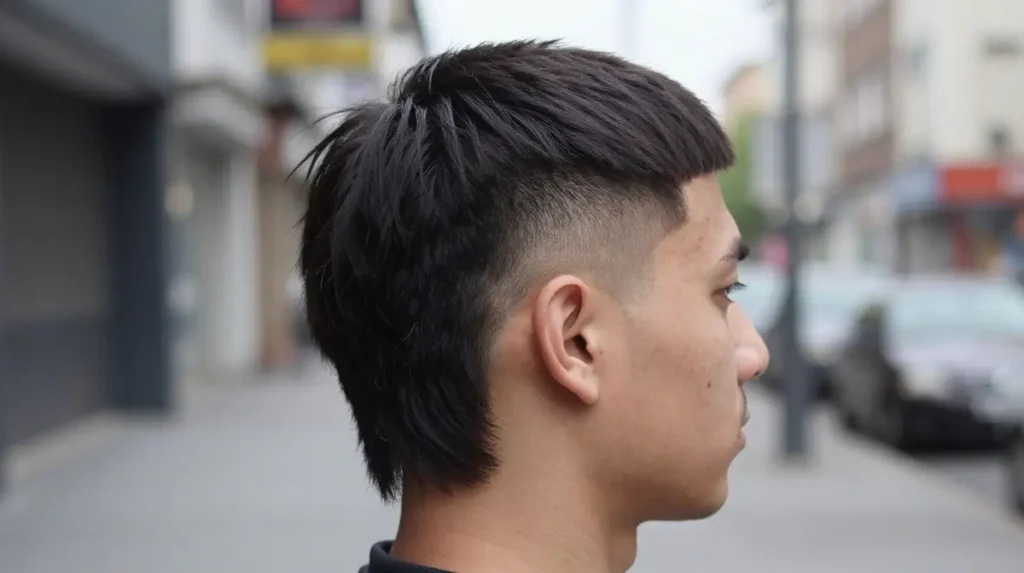
A genuinely current twist on the style. It blends the disciplined, forward-facing front of a crop with extra length and looseness at the nape, creating a business-in-the-front, party-in-the-back hybrid that works well with textured hair.
It’s not for everyone, but it’s one of the more talked-about variations heading into 2026.
French Crop With Angular Fringe
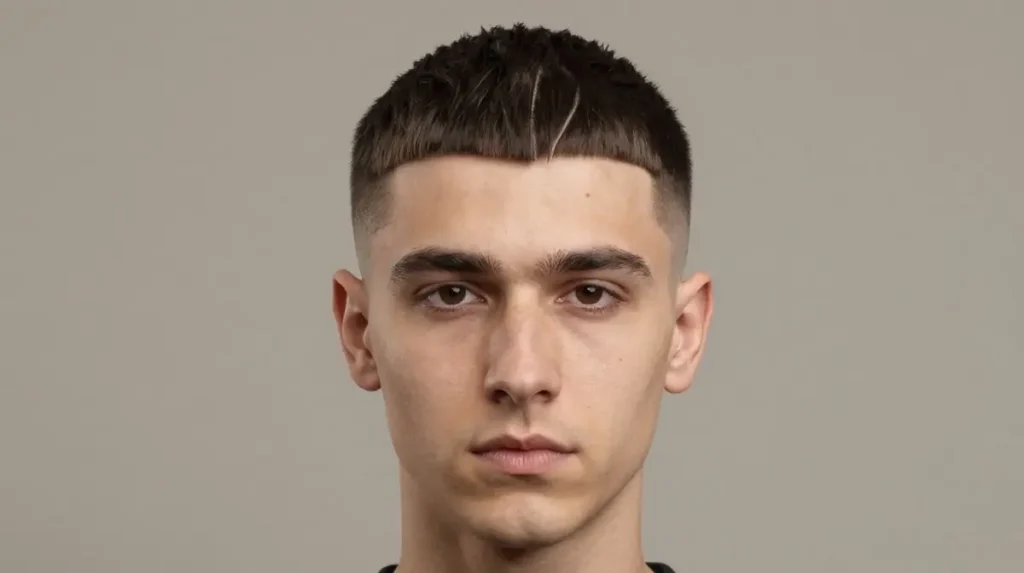
Instead of a straight-across fringe, this version cuts the fringe on a diagonal. The slanted edge creates an asymmetric focal point that adds visual interest and helps shape the face.
It suits men who want their haircut to feel a little more custom and less off-the-shelf.
French Crop Curly Hair
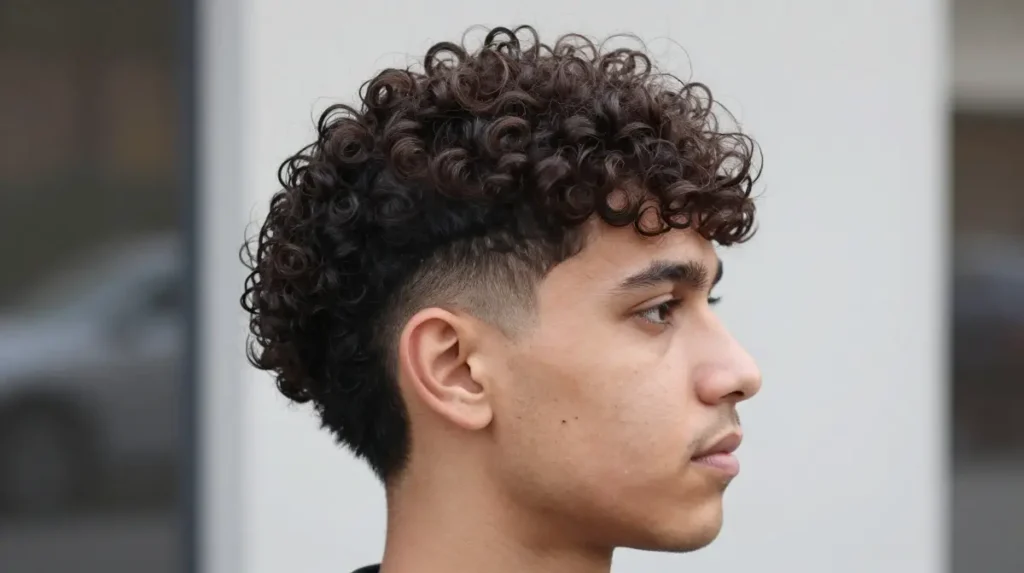
Curly hair adds natural texture to the top of a French crop without much extra effort. Curly hair benefits from a cropped top paired with neat, faded sides, which controls volume while still showing off the natural texture.
Ask your barber to point cut rather than blunt cut the top, since this reduces bulk without flattening the curl pattern.
French Crop Thick Hair
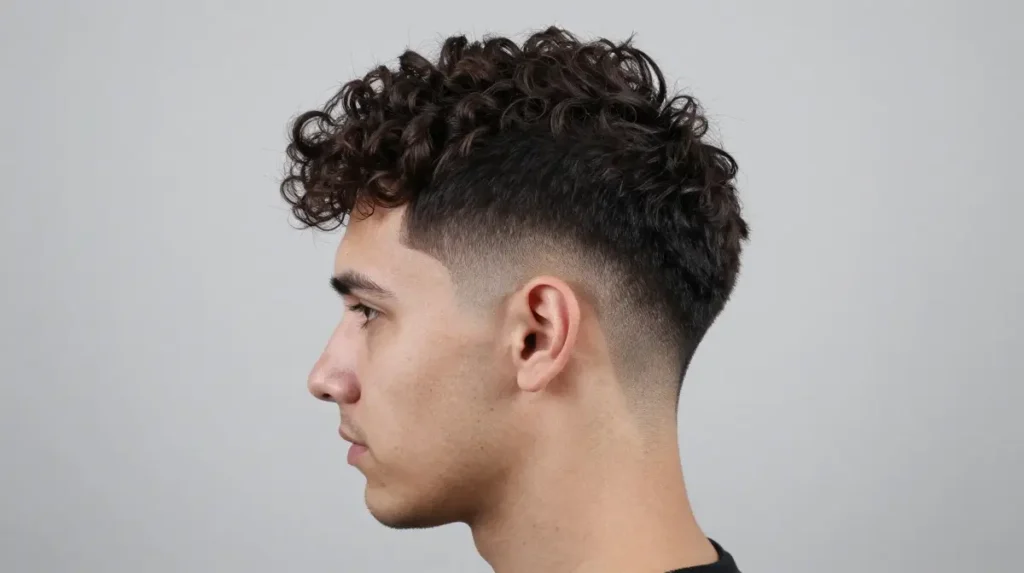
Thick hair can be difficult to manage in longer styles, but it actually works in the French crop’s favor. Thick hair can be a pain to style in general, but it becomes a real advantage when volume is the goal, since it helps create the contrast the cut is known for. A skilled barber will thin it out with texturizing shears to stop it from sitting too heavy.
French Crop Fine Hair
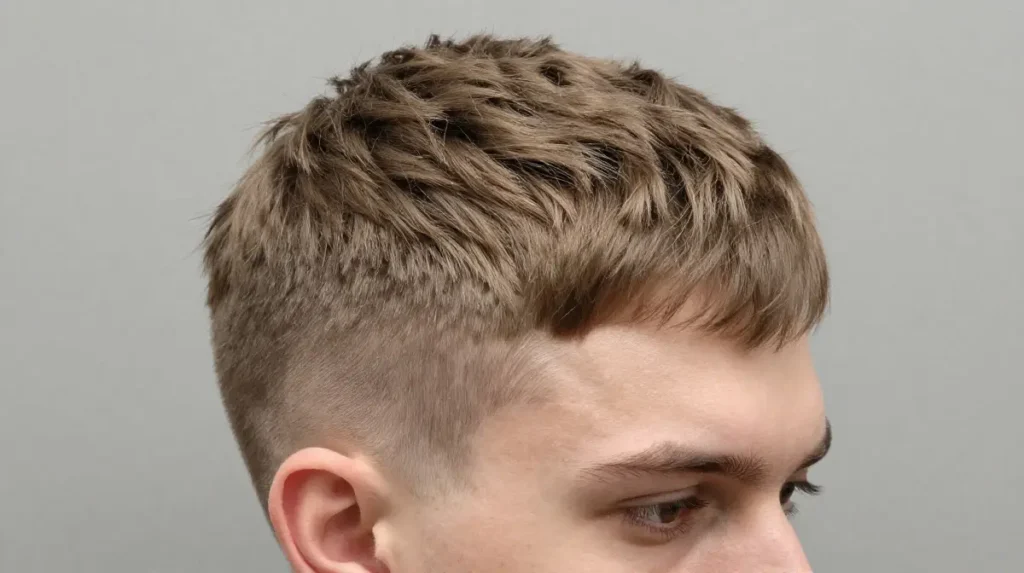
Fine hair needs the opposite approach. Keeping the top slightly longer adds the illusion of density, and a light styling cream (rather than a heavy paste) avoids weighing the strands down.
A low or mid fade also helps, since too much contrast can make fine hair on top look even thinner by comparison.
French Crop With Beard
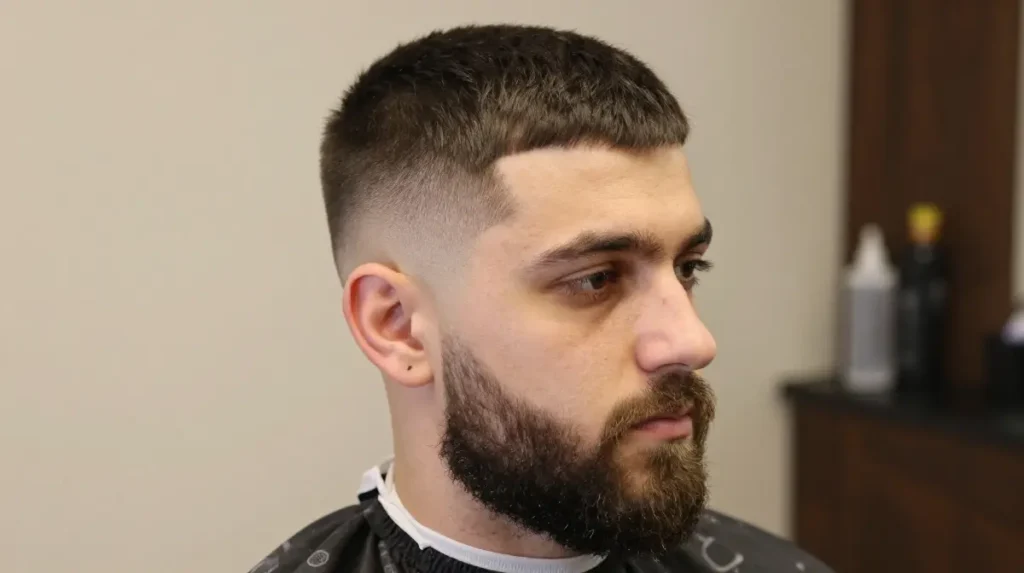
Pairing the cut with a beard adds another layer of polish, especially when the two are blended together.
The fade from the haircut can continue seamlessly into the beard, with the sideburn area blended so the hair on the head and face become one continuous fade. This combination tends to suit oval and square face shapes especially well.
French Crop Undercut
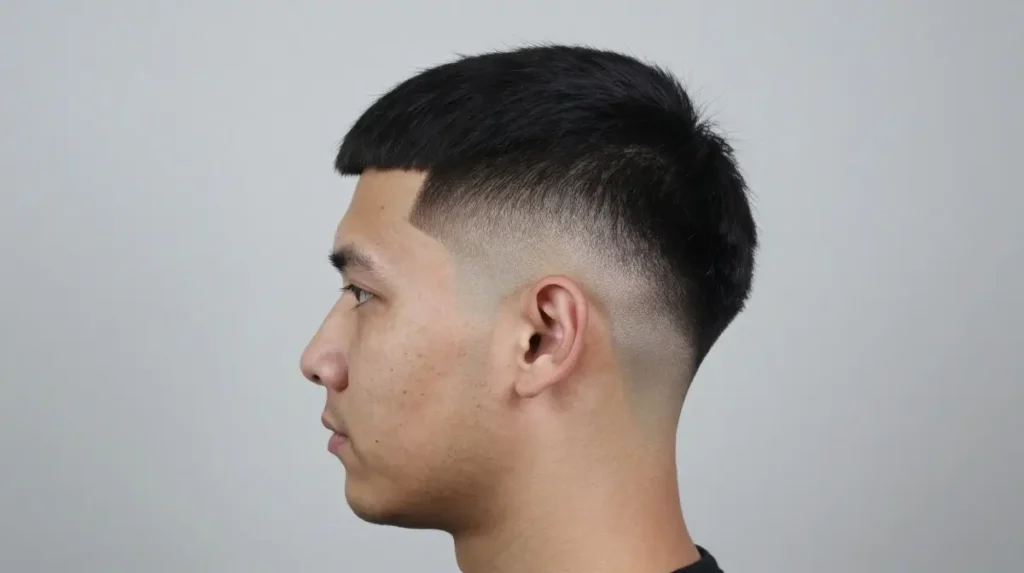
This version takes the contrast even further by leaving the top notably longer than the disconnected sides.
It creates a sharper visual break between top and sides than a standard fade, and it photographs particularly well, which is part of why it shows up often in Pinterest-style style boards.
French Crop For Receding Hairline
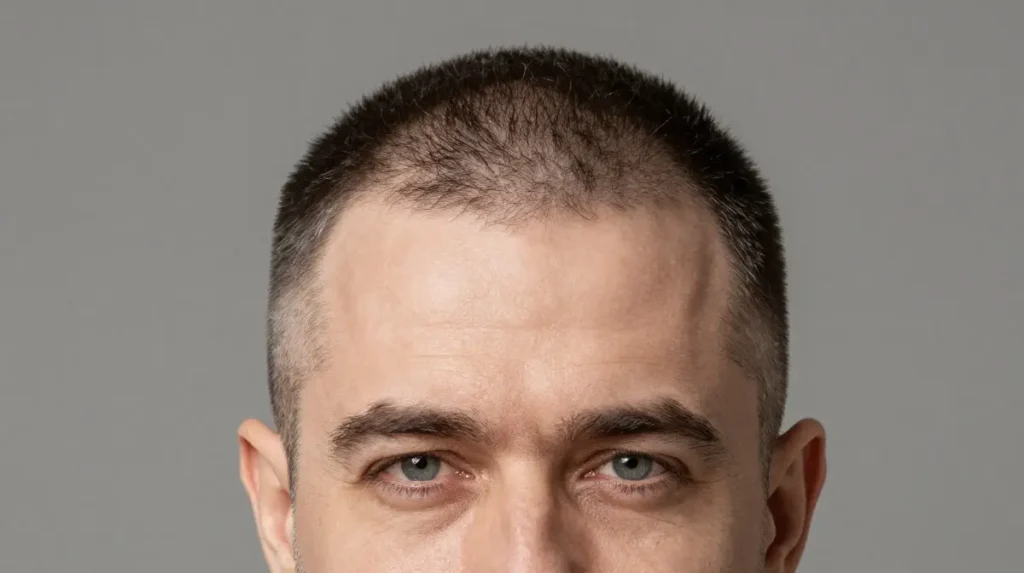
This is one of the more practical uses of the style. Hair is clipped to follow the natural growth pattern but pushed forward, which creates volume and works well for men looking to disguise a receding hairline or thinning crown.
The forward-swept fringe and textured top can help camouflage thinning areas and make the hair appear fuller overall.
Contemporary French Crop
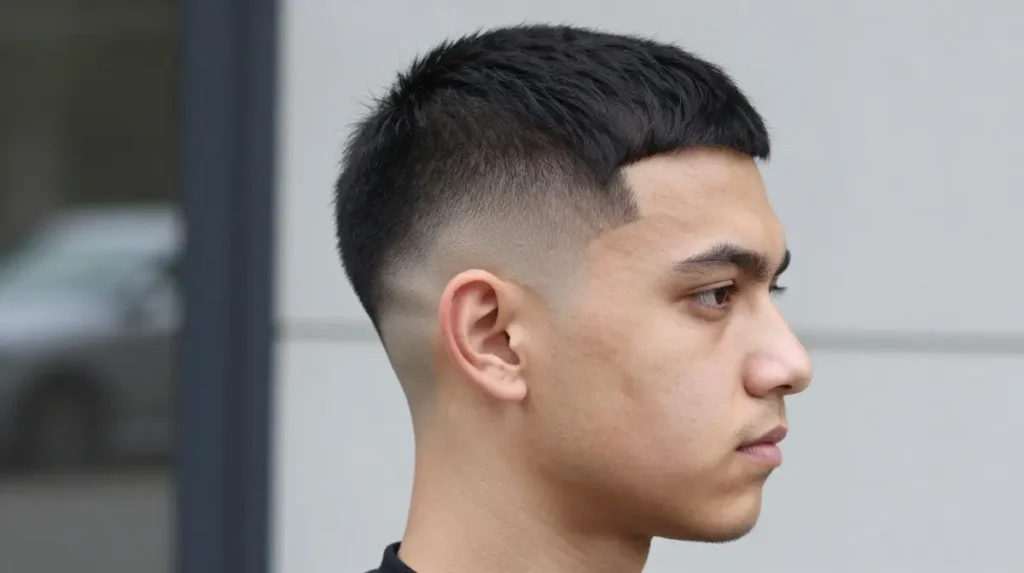
This softer take moves away from harsh, high-contrast lines.
It focuses on an organic look, emphasizing soft texture and a seamless blend between the top and the faded sides, favoring a sophisticated, effortless aesthetic over high-contrast shock value. It’s a good option if you like the shape of a French crop but don’t want it to feel too sharp or severe.
French Crop Caesar Hybrid
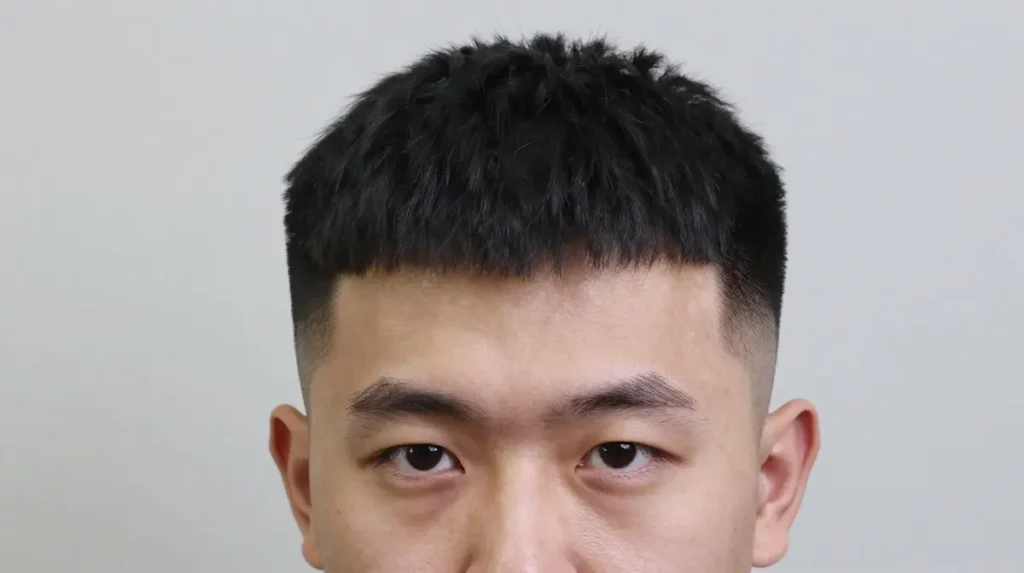
Part French crop, part Caesar cut. The fringe sits shorter and higher on the forehead while the top stays cropped close with tight texturing, giving it a slightly more structured and aggressive look that’s still very easy to style.
This is a solid choice if you want something a touch sharper than a standard crop without going full Caesar.
French Crop With Quiff
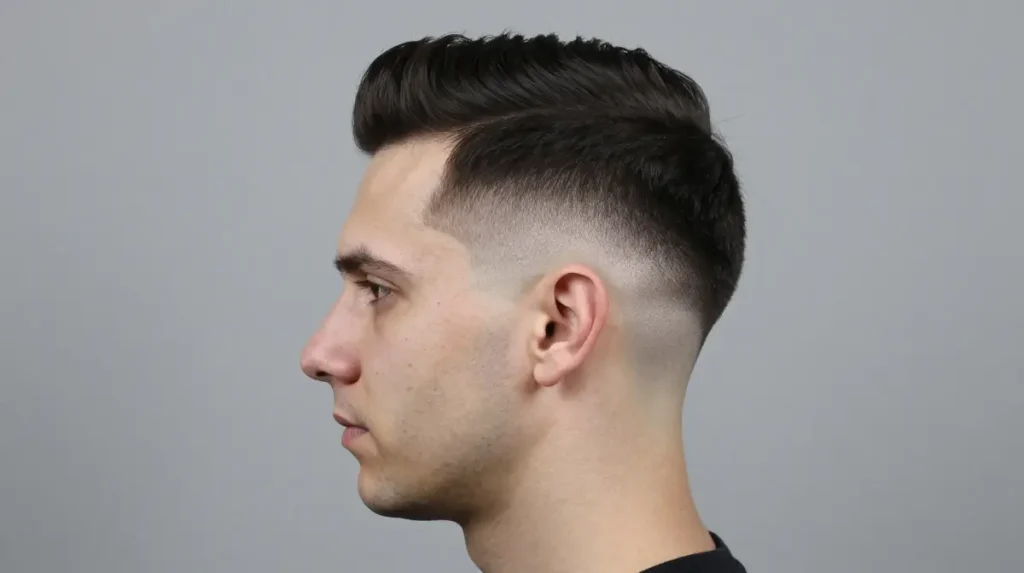
Adding height at the front turns the usual flat fringe into a small quiff.
It still keeps the cropped sides and short back, but the extra lift at the crown gives the style more presence, especially for special occasions where you want a slightly dressed-up version of your everyday cut.
Quick Comparison Table: French Crop Variations at a Glance
| Variation | Best Hair Type | Best Face Shape | Maintenance Level | Office Friendly |
|---|---|---|---|---|
| Classic French Crop | Straight, wavy | Oval, square | Low | Yes |
| Low Fade French Crop | All types | Round, oval | Low | Yes |
| Skin Fade French Crop | Straight, thick | Square, oval | High | Sometimes |
| Messy French Crop | Wavy, curly | Round, heart | Low | Sometimes |
| French Crop Mullet | Wavy, textured | Oval, long | Medium | No |
| Textured French Crop | Thick, wavy | All shapes | Medium | Yes |
| French Crop With Beard | All types | Oval, square | Medium | Yes |
French Crop Maintenance Tips
A French crop holds its shape best with regular trims. Most barbers recommend scheduling a trim every three to four weeks to maintain the clean silhouette, since even small growth changes can alter the balance of the fringe.
A few other habits help between visits. Refresh your styling product based on season, since lighter holds tend to work better in warmer months while richer textures suit colder weather. Avoid washing your hair every single day, as this strips the natural oils that keep texture looking healthy. If you swim regularly, rinse afterward to protect the hair from chlorine buildup.
Common French Crop Mistakes To Avoid
A few small errors tend to show up again and again with this haircut. Going in without a clear photo reference is one of the biggest. It helps to bring photos showing exactly the style wanted rather than just saying “French crop,” since this single phrase can mean several different things to different barbers.
Overloading the top with heavy product is another common slip, since it flattens the texture that makes the cut look intentional. Letting the fringe grow out too long between trims is a third, since the whole shape depends on that front section staying controlled.
Conclusion
The French crop has earned its spot as one of the most practical and stylish haircuts a man can choose right now. It works with straight, wavy, curly, thick, or fine hair, adapts to nearly every face shape, and scales from a quiet, low fade office look to a bold, high-contrast skin fade without losing its core identity.
Whether you’re drawn to the classic version, a messy textured top, or a beard-blended fade, the same basic formula holds true: a forward fringe, a textured crown, and faded or tapered sides. Bring a clear photo to your next barber appointment, keep up with trims every few weeks, and you’ll have a haircut that looks deliberate with very little daily effort.
You can may also like this: 22 Black Men with Blonde Hair Ideas for Bold Style
Frequently Asked Questions
What is a French crop haircut exactly? It’s a men’s haircut with short sides and back, a textured top, and a forward-combed fringe designed to be low-maintenance yet stylish.
Does a French crop work with curly hair? Yes, straight, wavy, curly, thick, and fine hair can all be tailored into a French crop with the right variation and barber technique.
Can a French crop help with a receding hairline? Yes, the forward-swept fringe and textured top can help camouflage thinning areas and make hair appear fuller.
How often should I get a French crop trimmed? Most men find that a trim every three to four weeks keeps the shape, fringe, and clean lines looking fresh.
What’s the difference between a French crop and a Caesar cut? A French crop features a short, structured fringe with a clean, sculpted silhouette, while a Caesar-style fringe tends to be shorter and sits higher on the forehead with tighter texturing on top.
1 Comment