Introduction
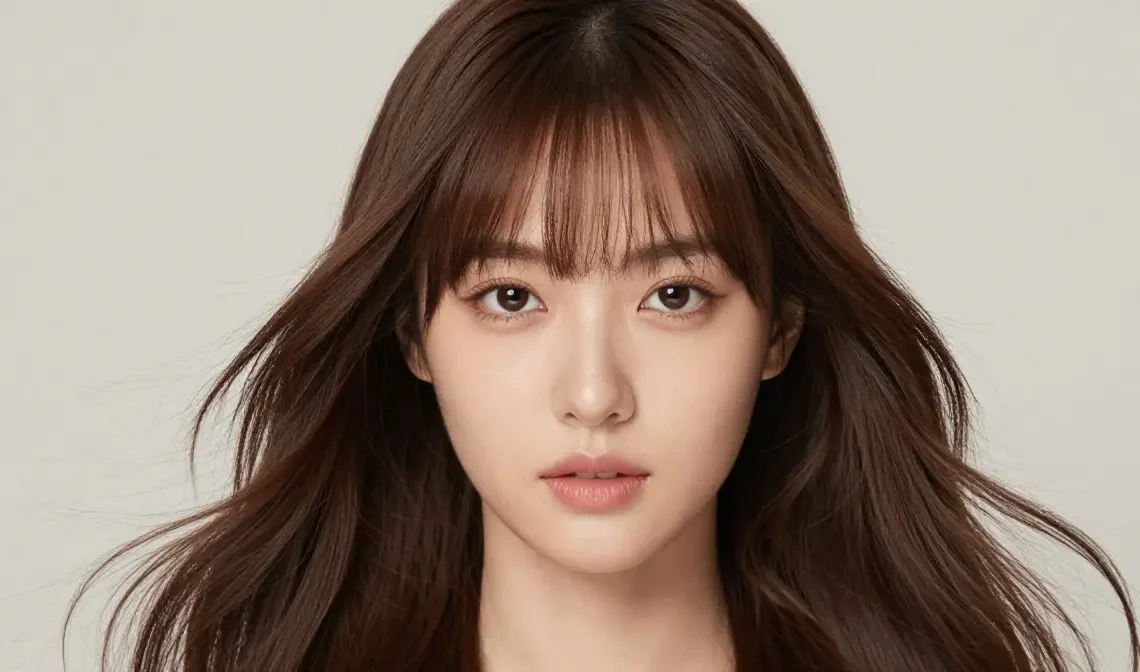
If you’ve been scrolling through hairstyle inspiration for weeks trying to decide whether to finally cut bangs, you already know the real question isn’t “should I get bangs.
” It’s “which bangs won’t I regret.” Curtain bangs styles for long hair solve that problem better than almost any other fringe option, because they’re soft, forgiving, and they grow out without turning into an awkward mullet phase. Whether your hair is thick, thin, straight, or wavy, there’s a version of this look that works for you.
Below are 22 ways to wear curtain bangs with long hair, plus the styling and maintenance details that actually matter once you’re sitting in the salon chair.
Classic Center-Parted Curtain Fringe
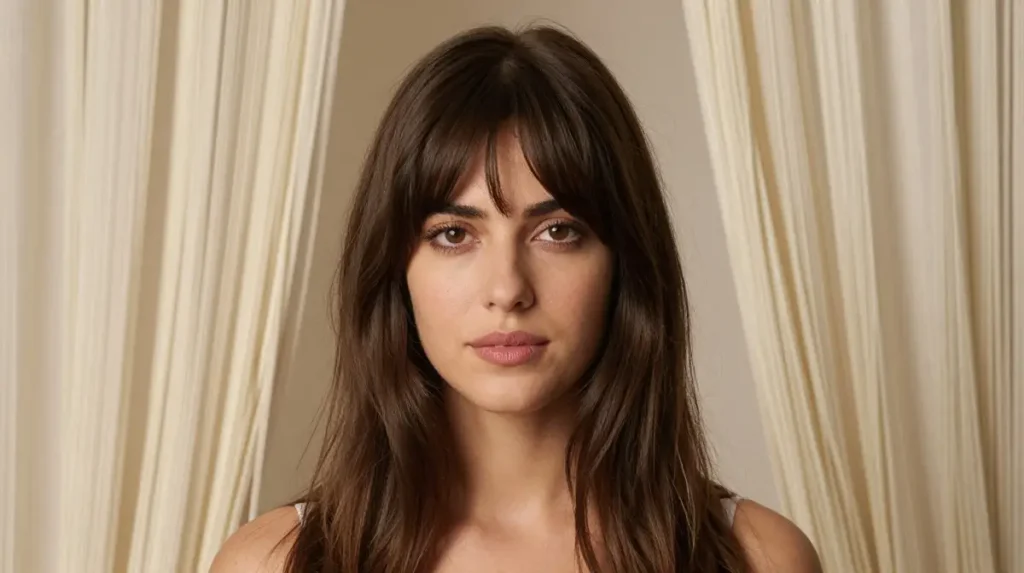
This is the original curtain bangs look, and it’s still the most requested one in salons. The hair is parted down the middle, with two soft sections sweeping away from the face on either side. It works with almost any long hairstyle and pairs beautifully with a middle part you already wear daily.
It’s considered the quintessential long hair and curtain bangs combination, with center-parted bangs sweeping softly to each side at eyebrow level. If you want a safe entry point into fringe styles, this is it.
Wispy Bangs for a Soft Finish
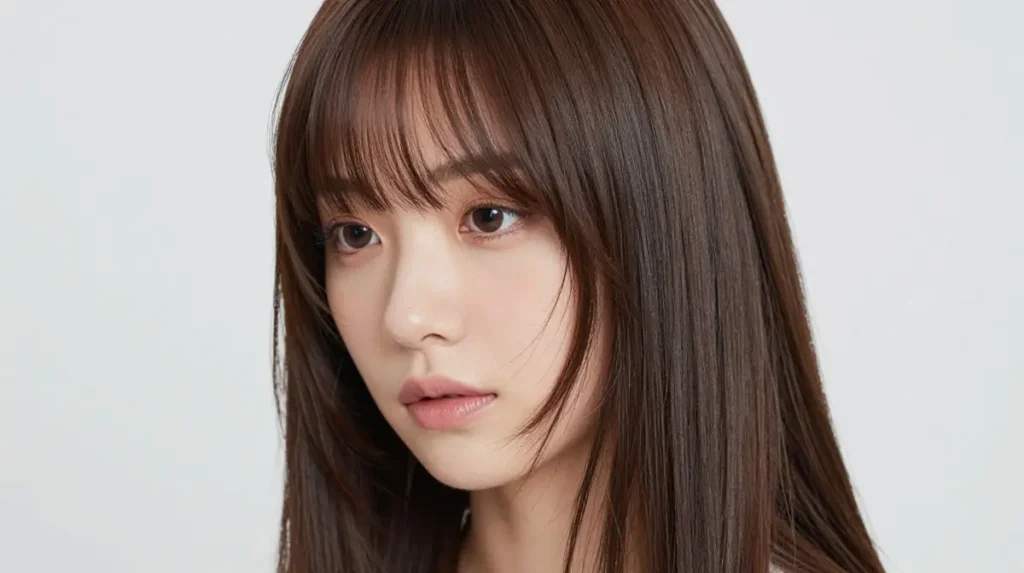
Wispy bangs are thinner, lighter pieces that feather out instead of sitting in one thick block. They suit fine hair especially well since they don’t weigh the face down.
This style photographs beautifully for Pinterest boards because the texture catches light in a way blunt bangs simply can’t.
Long Layers with Face-Framing Fringe
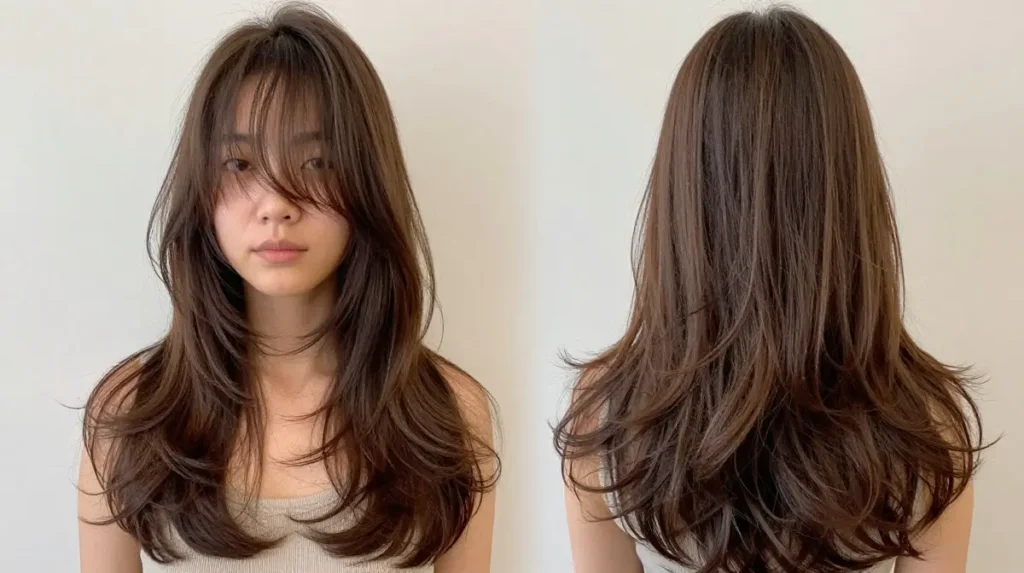
If your hair already has long layers, adding curtain bangs on top creates a cohesive, multi-dimensional shape. This combination works well for thick hair, giving heavy strands lift while creating movement and texture without sacrificing overall length.
It’s a great option if you’re not ready to commit to a drastic cut but still want something fresh.## Choppy Curtain Bangs for Texture
Choppy bangs bring a slightly edgier feel to the soft curtain shape.
The ends are cut with texture rather than a clean line, which gives the fringe a lived-in, undone look. This is a strong pick if your everyday style leans casual rather than polished.
Side-Swept Bangs for an Asymmetrical Look
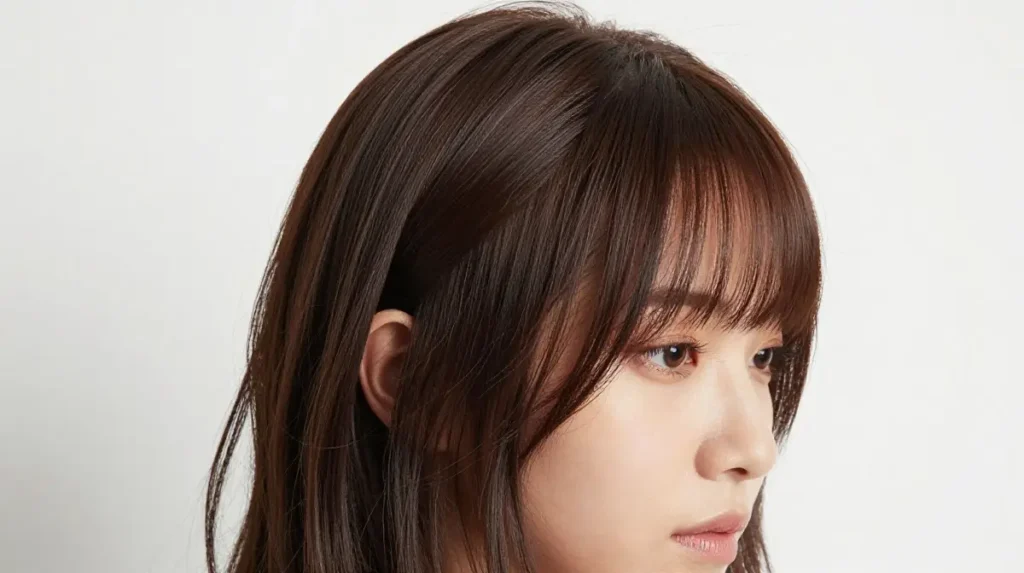
Instead of an even center part, side-swept curtain bangs lean more heavily to one side.
This works particularly well if you have a side part you already favor, and it tends to suit longer face shapes by adding width near the temples.
Feathered Bangs for a Soft Blend
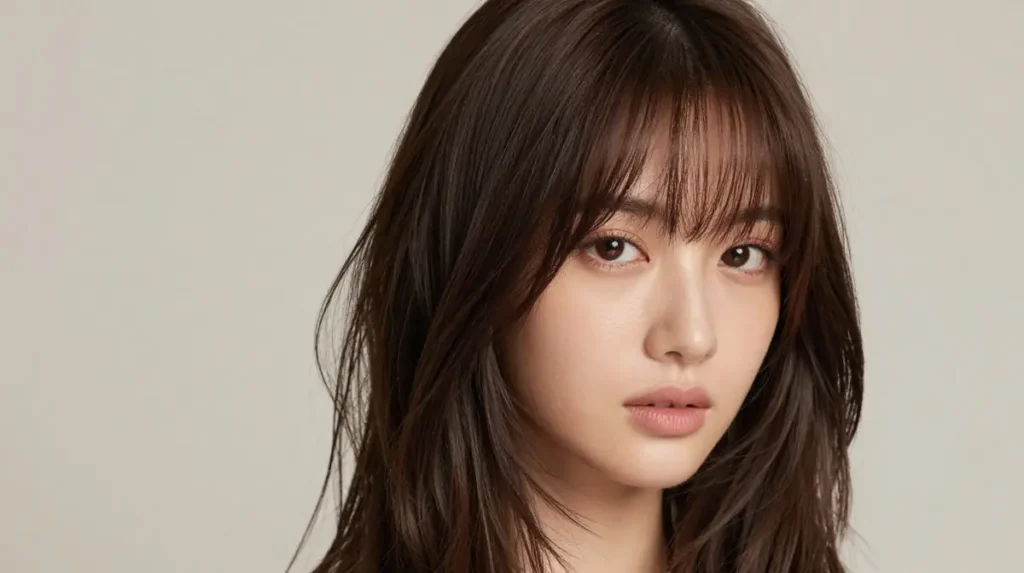
Feathered bangs are cut so the ends taper gently into the rest of the hair rather than stopping abruptly.
This kind of fringe gives a gentle, face-framing look that blends naturally into longer layers, while lightening the sides so the cut doesn’t appear too harsh. It’s one of the easier styles to maintain because the blended ends hide growth well.
Blunt Curtain Bangs with Rounded Ends
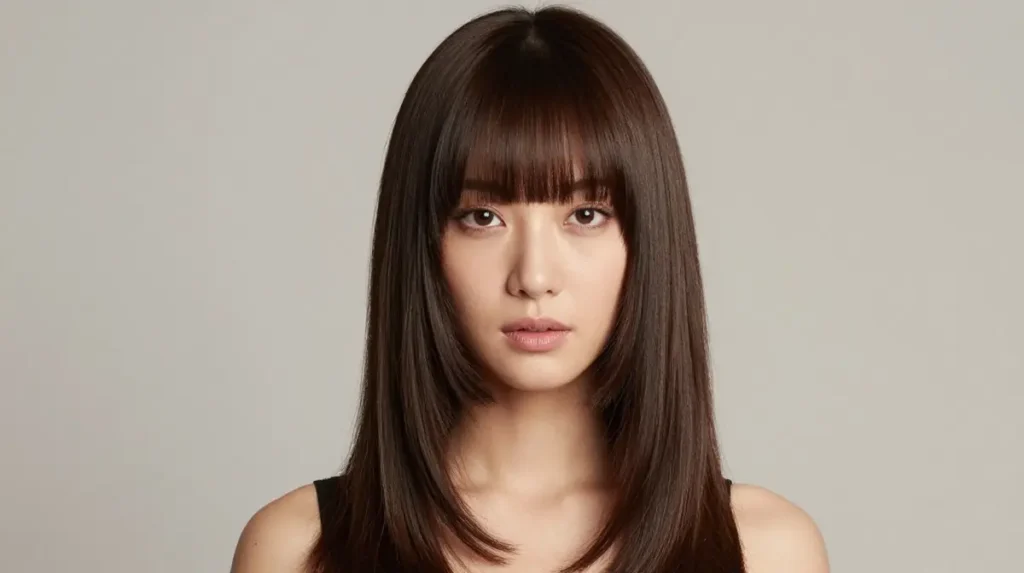
A slightly heavier take on the classic curtain shape, blunt curtain bangs have a fuller, rounder edge instead of feathered tips. They still part and sweep like traditional curtain bangs, just with more visual weight up front.
This version suits thicker hair types that can support the extra density without looking flat.
Curtain Bangs for Round Faces
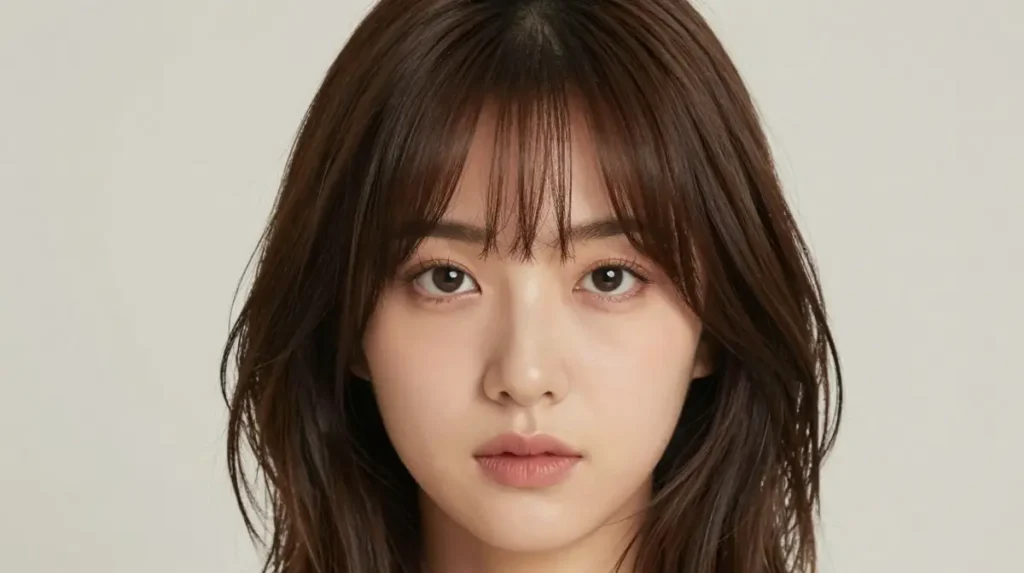
Round face shapes benefit from bangs that add length and angles rather than width.
Longer curtain bangs that hit around the cheekbone, styled with a slight outward flick, help elongate the face. Avoid cutting them too short or too blunt, since that can emphasize roundness instead of softening it.
Curtain Bangs for Oval Faces
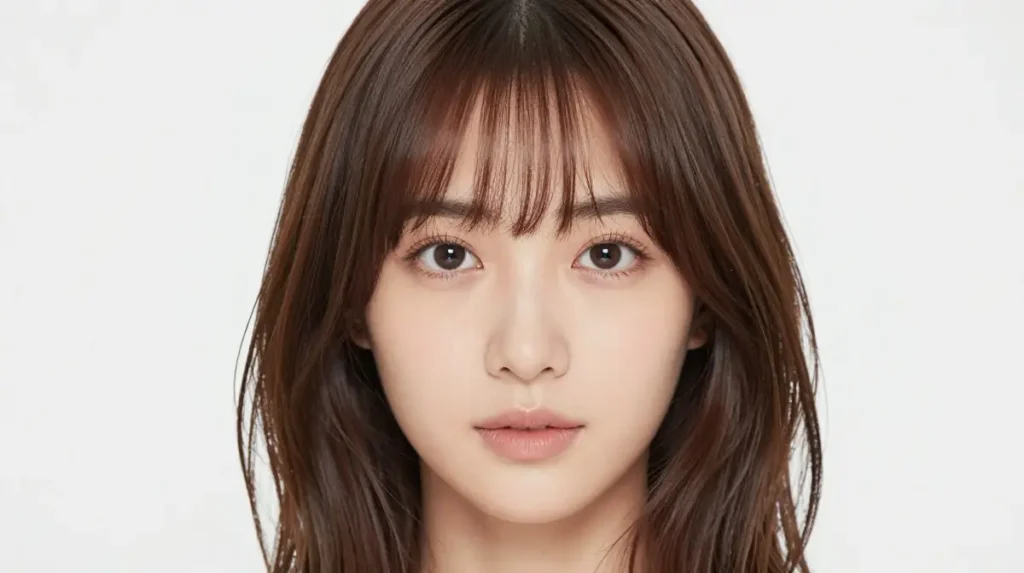
Oval and heart-shaped faces tend to be the most versatile for this style, with soft curtain bangs that frame the face beautifully while keeping styling fairly effortless. If you have an oval face shape, you genuinely have the most freedom here.
Almost every variation of curtain bangs, from wispy to blunt, will work without much adjustment.
Curtain Bangs for Long or Square Faces
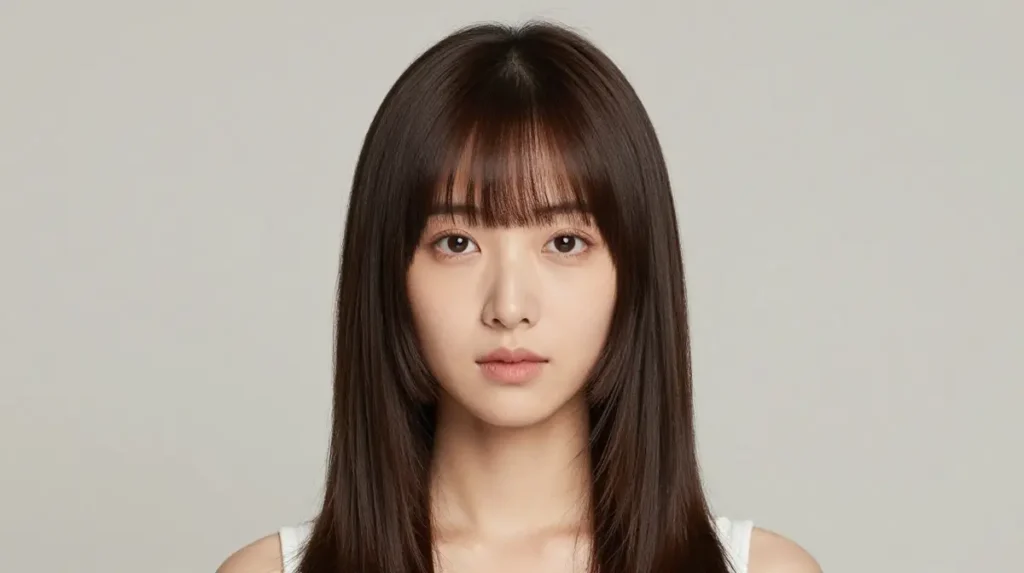
For longer or more angular face shapes, fuller curtain bangs that sit a bit lower on the forehead help break up length and soften strong jaw angles. Pair them with layers around the chin for extra balance.
Curtain Bangs for Fine or Thin Hair
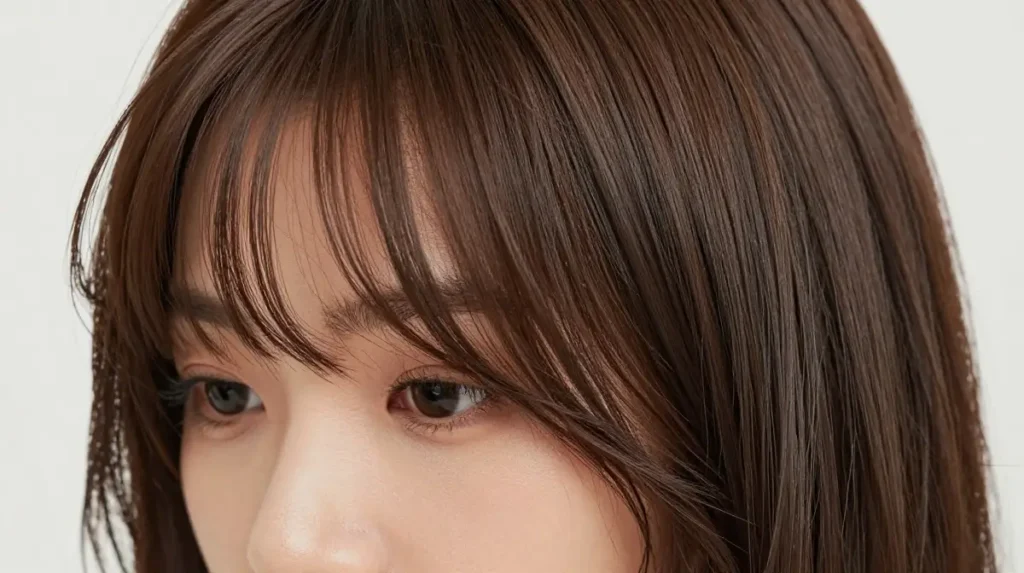
Thin hair does best with bangs that aren’t cut too thick, since a dense fringe can look sparse within weeks as natural shedding happens.
Wispy or feathered curtain bangs are the better match here, and a volumizing mousse at the roots helps keep them from going flat by midday.
Curtain Bangs for Thick Hair
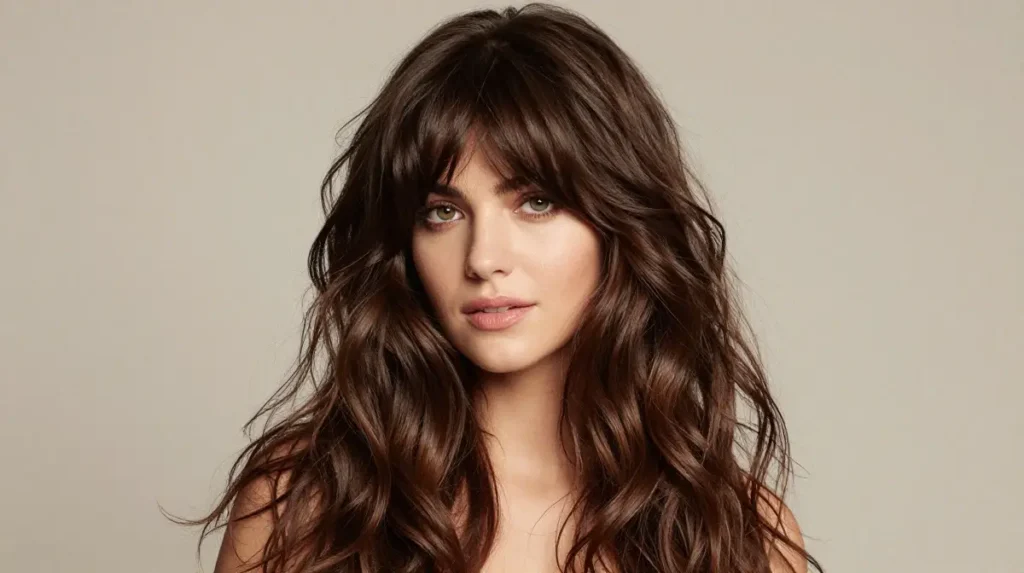
Thick hair gives you more room to experiment, including blunt curtain bangs or a heavier center-parted style.
A layered cut with curtain bangs is ideal for medium to thick hair types that hold a style well, since the extra density supports more dramatic shapes without thinning out.
Curtain Bangs for Straight Hair
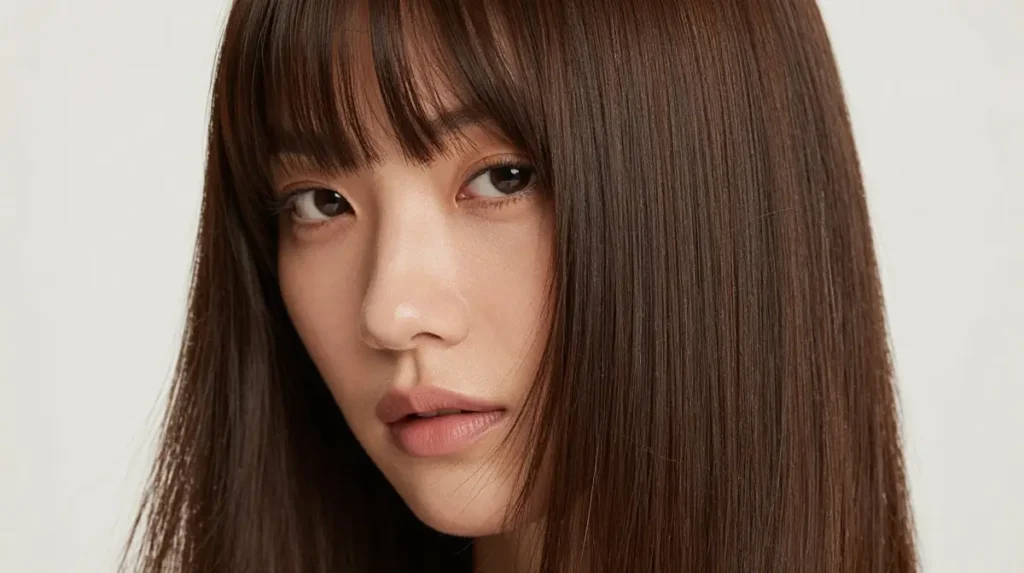
Long straight hair with curtain bangs is often described as the ultimate low-maintenance look, giving a chic and effortless style without the heavy upkeep that comes with blunt bangs.
Straight hair also makes it easier to see the actual shape of the cut, so precision matters more here than with textured hair.
Curtain Bangs for Wavy Hair
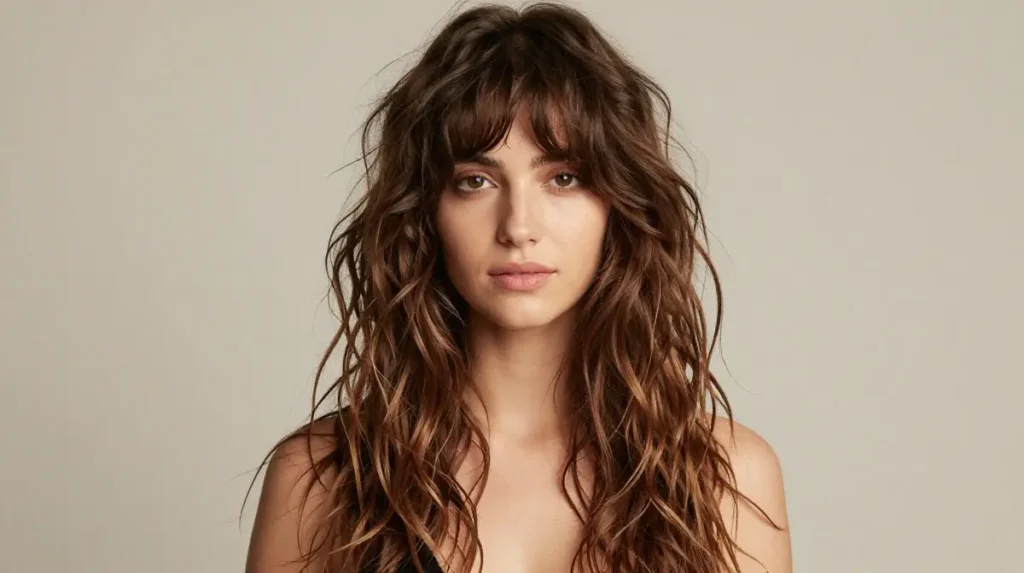
Wavy hair adds natural texture to curtain bangs, which can look gorgeous but also unpredictable day to day.
A light texturizing spray helps the waves in your fringe match the waves in the rest of your hair, so the whole look feels intentional rather than mismatched.
Curtain Bangs for Curly Hair
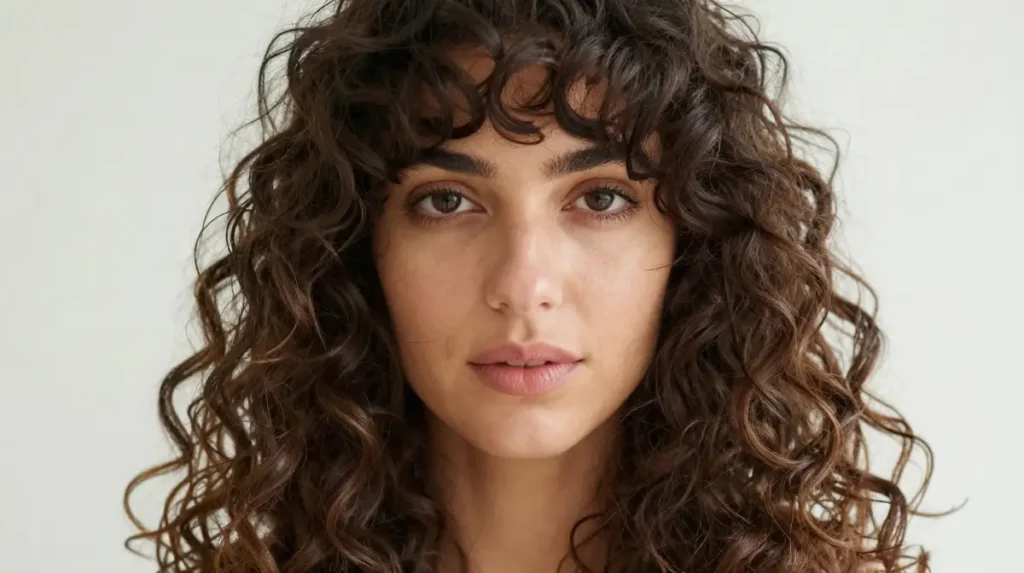
Curly hair needs a slightly different cutting approach, since curls spring up after drying. Stylists typically cut curly curtain bangs a bit longer than they want the finished length to appear, accounting for shrinkage.
Diffusing rather than air drying usually gives the most even curtain shape.
Curtain Bangs with Balayage
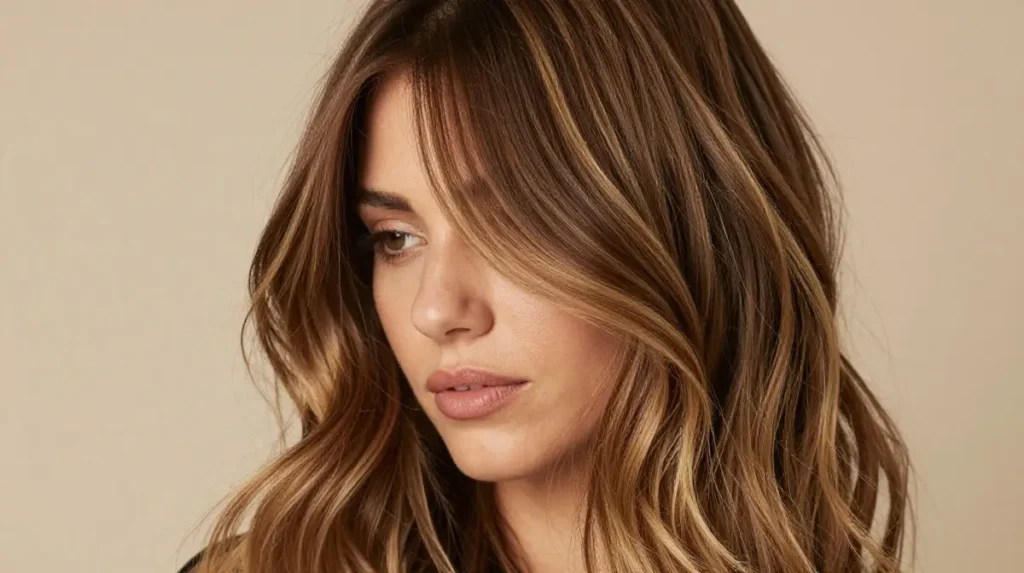
Pairing curtain bangs with balayage highlights adds dimension right at the face, which is the part people notice first in photos.
The lighter pieces near the part line draw attention to the fringe shape itself, making the cut look more deliberate.
E-Girl Inspired Curtain Bangs
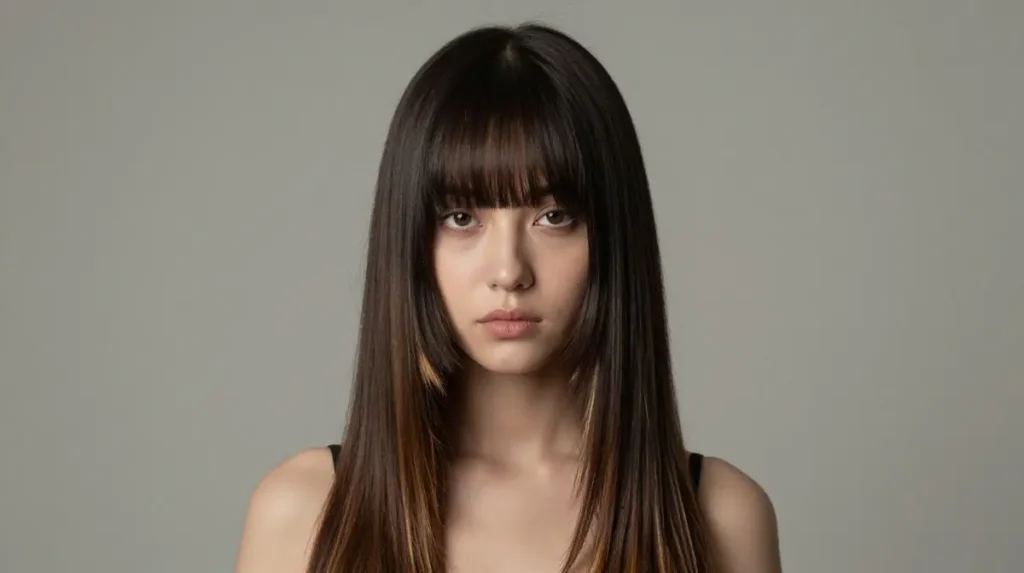
This is a slightly longer, more dramatic curtain shape often worn with darker or two-tone hair color.
The bangs sit a touch heavier than the classic version and are usually styled straight down rather than swept fully away from the face.
70s-Inspired Curtain Bangs
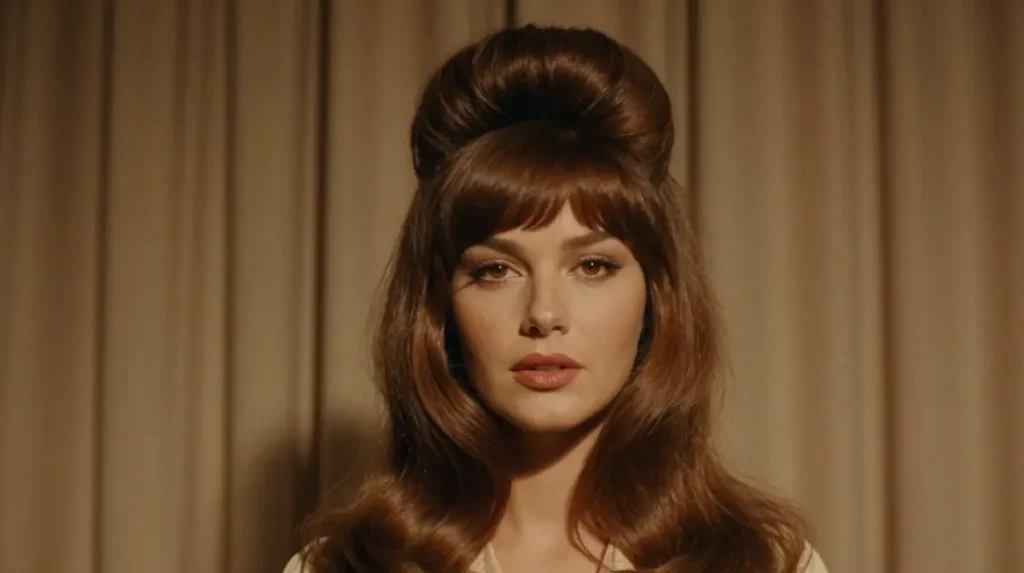
Curtain bangs first became popular during the 60s and 70s as a fringe style that frames the face, and the retro version leans into more volume at the root.
Using a round brush with a volumizing mousse and lifting the bangs while drying recreates that vintage feel.
French Girl Curtain Bangs
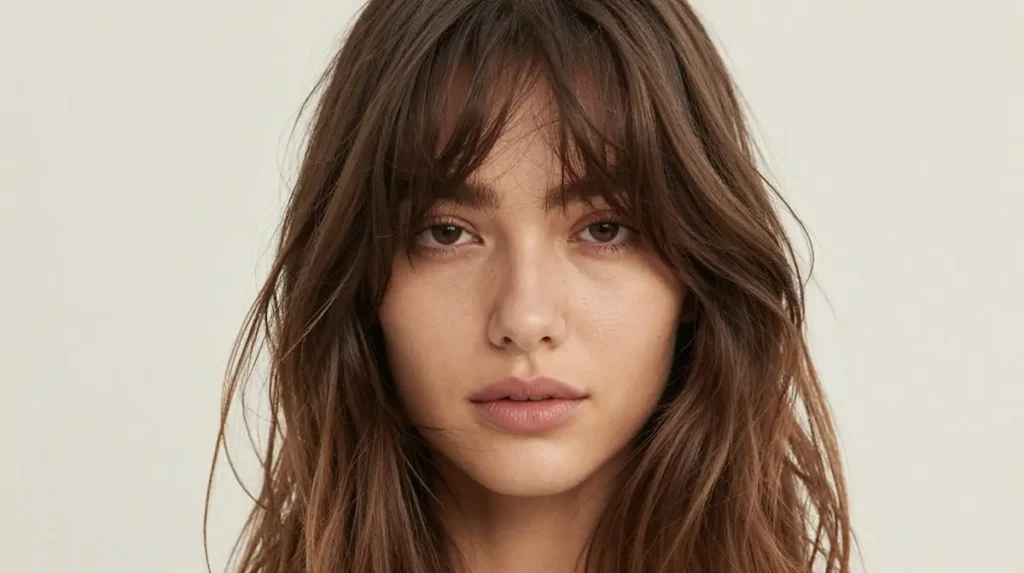
This take is lighter, slightly messier, and styled to look like it took no effort at all. Air drying with a texturizing cream and just running fingers through the fringe afterward usually nails this look better than a flat iron would.
Curtain Bangs on a Long Bob
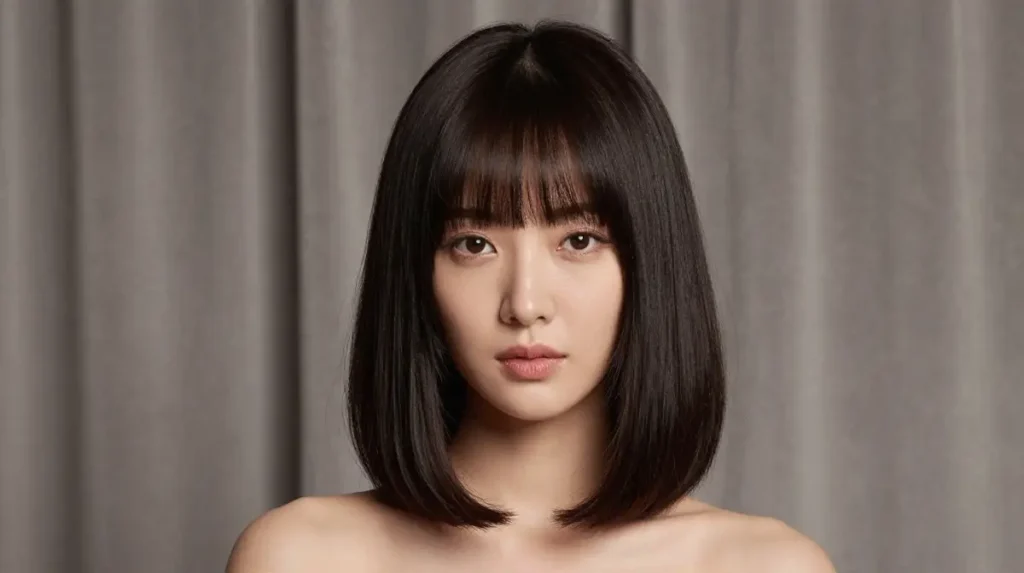
A short bob paired with long, sweeping curtain bangs that part in the middle adds an elegant feel while the fringe frames the face beautifully.
If you’re considering cutting length off but still want a face-framing element, this combination is worth discussing with your stylist.
Curtain Bangs with Long Layers and Waves
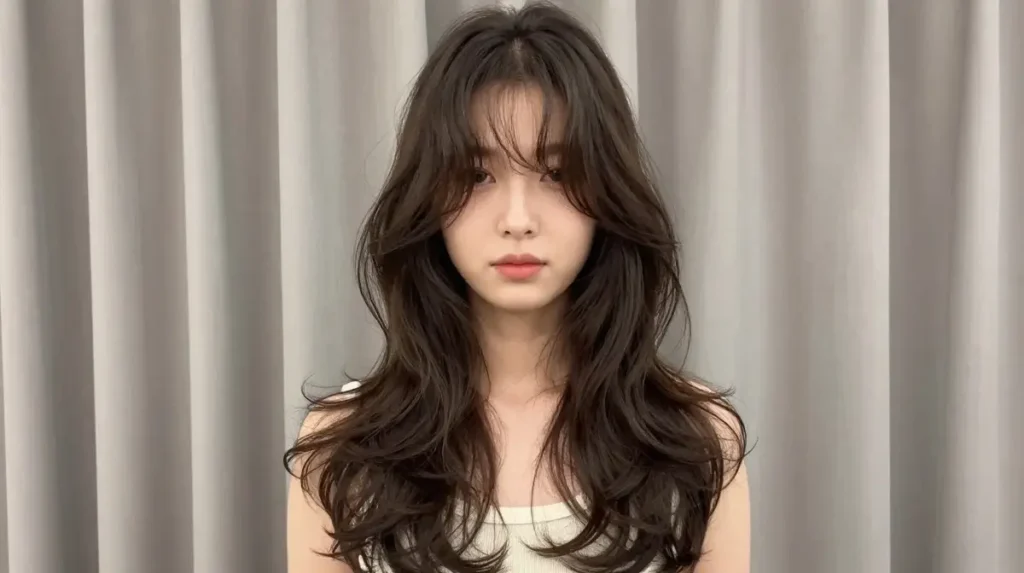
Long waves paired with soft curtain bangs create a relaxed yet polished look, and this combination works particularly well for medium to thick hair types looking to enhance natural movement.
It’s an easy everyday style that doesn’t need much daily effort once the waves are set.
Low-Maintenance Curtain Bangs
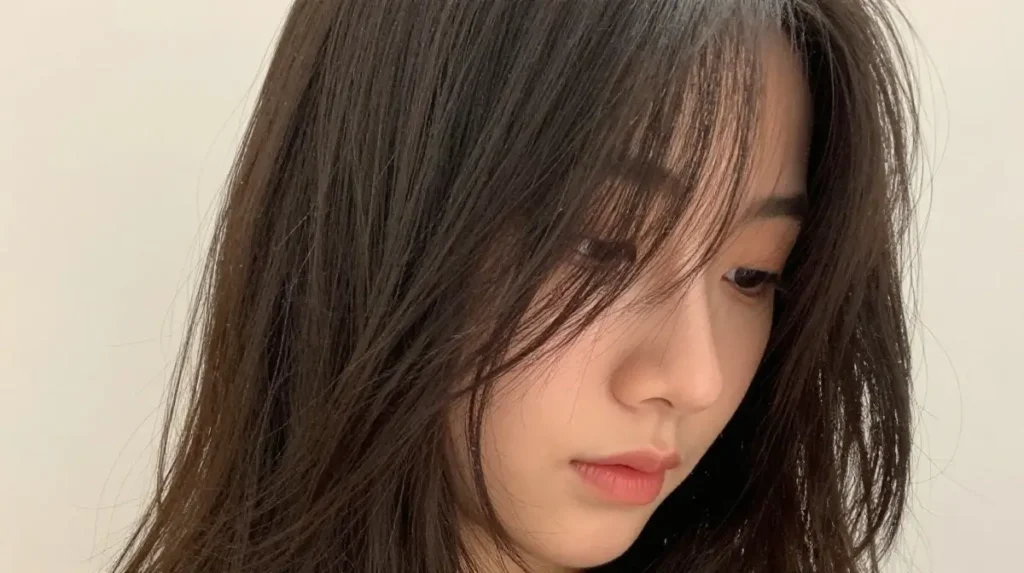
Some curtain bangs are cut specifically to need almost no daily styling. These are usually slightly longer, feathered at the ends, and designed to blend with the rest of the hair even when air dried.
If your morning routine is already tight, ask your stylist for this specific cut.
Messy Curtain Bangs for an Undone Look
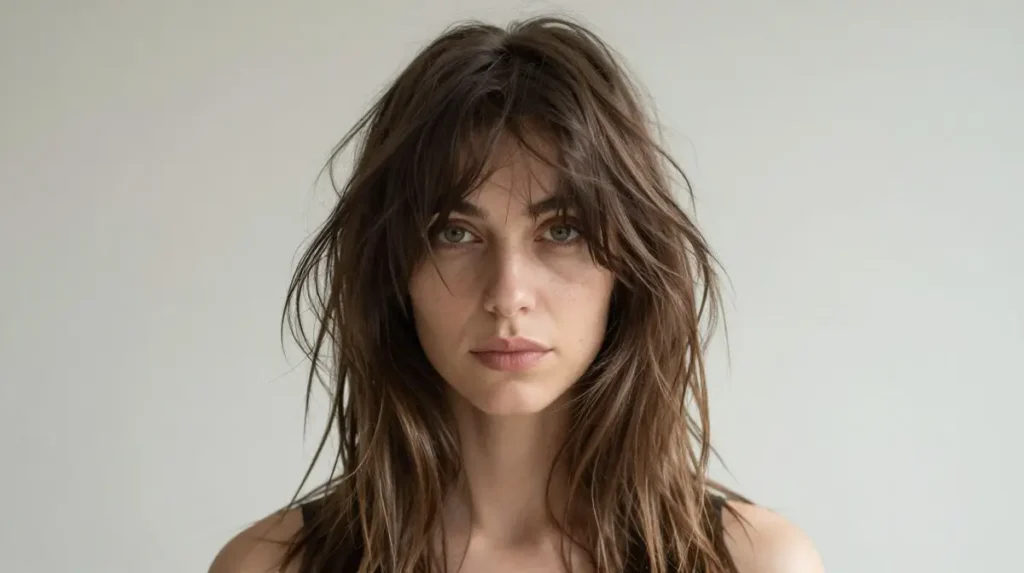
Rather than smoothing the fringe down, this style embraces a slightly tousled, piece-y finish. Messy curtain bangs can add drama and a distinctive, flirty vibe to long layered hair, and they’re particularly forgiving on second-day hair when you haven’t washed yet.
Quick Camparision Table:
Here’s a quick comparison to help you match a style to your hair type and lifestyle before your next salon visit.
| Curtain Bangs Style | Best Hair Type | Face Shape Match | Maintenance Level | Best Styling Tool |
|---|---|---|---|---|
| Classic center-parted | Straight, wavy | Oval, heart | Low | Round brush |
| Wispy bangs | Fine, thin | Round, square | Low | Diffuser or air dry |
| Choppy bangs | Thick, textured | Oval, long | Medium | Flat iron |
| Feathered bangs | All types | Most face shapes | Low | Round brush |
| Blunt curtain bangs | Thick | Oval, heart | Medium to high | Flat iron |
| Curly curtain bangs | Curly, coily | Round, oval | Medium | Diffuser |
| 70s-inspired bangs | Straight, wavy | Oval, square | Medium | Round brush, mousse |
Common Mistakes to Avoid with Curtain Bangs
A few things tend to trip people up after getting this cut. Cutting them too short to begin with is the biggest one, since curtain bangs rely on length to create that soft sweep.
Over-styling with too much product is another, since heavy creams or gels can make wispy bangs clump instead of feather. Skipping trims is the third common issue. Even low-maintenance bangs need a check-in every four to six weeks to keep the shape from growing into the eyes.
Conclusion
Curtain bangs styles for long hair work because they’re flexible enough to fit nearly any face shape, hair texture, and lifestyle, without locking you into something high-maintenance or hard to grow out
. Whether you’re drawn to a classic center-parted look, something wispy and low-effort, or a fuller blunt version, the right cut really comes down to your hair type and how much daily styling you’re willing to do.
Bring a few of these ideas to your next salon visit, describe the level of upkeep you want, and let your stylist guide the exact length and shape from there.
You can may also like this: 22 1980s Mens Hair Trends Ideas for Retro Style
Frequently Asked Questions
What face shape suits curtain bangs the best? Oval and heart-shaped faces tend to suit nearly every version of curtain bangs, but round, square, and long face shapes can also wear them well with small adjustments to length and how heavy the fringe is cut.
Do curtain bangs work on thin hair? Yes, as long as they’re cut wispy or feathered rather than thick and blunt, since lighter bangs won’t look sparse as quickly between washes.
How often do curtain bangs need to be trimmed? Most people need a trim every four to six weeks to keep the shape from growing past the eyes, though low-maintenance styles can sometimes stretch slightly longer between visits.
Can curtain bangs be styled without heat tools? Yes, many curtain bangs are designed to air dry into shape, especially feathered or low-maintenance cuts, though a light serum helps control frizz while drying.
Are curtain bangs harder to grow out than other fringe styles? No, they’re actually one of the easier fringe styles to grow out since the length and side-sweeping shape blend into the rest of the hair more naturally than blunt or short bangs do.
1 Comment