Introduction
Cutting your hair short is one of those decisions that feels enormous before you do it and completely natural the moment it is done. For Black women especially, a low cut is not just a hairstyle — it is a statement of comfort in your own skin, a celebration of natural texture, and often the beginning of a whole new relationship with your hair.
Whether you are considering the big chop for the first time, looking for a fresh variation on a cut you already love, or simply trying to figure out which low cut hairstyle for Black women suits your face and curl pattern, this guide covers 22 of the most compelling options available right now.
Each style comes with practical details on what makes it work, who it suits, and how to maintain it.
TWA Tiny Natural Afro
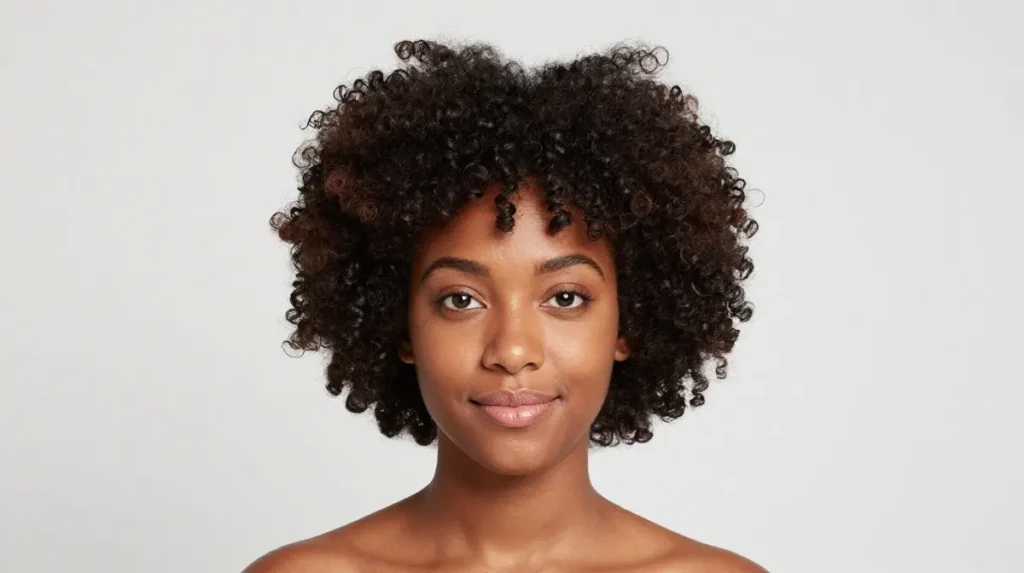
The TWA tiny natural afro is often the first style that follows the big chop. It sits close to the head, celebrates the natural curl pattern at its most unmanipulated, and requires minimal styling to look intentional and complete.
Type 4c hair and type 4b hair both look striking as a TWA because the tight coily hair texture creates natural volume and shape even at very short lengths. Moisture is everything at this stage — a water based moisturizer followed by hair butter seals in hydration and keeps the coils defined.
Tapered Cut
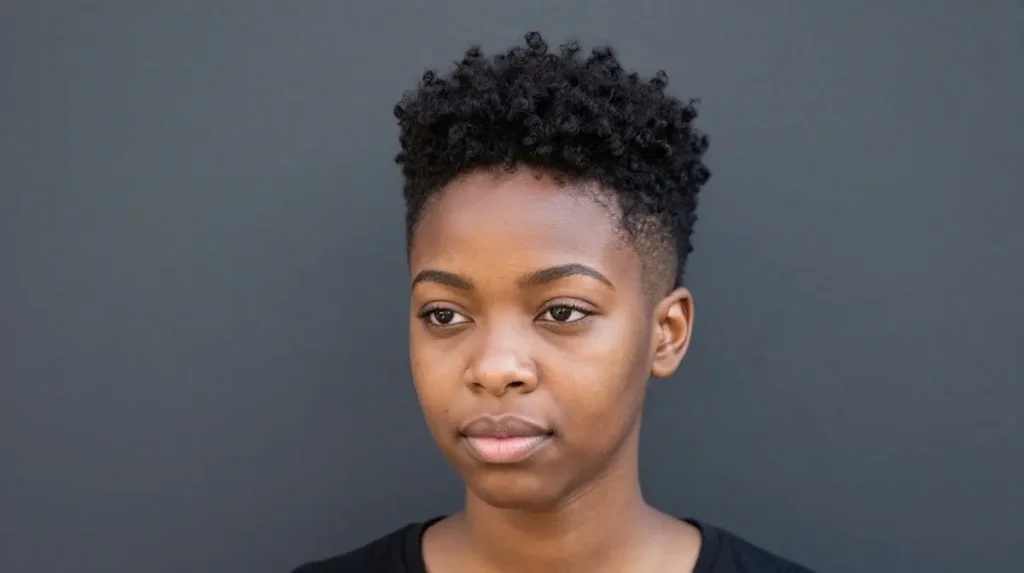
A tapered cut gradually reduces length from the crown downward, with the sides and back cut closer than the top. The result is a shape that emphasizes the natural volume of afro texture on top while keeping the overall silhouette clean and structured.
This is one of the most versatile low cut hair black women styles because it works across curl patterns from type 3c to type 4c hair and suits most face shapes. A professional barber with experience in natural hair textures gets the best result.
Low Fade with Natural Top
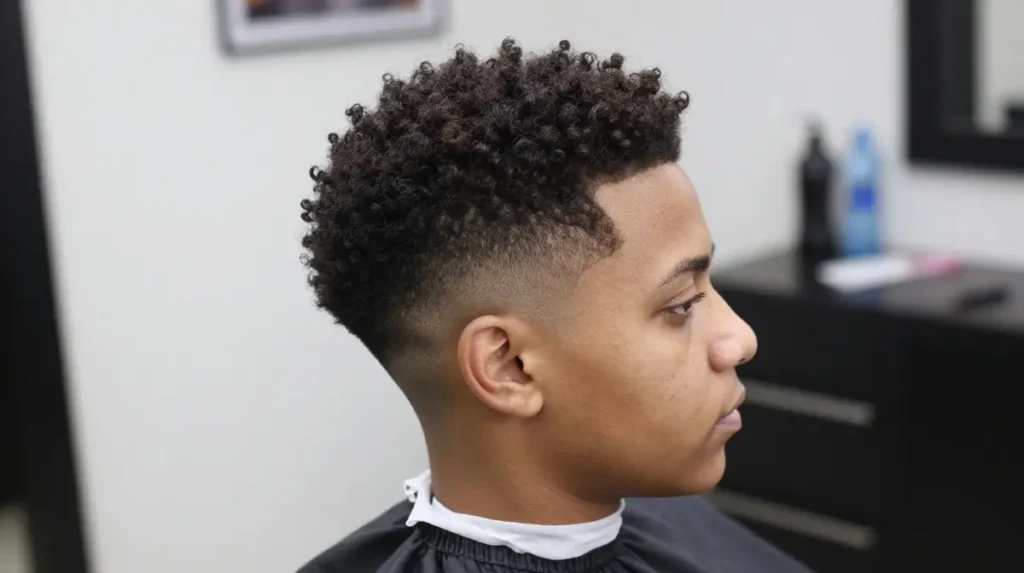
A low fade on the sides combined with natural coily hair on top creates a sharp, modern look that sits between barbershop precision and natural hair freedom. The fade gradient starts just above the ear and blends upward, keeping the sides clean while leaving the top section to do its natural thing.
This works particularly well for Black women who want something with structure and edge without committing to a full pixie cut or uniform short length.
Skin Fade Low Cut
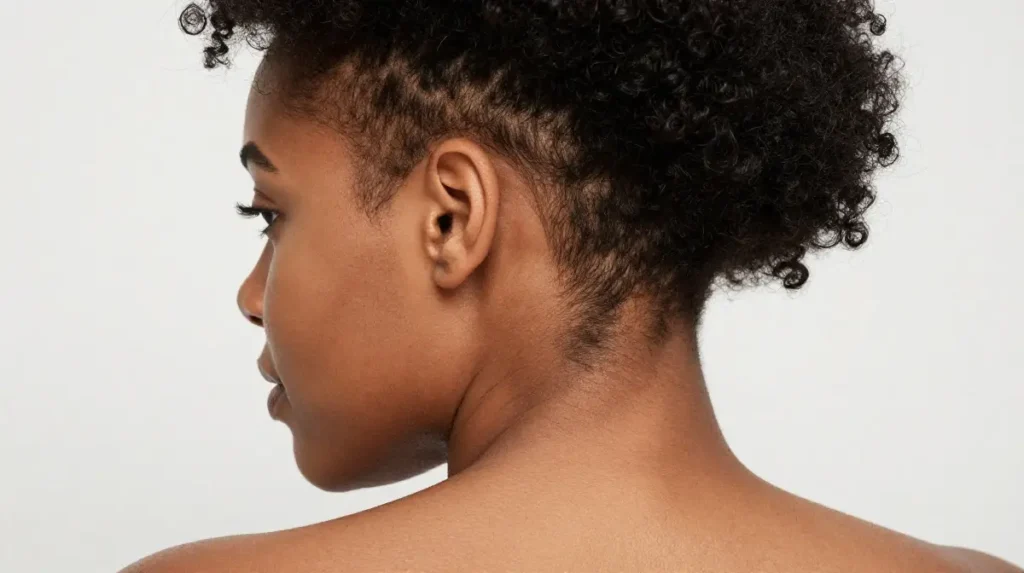
A skin fade takes the fade haircut to its most dramatic point — the hair reduces to bare skin at the sides and back, creating a clean line that frames the natural hair on top with maximum contrast.
The skin fade low cut suits oval face styling and diamond face shapes particularly well because the clean sides draw attention upward toward the eyes and natural texture. Regular maintenance every two to three weeks keeps the fade sharp.
Pixie Cut for Black Women
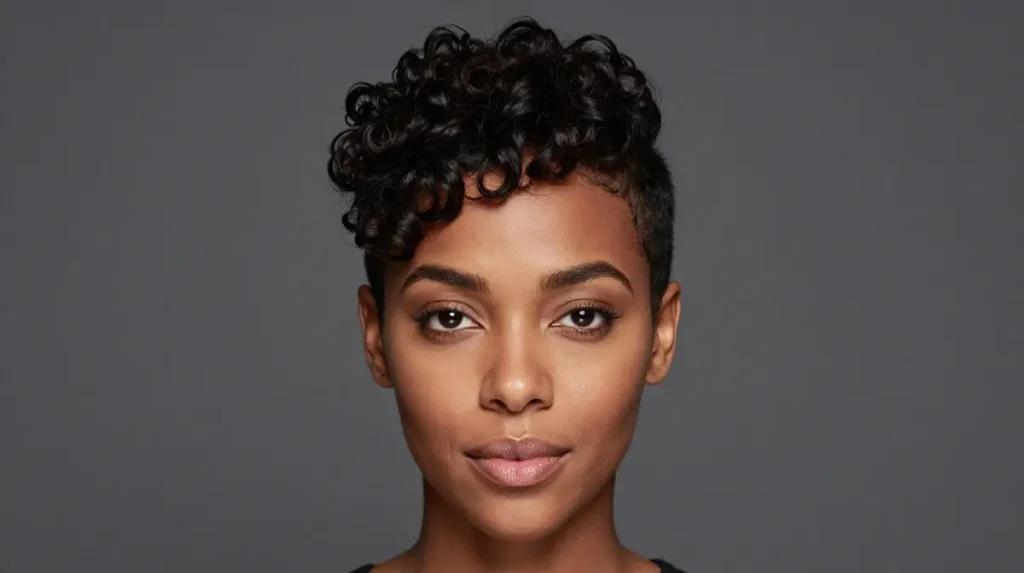
A pixie cut on natural afro texture looks completely different from the same cut on straight hair — the natural curl pattern adds volume and personality that straight versions cannot replicate. The pixie sits short all over with slightly more length at the crown.
This suits type 4a hair and type 3c hair where the curl definition is visible at short lengths. A leave in conditioner applied daily keeps the curl pattern defined and prevents the dryness that makes short natural hair look dull.
Tapered Pixie with Shaved Sides
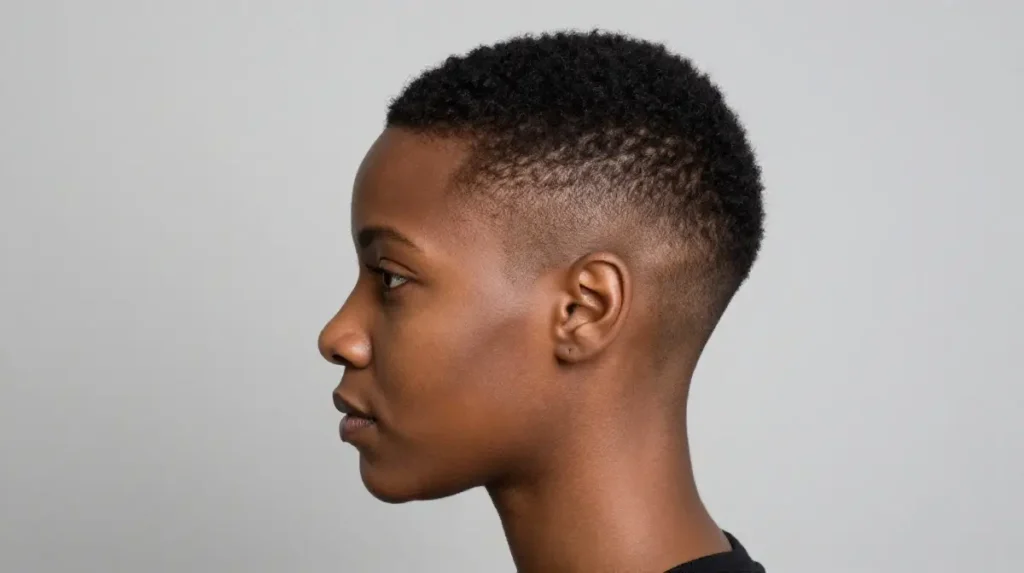
A tapered pixie with shaved sides takes the standard pixie cut further by removing hair completely at the temples and sides. The contrast between the full top and the bare sides creates a bold, graphic silhouette.
This is one of the more edgy low cut hair black women styles but it is also one of the most flattering on square face styling because the clean sides soften the jawline visually.
Big Chop Natural Style
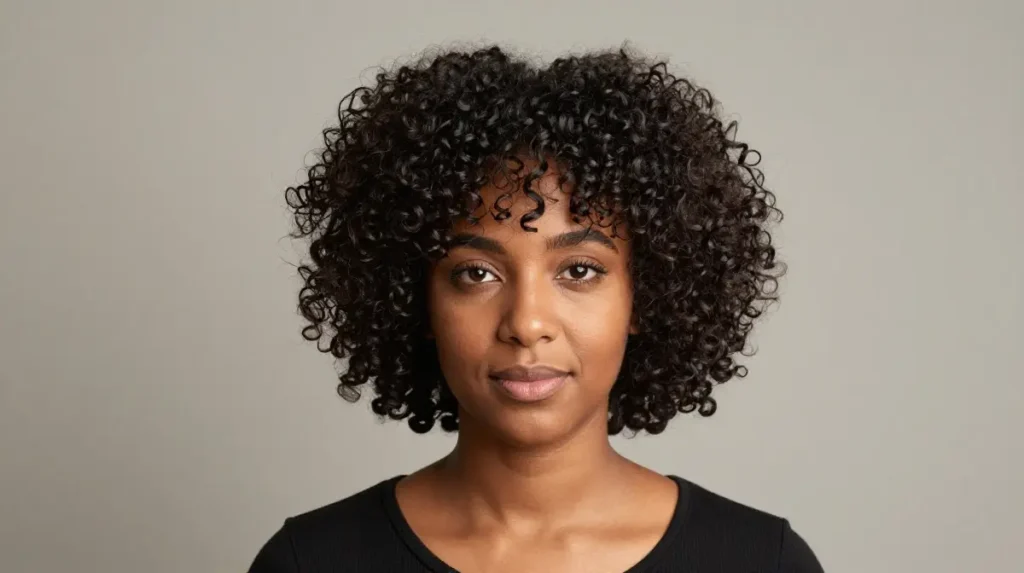
The big chop — cutting off chemically relaxed or heat-damaged hair to start fresh with natural texture — leaves most women with a very short TWA that can be styled in multiple ways immediately.
The big chop journey is as much emotional as physical. The hair that grows from this point carries the natural curl pattern without interference. Moisturizing daily with the LOC method — liquid, oil, cream applied in sequence — supports healthy growth and keeps the new texture soft.
Low Cut with Hair Part Design
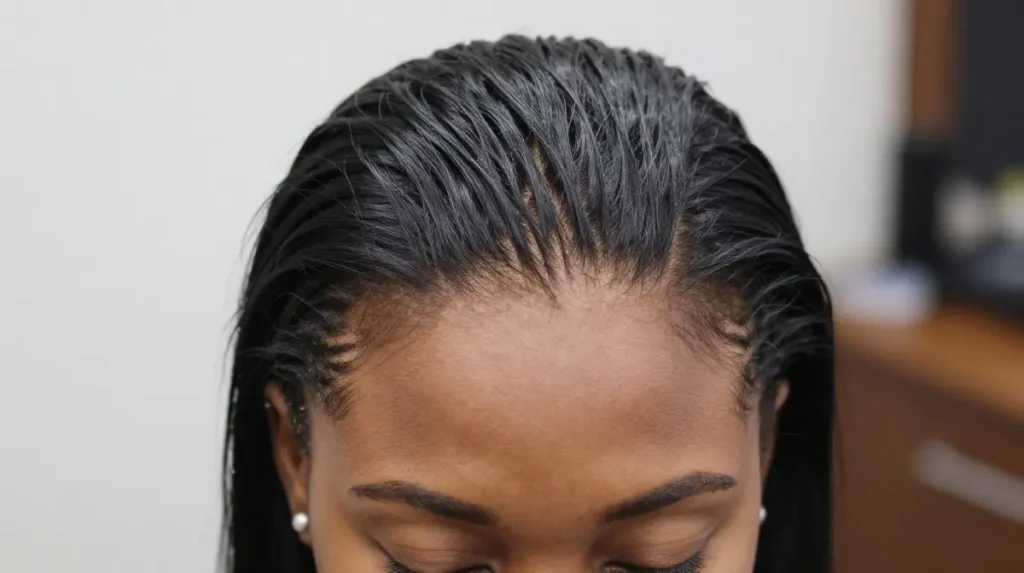
A hair part design carved into a low cut adds a graphic element that makes a simple short style look intentional and custom. A straight part, a curved line, or a more elaborate geometric hair design cut into the side or crown section transforms the basic cut into something more personal.
A skilled barber uses a hair clipper or hair trimmer to create precise lines. The design needs refreshing every one to two weeks as the hair grows.
Geometric Hair Pattern Design
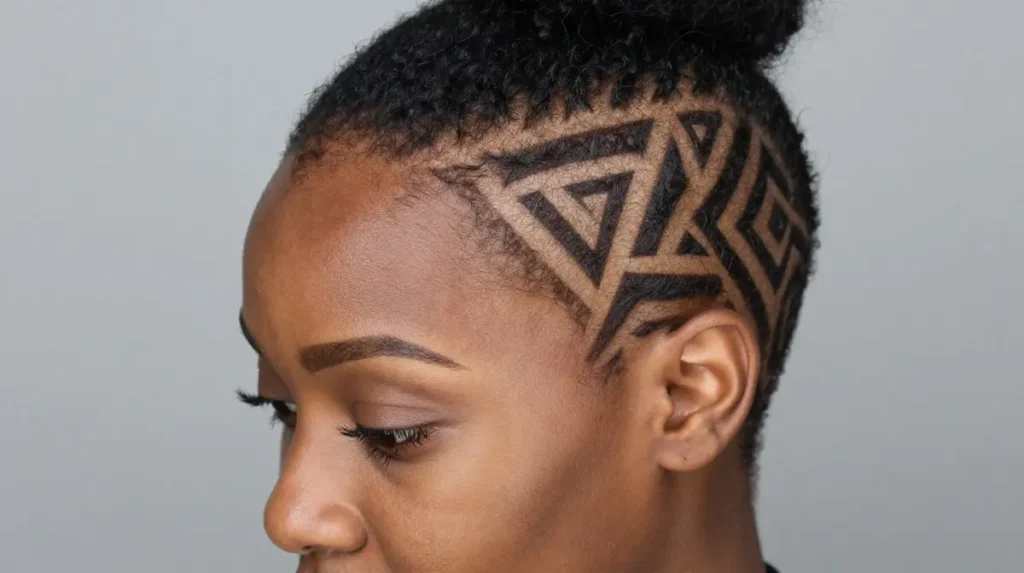
Geometric pattern designs on low cut natural hair are one of the most visually striking options in this category. Lines, angles, and shapes carved into the sides or back of the hair create an artistic result that reads as bold and considered simultaneously.
This style suits confident women who want their hair to make a statement. The maintenance requirement is higher — patterns lose their definition quickly as the hair grows and need regular barber visits to stay sharp.
Low Cut with Blonde Color
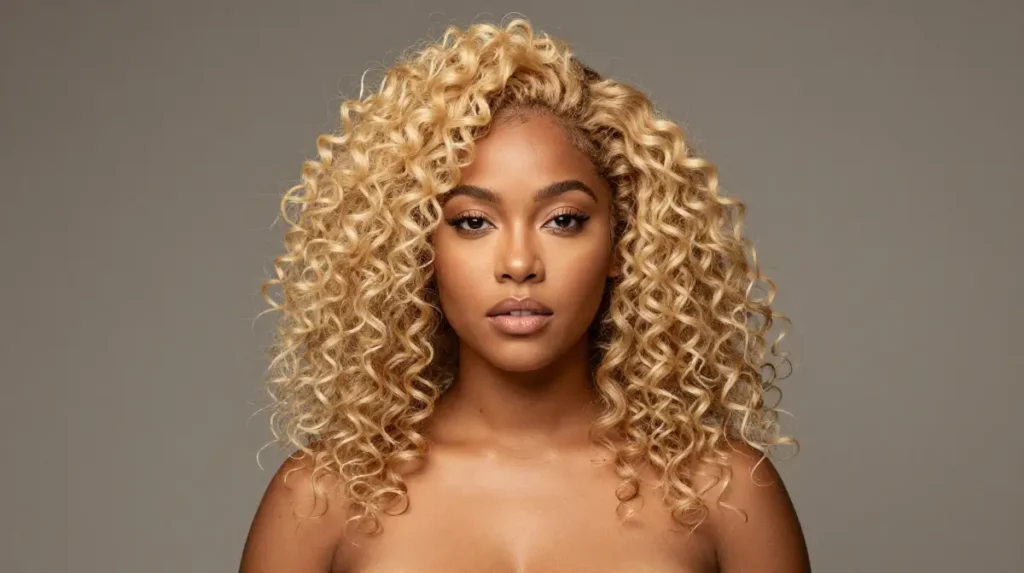
Adding blonde color to a low cut natural style creates an immediate visual shift. The contrast between the natural dark base and the lighter blonde color adds dimension that makes the texture more visible and the overall look more striking.
Blonde highlights or a full color application both work at short lengths. Hair porosity affects how the color takes — high porosity hair absorbs color quickly and may need toning afterward. A professional hair colorist produces the most even result.
Red Color Low Cut
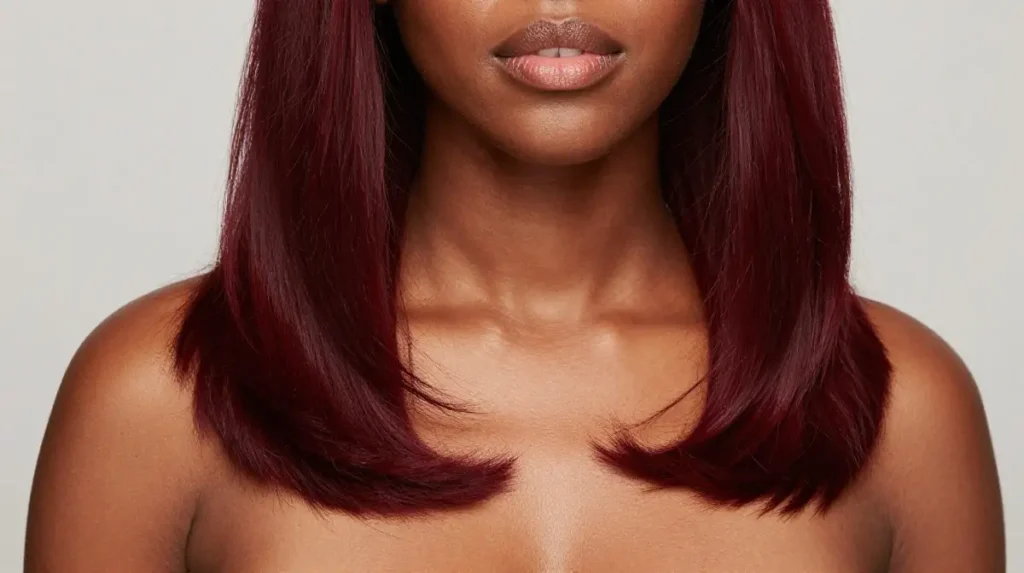
A red color on a low cut natural style is one of the most head-turning combinations in short hair for Black women. Deep burgundy and rich auburn red sit beautifully against darker skin tones. Brighter reds create more contrast.
Red color fades faster than other shades, so a color-protecting shampoo and hair gloss treatment every few weeks maintains vibrancy between salon visits.
Ombre Low Cut Style
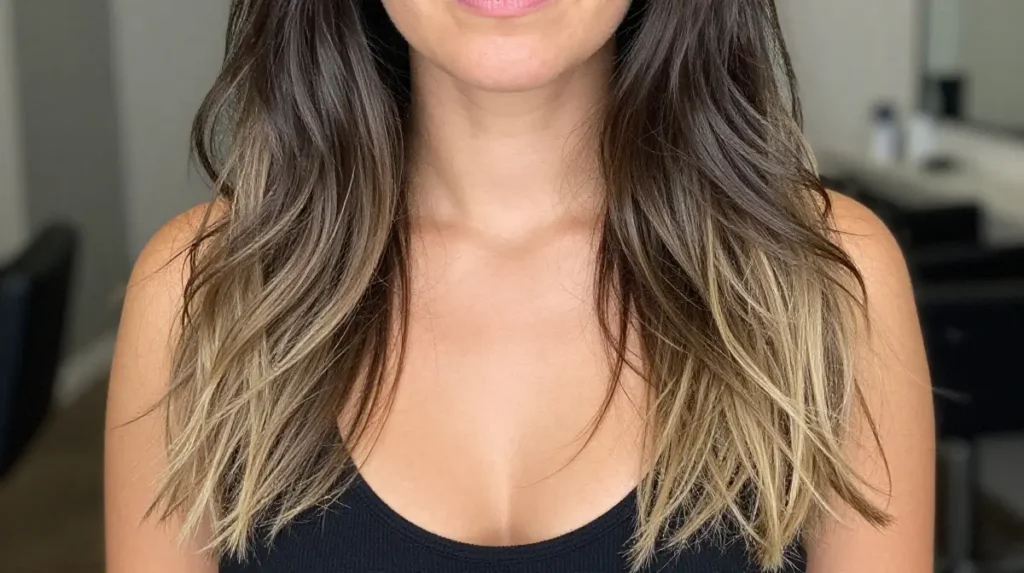
An ombre low cut starts darker at the roots and transitions to a lighter shade toward the ends — working with the hair’s natural growth direction. On a low cut natural style, the ombre effect is visible even at short lengths because the color change happens within a small amount of hair.
This is one of the most wearable low cut hair black women color options because the darker roots mean less visible regrowth and lower maintenance than a full single-color application.
Low Cut with Undercut Design
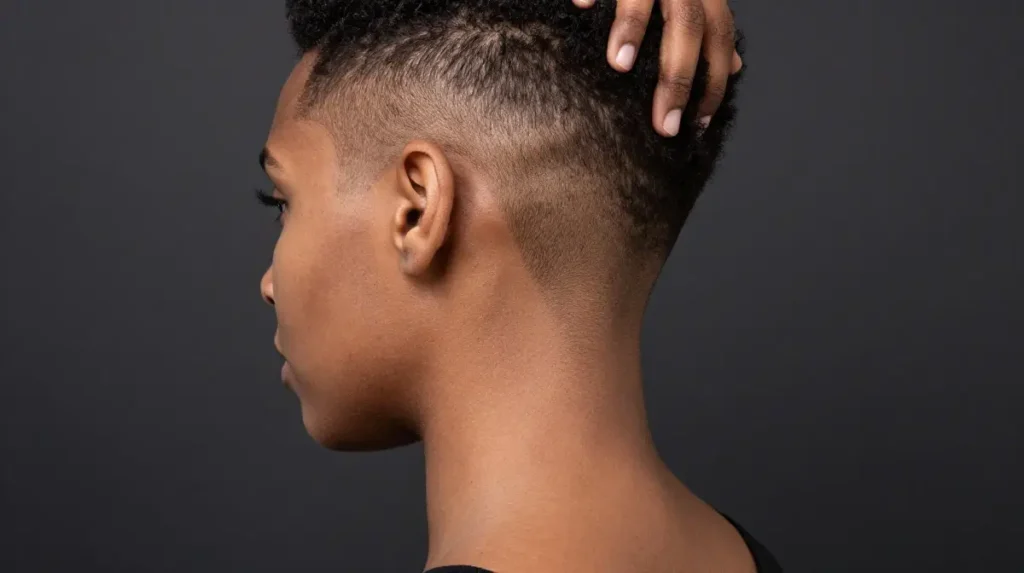
An undercut style on a low cut removes hair from beneath a top section, creating a hidden design or a shaved area that appears when the hair moves or is styled upward. This adds a layer of personal detail that is not always immediately visible.
The undercut suits women who want something unexpected — a design or shaved section that reveals itself selectively rather than being fully visible at all times.
High Fade Low Cut
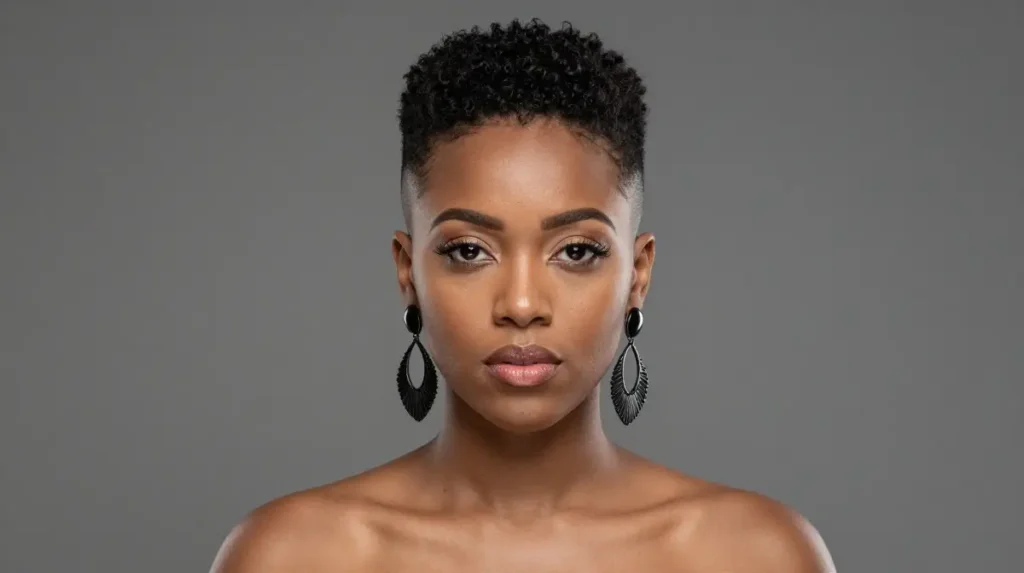
A high fade removes hair from a higher point on the head than a low fade — typically starting at the temples and rising sharply. The result is more dramatic than a low fade and creates a stronger contrast between the sides and the natural hair on top.
This suits oval face styling and heart face styling particularly well. Statement earrings worn with this style add to the overall effect by drawing attention to the face and neck.
Low Cut for Round Face
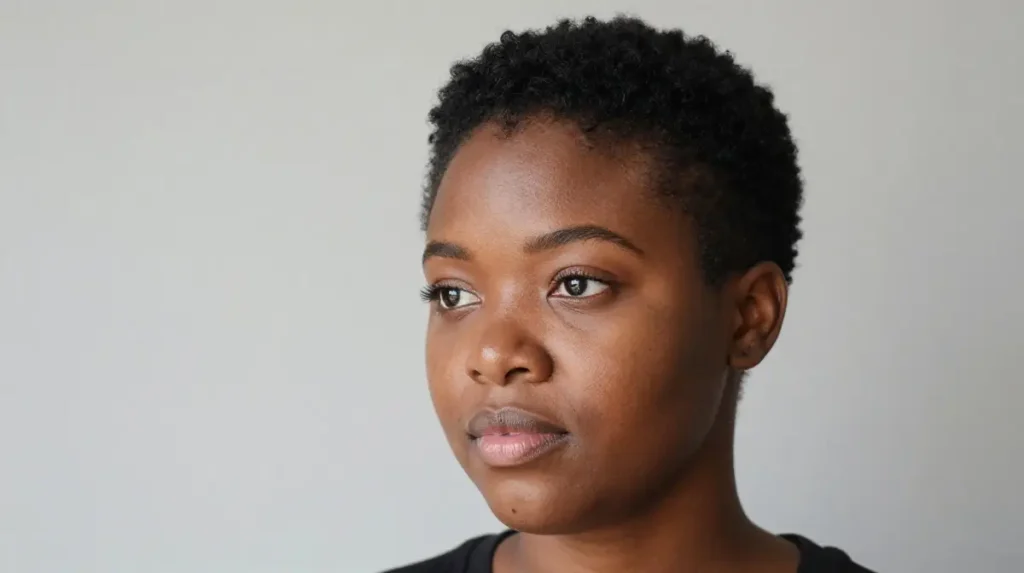
For a round face styling, a low cut with height at the crown and close-cropped sides creates the illusion of vertical length that balances the face’s natural roundness. A tapered cut or a fade with volume on top achieves this most effectively.
Avoid low cuts that are uniform all over — equal length all around emphasizes rather than balances a round face shape.
Low Cut for Older Black Women Over 40
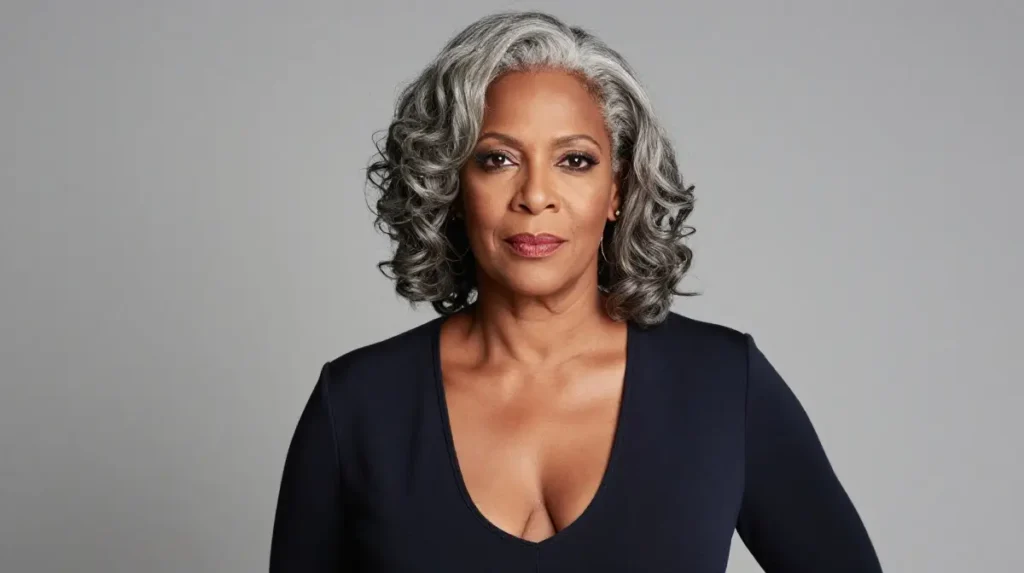
Low cut hairstyles for Black women over 40 are among the most freeing and practical options available. As hair density and texture change with age, a well-executed tapered cut or TWA often looks more intentional and polished than longer styles that require significant manipulation.
Scalp health becomes more important with age. A scalp moisturizing routine using light oils like coconut oil or jojoba keeps the scalp healthy and supports hair growth.
Defined Coil Low Cut
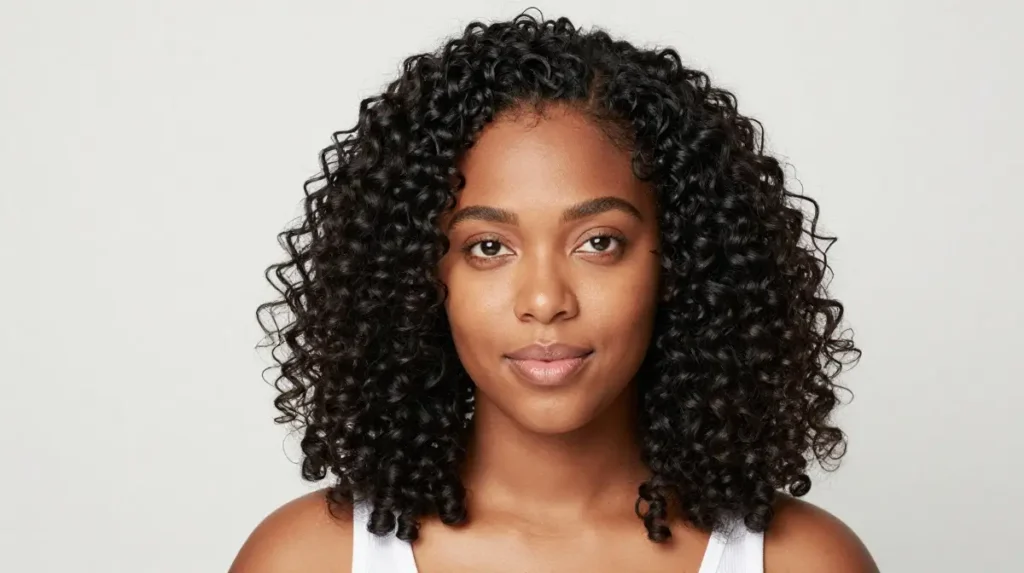
A defined coil low cut uses curl-defining products to shape each individual coil at short lengths. This is particularly effective on type 4a hair and type 3c hair where the curl pattern is visible and consistent.
Apply a curl defining cream or hair cream to damp hair, section by section, and allow to air dry without disturbing the coils. The result is a polished, intentional look that celebrates the natural curl pattern fully.
Low Cut with Accessories
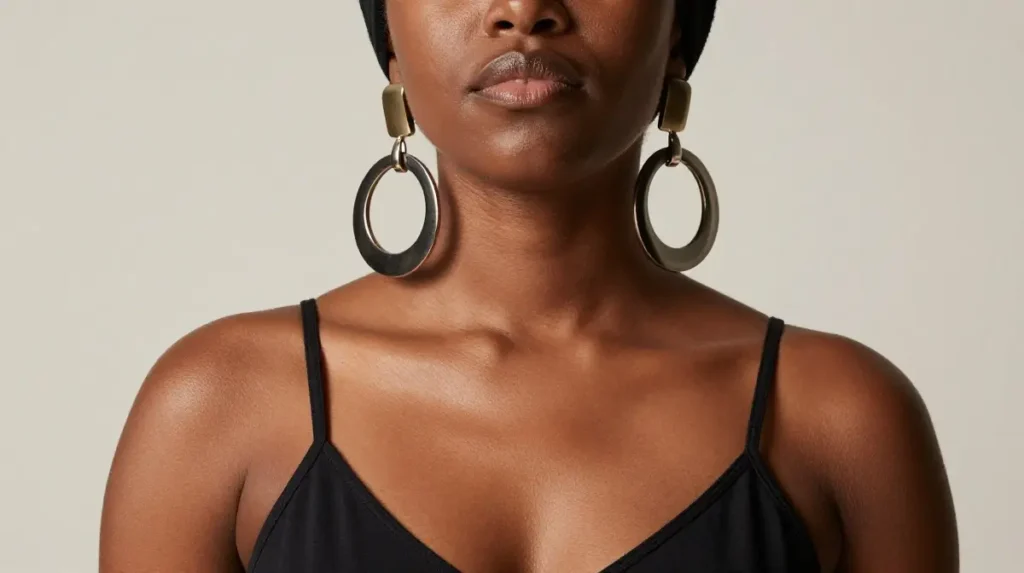
A low cut style paired with hair accessories — headbands, small clips, decorative pins — adds variety to a short style without requiring a different cut. The same close-cropped natural hair looks completely different with a bold headband styling approach versus wearing it plain.
Statement earrings are the most impactful accessory for low cut styles. With less hair framing the face, the ears and neck become visible focal points — large hoops, bold studs, and drop earrings all work exceptionally well.
Waves Low Cut Style
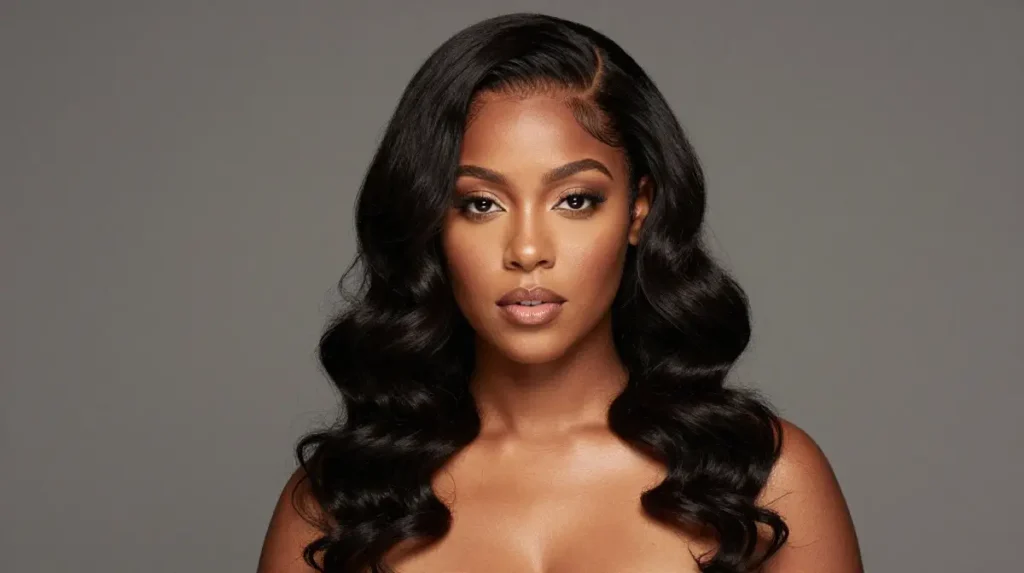
For Black women with type 3 or looser type 4a hair, a low cut that showcases natural waves rather than tight coils creates a sleek, polished appearance. The waves sit close to the head and catch light in a way that coily textures do not.
Wave-enhancing products and the LCO method — liquid, cream, oil in sequence — define the wave pattern and prevent frizz at short lengths.
Taper Fade with Color
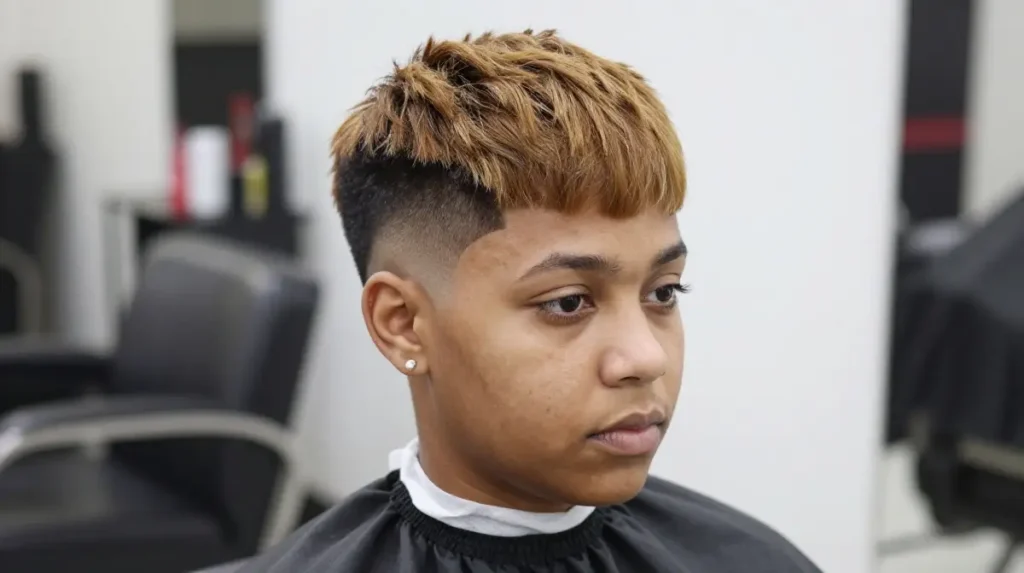
Combining a taper fade with a color application on the top section creates a two-part visual effect — the precision of the fade on the sides and the color dimension on top. Honey highlights, copper tones, or a bold blonde application all work on natural texture.
This is one of the most modern low cut hair black women trending styles for 2025 and suits women who want both barbershop precision and color creativity in one look.
Bold Shaved Design Low Cut
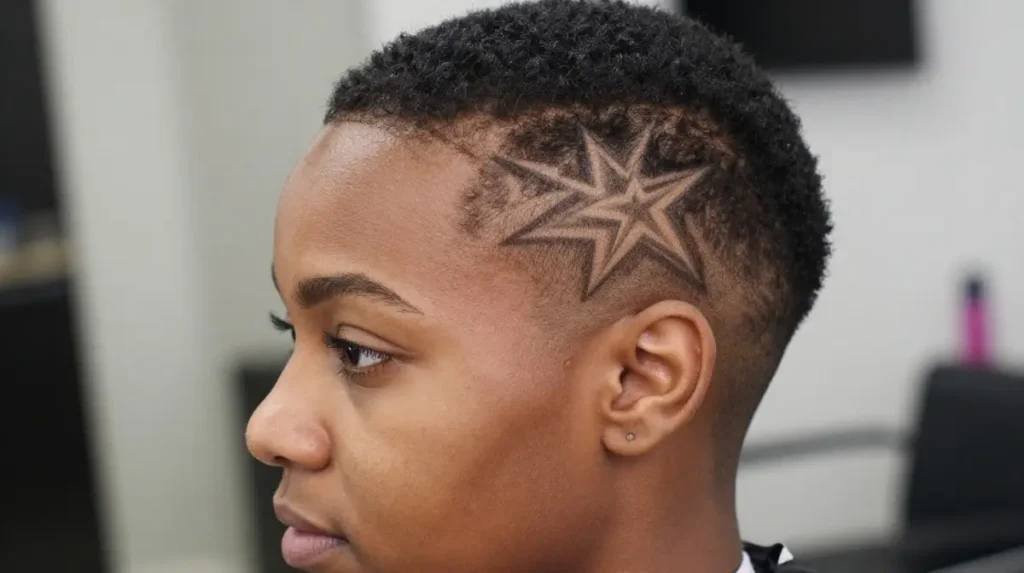
A bold shaved design — a star, a geometric shape, text, or a personal symbol — carved into the side or back of a low cut is the most expressive option in this category. It turns the hair itself into a canvas.
This requires a highly skilled barber and regular maintenance visits. The design reads most clearly on darker hair without color, where the contrast between the shaved skin and the hair creates maximum definition.
Low Cut Elegant Professional Style
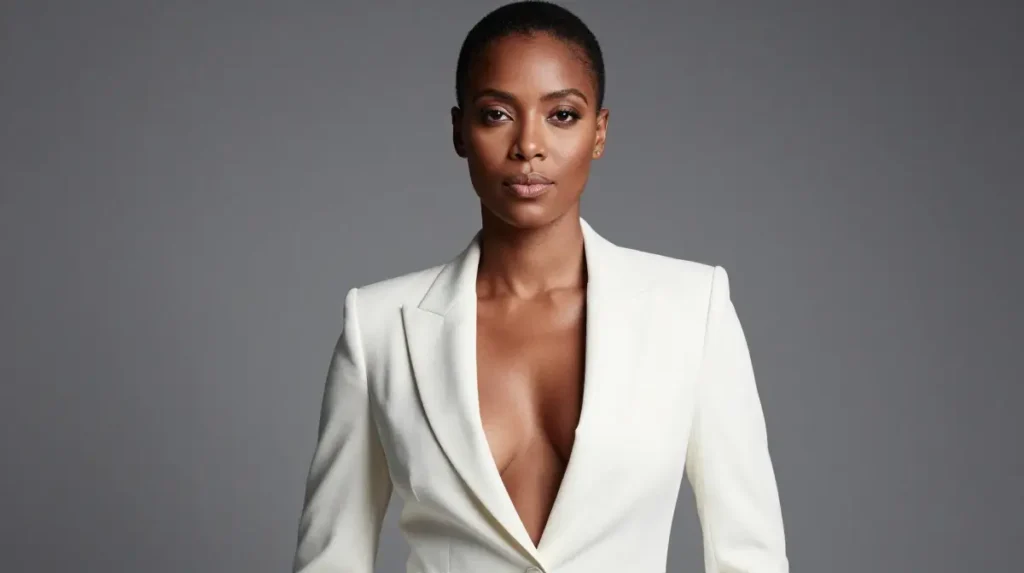
A low cut can absolutely work in professional environments — it is the execution that matters. A clean tapered cut with defined edges, a well-moisturized natural texture, and a polished overall presentation reads as professional in any workplace.
A satin bonnet worn overnight protects the style and keeps the edges smooth. Edges laid with a light edge control product in the morning complete the professional finish.
Quick Reference: Low Cut Hairstyles for Black Women
| Style | Hair Type | Face Shape | Maintenance | Key Product |
|---|---|---|---|---|
| TWA Natural | 4b, 4c | All shapes | Low | Hair butter, leave-in |
| Tapered Cut | 3c to 4c | All shapes | Medium | Curl cream |
| Skin Fade | 4a, 4b, 4c | Oval, Diamond | High | Edge control |
| Pixie Cut | 3c, 4a | Oval, Heart | Medium | Leave-in conditioner |
| Geometric Design | All types | All shapes | High | Clipper maintenance |
| Low Cut with Color | All types | All shapes | Medium–High | Color protect shampoo |
| Defined Coil Cut | 3c, 4a | Oval, Round | Medium | Curl defining cream |
Conclusion
Low cut hairstyles for Black women are some of the most versatile, expressive, and genuinely liberating options in the full range of Black hair styling. From a simple TWA that celebrates natural texture in its purest form, to a detailed geometric design cut by a skilled barber, to a bold color application that makes the texture visible from across the room — every style in this list works.
The common thread is that low cut styles require confidence, and they build it. Women who make the cut consistently say the same thing: they wish they had done it sooner. Find the style that speaks to you, find a barber who understands your texture, and build the routine that keeps your hair healthy and defined.
You can may also like this: 22 Medium Length Shag Haircuts Ideas for Trendy Volume Style
FAQs
What is the best low cut hairstyle for Black women with 4c hair
A TWA, tapered cut, or low fade with natural top all work well on 4c hair. The tight coily texture creates natural volume and shape even at very short lengths. Moisture and definition products are more important than the specific style choice.
How do I maintain a low cut natural hairstyle at home
Moisturize daily using the LOC or LCO method. Sleep in a satin bonnet or on a silk pillowcase. Visit a barber every two to three weeks to maintain the shape. Refresh the style between washes with a water-based hair refreshing spray.
Do low cut hairstyles suit all face shapes for Black women
Yes, with the right variation. Round faces benefit from height at the crown. Oval faces suit almost any low cut style. Square faces look great with tapered pixie cuts that soften the jaw. A barber consultation helps identify the best variation for your specific face shape.
How long does it take to grow out a low cut
Hair grows roughly half an inch per month on average. A TWA typically reaches a more substantial natural length within six to twelve months. Type 4 hair experiences significant shrinkage, so actual length is always greater than it appears.
Can Black women with low cuts color their hair
Yes. Color works well on low cut natural hair. Blonde, red, copper, and ombre options all suit short natural styles. It is important to work with a professional hair colorist who understands the hair’s porosity and uses bond repair treatments to protect the hair during the lifting process.
1 Comment