Introduction
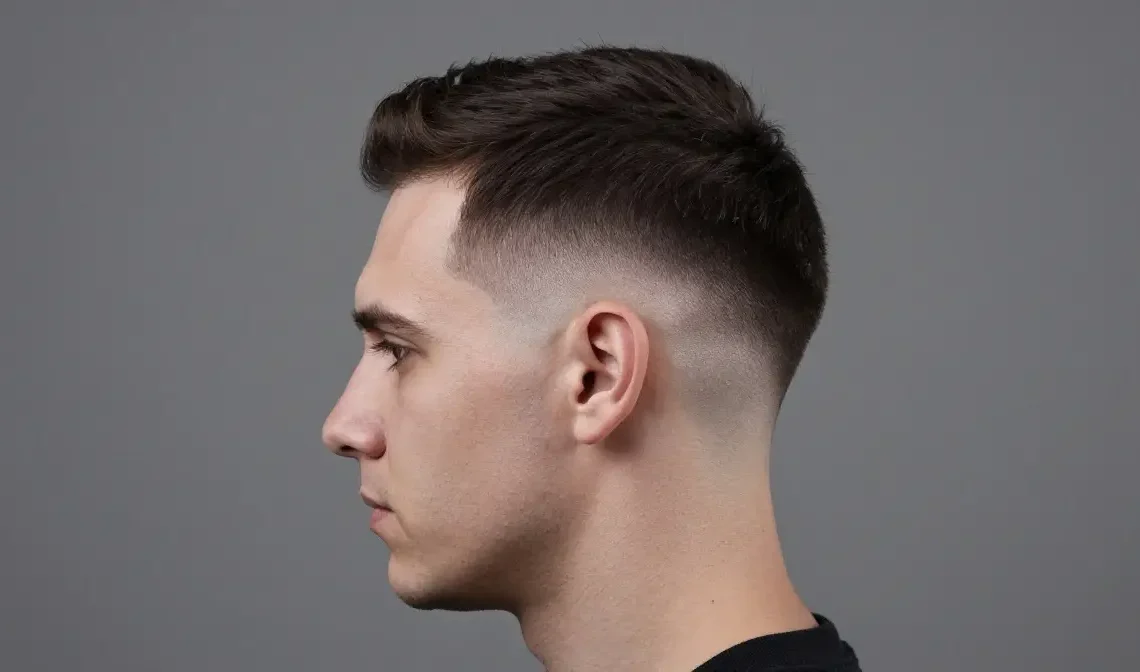
The mullet has completed one of the most remarkable comebacks in men’s grooming history. What was once considered an outdated relic of 1980s pop culture has been completely reimagined by a new generation of barbers and style-conscious men who understand that the core concept of the mullet, shorter at the front and sides with length retained at the back, can be executed with genuine sophistication and restraint. The subtle mullet is the most wearable and versatile interpretation of this idea. It keeps the defining structural character of the mullet without the exaggerated contrast that can make the style feel costume-like. For men who want something modern, personal, and genuinely different without going too far outside professional or social norms, the subtle mullet is an outstanding choice. This article covers 20 of the best subtle mullet ideas for men that look completely current in 2025 and 2026.
Low Taper Mullet
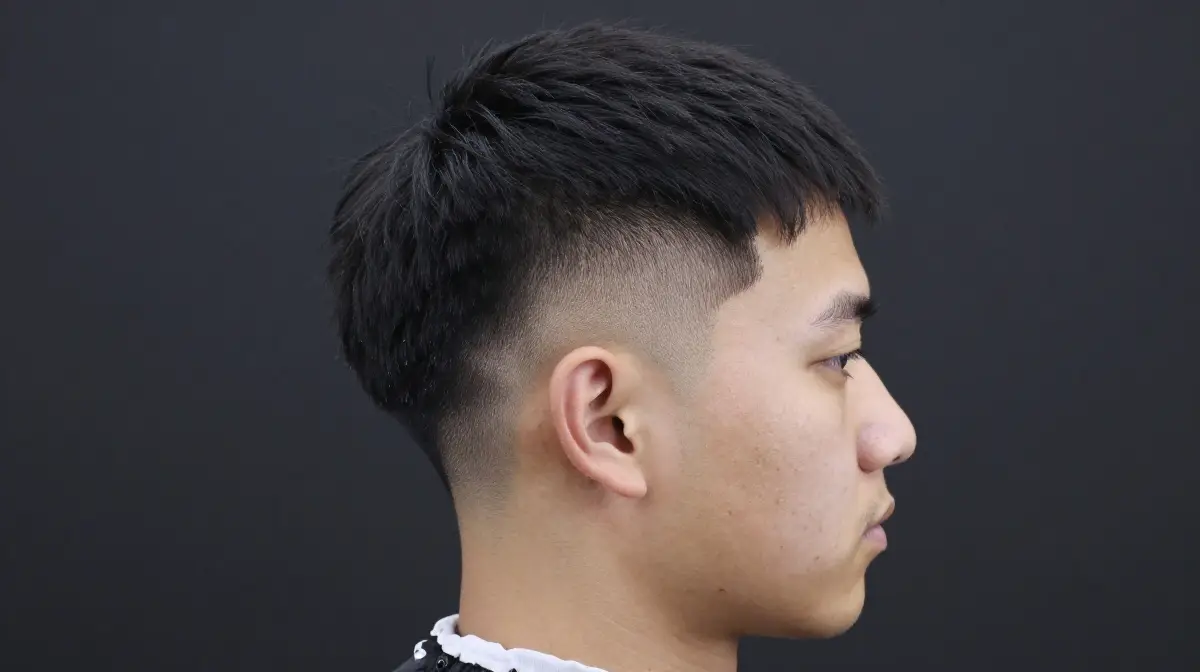
The low taper mullet is the most accessible and broadly appropriate entry point into the subtle mullet category. The sides are tapered gently just above the ears rather than faded aggressively to the skin, which creates a soft transition between the shorter sides and the longer back. The result is a clean, structured silhouette that is visibly a mullet in its proportions but subtle enough for professional environments and conservative social settings. A light styling cream or matte clay applied through the top and brushed forward gives the style its characteristic forward-moving shape. This is the version most barbers recommend for men trying a mullet for the first time.
Textured Subtle Mullet with Soft Layers
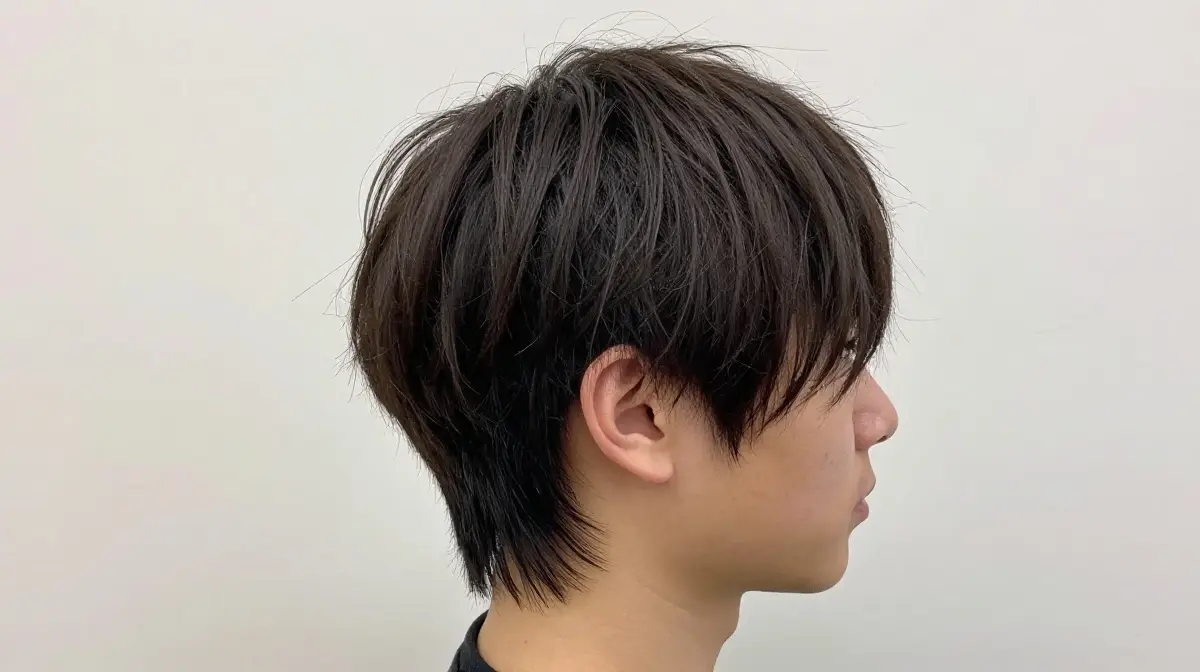
A textured subtle mullet uses soft scissor-cut layers throughout the hair to create movement and dimension without relying on a hard fade for structure. The front section is kept neat and clean while the layers build gradually toward the back, where the hair is left slightly longer to complete the mullet shape. The layered texture prevents the back from looking heavy or shapeless, giving the hair a natural, flowing quality that reads as deliberate rather than overgrown. A texturizing cream or light pomade worked through damp hair and left to air dry brings out the soft movement of the layers effectively.
Curtain Mullet with Low Fade
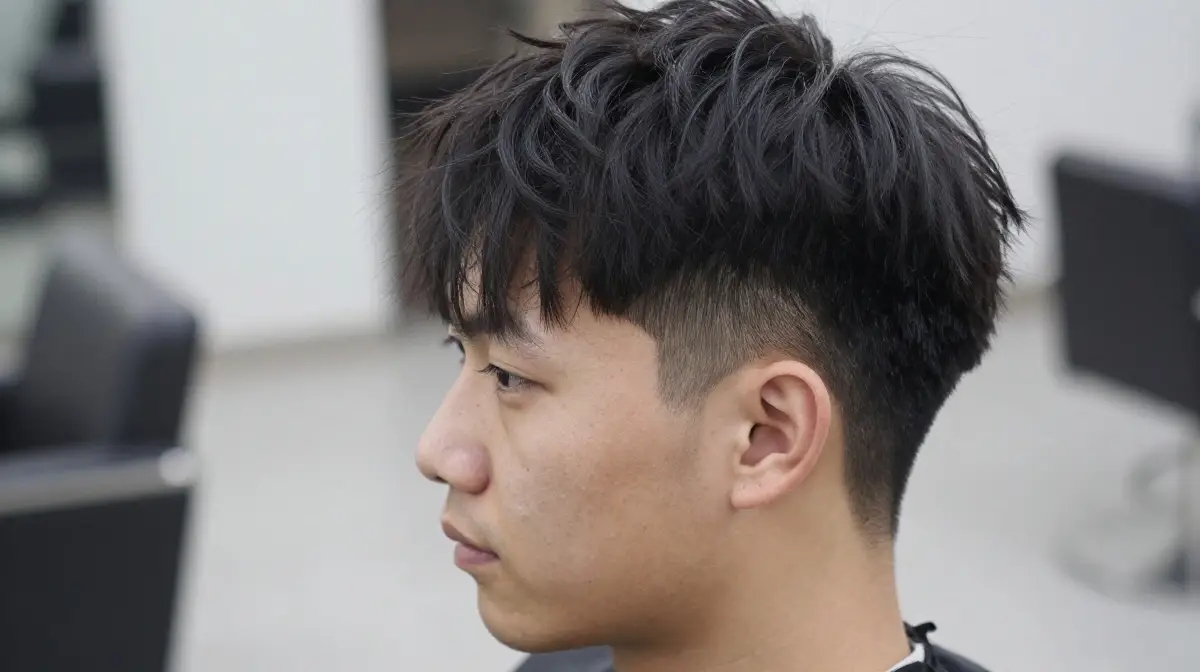
The curtain mullet pairs the widely popular curtain fringe with the subtle structural back length of a modern mullet. The fringe is parted softly down the middle and falls on either side of the forehead, framing the face with gentle, face-softening movement. The sides feature a low fade or soft taper, and the back retains moderate length that flows naturally from the crown. This combination is one of the most fashionable and youthful subtle mullet interpretations available, and it suits oval, heart, and round face shapes particularly well. Blow drying the fringe outward and applying a small amount of sea salt spray gives this style its relaxed, natural finish.
Side Part Subtle Mullet
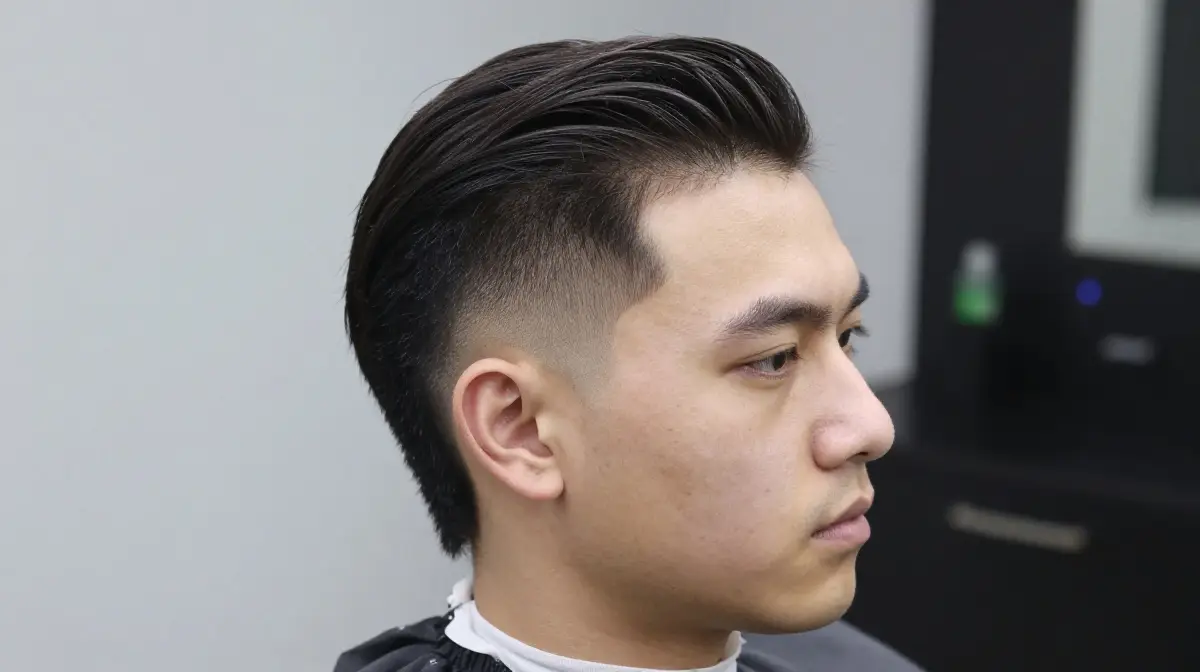
A side part combined with subtle mullet proportions creates a sophisticated, almost gentlemanly interpretation of the cut that works exceptionally well in semi-formal and professional settings. The hair is combed cleanly to one side with a defined part while the back is allowed to retain slightly more length than a conventional short back and sides. The contrast is understated enough that the mullet element reads more as considered styling than as a statement cut. A medium-hold pomade applied through the side-parted top and combed into place gives this style its clean, polished finish. It suits square and rectangular face shapes particularly well.
Shaggy Subtle Mullet for Wavy Hair
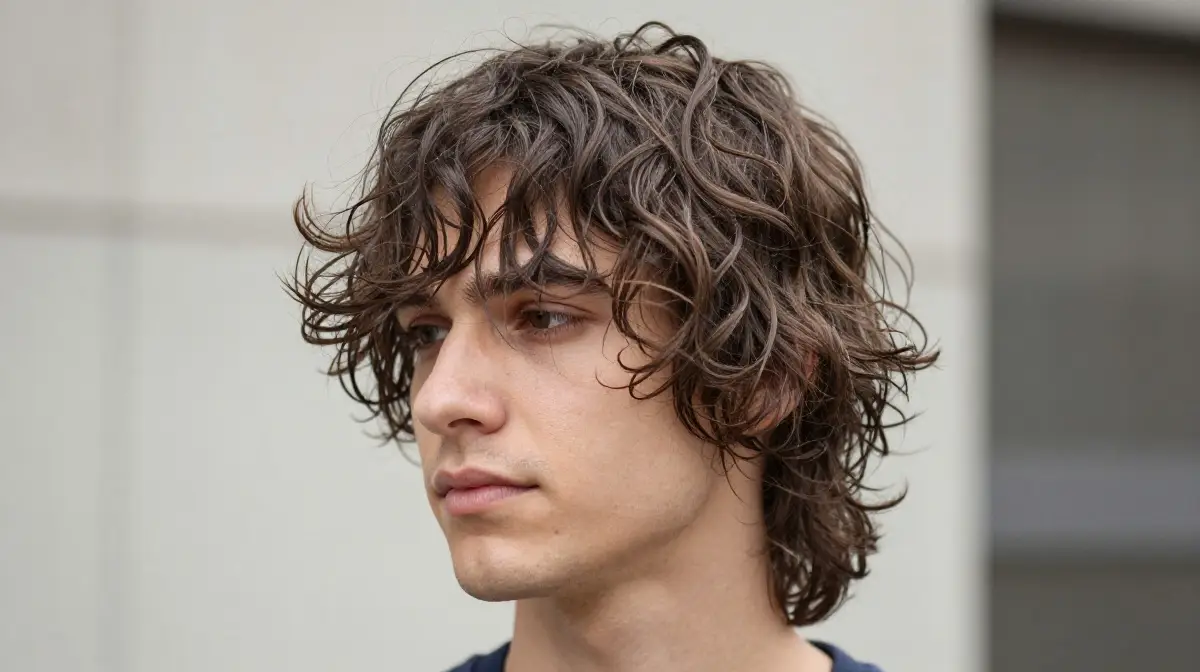
Men with naturally wavy or slightly curly hair are ideally suited to the shaggy subtle mullet, which embraces the natural texture of the hair rather than fighting it. The cut features soft, relaxed layers throughout the top and mid-lengths, with the back allowed to develop its natural wave pattern at a slightly longer length than the front. The shaggy mullet does not rely on a skin fade for definition, instead using the contrast between the layered, forward-directed front and the fuller, longer back to create the mullet structure. Sea salt spray applied to damp hair and left to air dry delivers the effortless, lived-in quality that makes this style so appealing.
Short Subtle Mullet
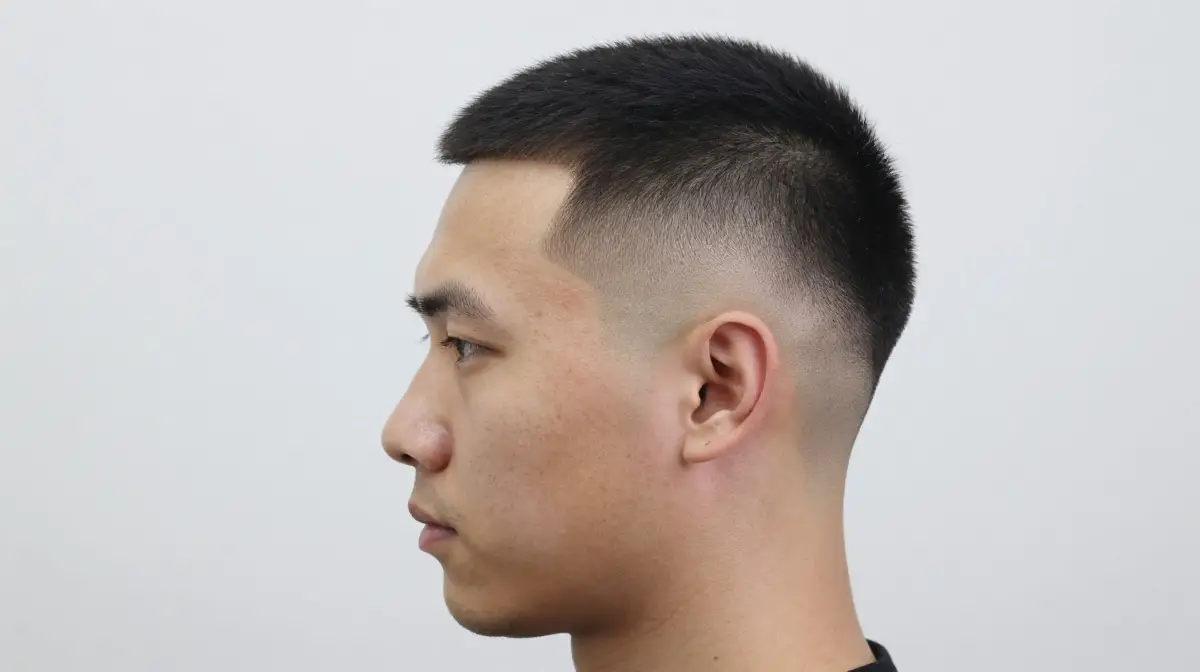
The short subtle mullet keeps the back length deliberately modest, with only one to two inches more length at the nape than at the crown. This minimal length differential is enough to establish the mullet structure in the eyes of anyone who knows the cut, but subtle enough that most people would simply describe it as a textured short back and sides with a little extra length. This version is ideal for men who work in conservative professional environments and want to express their personal style sensibility without creating a dramatic visual statement. A small amount of matte clay applied through the top gives the short subtle mullet its clean, deliberate finish.
Classy Mullet with Taper and Beard
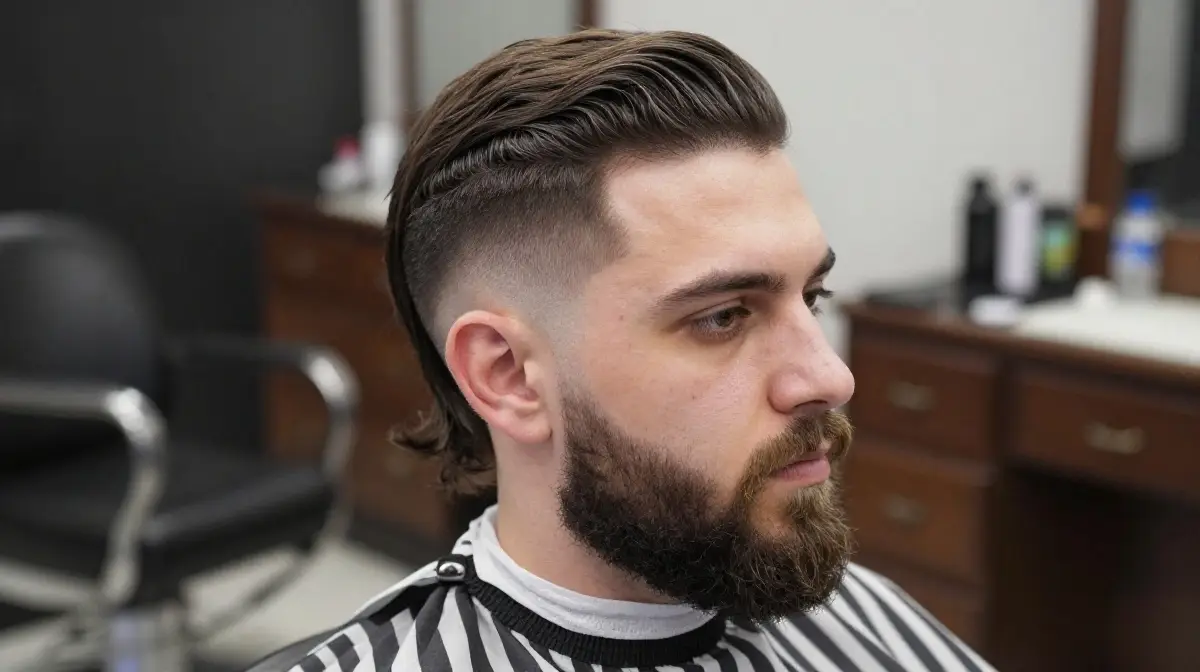
Pairing a classy subtle mullet with a well-groomed beard is one of the most effective strategies for making the overall look feel intentional and masculine rather than experimental. The mullet provides length and movement from the top through to the back, while the beard frames the jaw and lower face with structure and weight. A soft taper on the sides blends into the beard line seamlessly when executed by a skilled barber, creating a fully cohesive look from every angle. Matte styling cream on the hair and a quality beard oil applied to the facial hair keeps both elements looking their best simultaneously. This combination suits oval, square, and diamond face shapes particularly well.
Slick Back Subtle Mullet
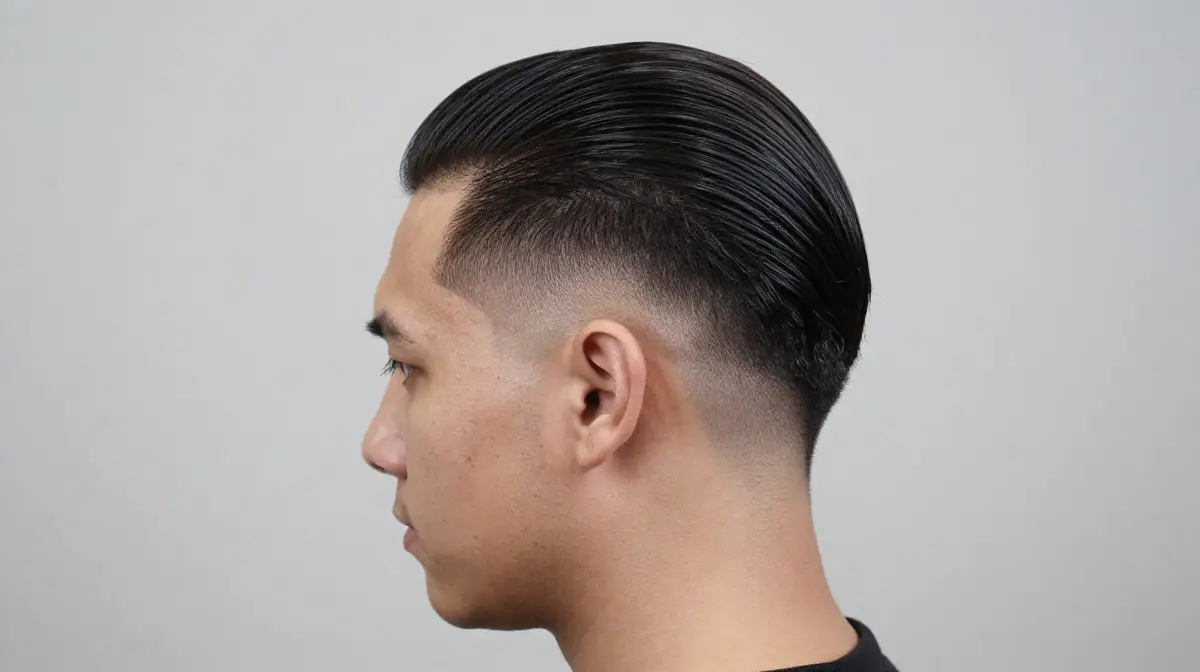
A slick back subtle mullet combines the polished, backward-swept styling of a classic slick back with the subtle additional back length that defines the mullet structure. The front section is combed or blow dried straight back from the hairline, creating a clean, confident silhouette, while the back is left to fall naturally at a length that extends past the collar without exaggeration. A light to medium hold pomade applied through the hair and combed back achieves the necessary finish without flattening fine hair or creating the heavy, overdone appearance that heavier products can leave. This is a mature, self-assured interpretation of the subtle mullet that suits most face shapes.
Mullet with Textured Fringe
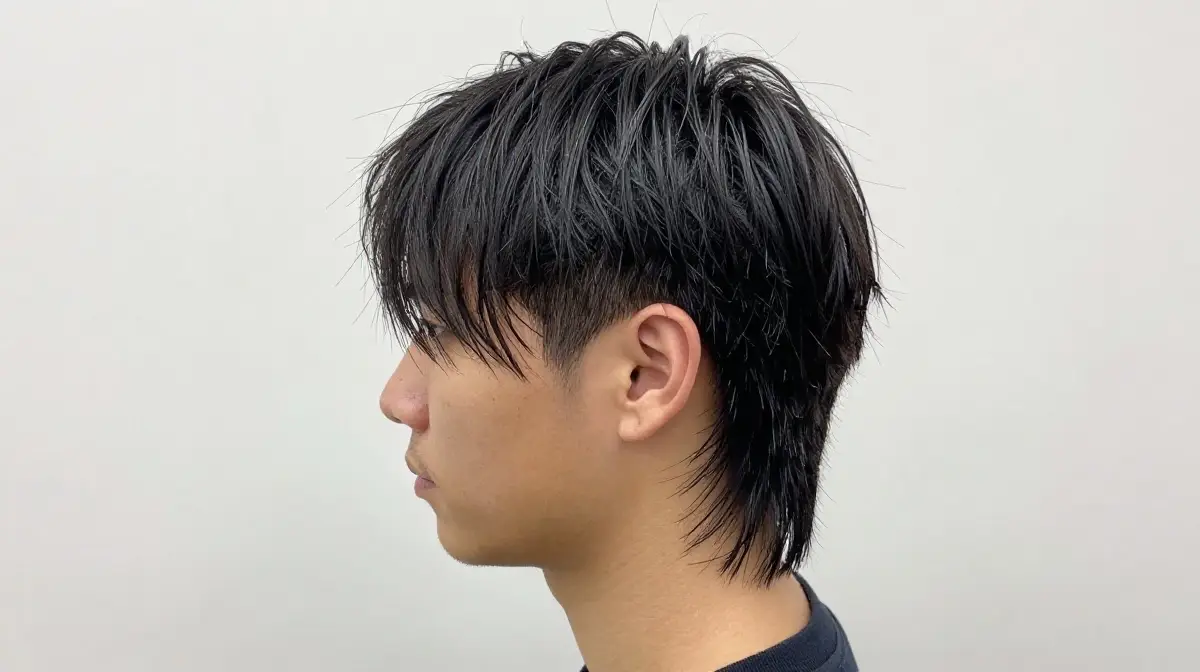
A textured fringe directed forward across the forehead, paired with subtle back length, creates a mullet interpretation that is more recognizably directional than structural. The fringe provides a clean, modern front section with movement and personality, while the back retains enough length to establish the mullet proportions without drawing excessive attention. The sides can be left soft with a scissor taper rather than a clipper fade, which keeps the entire cut within a softer, more restrained aesthetic register. A light clay or texturizing paste applied through the fringe with the fingers gives it the separated, slightly undone quality that this style is known for.
Modern Mullet with Middle Part
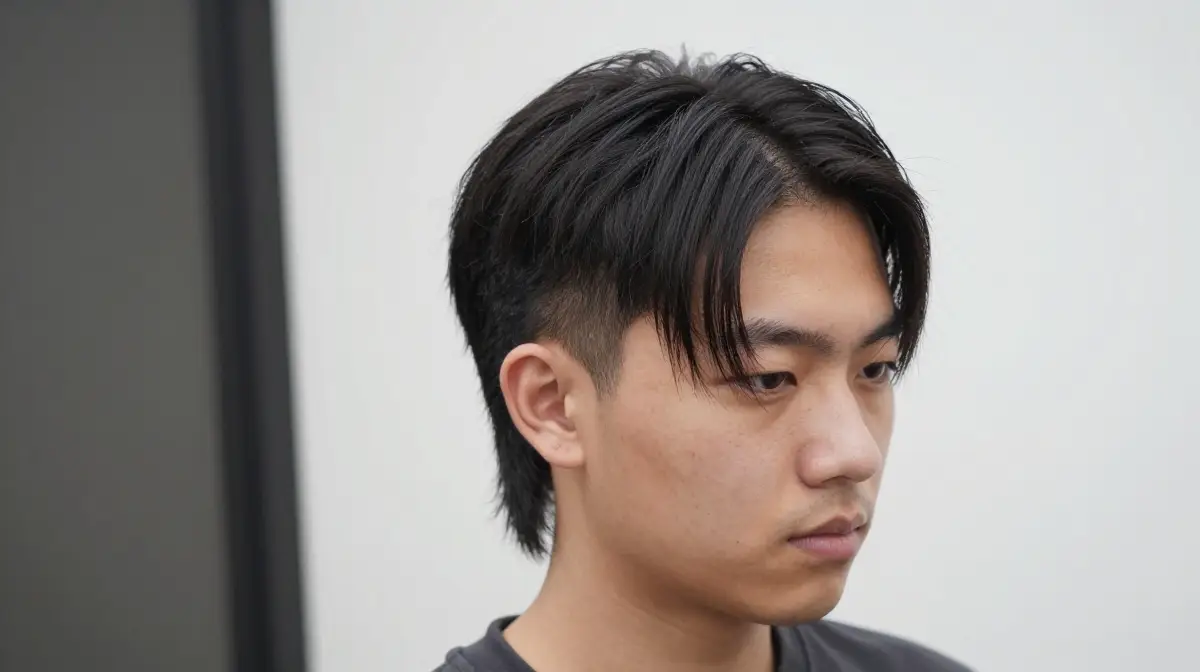
A middle part mullet places a clean, defined center part at the top of the head, allowing the hair to fall symmetrically on both sides of the forehead before flowing back into the subtle back length that characterizes the mullet structure. This interpretation has strong associations with current men’s fashion and particularly with the influence of Korean and European street style on mainstream barbering trends. The symmetry of the middle part gives the cut a balanced, almost androgynous quality that reads as fashion-forward without being aggressive. A lightweight styling cream applied to damp hair and left to develop naturally gives this style its relaxed, contemporary finish.
Subtle Mullet for Straight Hair
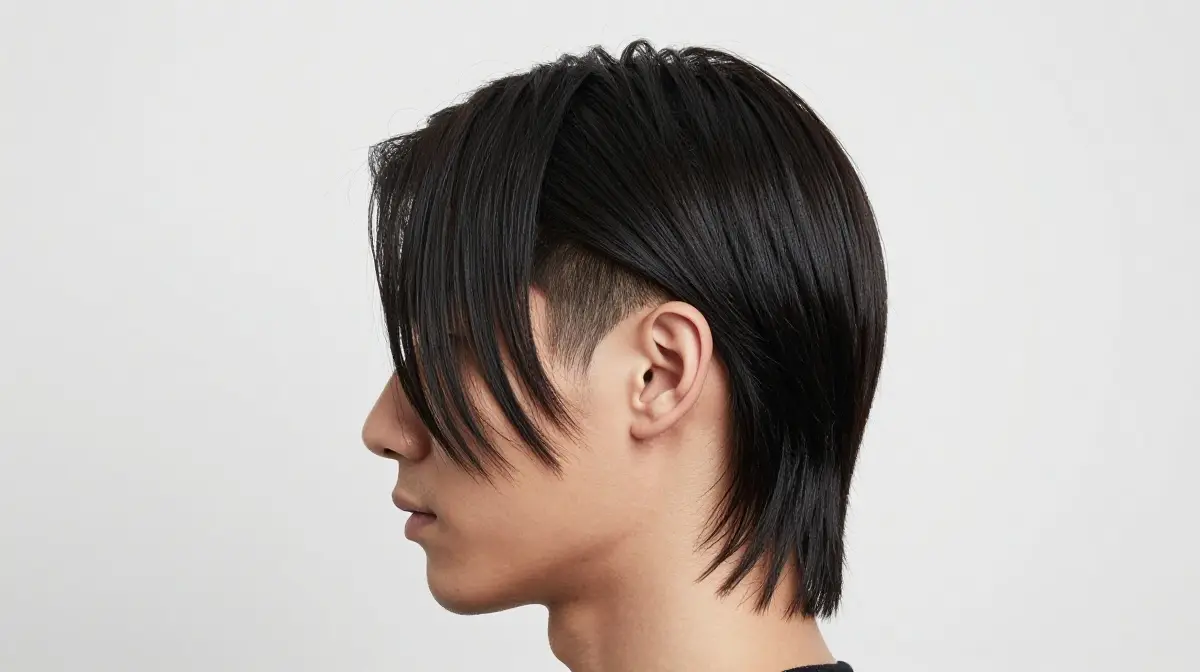
Men with naturally straight hair can achieve an exceptionally clean and precise subtle mullet because the straightness of the hair allows the structural contrasts of the cut to show with maximum clarity. The front is kept neat, the sides tapered or softly faded, and the back left to fall in a smooth, straight line at a length that sits just below the collar. Styling this version is straightforward, requiring only a small amount of smoothing serum or light pomade applied to the finished style for a clean, polished result. The straight hair subtle mullet looks particularly striking in darker hair colors where the weight and line of the back section is clearly defined.
Subtle Wolf Cut Mullet
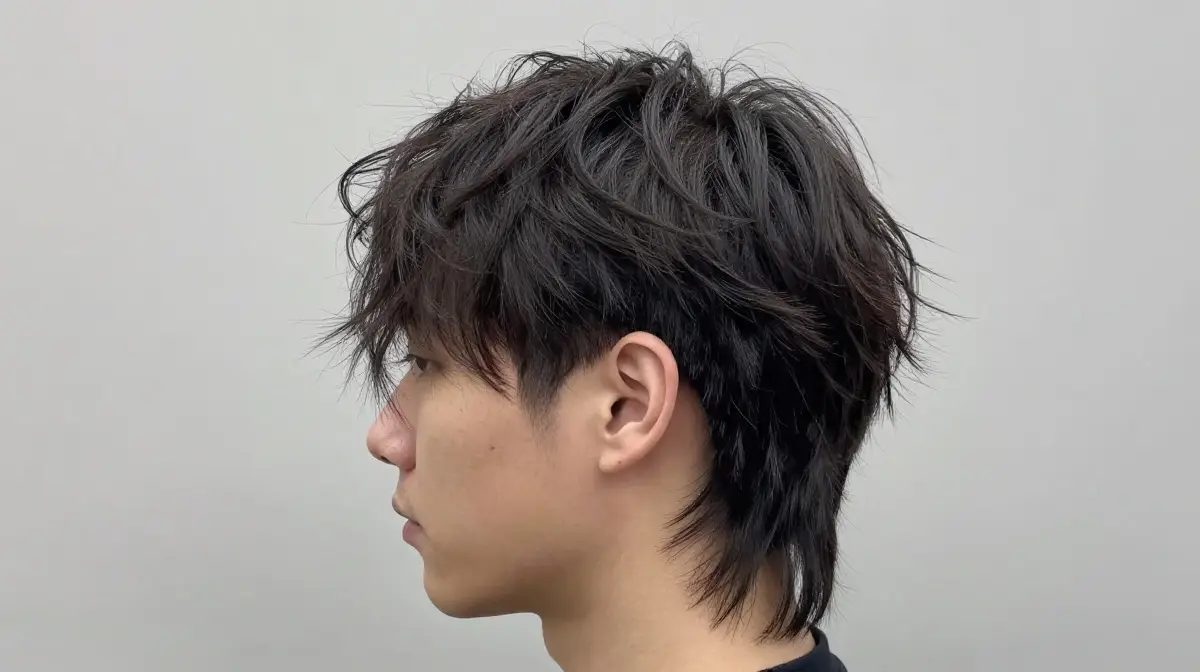
The wolf cut is a layered, high-volume style that shares significant structural DNA with the modern mullet, and blending the two concepts creates one of the most dynamic and currently fashionable subtle mullet variations available. The crown layers are kept shorter and lifted for volume, while the mid-lengths and back are left longer with soft, flowing layers that give the style its characteristic movement. The sides are tapered or blended rather than faded hard to the skin, maintaining the soft, romantic quality of the wolf cut aesthetic. A volumizing mousse applied before diffuse drying builds the crown volume and enhances the natural movement of the longer layers.
Subtle Mullet with Disconnected Sides
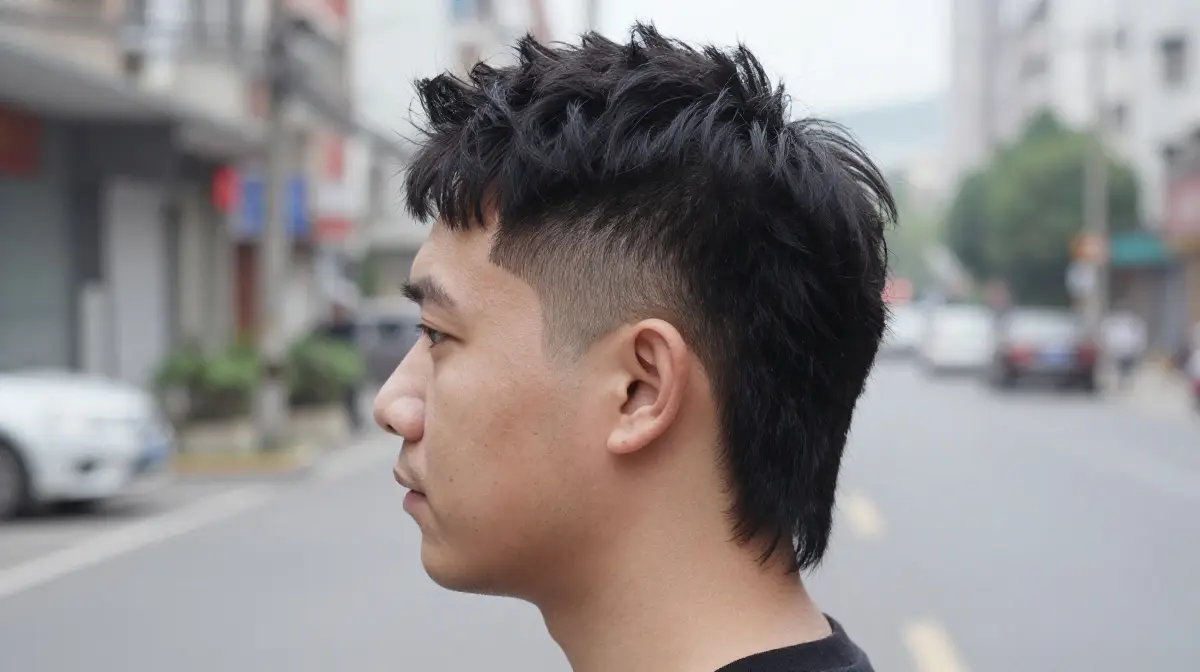
A subtle mullet with a disconnected side section creates a more fashion-forward and visually interesting version of the cut by establishing a visible contrast between the shorter sides and the longer top and back without the gradual blending of a fade or taper. The disconnection is typically executed through an undercut that removes length beneath a horizontal line, creating a clean, defined boundary. Above the line, the hair flows from the styled front through to the longer back, while the short sides below provide structural contrast. This is a bolder interpretation of the subtle mullet concept that suits men with a stronger personal style sensibility.
Subtle Curly Mullet
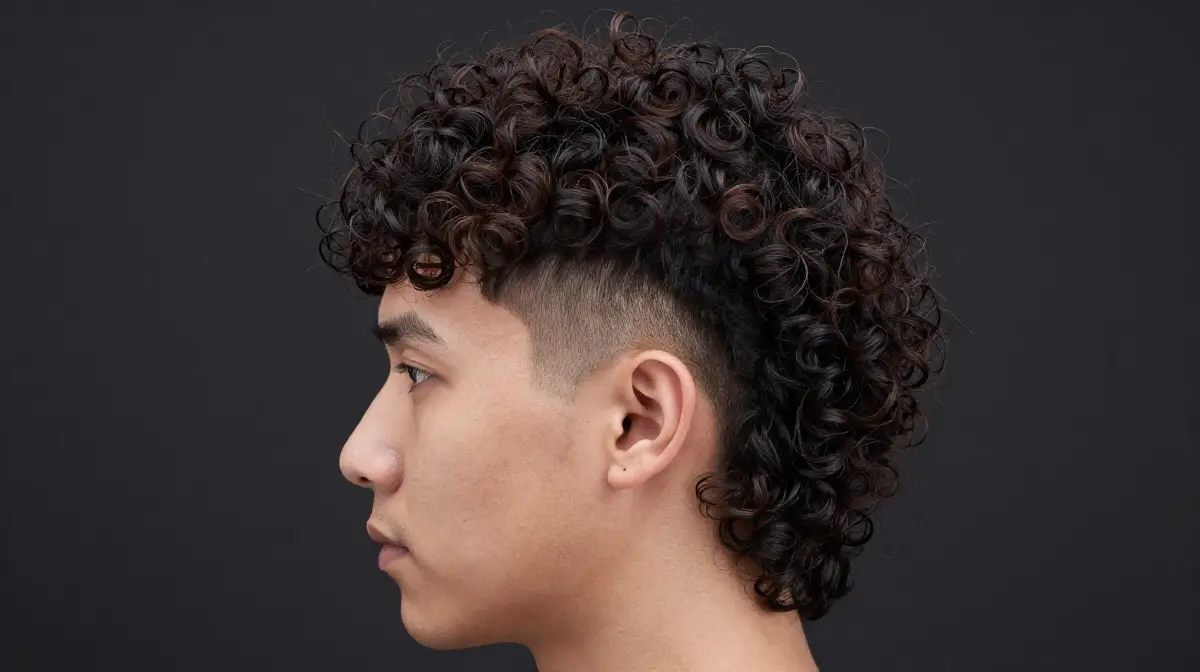
Men with naturally curly hair have a genuine advantage with the subtle mullet because the curls provide built-in texture, volume, and personality that makes the cut look full and expressive without requiring any additional styling effort. The front curls are kept slightly shorter and directed forward, while the back curls are allowed to develop at a longer length that creates the mullet proportions. A low fade or soft taper on the sides frames the curly top and back clearly. A curl-defining cream applied to damp hair and left to air dry or diffuse brings out the natural shape and definition of the curls while keeping the back section light and bouncy.
Professional Subtle Mullet
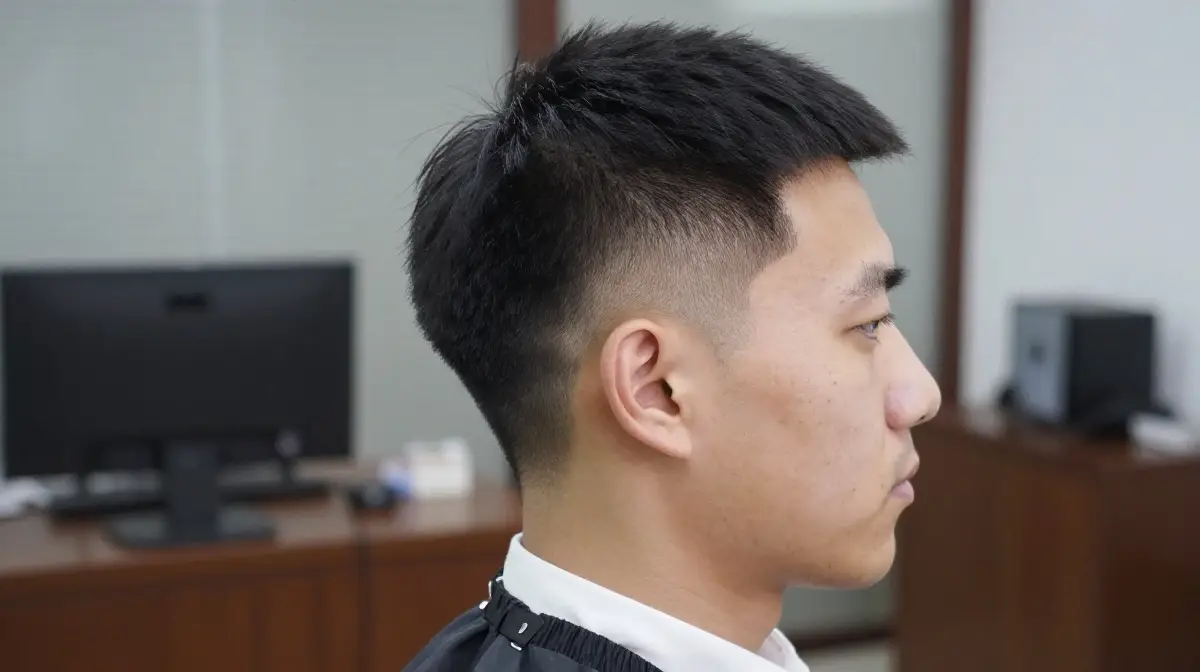
The professional subtle mullet is specifically designed for men who want to participate in the mullet trend without compromising the clean, conservative appearance required in their workplace. The back length is kept to a minimum, extending no further than the top of the collar, and the sides are neatly tapered rather than dramatically faded. The top is styled cleanly forward or to the side, and the overall impression is of a well-groomed, considered short haircut with a slightly contemporary edge. A medium-hold matte clay or pomade keeps the professional subtle mullet looking sharp and controlled throughout a full working day without any mid-day touch-up requirement.
Subtle Mullet with Quiff Top
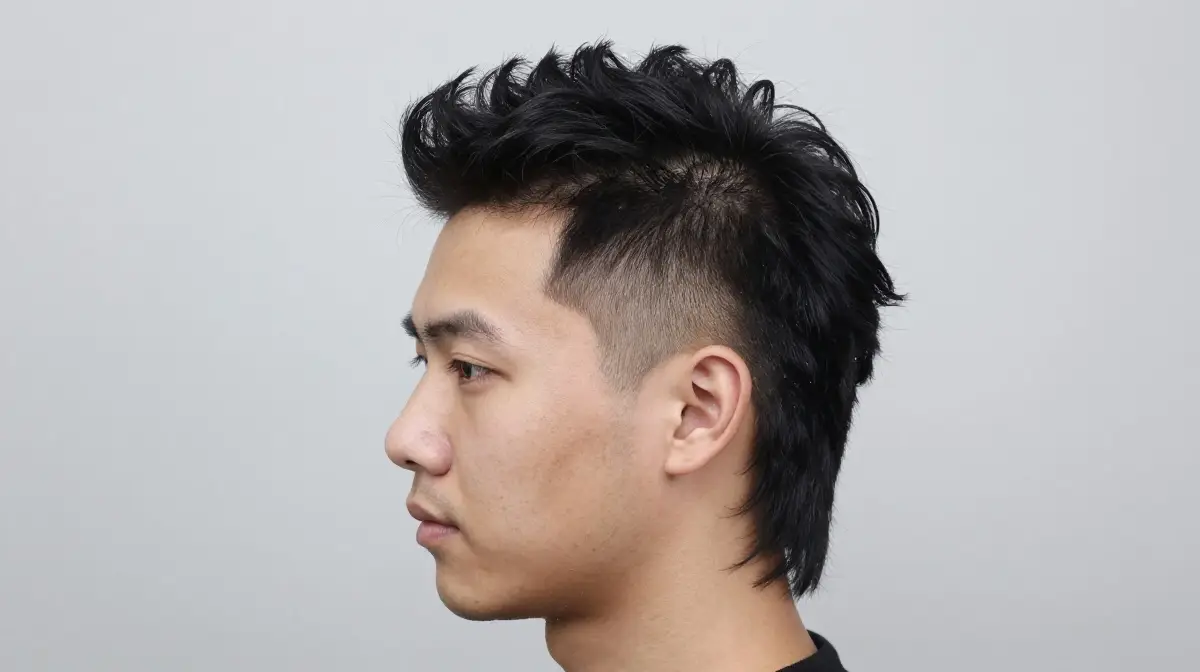
Combining a quiff on the top with subtle back length creates a mullet variation that has real height and visual presence at the front while the back provides the characteristic flow and length of the mullet structure. The quiff is blow dried upward and slightly forward with a round brush, creating lift at the roots that makes the front of the hair appear full and confident. The back is left to fall naturally at a moderate length, and the sides are softly tapered to frame the overall shape. A volumizing mousse applied before drying and a matte clay for final definition gives the quiff its structure without heaviness.
Subtle Mullet with Natural Back Flow
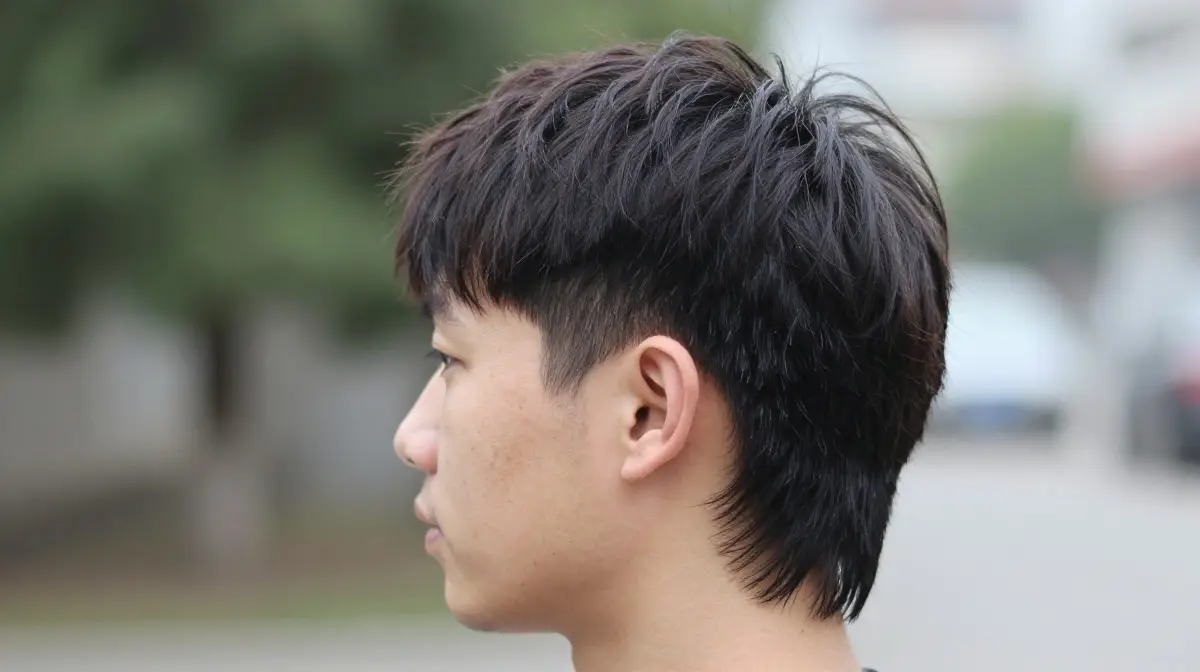
A subtle mullet designed specifically around the natural growth direction and movement of the back hair creates one of the most organic and low-effort versions of the cut available. Rather than adding artificial structure or forced layers to the back section, the hair is cut to a length that allows it to fall naturally in whatever direction it grows, creating a back section with genuine movement and life. This approach works particularly well for men with naturally wavy or lightly textured hair where the natural flow of the back section looks interesting and deliberate rather than neglected. A light sea salt spray or leave-in conditioner enhances the natural movement without weighing the hair down.
Subtle Mullet with Blunt Back
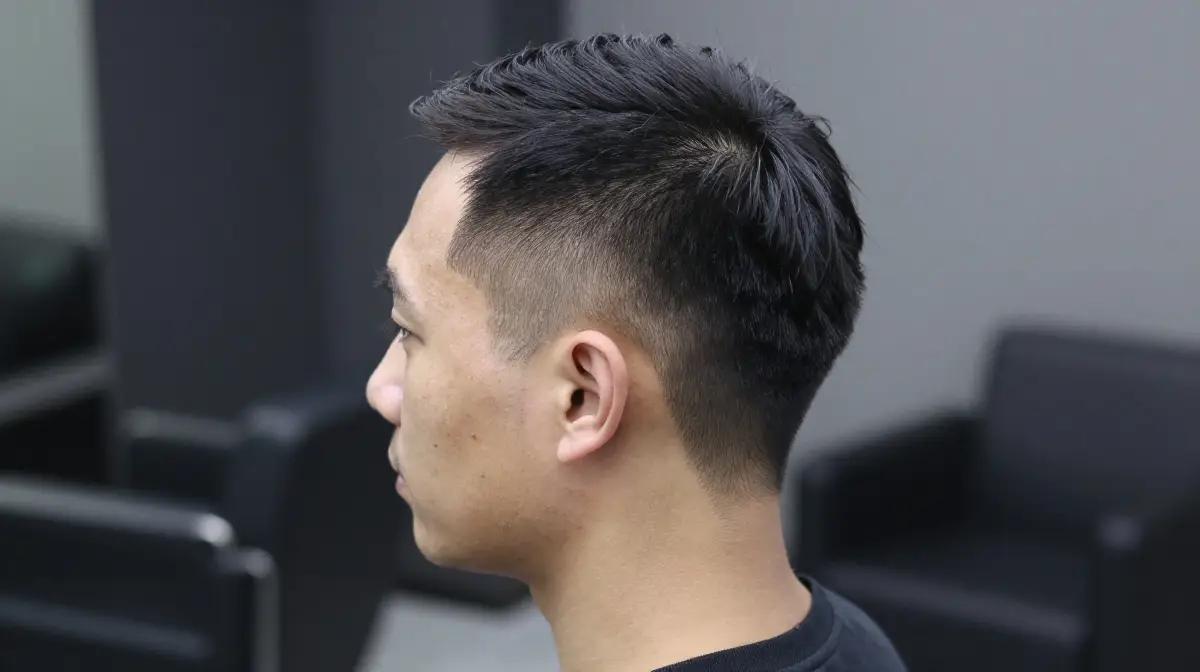
A blunt cut back section on a subtle mullet creates a clean, defined baseline at the nape that gives the cut a precise, intentional quality. Rather than layering or tapering the back to a point, the hair is cut in a straight horizontal line that creates a sharp, geometric finish. This approach makes the back section look immediately deliberate and styled rather than simply grown out, which is a significant advantage for men who want to wear a subtle mullet in environments where appearance and grooming standards are observed closely. A smoothing serum applied to the back section keeps the blunt baseline clean and defined throughout the day.
Subtle Mullet with Color and Highlights
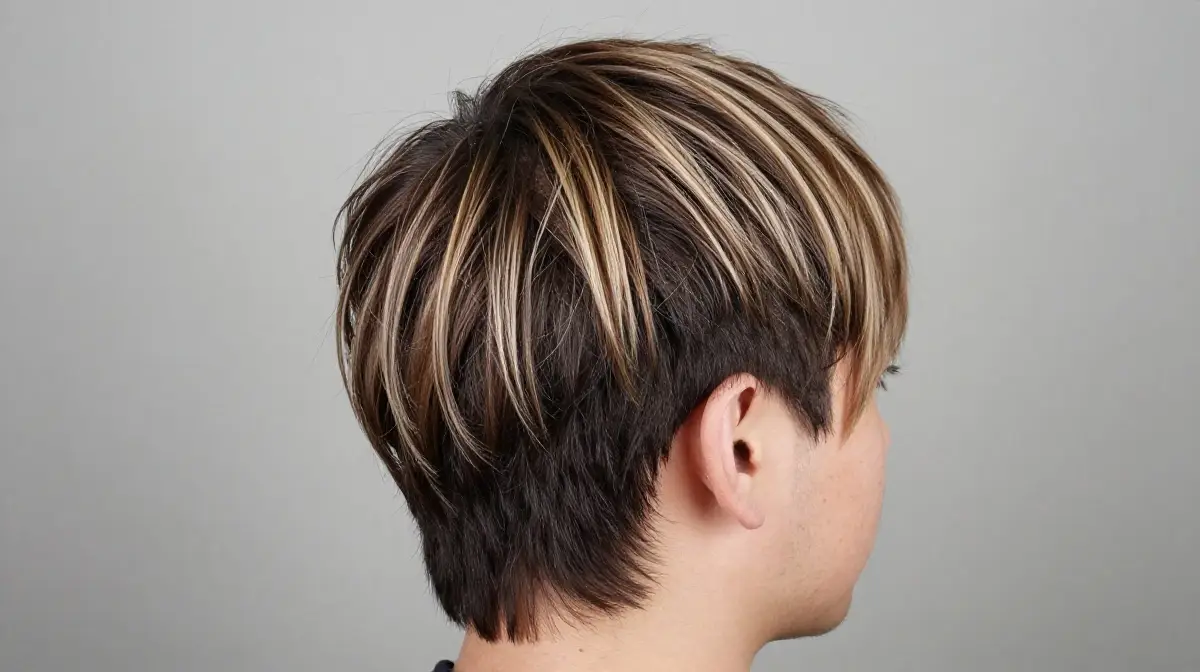
Adding subtle color or highlights to a modern mullet creates a dimension of visual interest that enhances the structural character of the cut. Lighter tones placed through the top section or along the face-framing pieces draw light forward and upward, while the back section retains the natural base color, creating a tonal separation that reinforces the front and back contrast that defines the mullet structure. Balayage or lived-in highlight techniques are particularly effective because they look natural and unforced, avoiding the harsh, artificial appearance of traditional highlights. This color strategy suits the subtle mullet well because it adds personality and individuality without requiring a dramatic or high-maintenance coloring commitment.
Subtle Mullet with Low Skin Fade and Soft Top
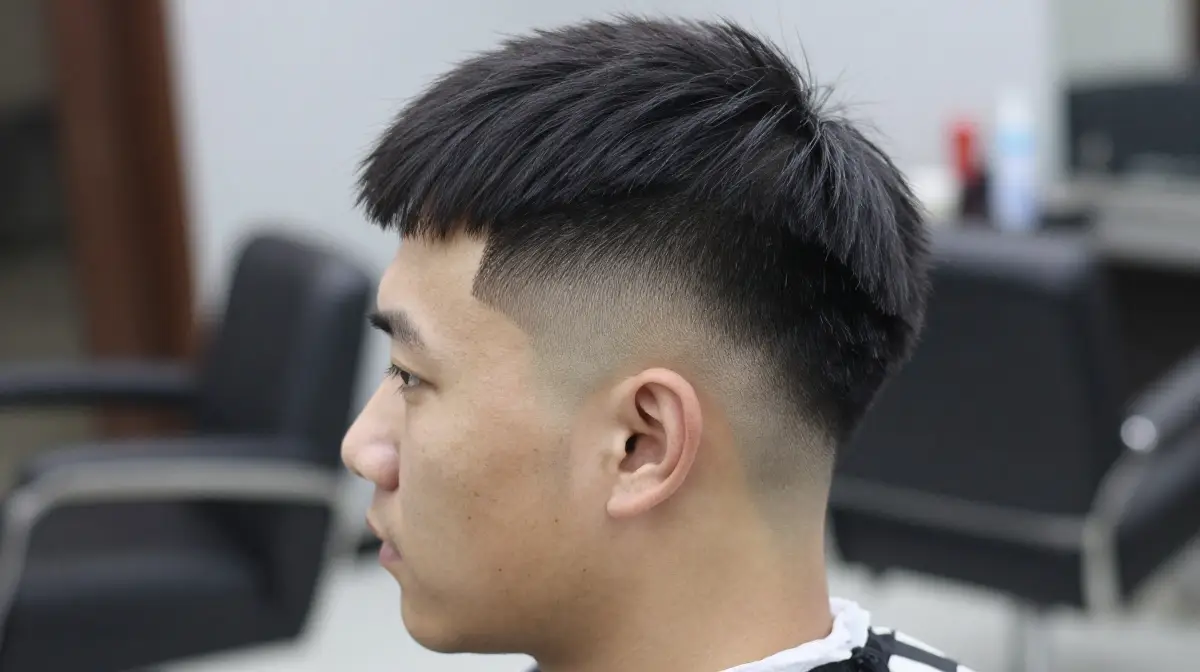
A low skin fade paired with a soft, loosely textured top and moderate back length creates a subtle mullet variation that combines the precision of a clean barbered fade with the relaxed, contemporary character of a textured mullet shape. The skin fade starts low at the base of the sides and transitions cleanly into the longer top and back sections, giving the overall silhouette a sharp, defined base from which the softer top and flowing back can develop freely. This is one of the most polished and versatile subtle mullet options available, equally at home in a creative professional environment, a smart casual dinner setting, or a relaxed weekend context.
You can may also like this: 20 Iconic Mid Fade Haircuts for Men with Thin Hair Ideas
Conclusion
The subtle mullet has firmly established itself as one of the most intelligent and wearable men’s haircut choices of the current era. It captures the creative, individualistic spirit of the mullet concept while maintaining the restraint and refinement that allows it to function across a wide range of social and professional contexts. The twenty styles covered in this article demonstrate the remarkable range of expression available within the subtle mullet category, from the low taper professional option to the wolf cut mullet and the curly natural flow version. Choosing the right variation comes down to understanding your hair type, your face shape, your lifestyle, and how much of a statement you want to make. Whatever your preference, communicating clearly with a skilled barber and bringing a reference image will ensure you walk out with a subtle mullet that feels entirely your own.
FAQs
What makes a mullet subtle rather than dramatic
A subtle mullet minimizes the length difference between the front and back sections and uses soft tapers or scissor cuts rather than aggressive skin fades on the sides. The result still has the characteristic mullet proportions but reads as a refined, considered haircut rather than a bold statement.
Can you wear a subtle mullet in a professional environment
Yes. The professional subtle mullet, the side part version, and the slick back subtle mullet are all specifically suited to conservative work environments because the back length is kept modest and the overall finish is clean and controlled.
How often does a subtle mullet need to be maintained
Every four to six weeks is appropriate for most subtle mullet styles. The back section grows out faster than the front, so regular trims are needed to keep the length differential balanced and the overall shape intentional.
What is the best subtle mullet for men with wavy hair
The shaggy subtle mullet and the wolf cut mullet are the most flattering options for wavy hair because both styles work with the natural movement of wavy texture rather than requiring it to be straightened or flattened.
How do you tell your barber you want a subtle mullet
Be specific about the length differential you want. Ask for the back section to be left one to two inches longer than the crown, with a soft taper rather than a hard fade on the sides. Bringing a reference photo is the most effective way to ensure the barber understands the level of subtlety you want.